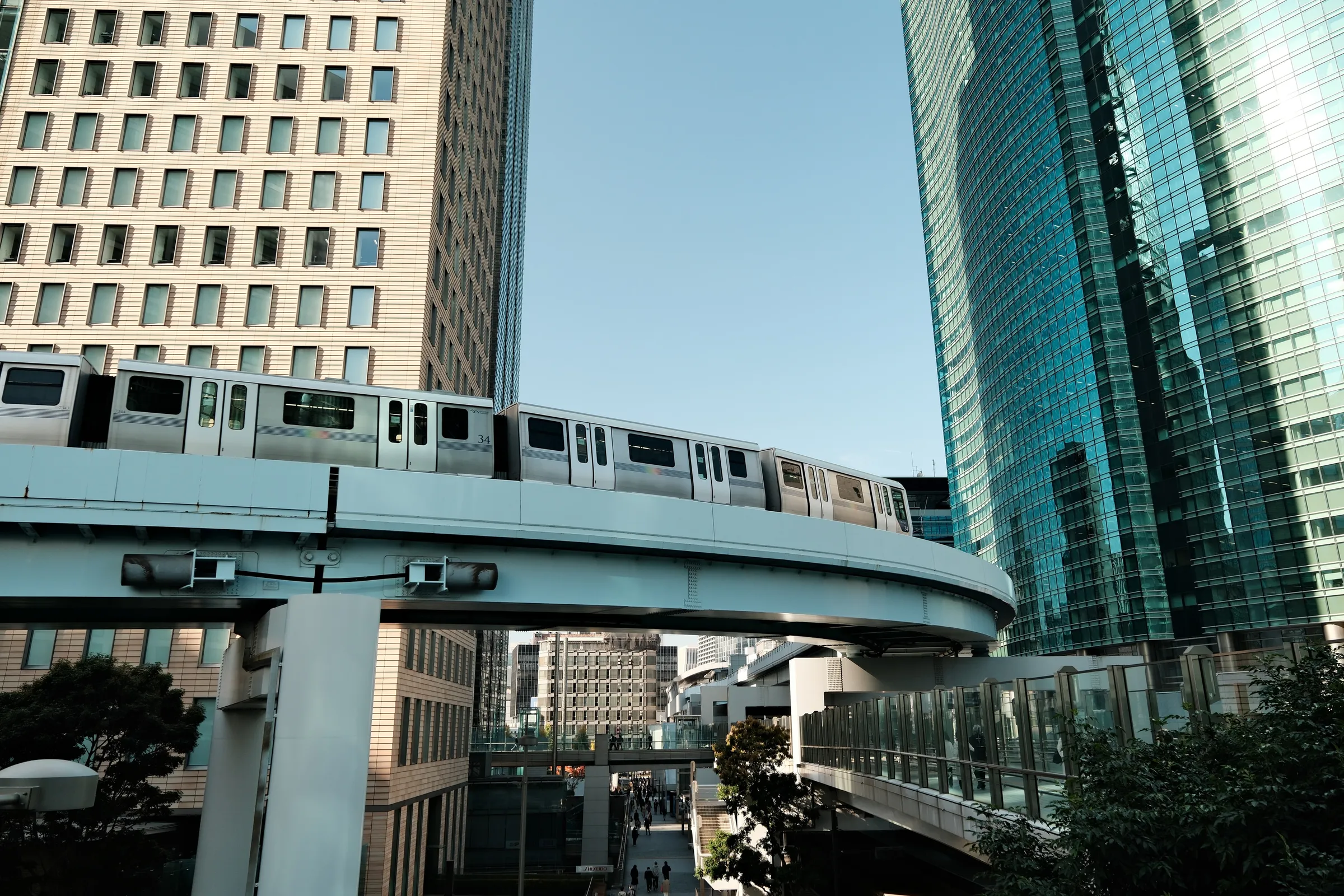
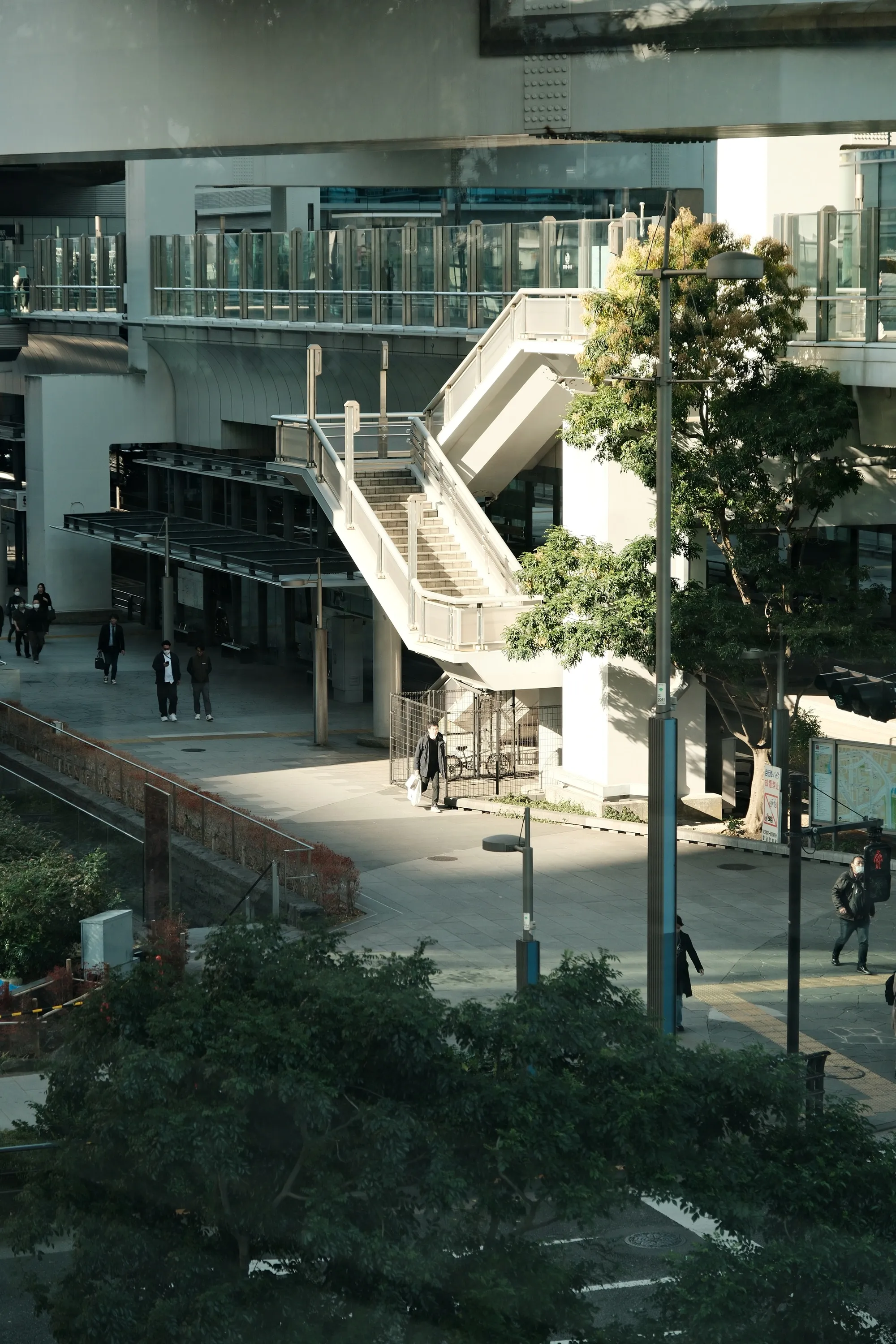
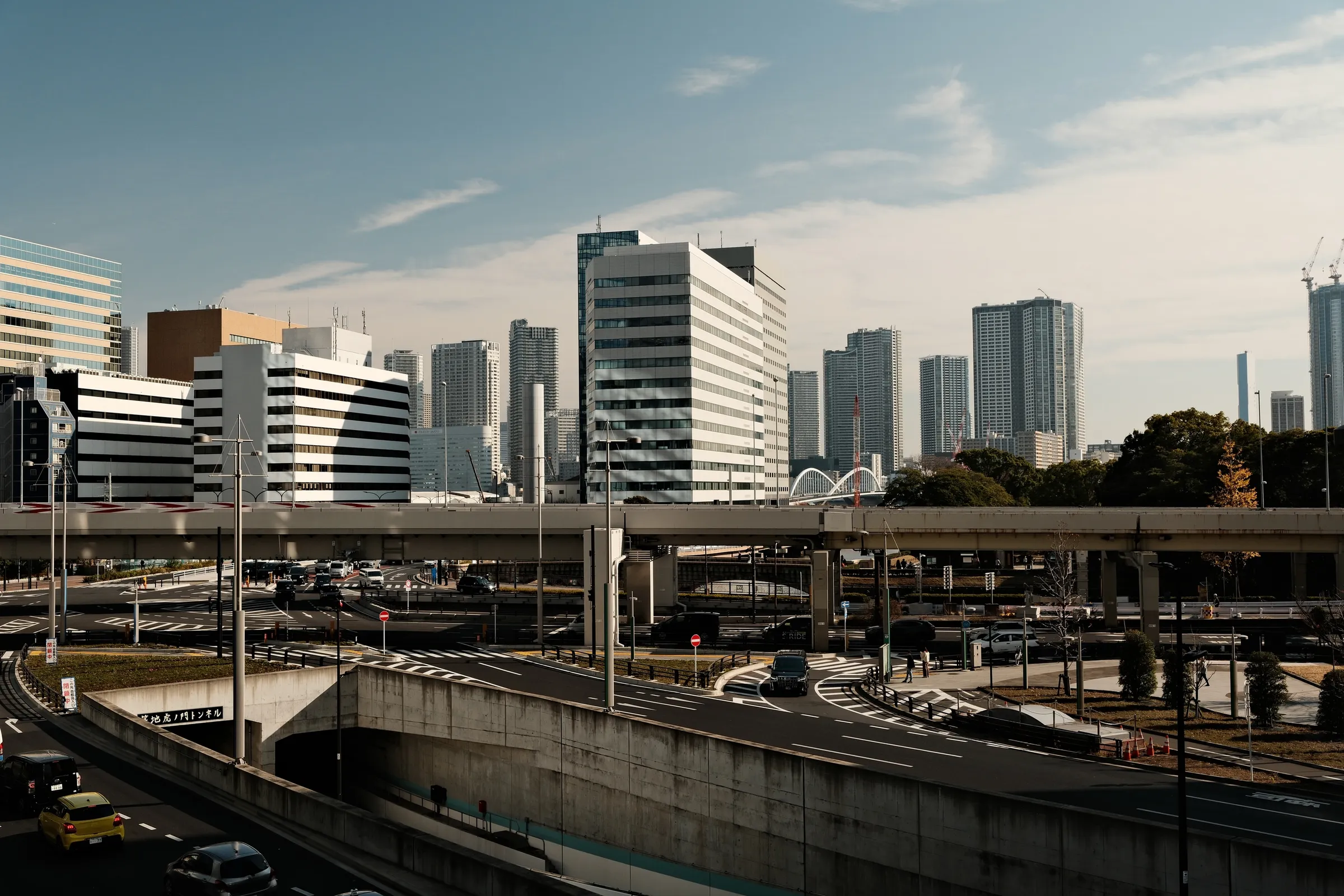
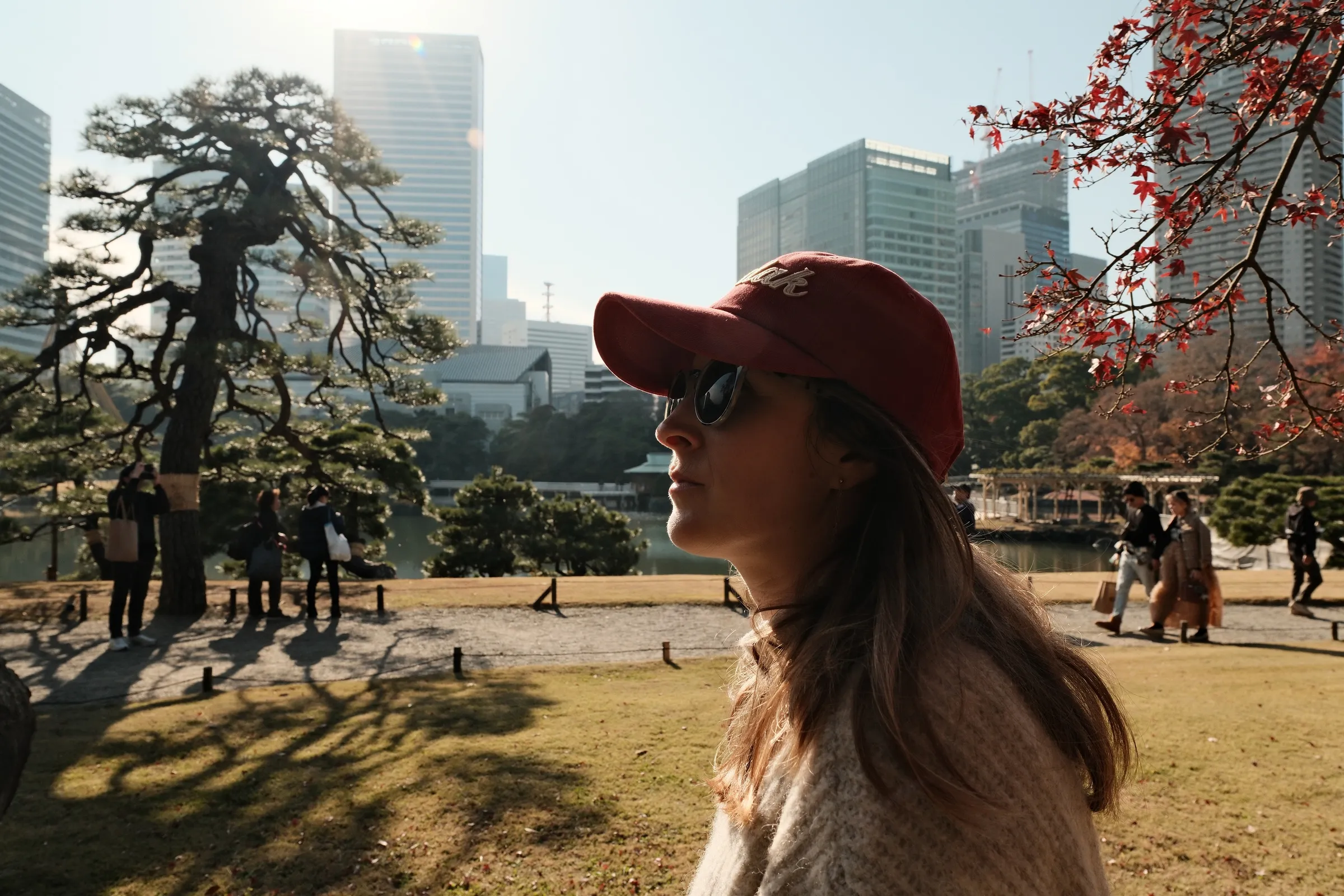
A city built around movement
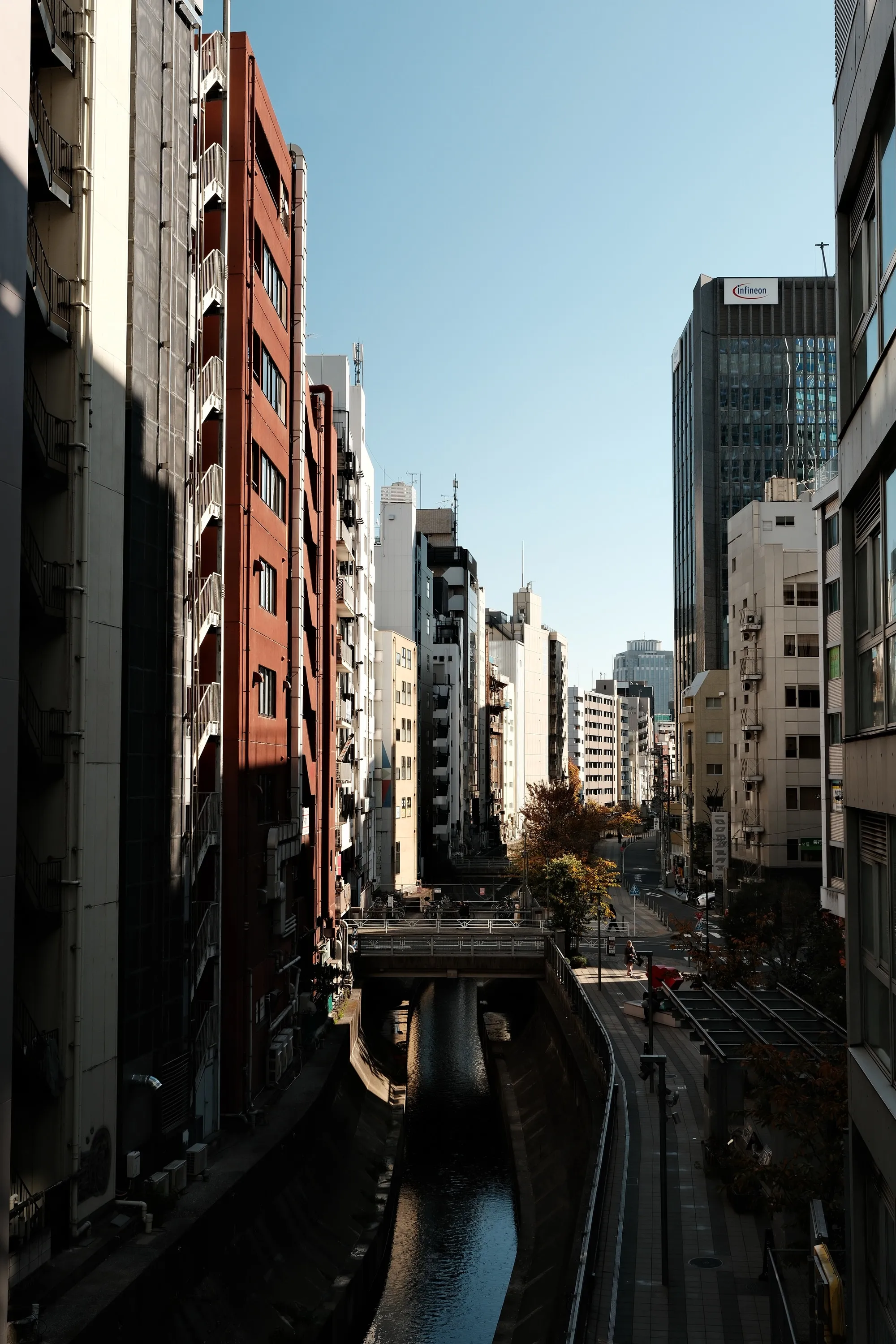
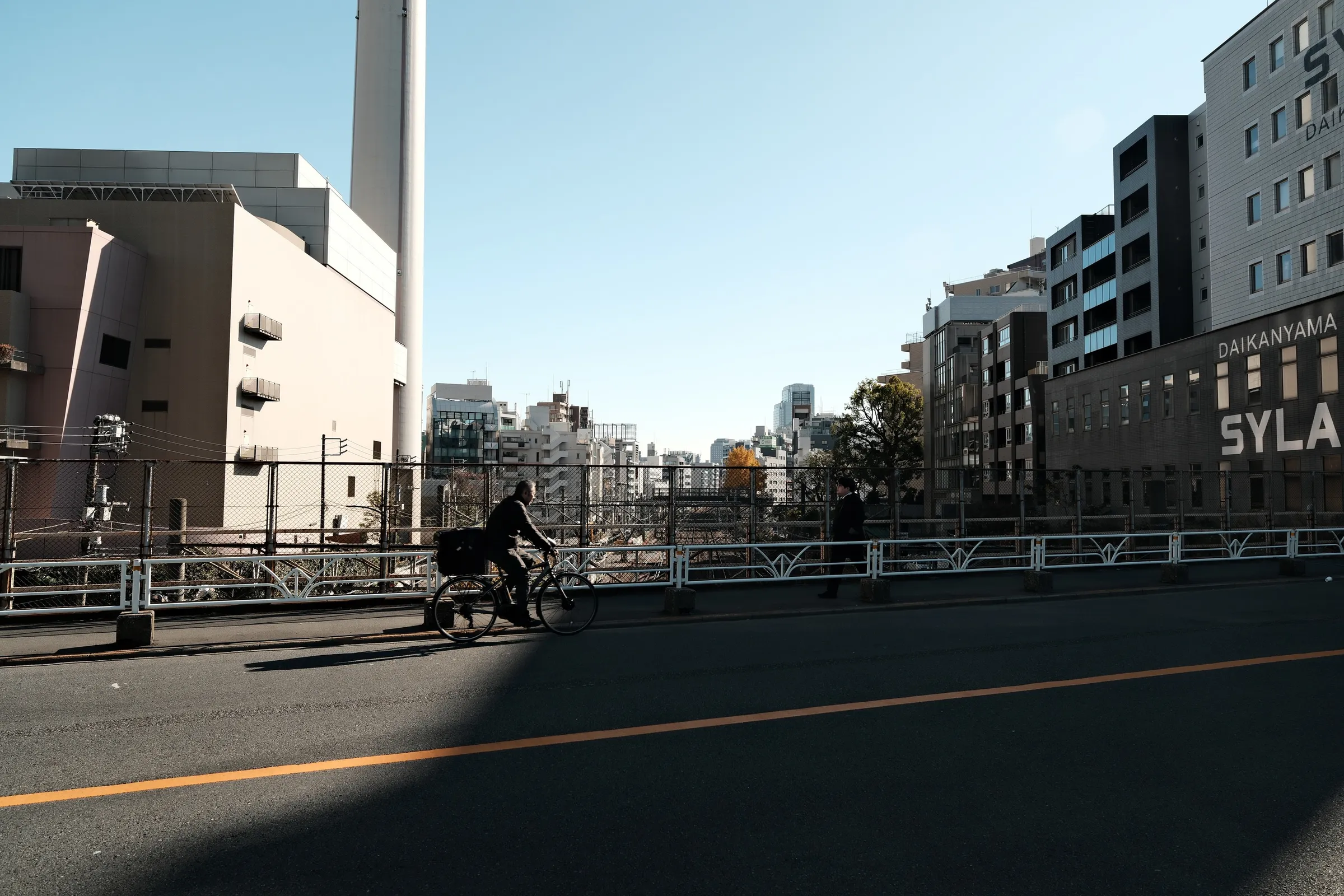
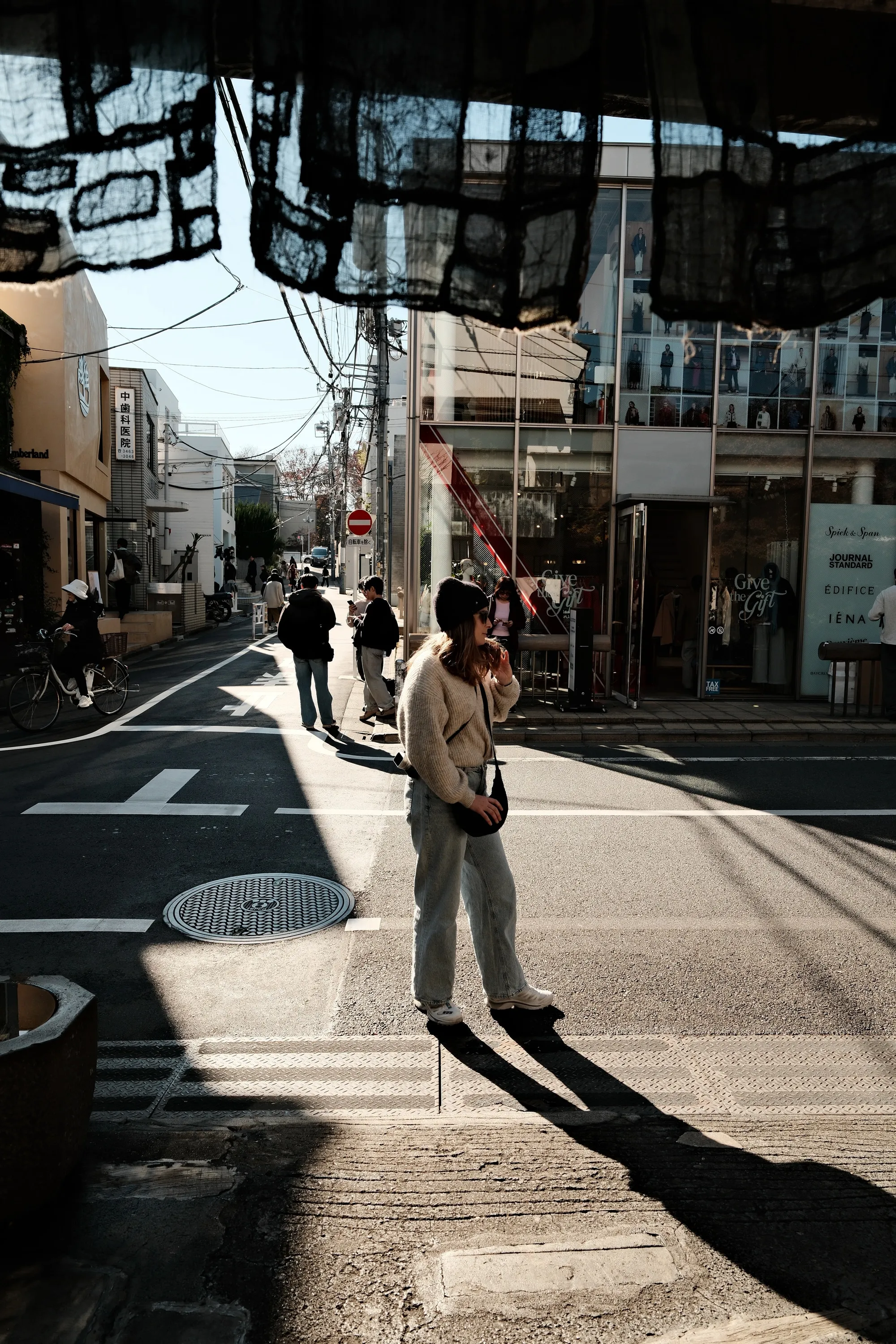
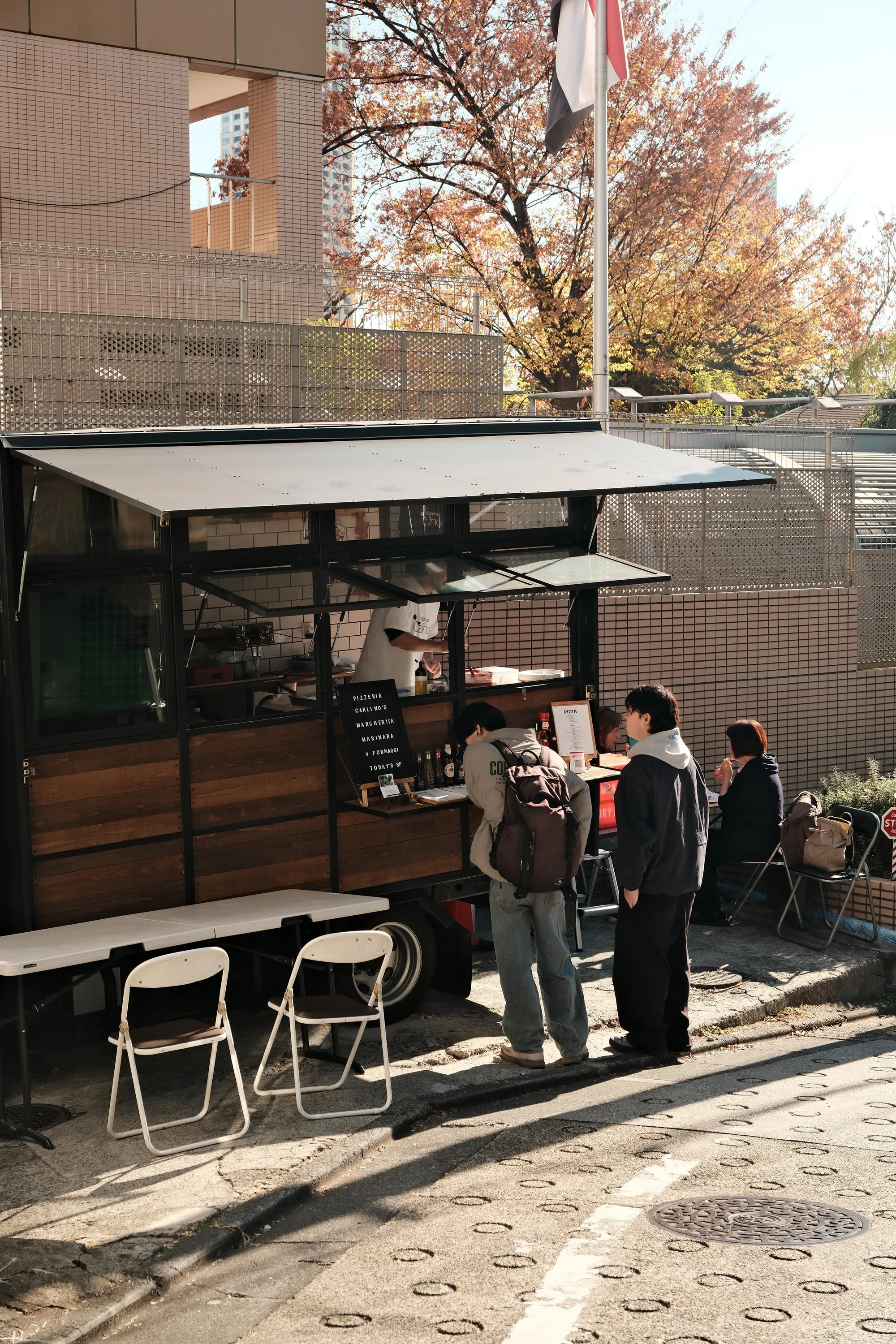
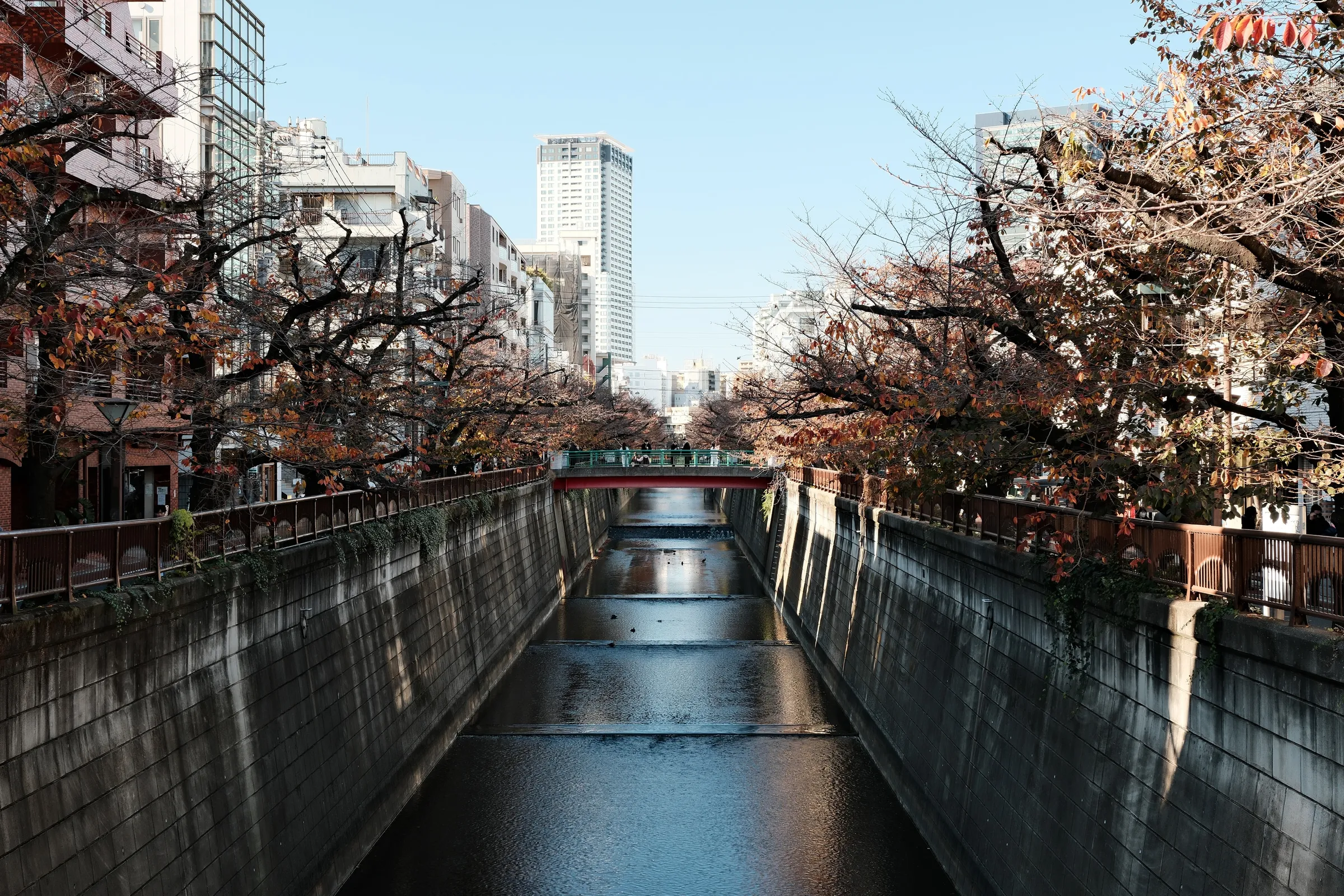
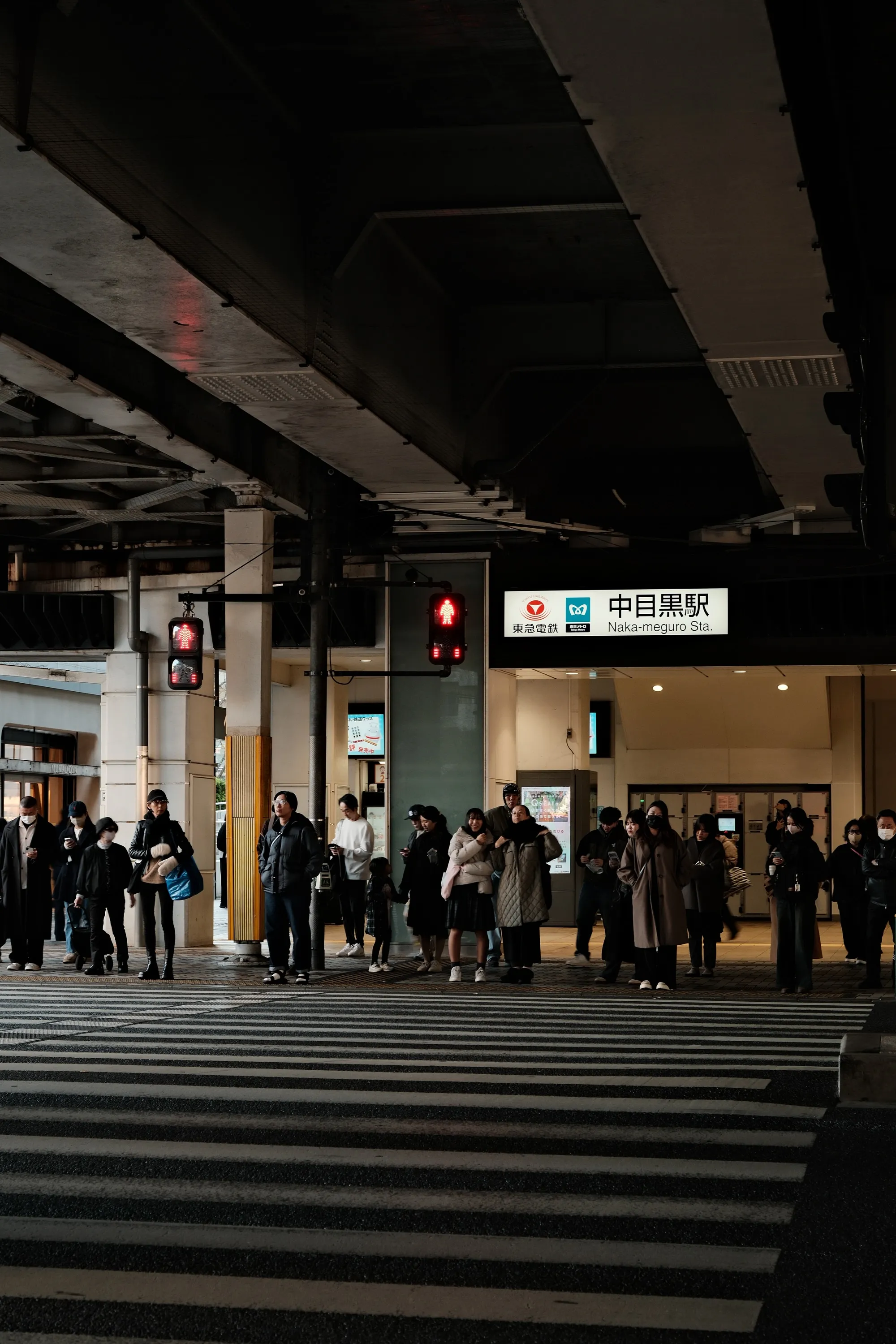
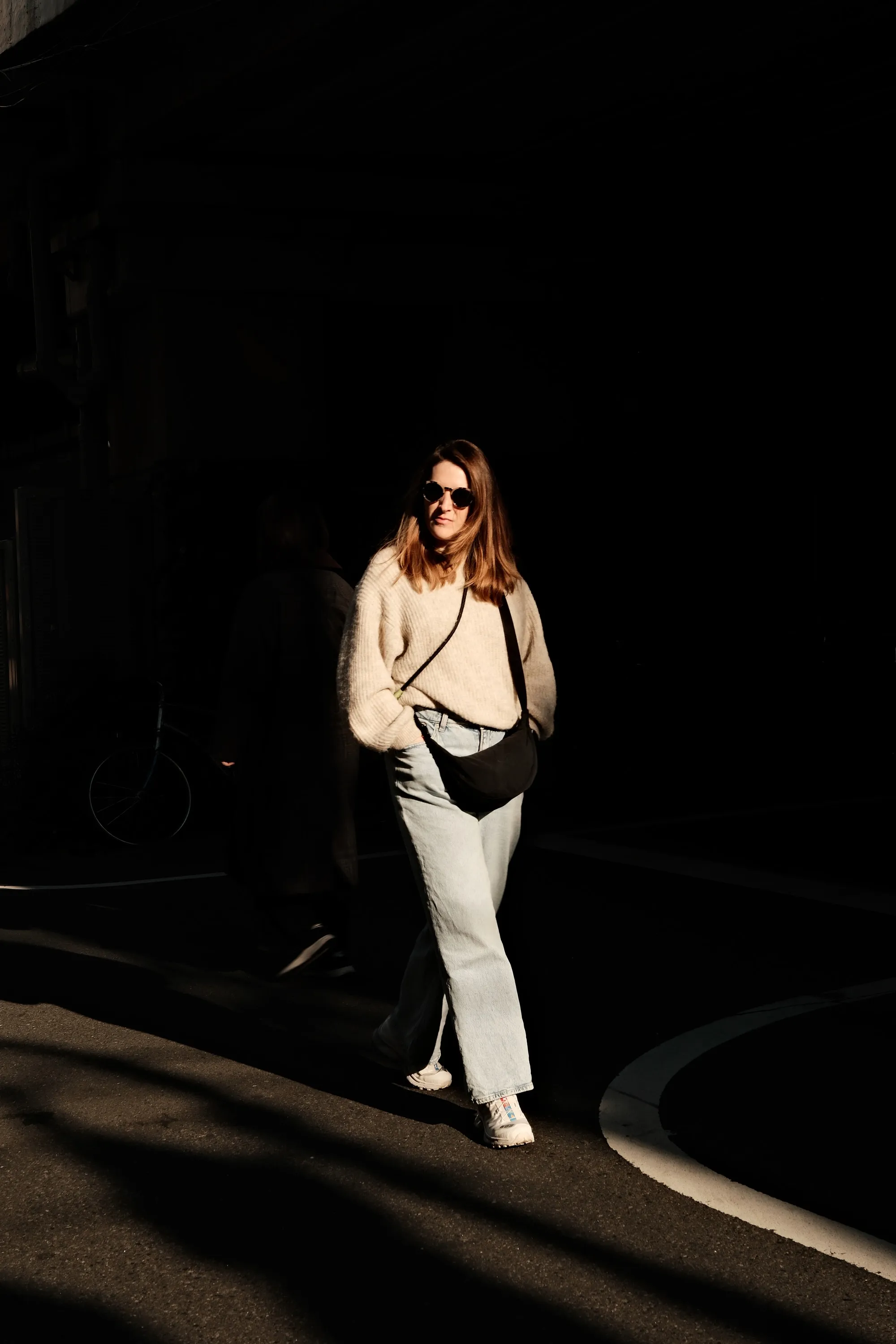
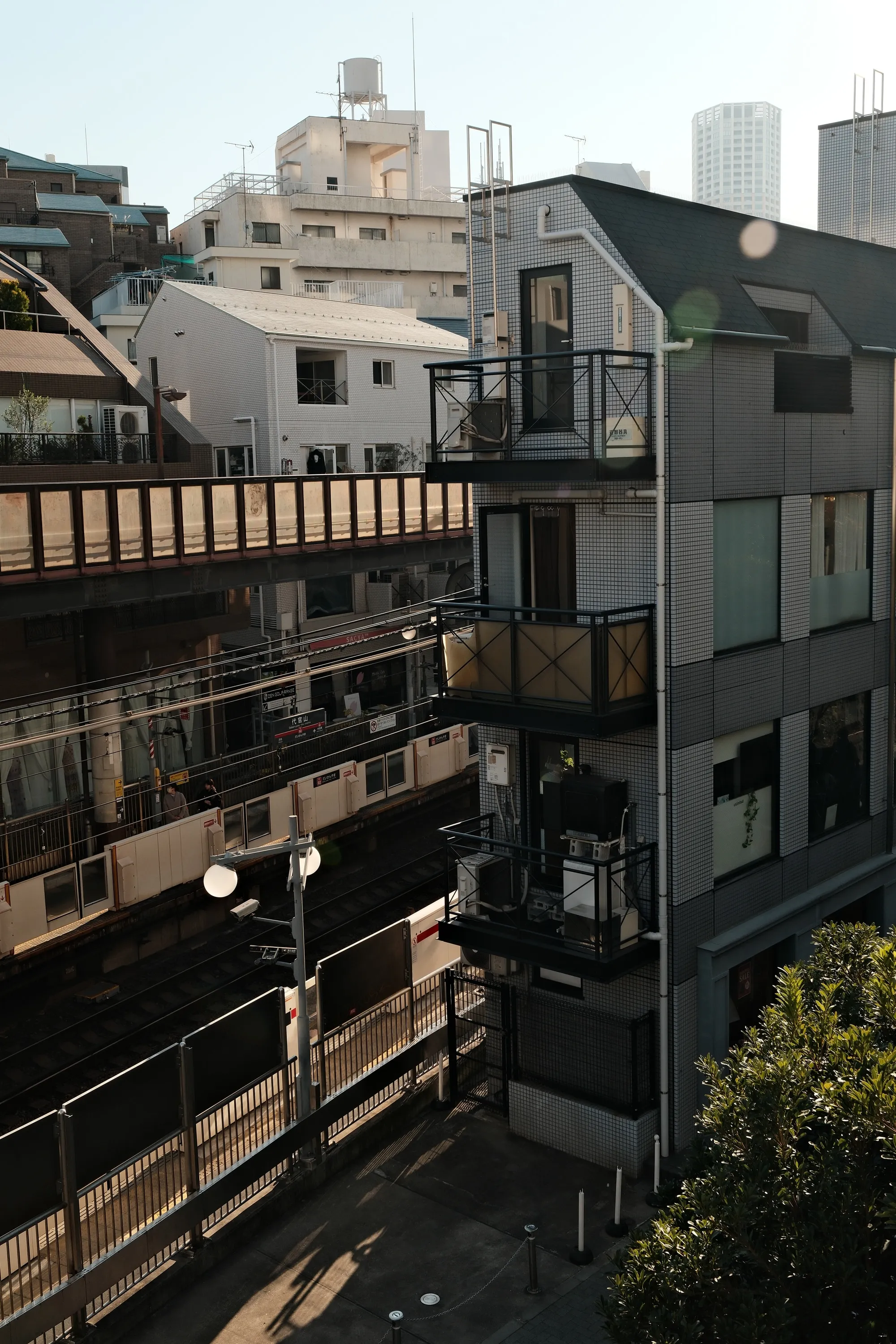
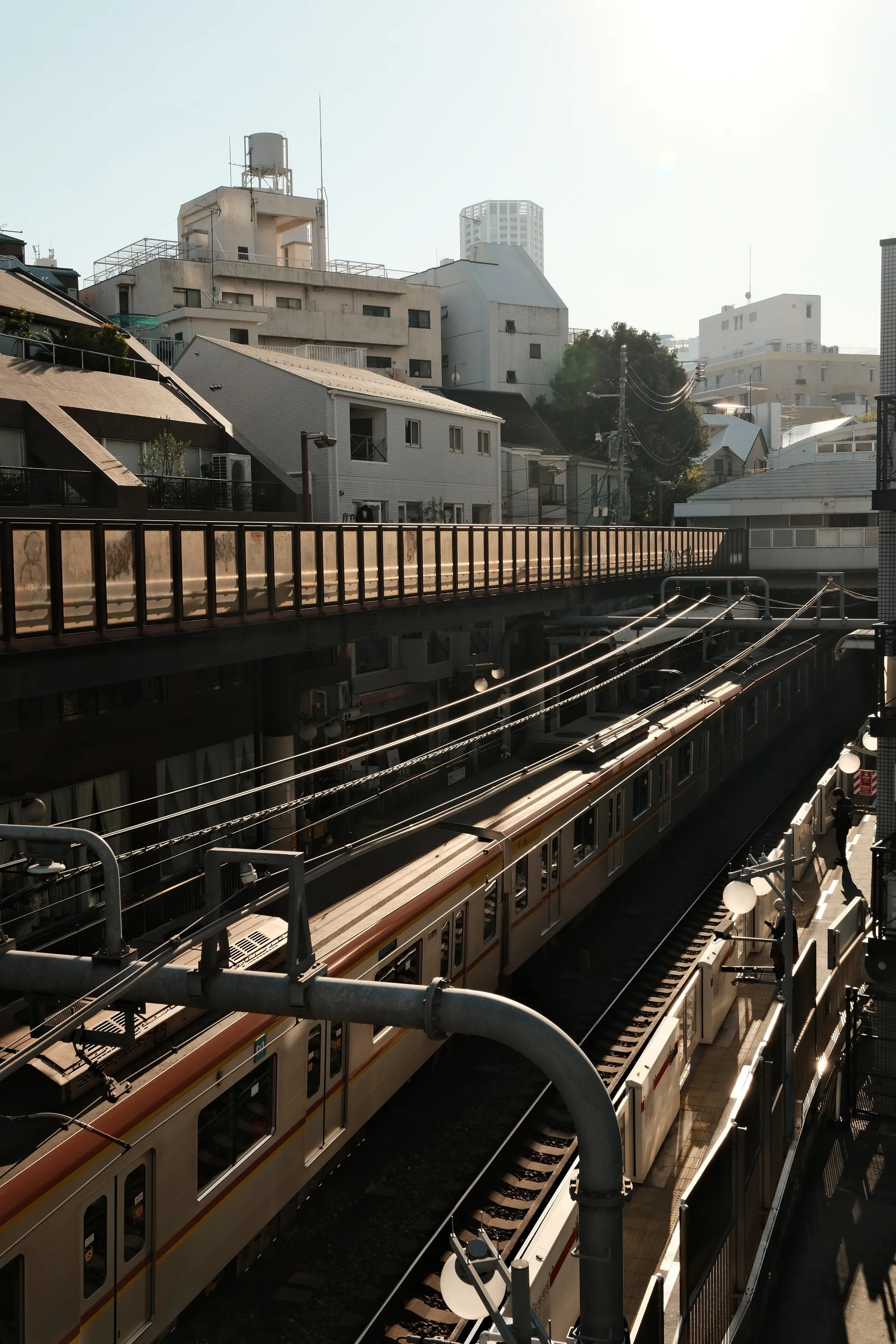
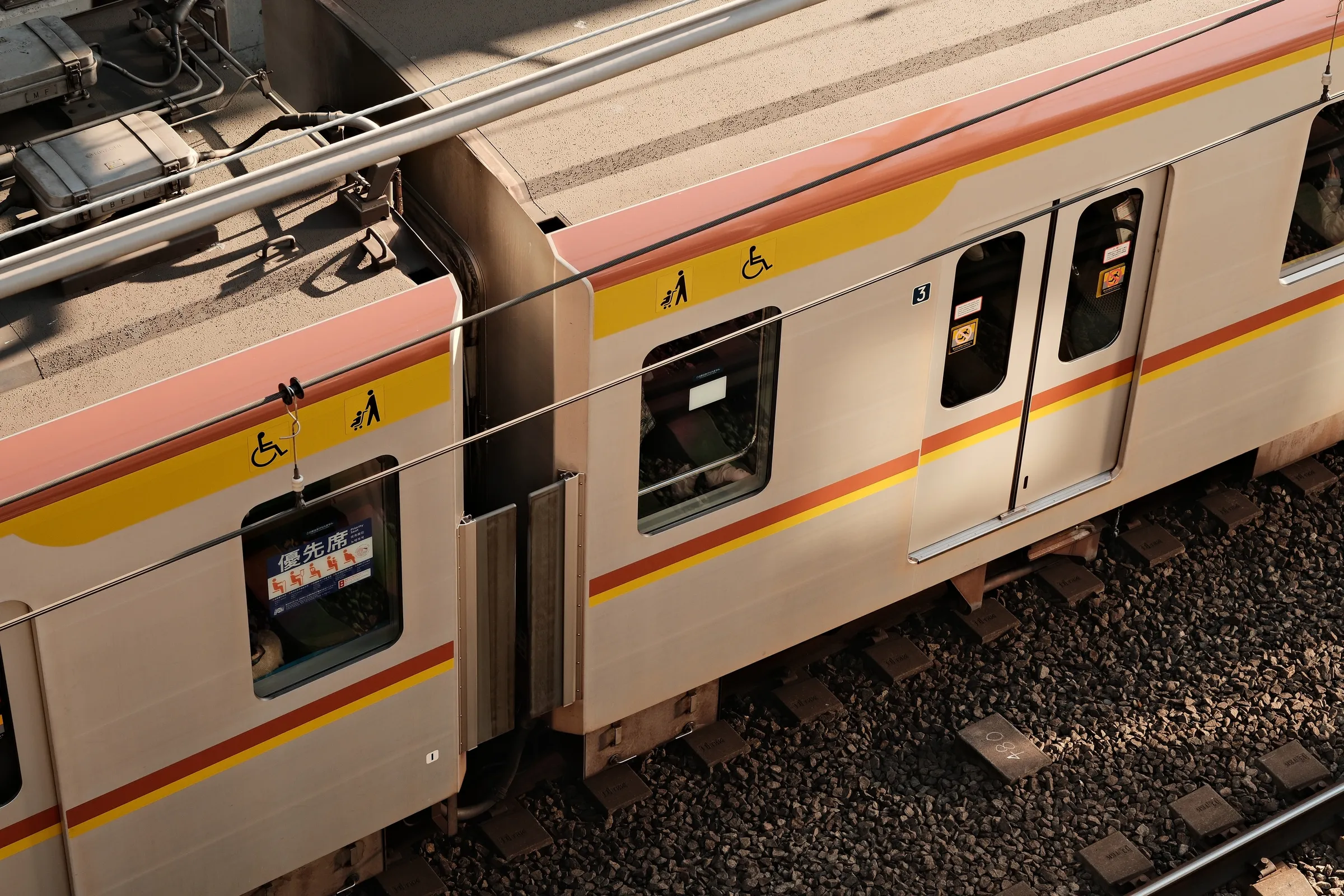
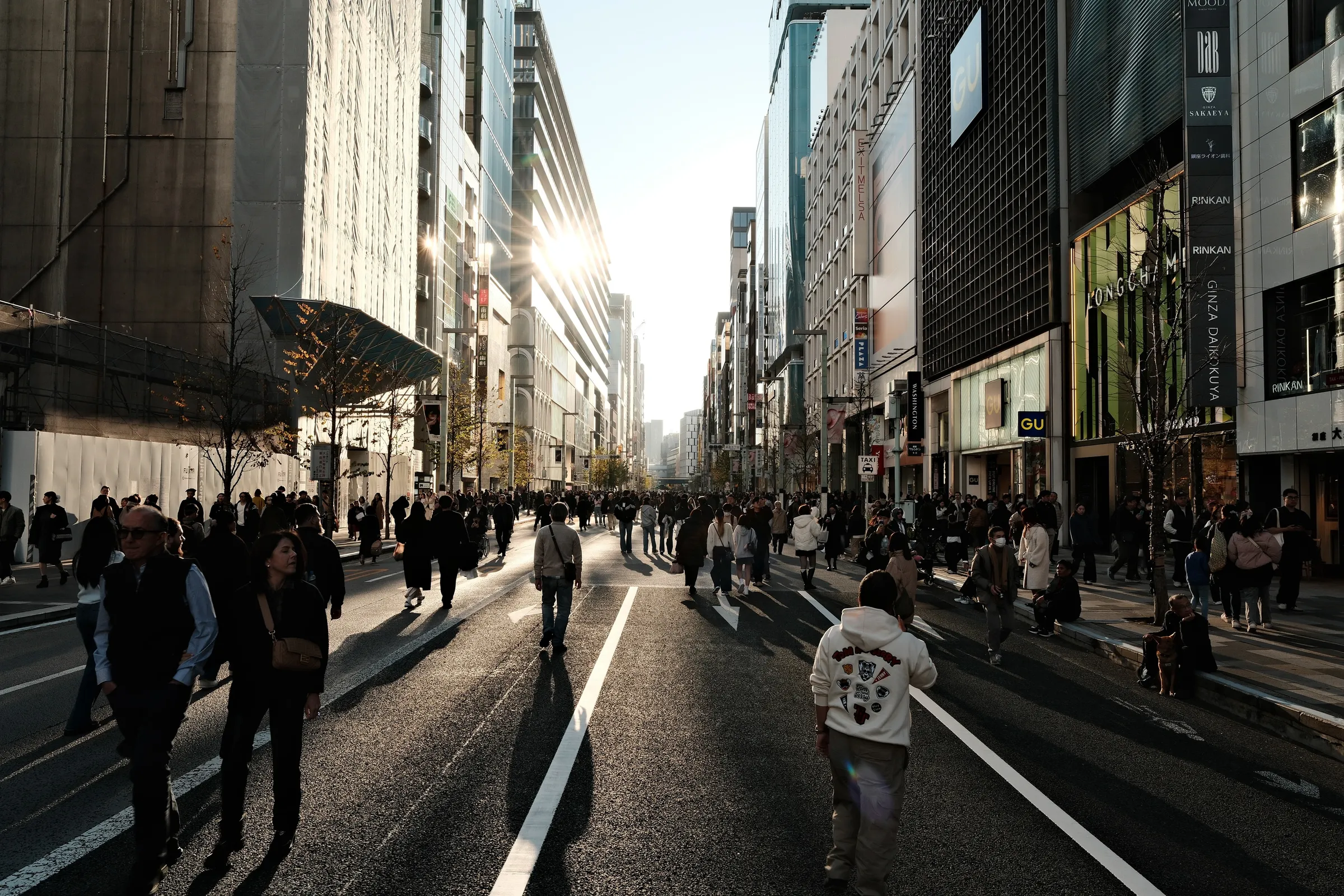
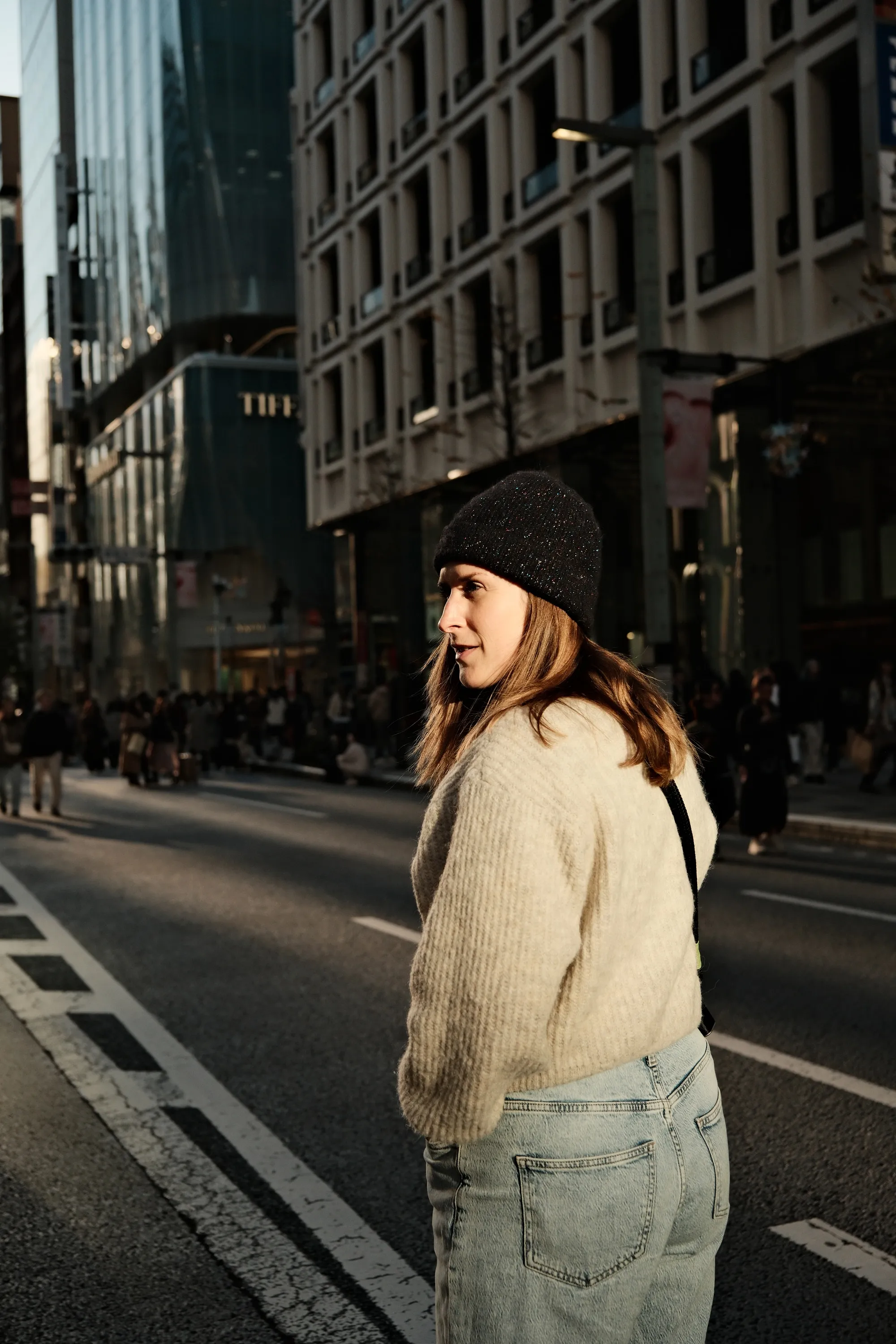
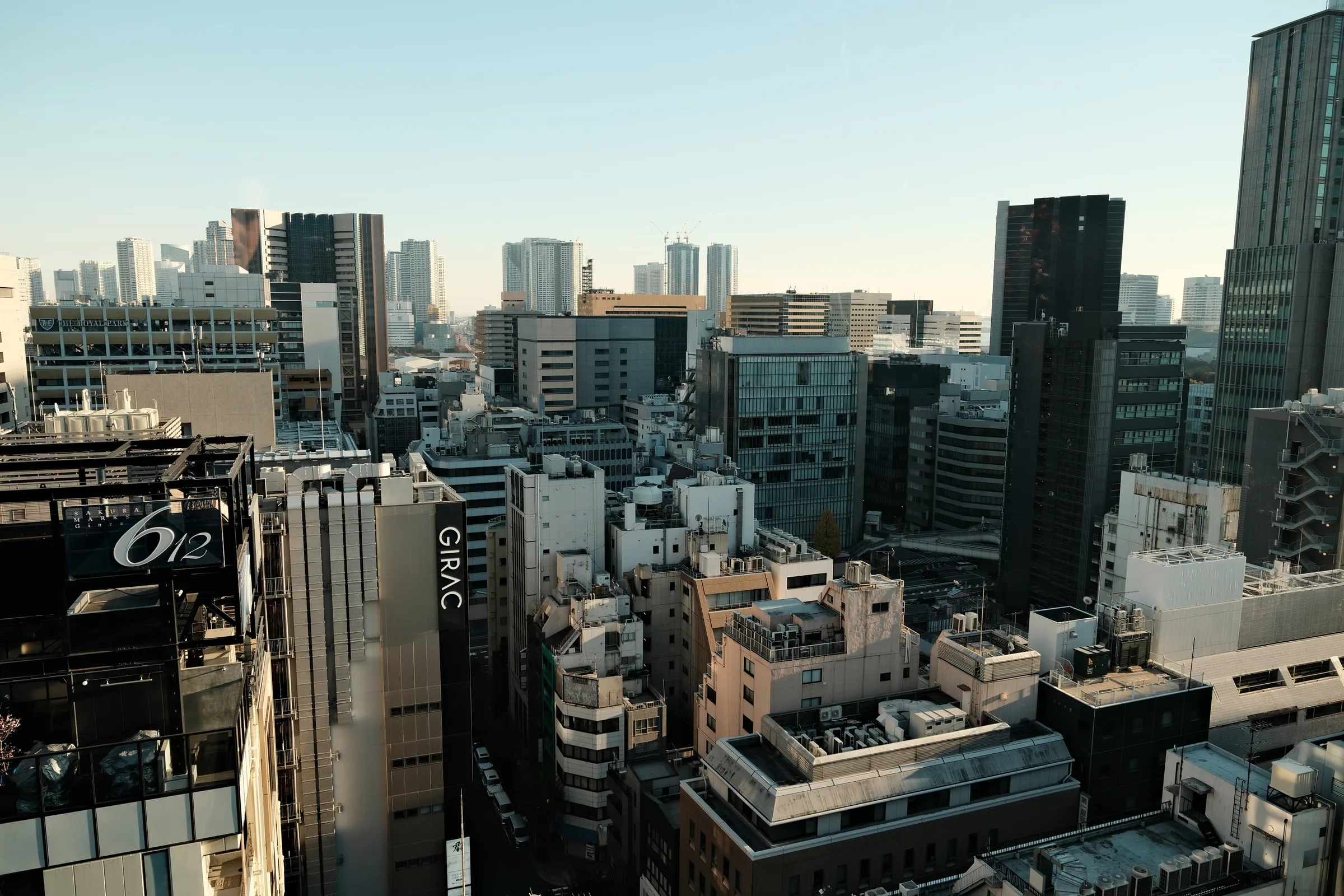
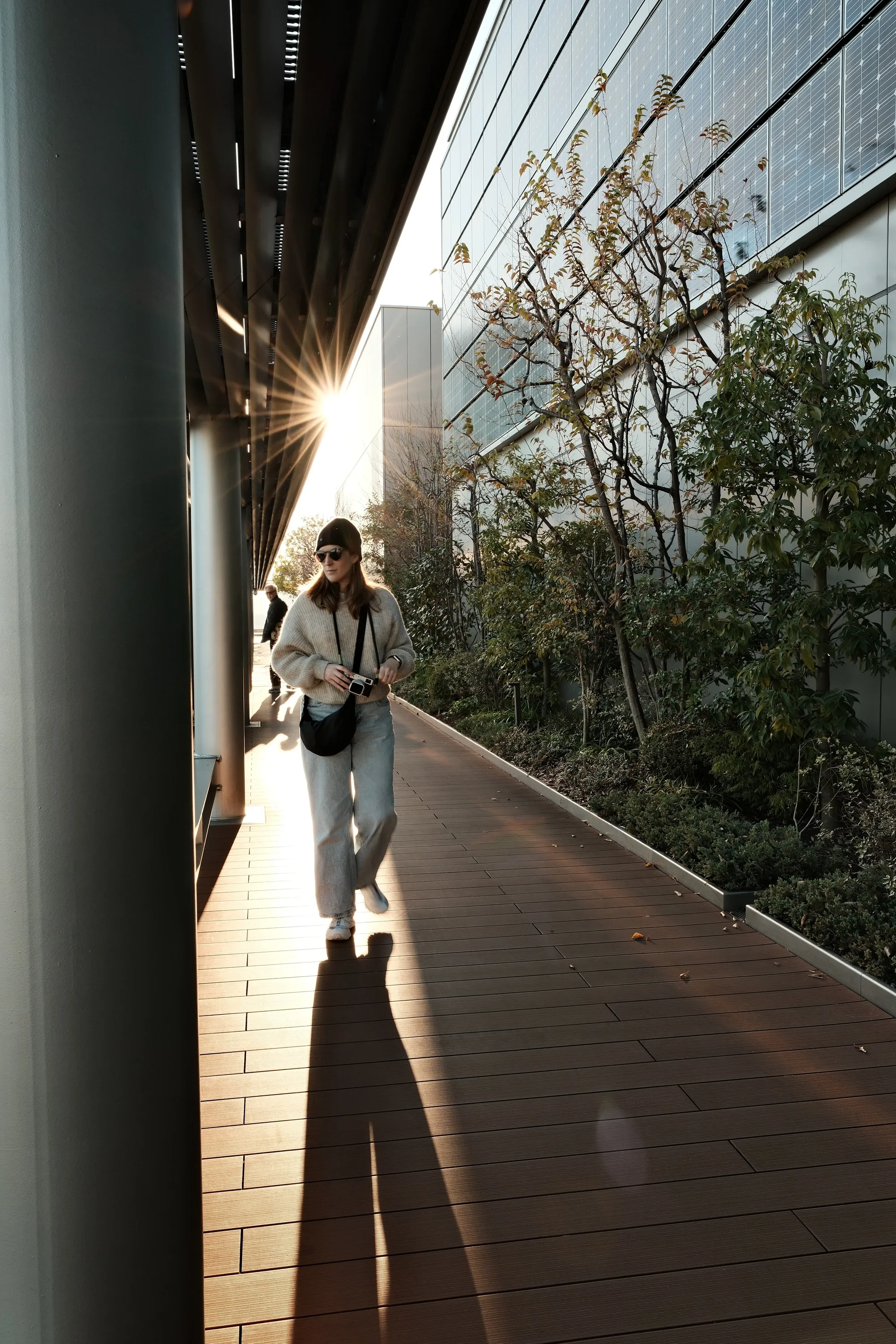
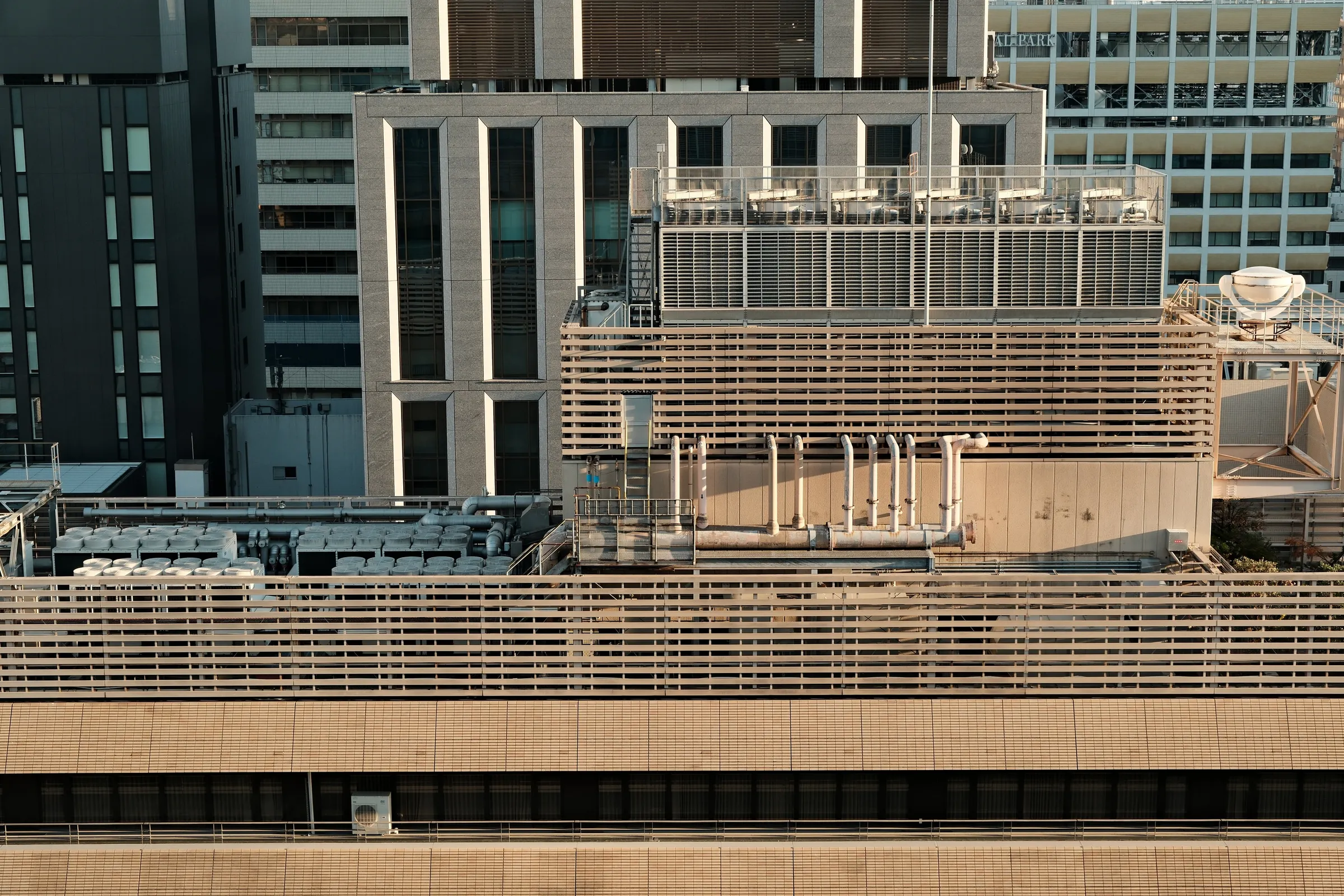
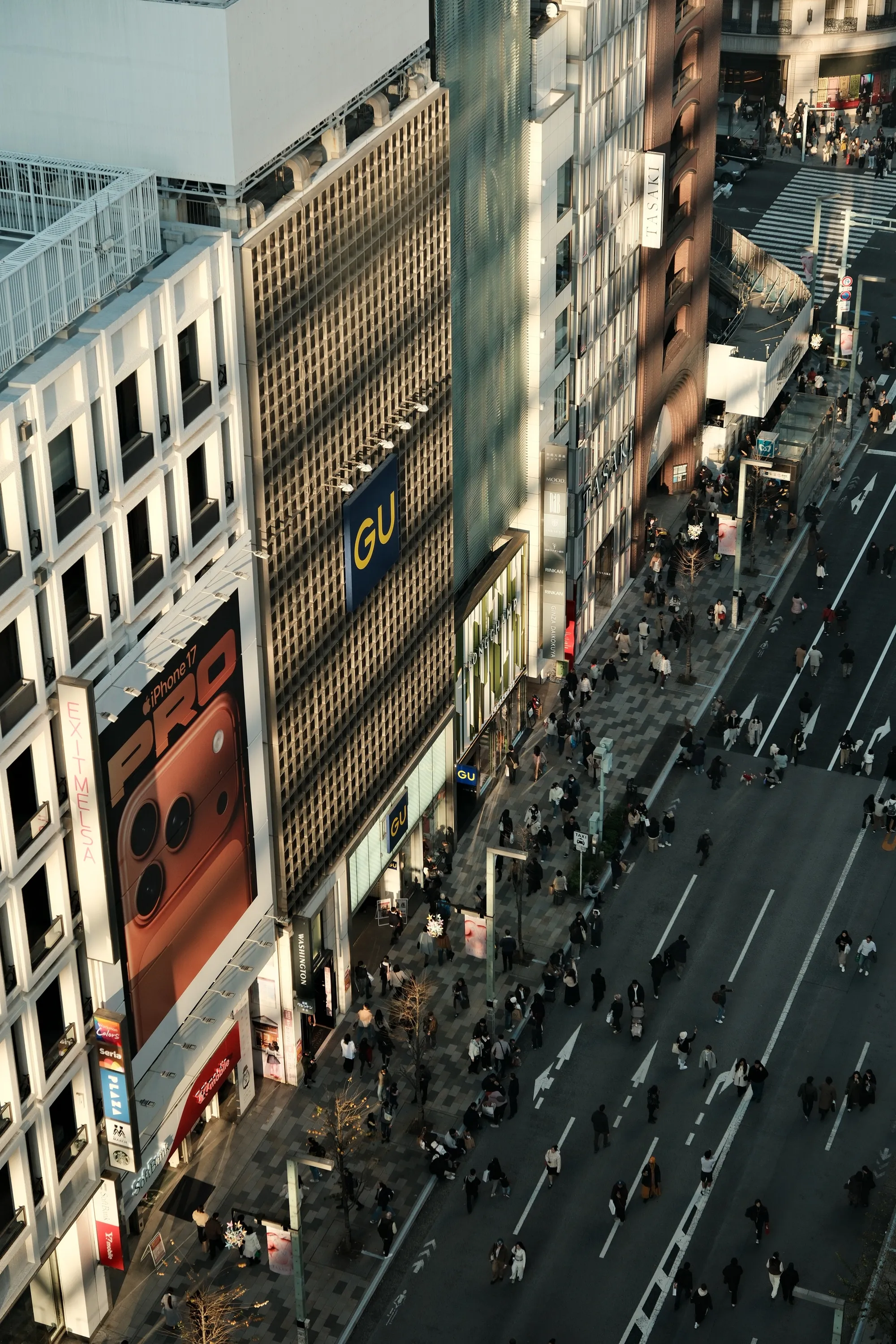
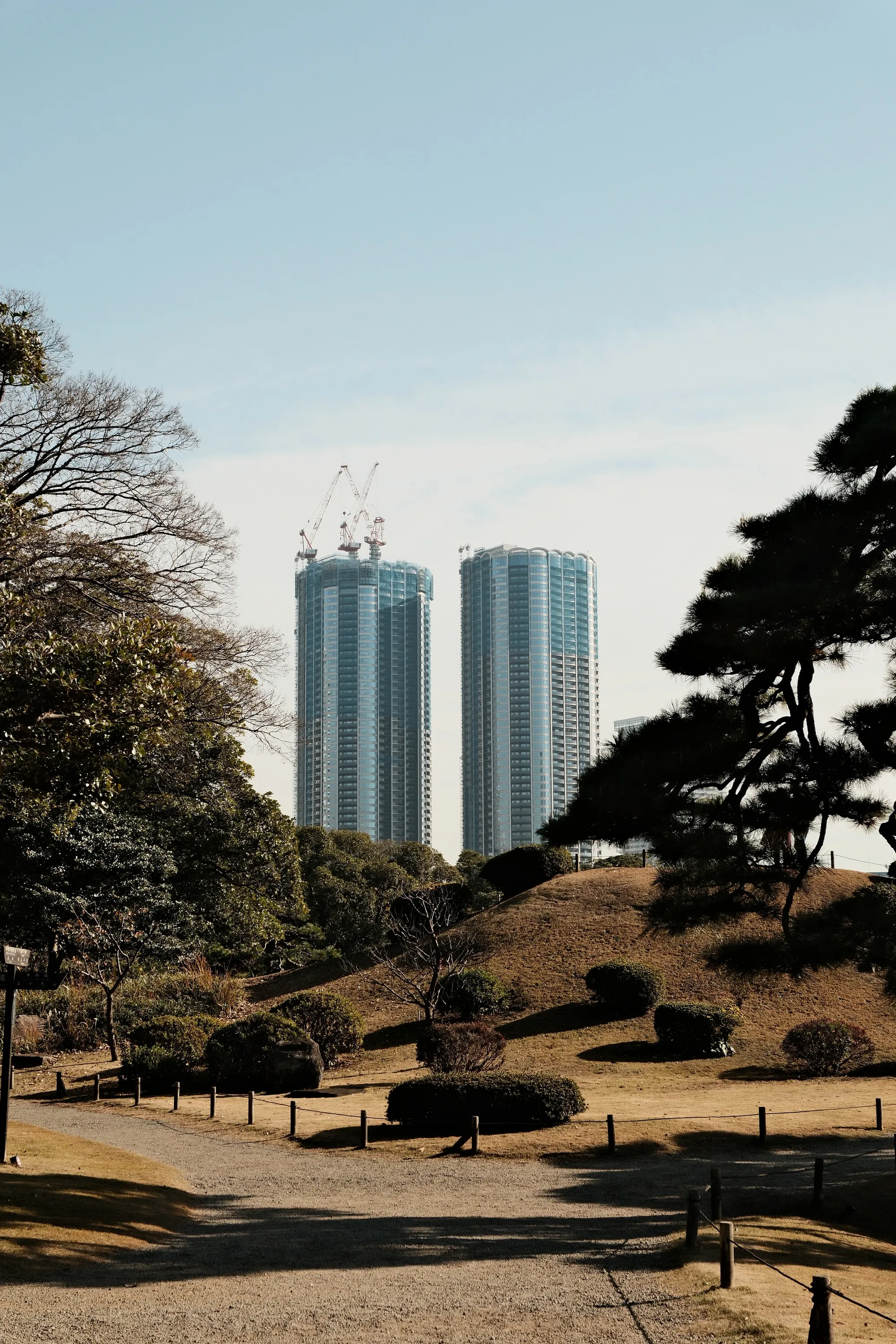
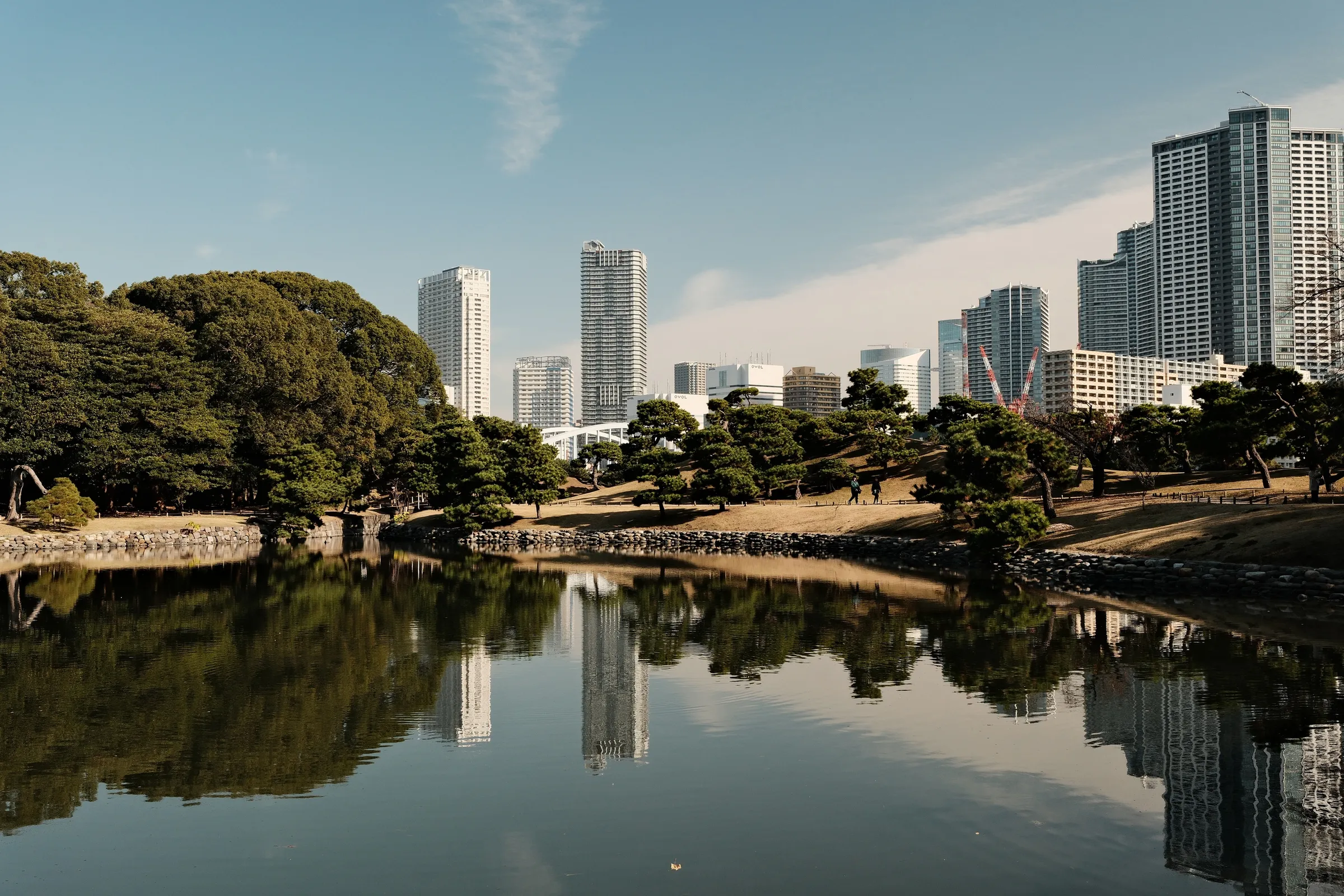
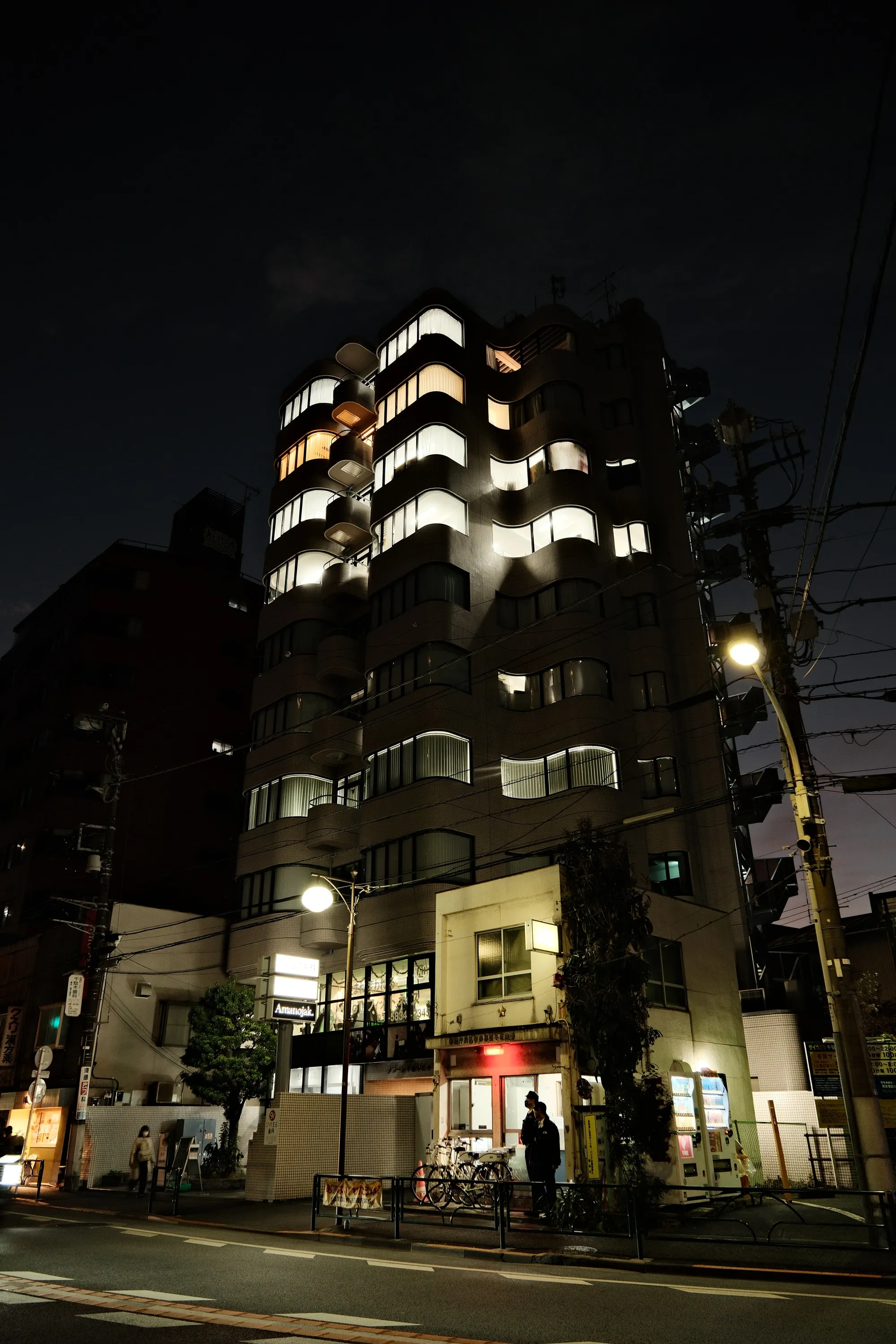
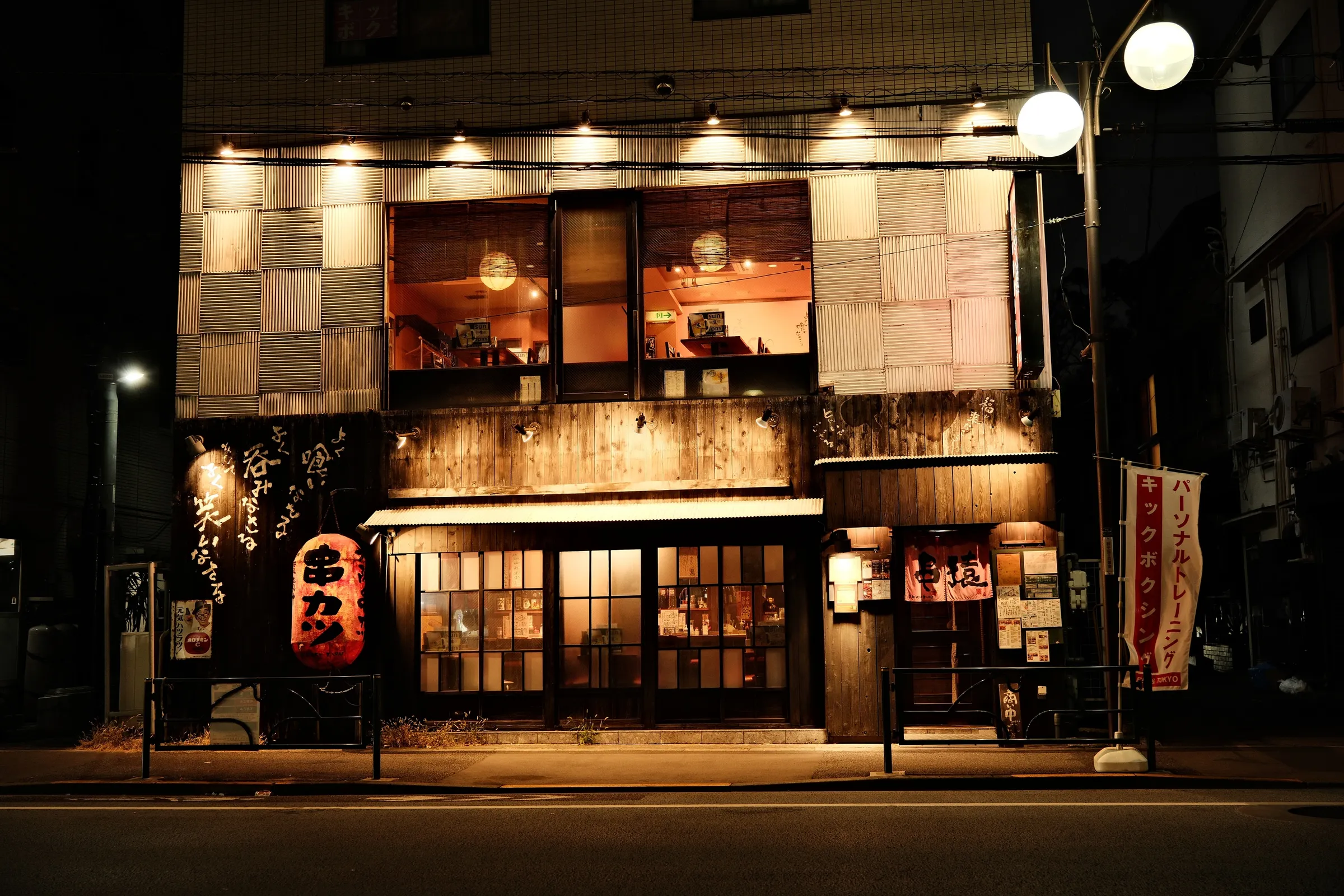
We had to go back and experience Tokyo: canals in winter light, trains cutting through the city, quiet gardens, crowded crossings and long shadows between towers. The camera stayed mostly at street level, where the city feels less like a skyline and more like a sequence of small, precise moments.
 01
 02
 03
 04
 05
 06
 07
 08
 09
 10
 11
 12
 13
 14
 15
 16
 17
 18
 19
 20
 21
 22
 23
 24
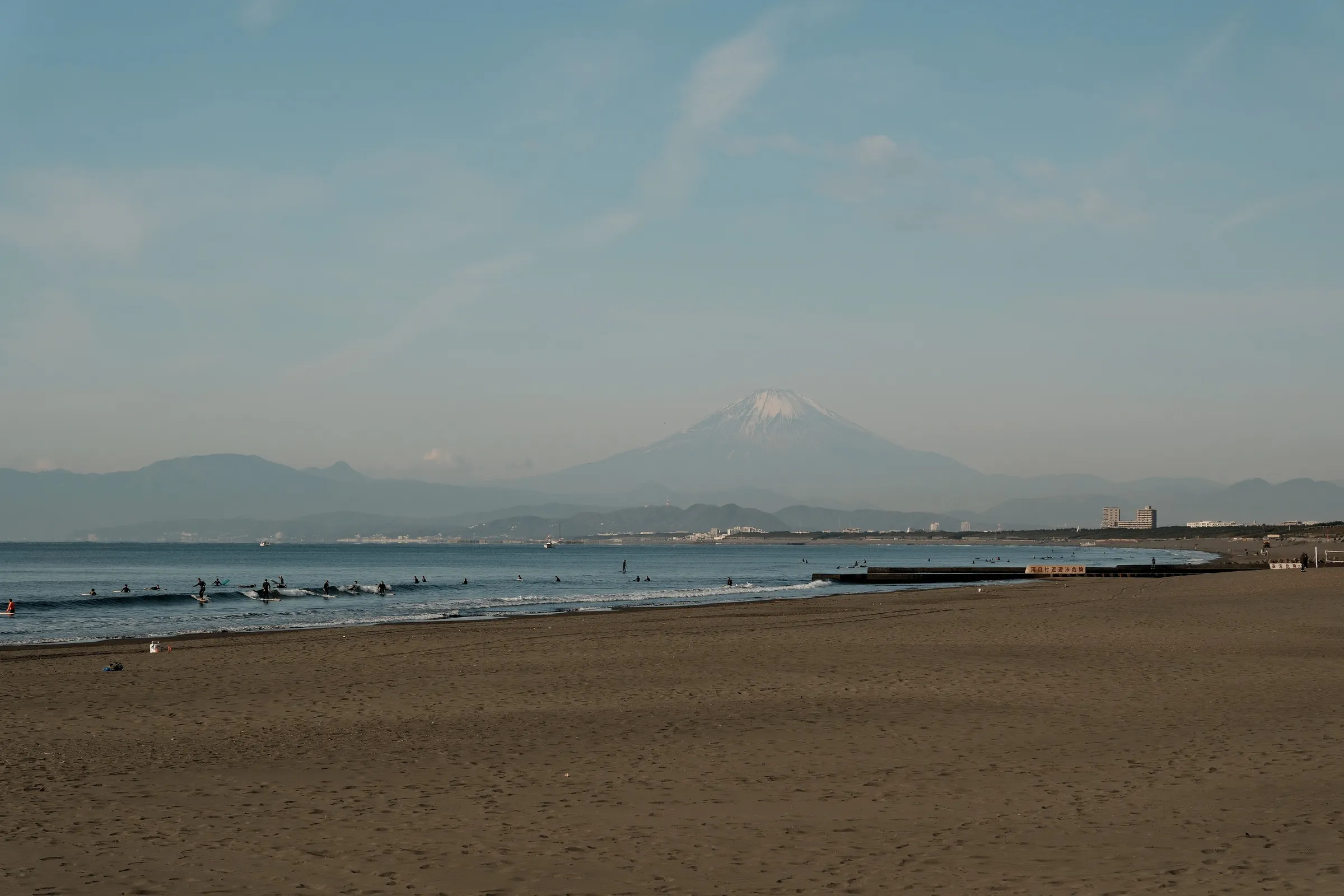
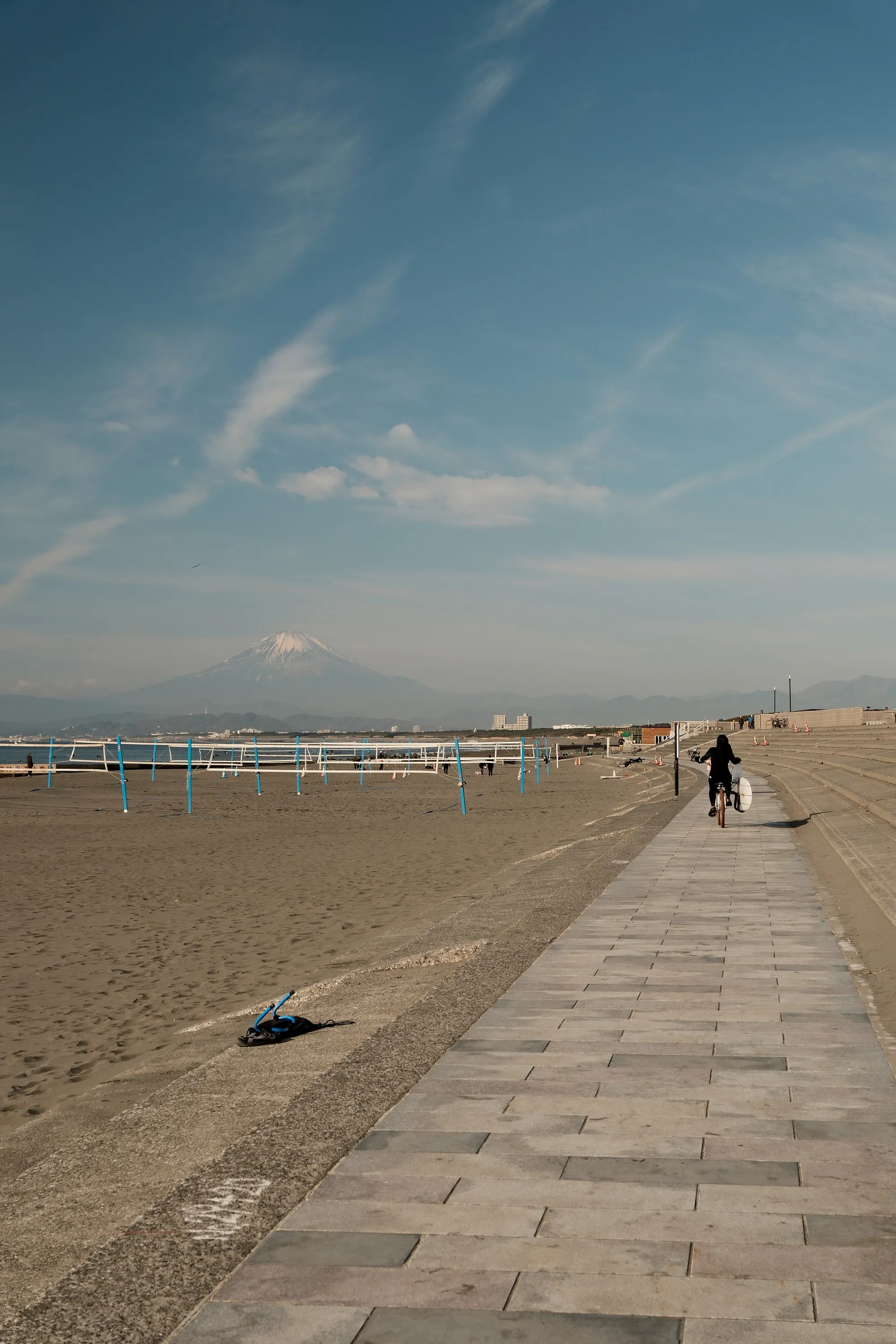
Surf with Mt.Fuji
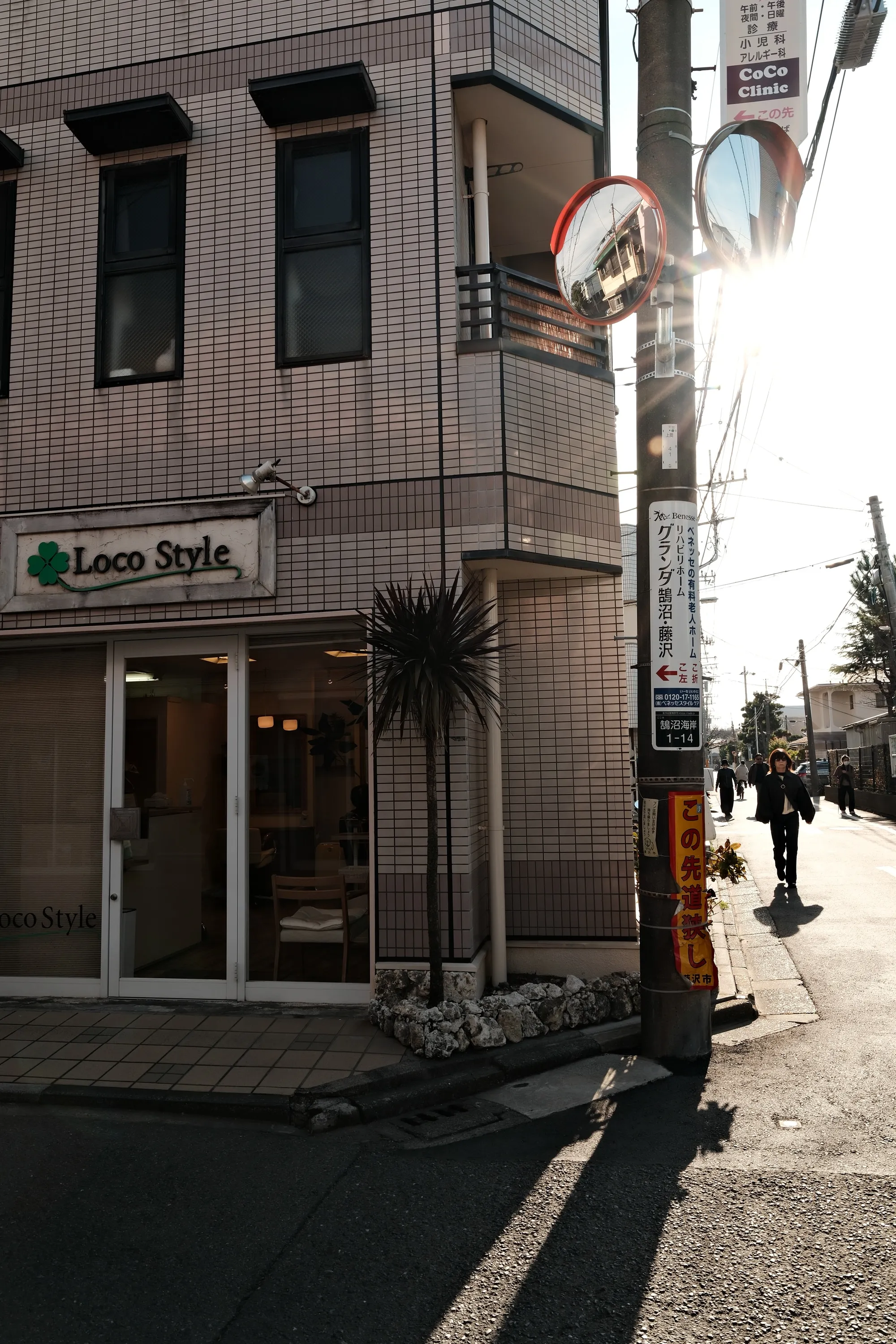
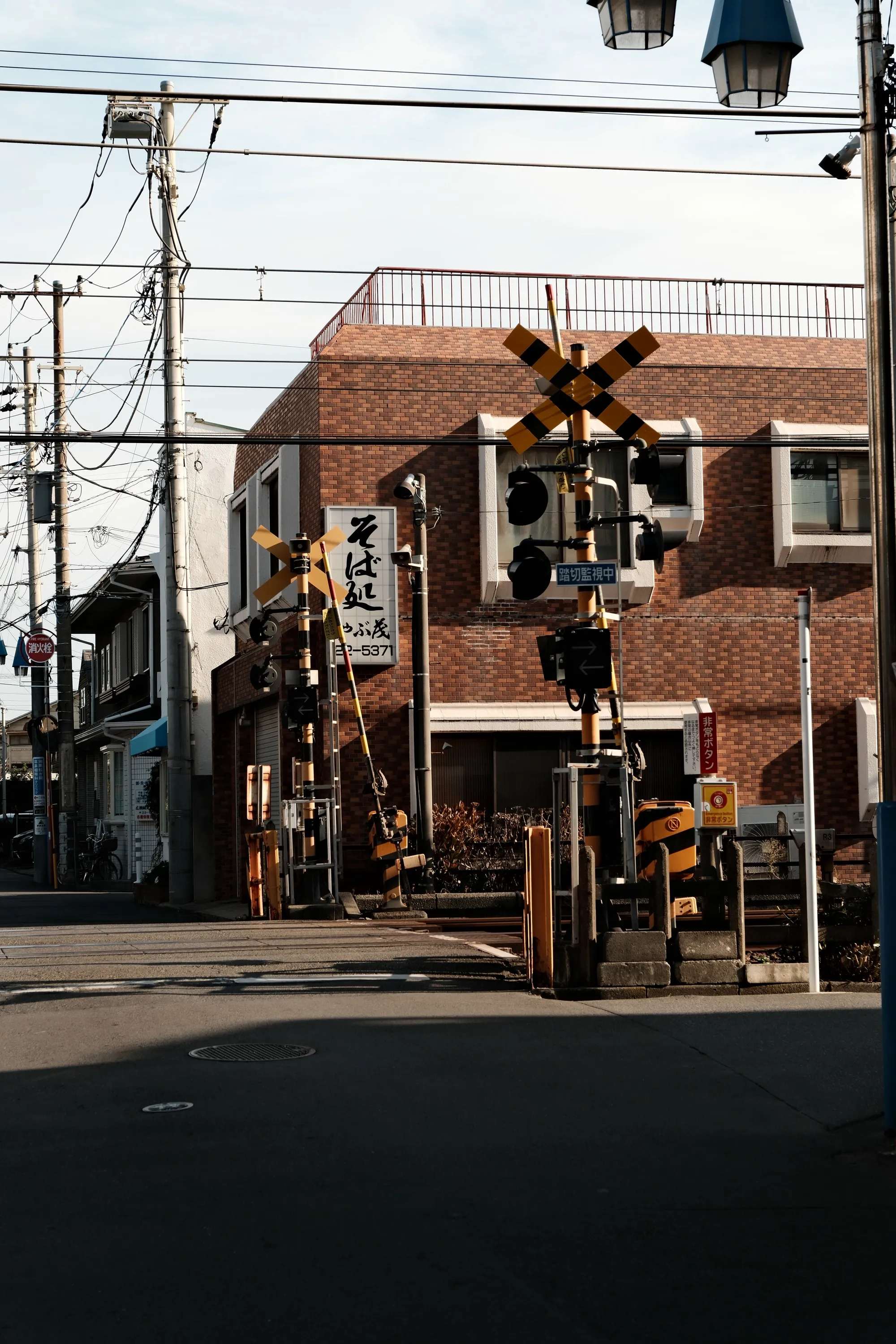
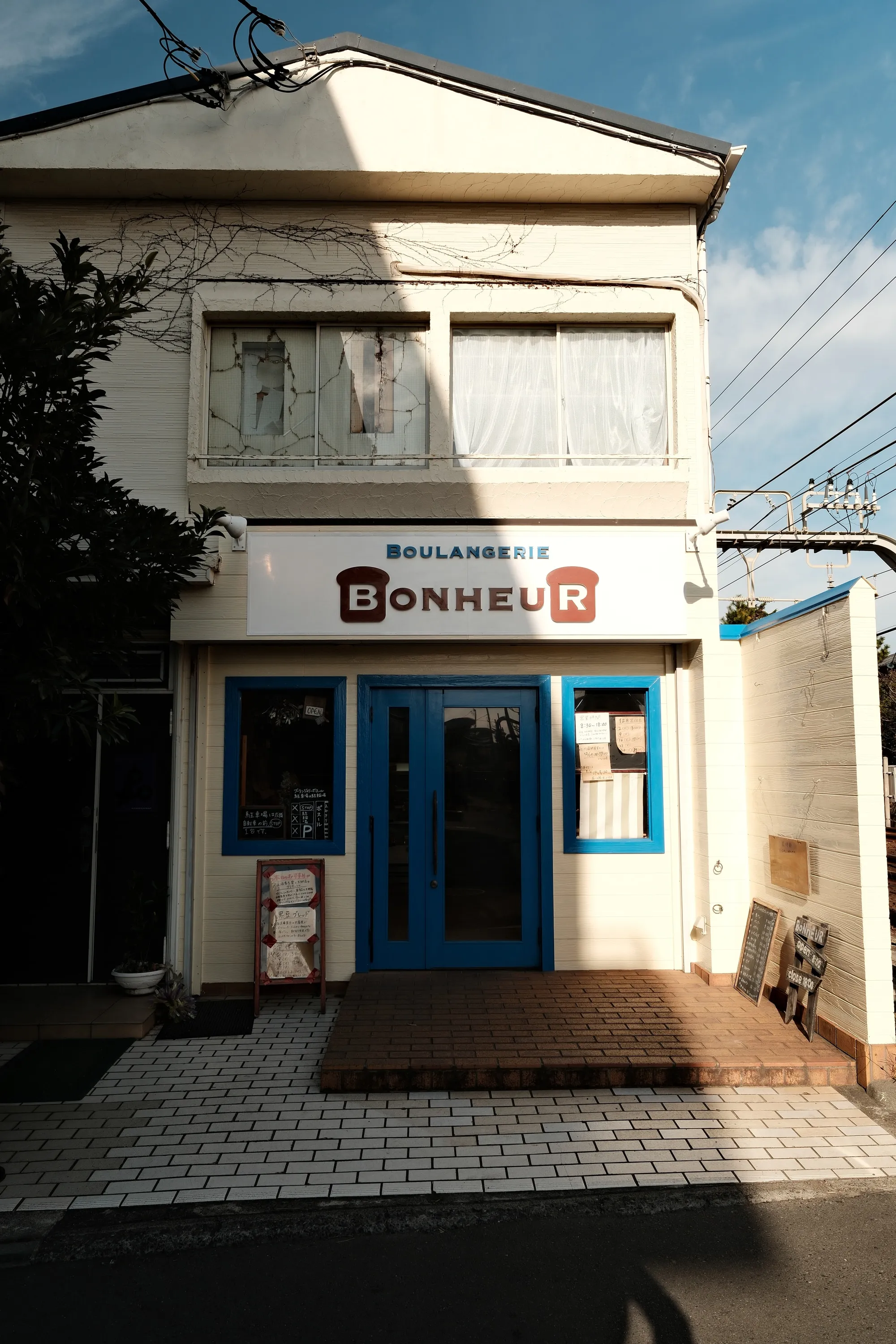
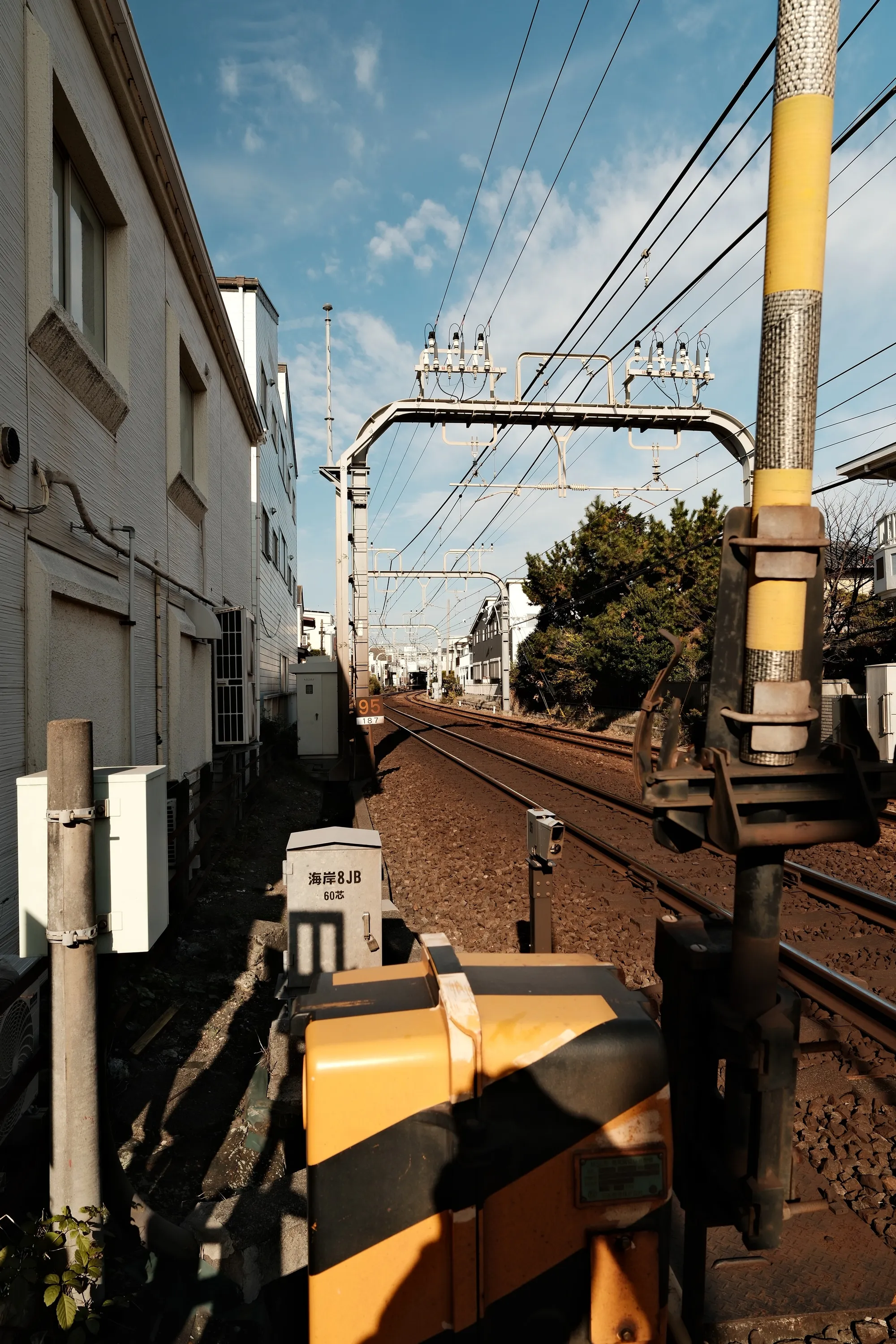
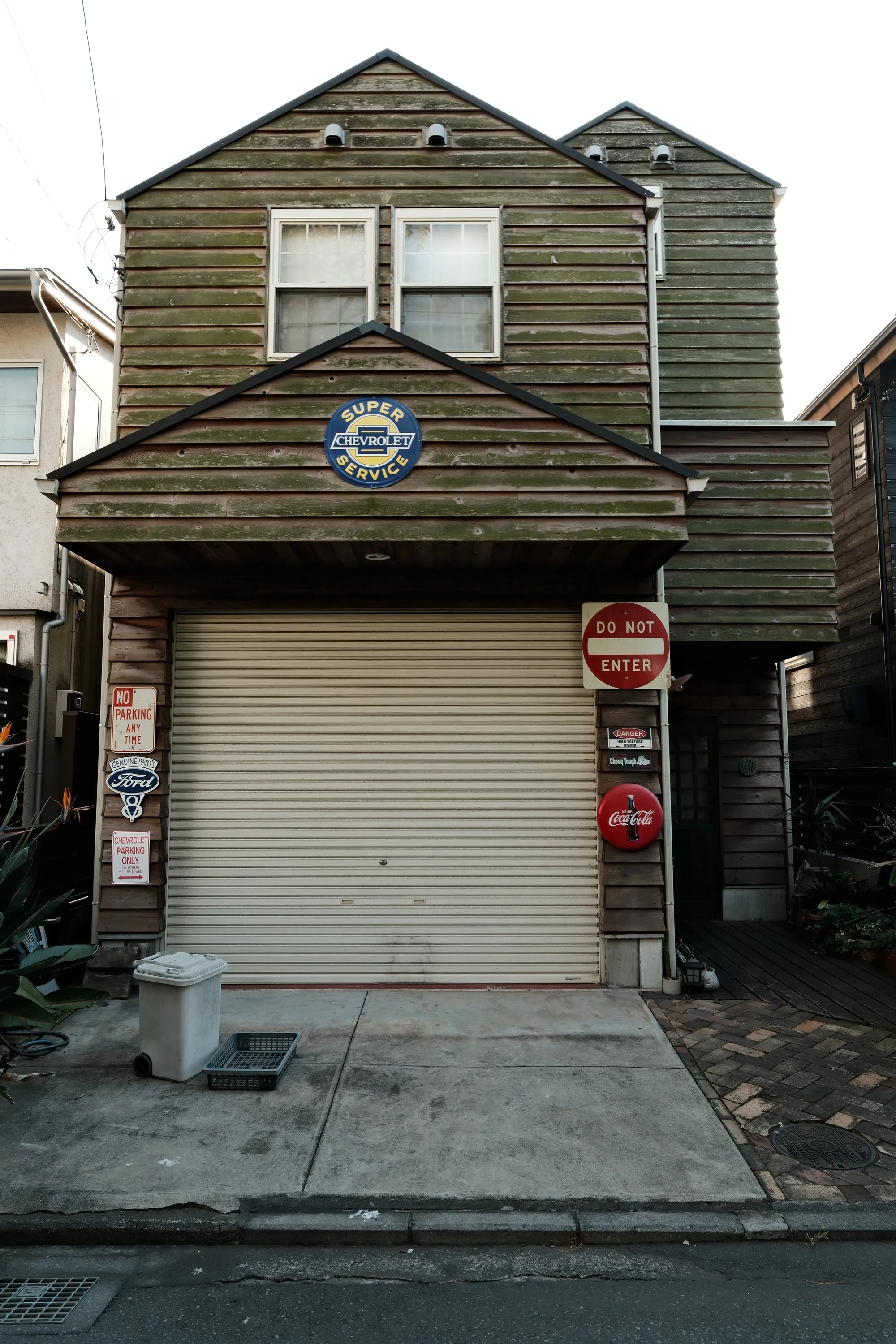
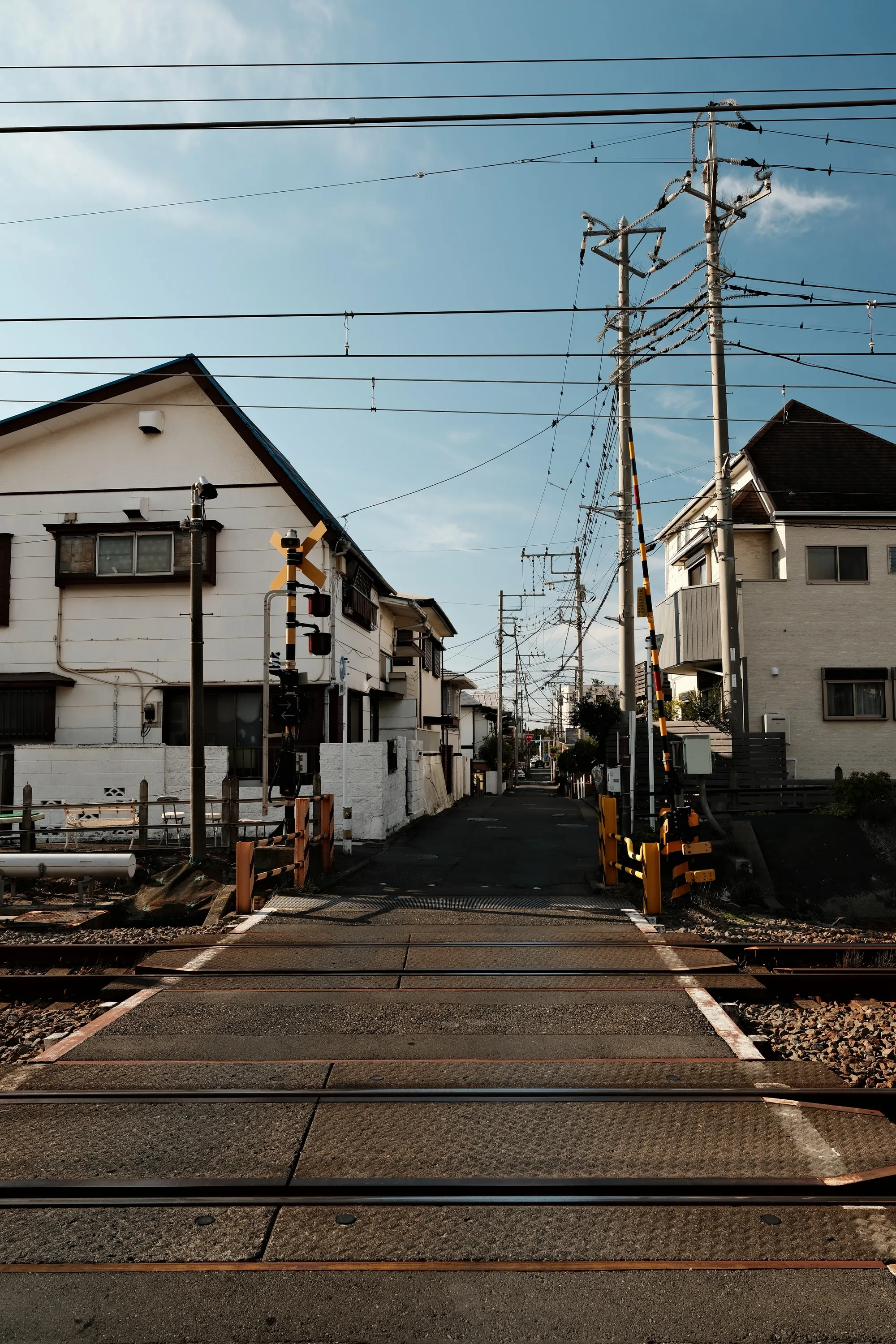
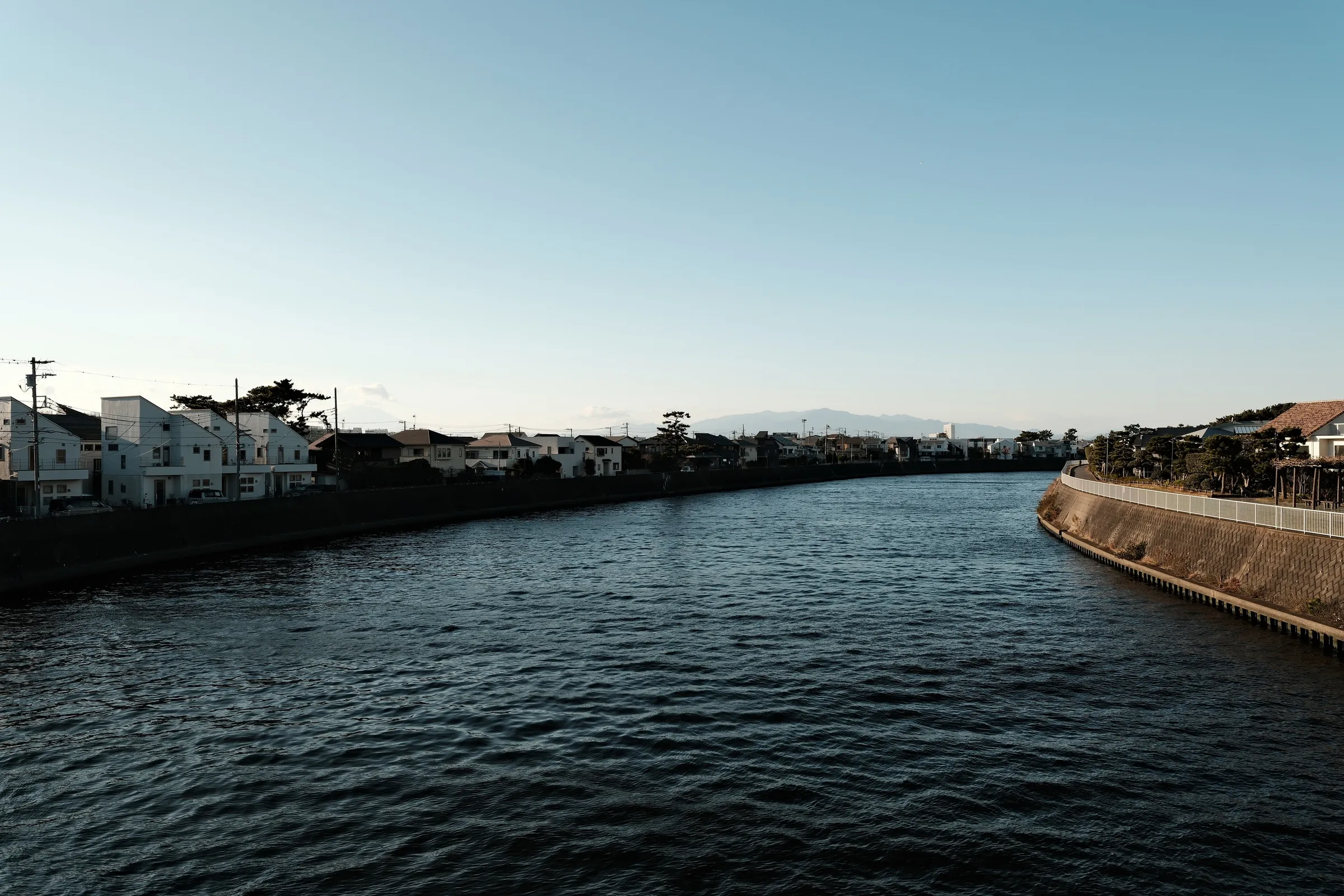
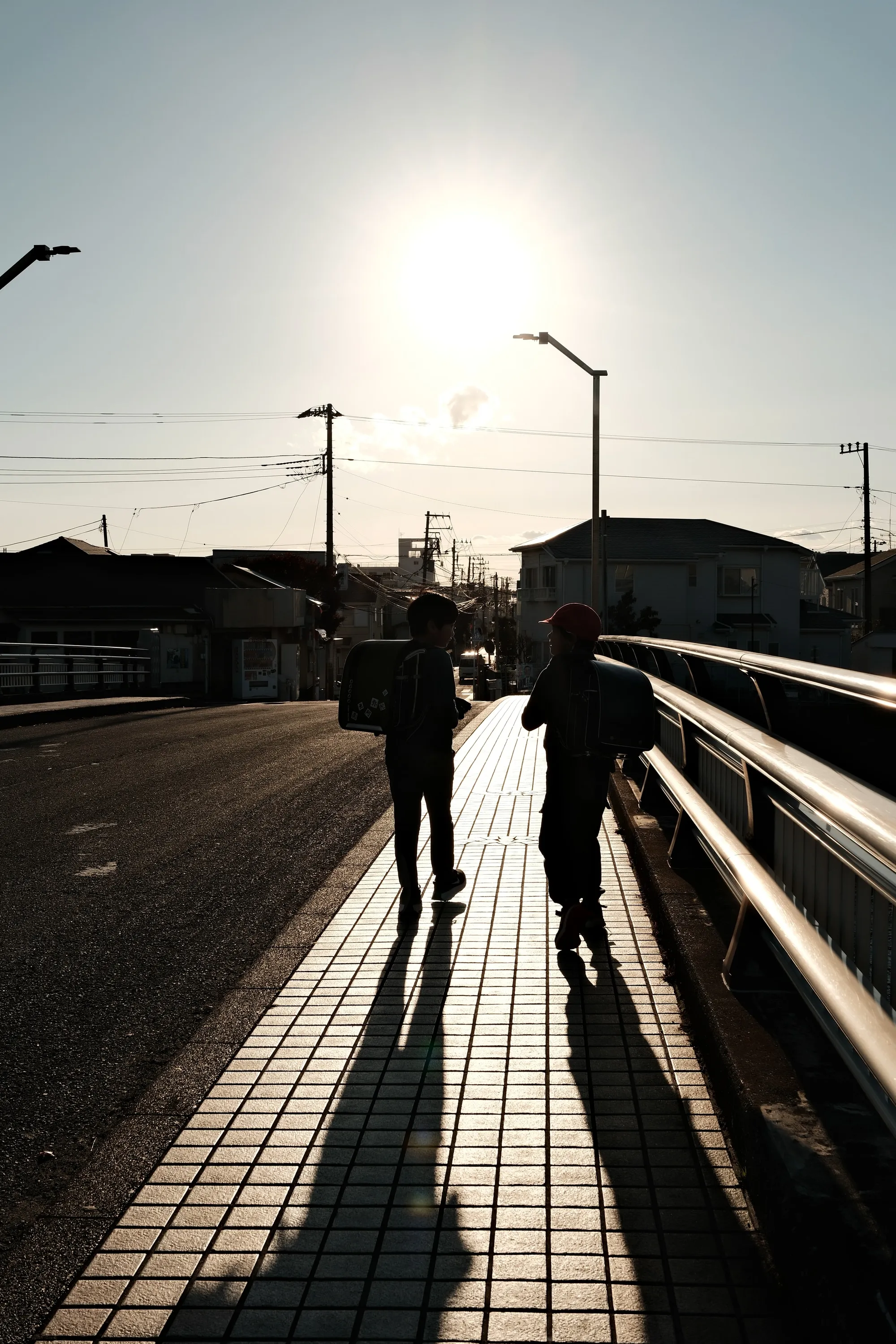
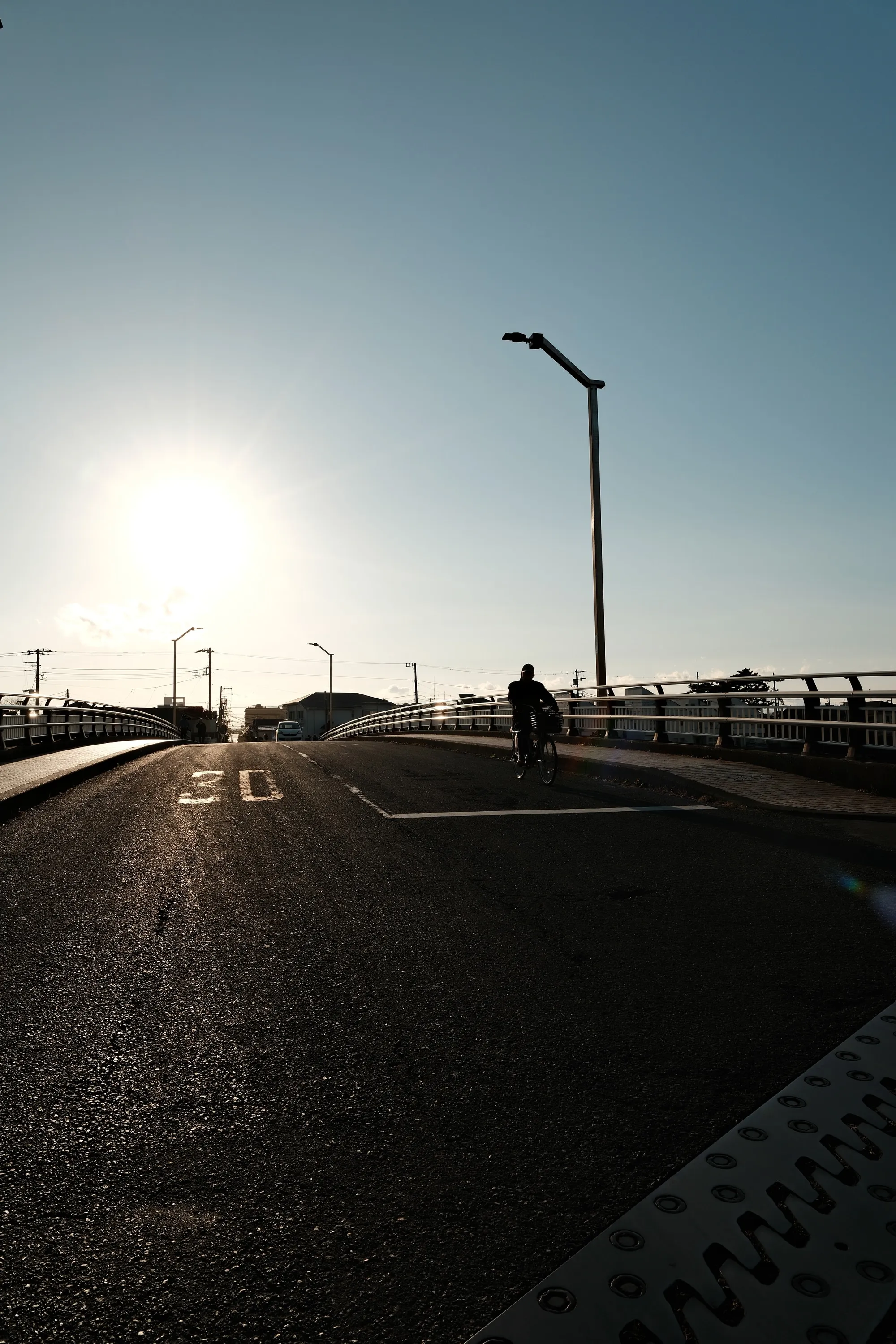
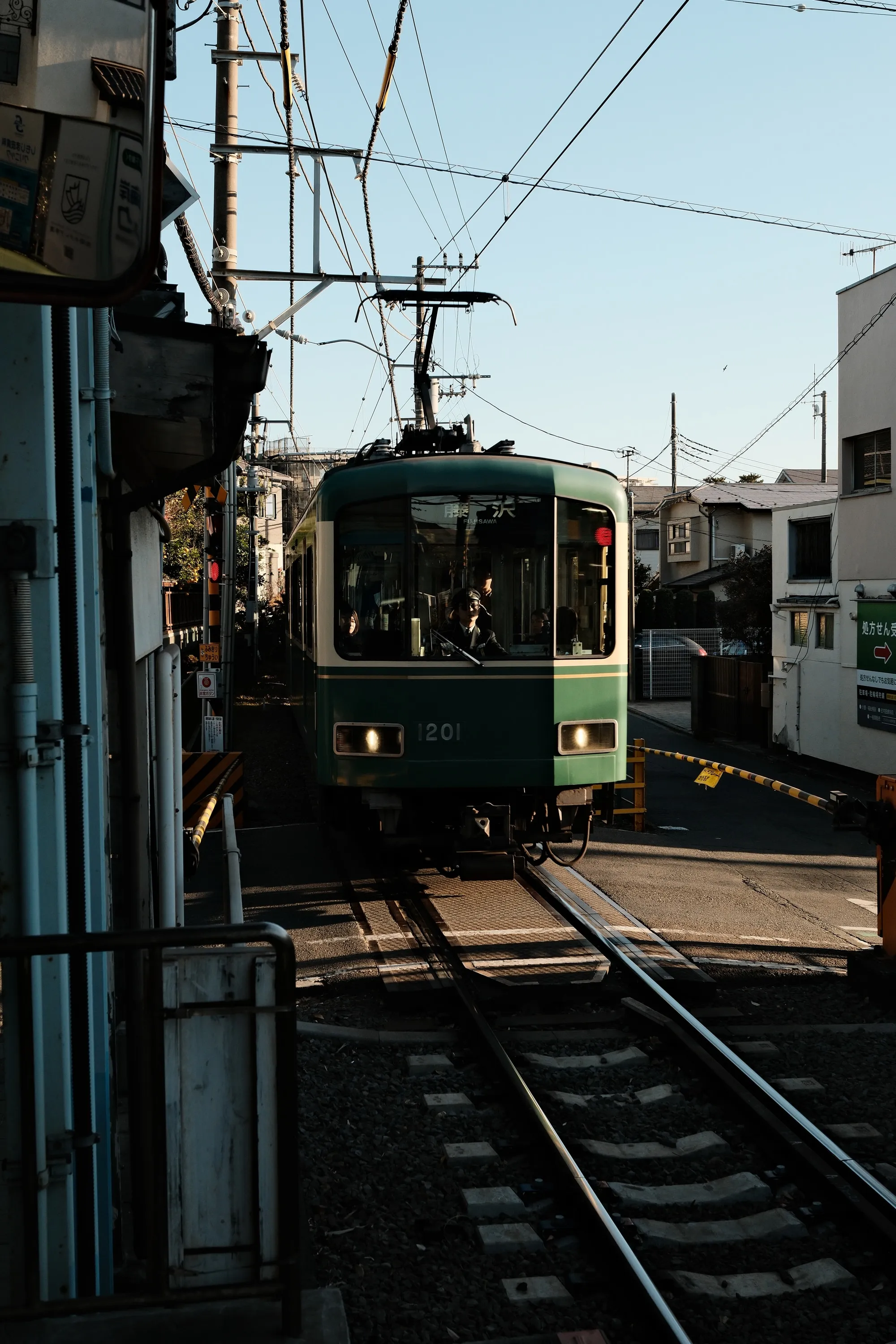
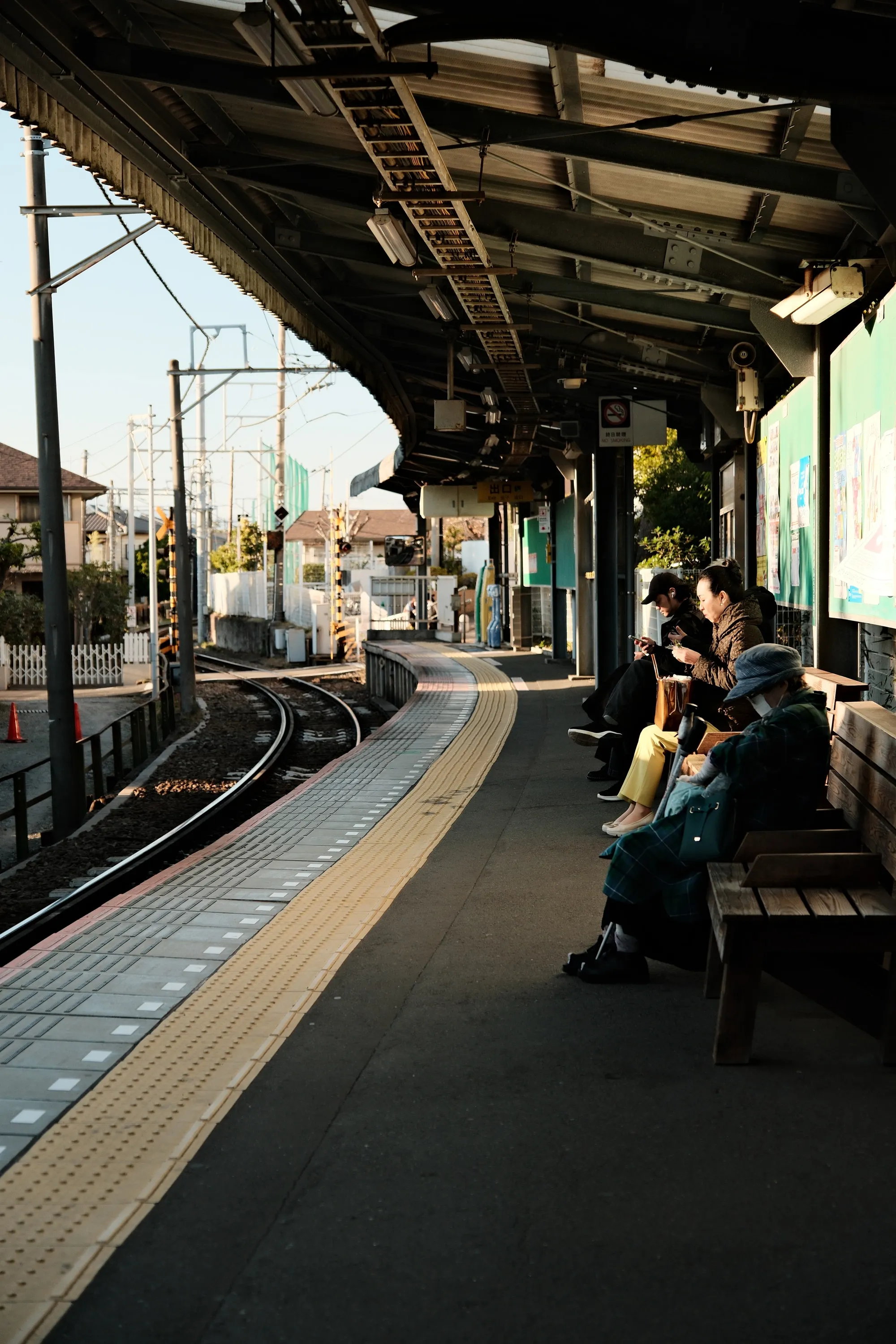
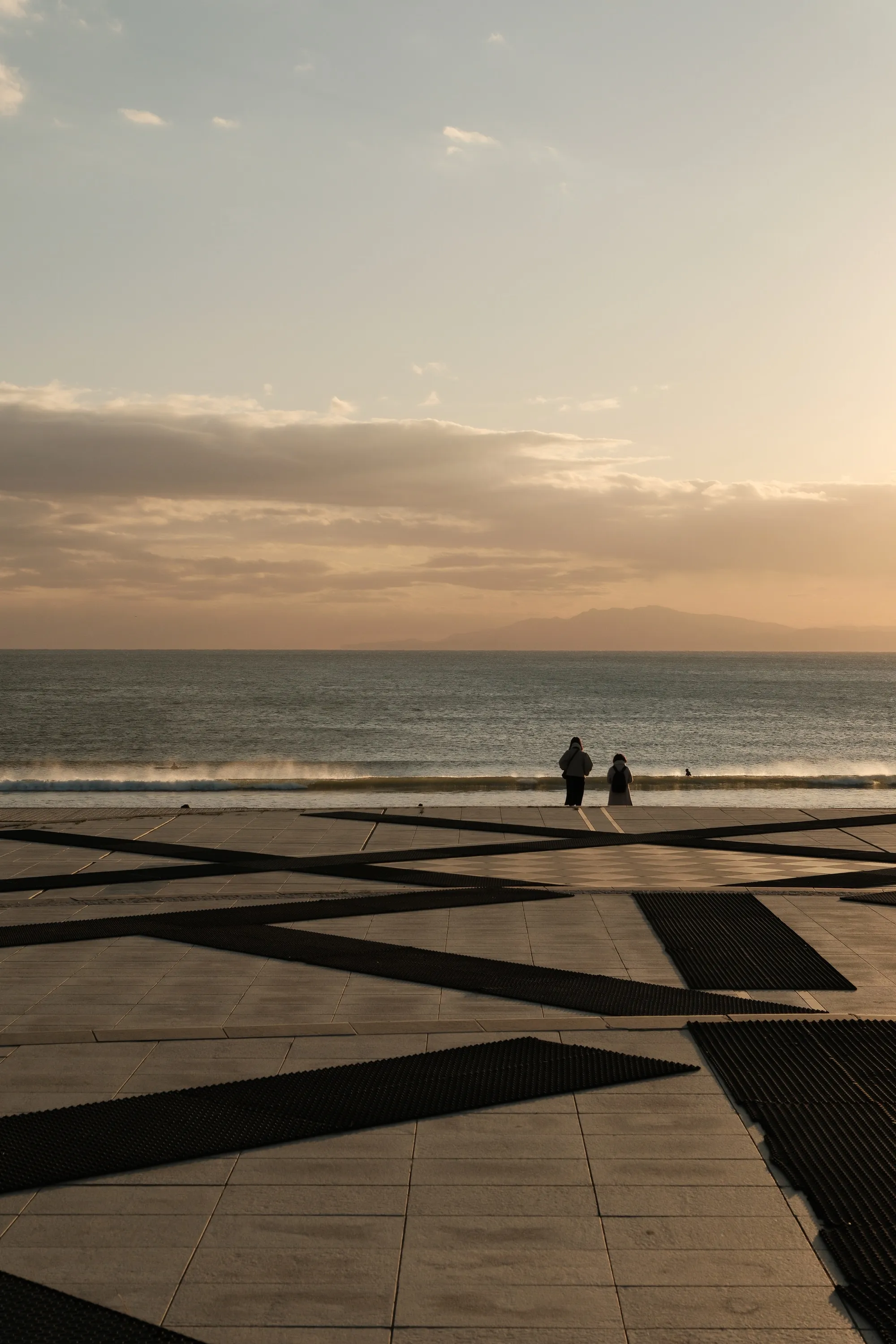
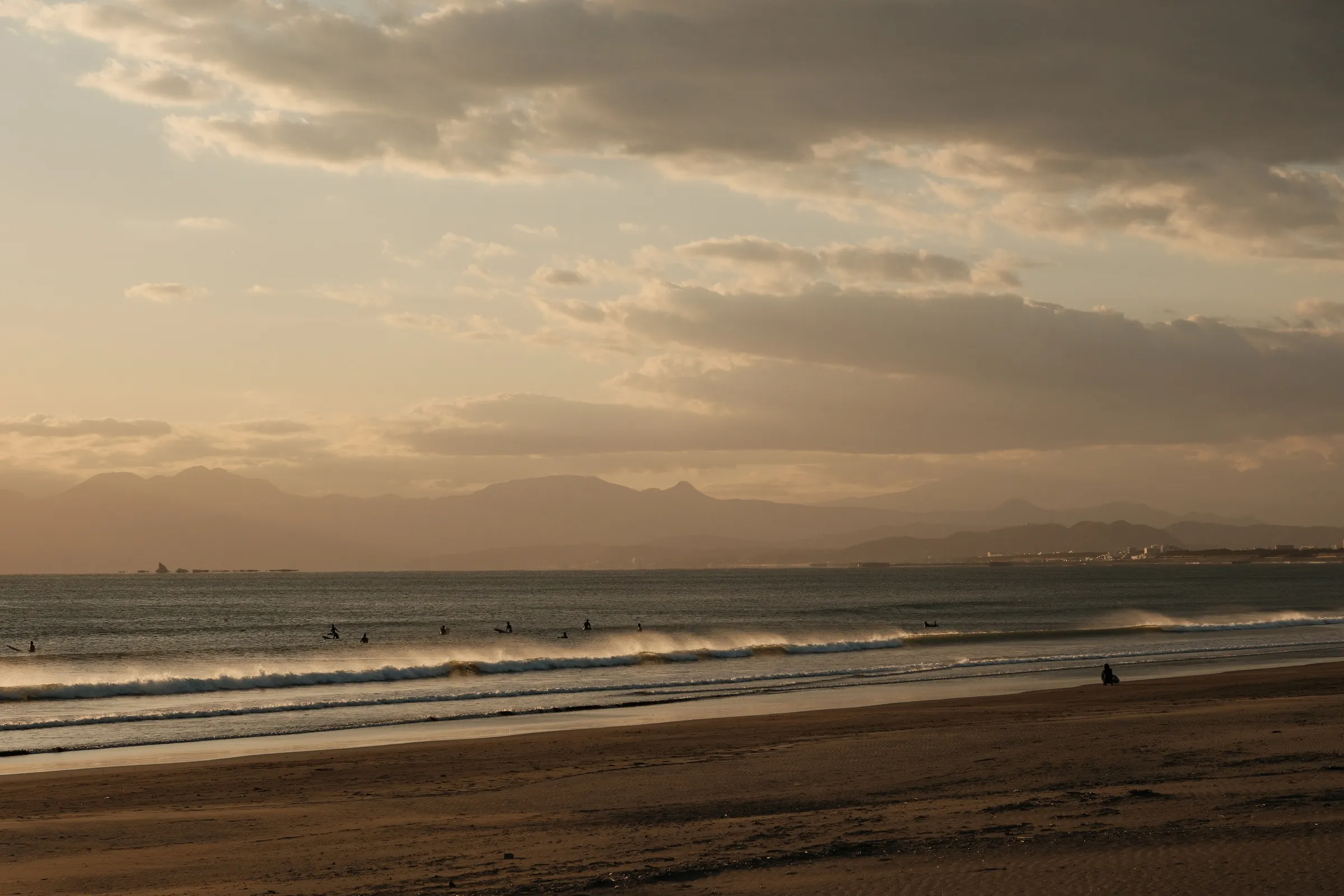
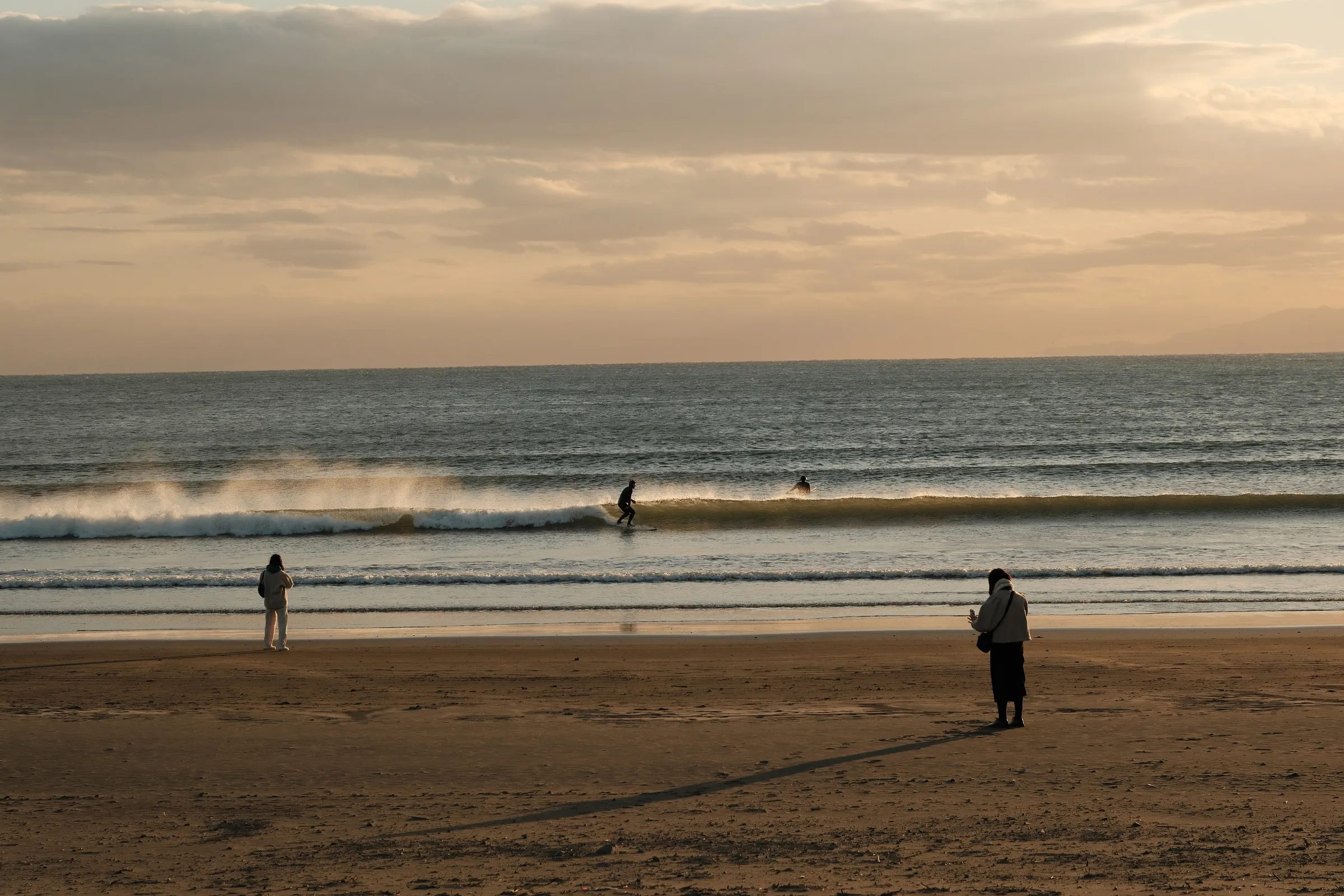
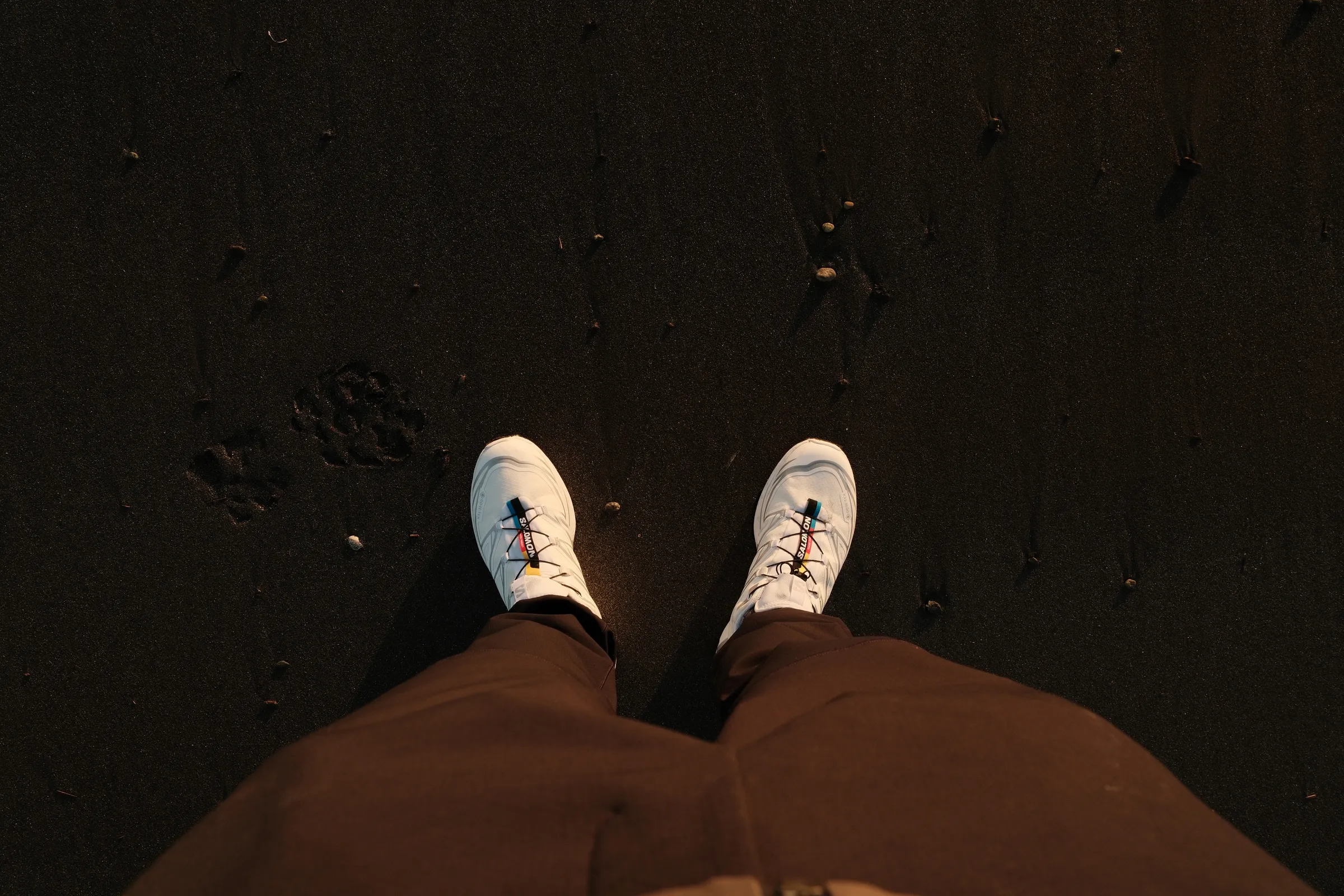
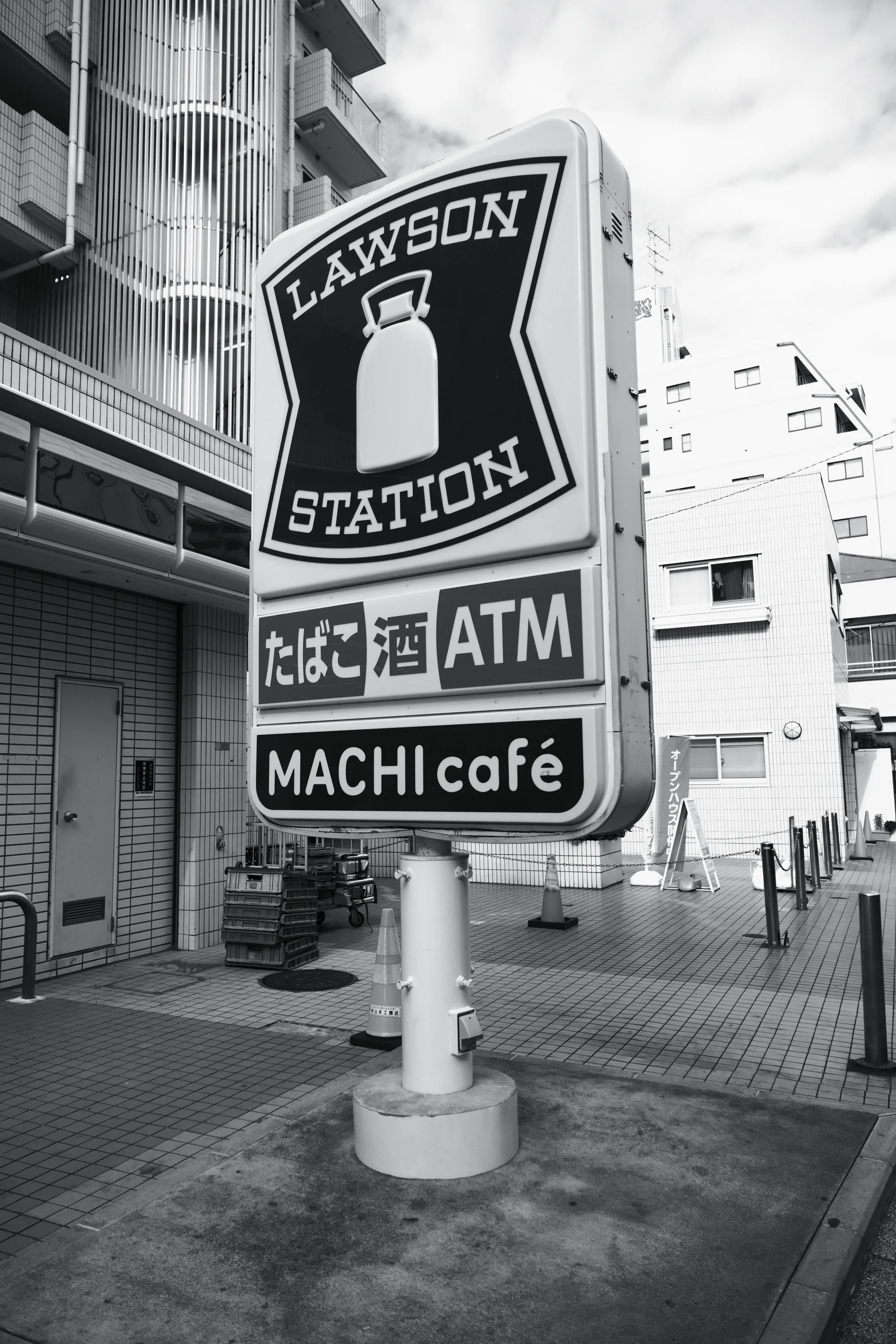
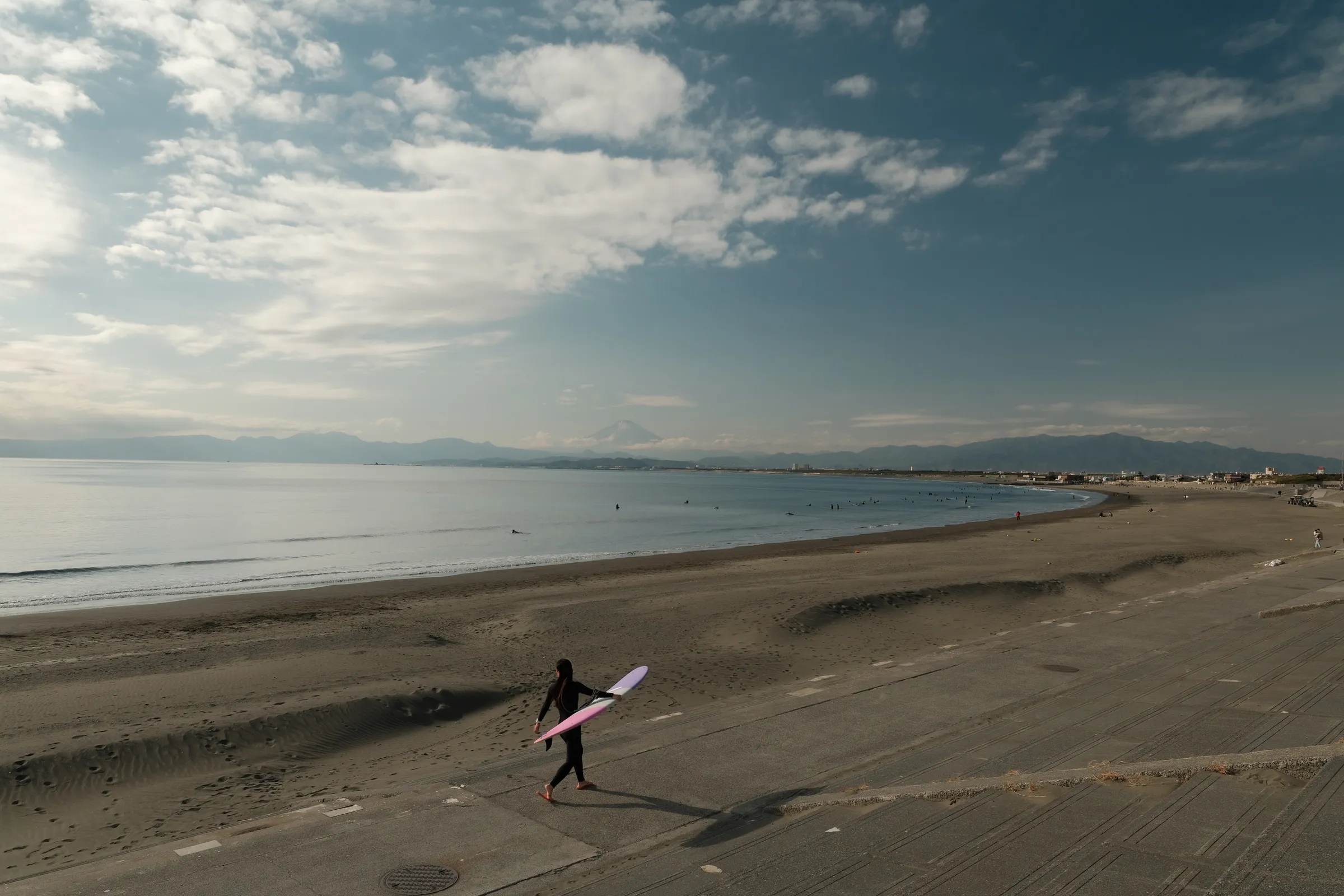
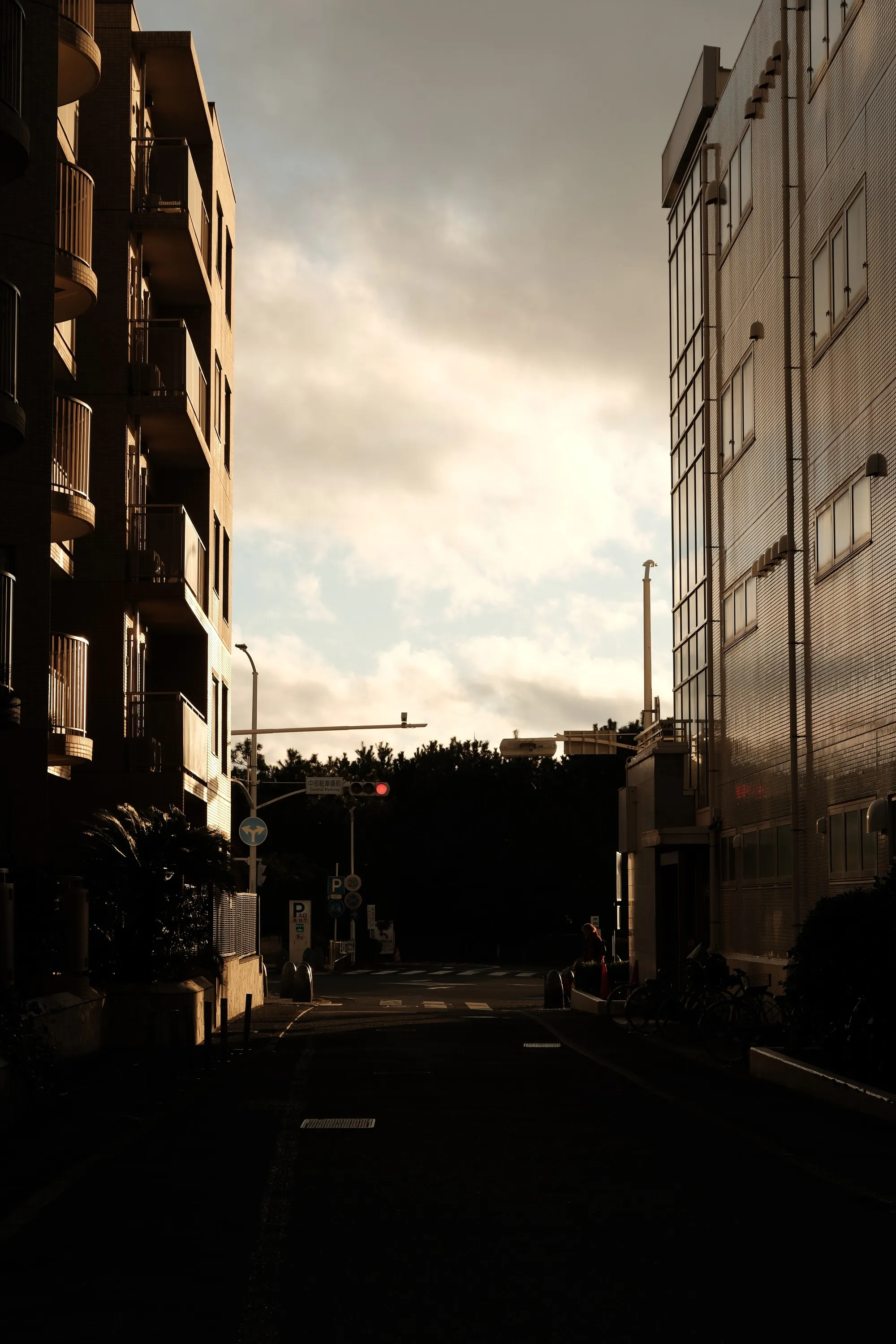
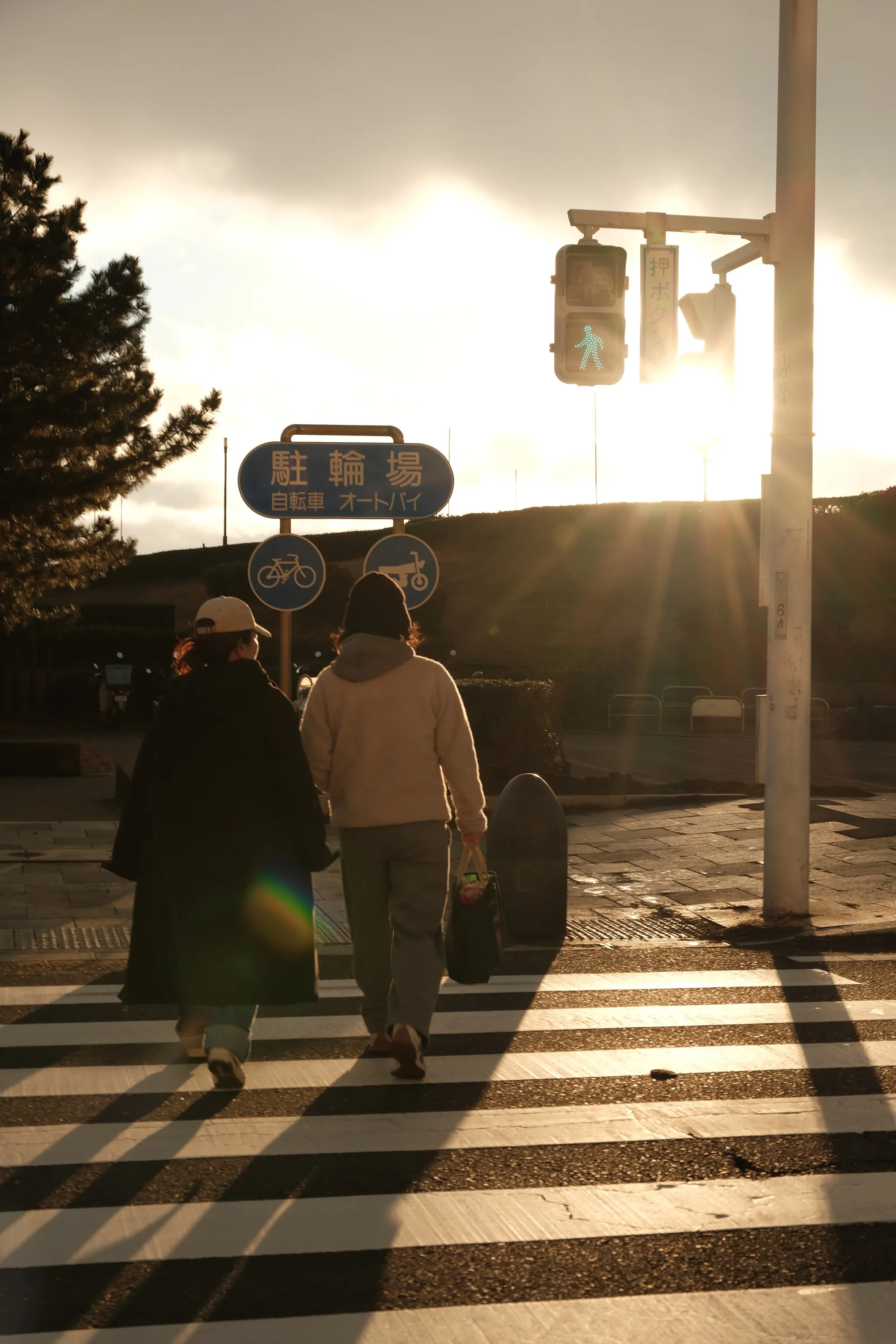
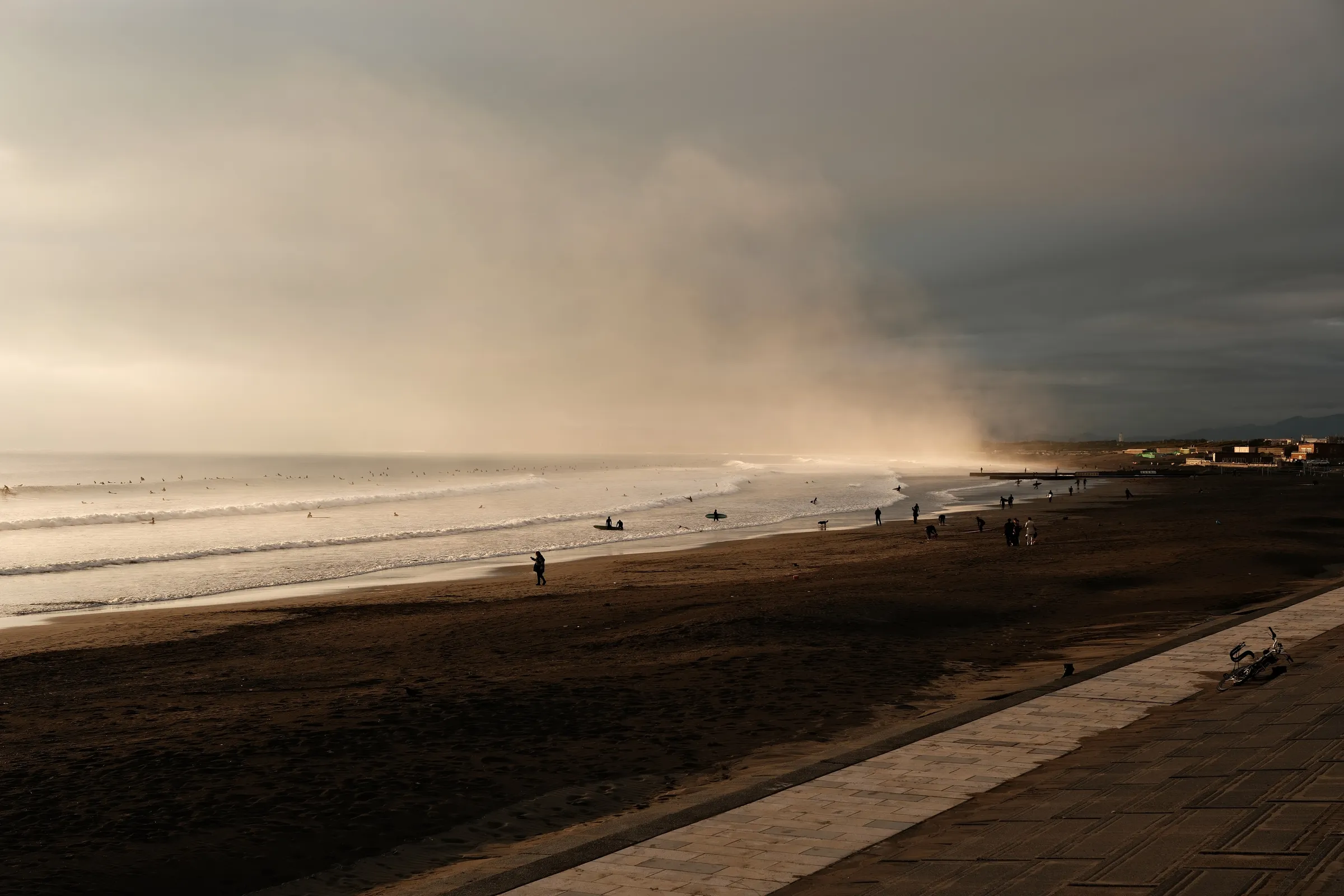
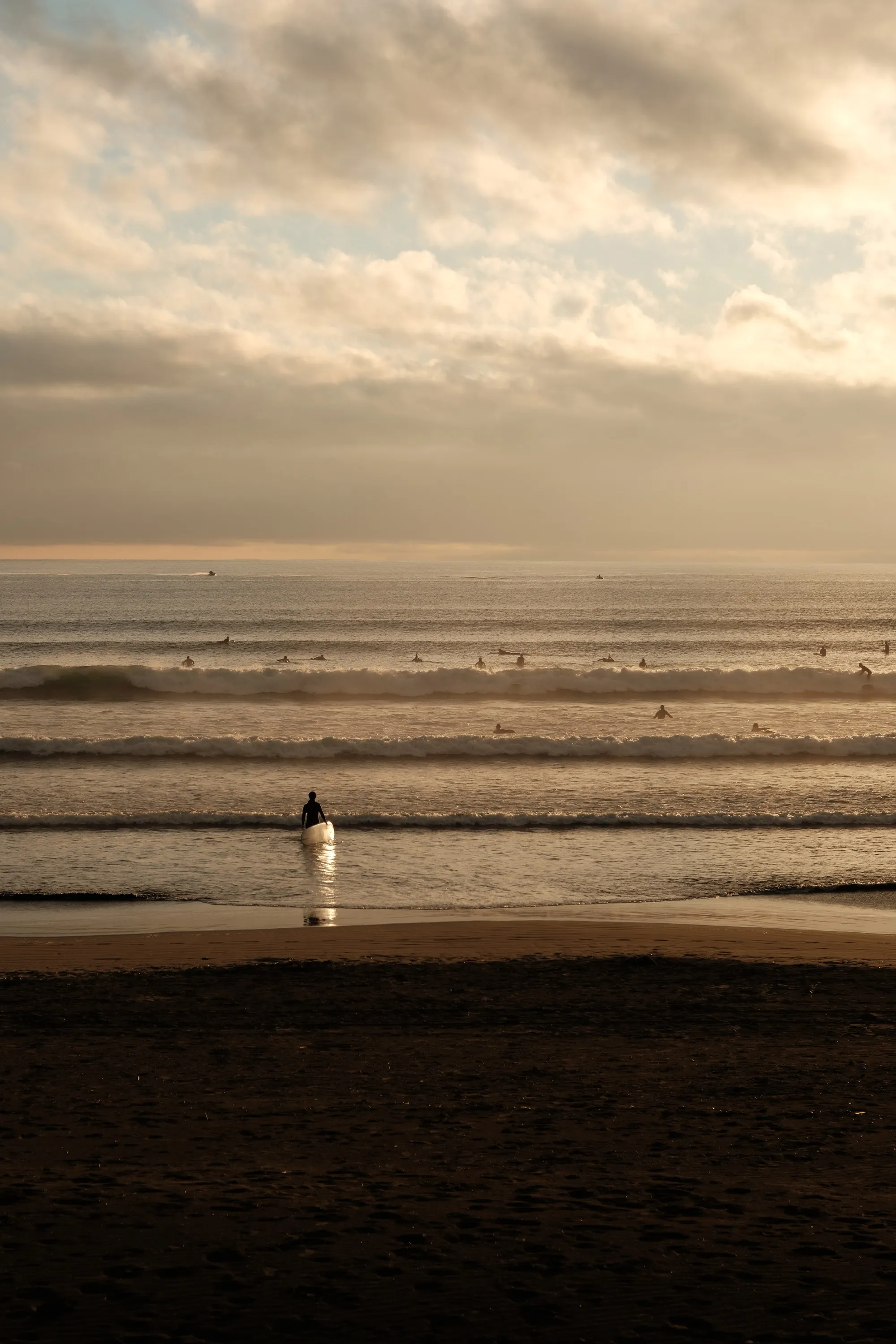
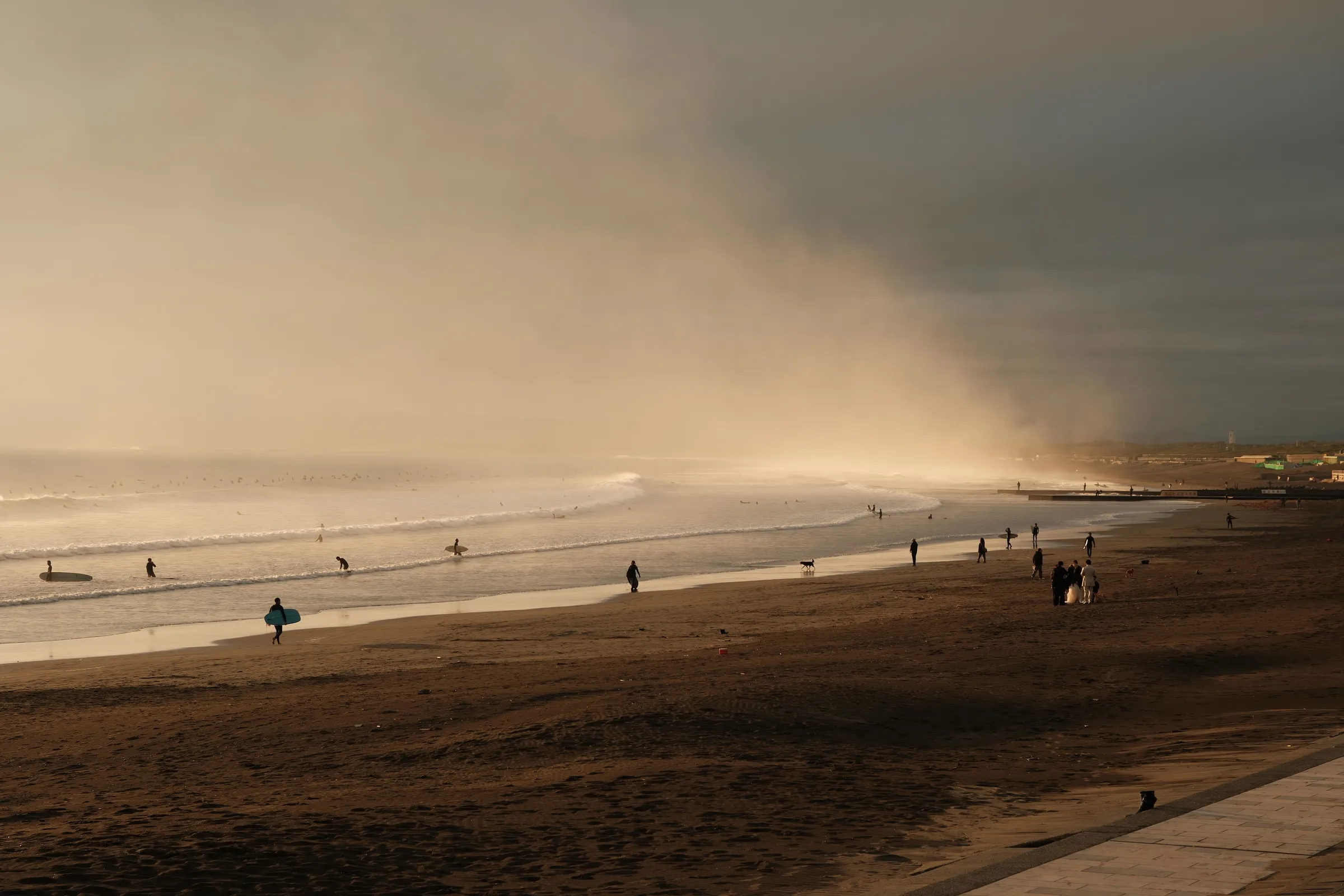
A coastal start beneath an imposing Mount Fuji, where the surf was much about taking waves as siting on the board and staring at the Mount. Behind the beach, quiet neighbourhoods were cut by the Enoden, level crossings opening onto the sea and winter light stretching everything into long shadows by late afternoon..
 25
 26
 27
 28
 29
 30
 31
 32
 33
 34
 35
 36
 37
 38
 39
 40
 41
 42
 43
 44
 45
 46
 47
 48
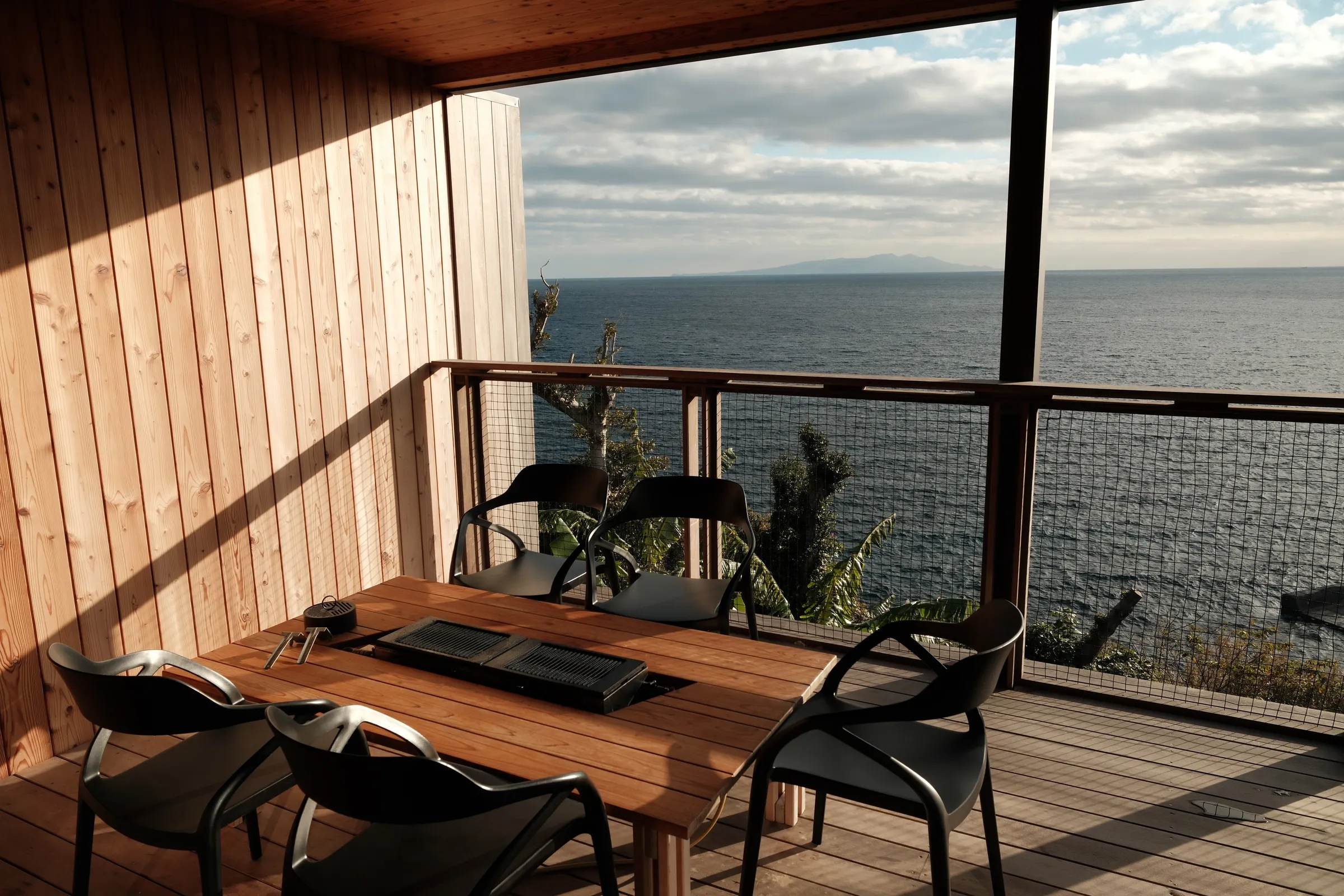
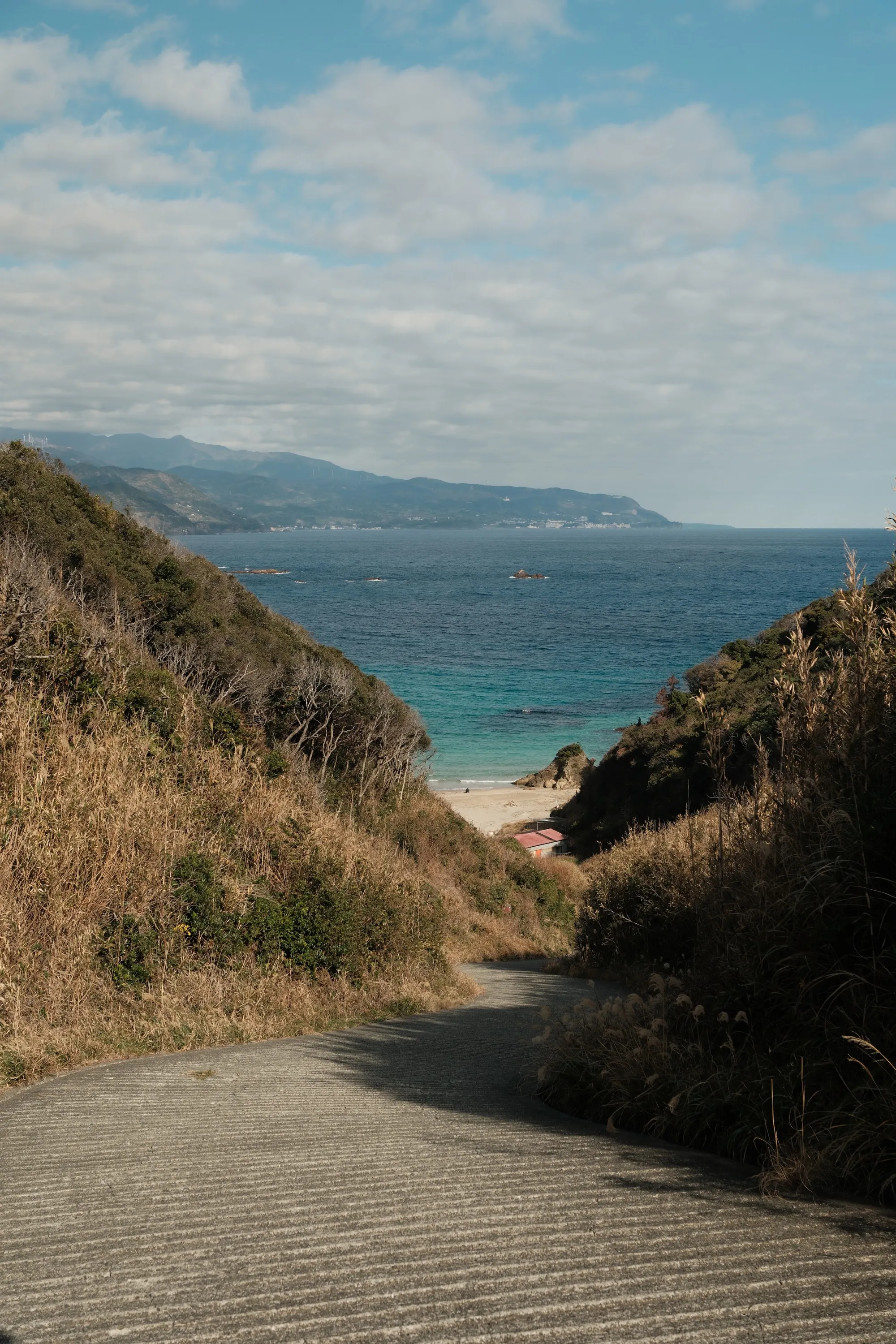
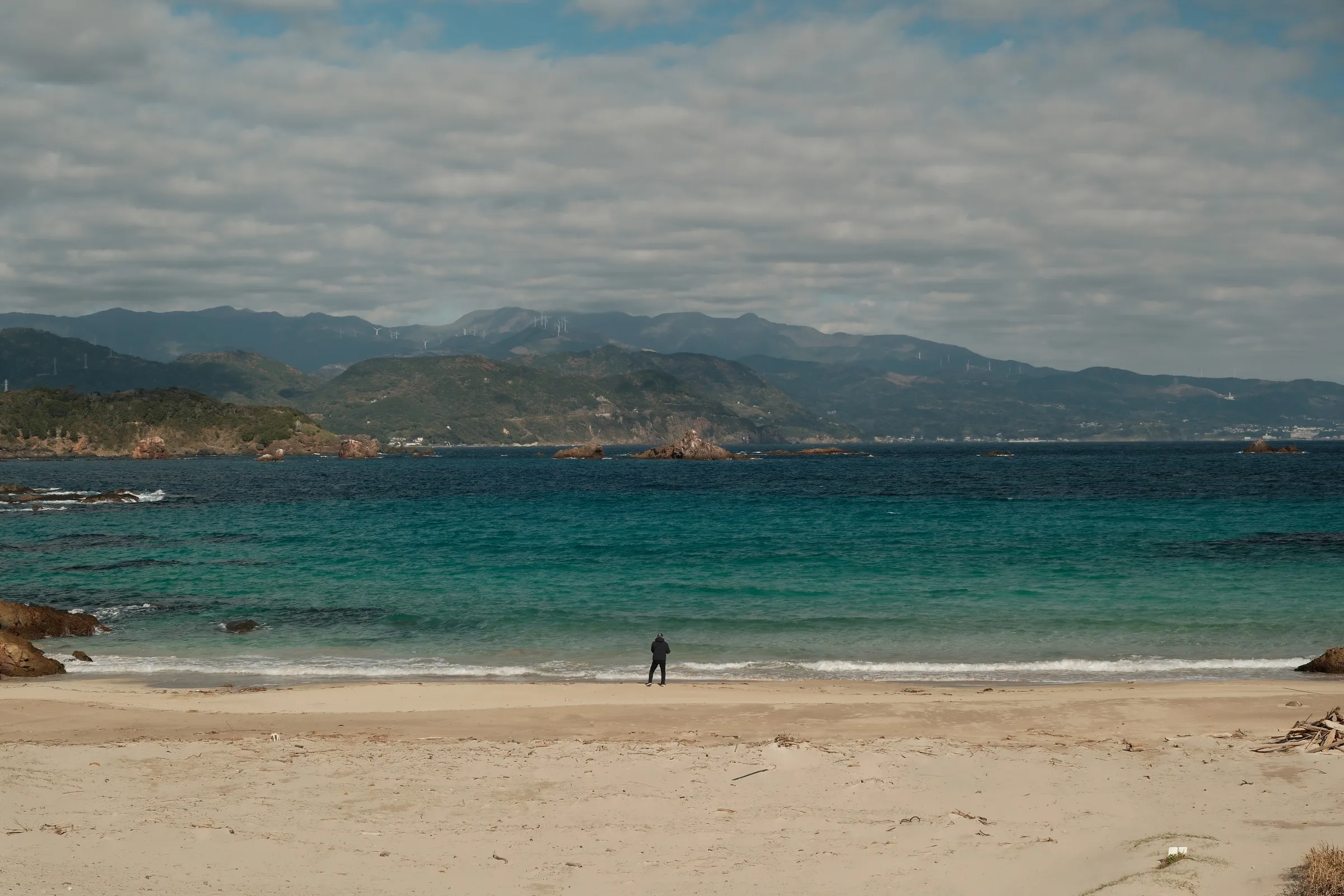
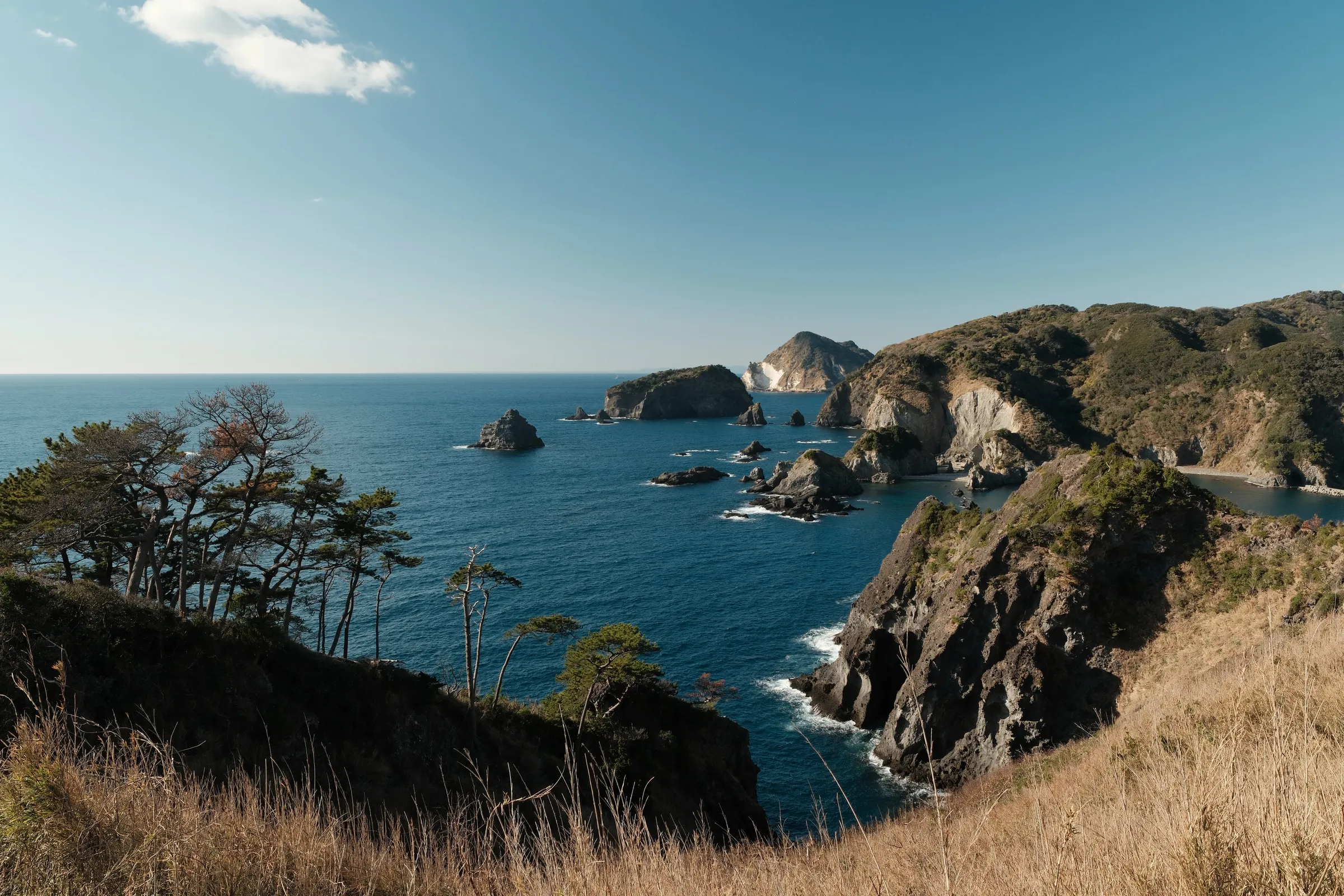
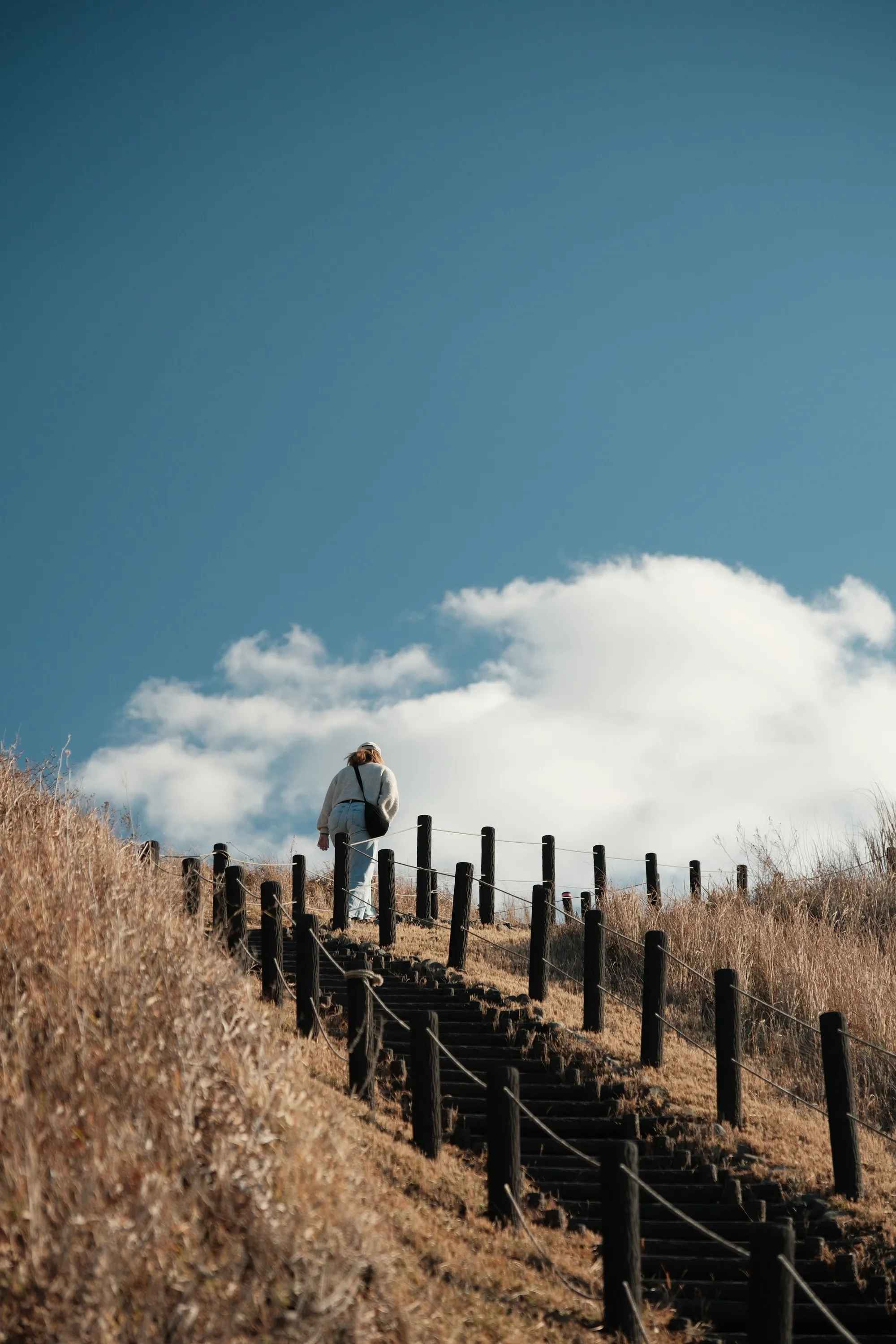
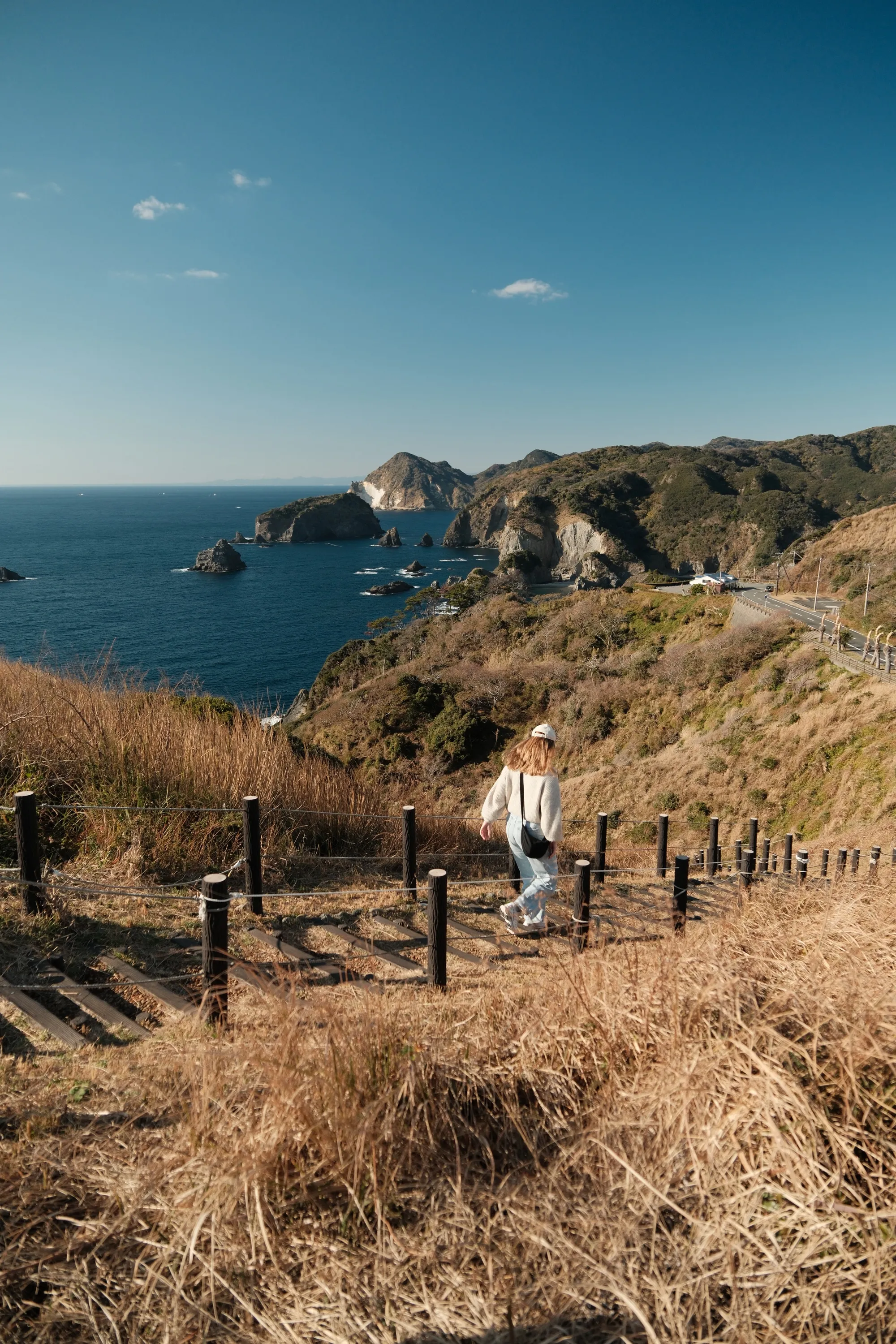
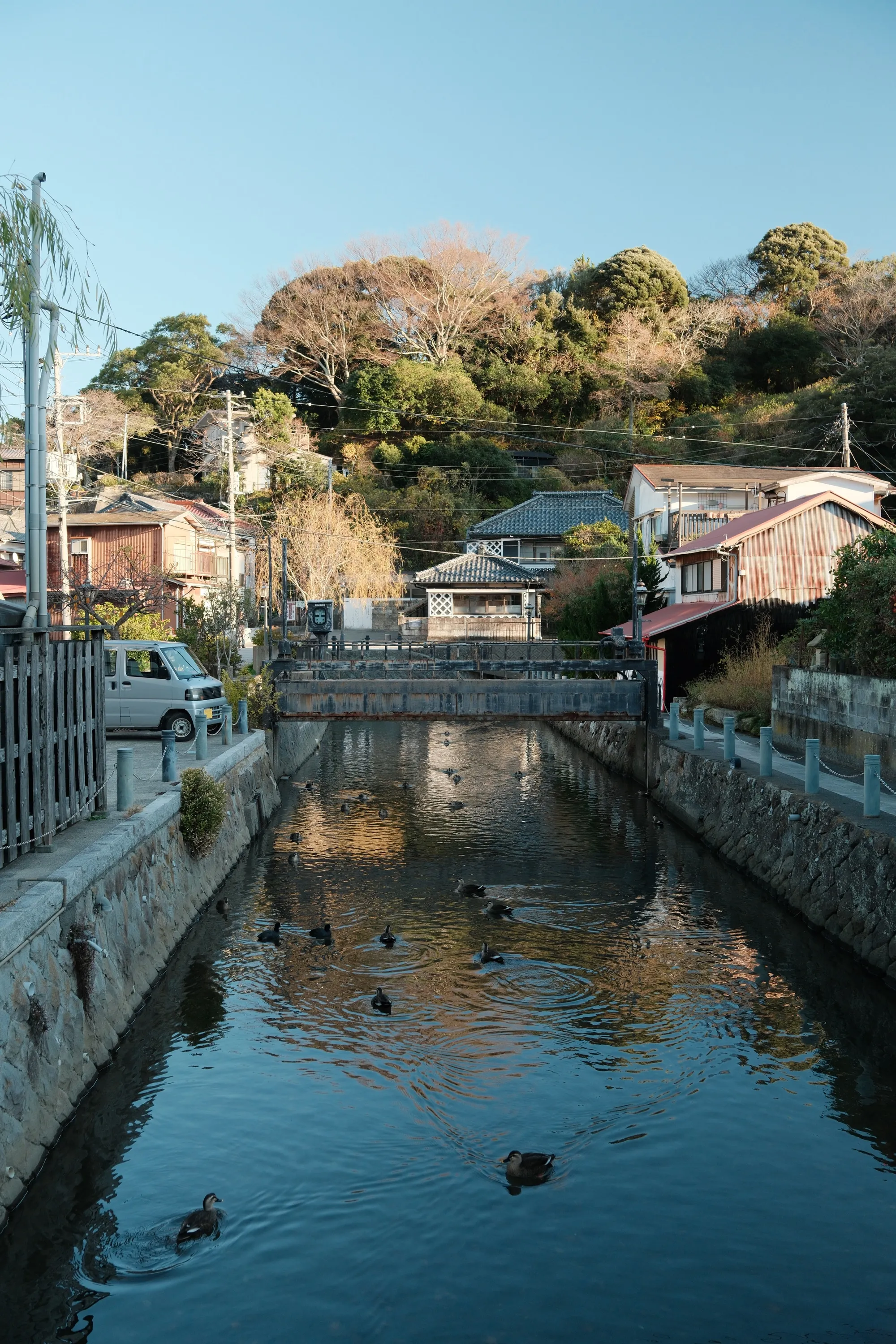
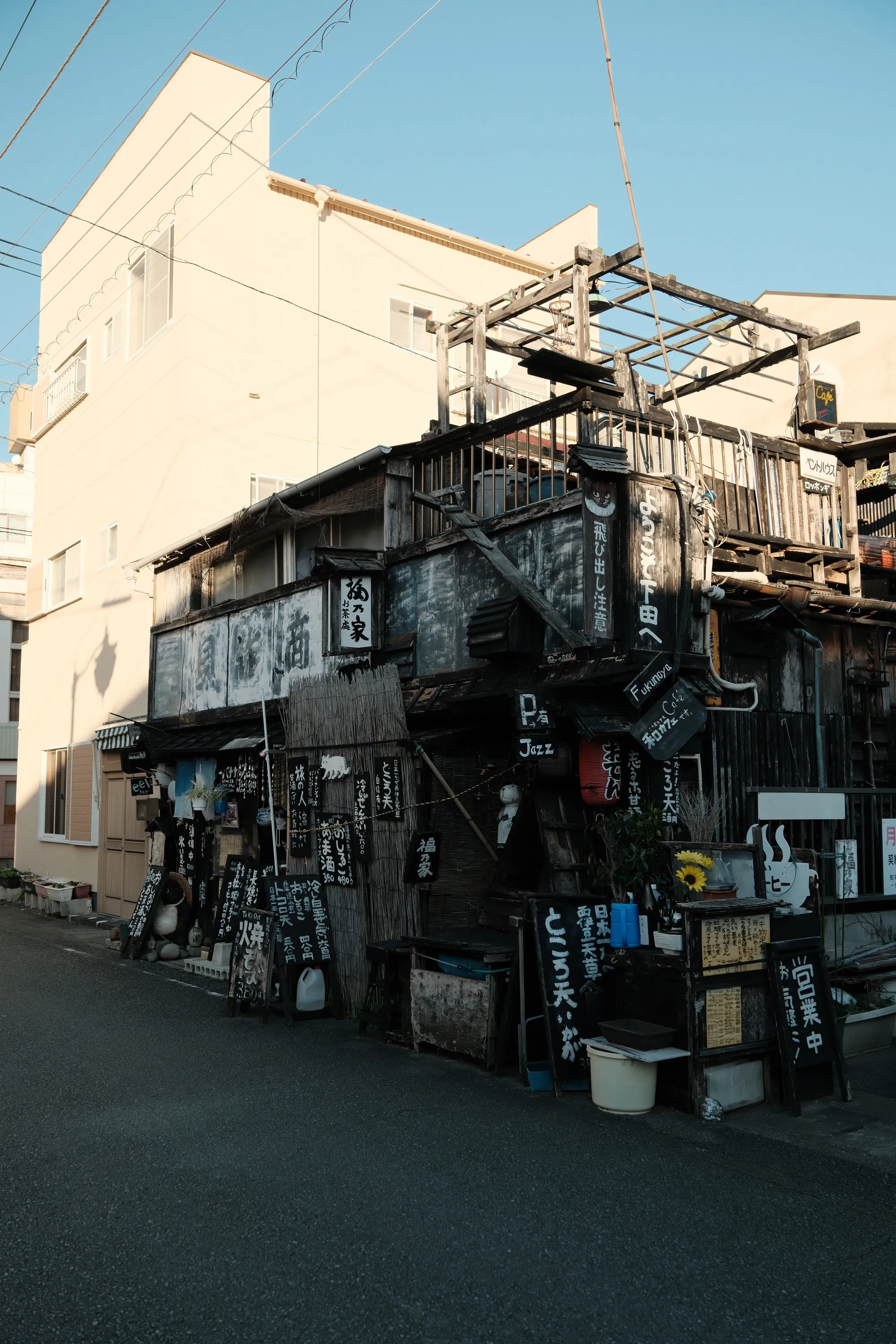
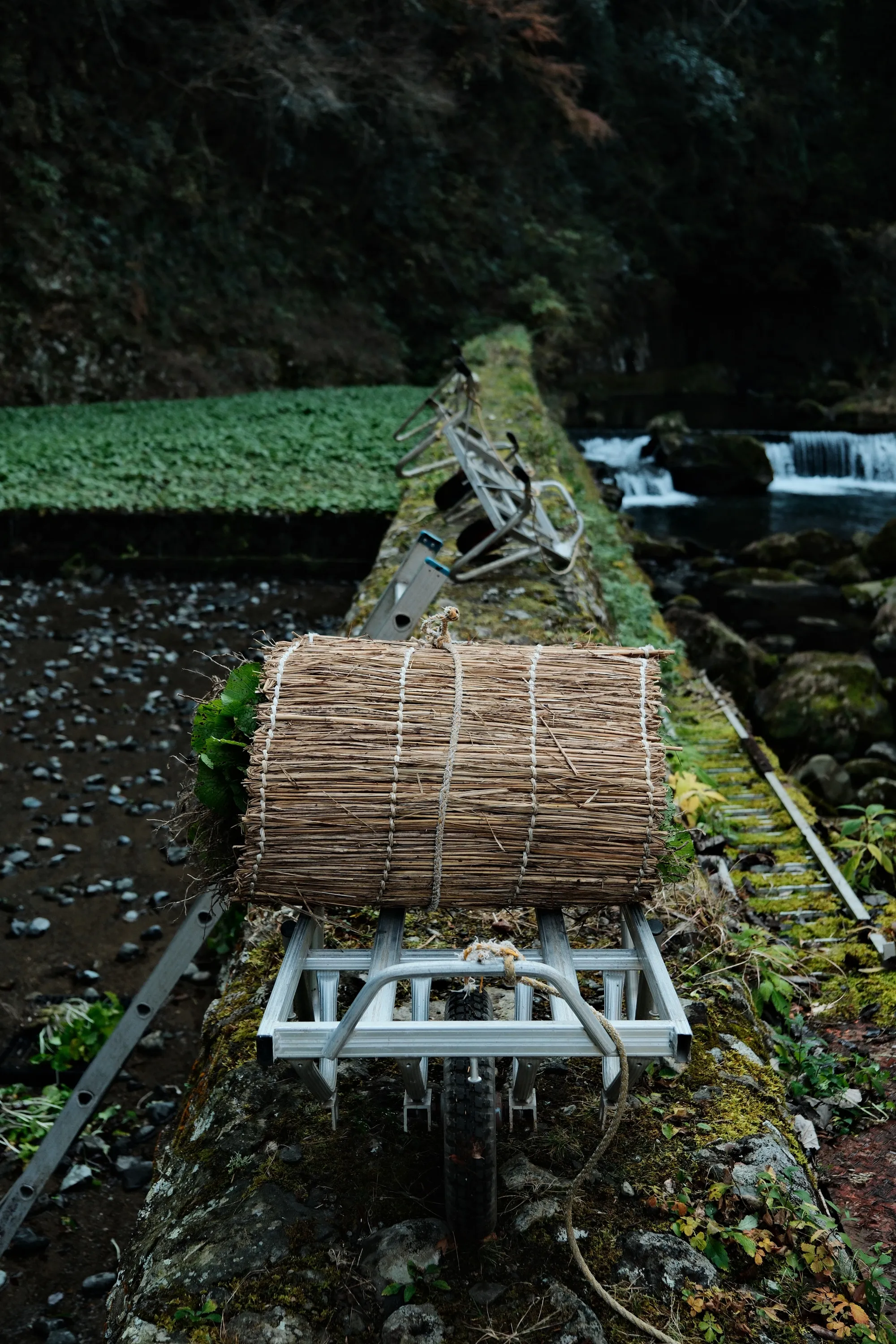
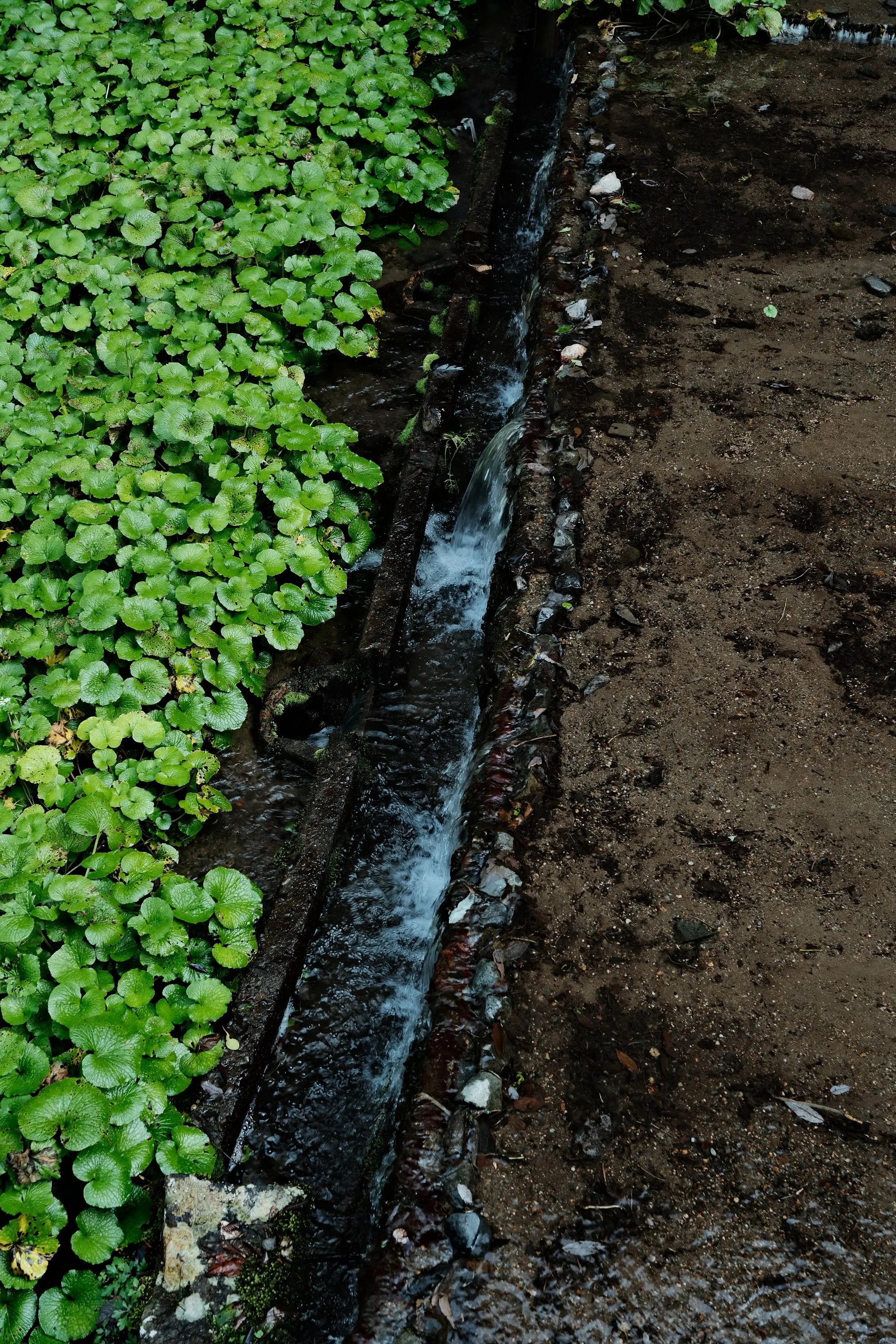
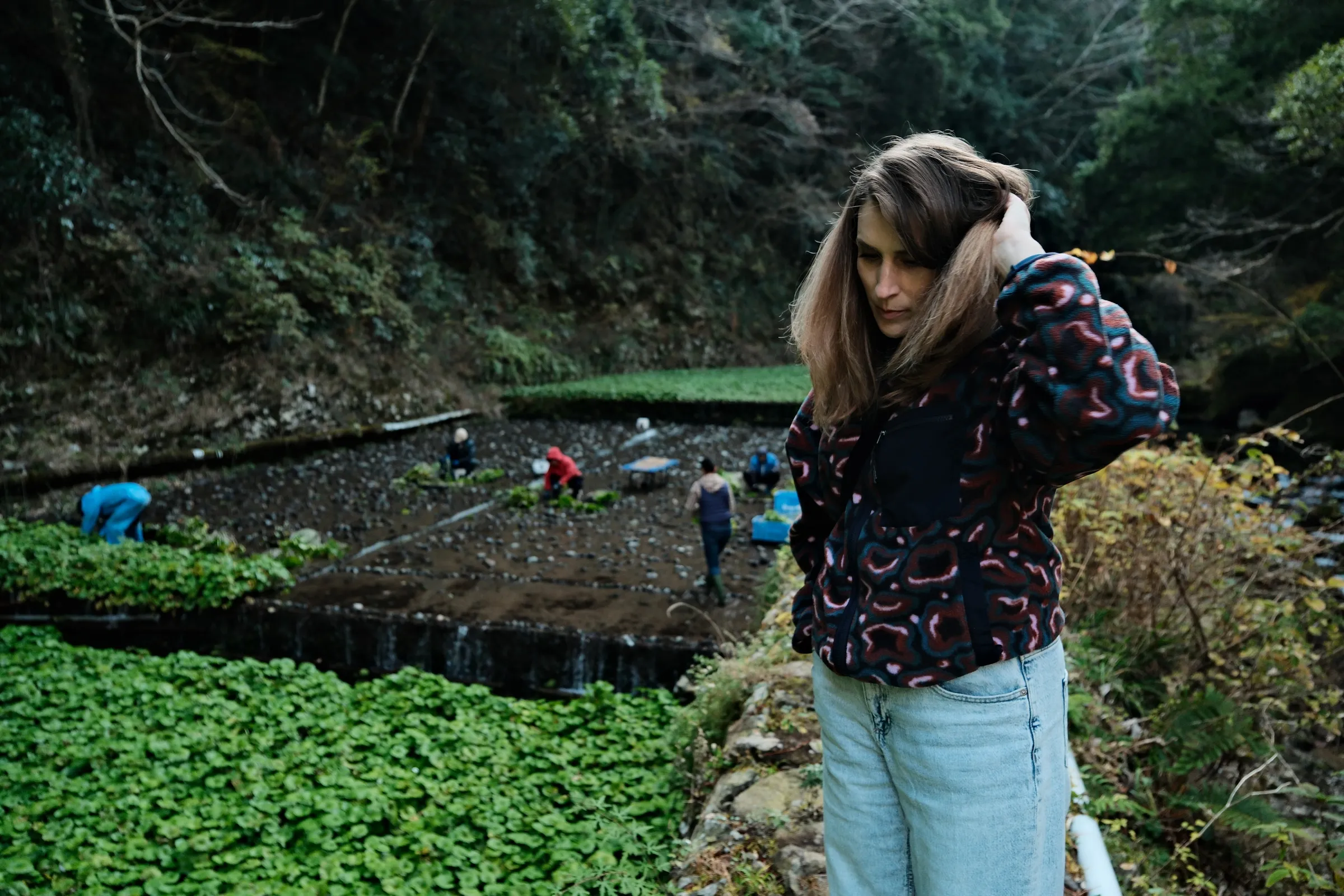
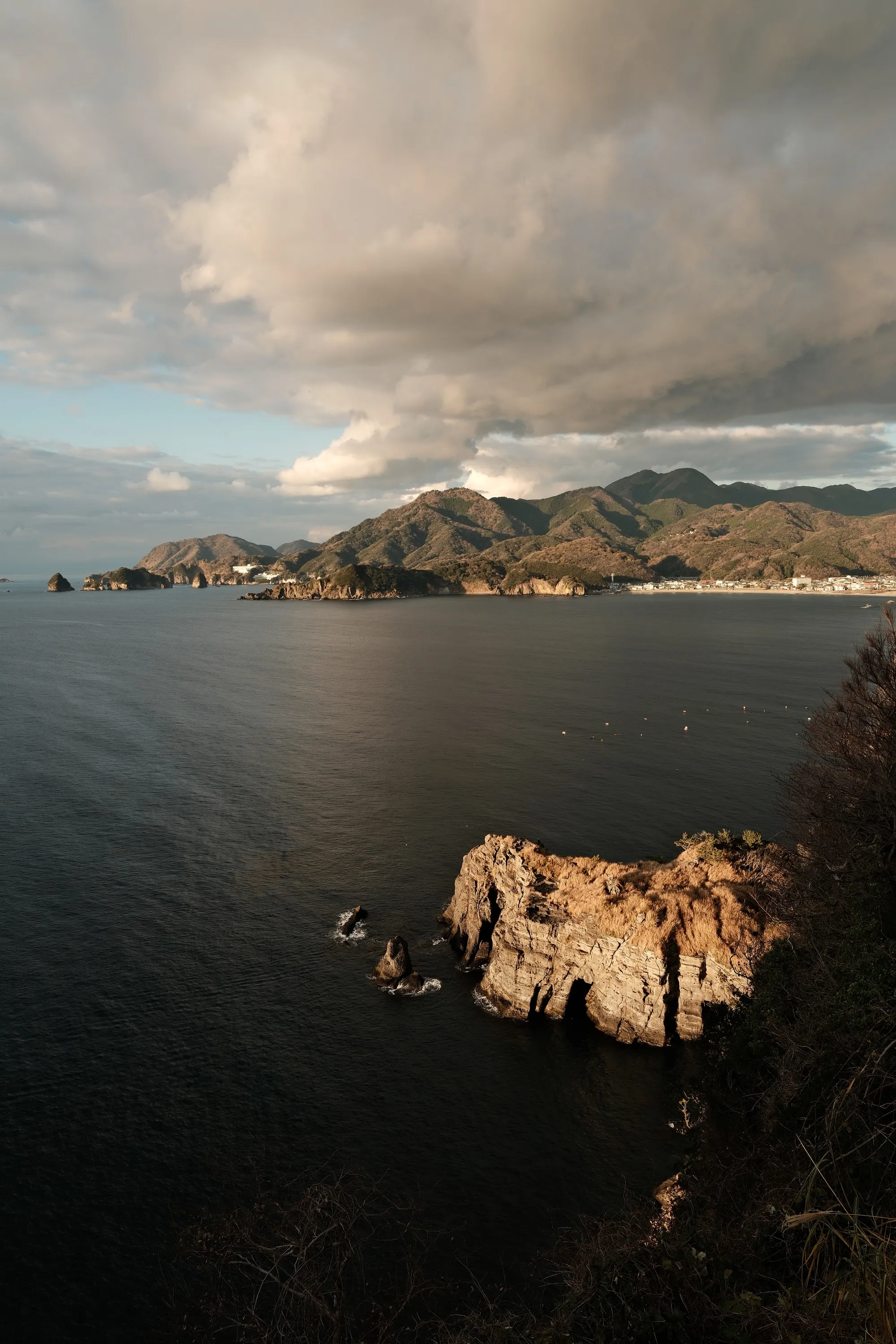
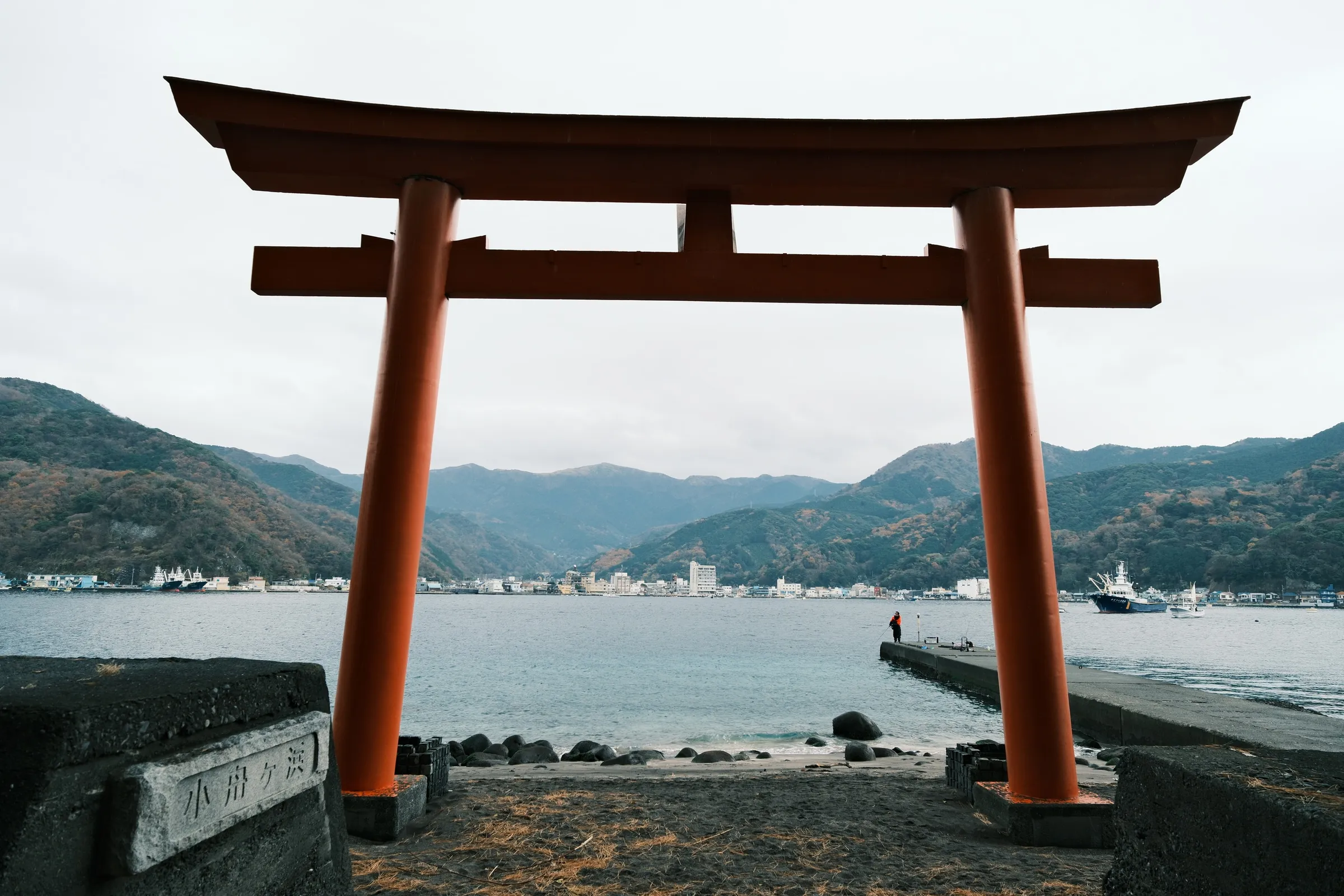
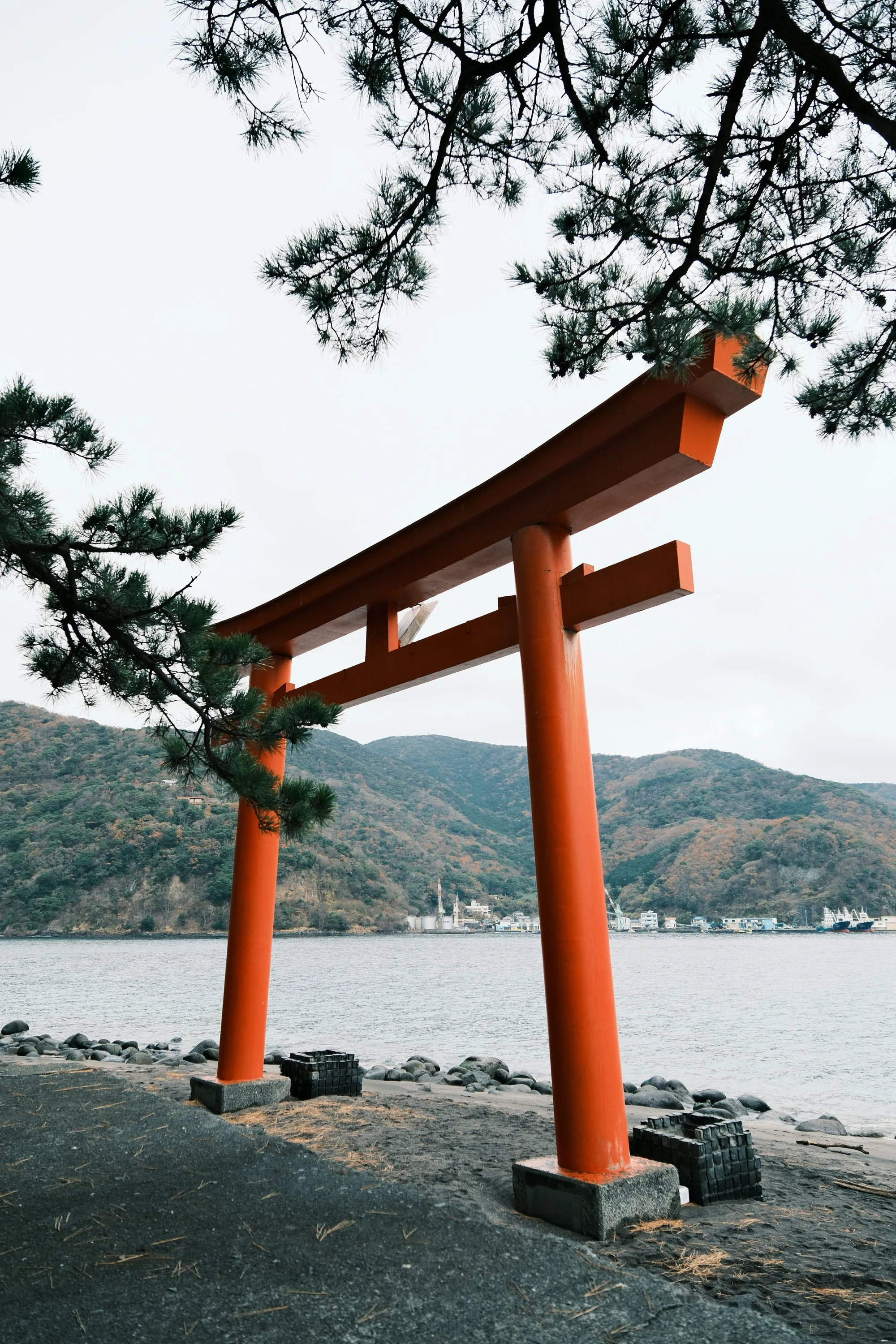
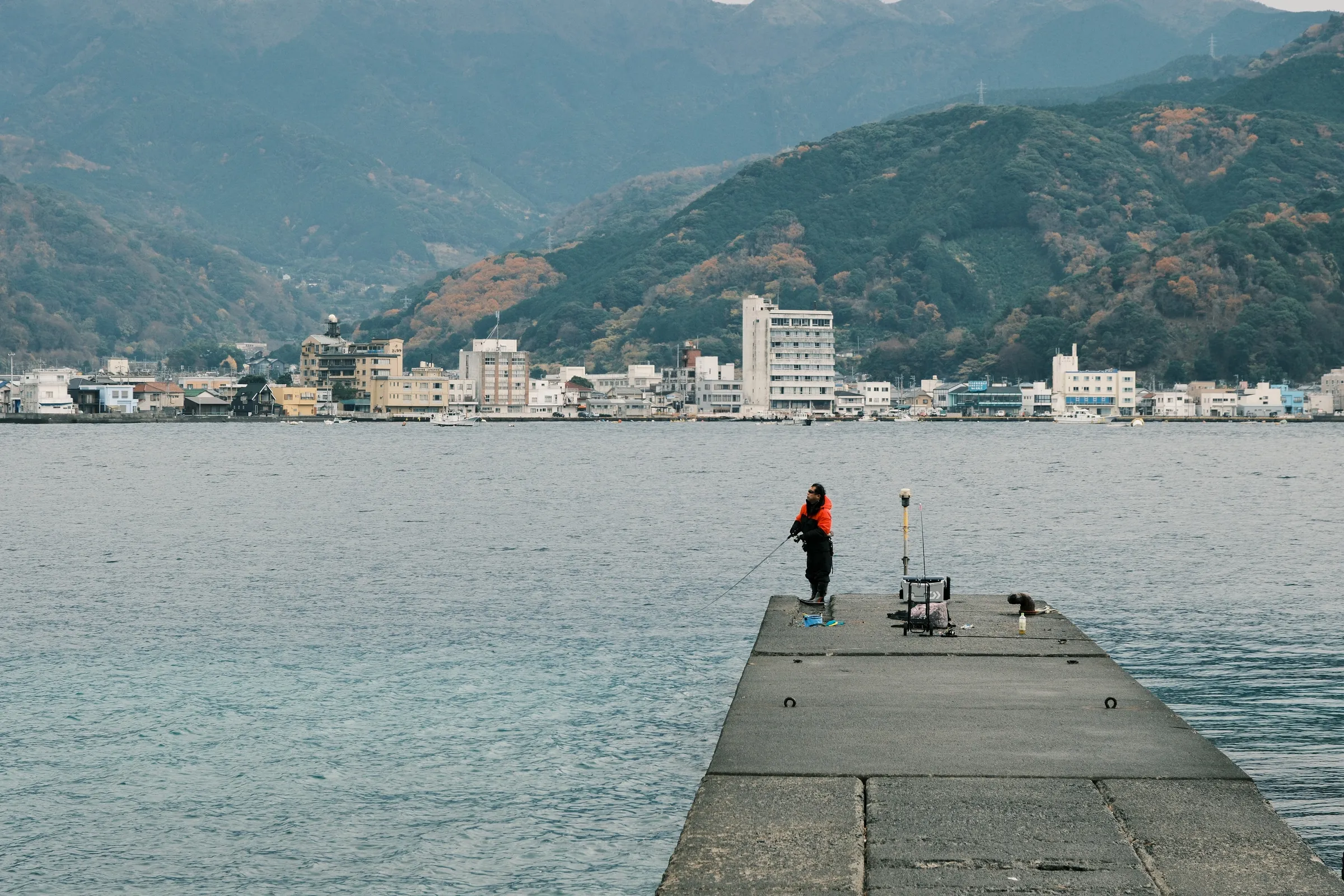
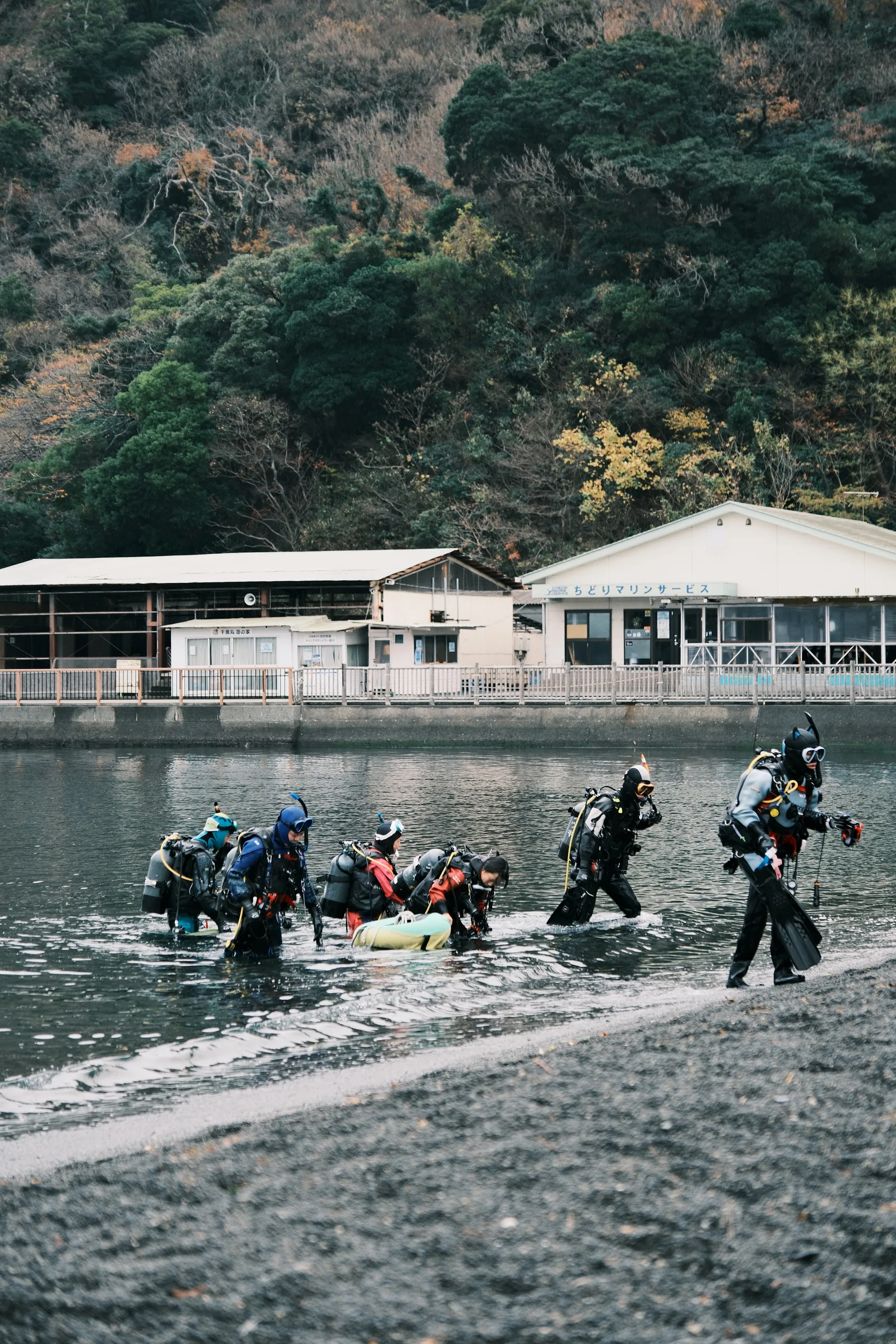
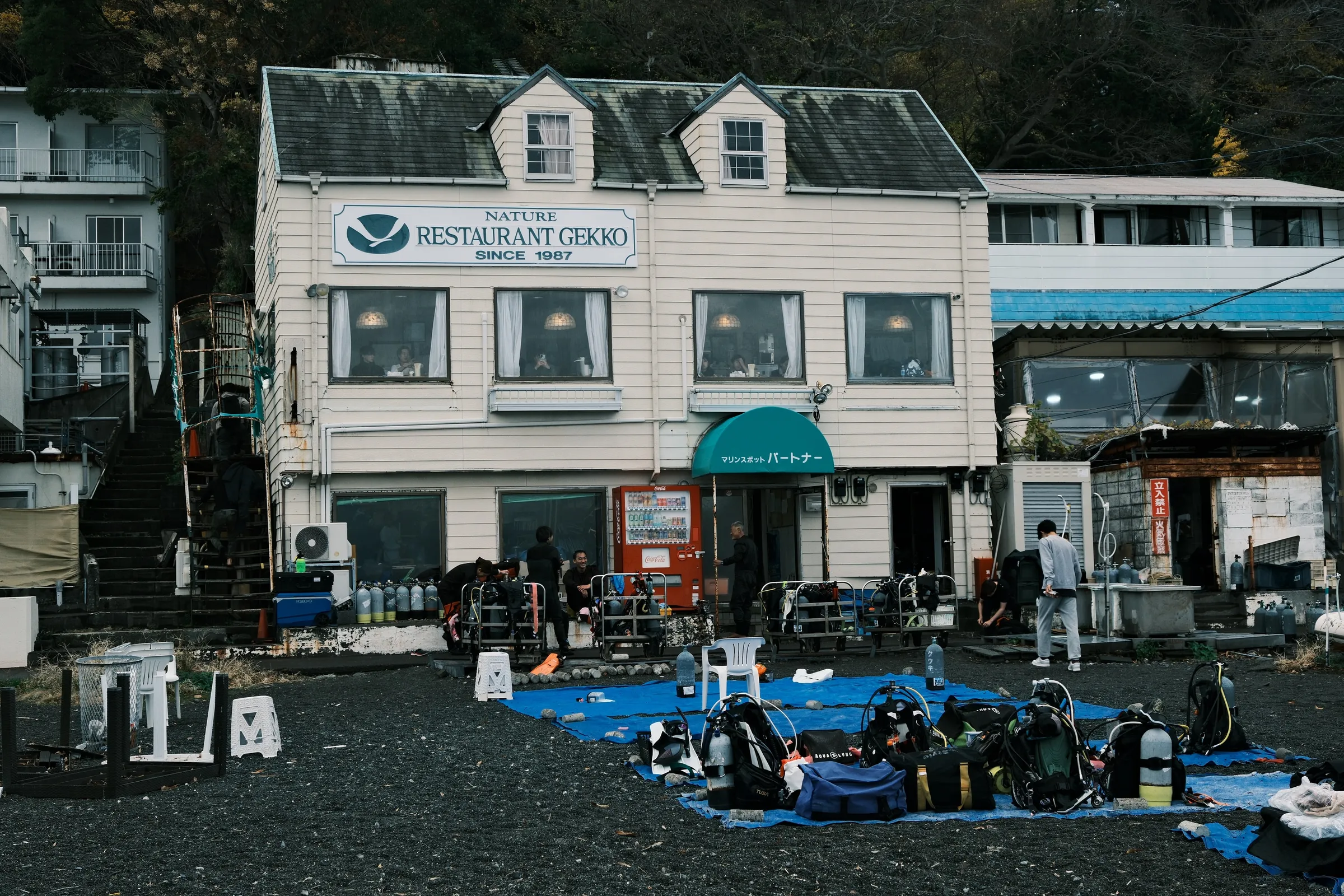
Cliff paths, wasabi terraces, and blue Pacific coves
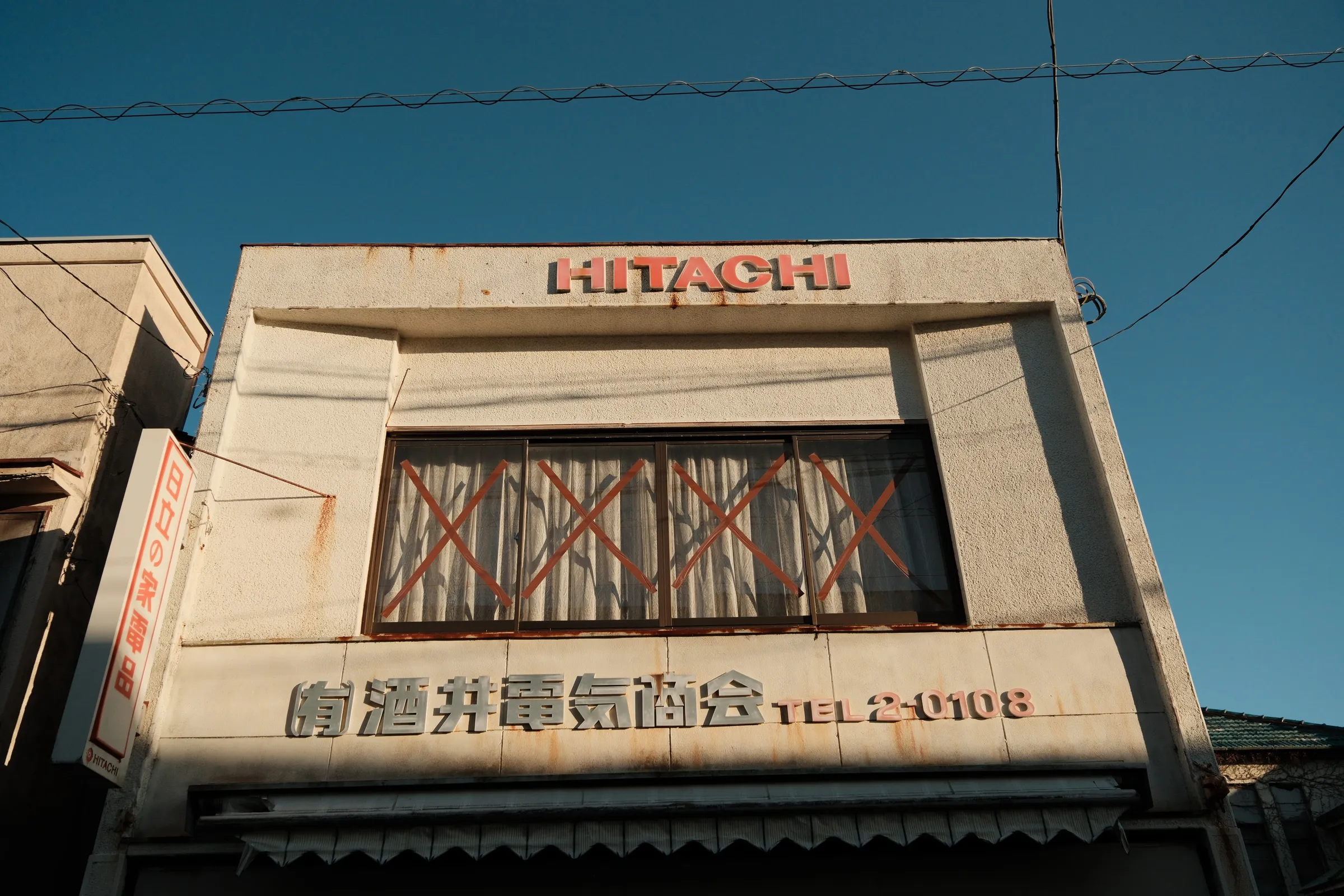
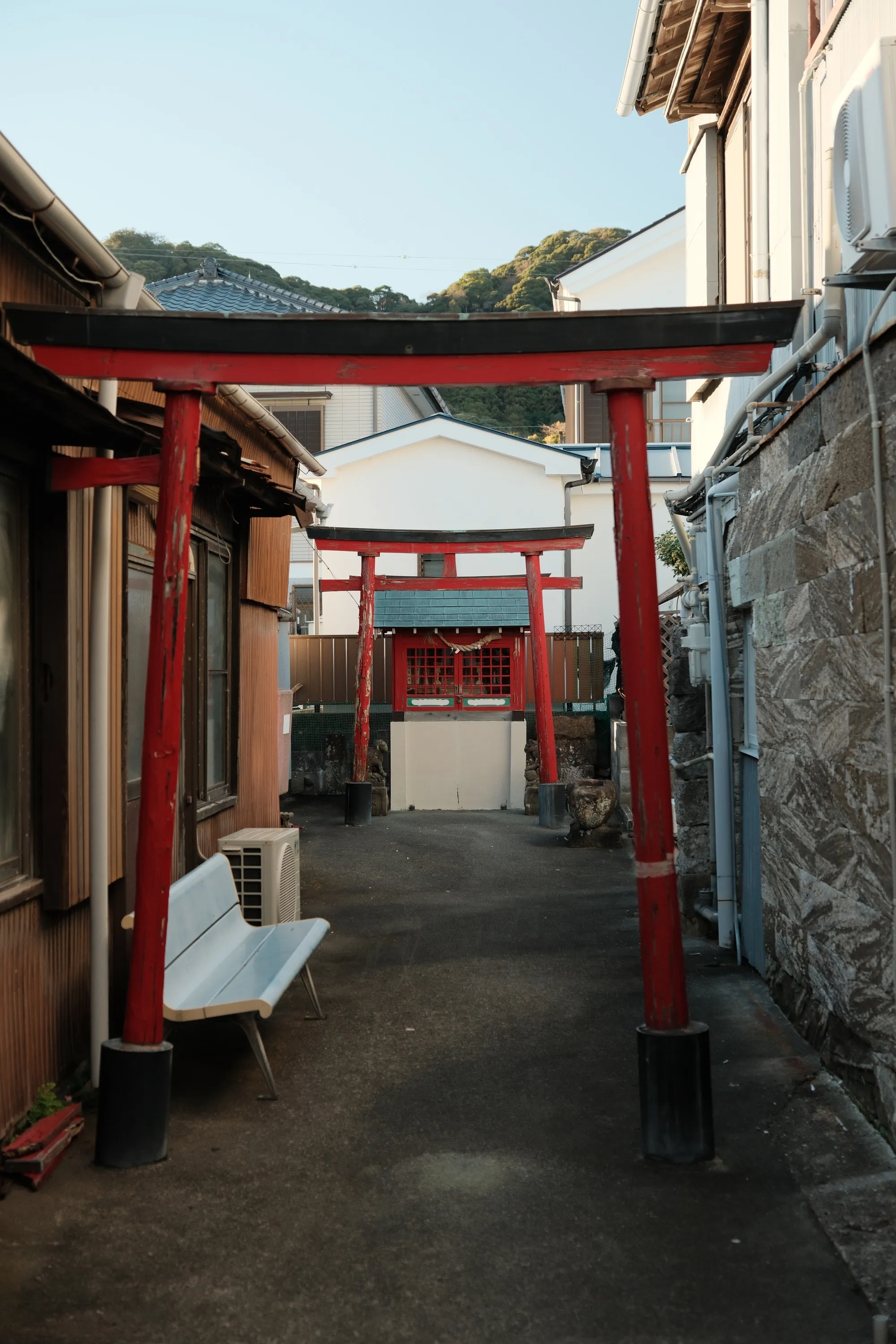
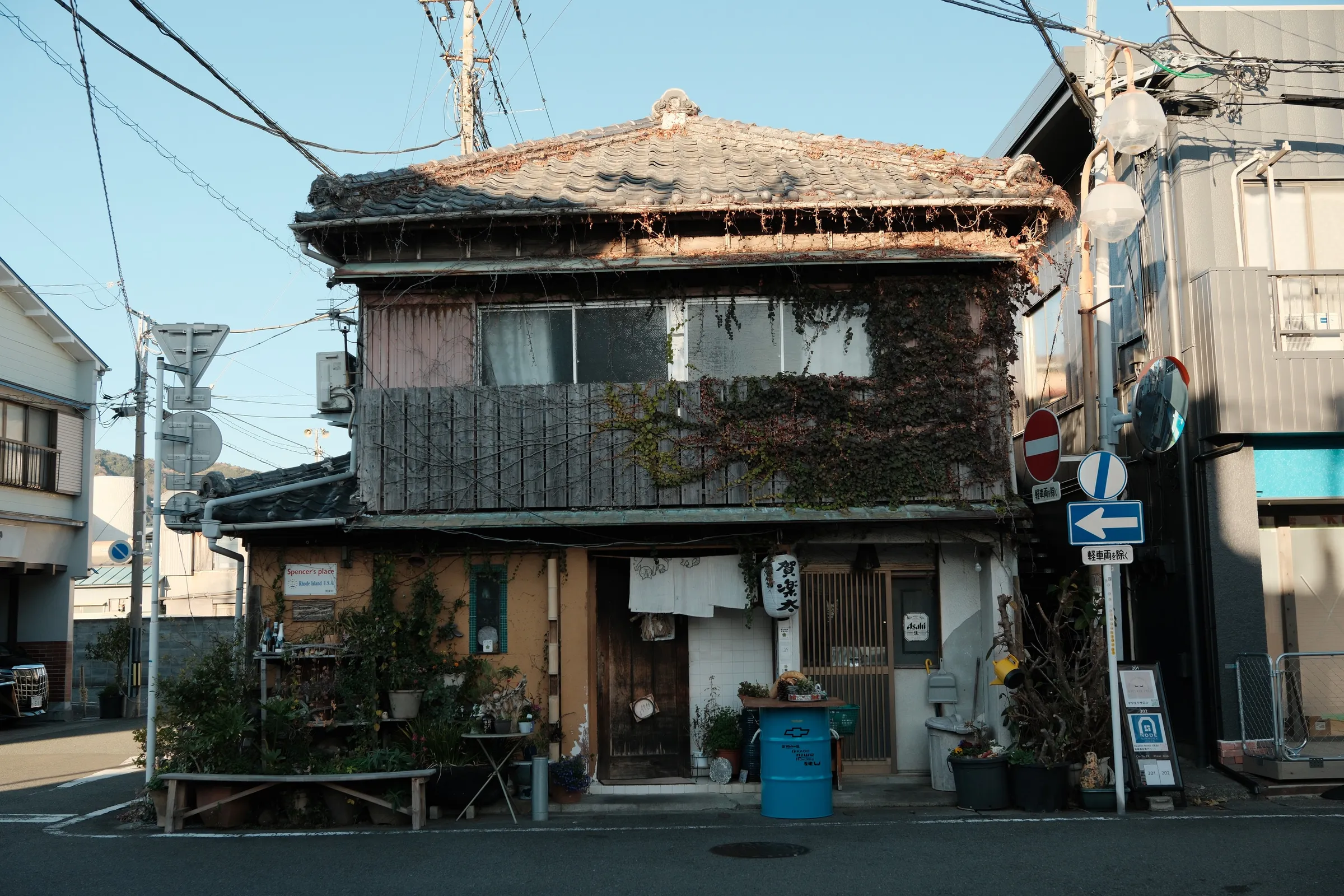
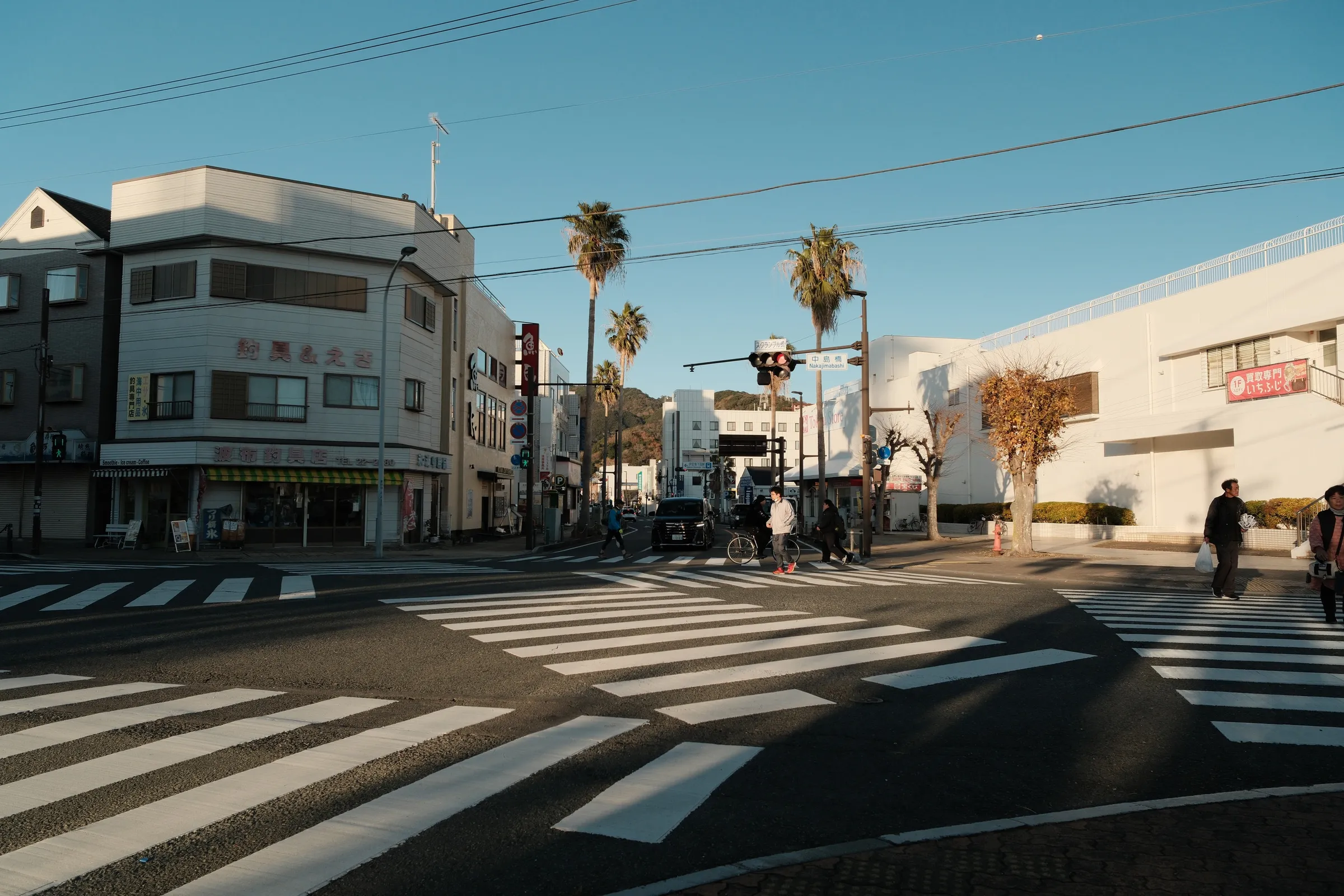
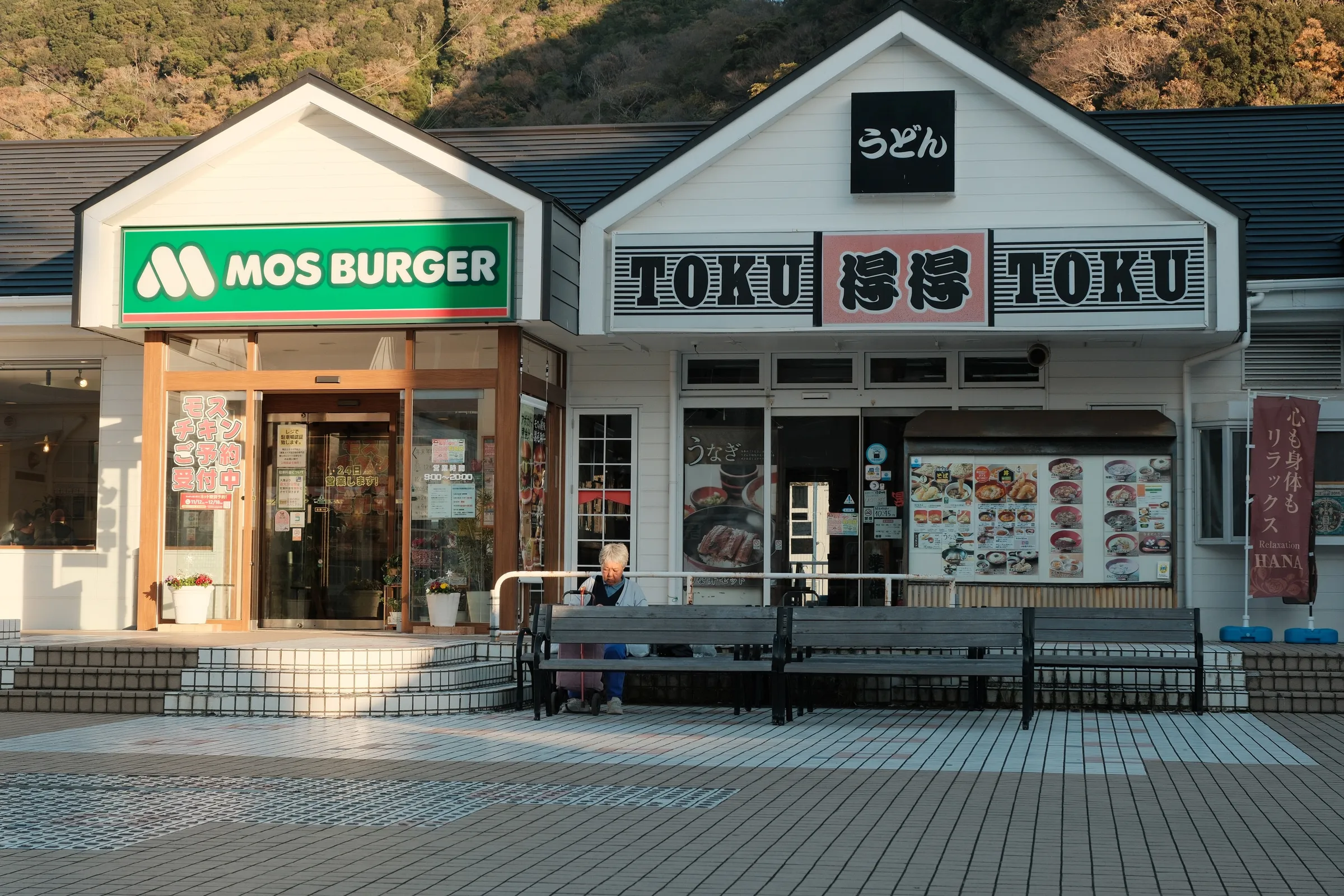
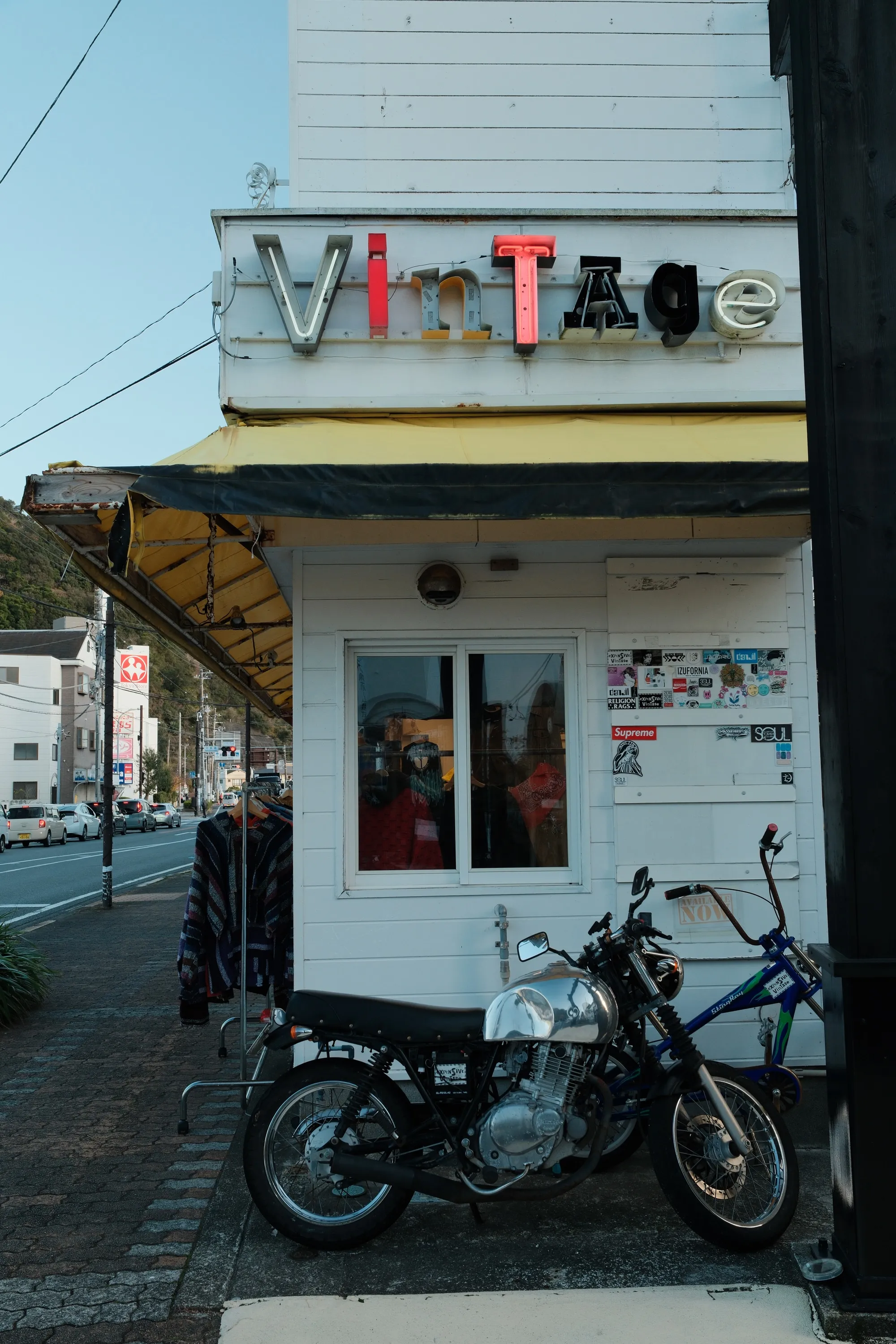
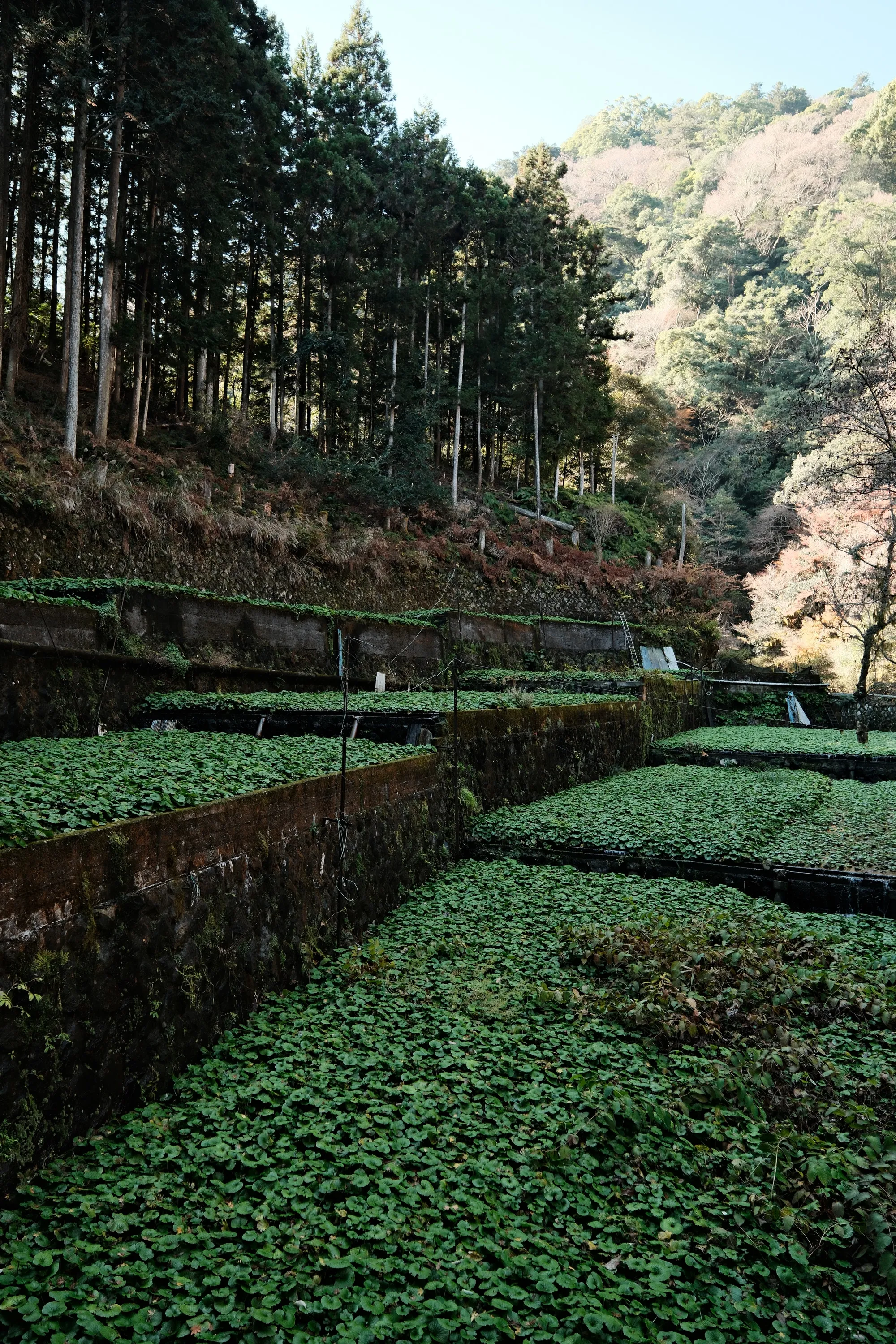
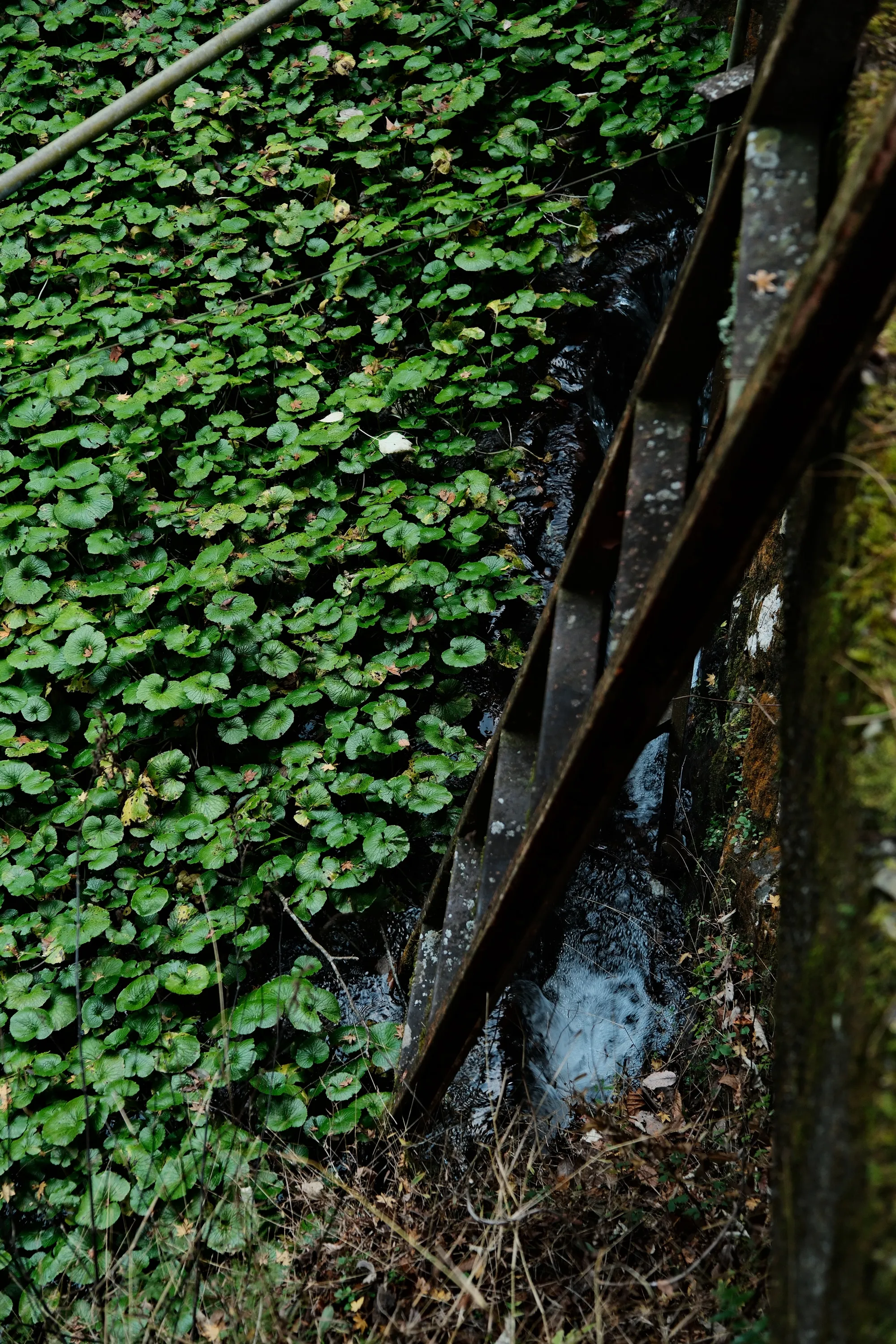
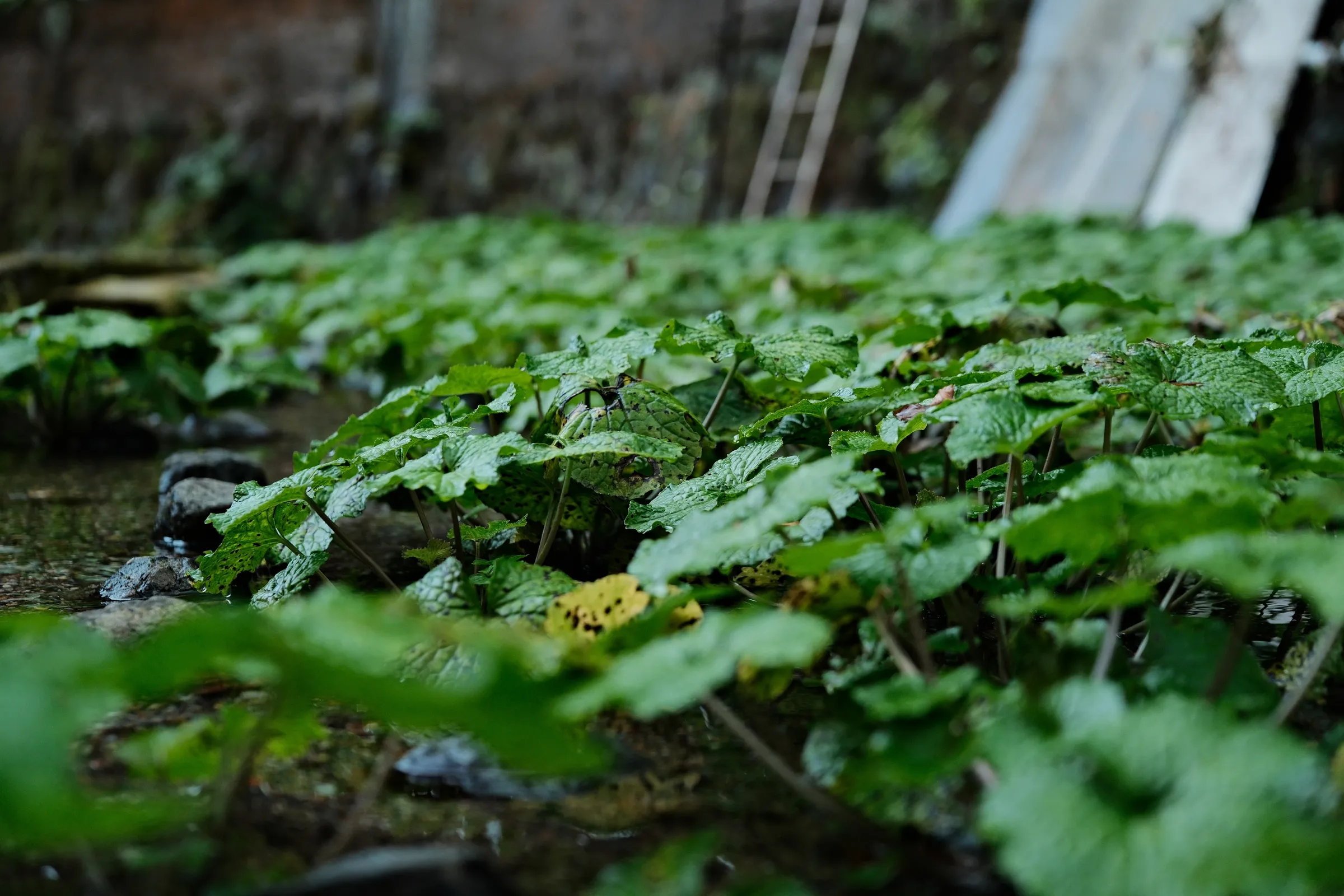
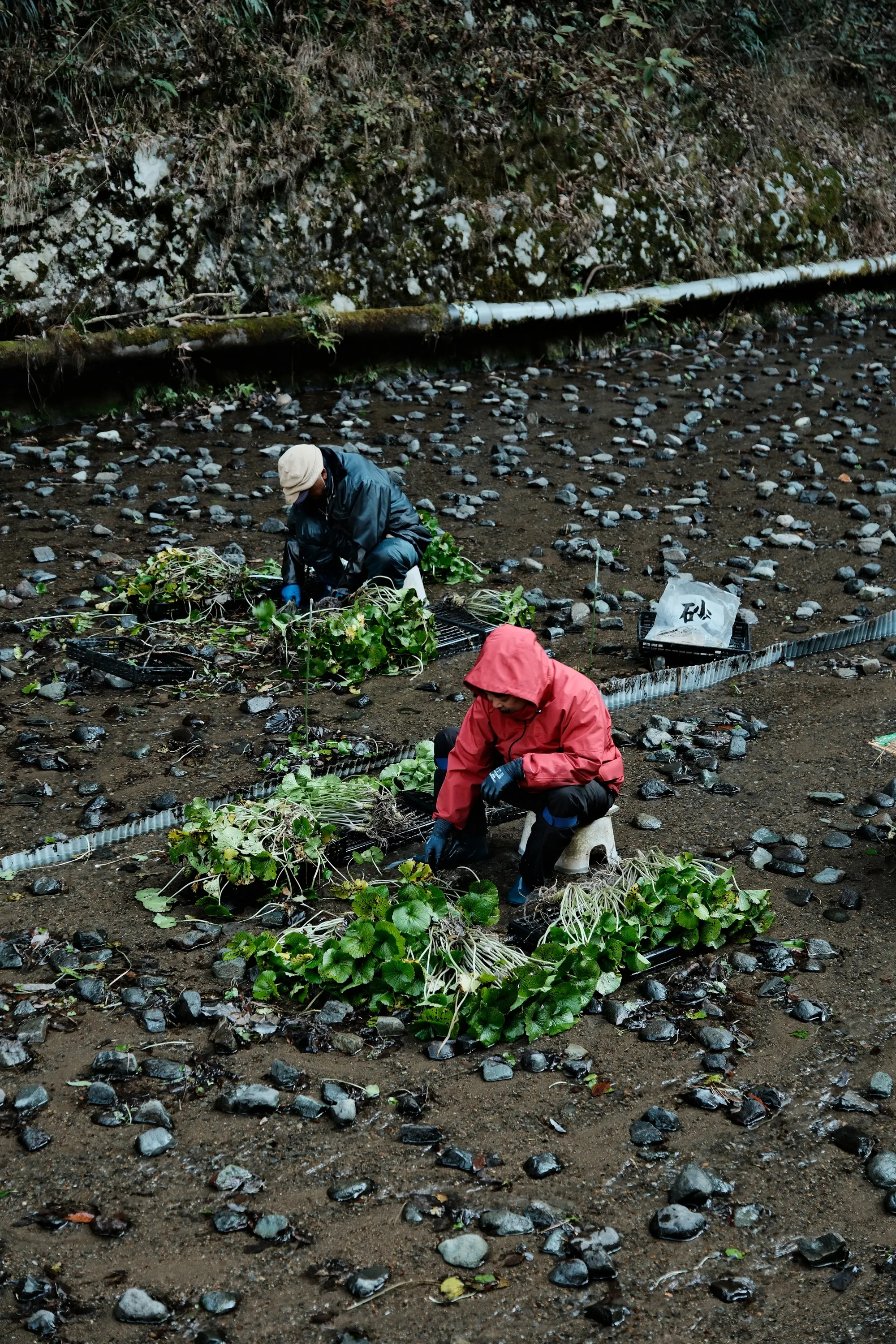
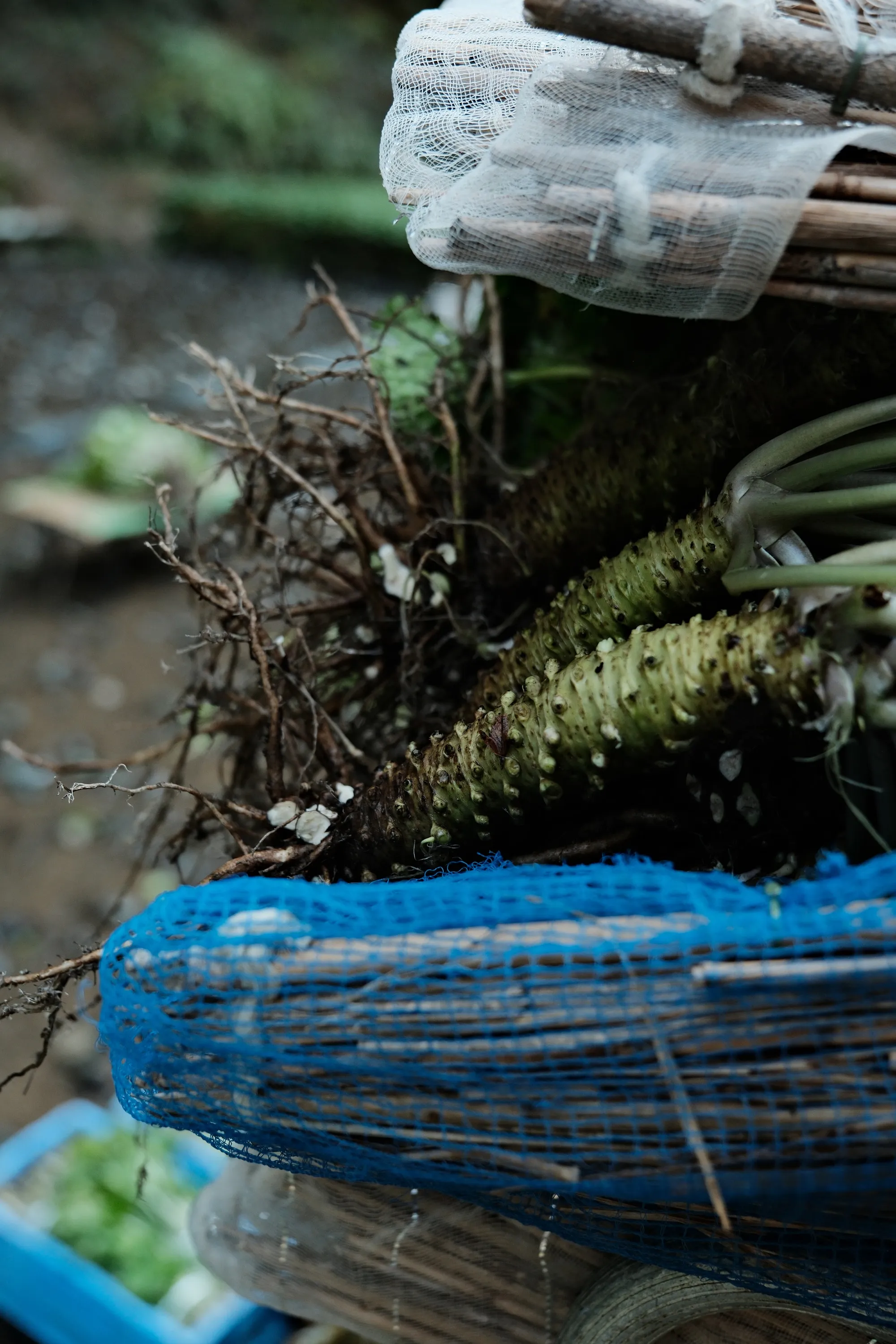
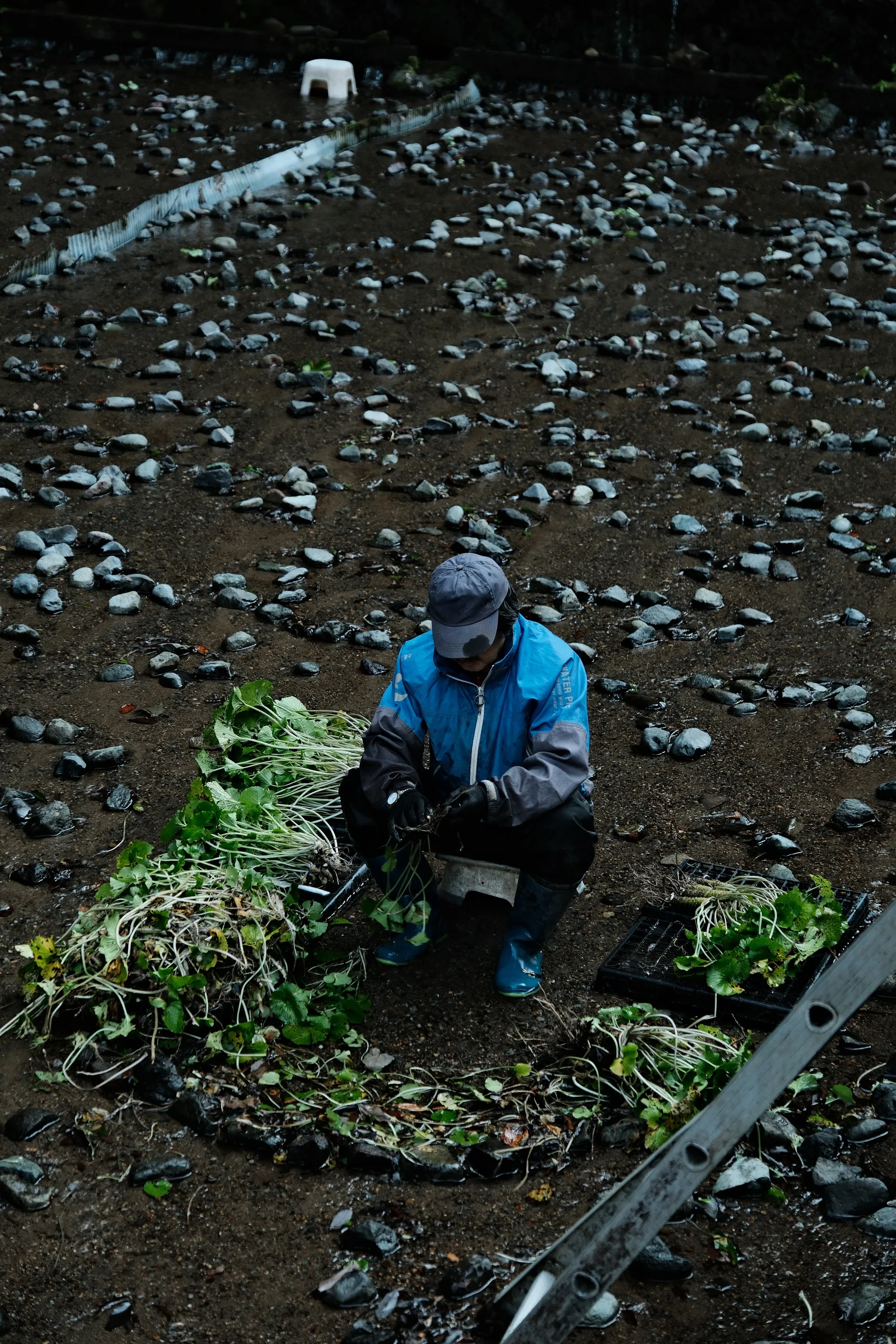
A loop through the Izu Peninsula where steep headlands dropped into clear water, old fishing towns hugged the shoreline, wasabi terraces filled narrow mountain valleys, and torii gates, harbors, and coastal roads kept pulling the route back toward the sea.
 49
 50
 51
 52
 53
 54
 55
 56
 57
 58
 59
 60
 61
 62
 63
 64
 65
 66
 67
 68
 69
 70
 71
 72
 73
 74
 75
 76
 77
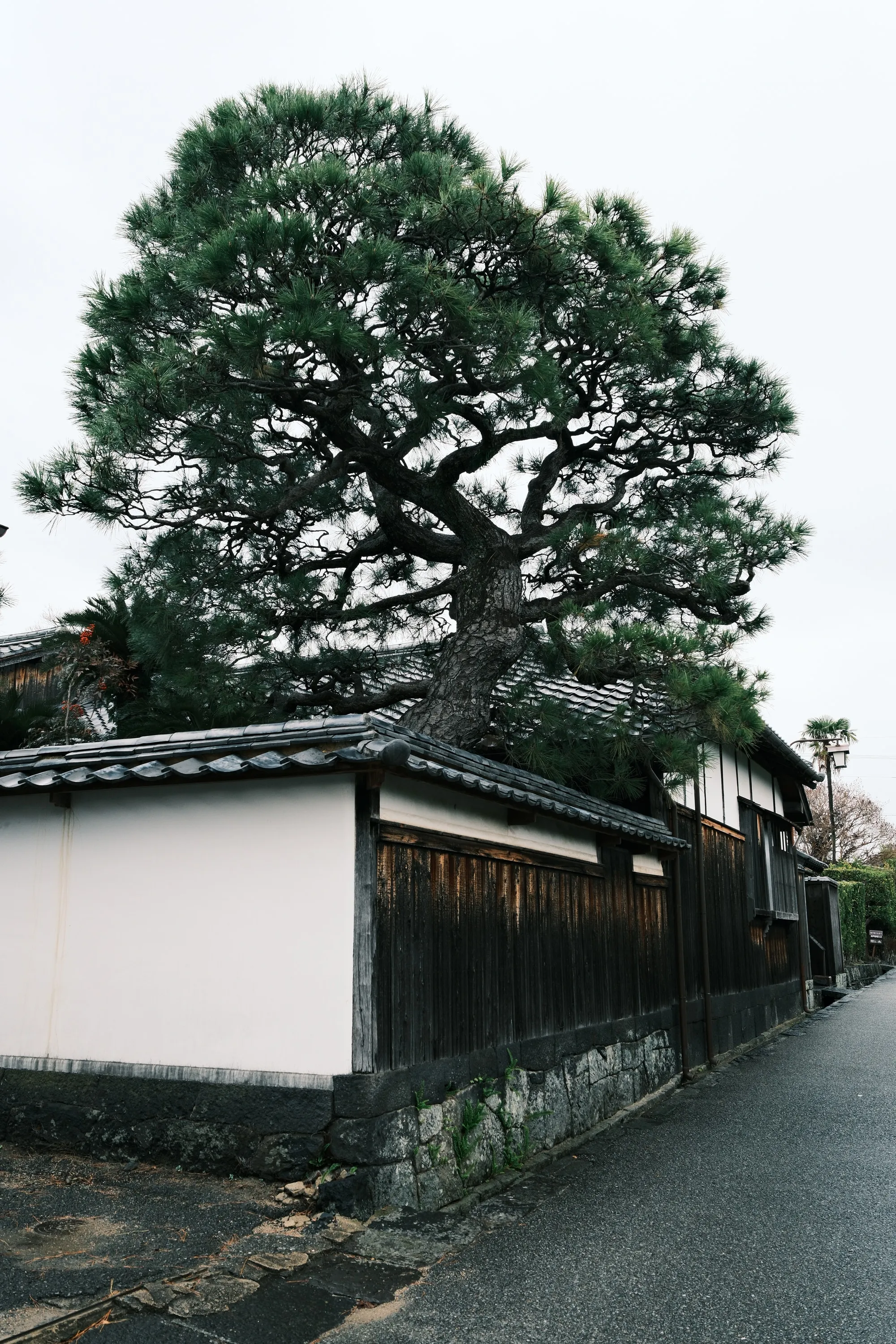
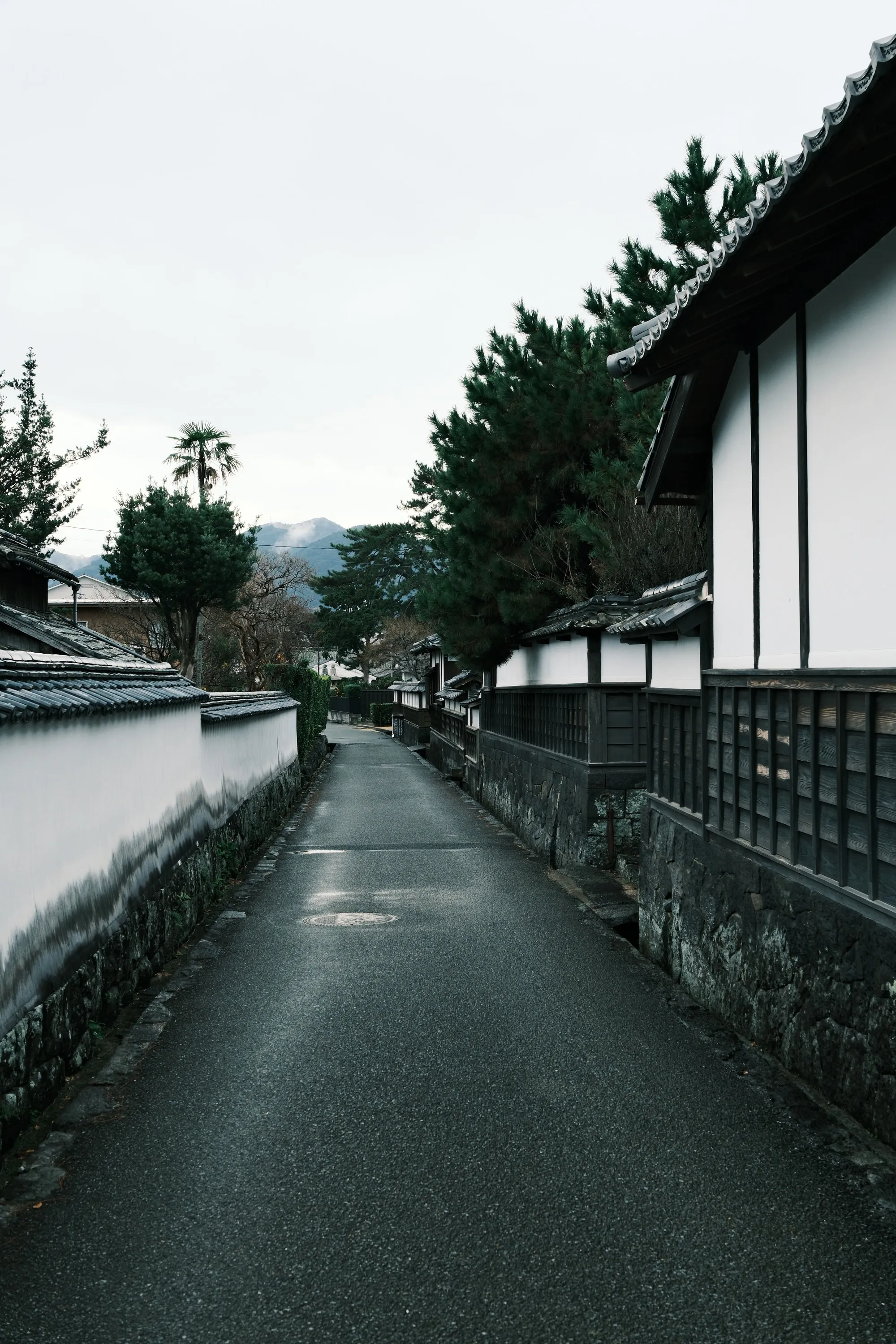
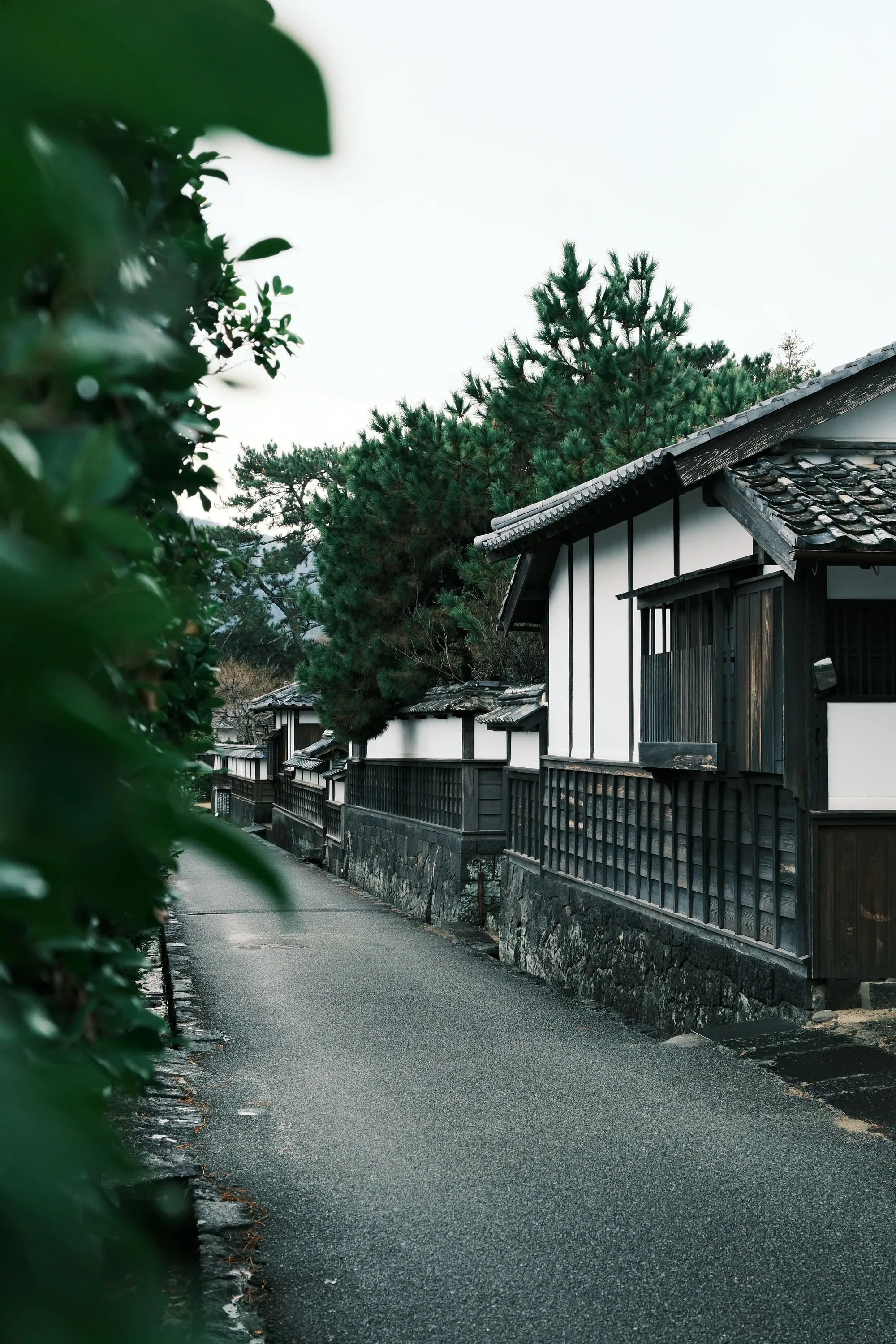
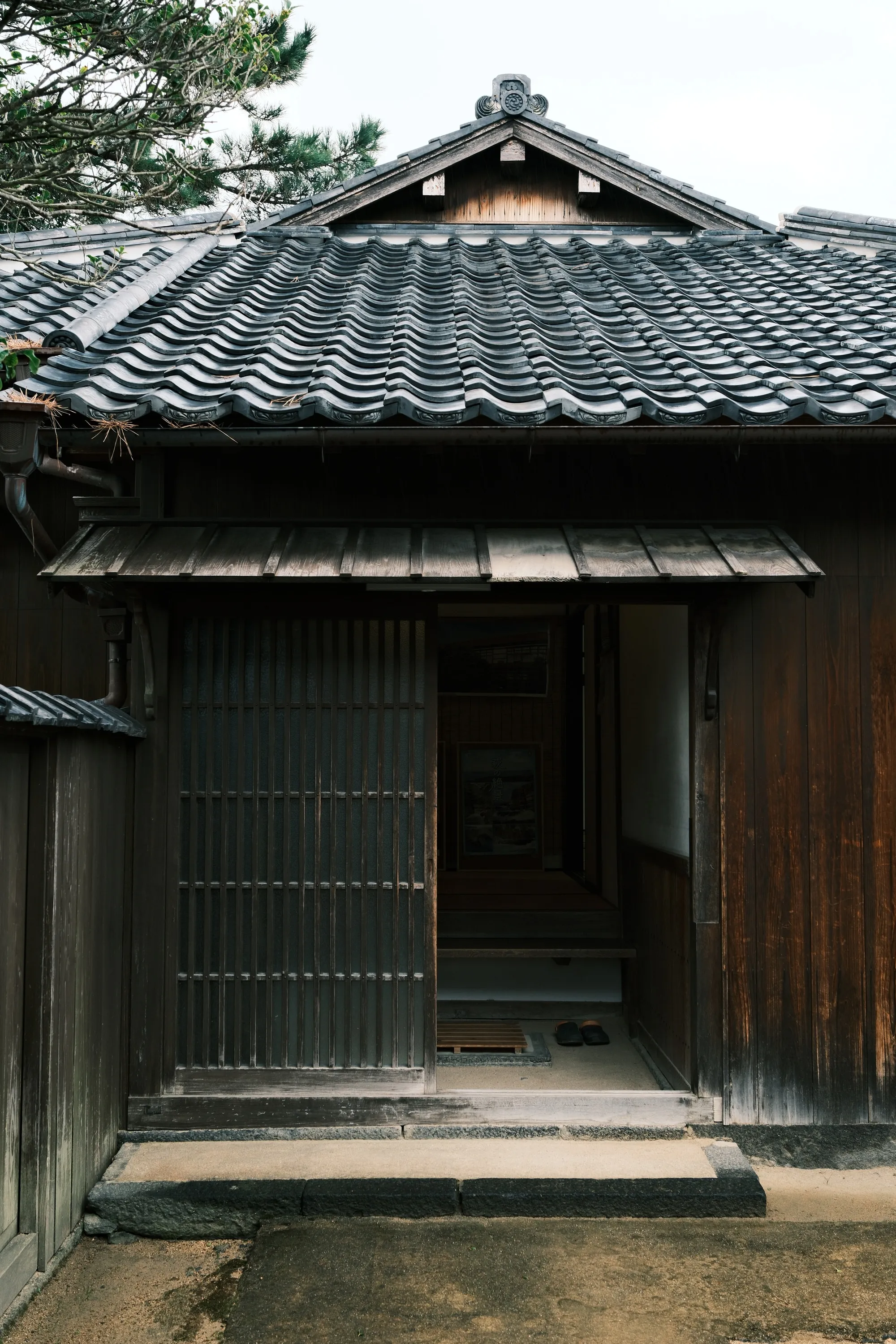
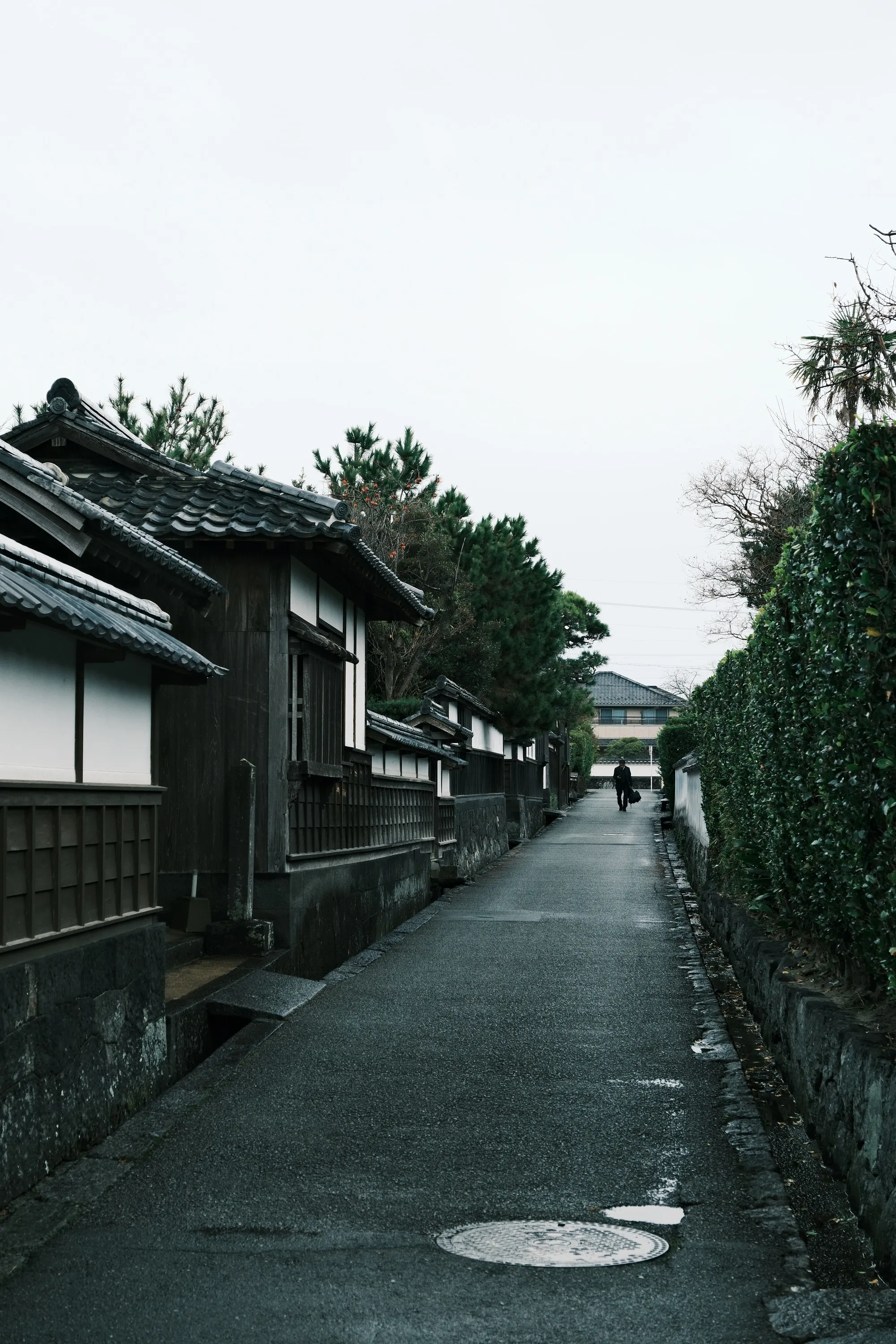
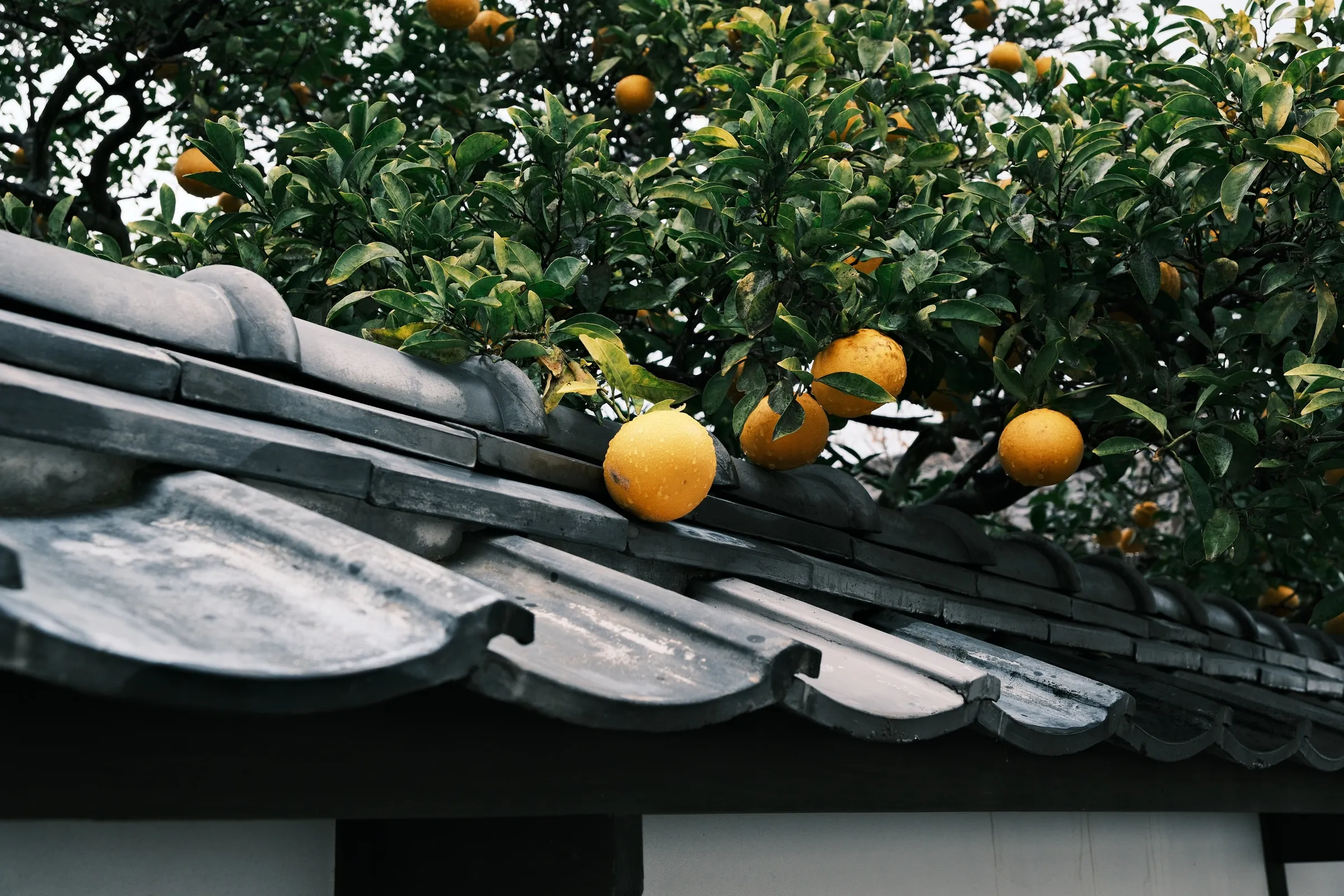
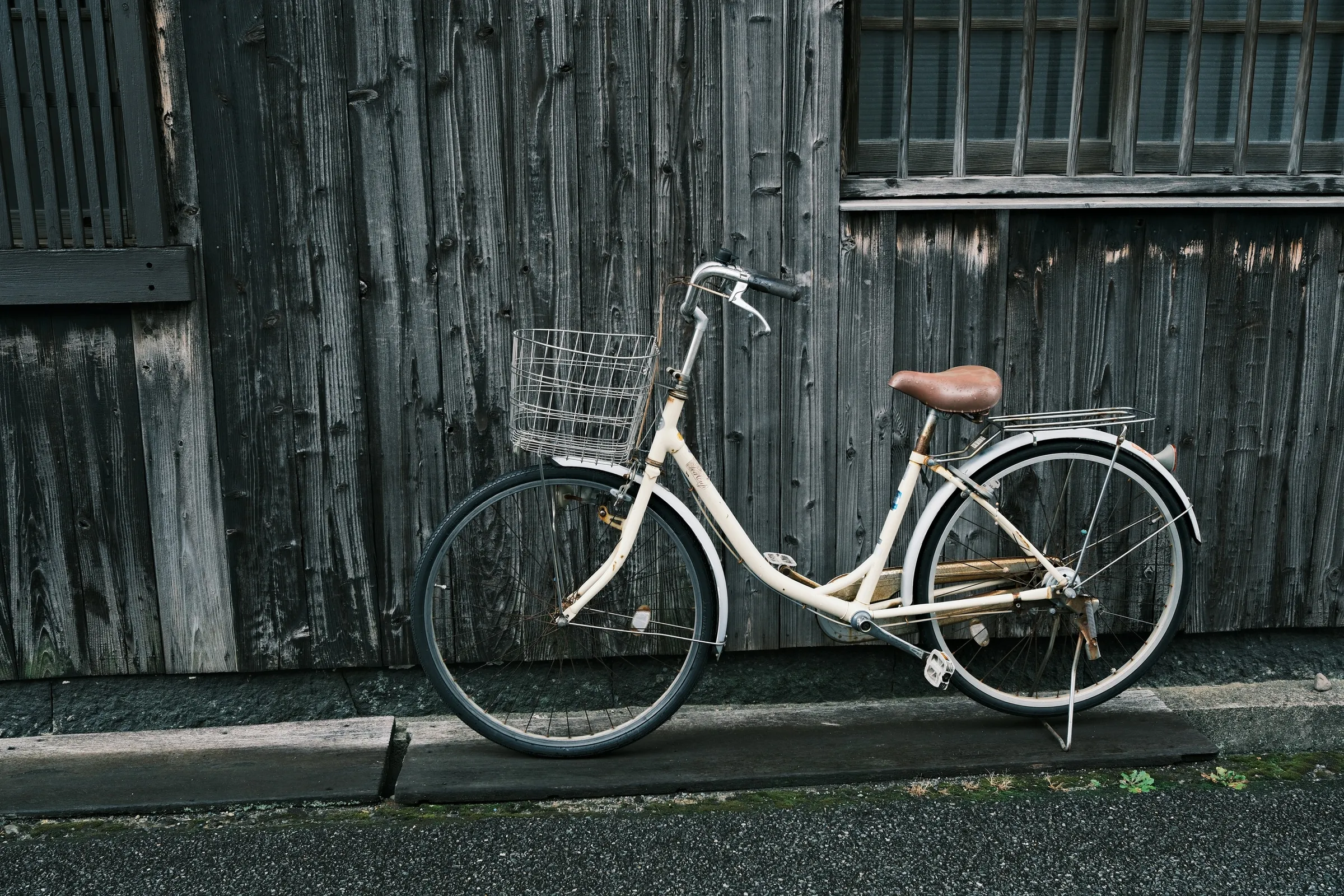
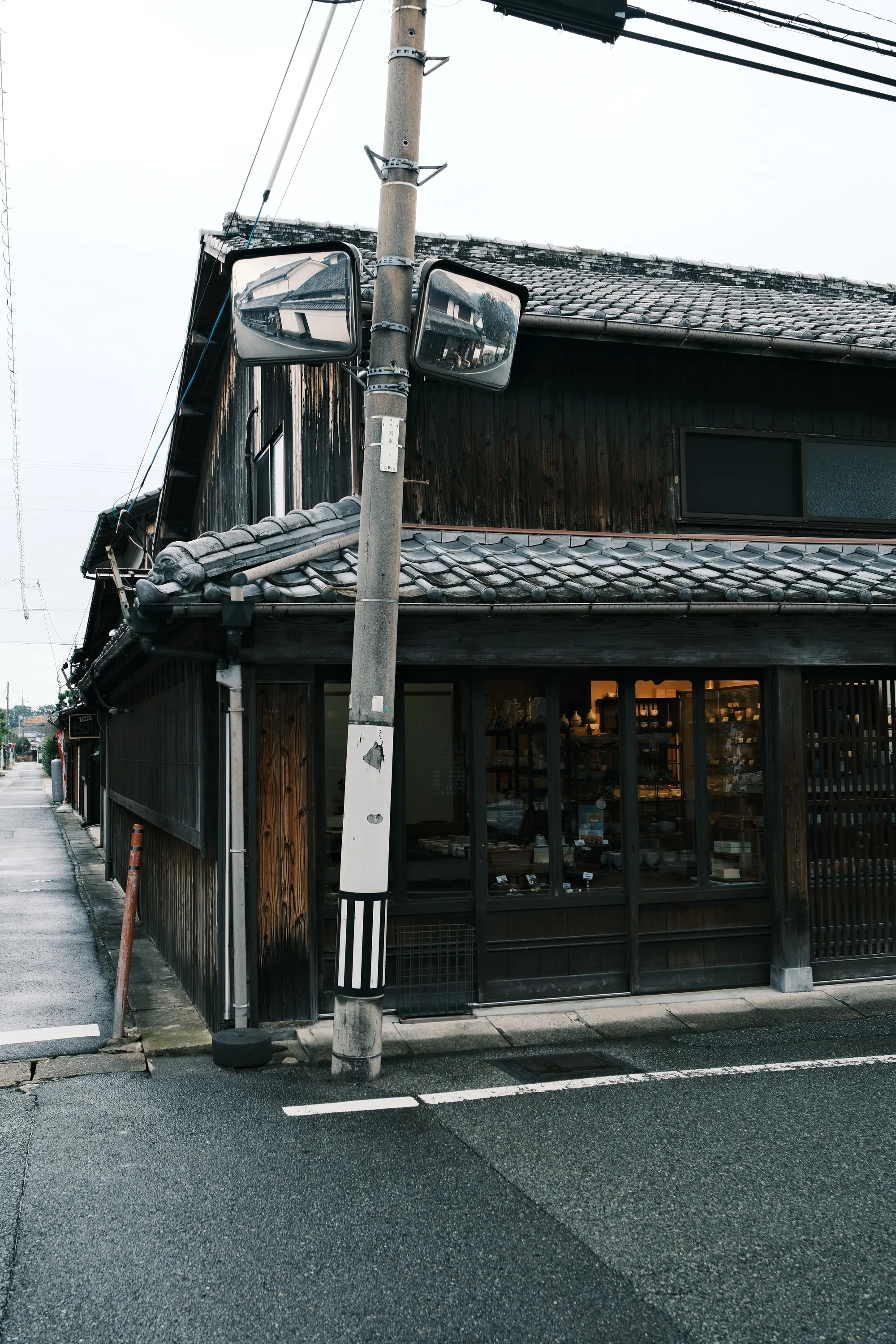
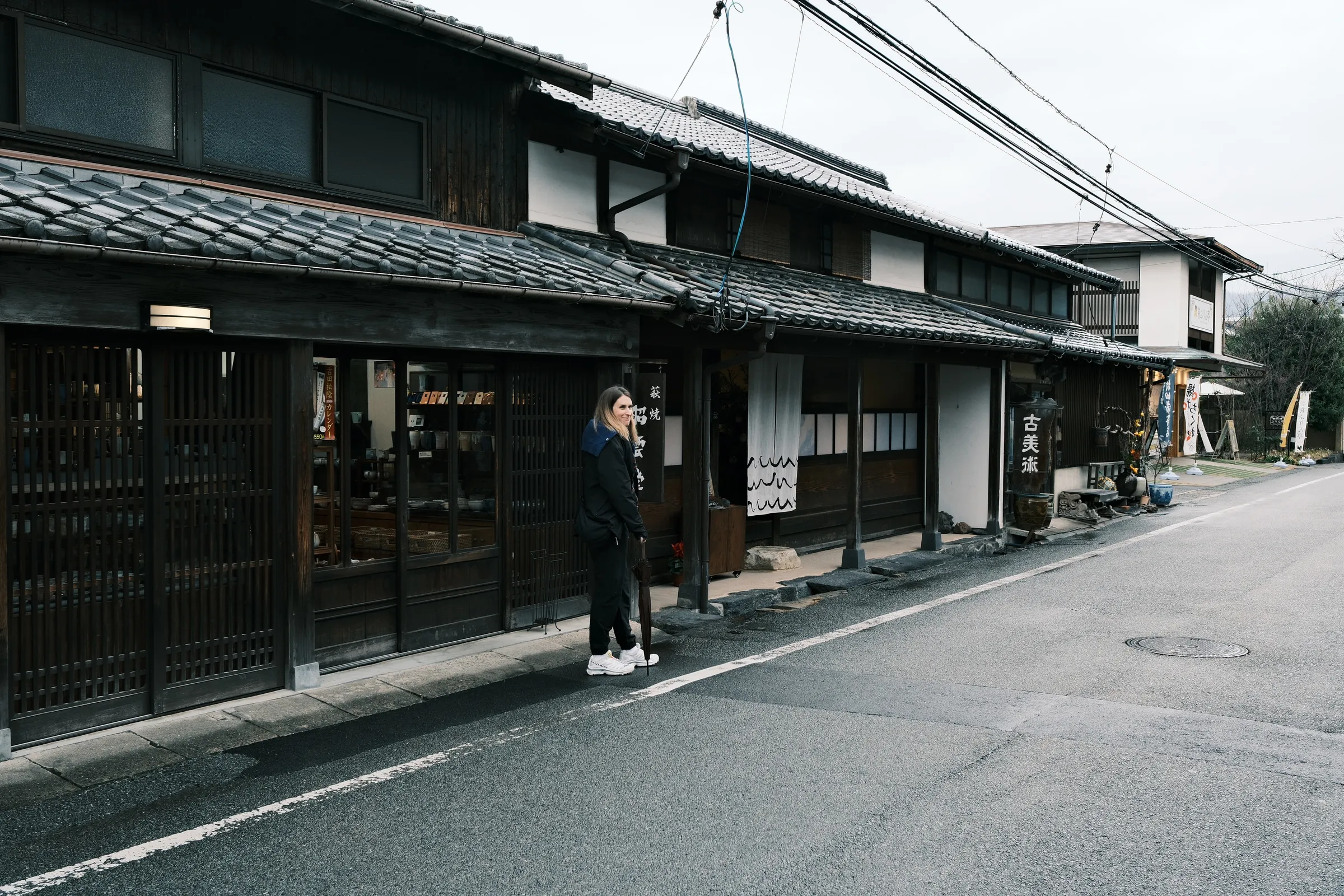
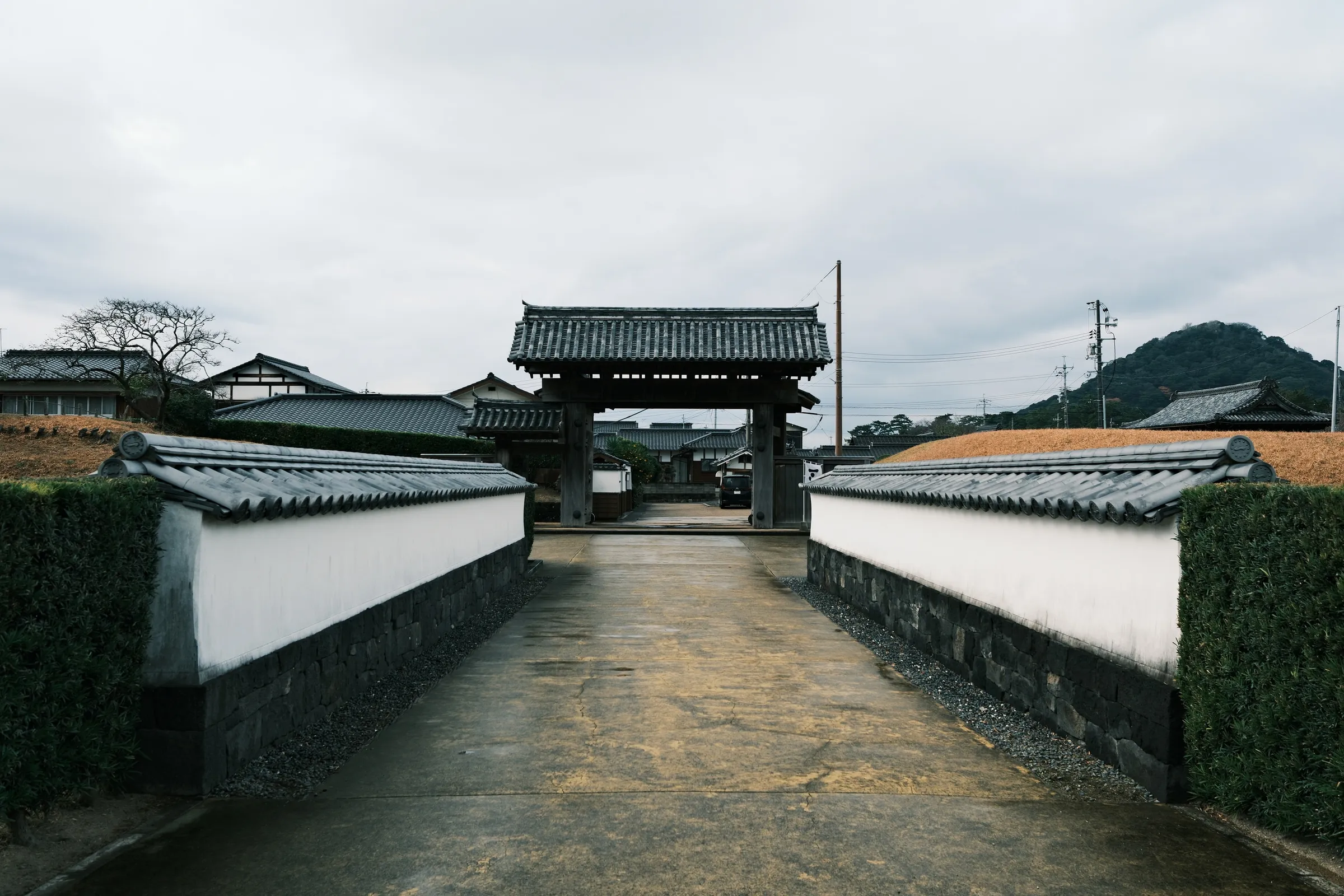
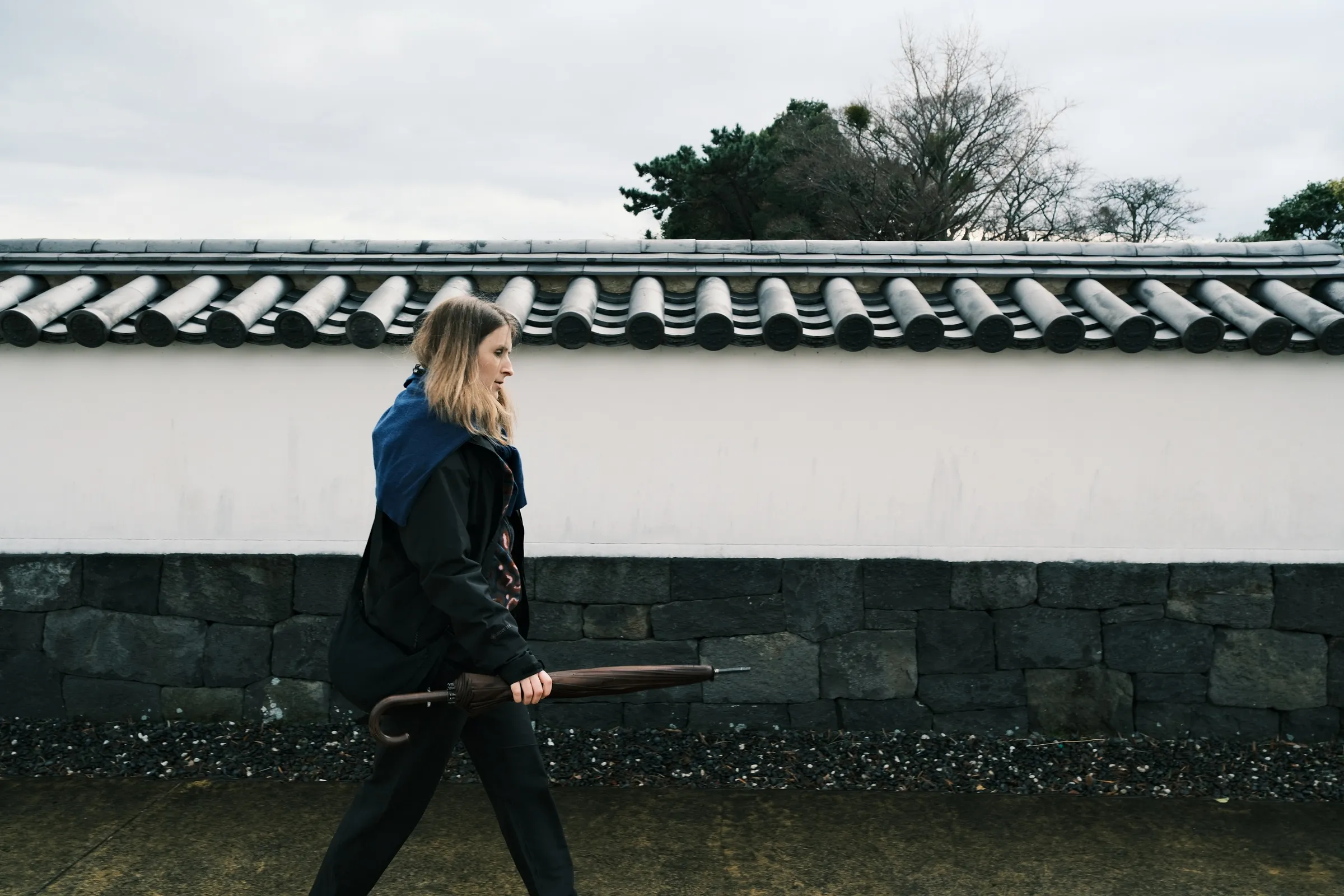
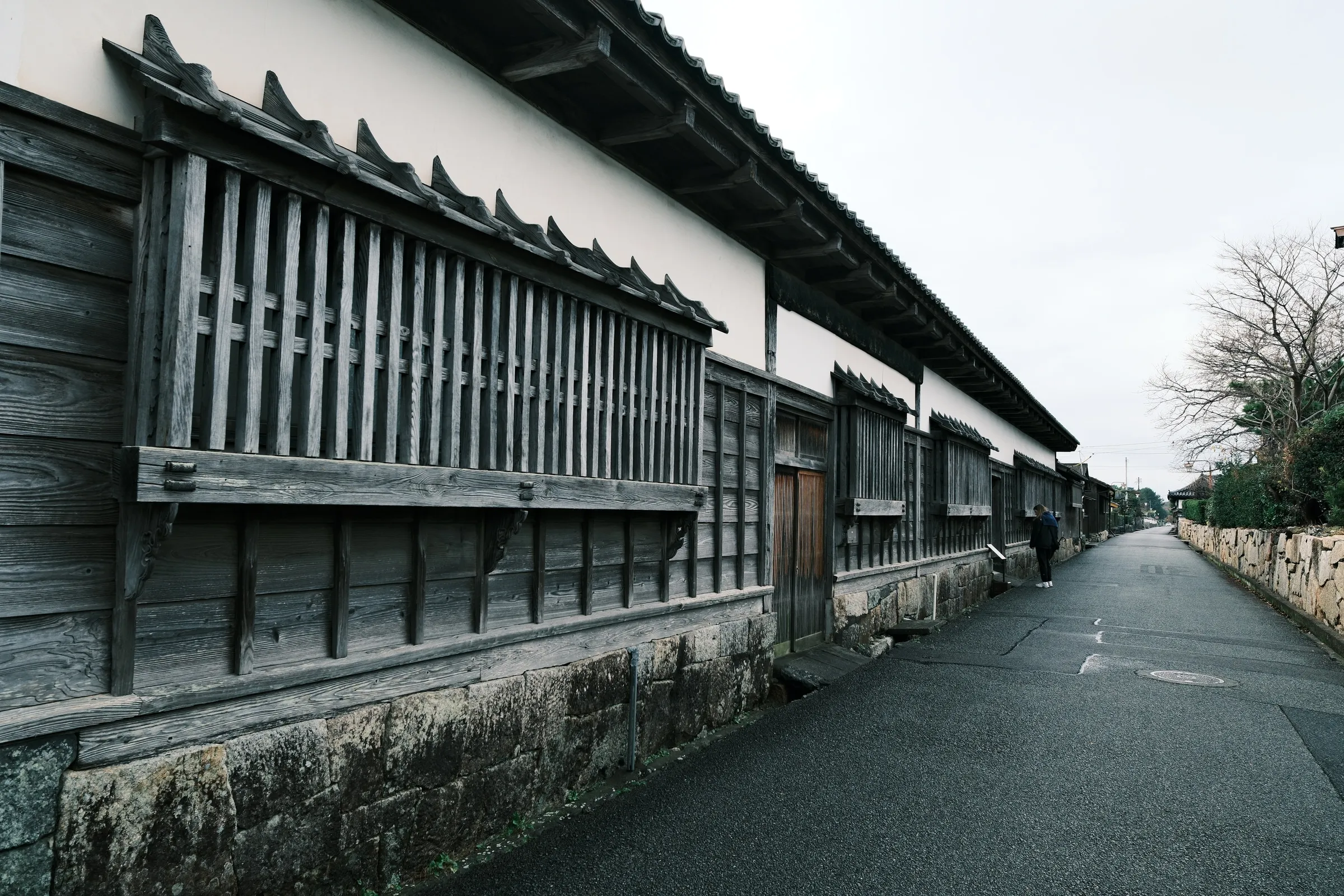
White walls, timber houses, and rain-softened streets
Hagi at its quietest: white plaster walls, dark timber facades, tiled roofs, bicycles left against old houses, citrus hanging over garden walls, and almost-empty lanes preserving the measured scale of the former castle town.
 78
 79
 80
 81
 82
 83
 84
 85
 86
 87
 88
 89
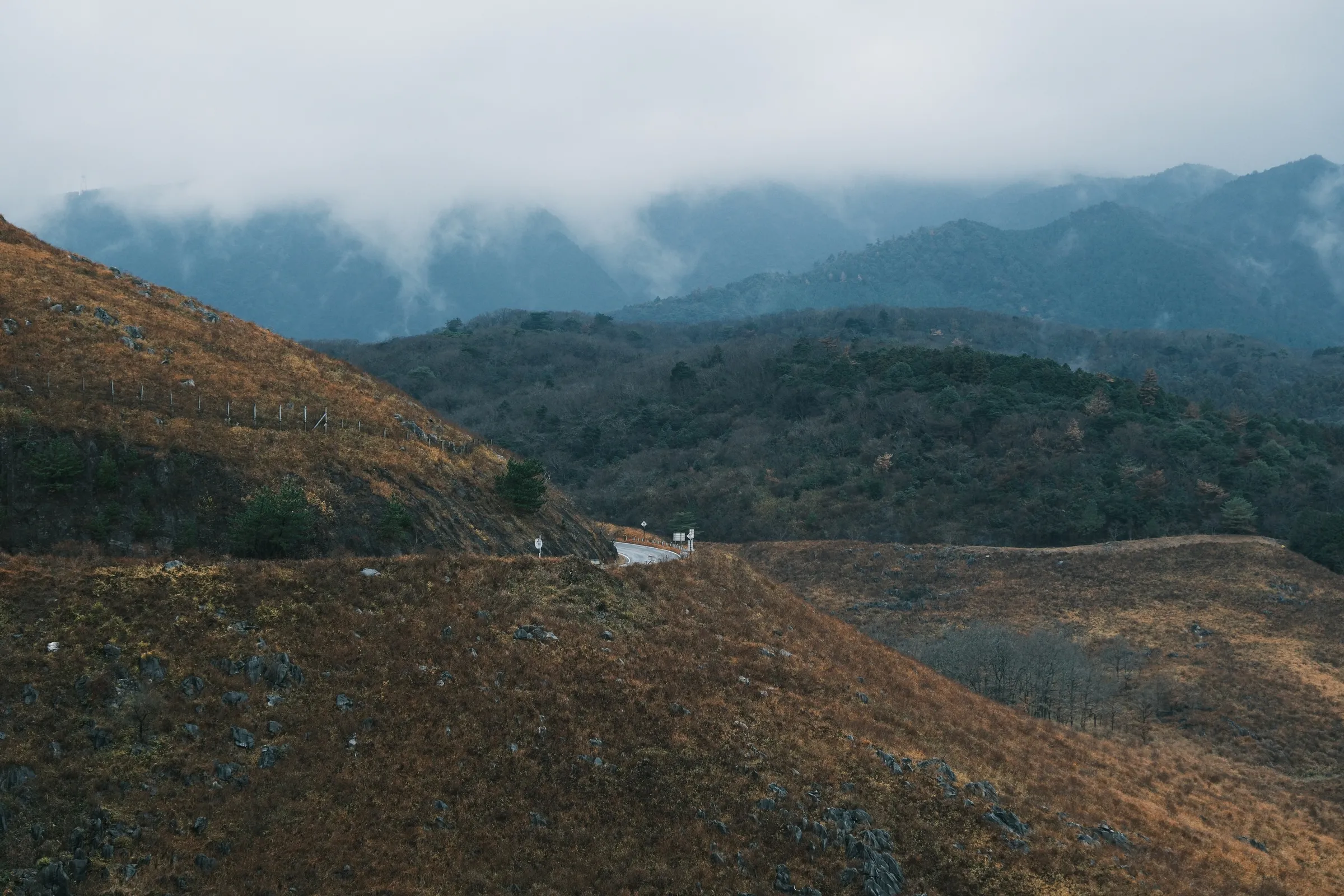
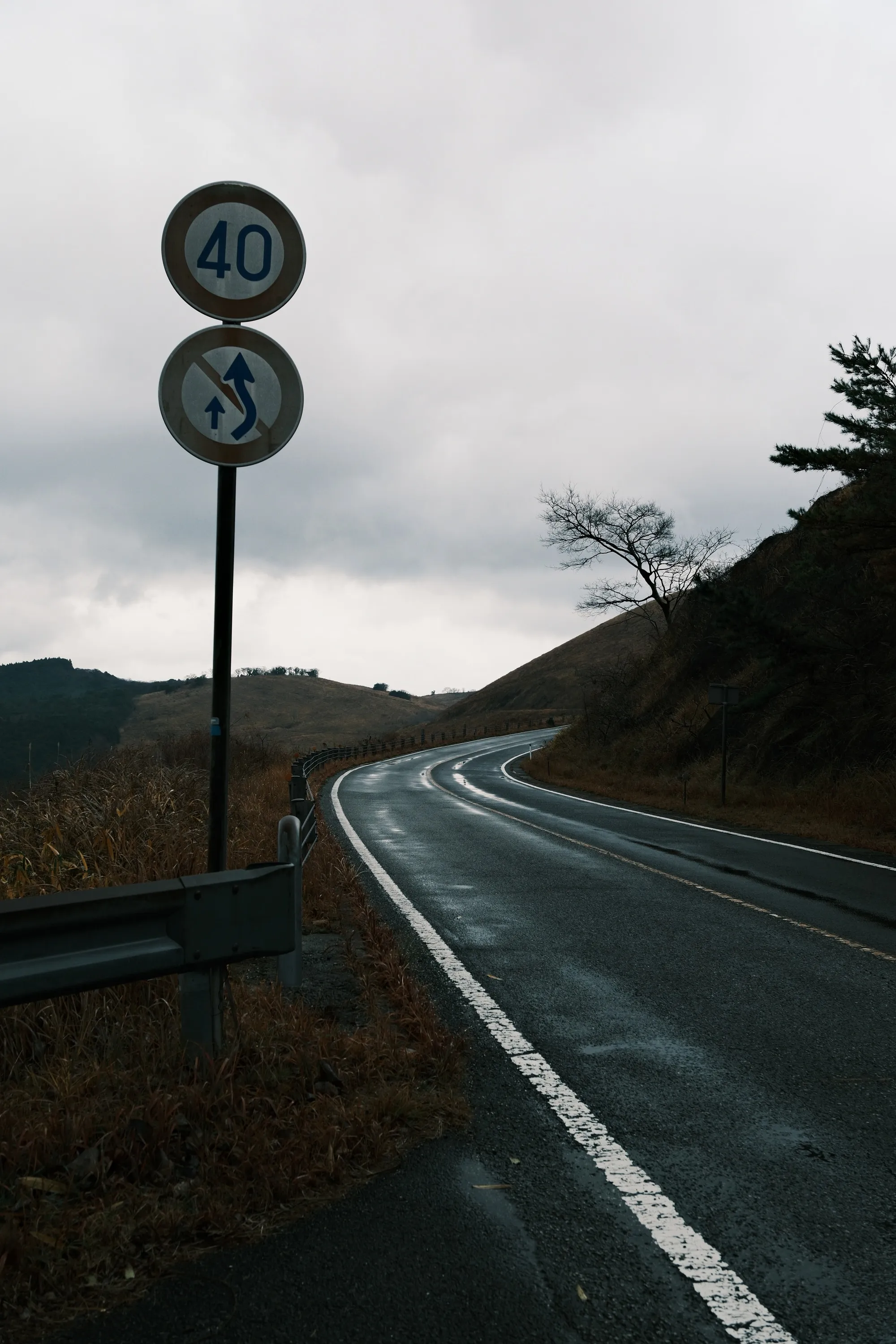
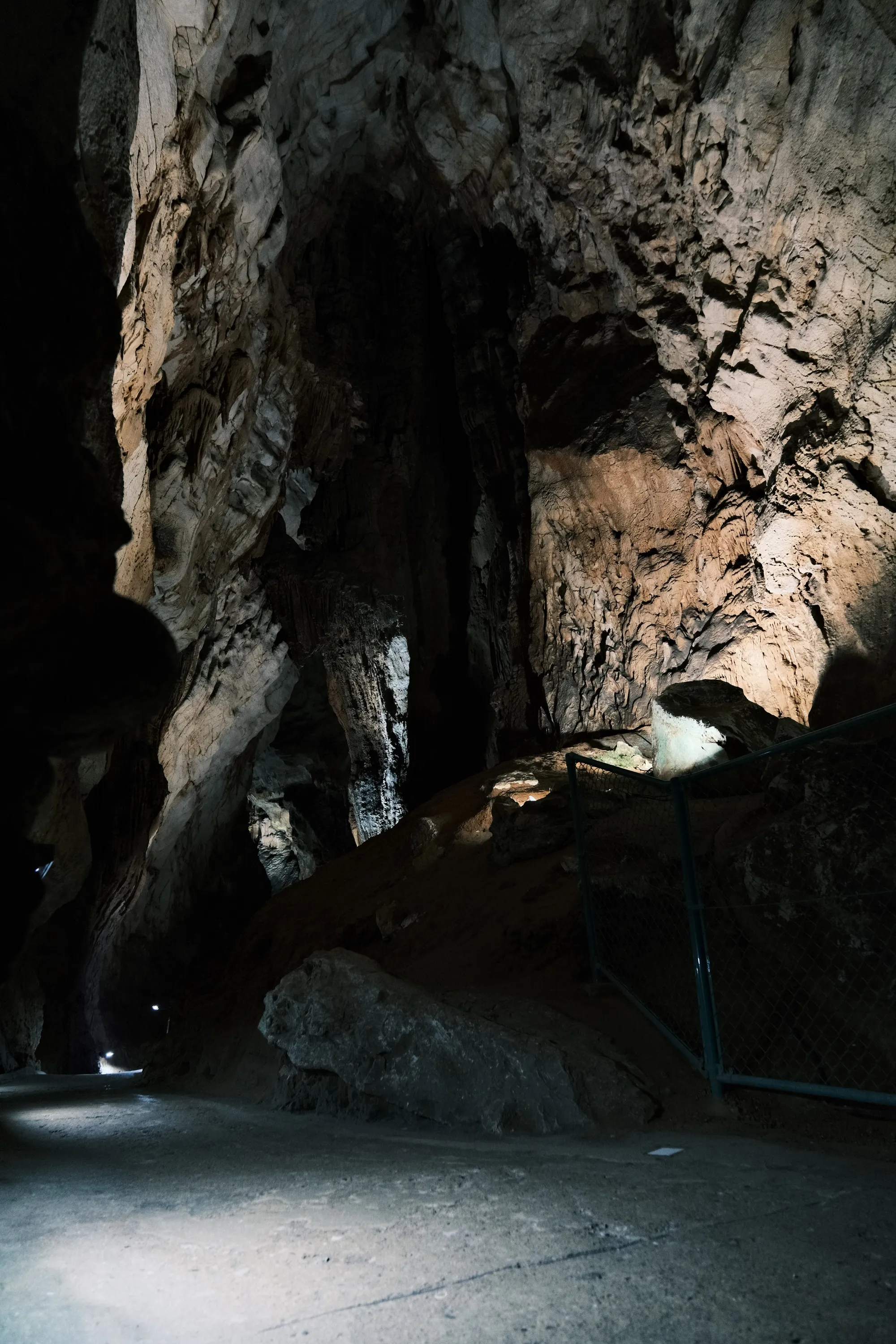
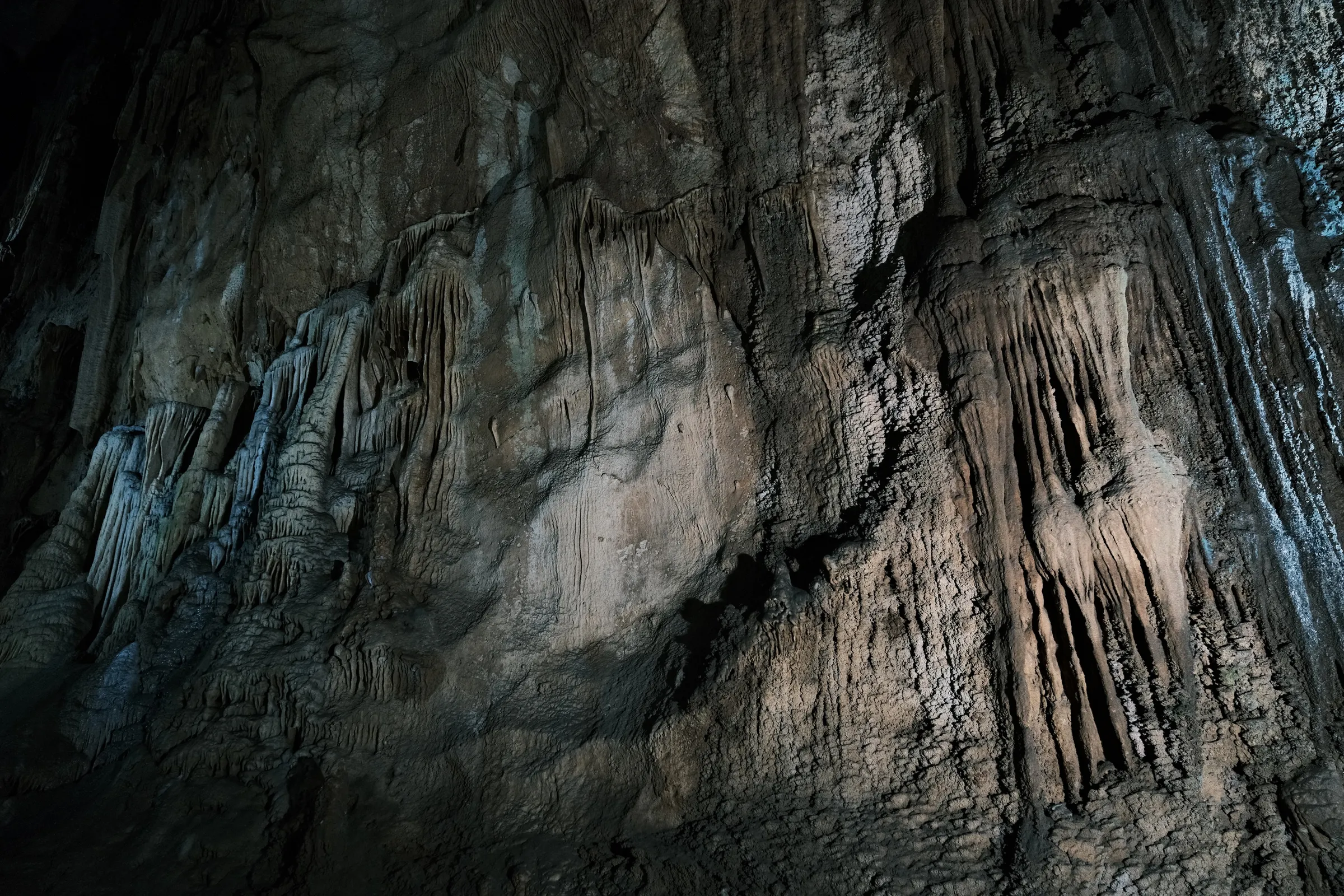
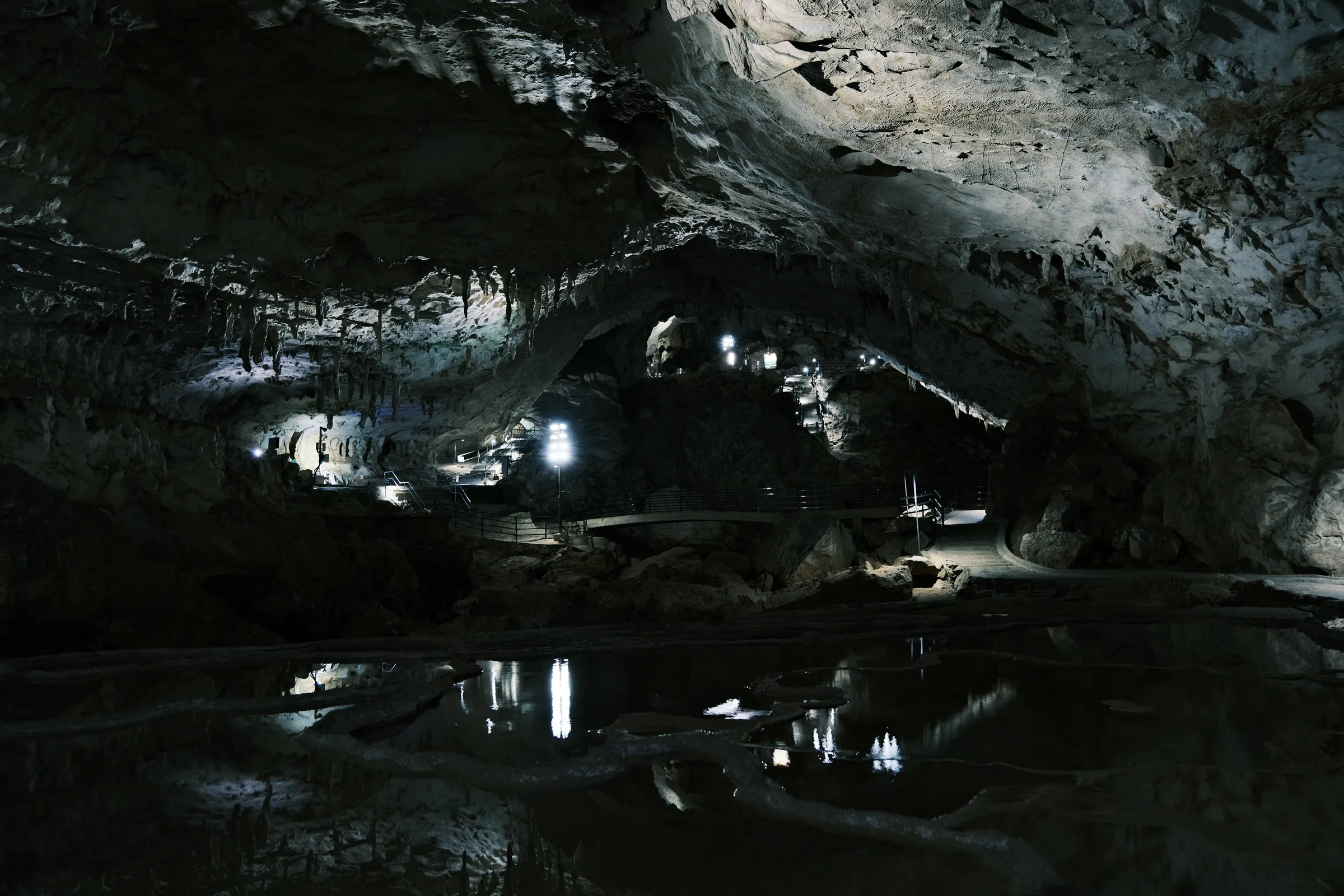
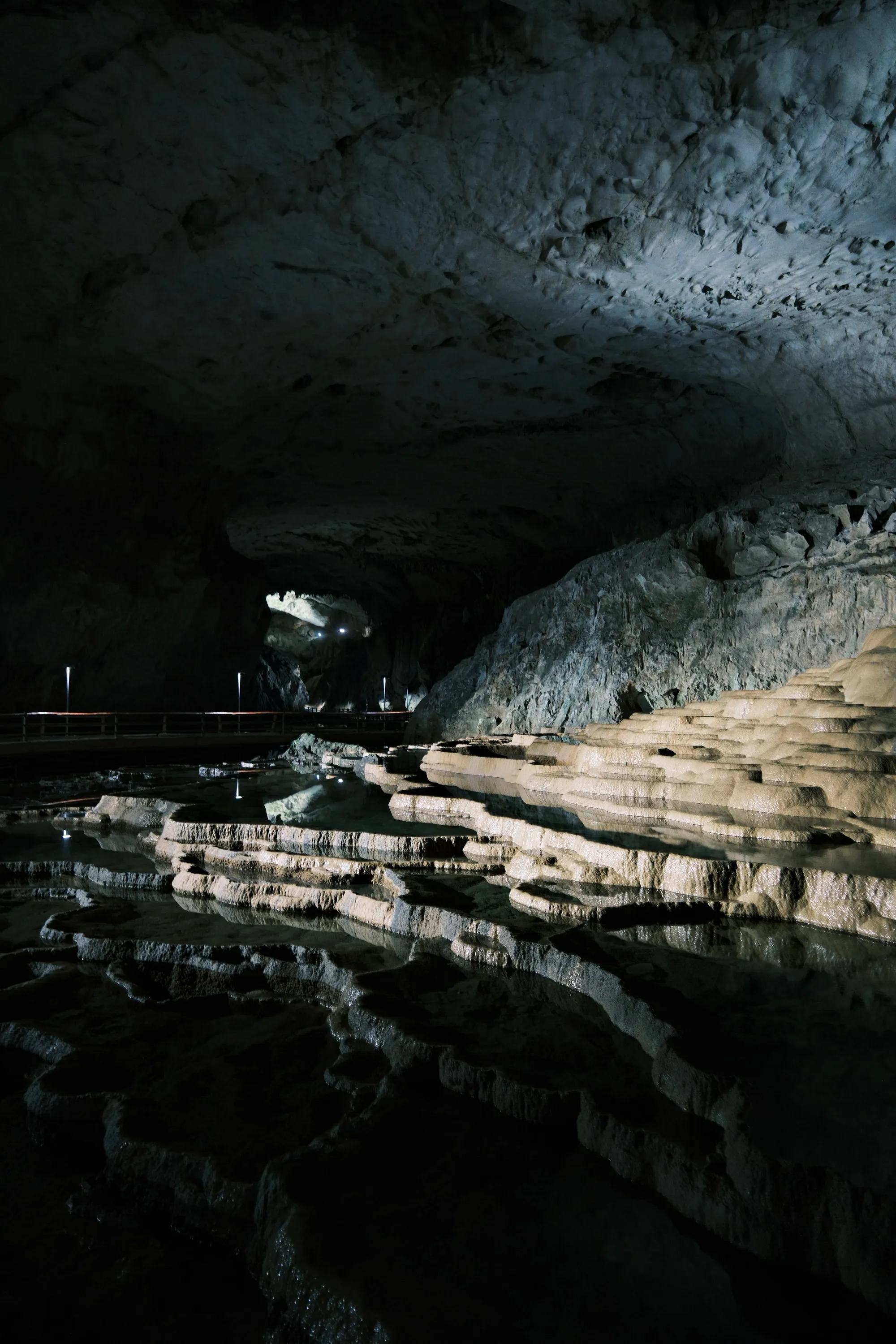
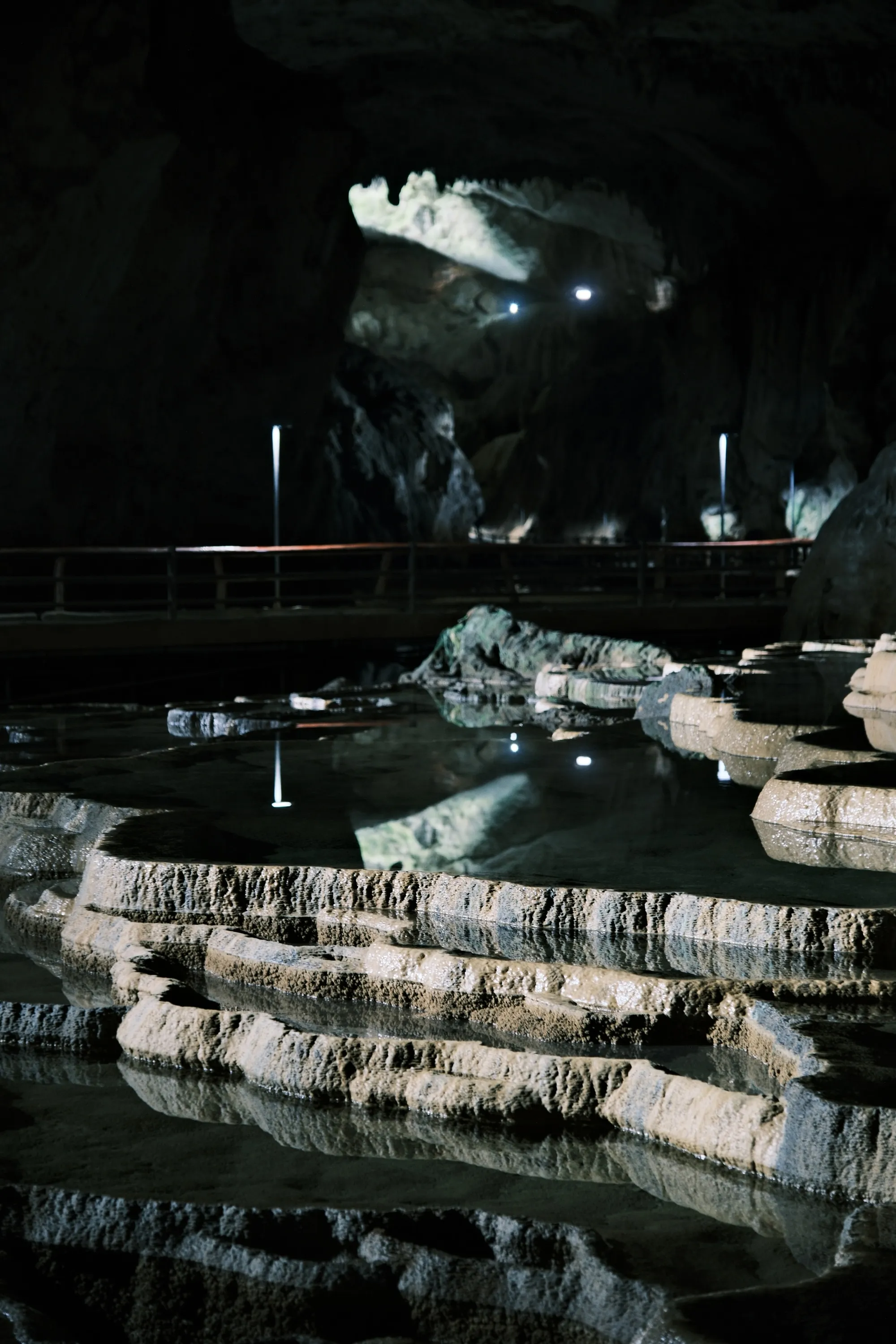
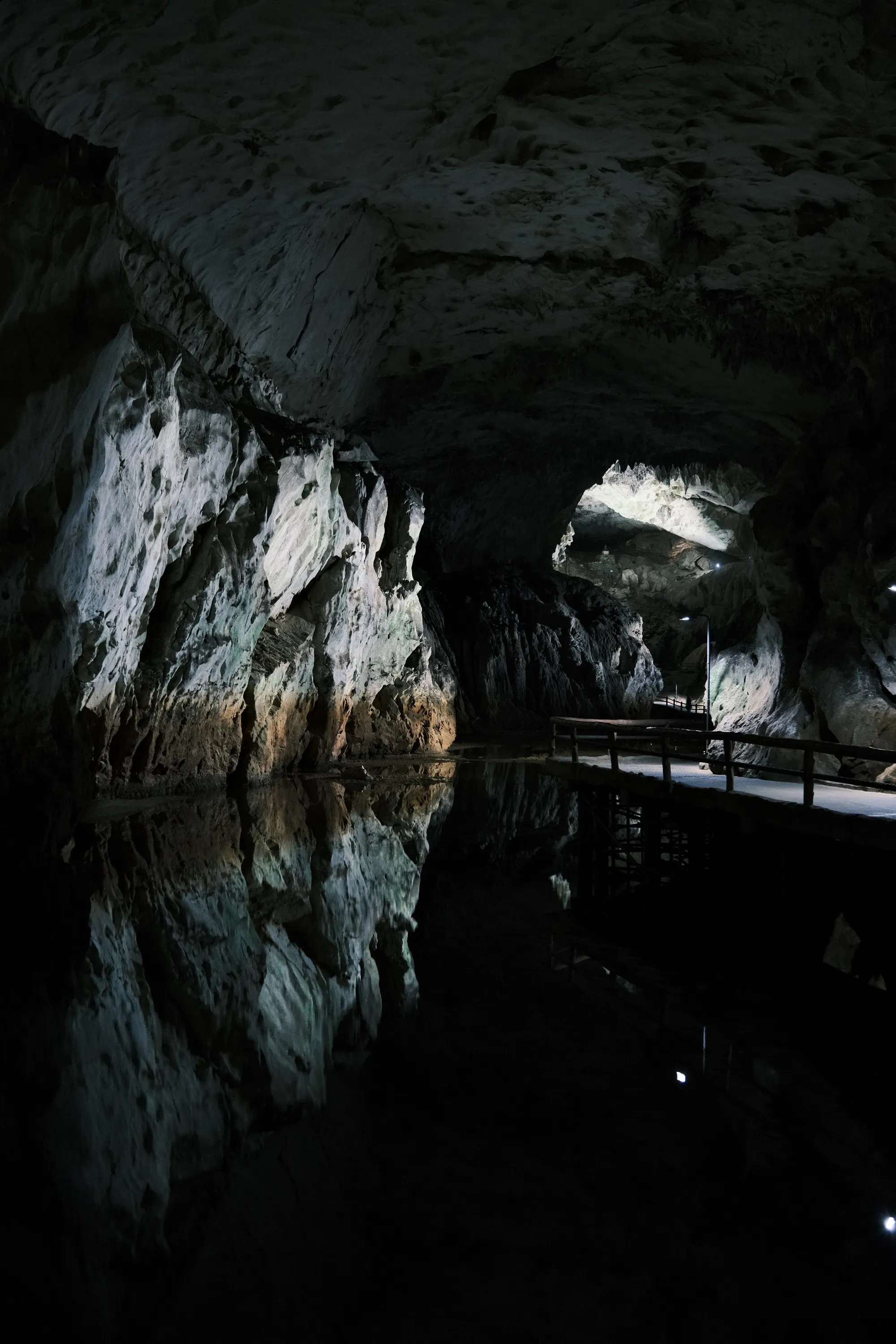
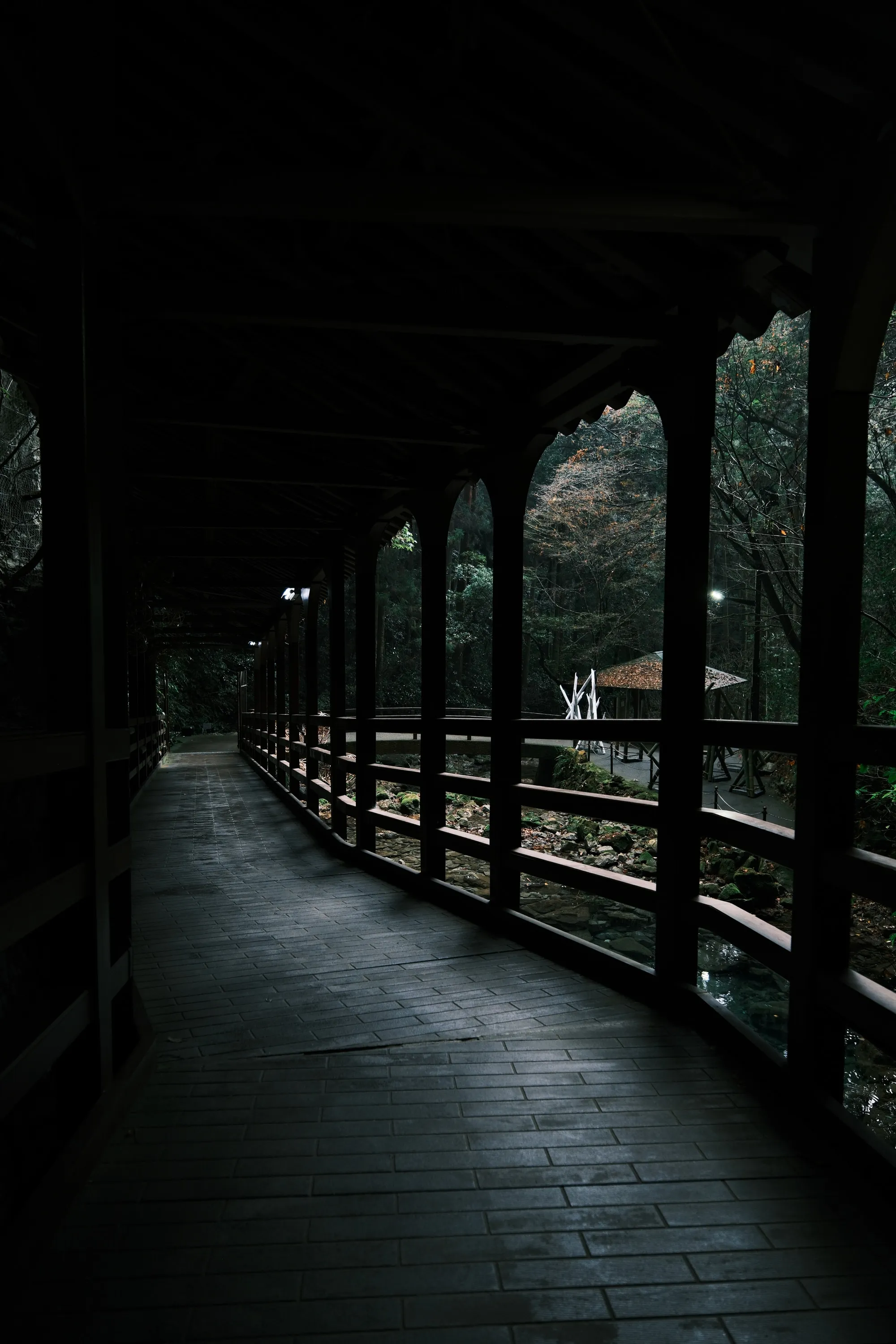
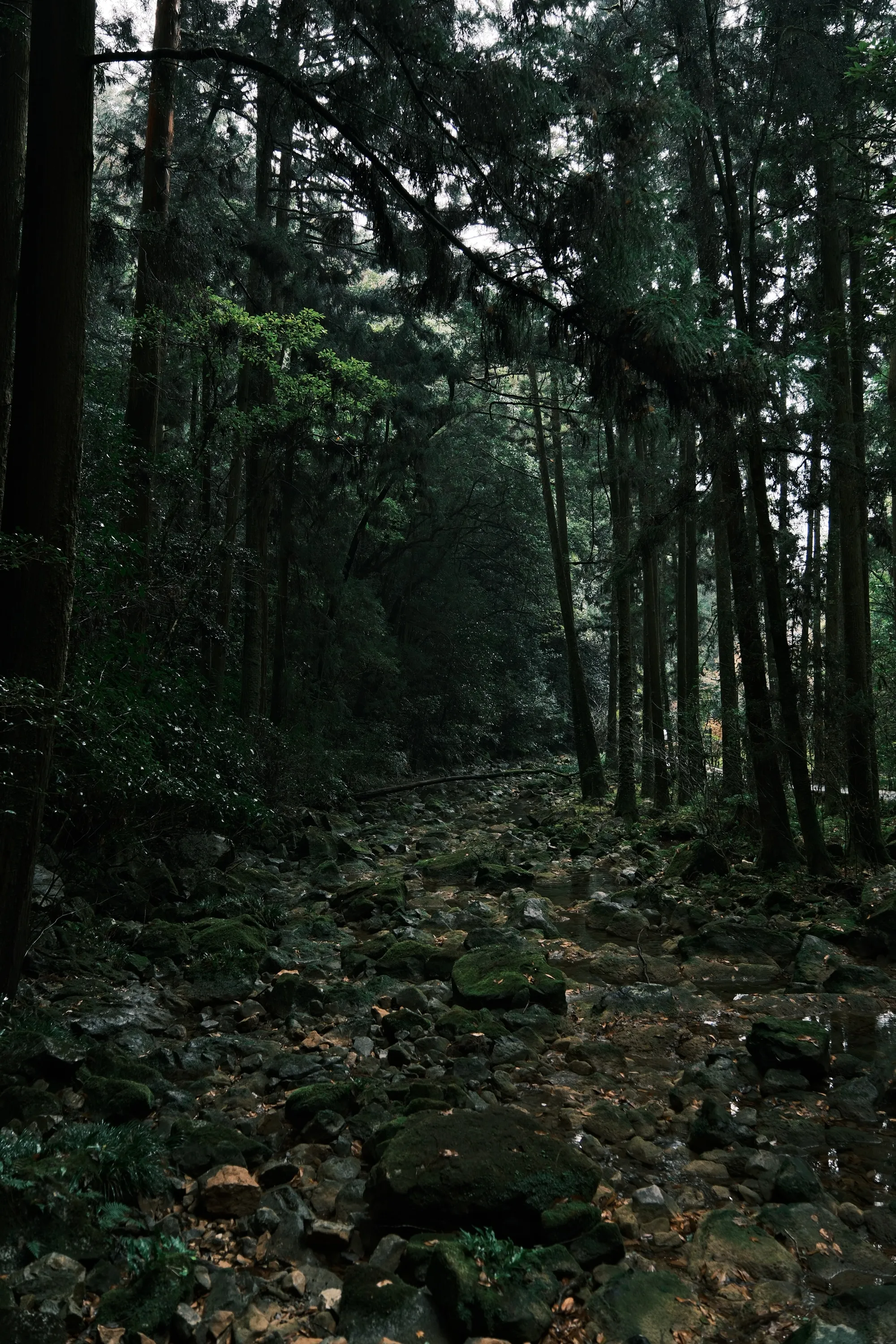
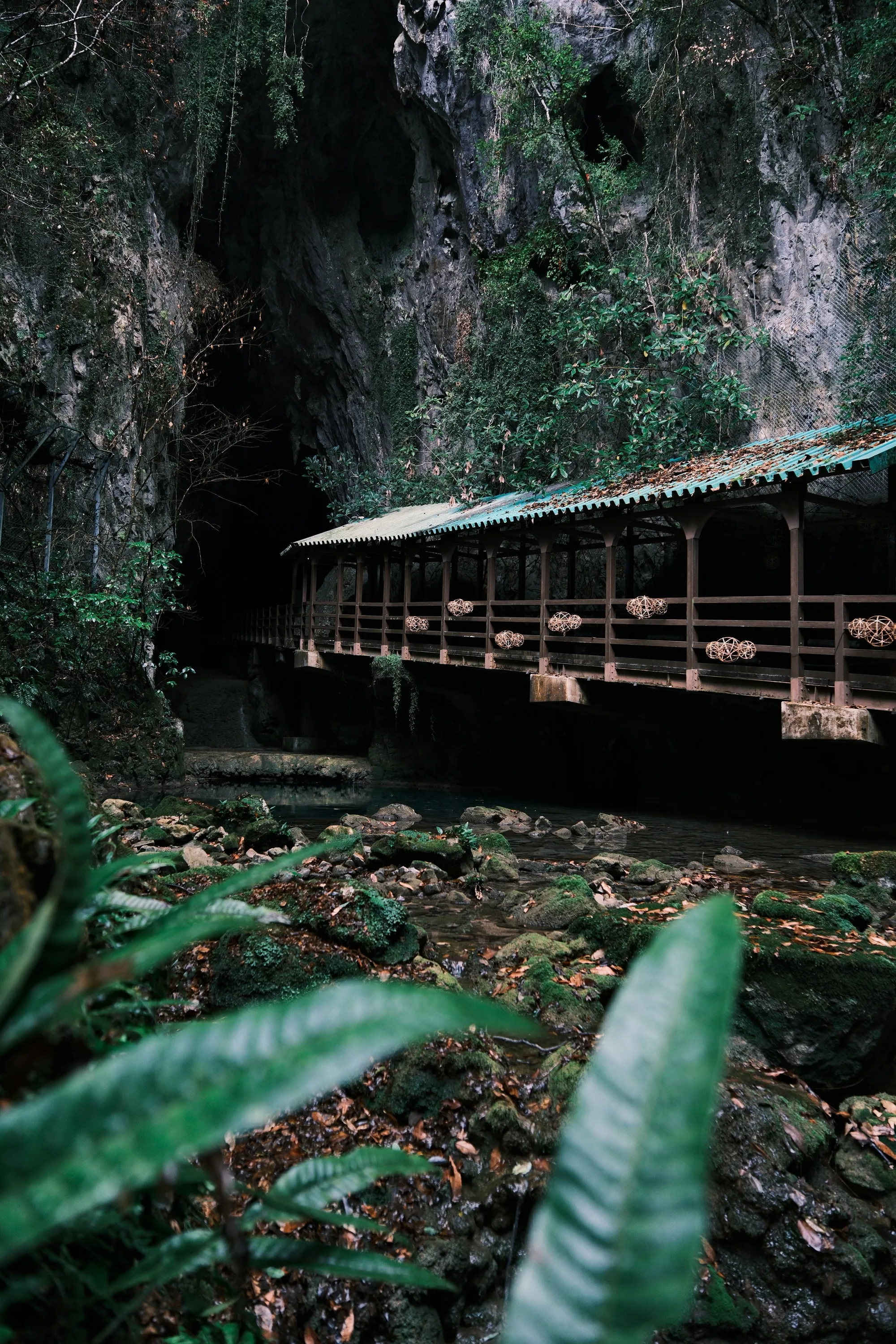
Karst hills above, underground rivers below
A detour inland from Hagi through the bare limestone folds of Akiyoshidai and into Akiyoshido, where immense chambers, terraced mineral pools, still water, and dripping rock traded the open plateau for a darker subterranean landscape.
 90
 91
 92
 93
 94
 95
 96
 97
 98
 99
 100
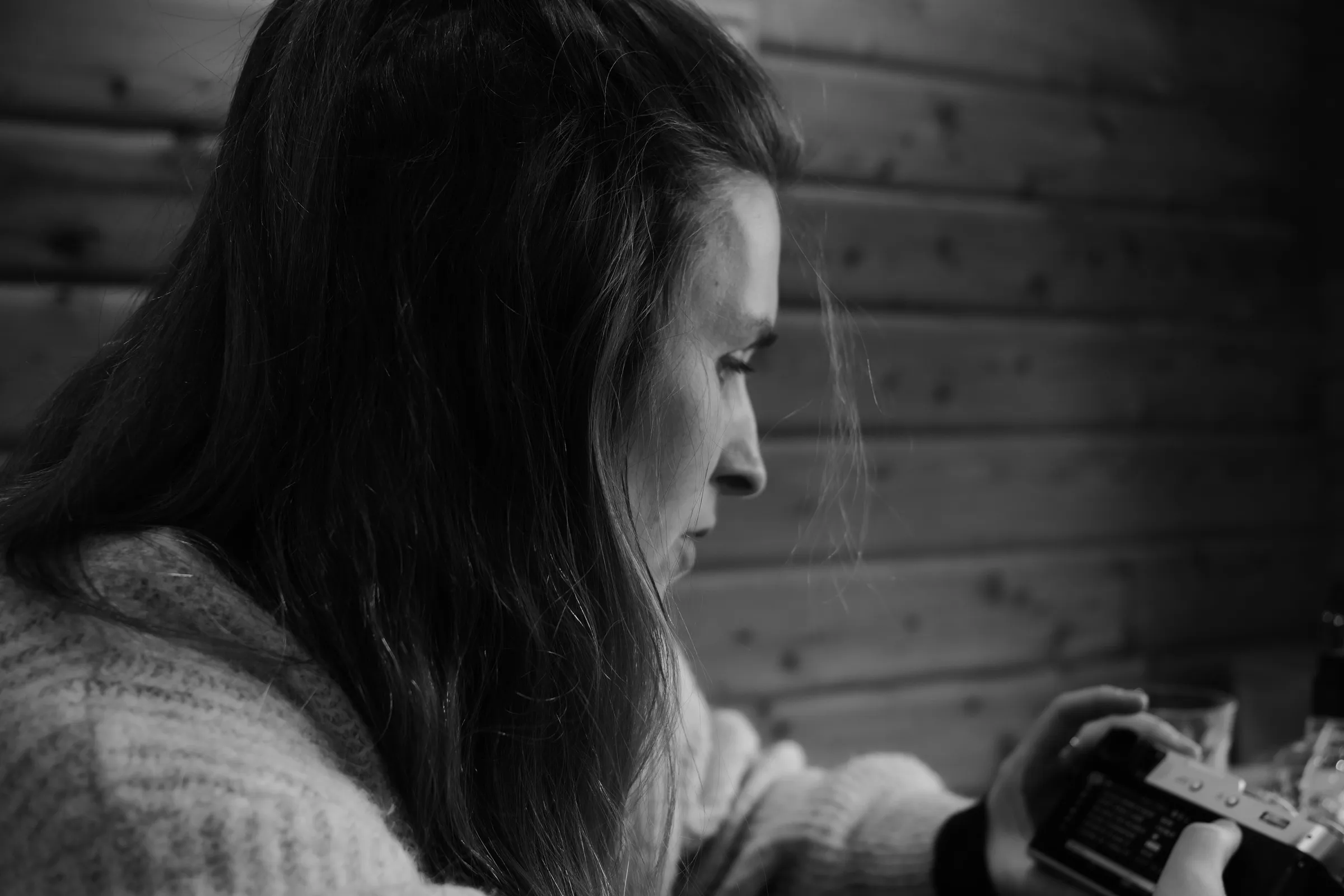
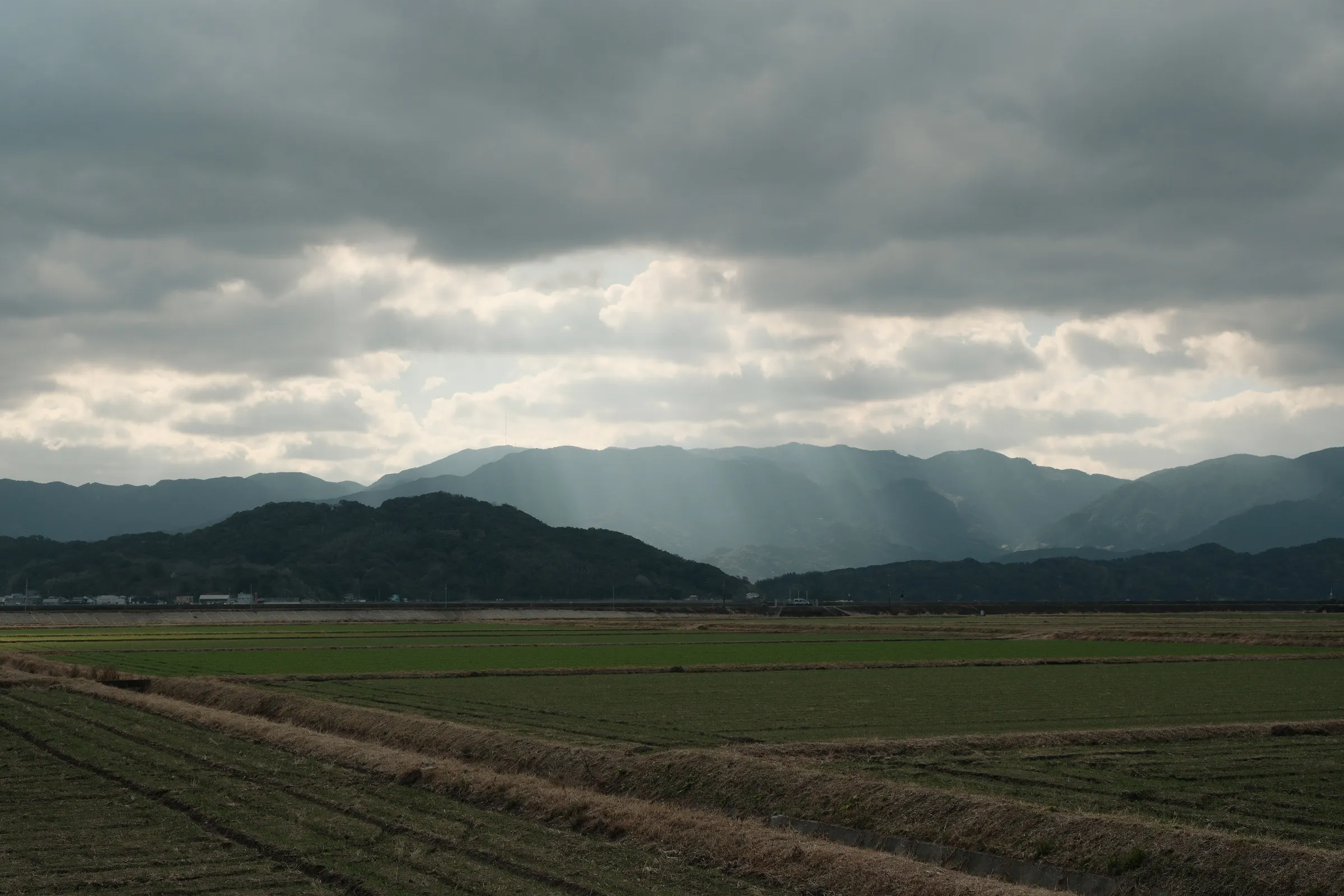
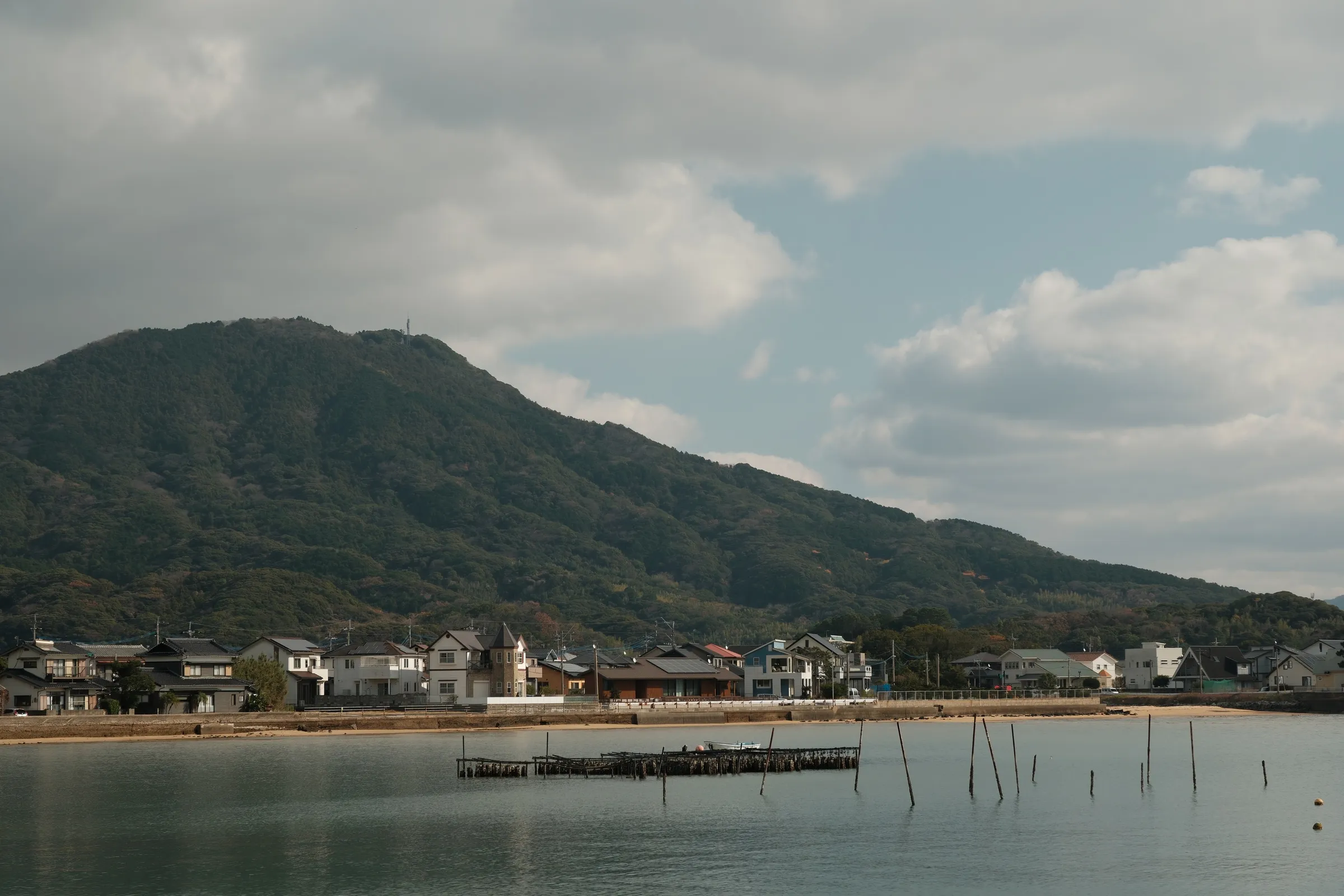
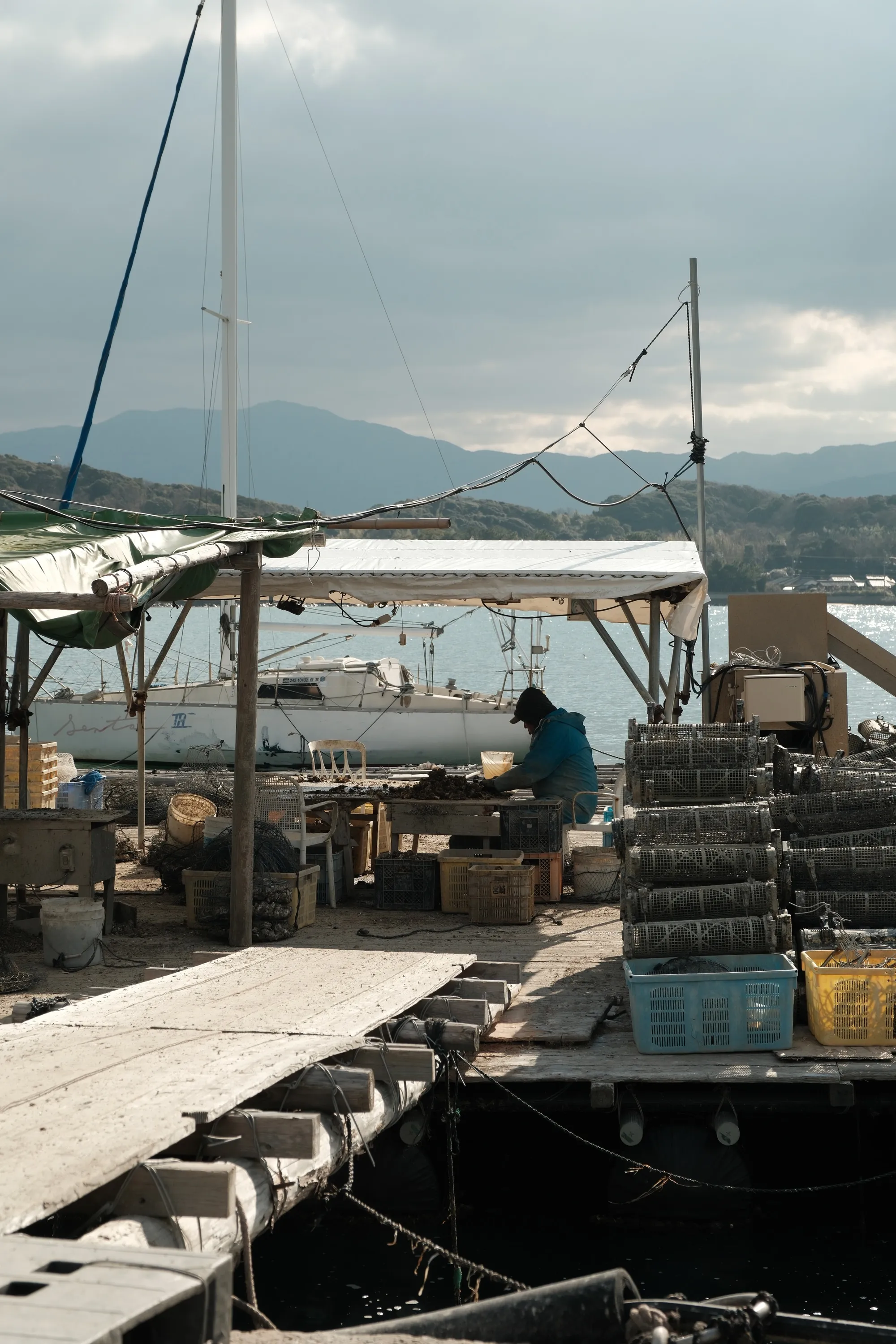
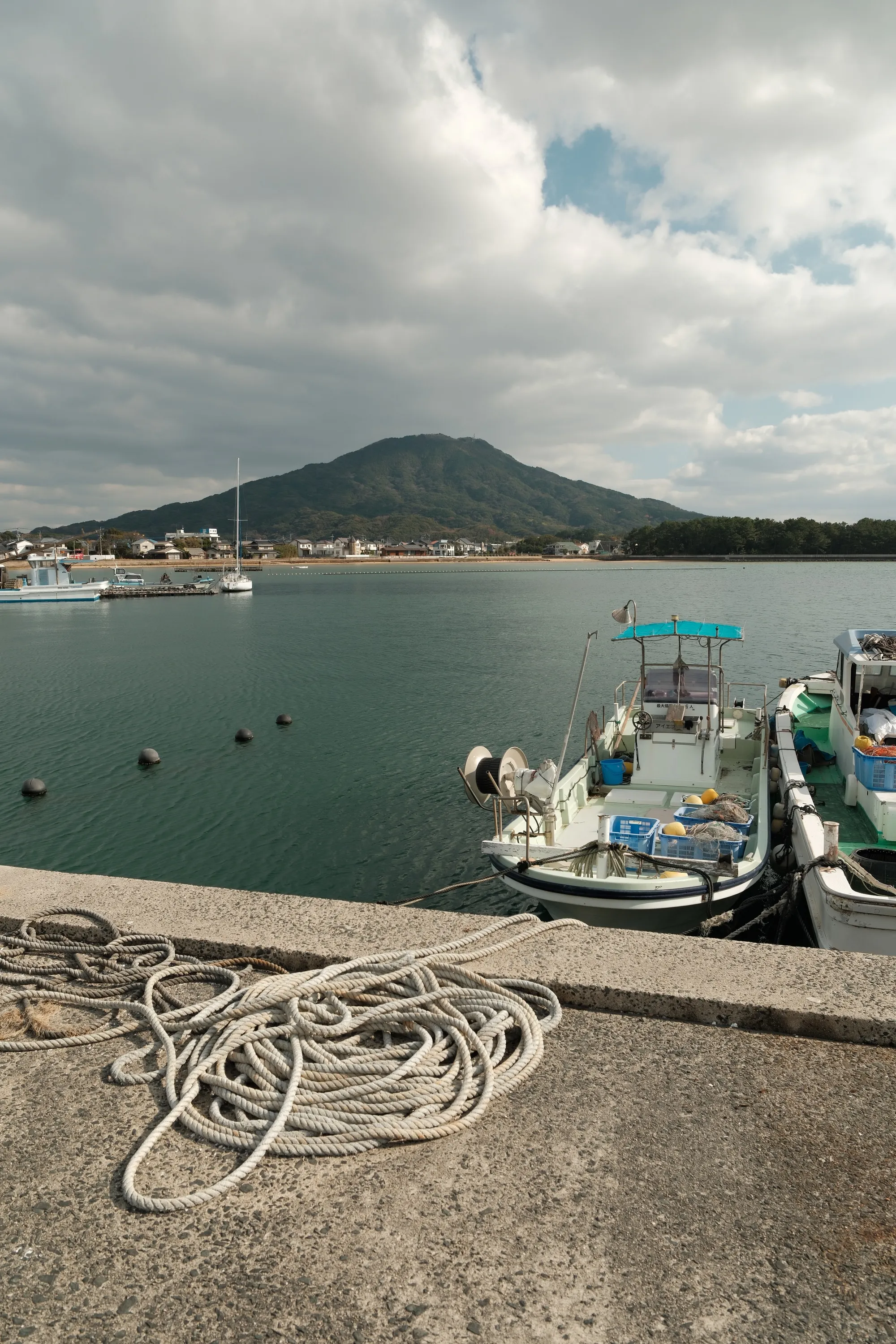
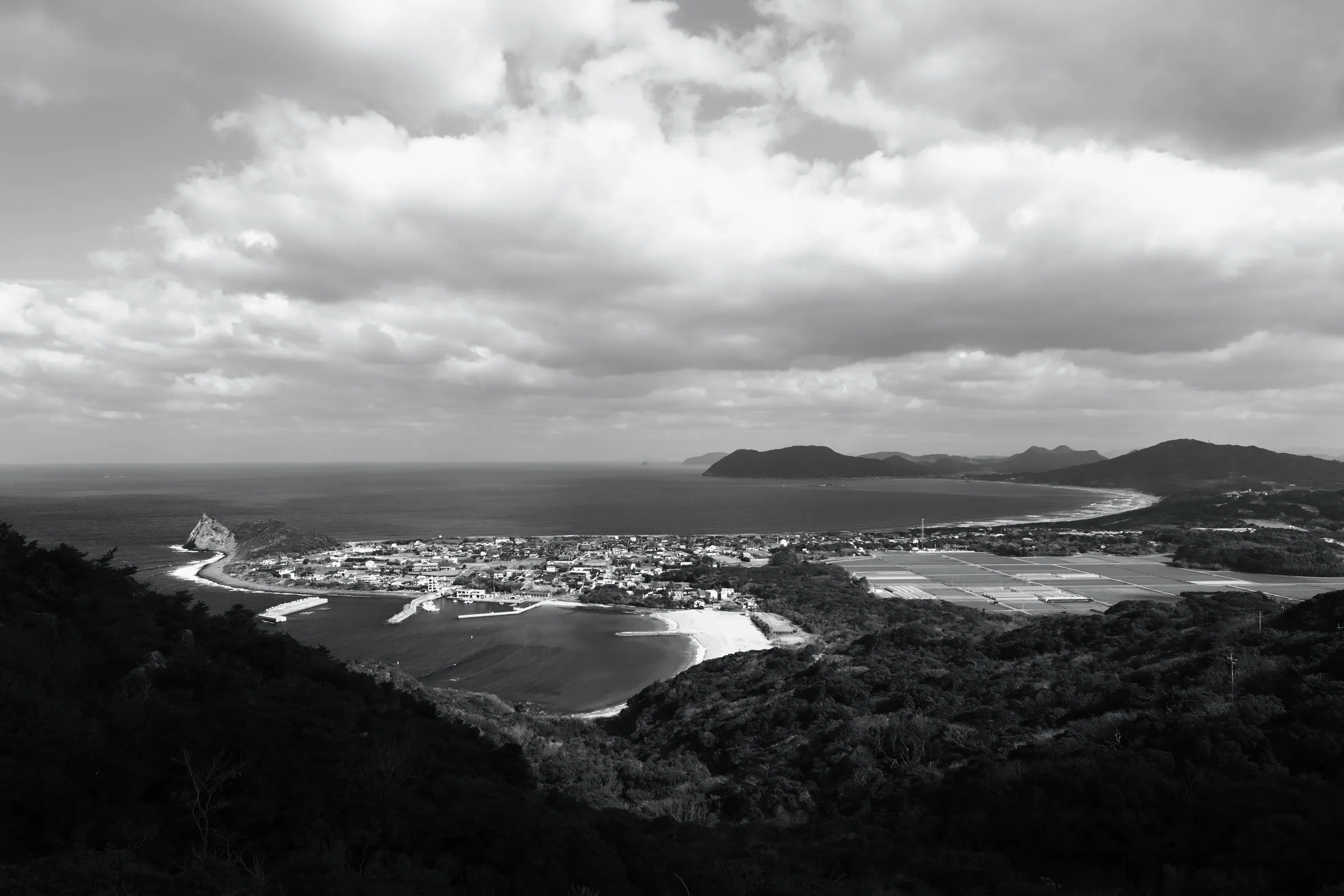
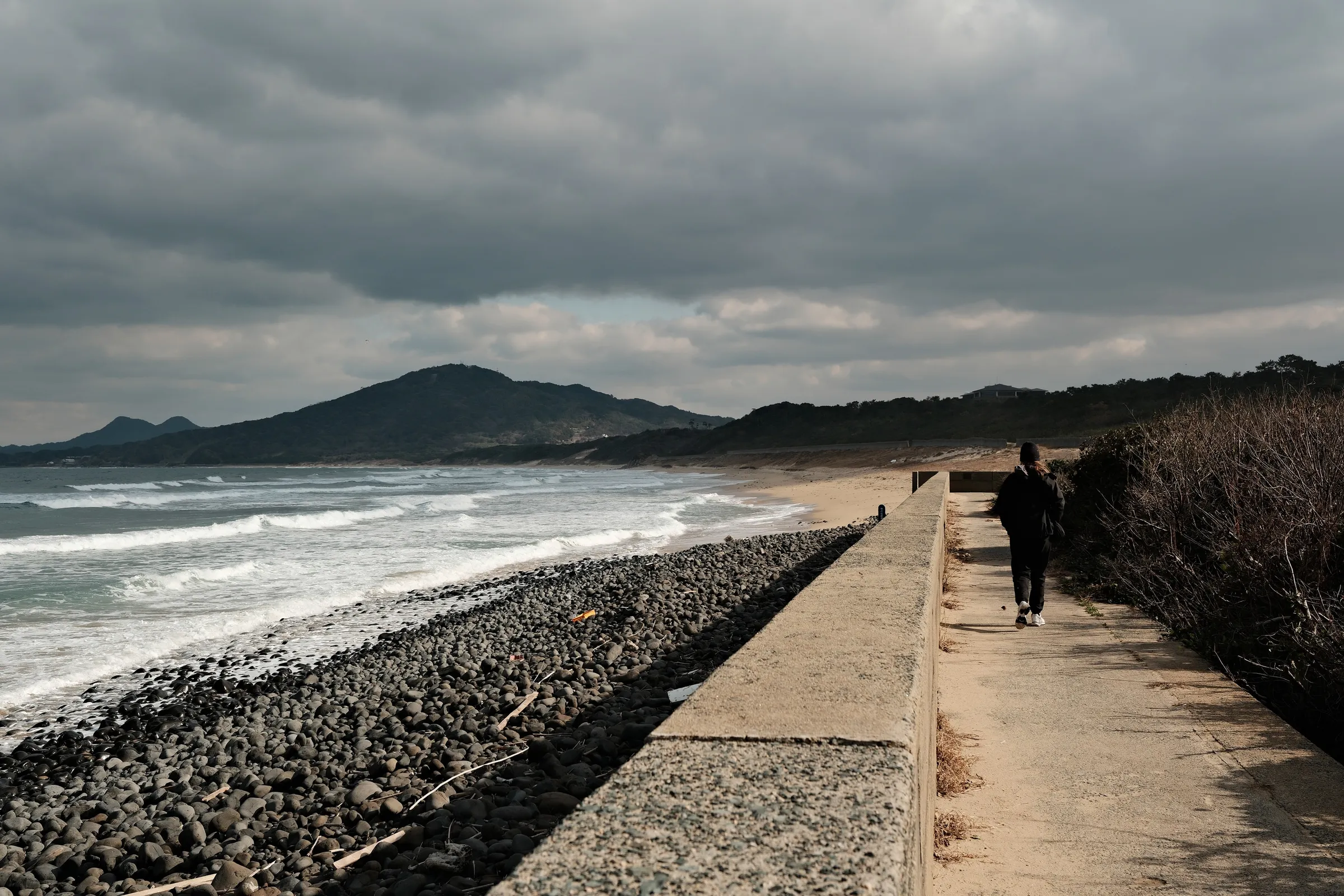
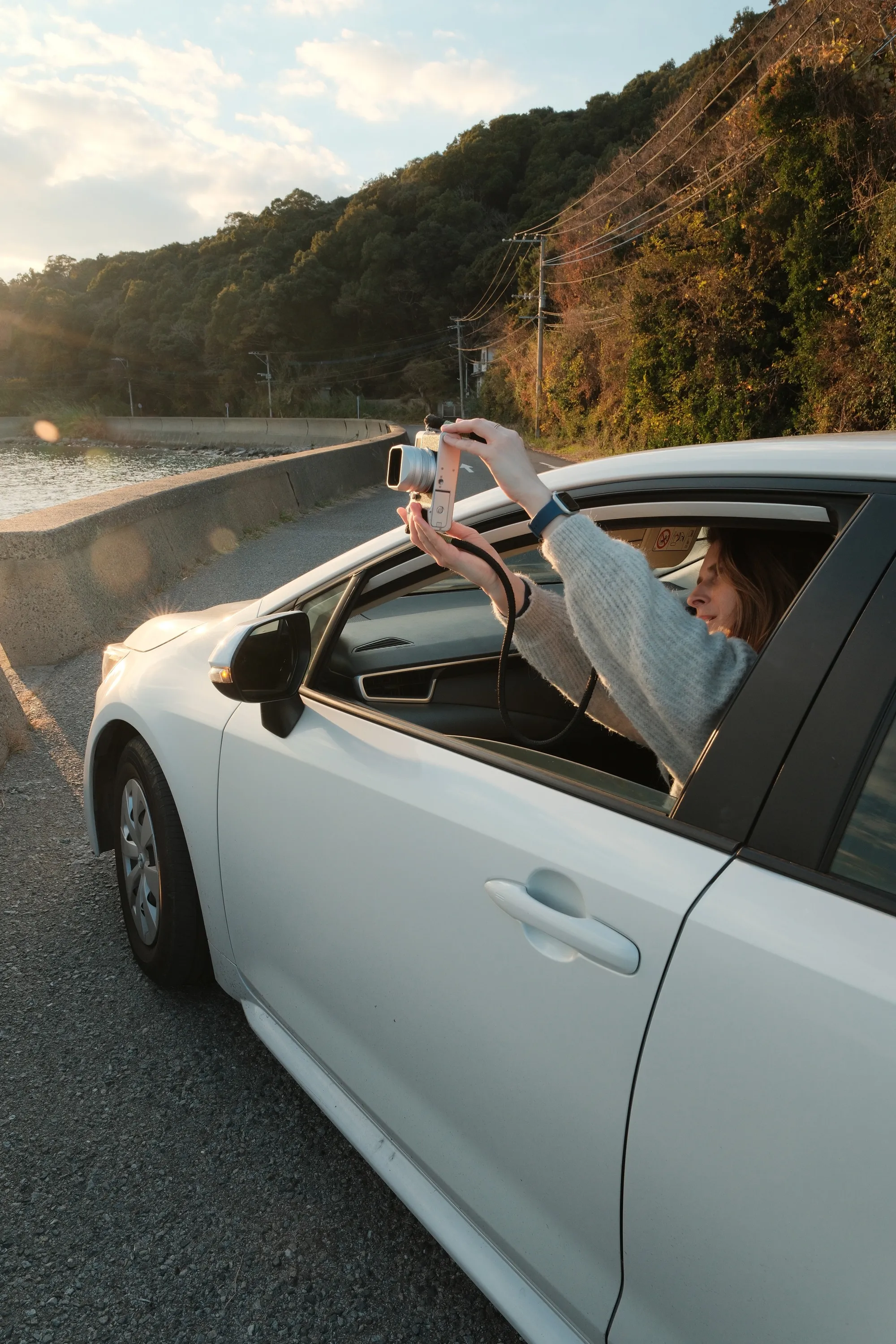
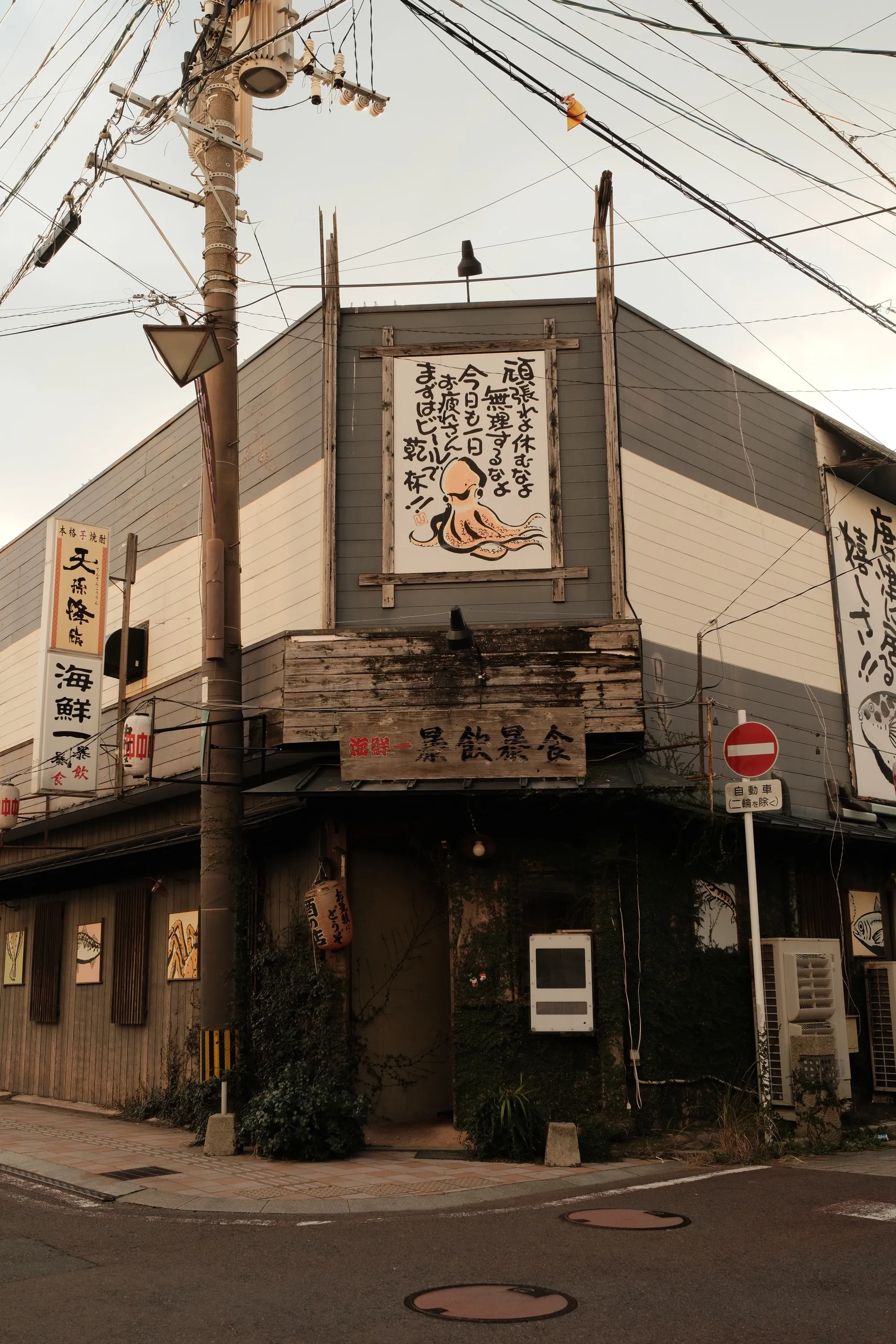
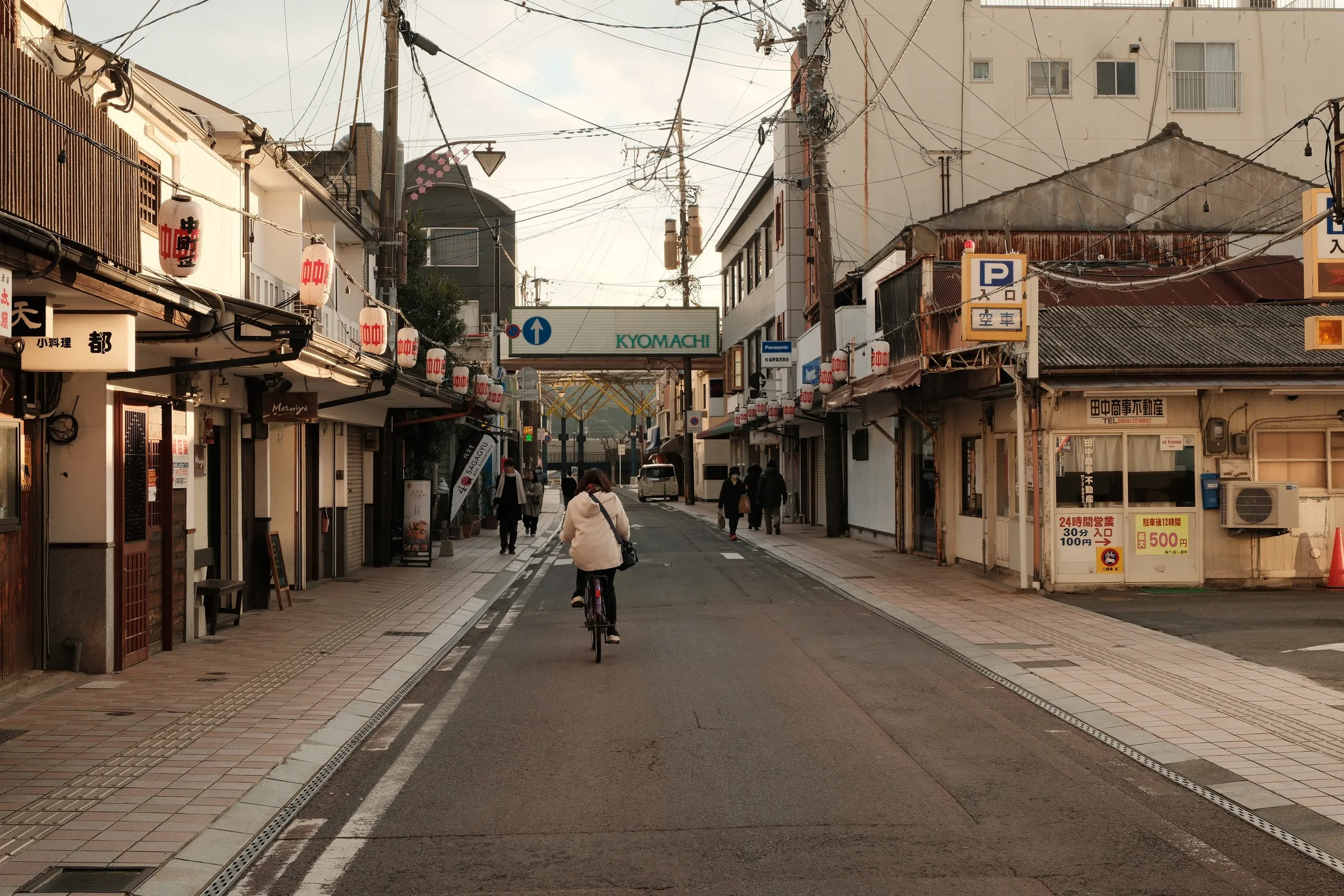
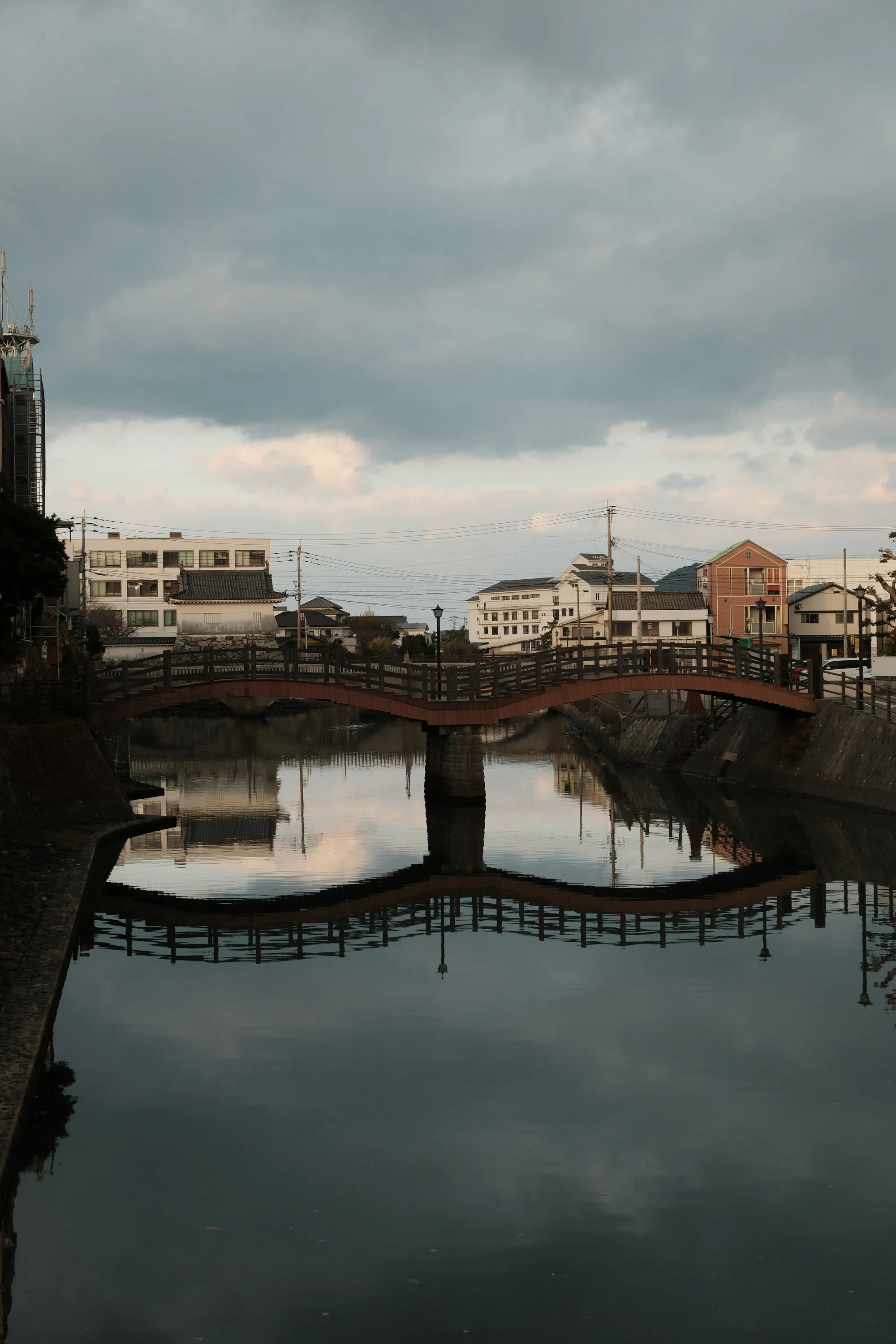
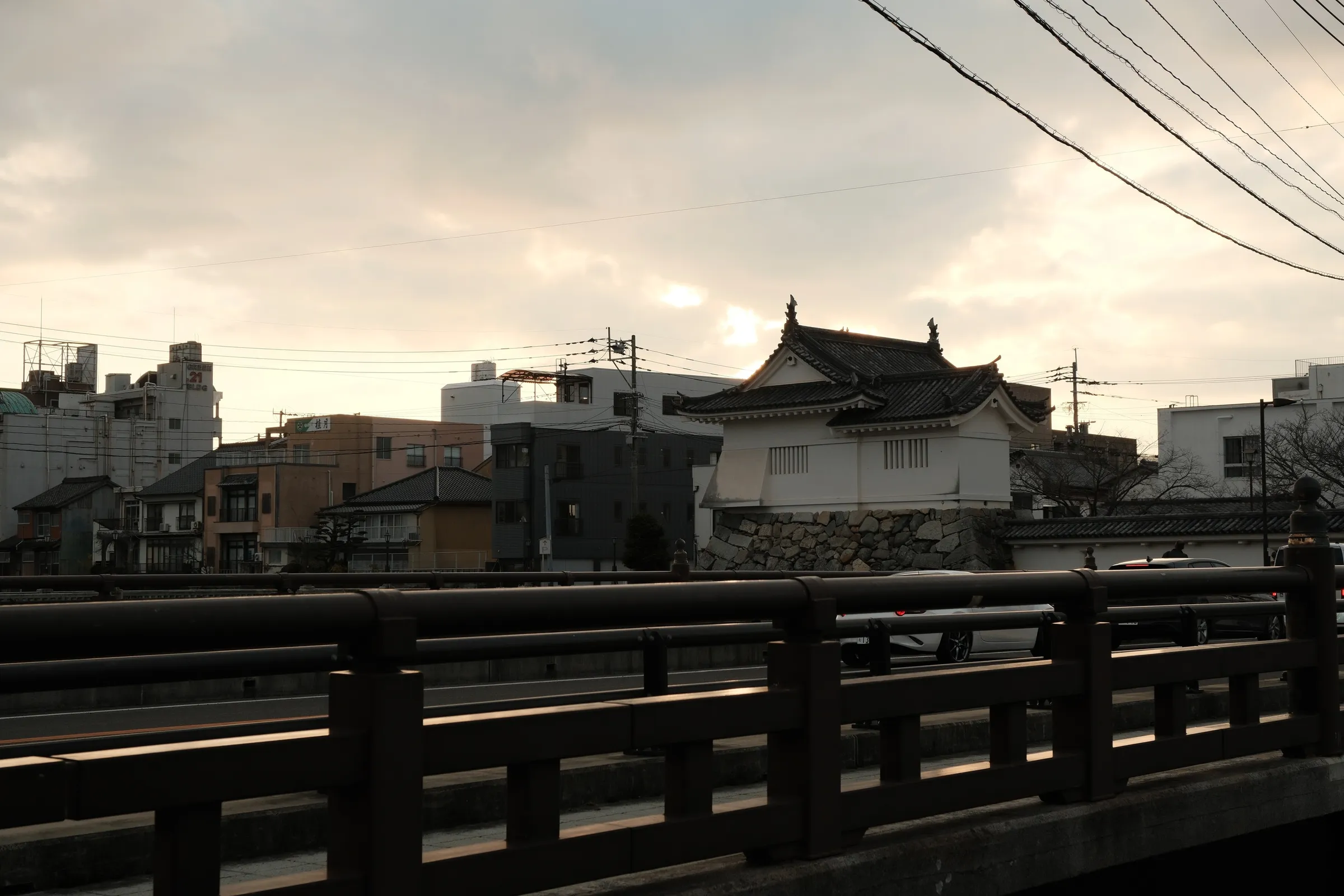
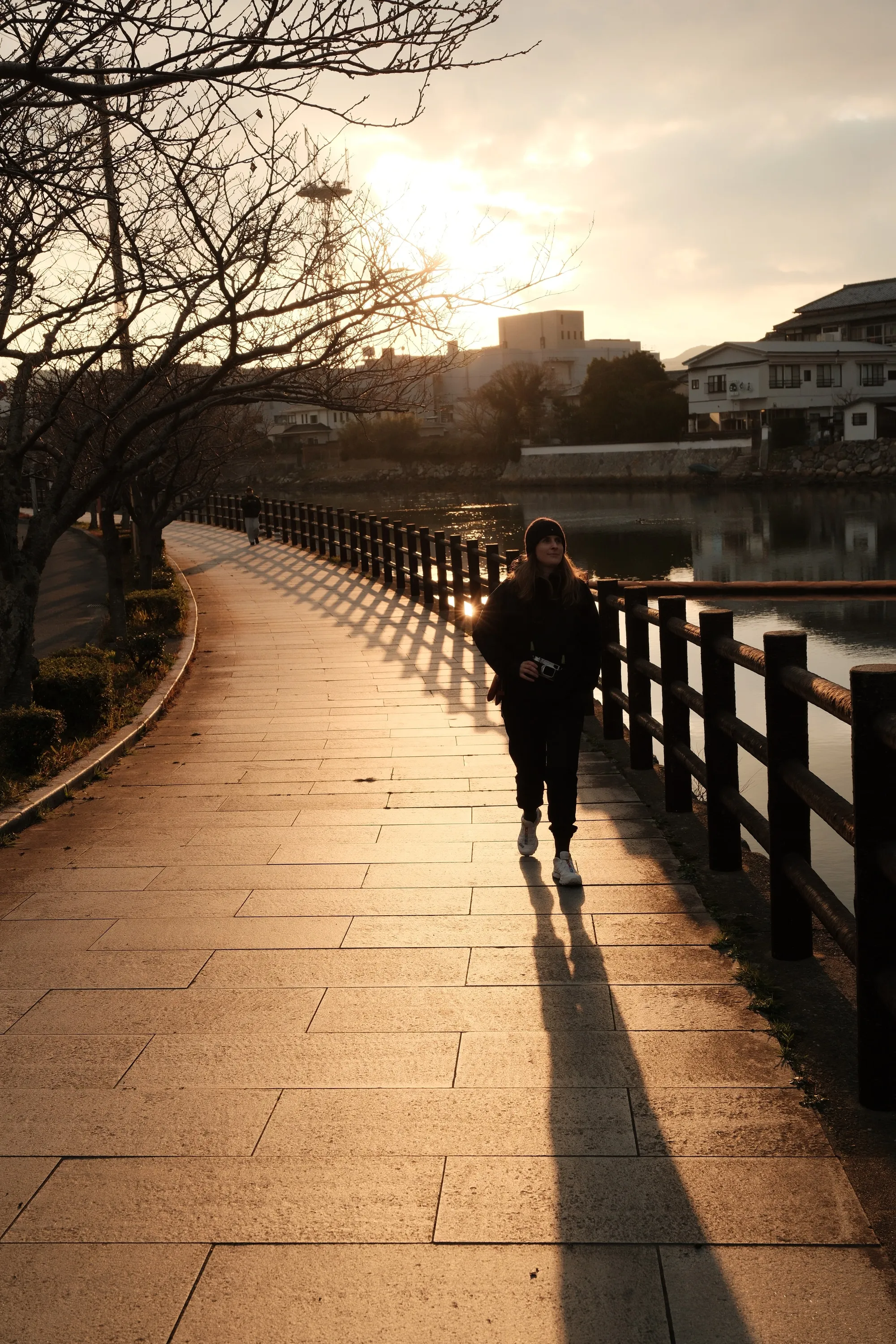
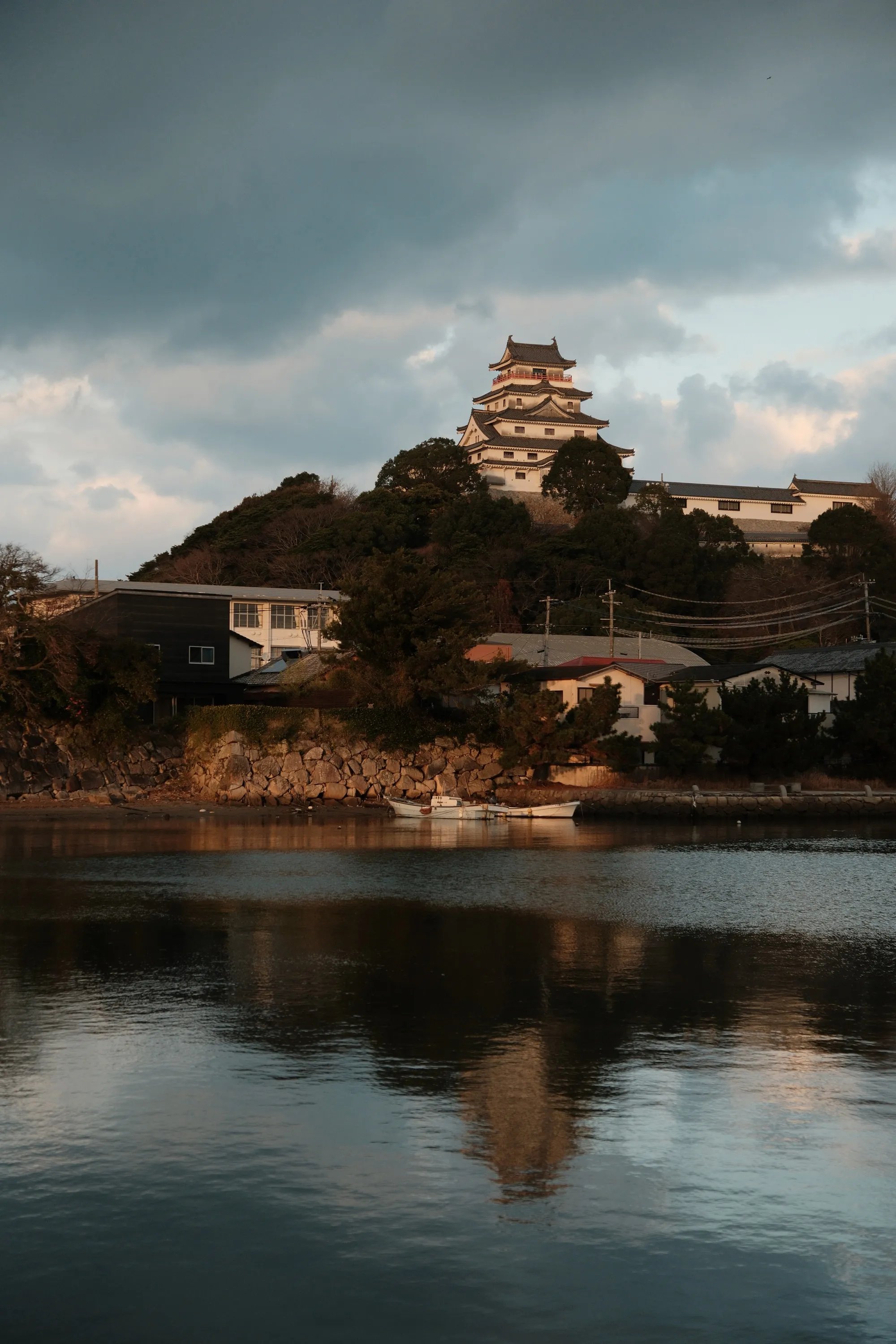
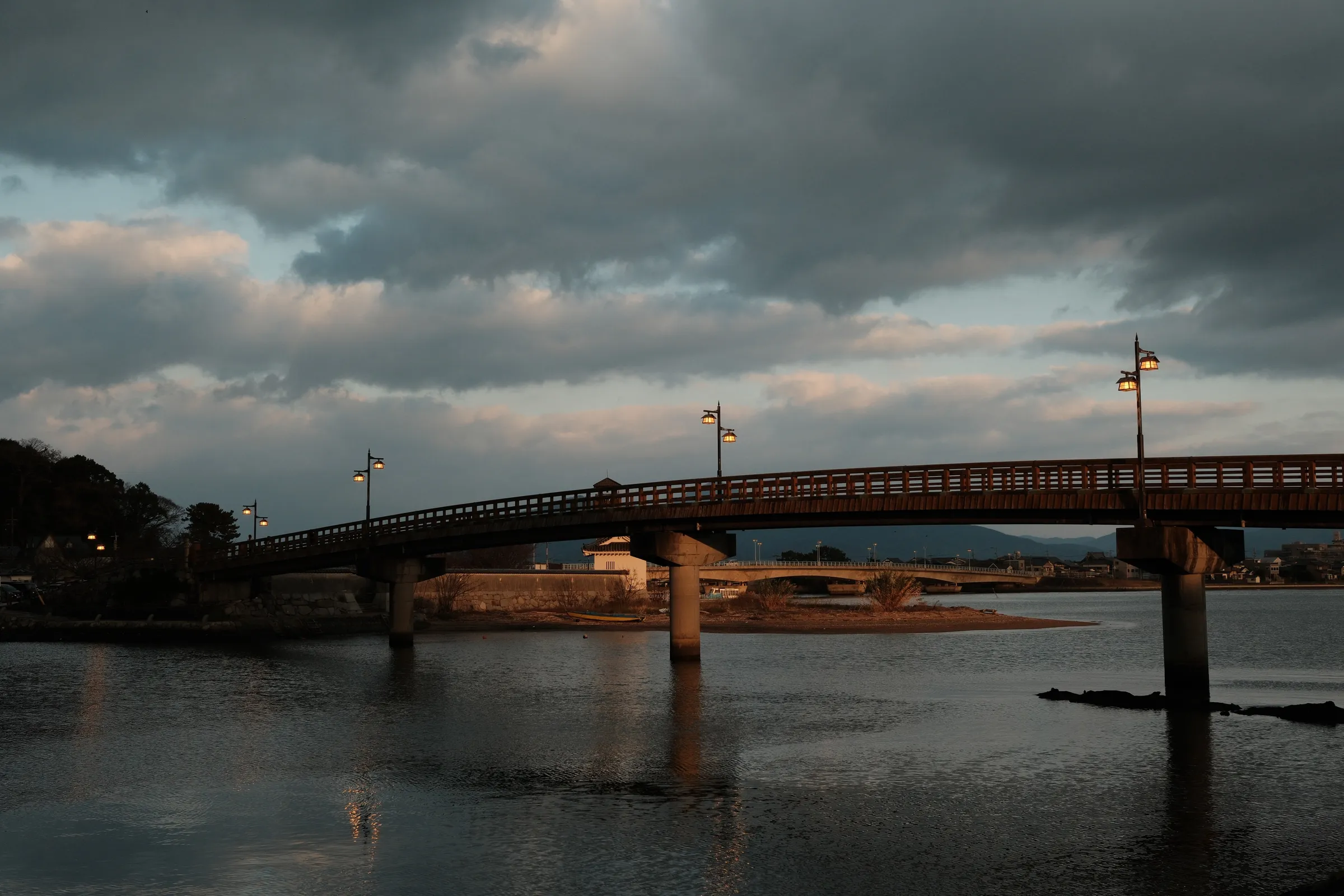
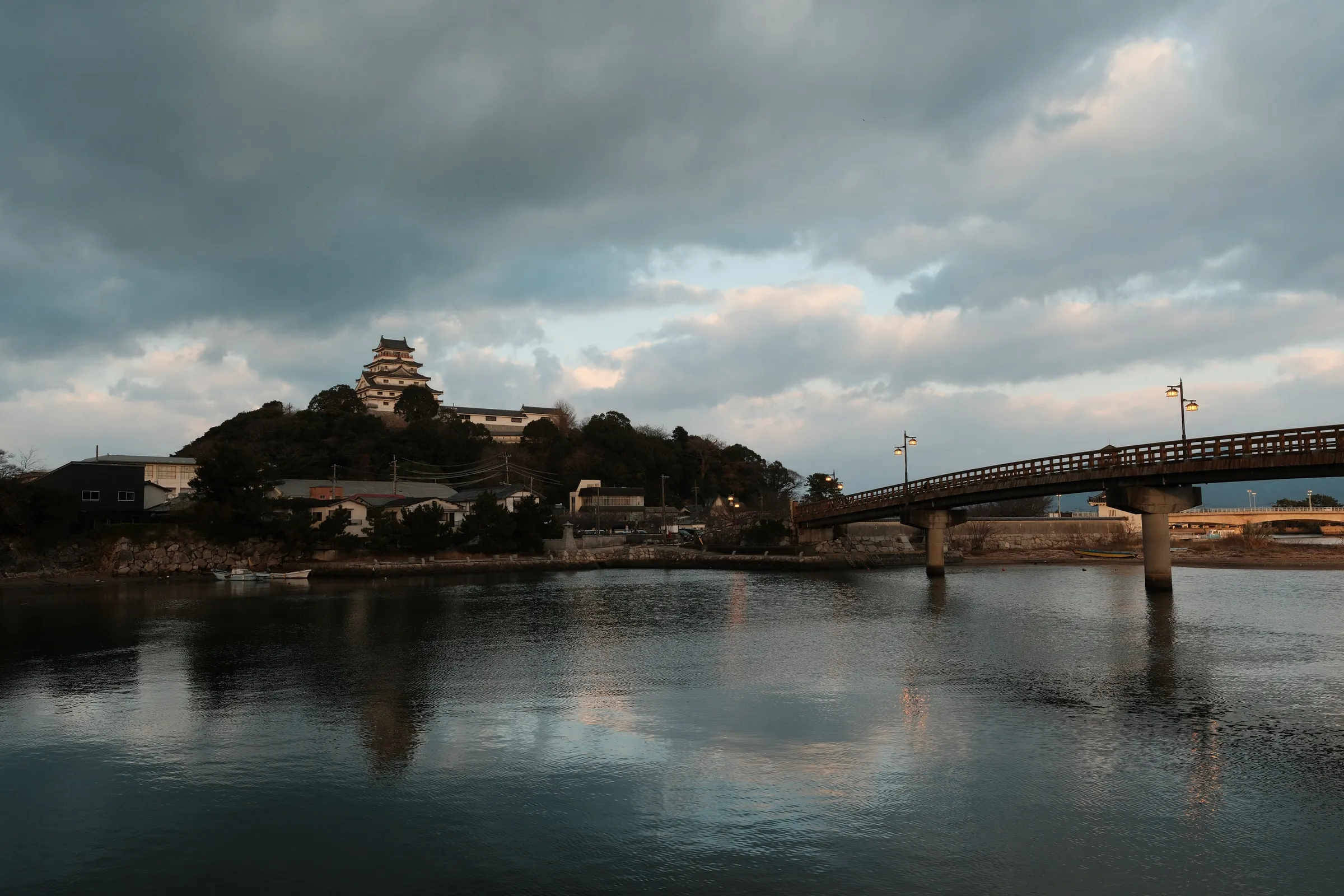
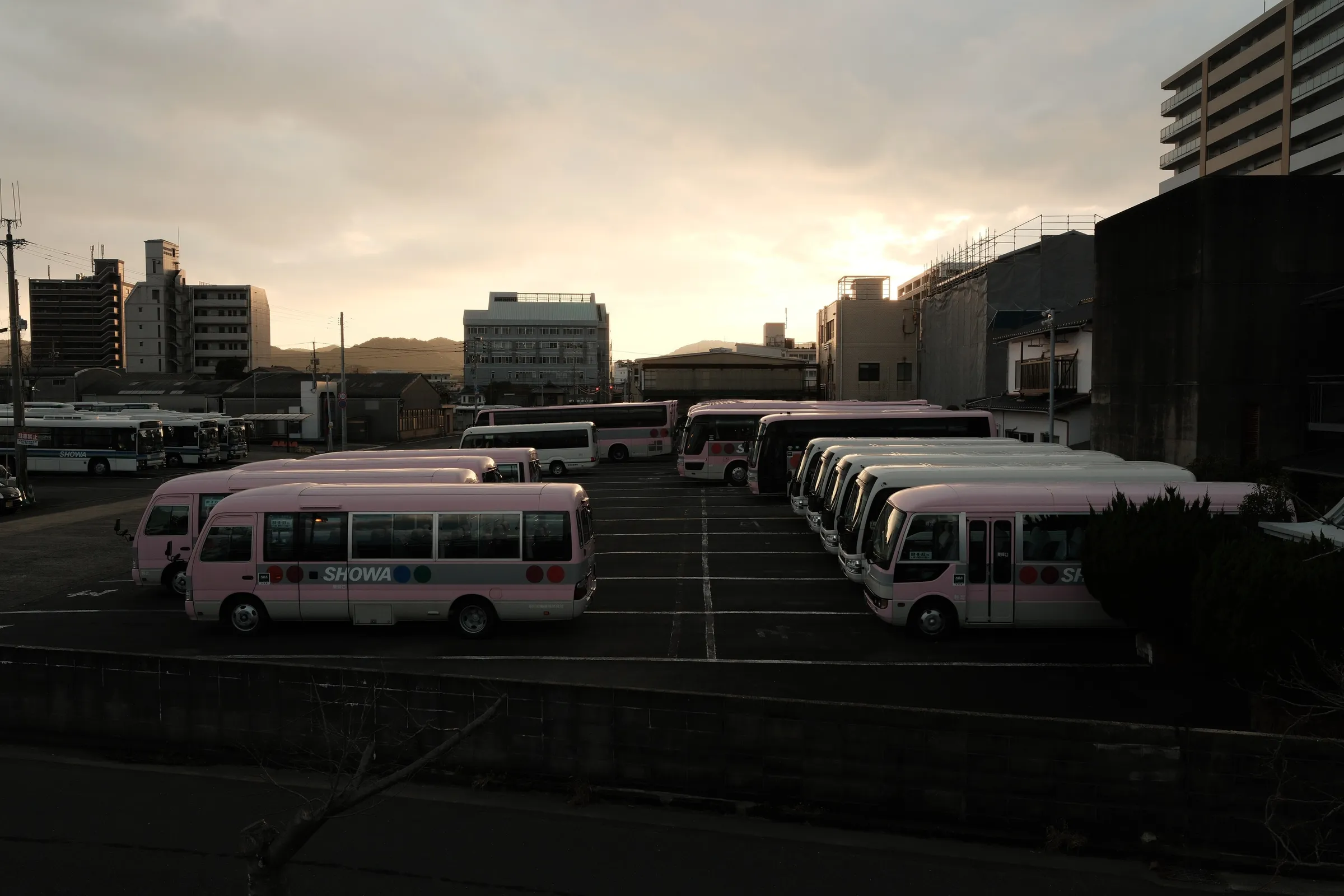
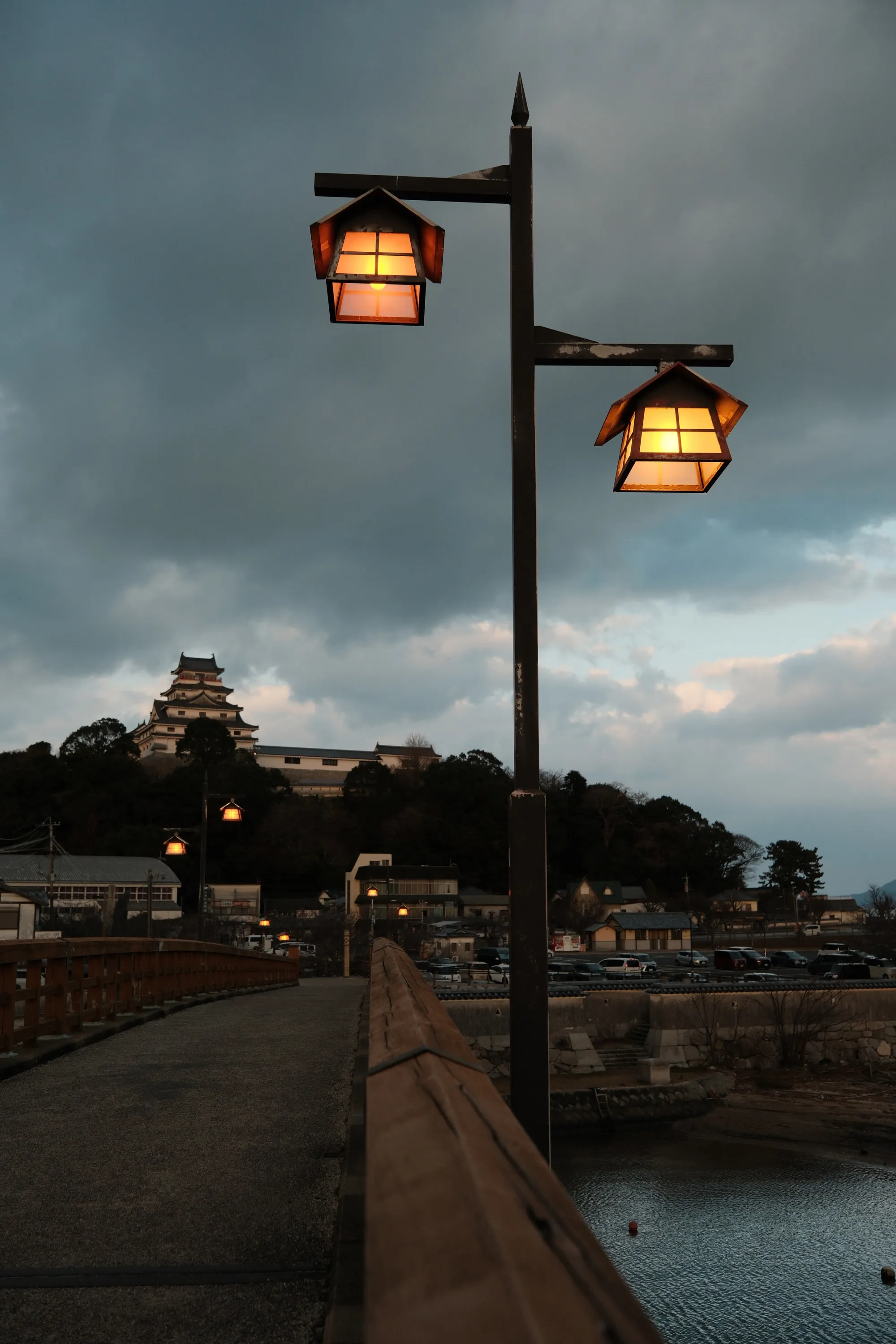
Fishing harbors, windblown beaches, and a castle at dusk
A west-coast drive through fields and small fishing ports, then along exposed beaches and seawalls before the day narrowed into Karatsu—arcaded streets, river bridges, and the castle rising above the water in the last warm light.
 101
 102
 103
 104
 105
 106
 107
 108
 109
 110
 111
 112
 113
 114
 115
 116
 117
 118
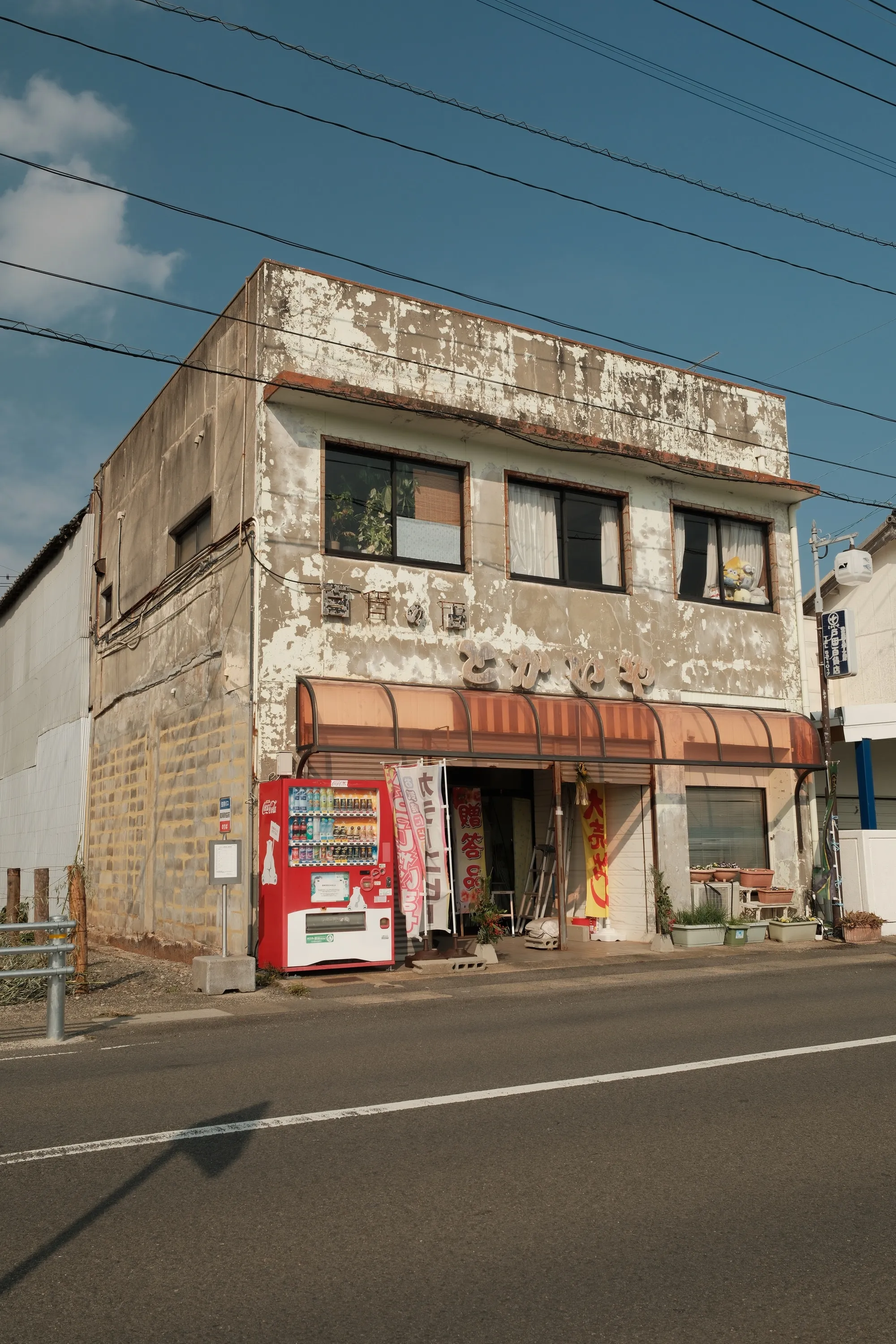
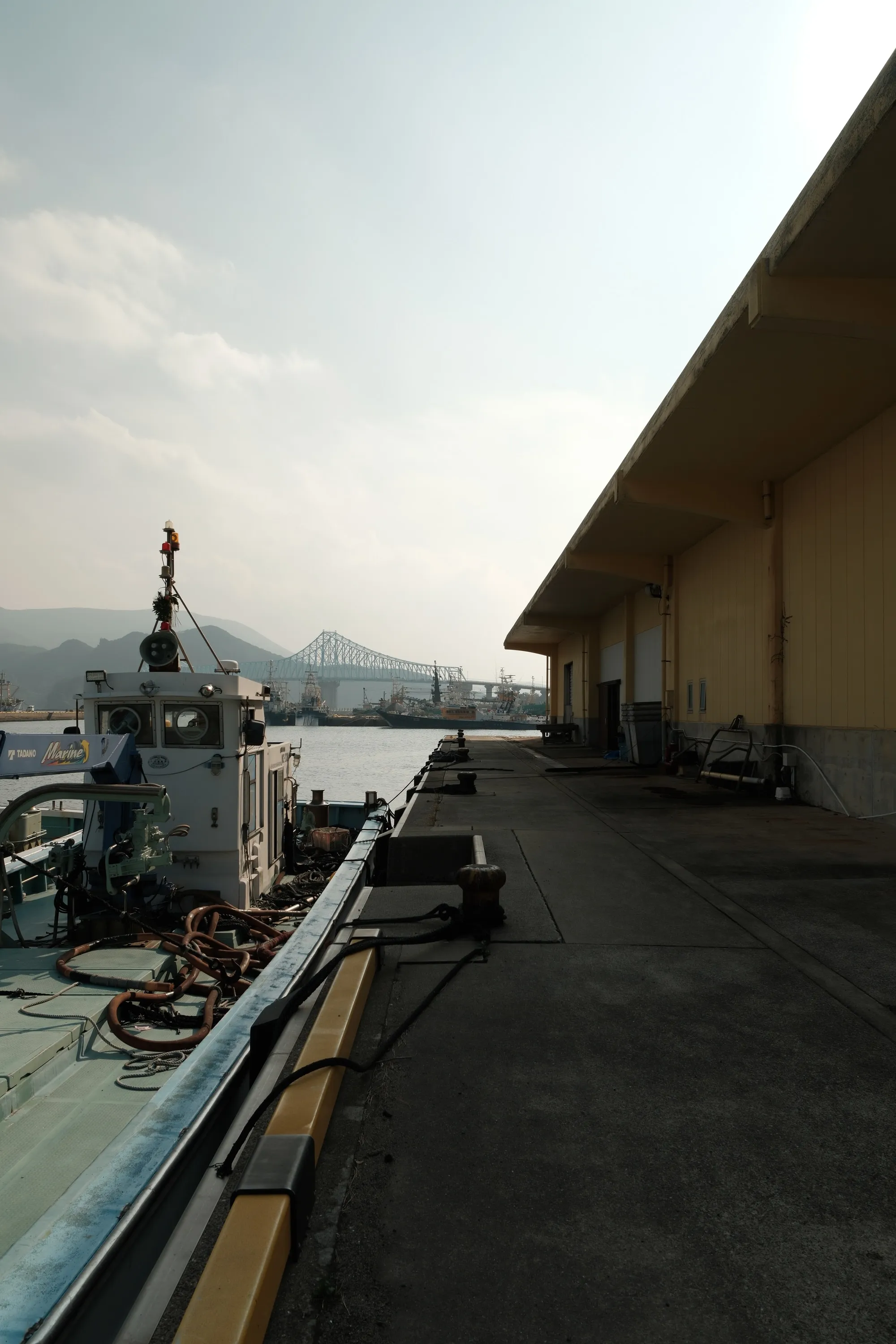
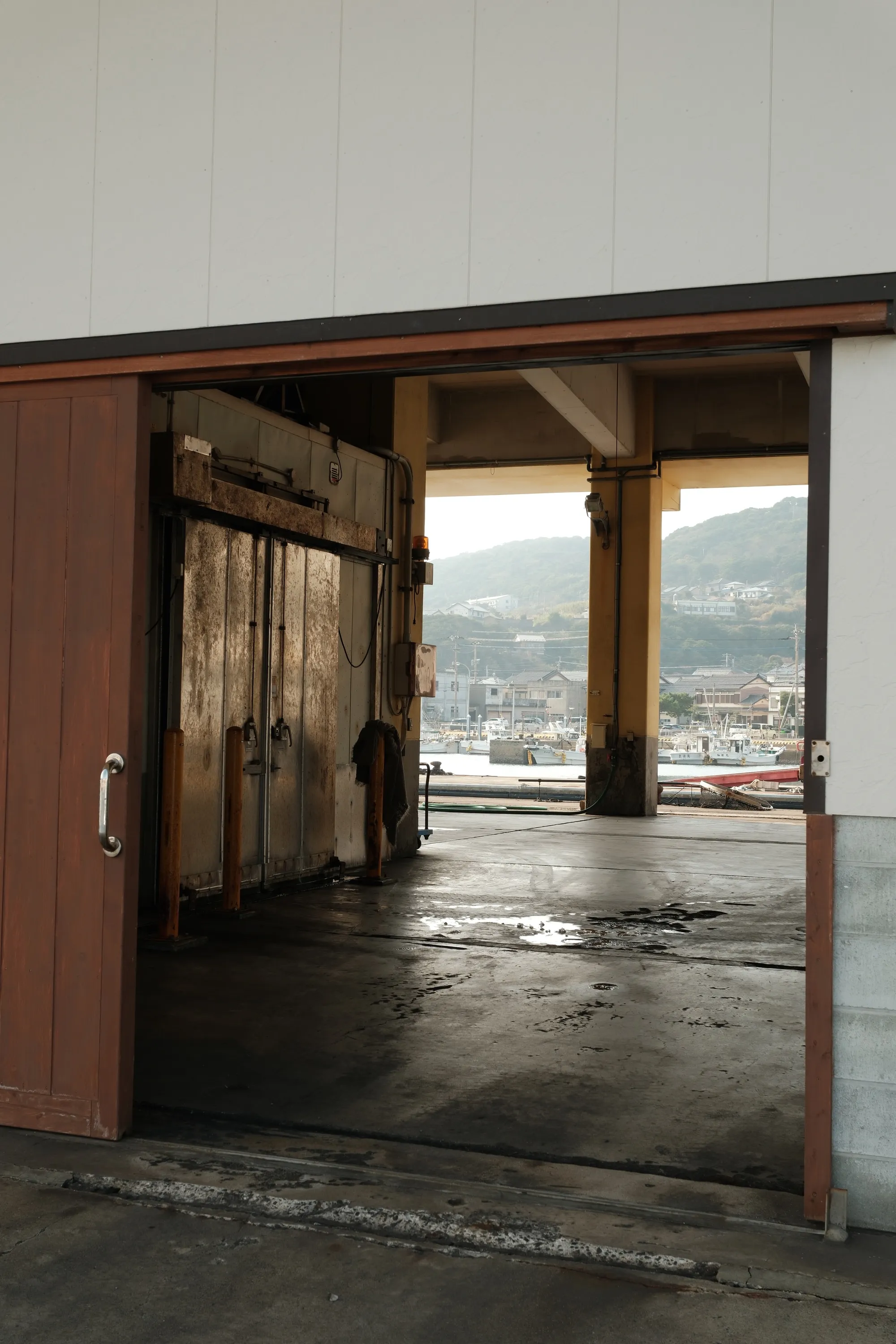
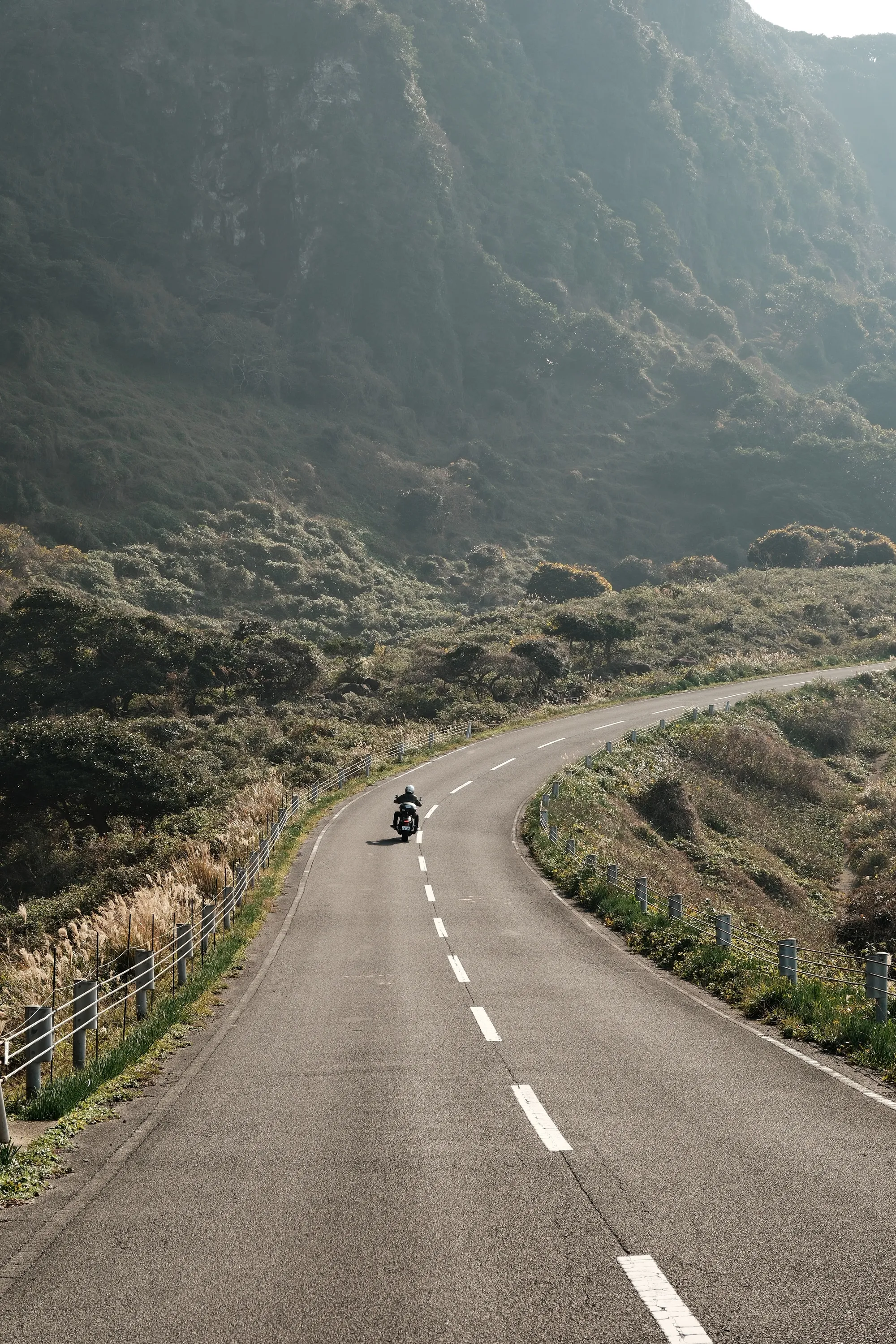
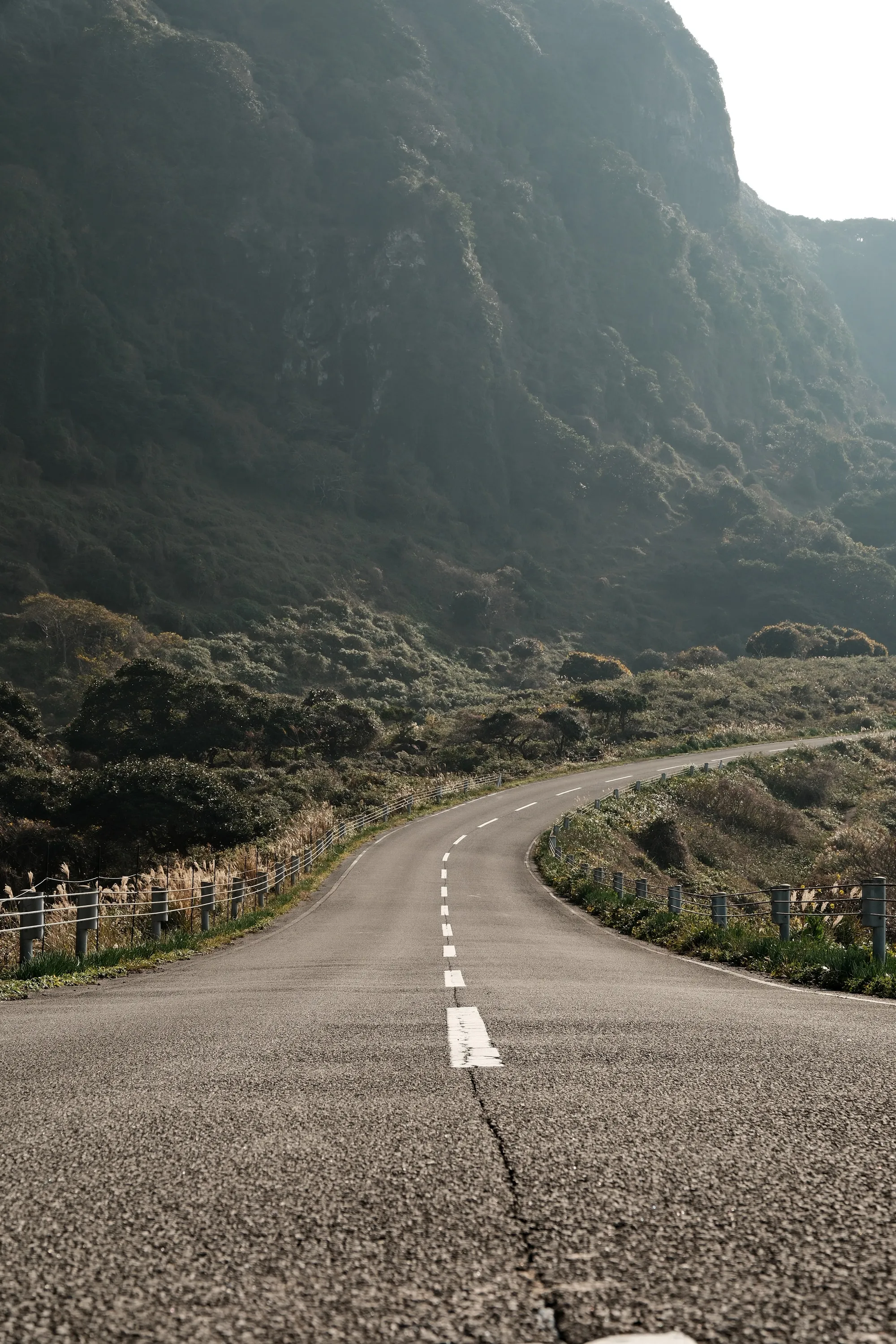
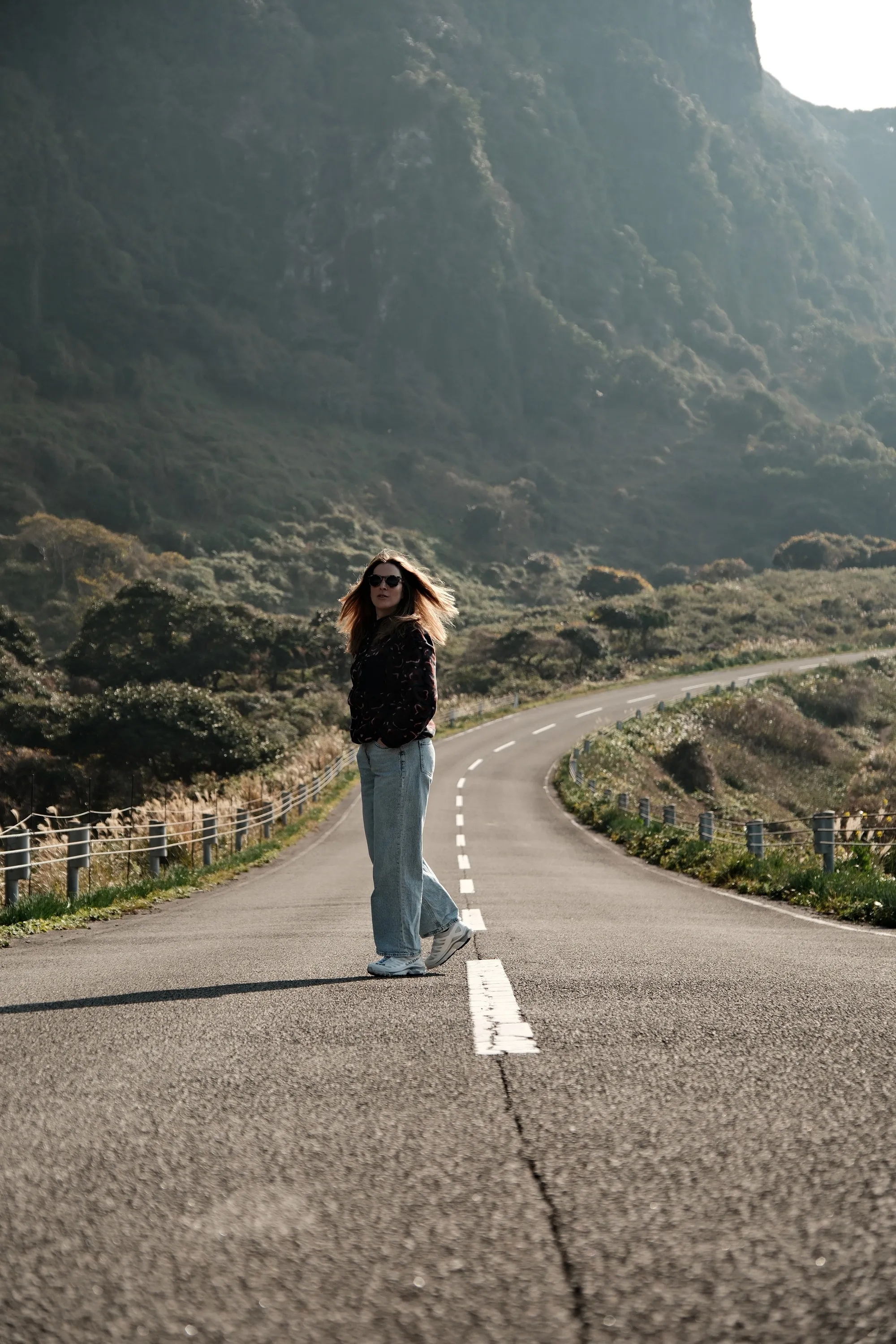
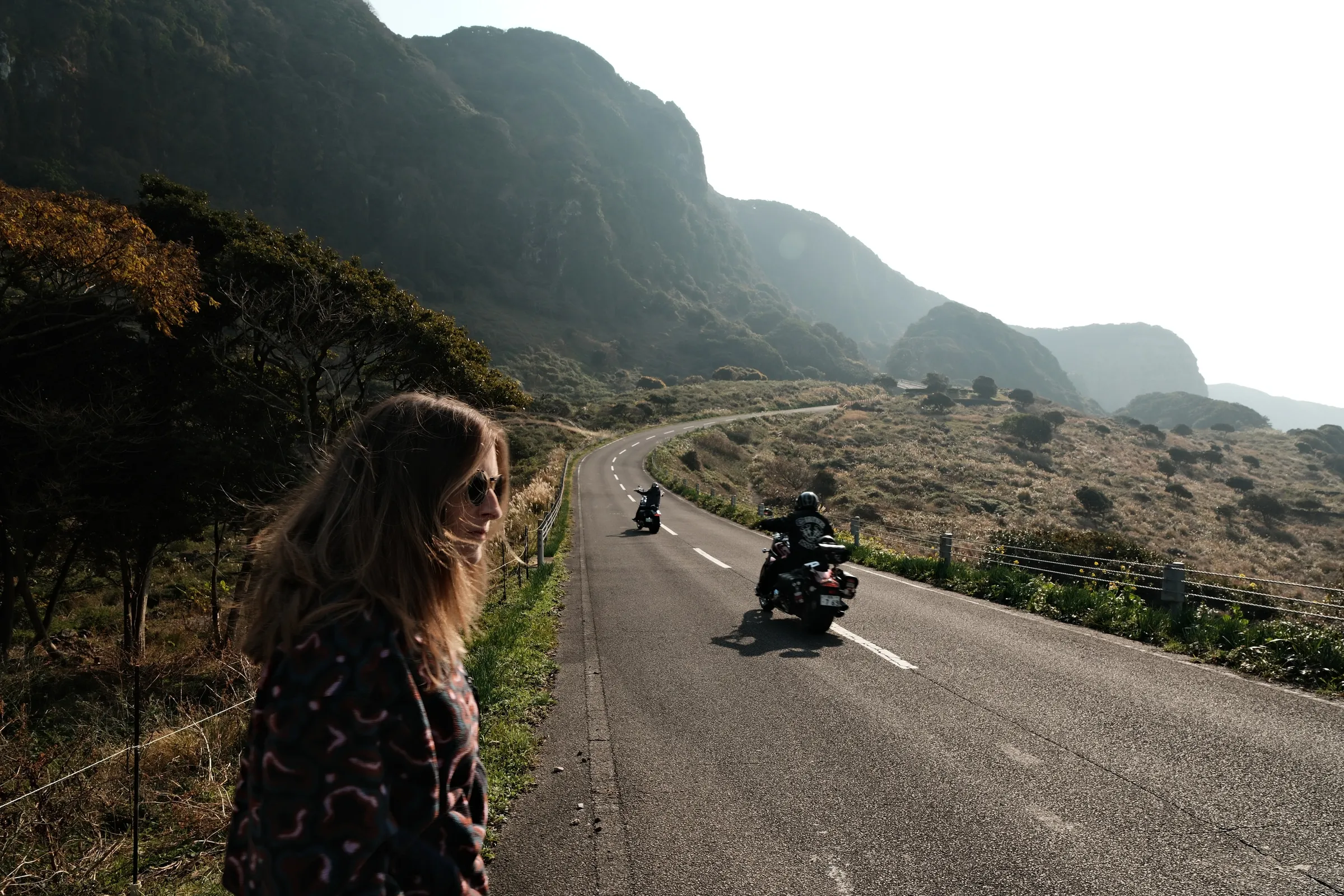
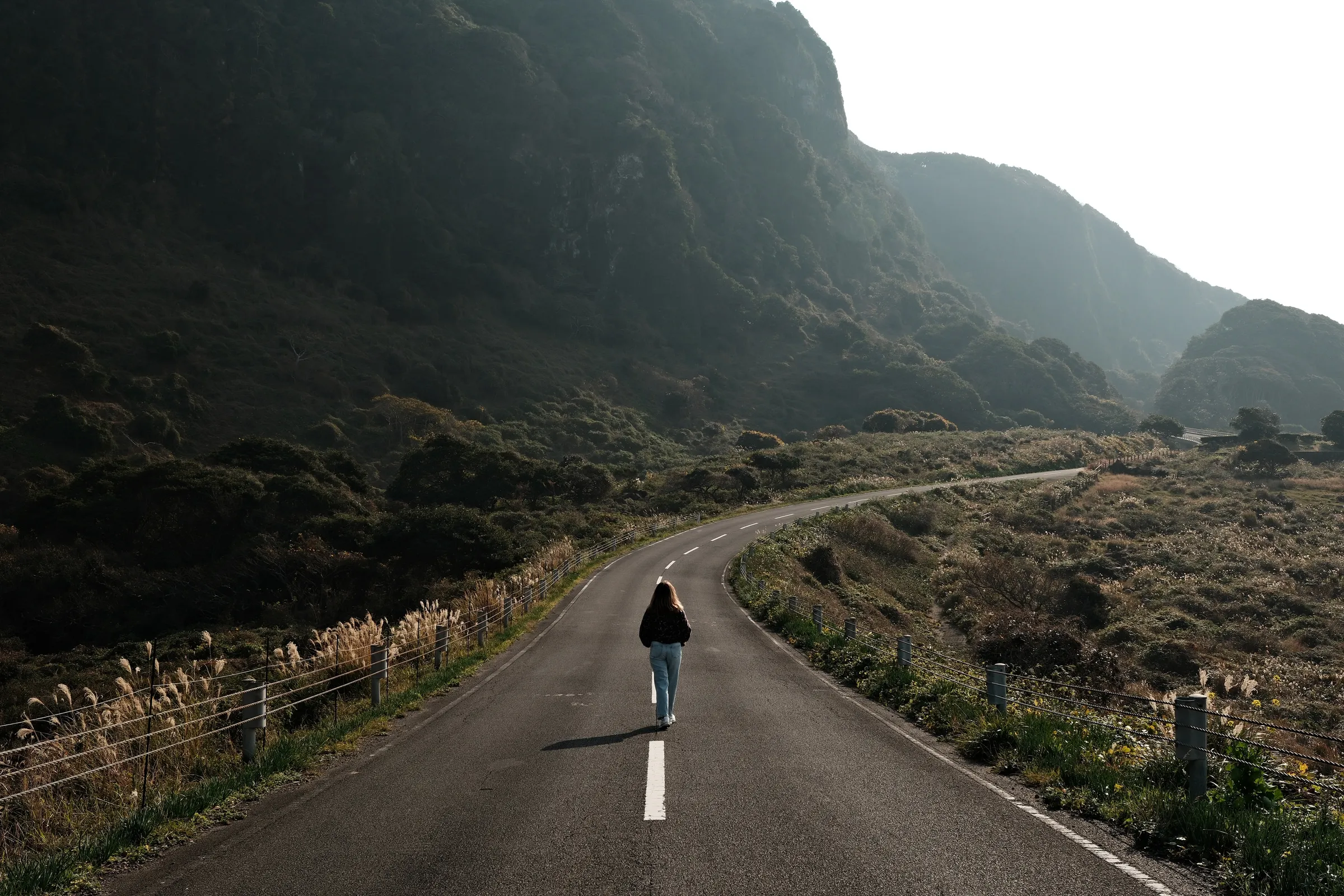
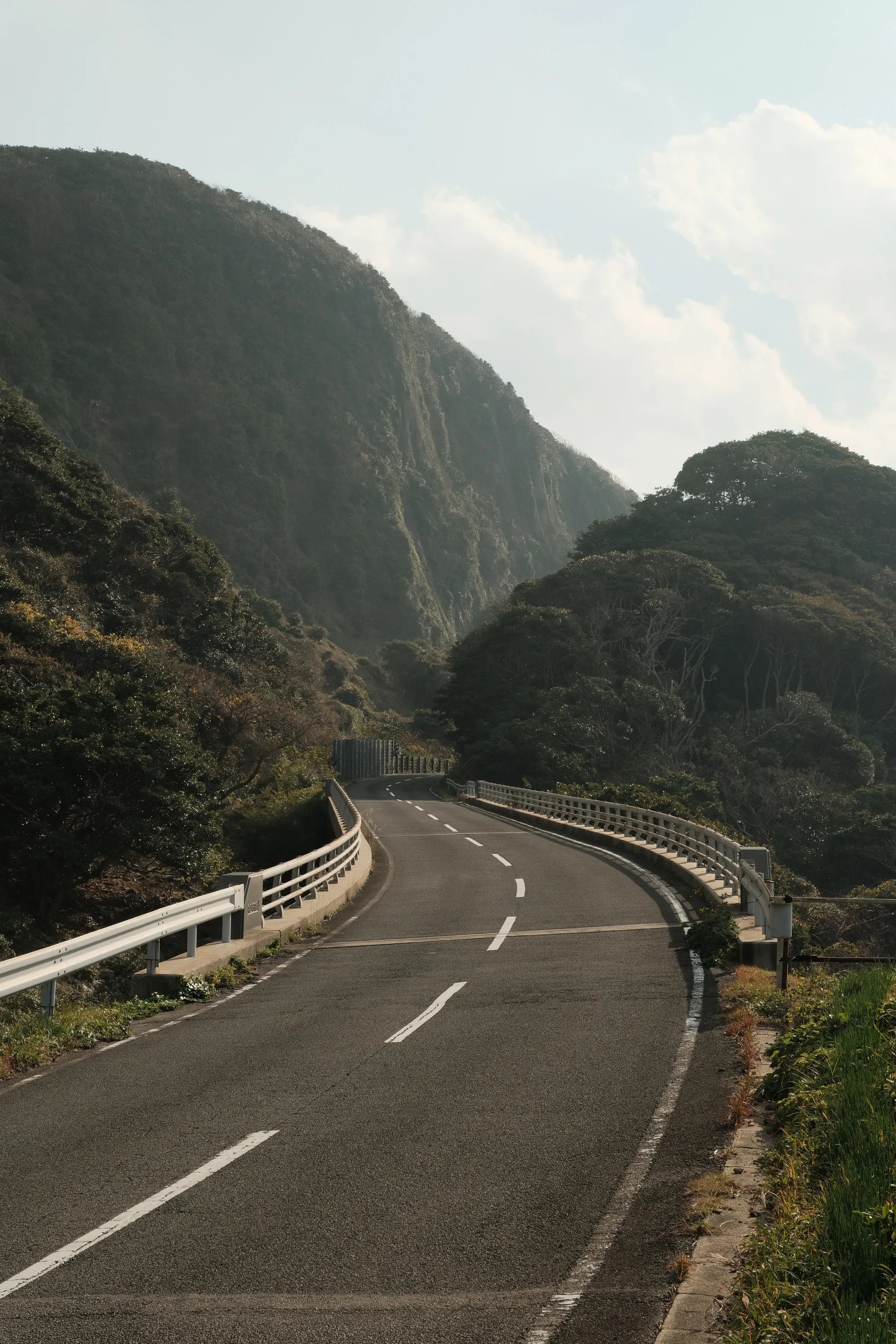
Hollywood sunset road
A short island road trip: weathered harbor buildings, ferry infrastructure, steep green-black cliffs, and ribbon-like roads folding through the landscape with almost nothing between the asphalt and the sea. The road is known to have been used in several Hollywood movies for its unique shape and sunset light
 119
 120
 121
 122
 123
 124
 125
 126
 127
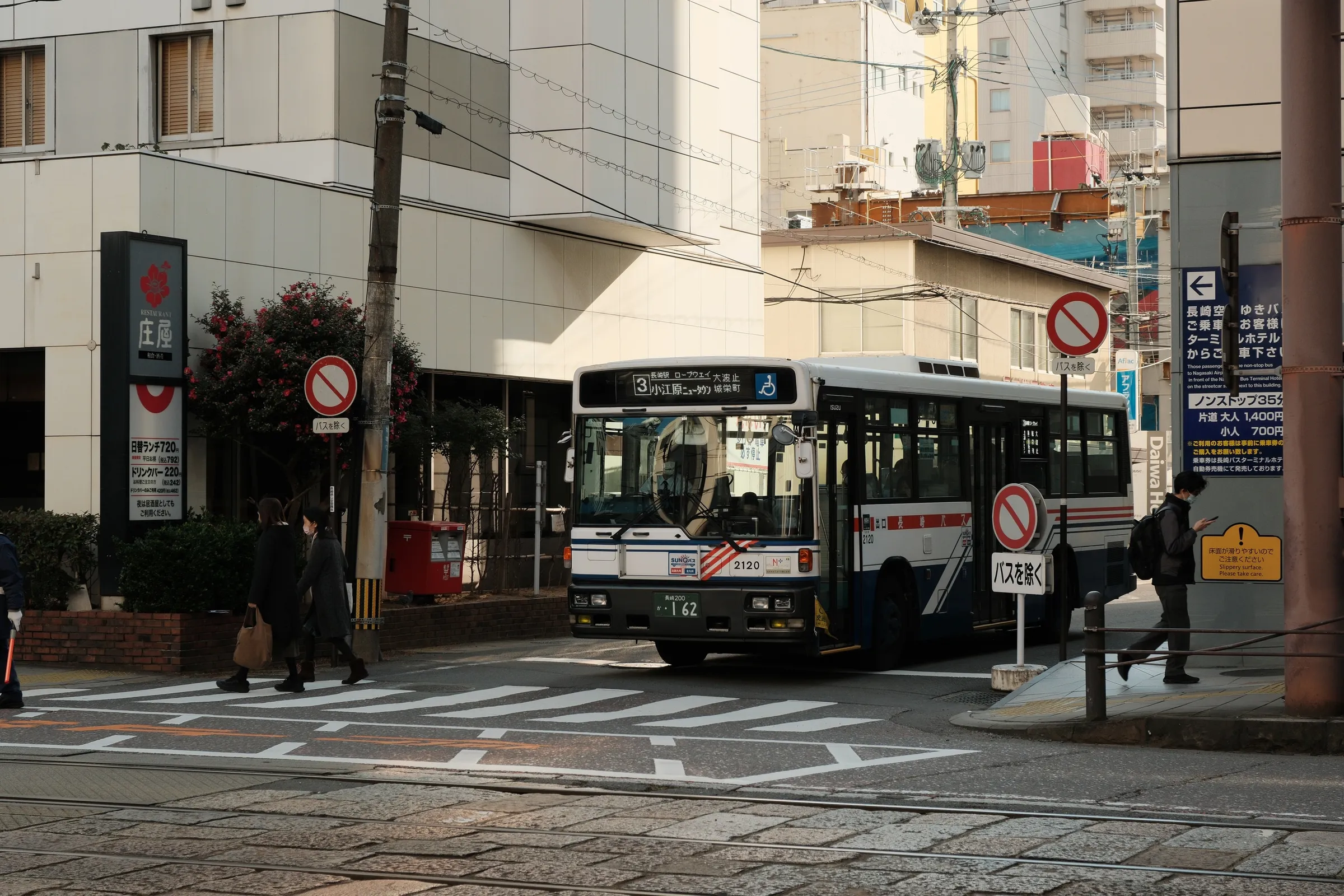
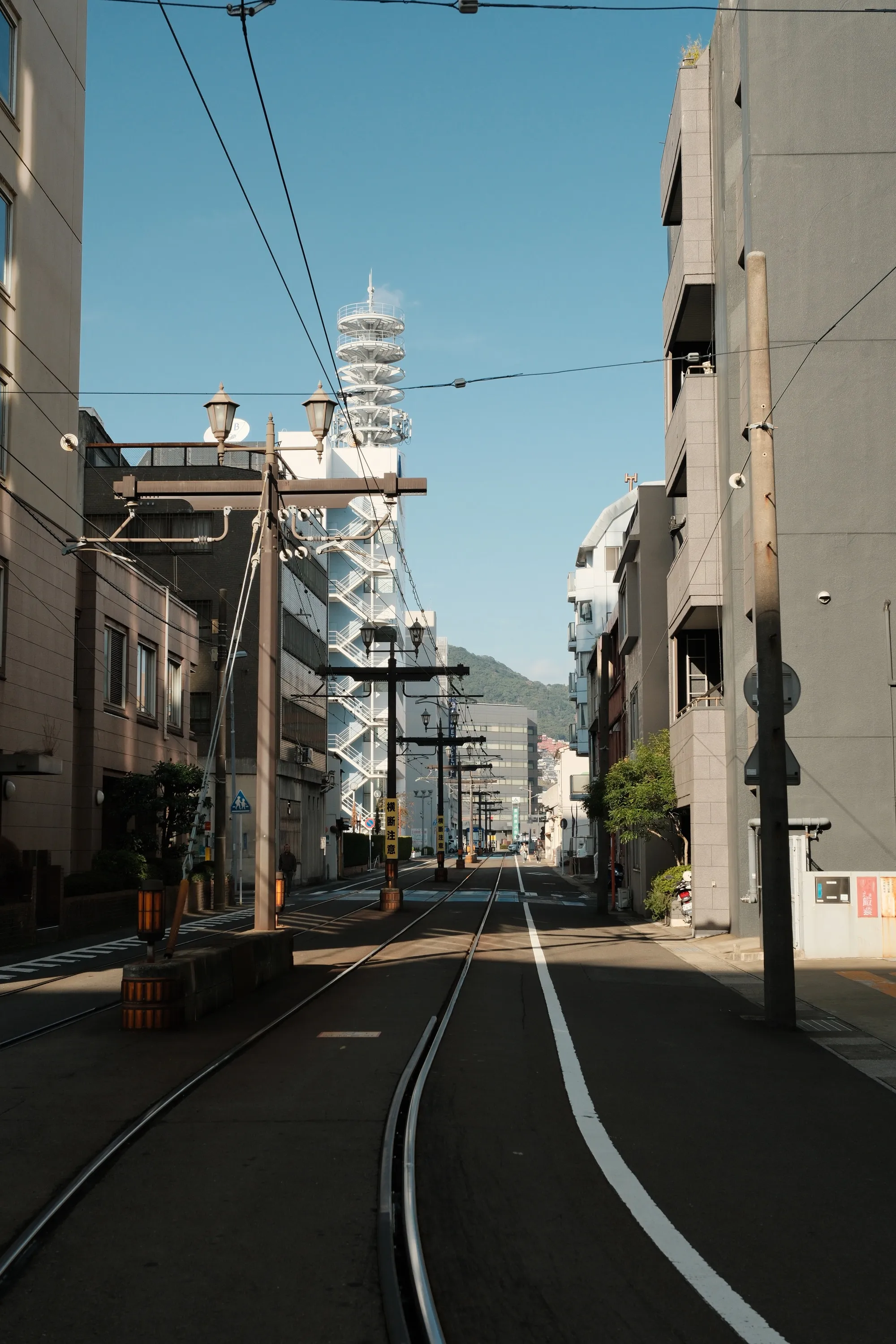
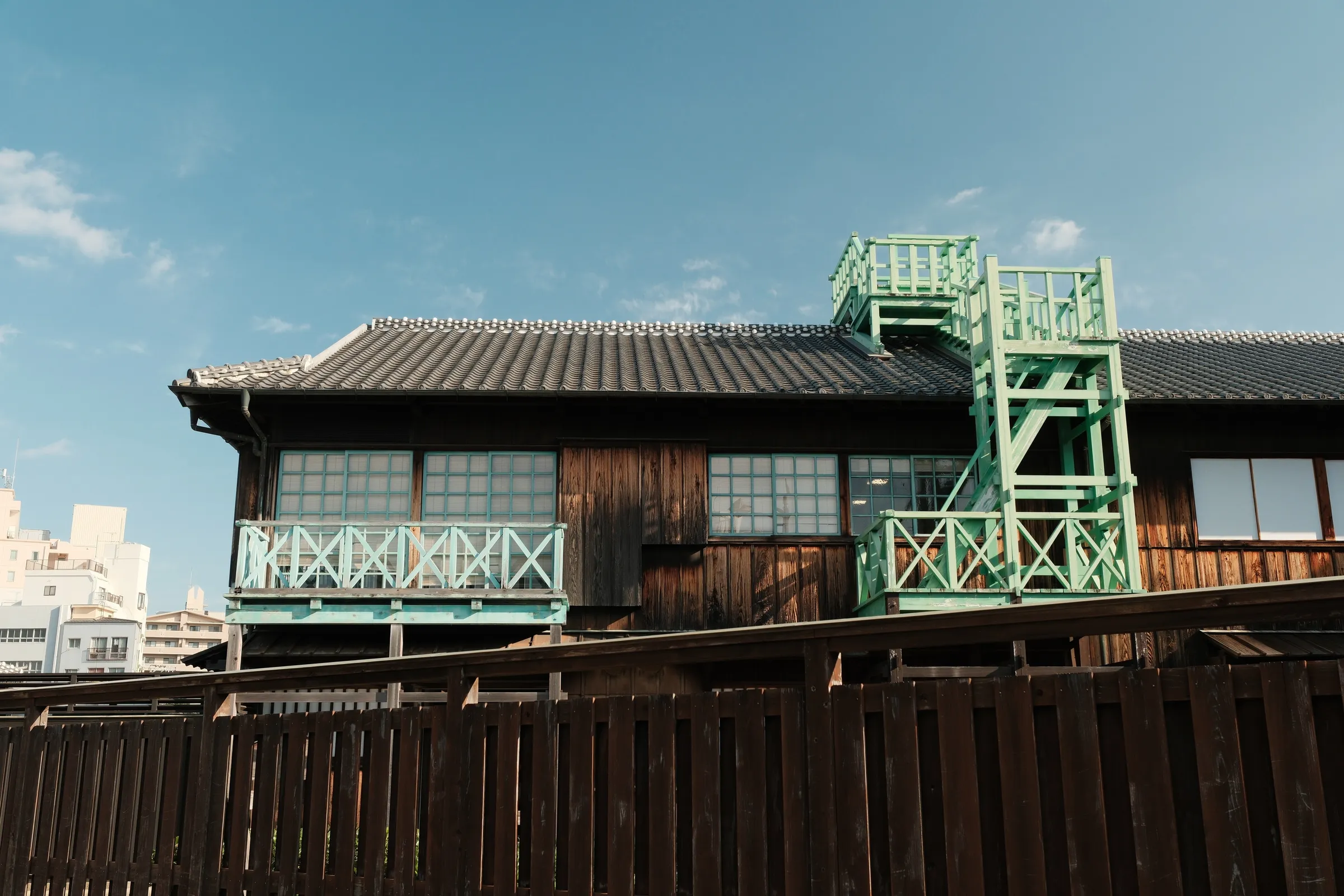
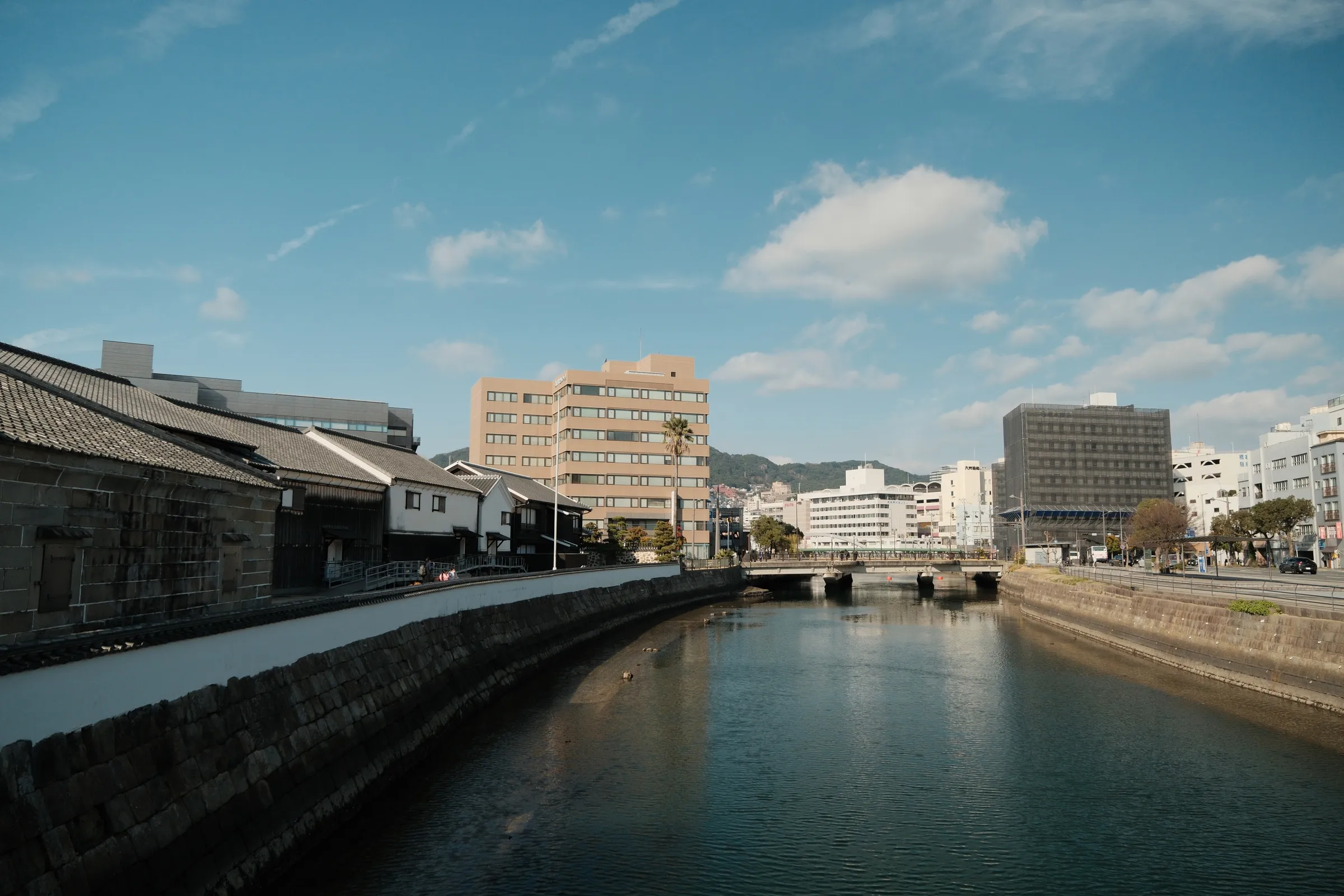
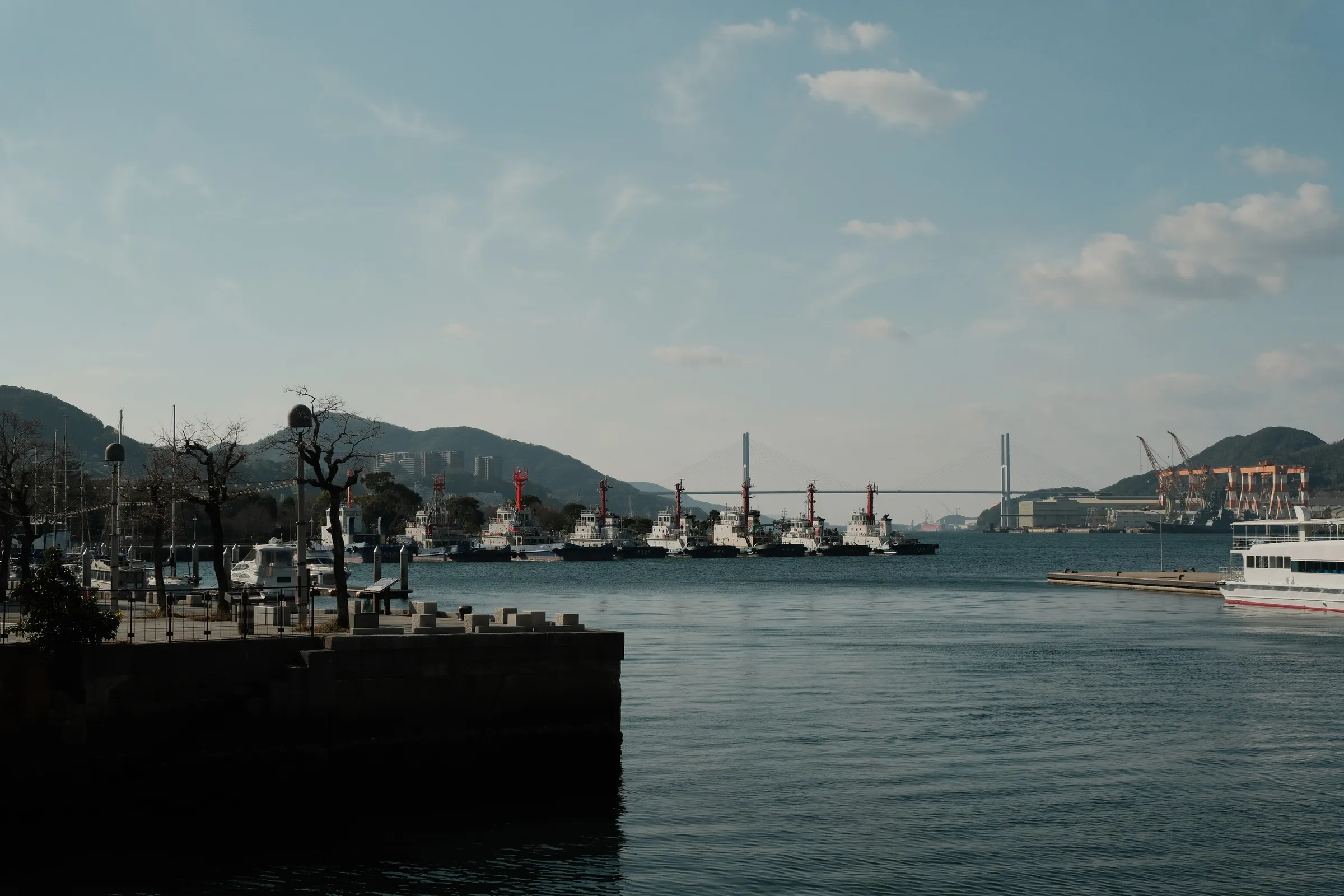
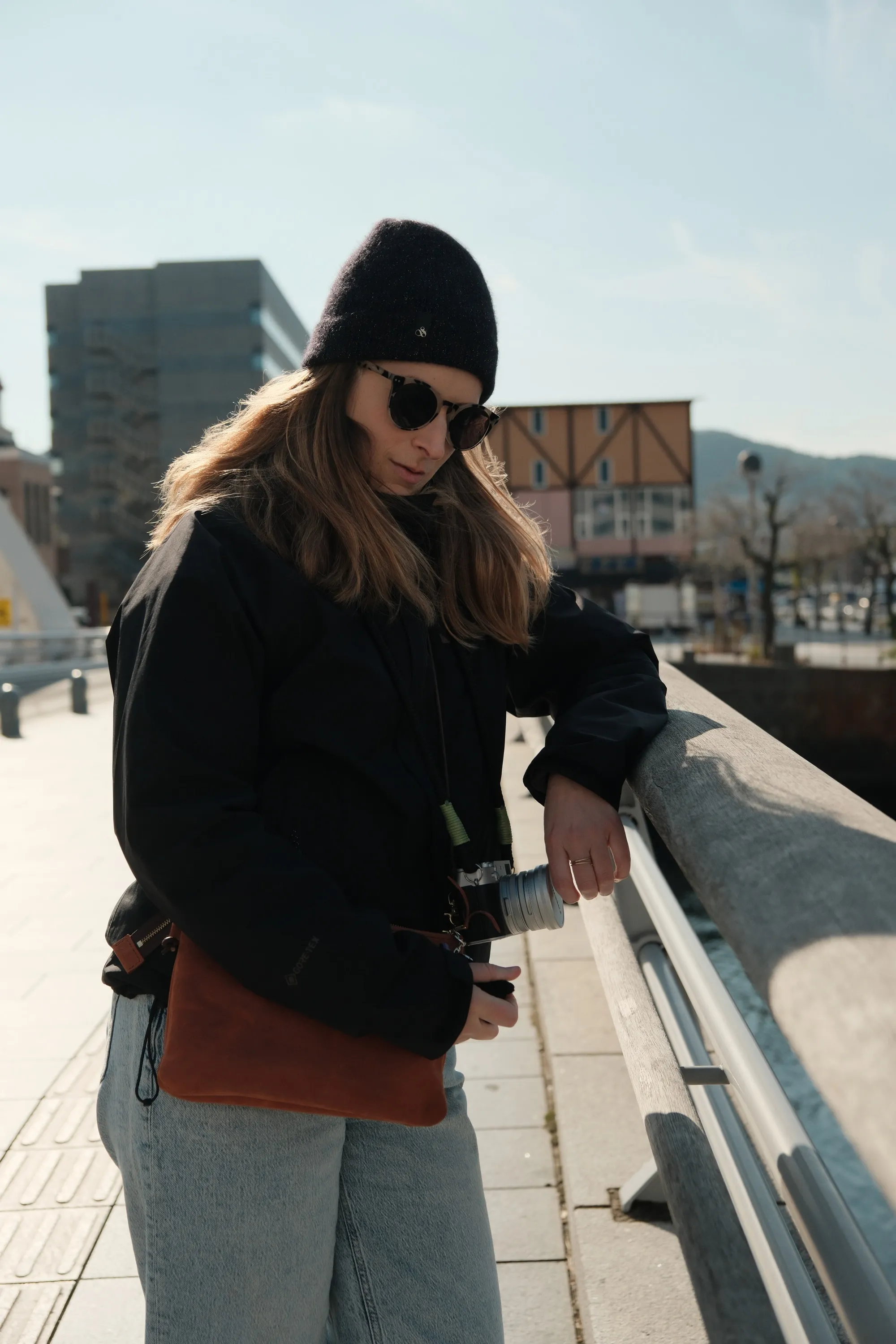
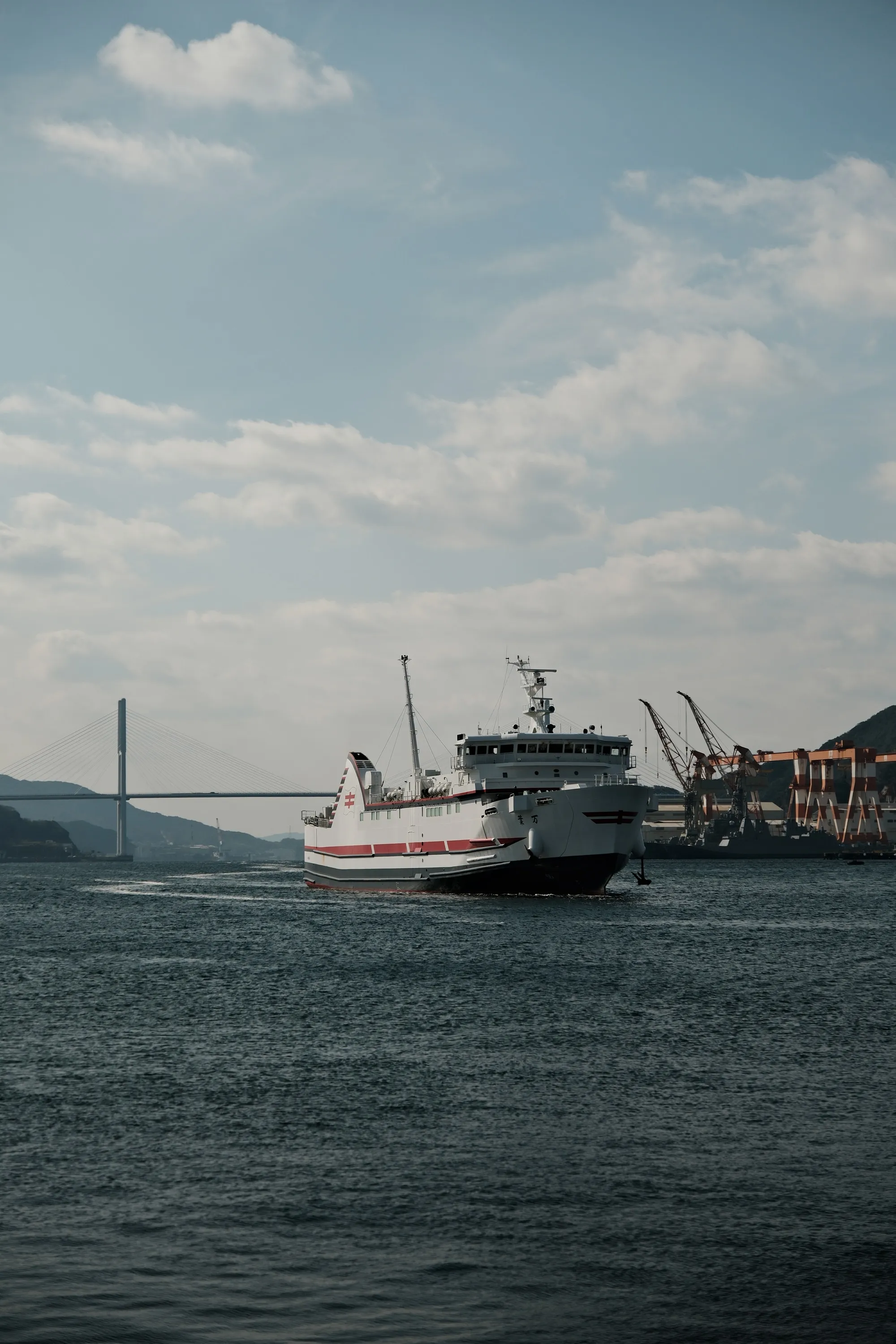
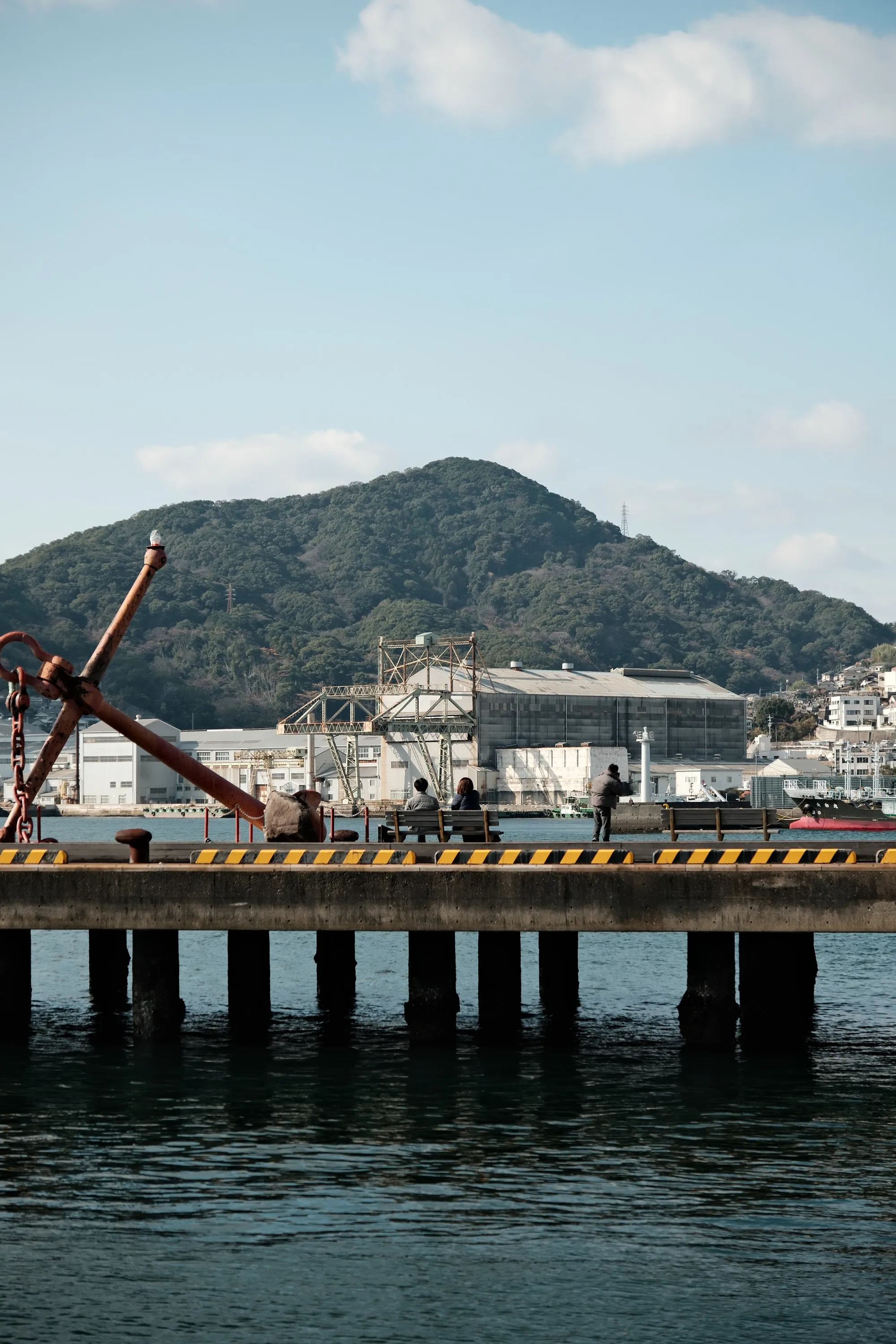
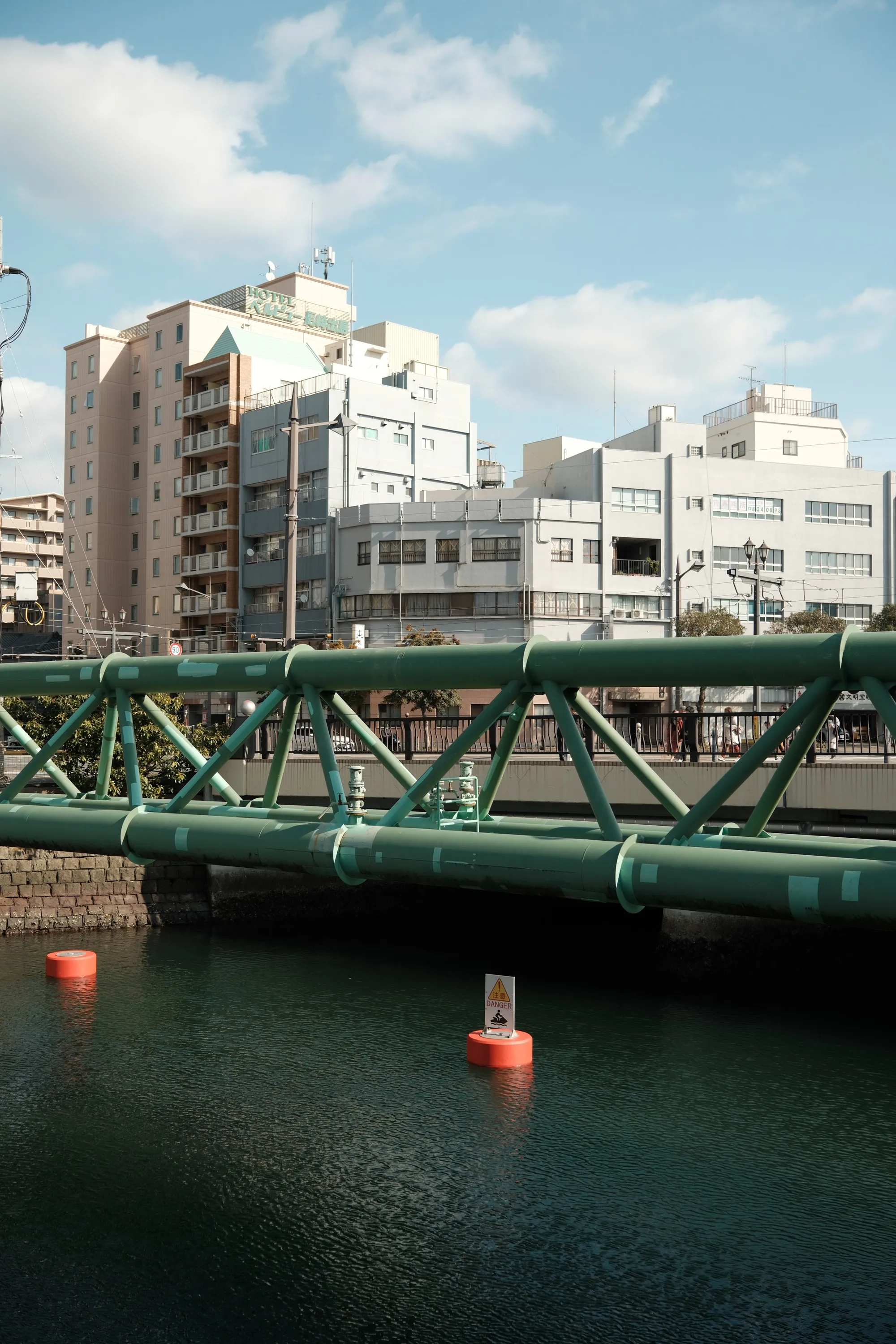
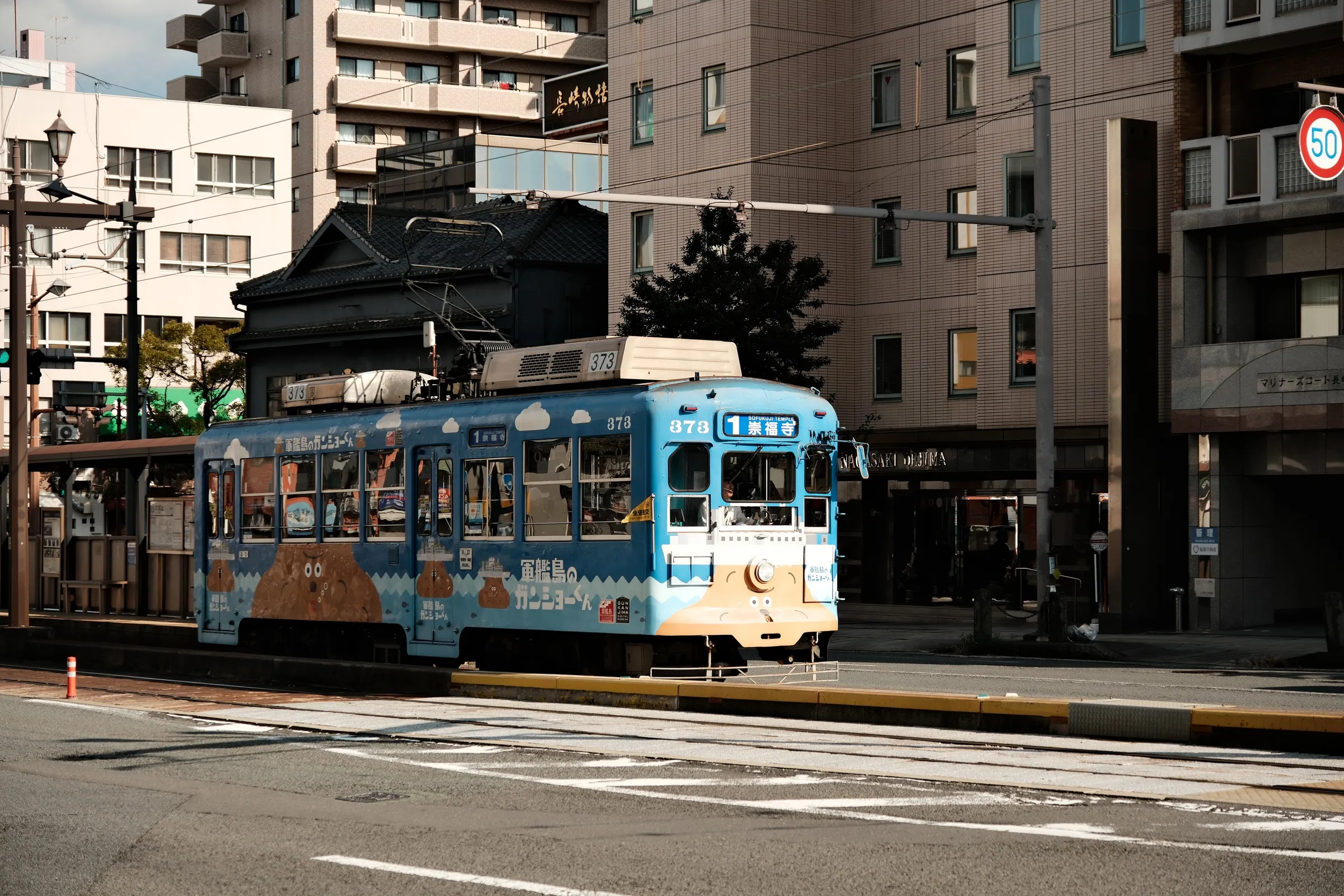
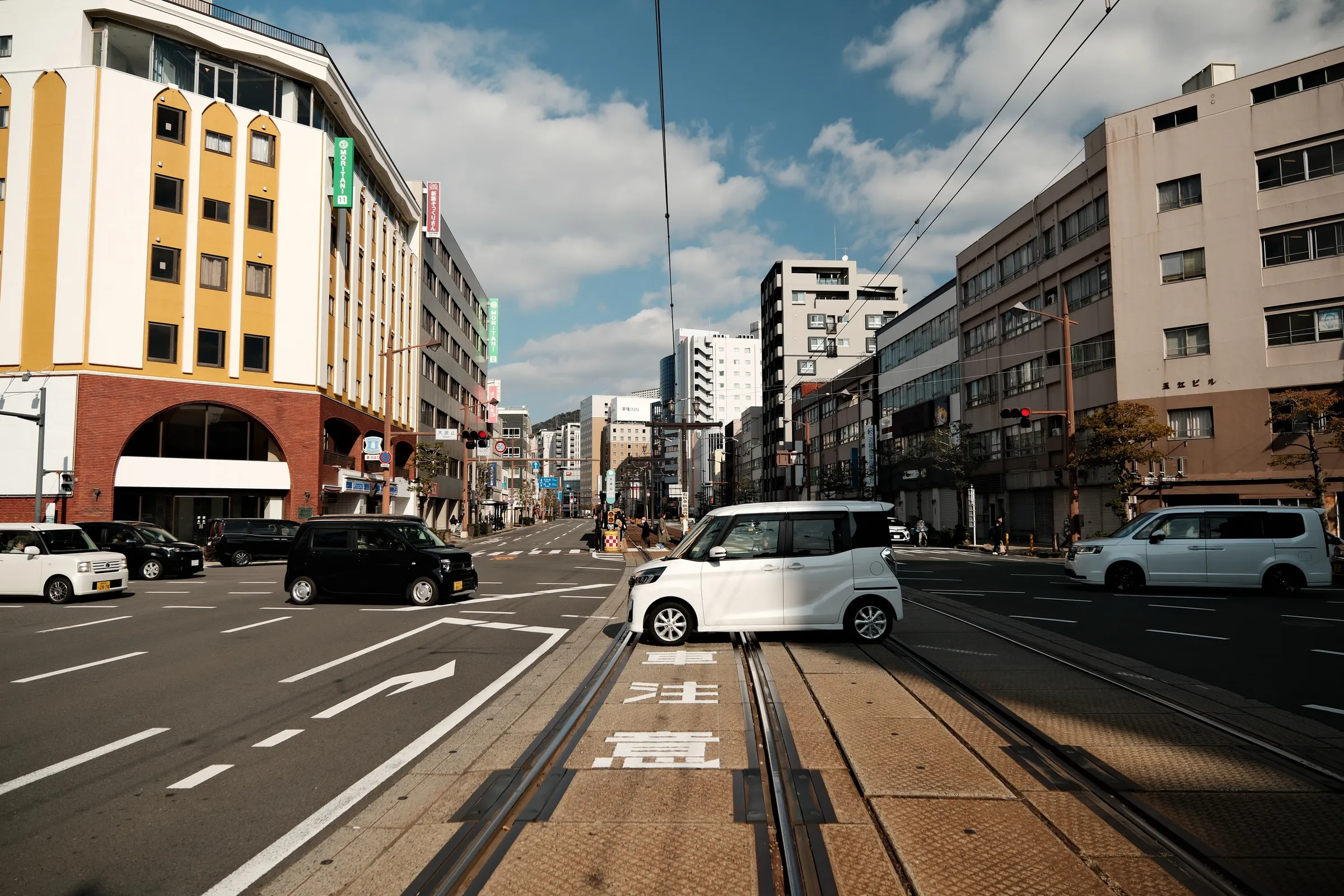
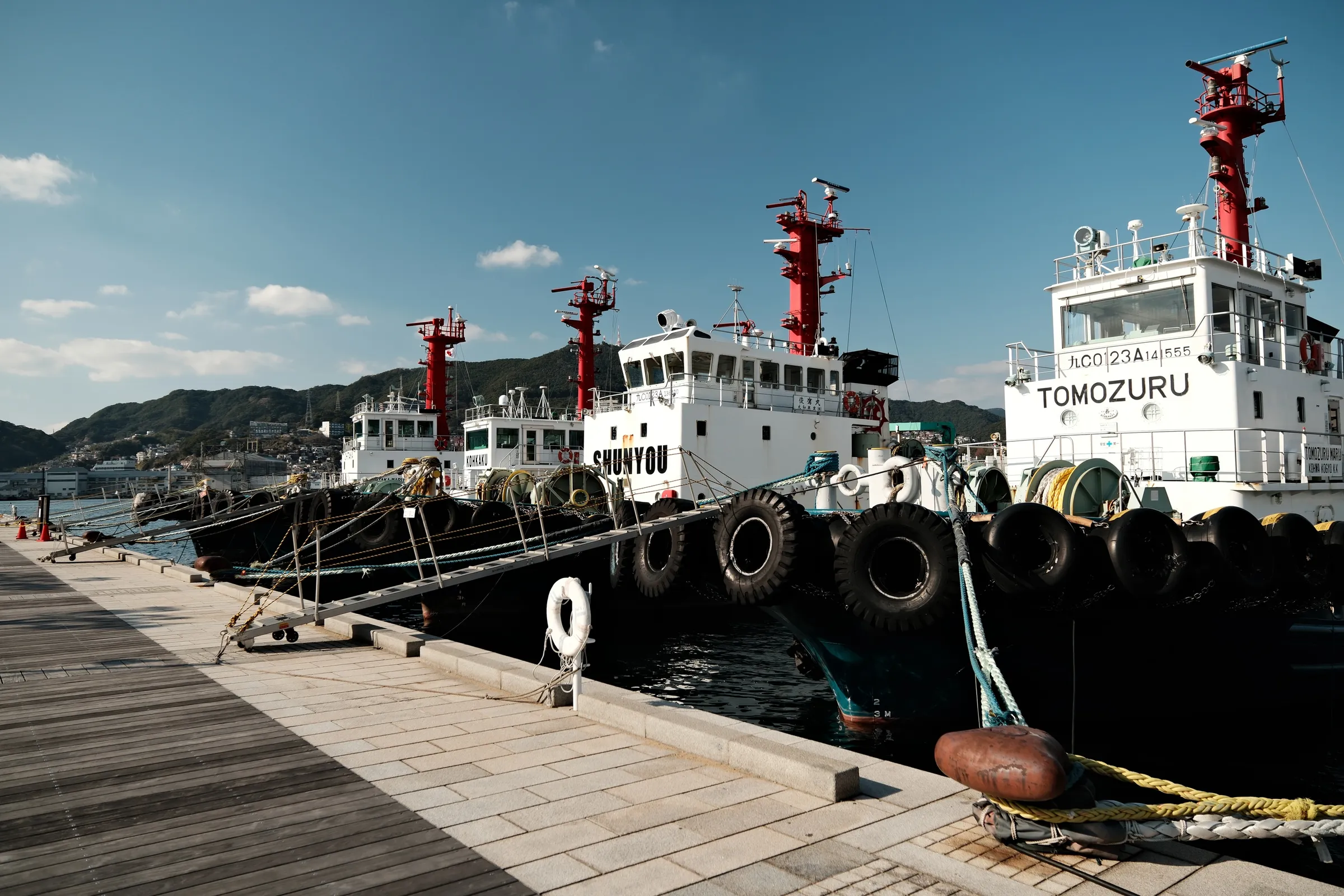
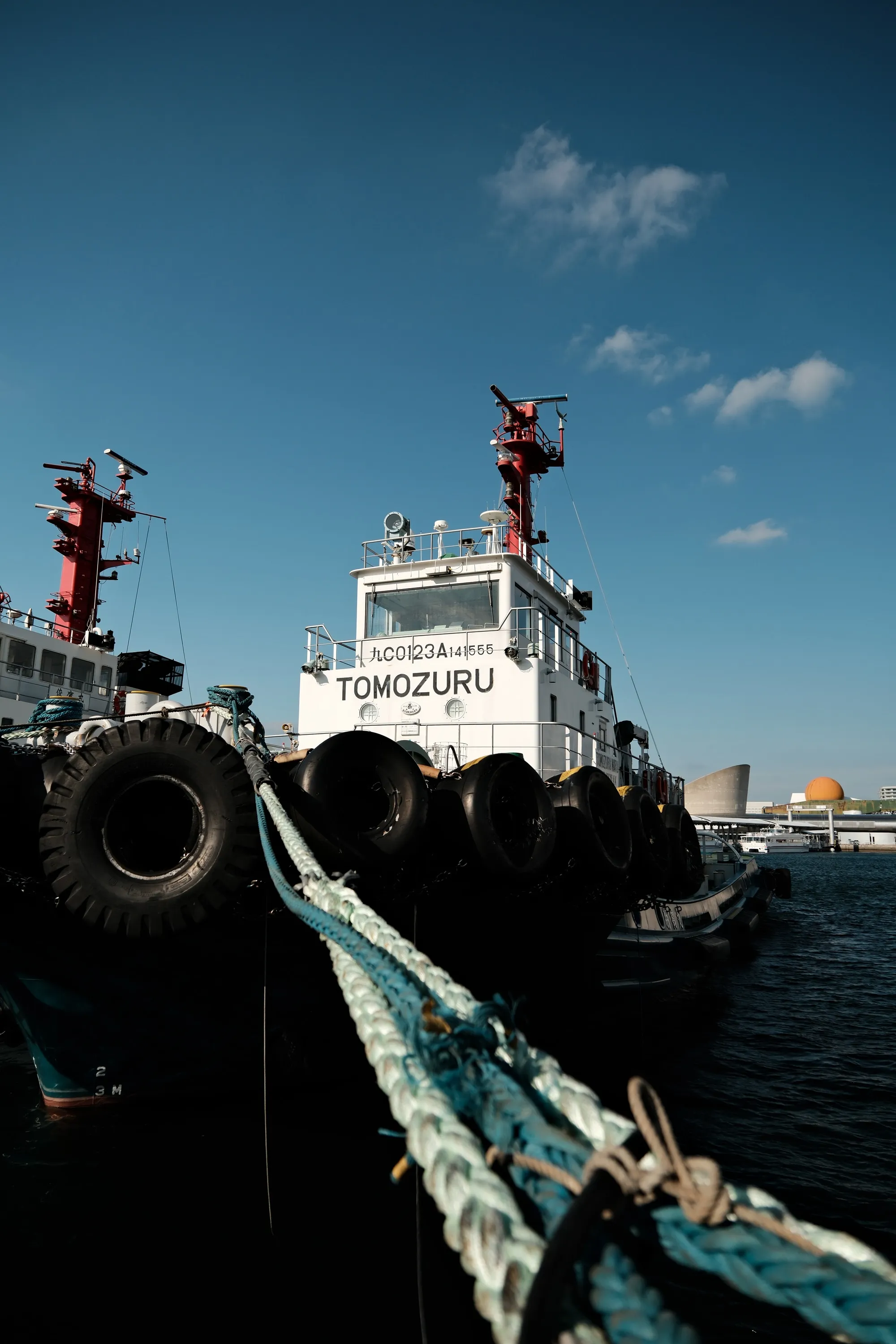
Trams, water and working ships
Nagasaki opens toward the harbour. Streetcars, bridges and waterfront buildings sit beside ferries and working boats, with hills closing the horizon. A compact city with a distinctly maritime rhythm, photographed in crisp winter light.
 128
 129
 130
 131
 132
 133
 134
 135
 136
 137
 138
 139
 140
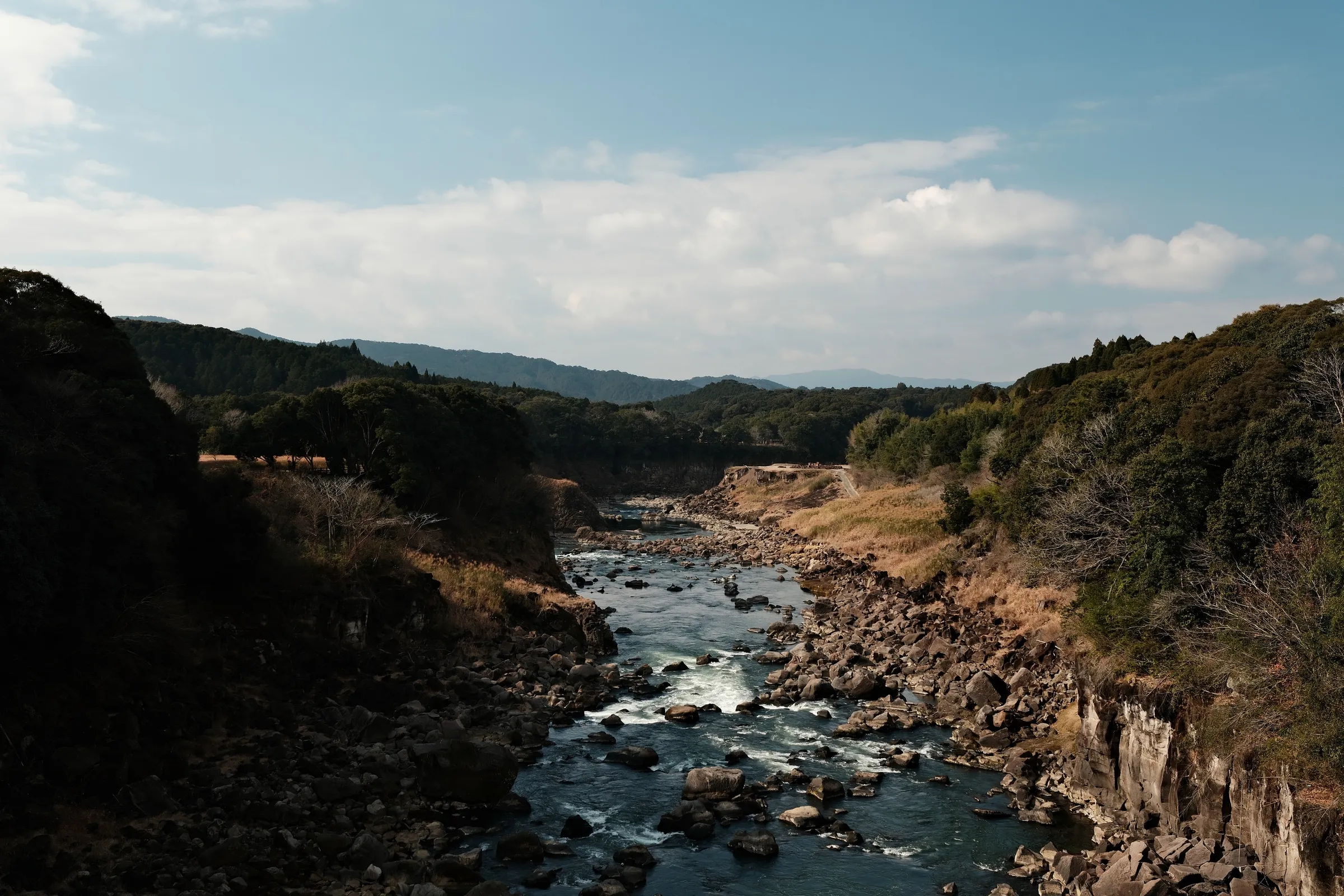
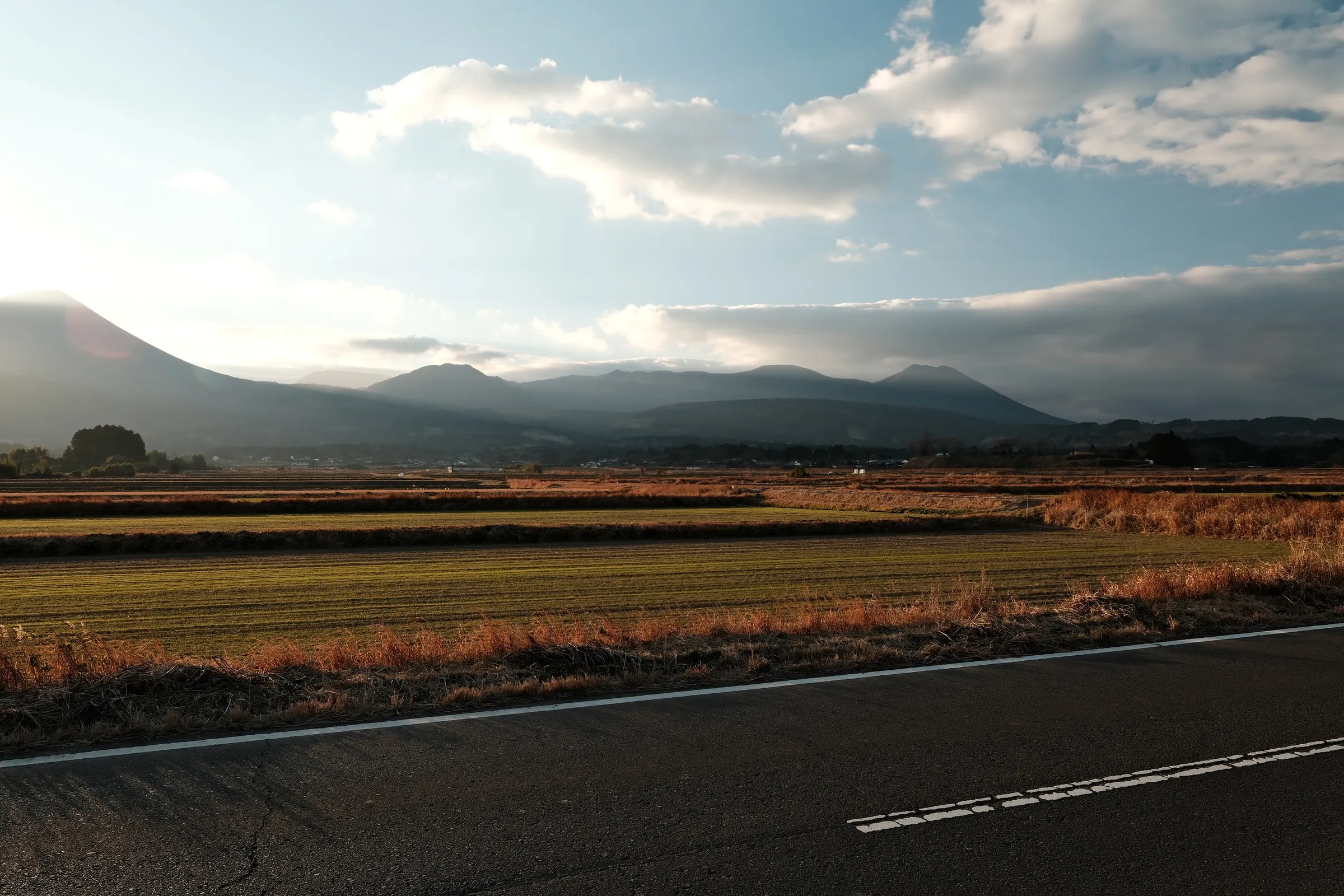
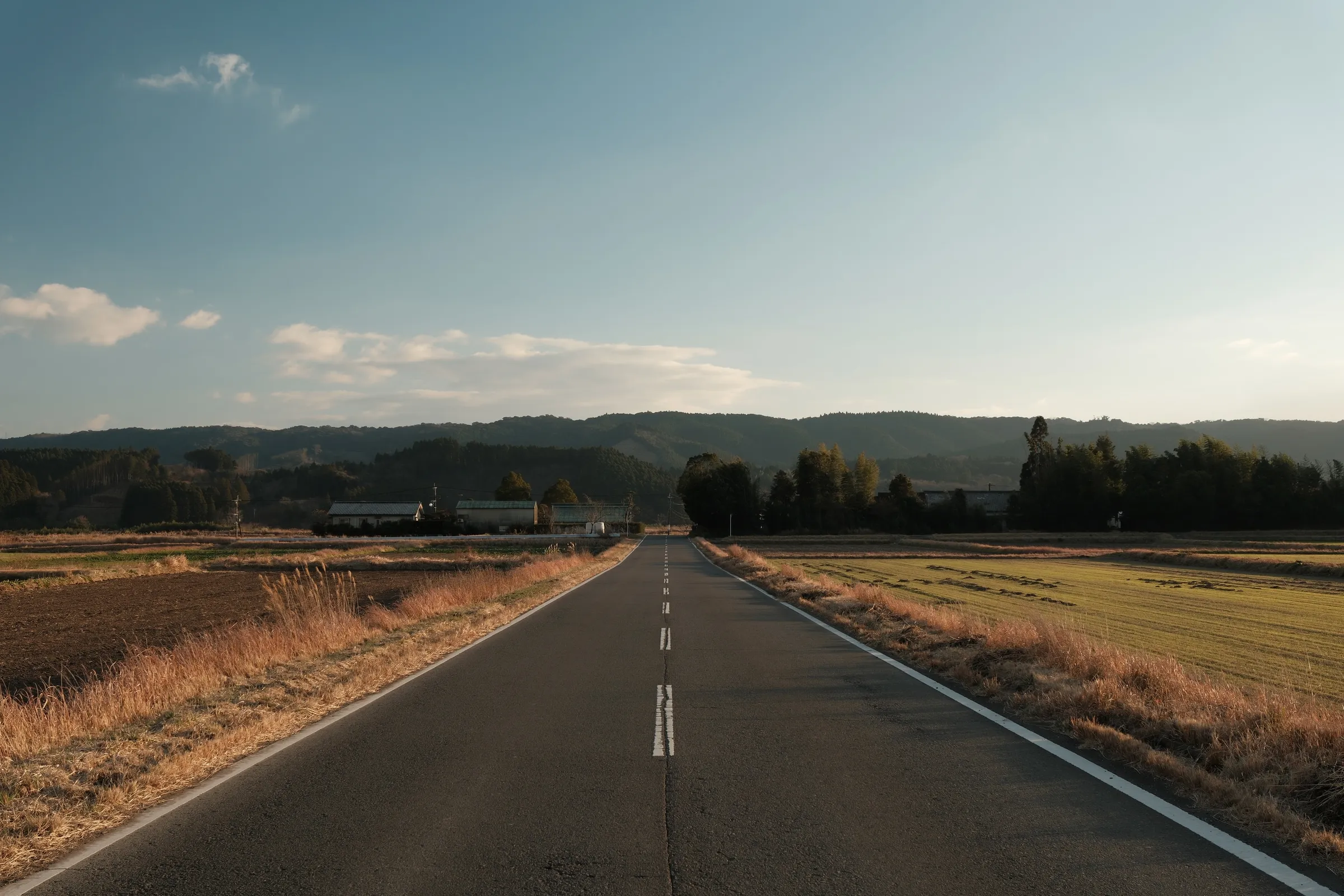
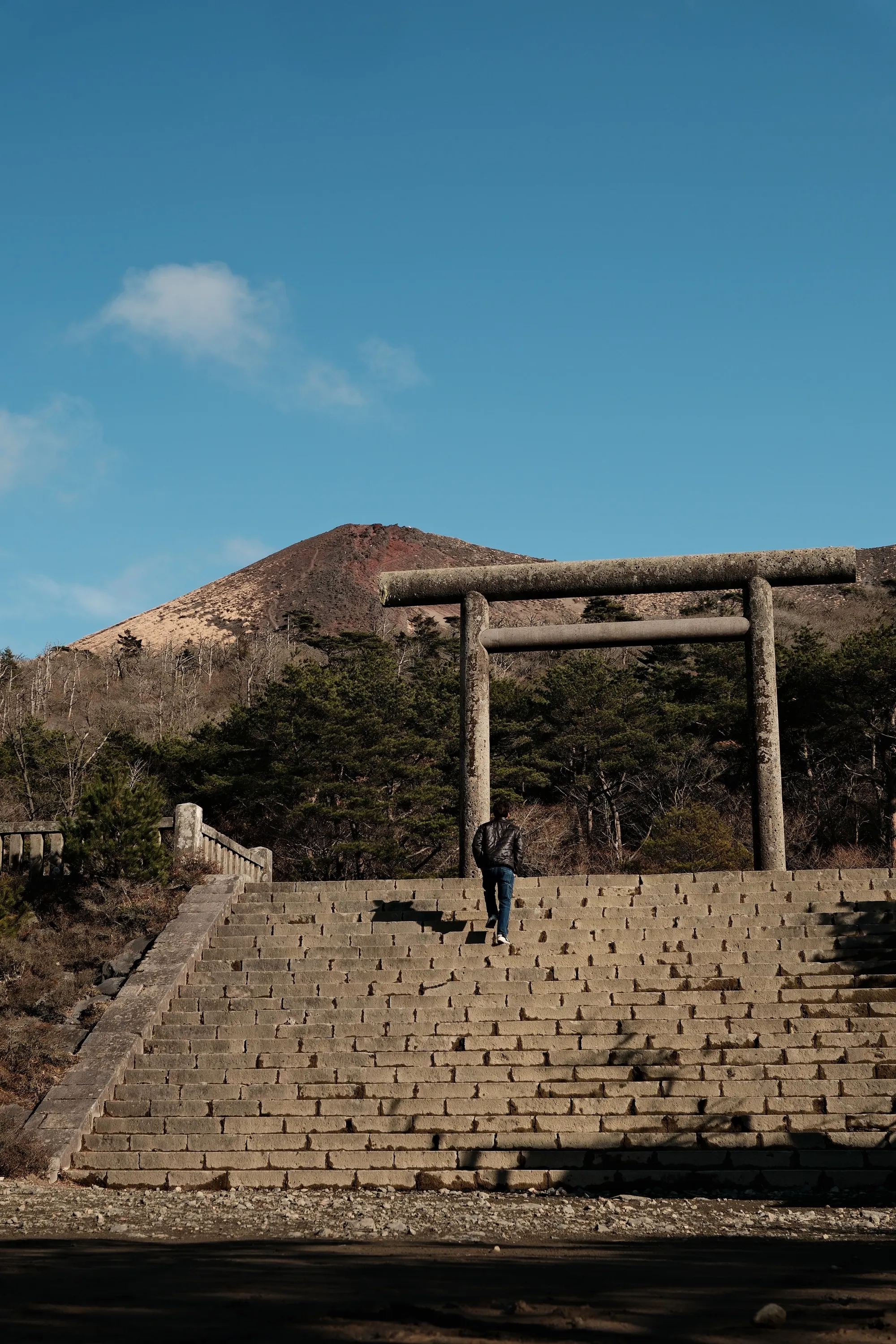
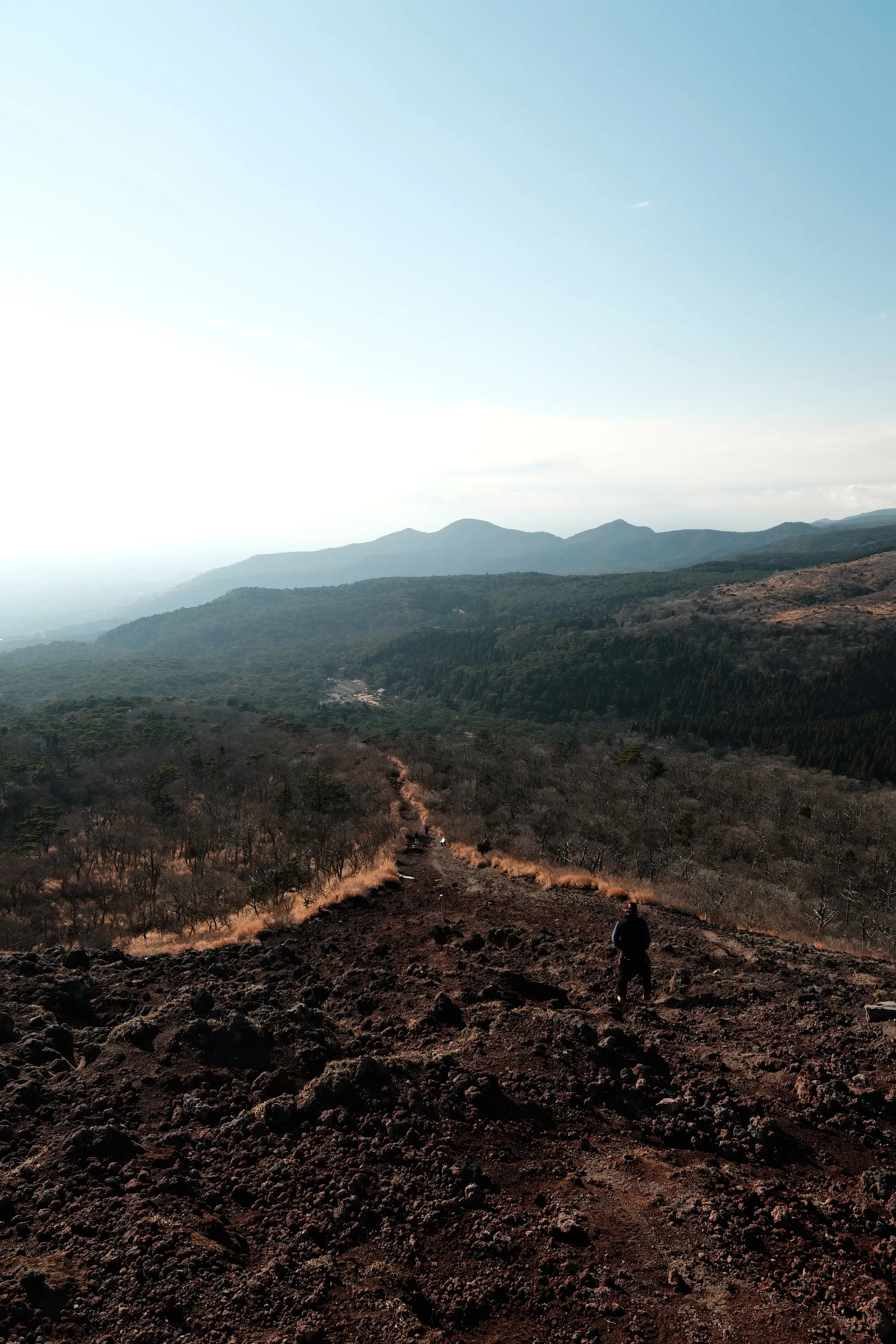
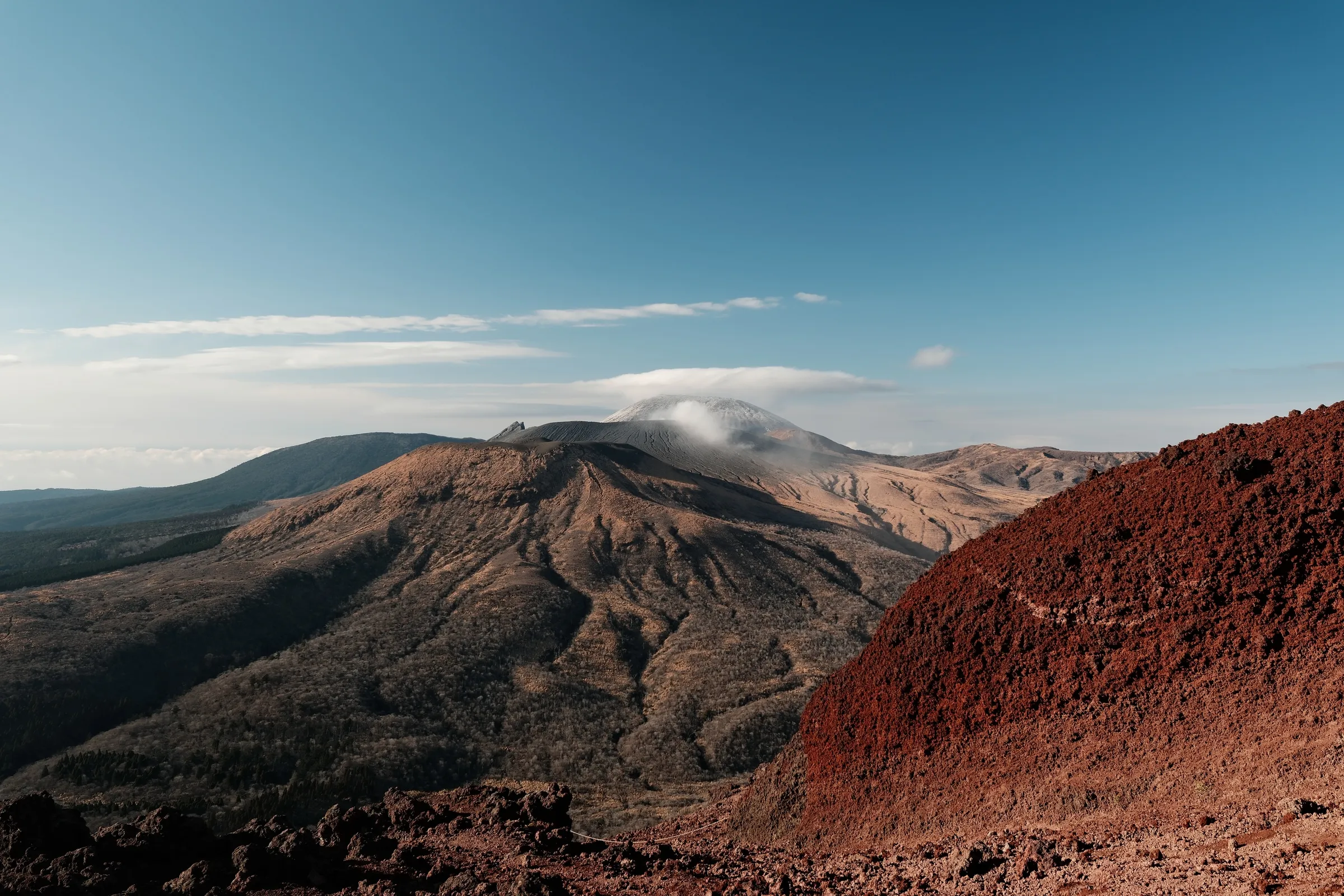
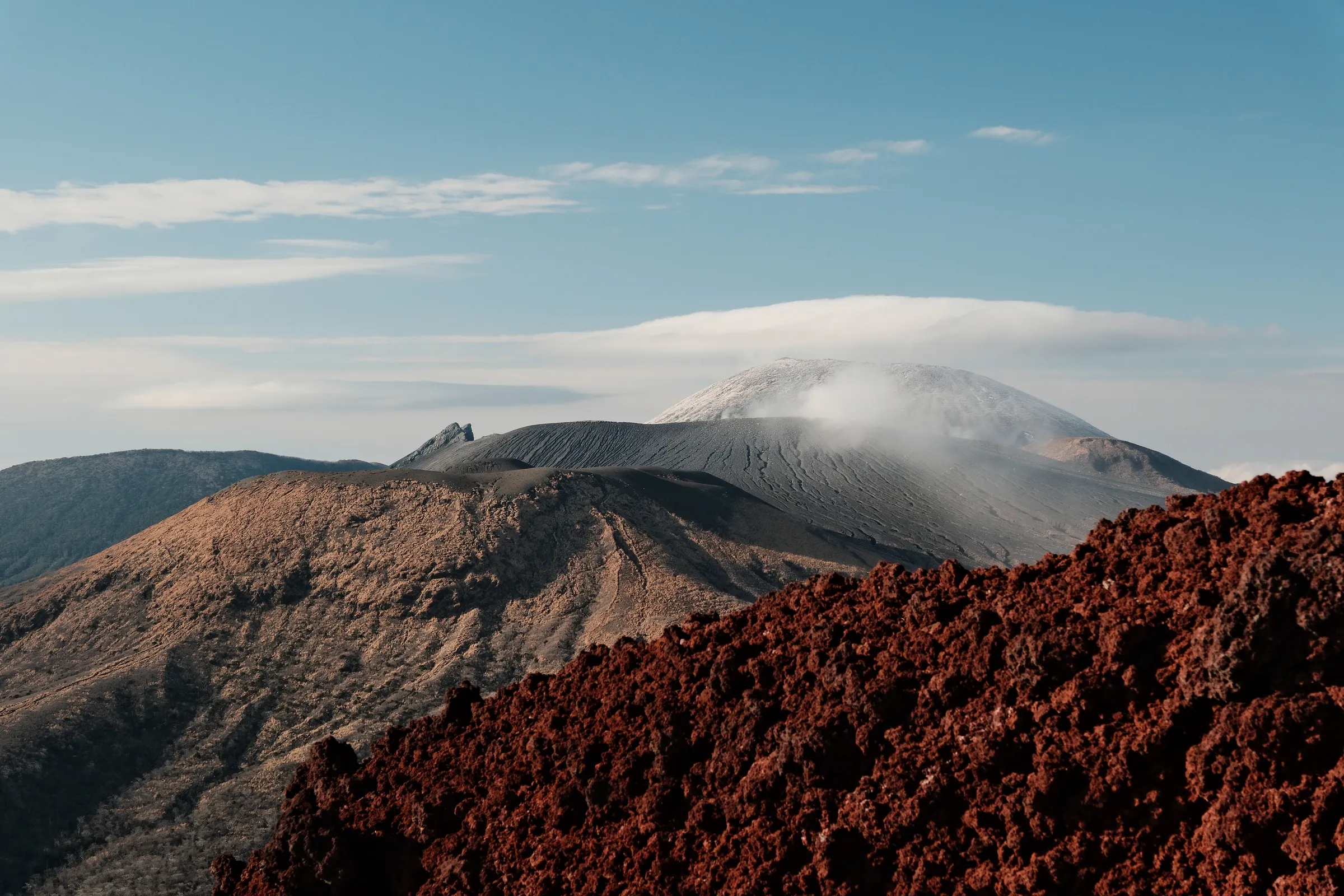
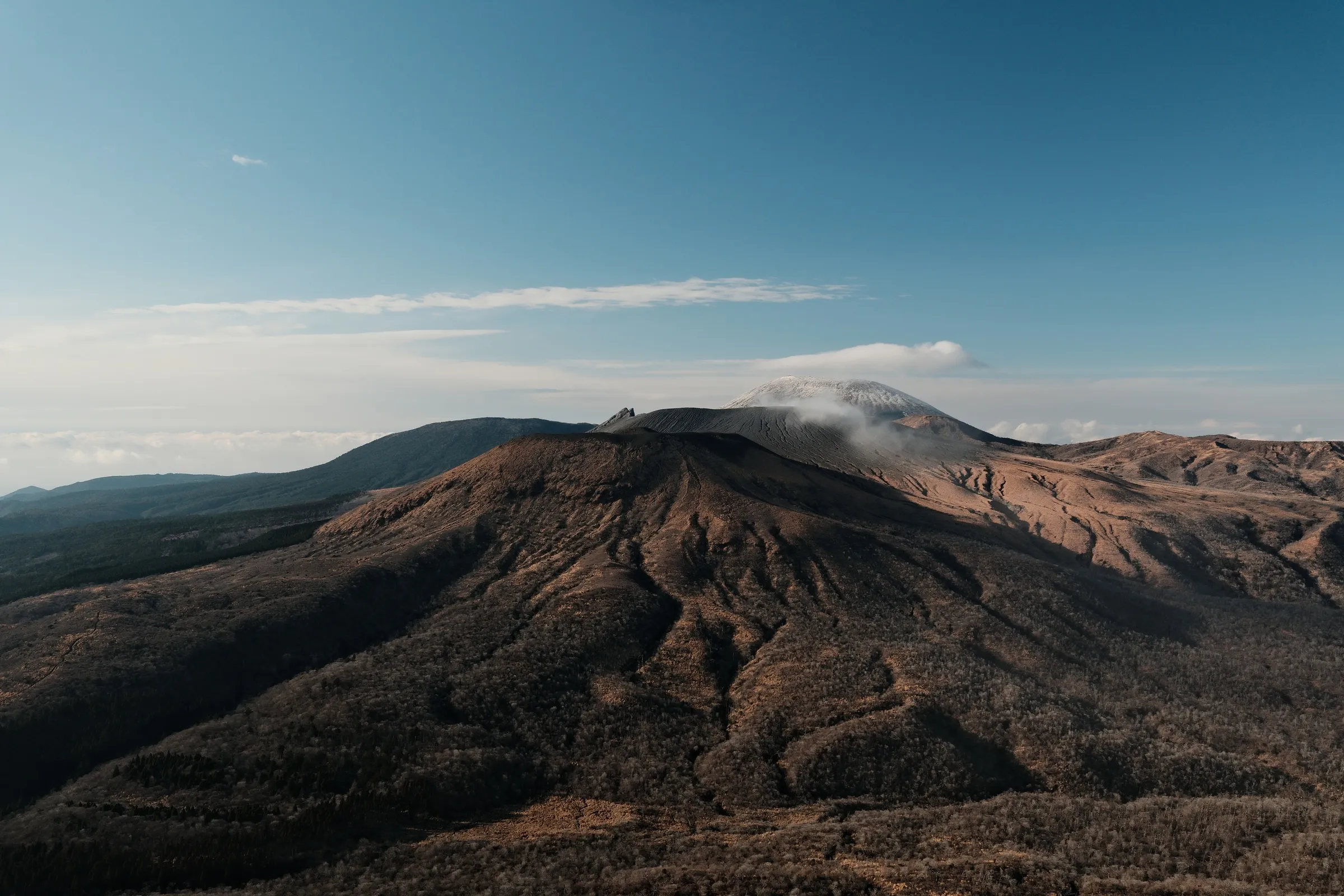
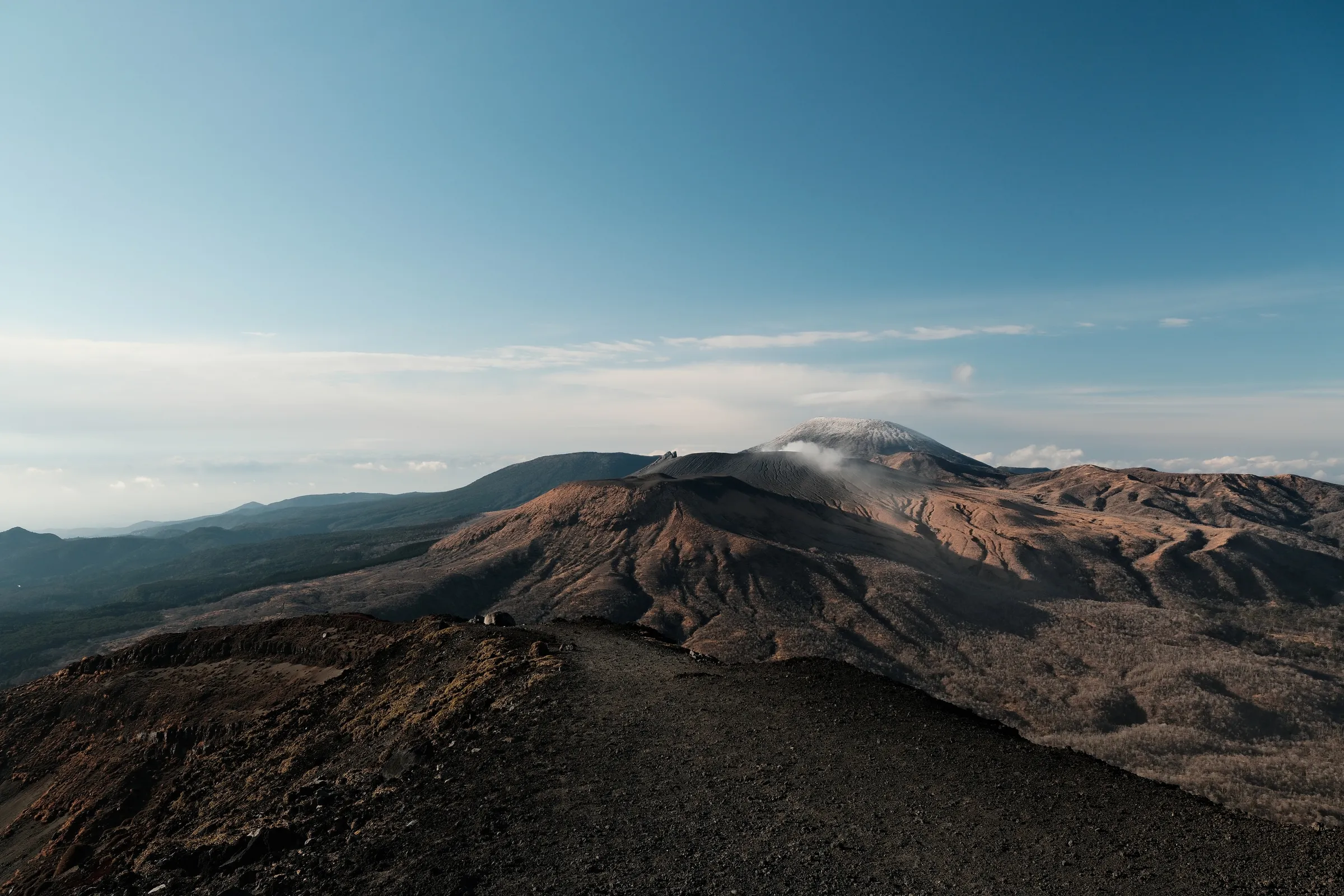
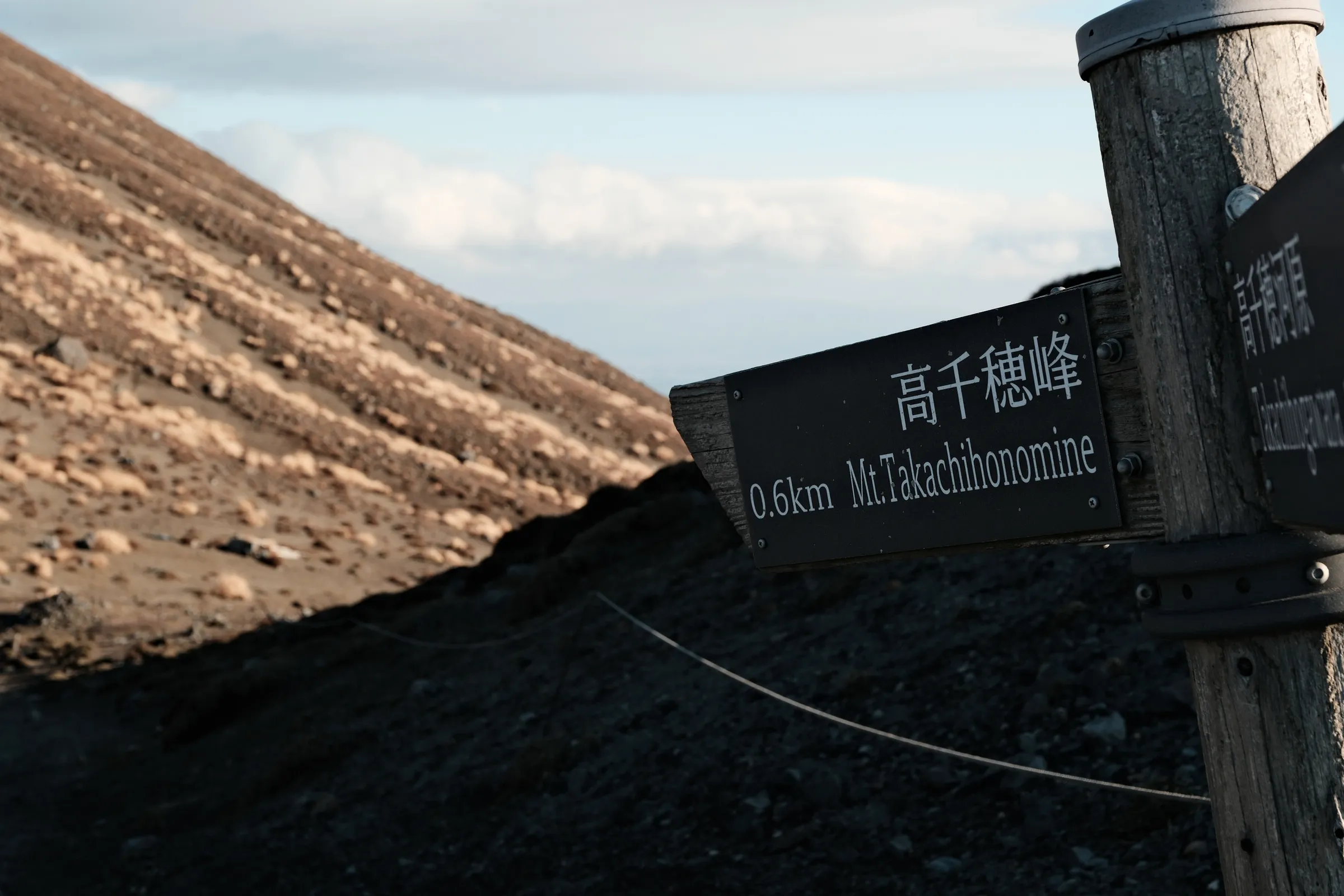
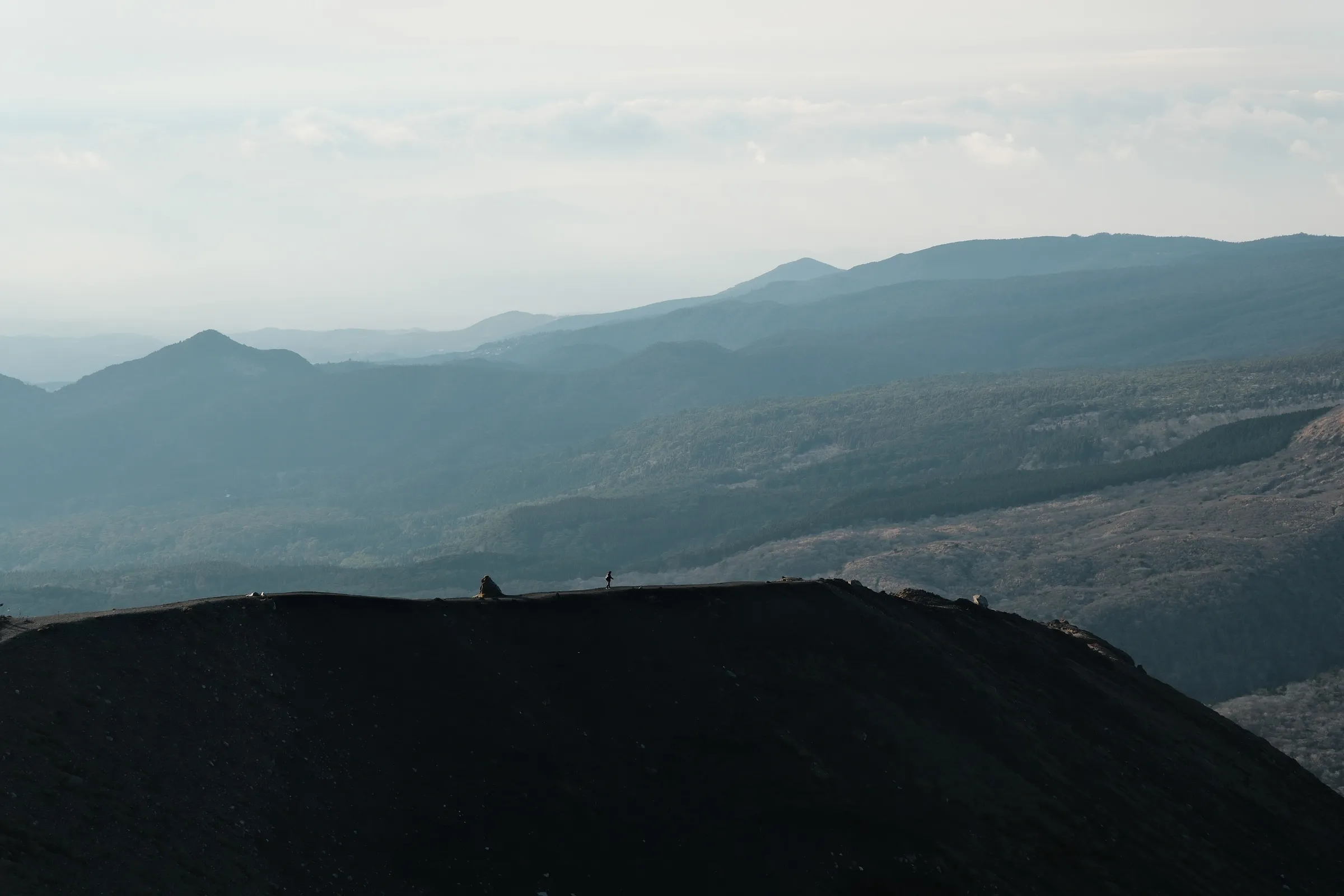
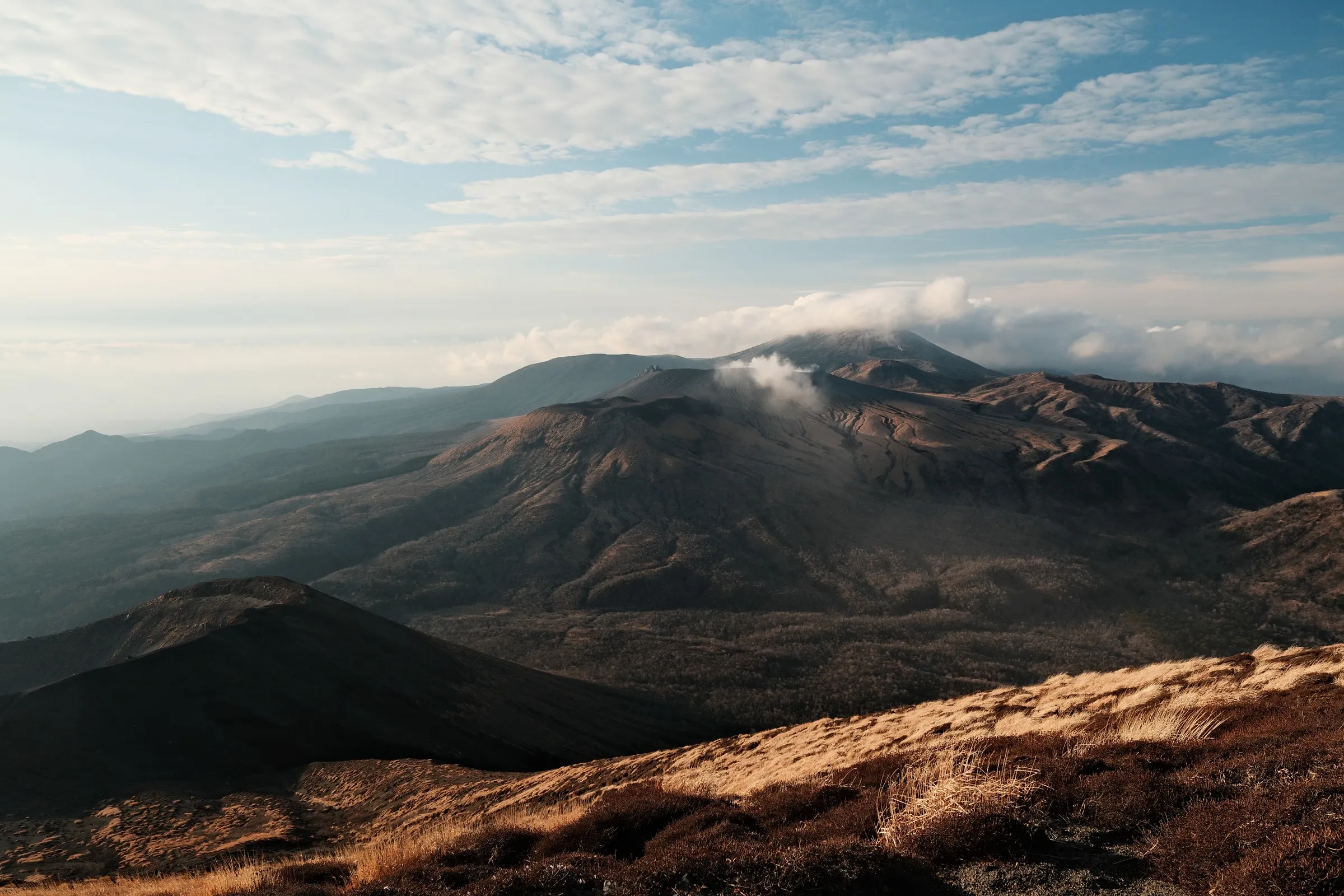
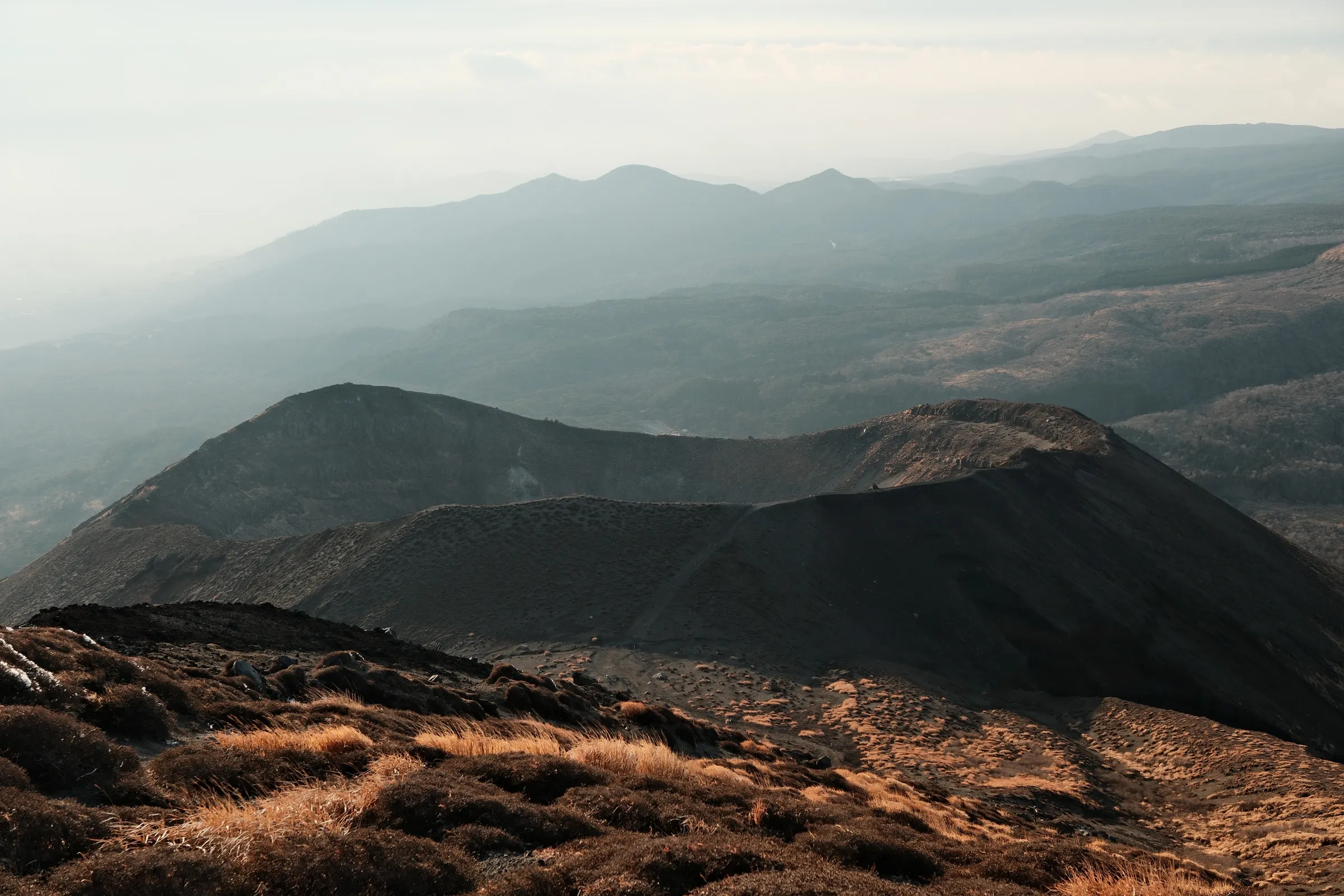
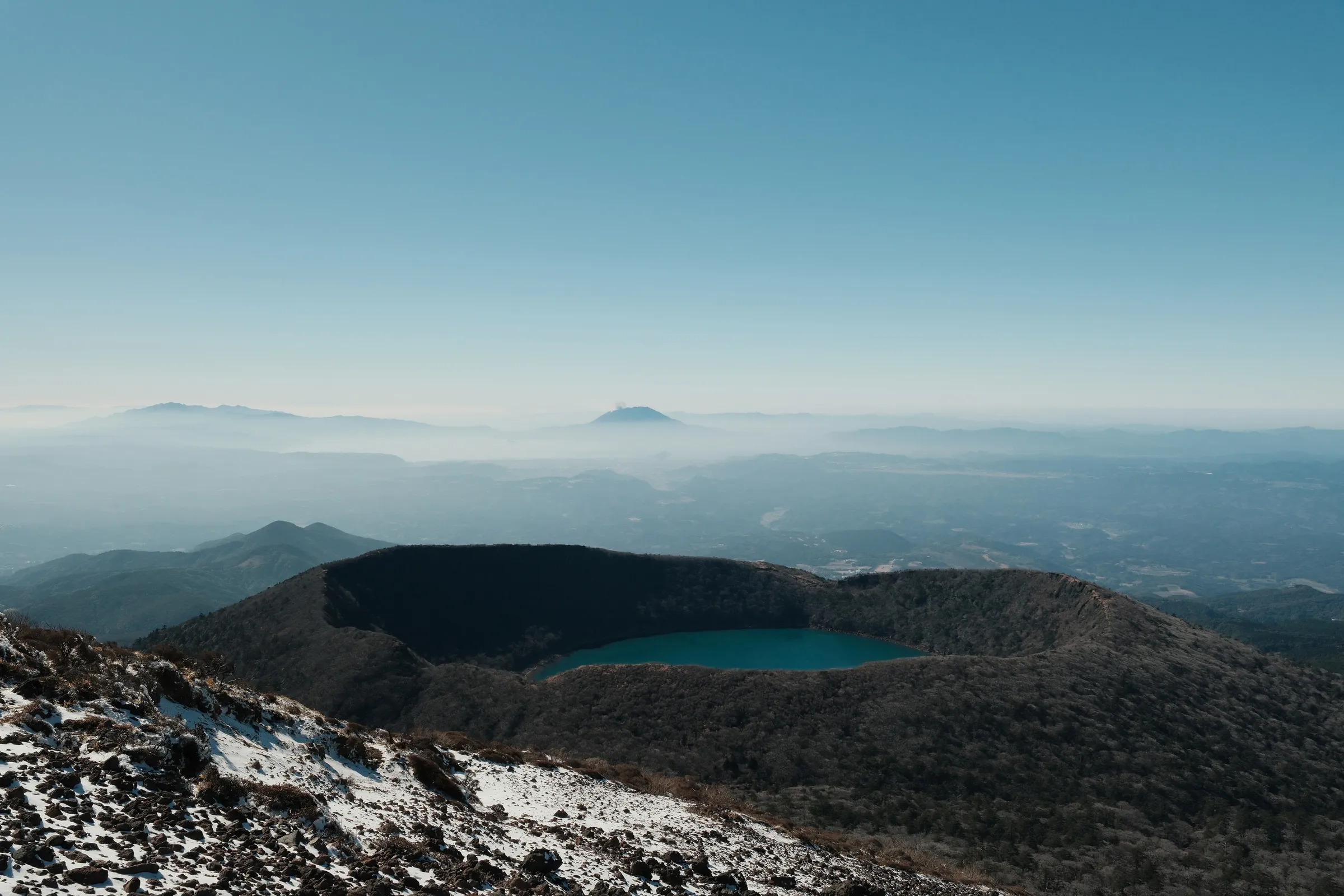
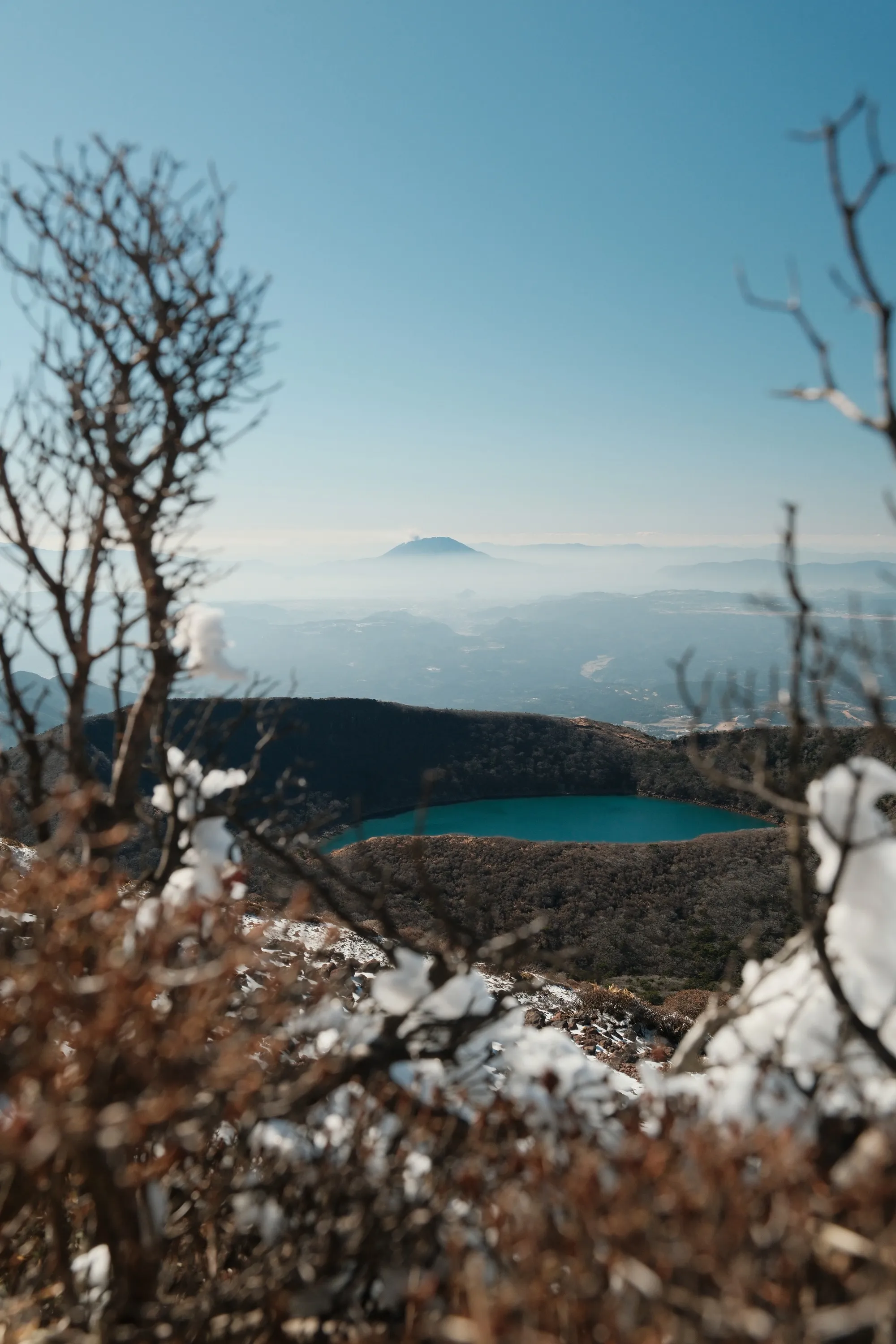
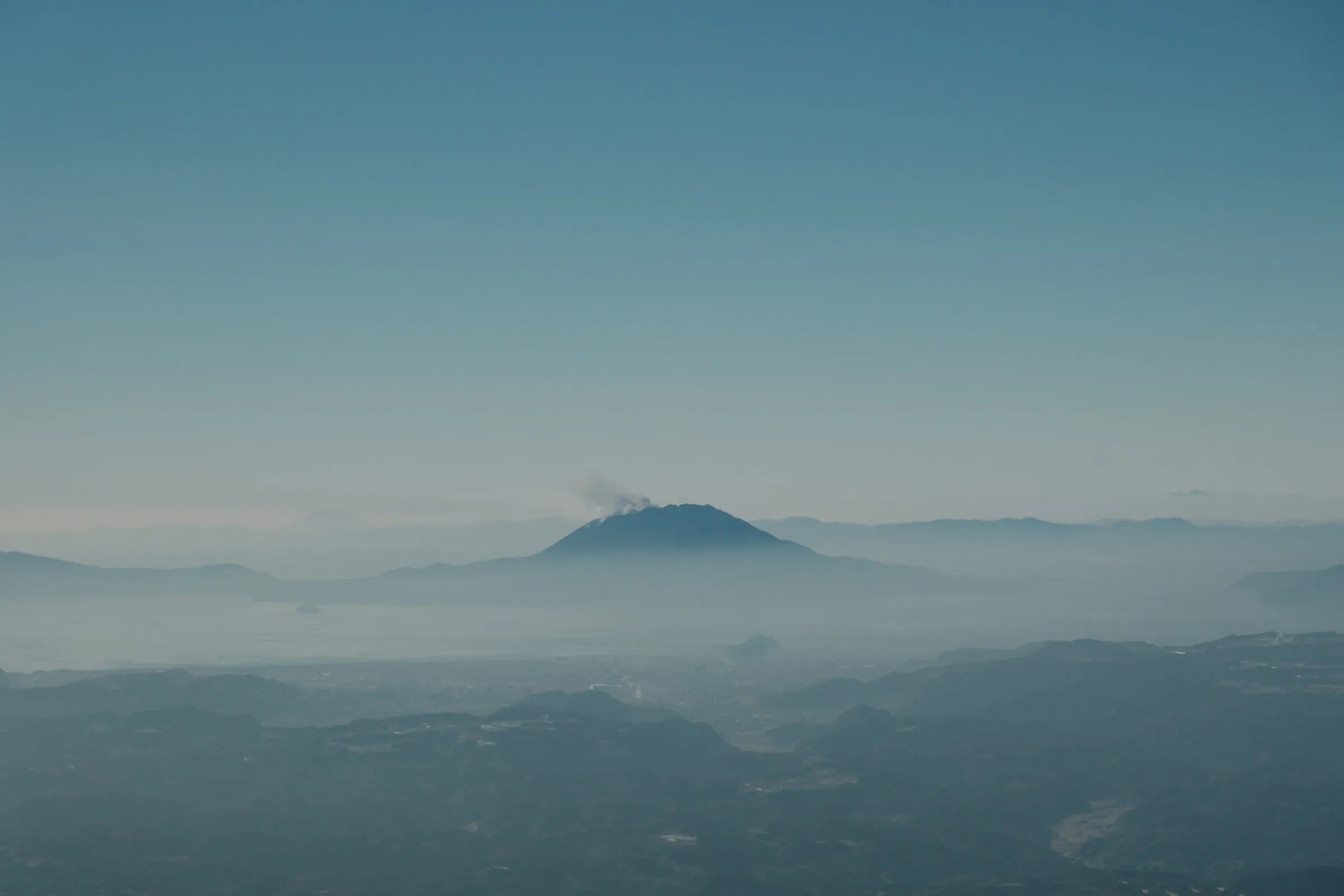
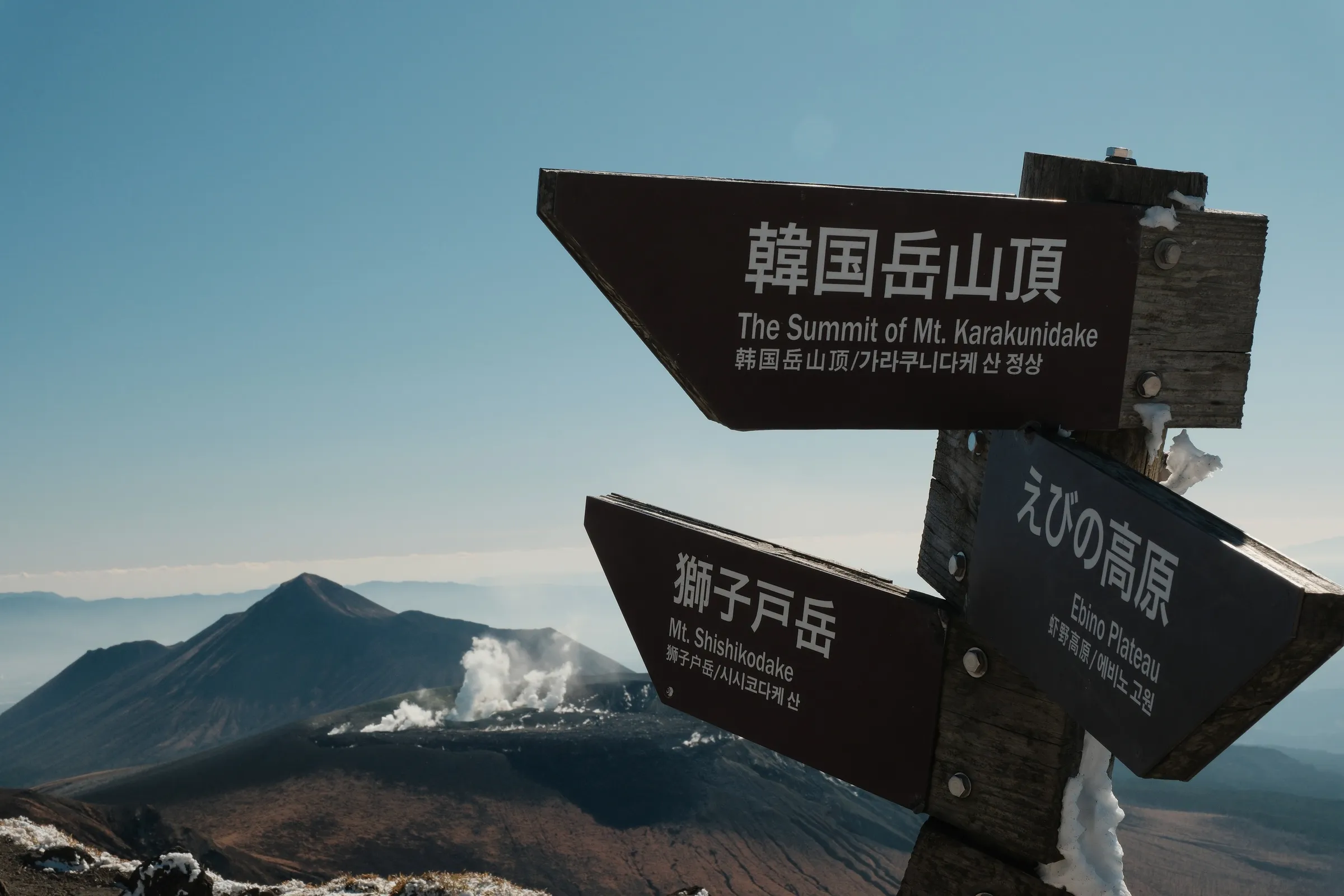
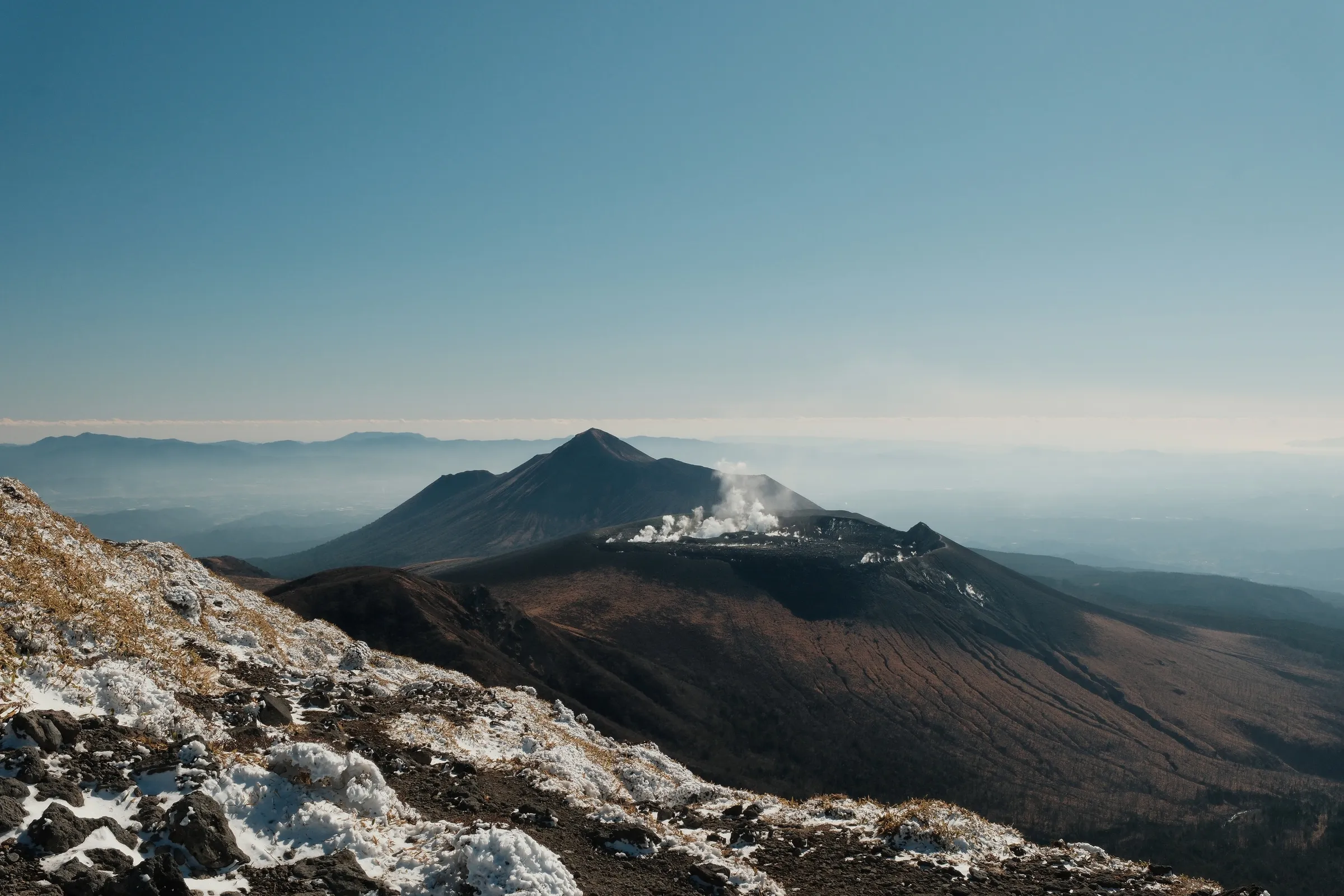
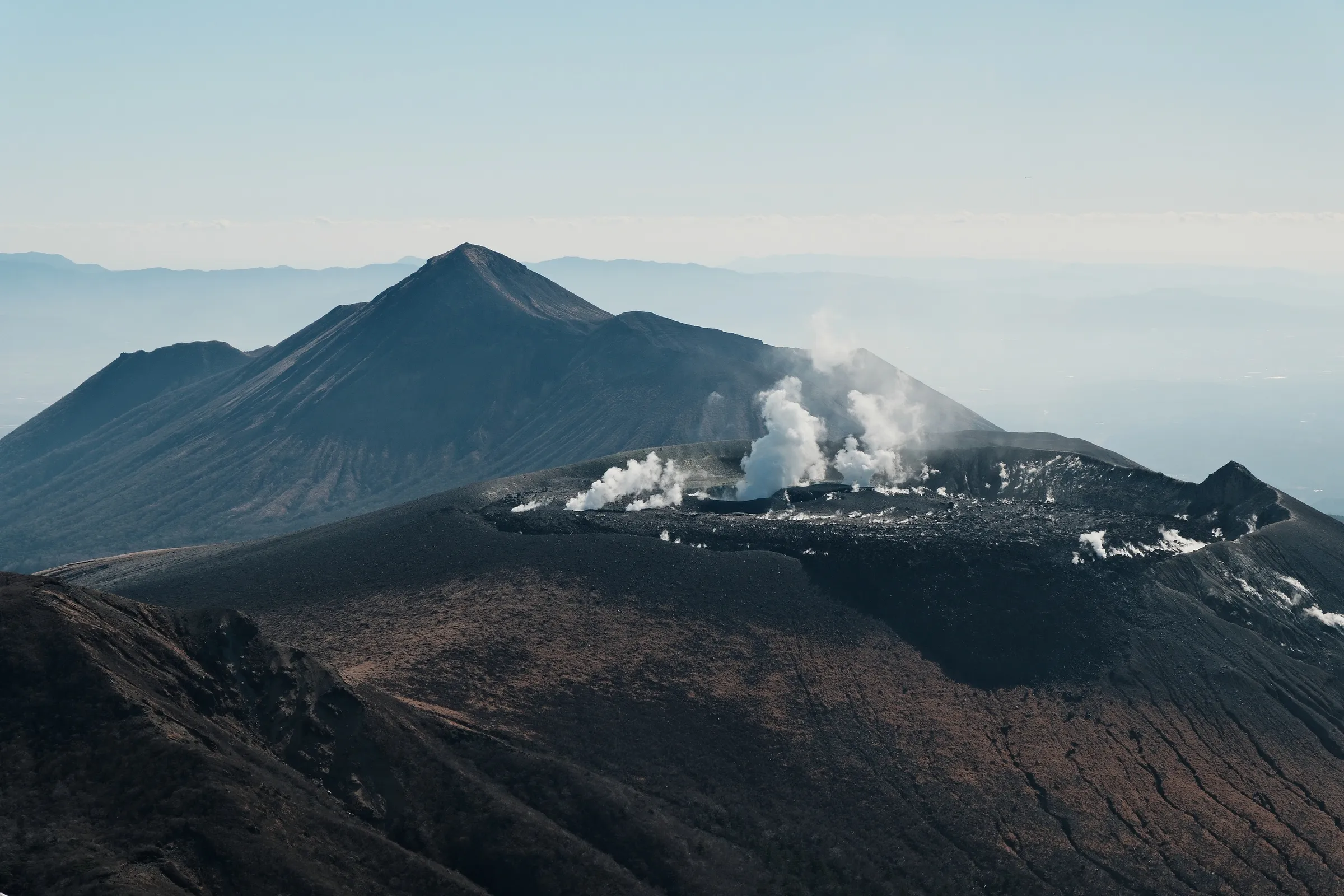
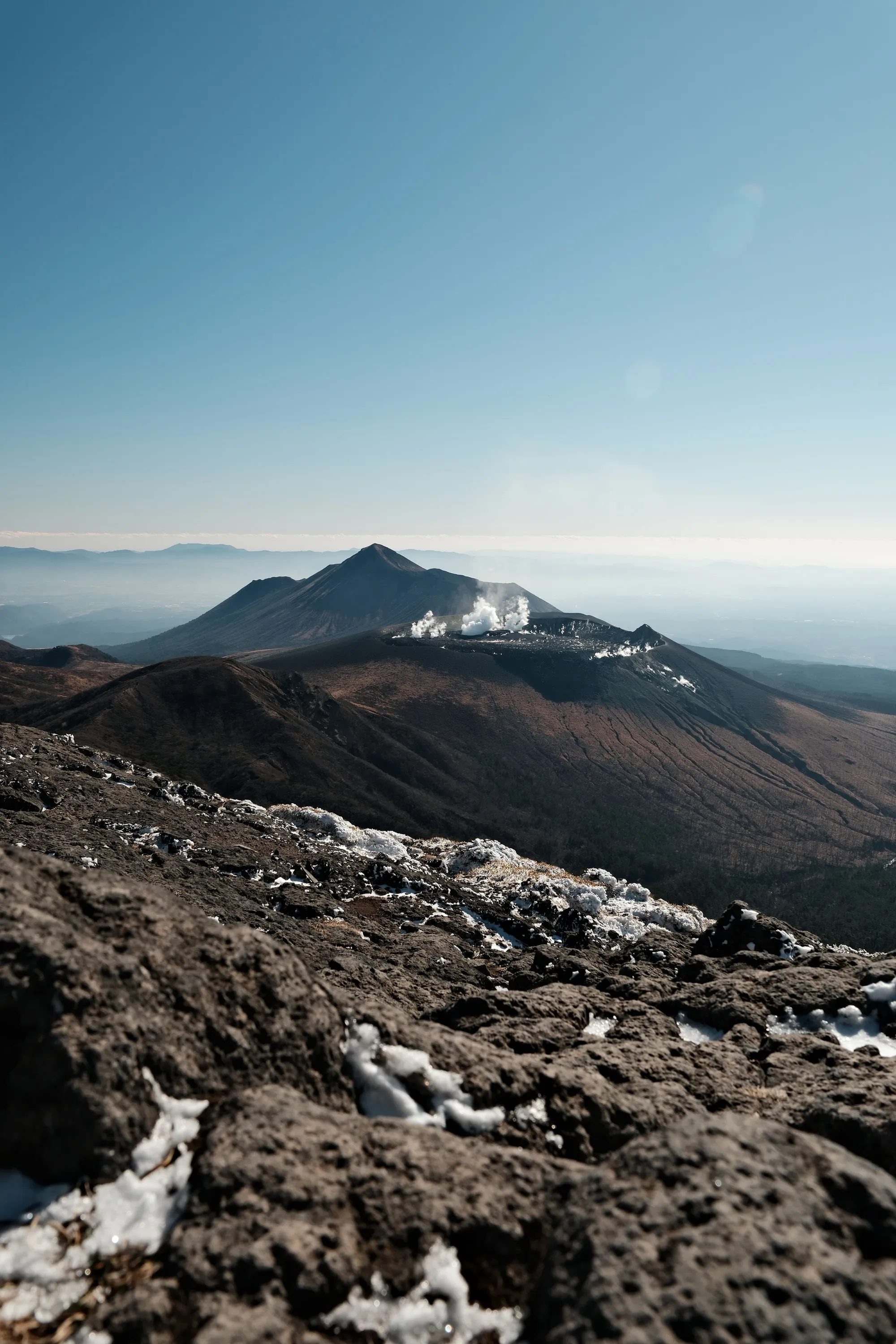
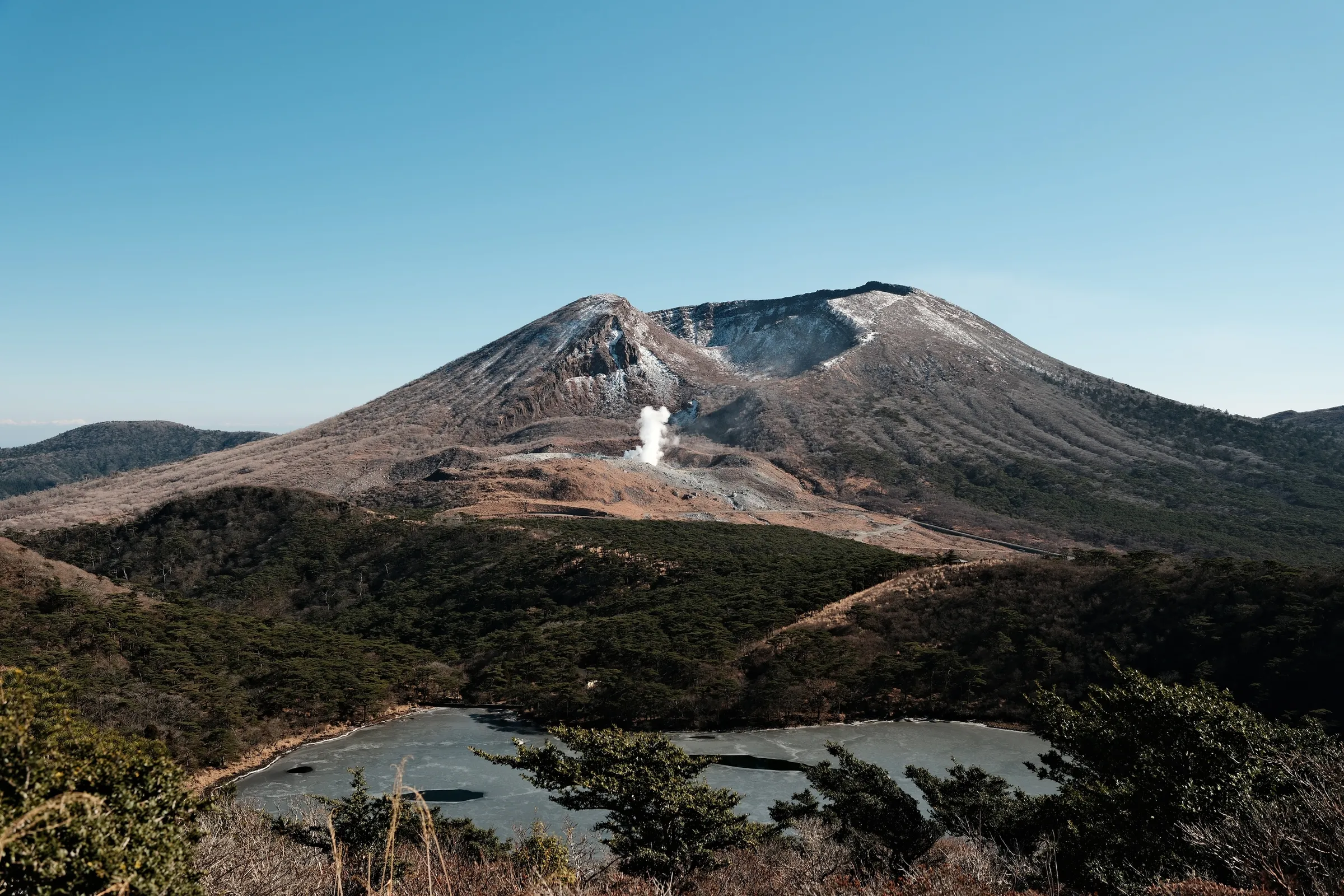
Crater rims, sulfur steam, and a winter volcano
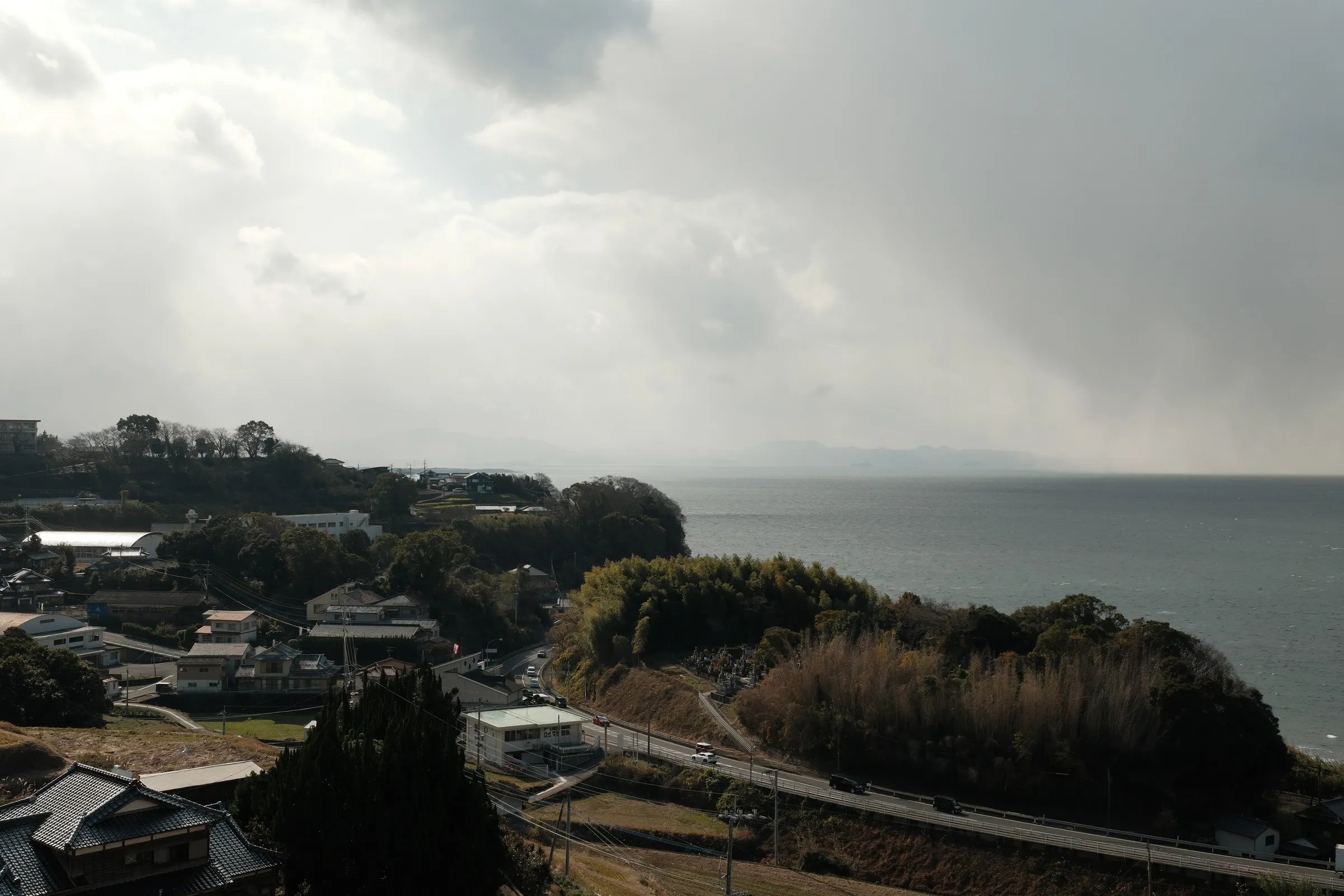
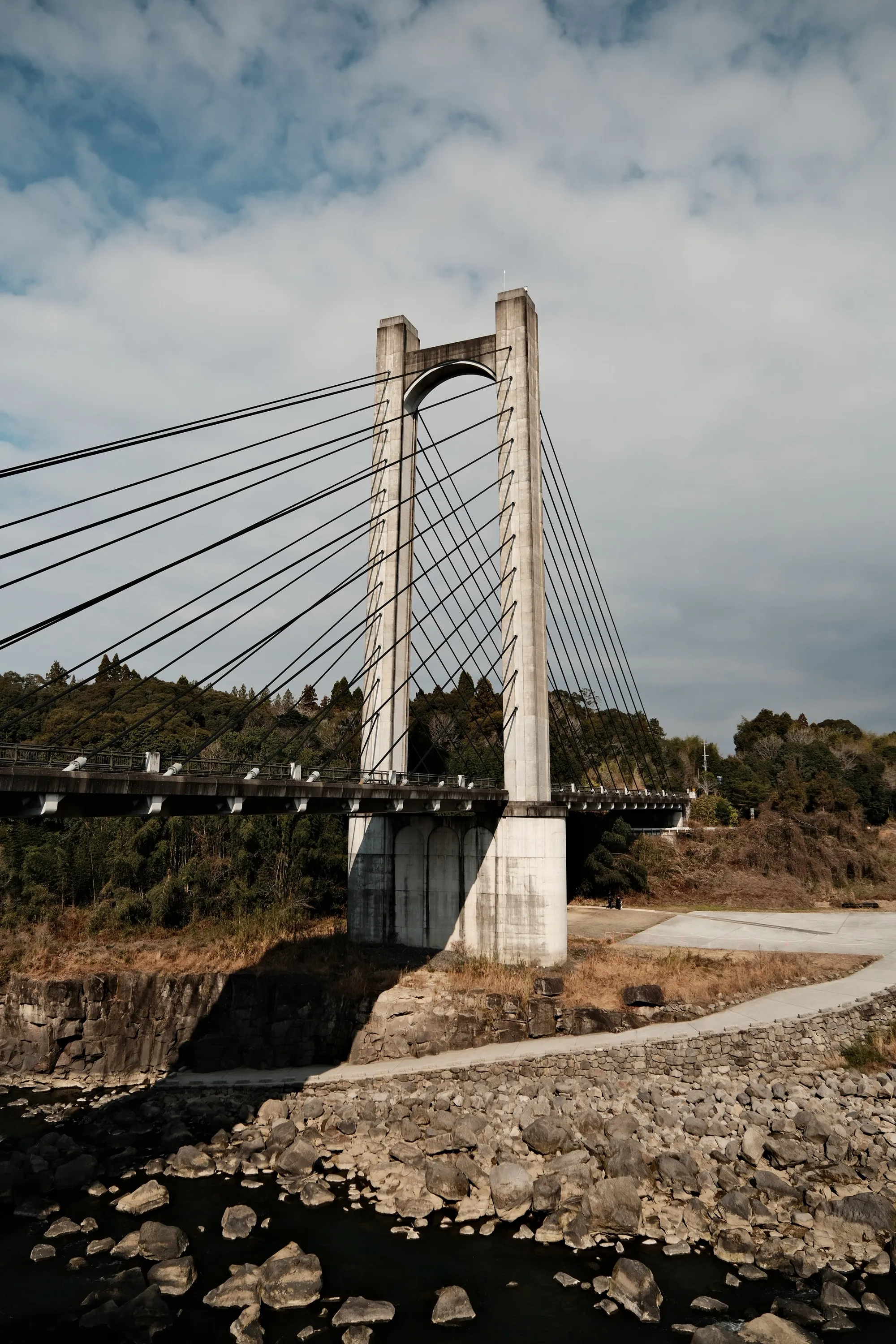
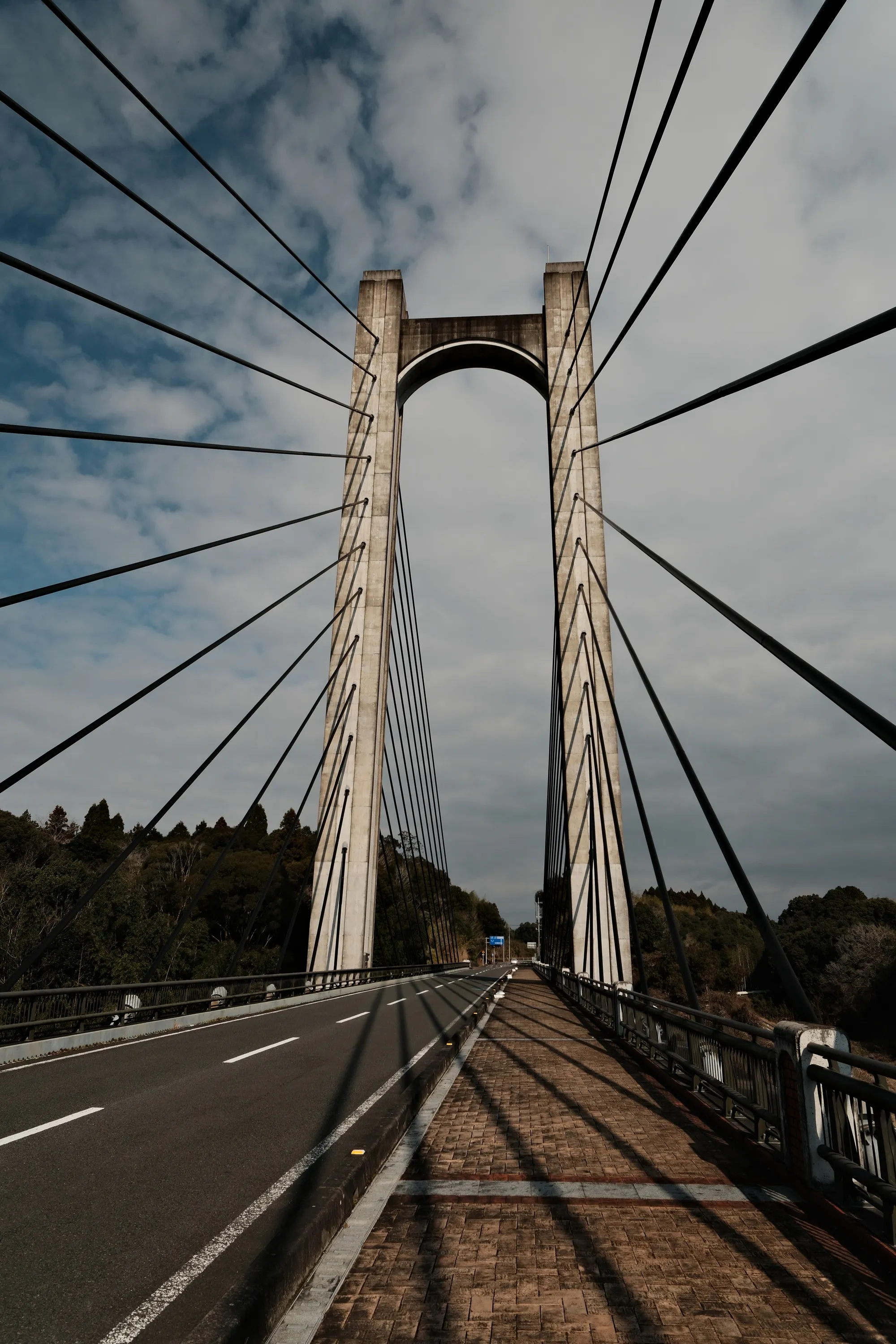
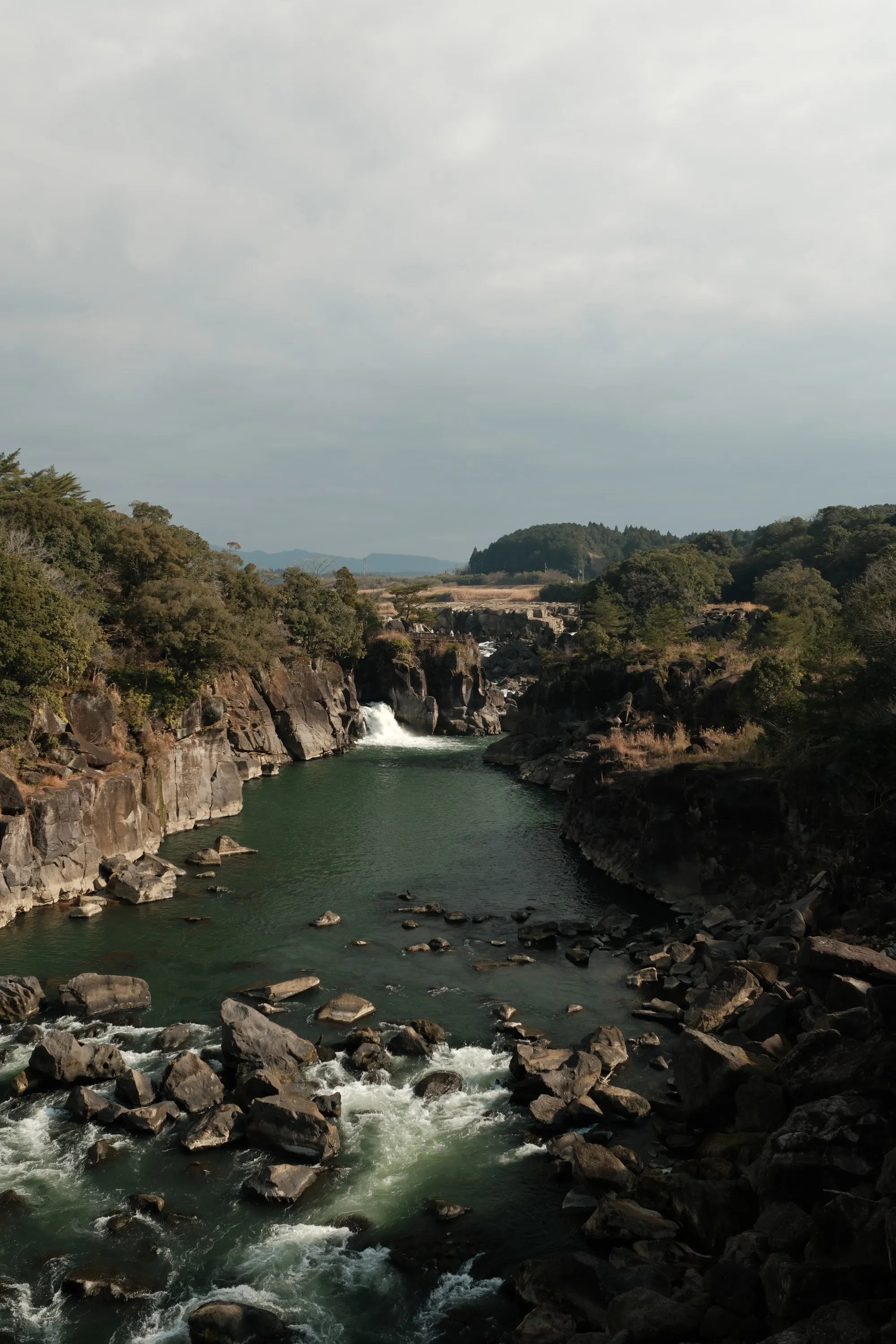
From broad rural roads and waterfalls into the Kirishima volcanic range, climbing past shrine gates and exposed crater slopes to ridgelines of ash, rust-red vegetation, blue crater water, and steaming peaks stretched across southern Kyushu.
 141
 142
 143
 144
 145
 146
 147
 148
 149
 150
 151
 152
 153
 154
 155
 156
 157
 158
 159
 160
 161
 162
 163
 164
 165
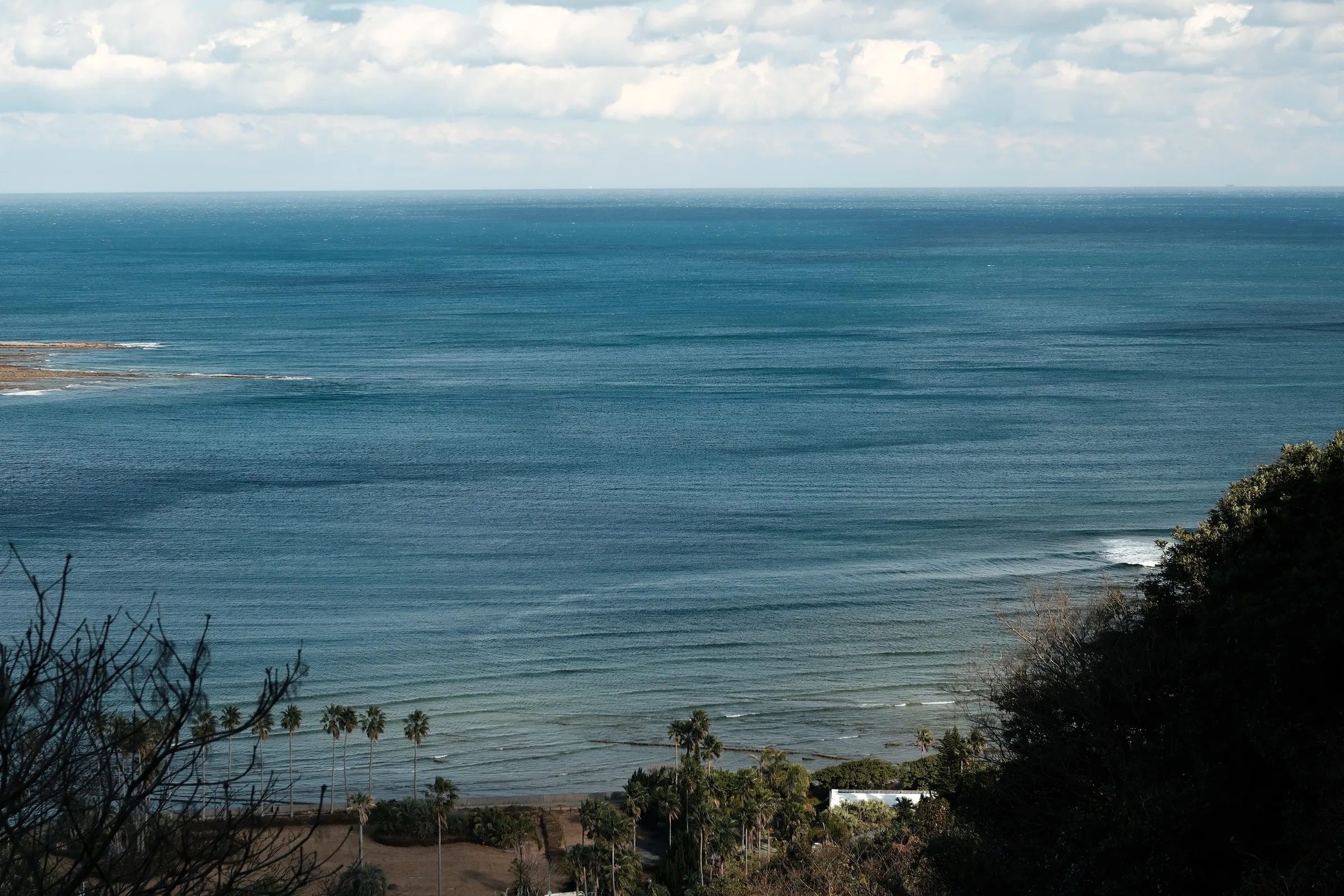
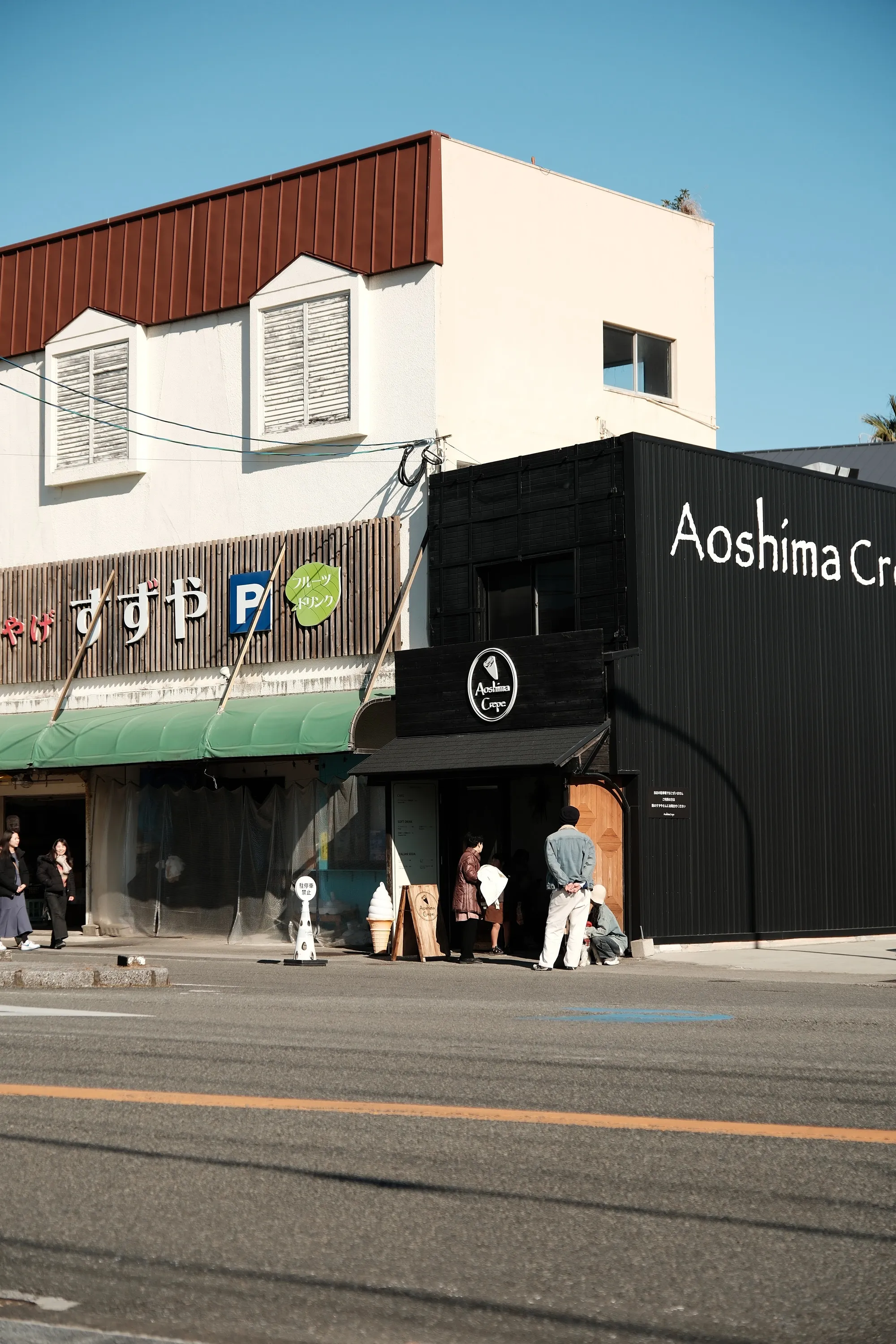
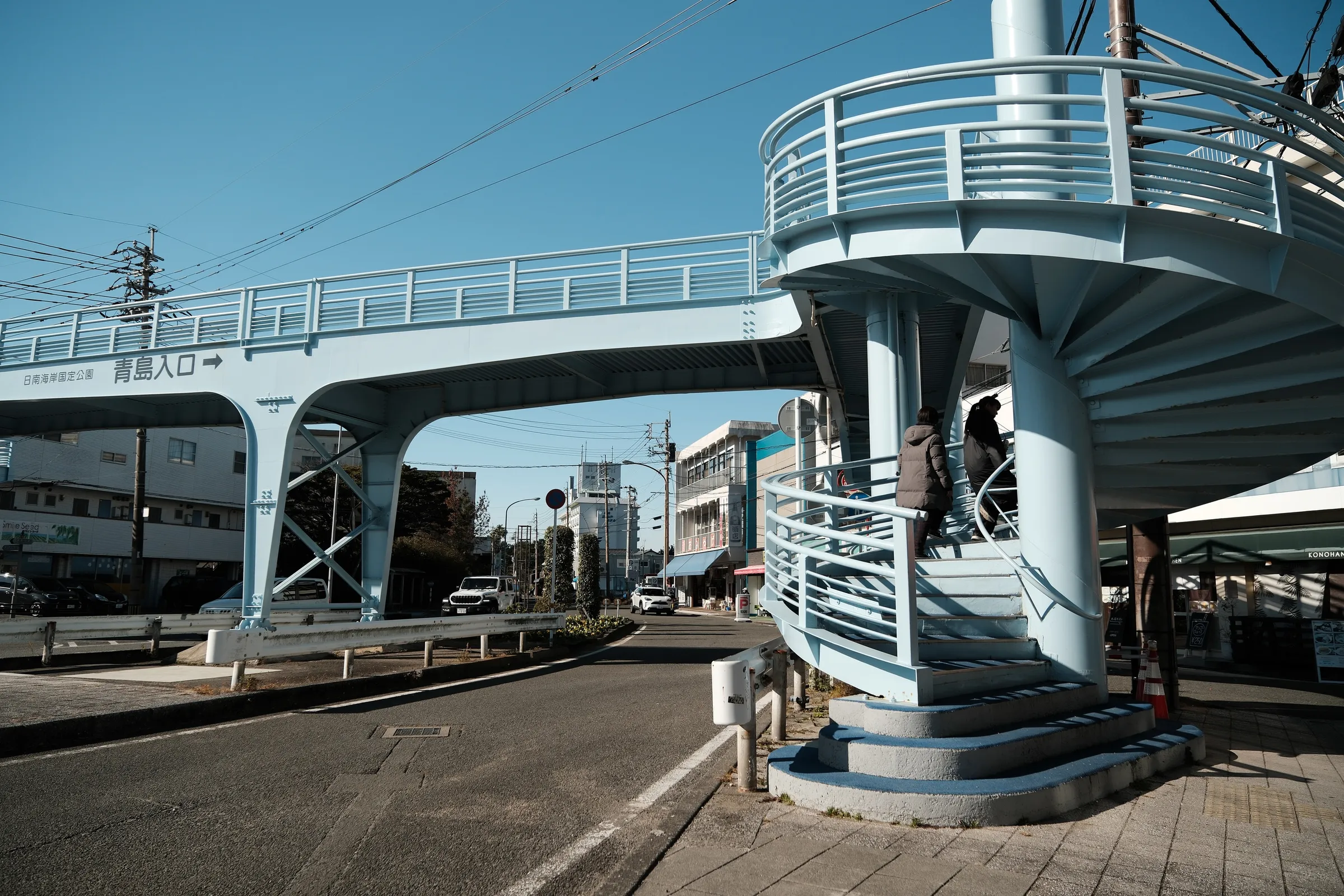
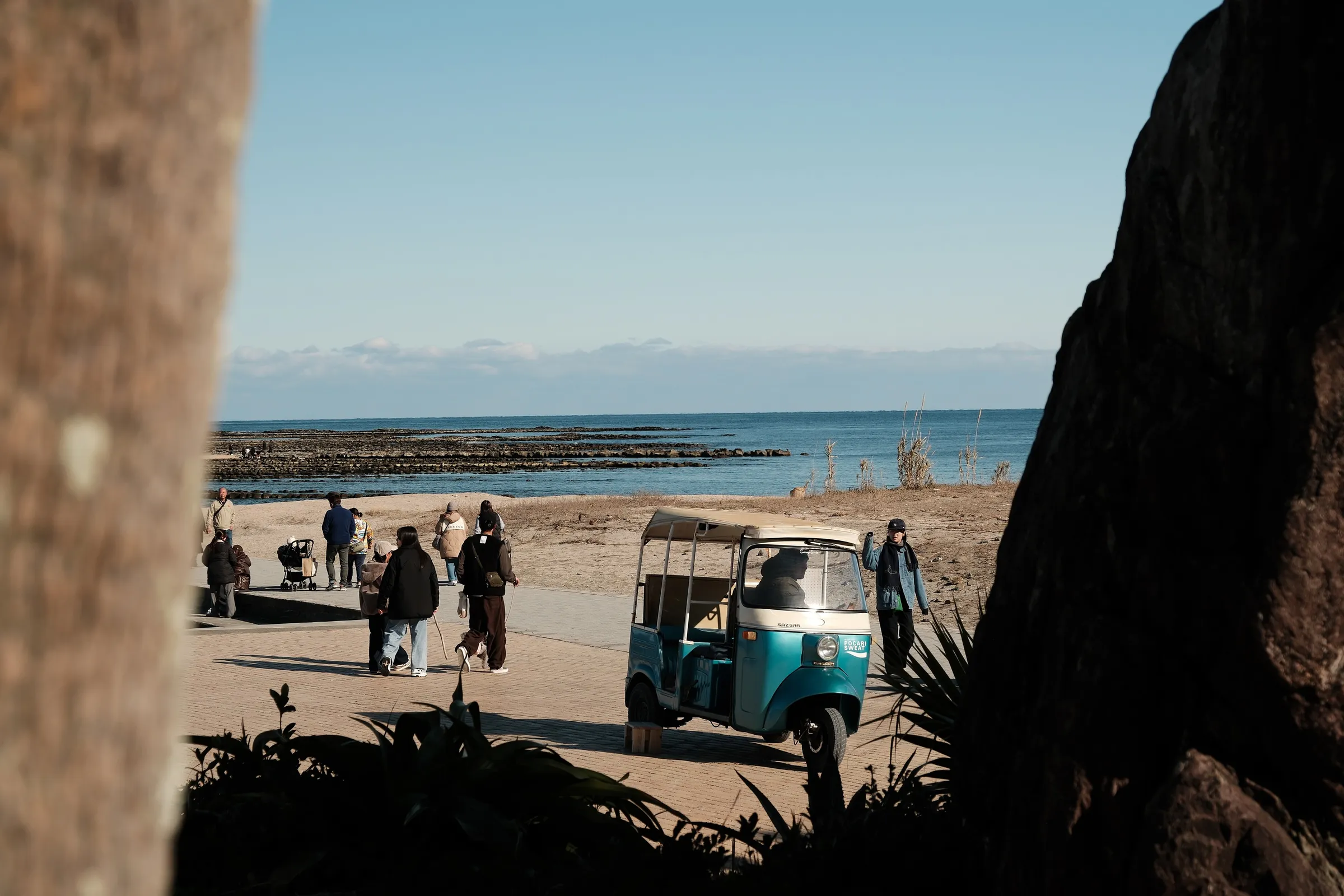
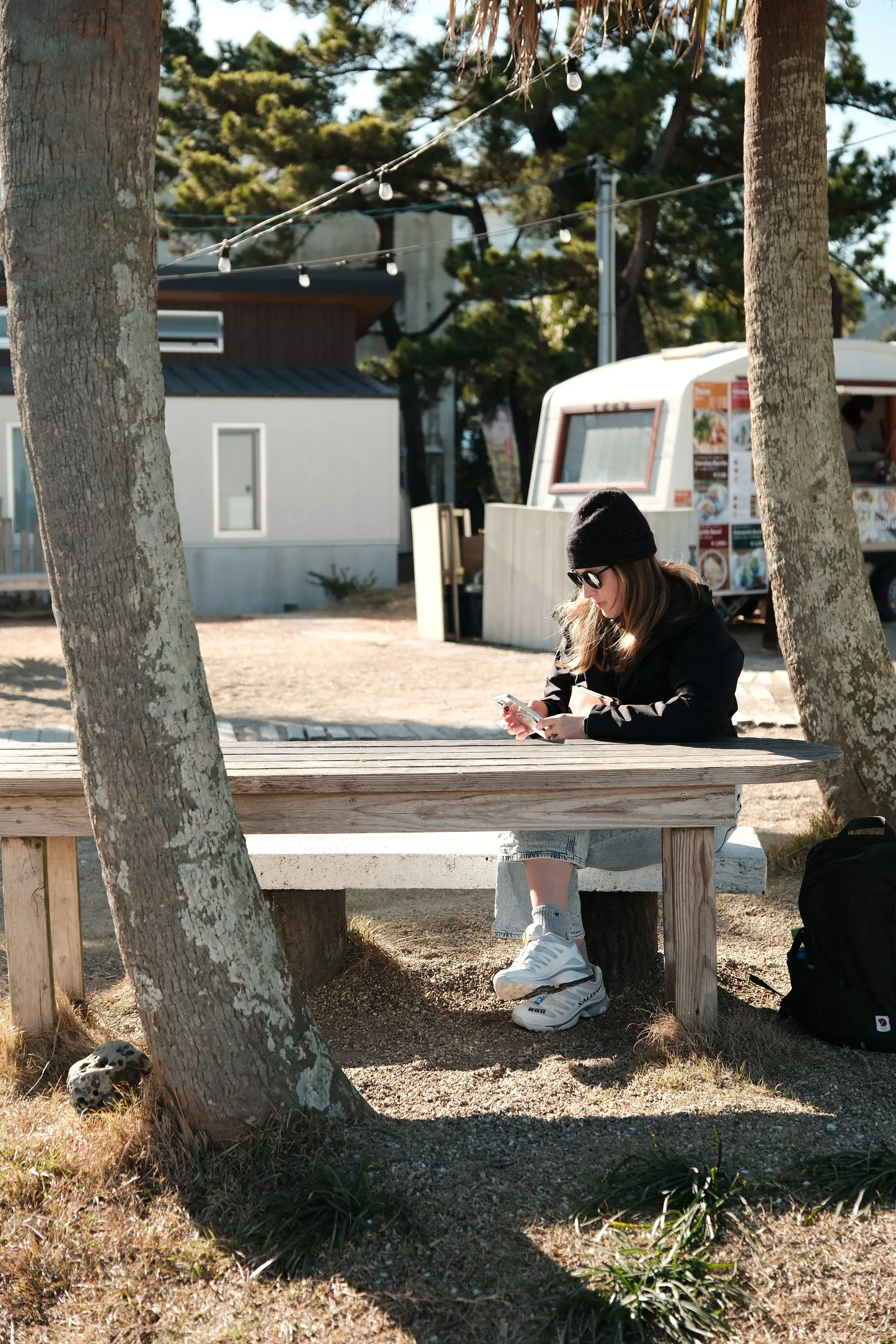
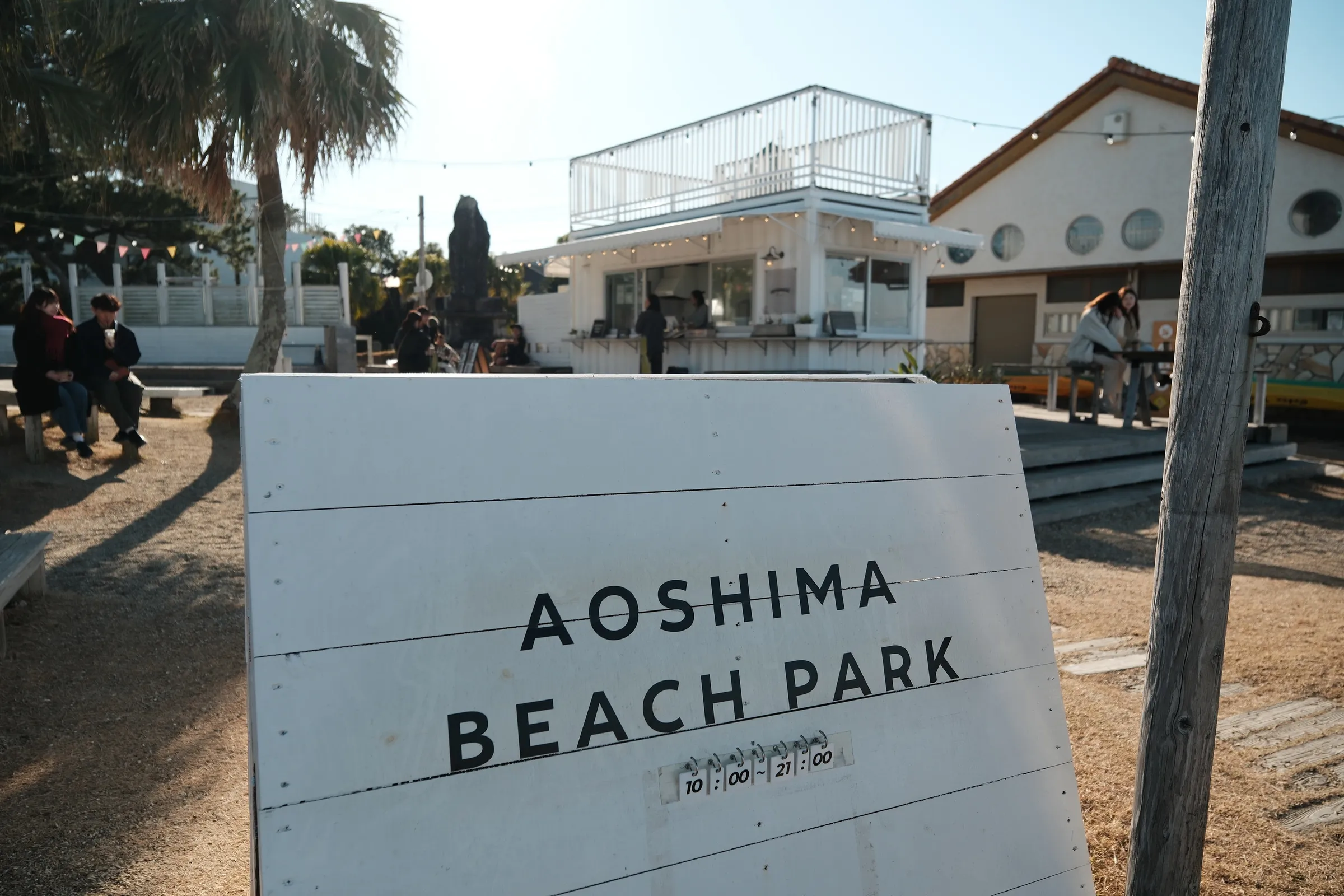
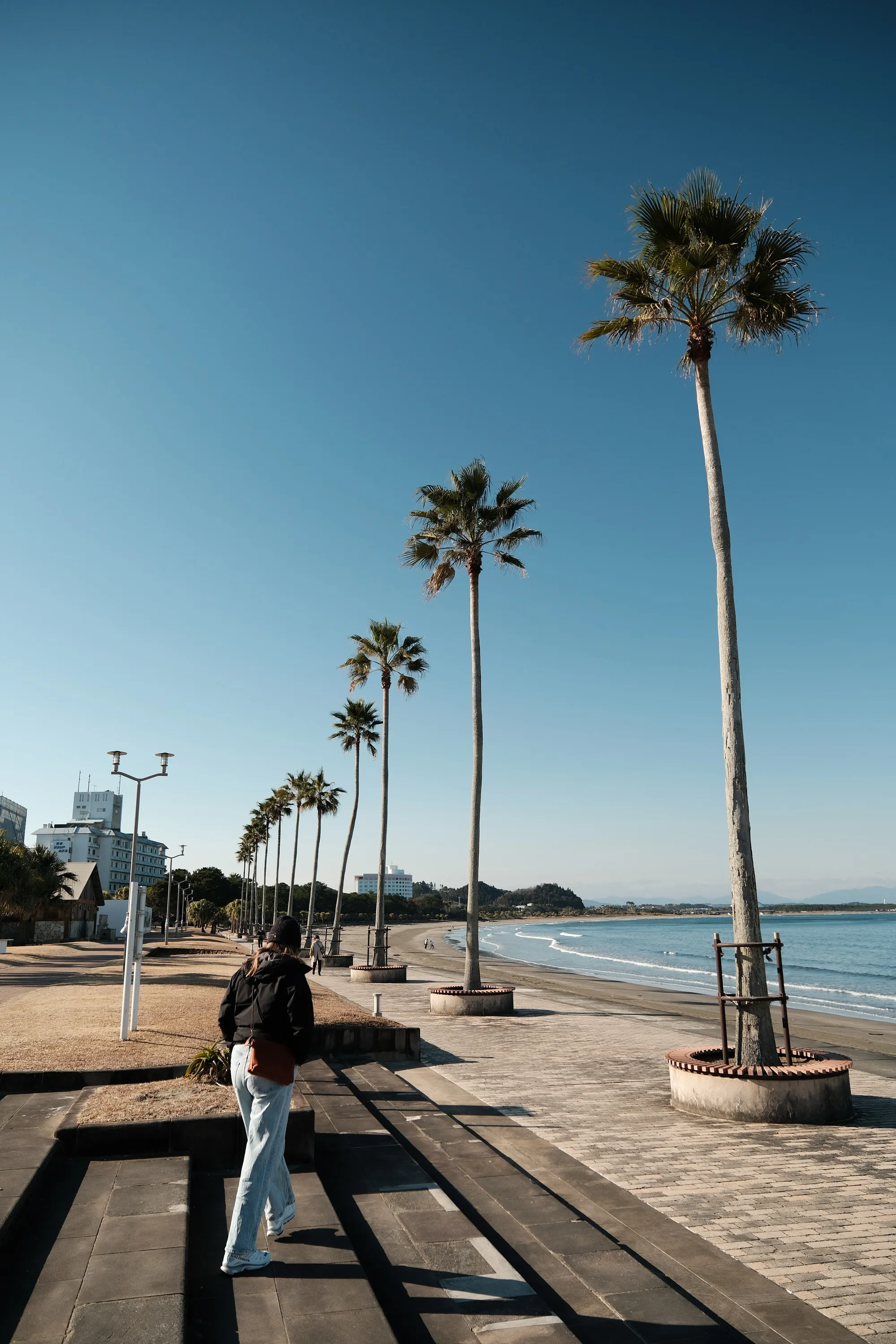
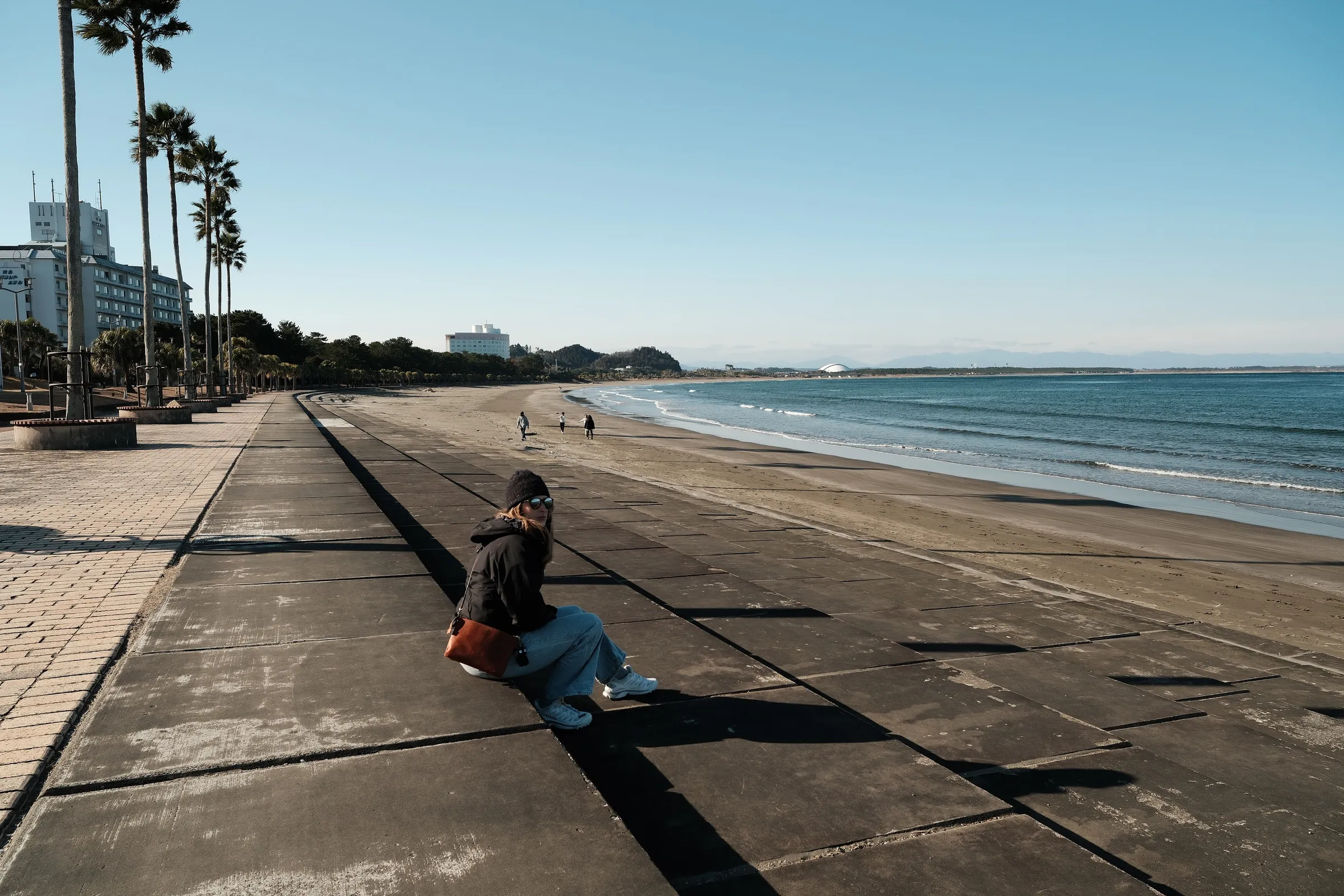
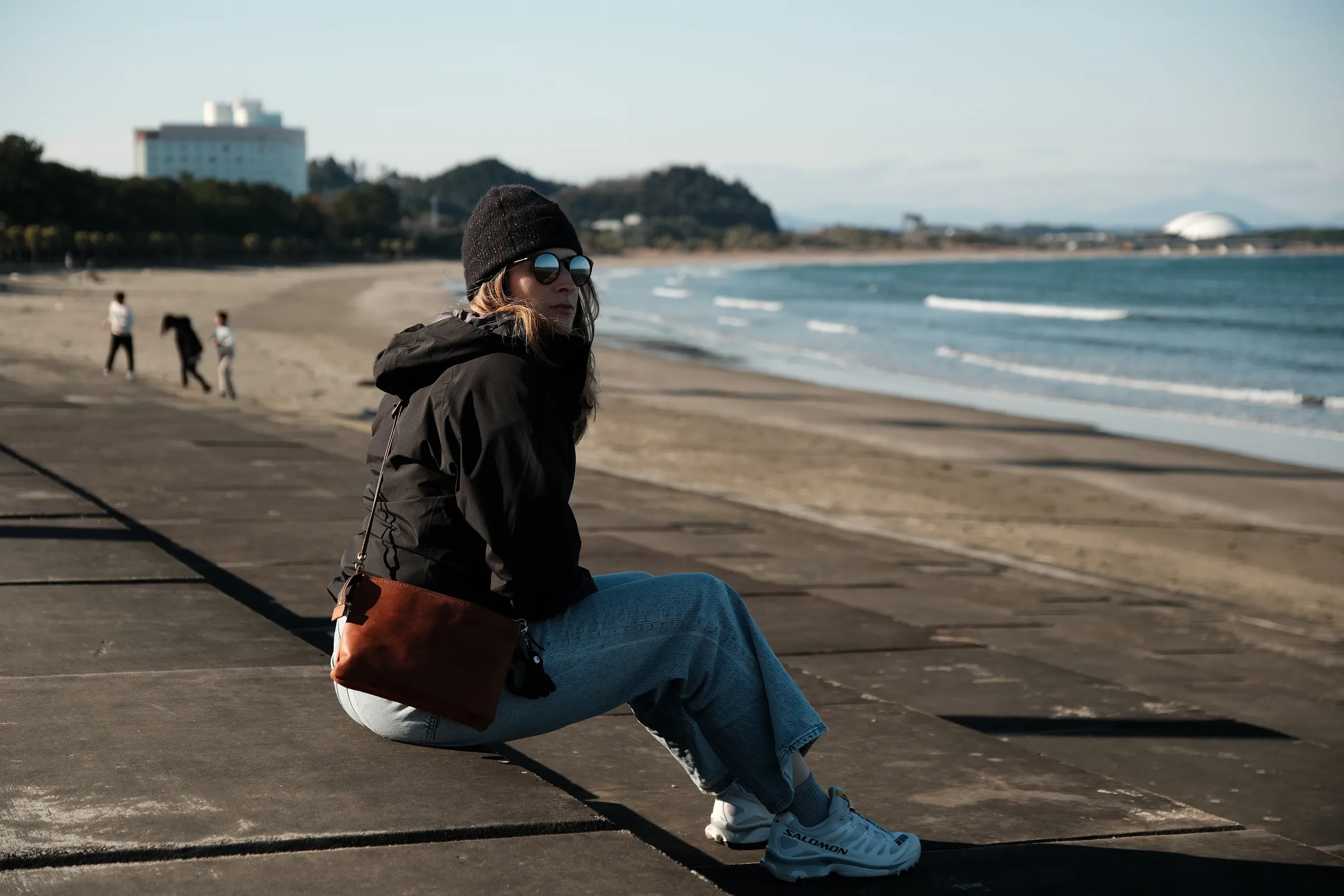
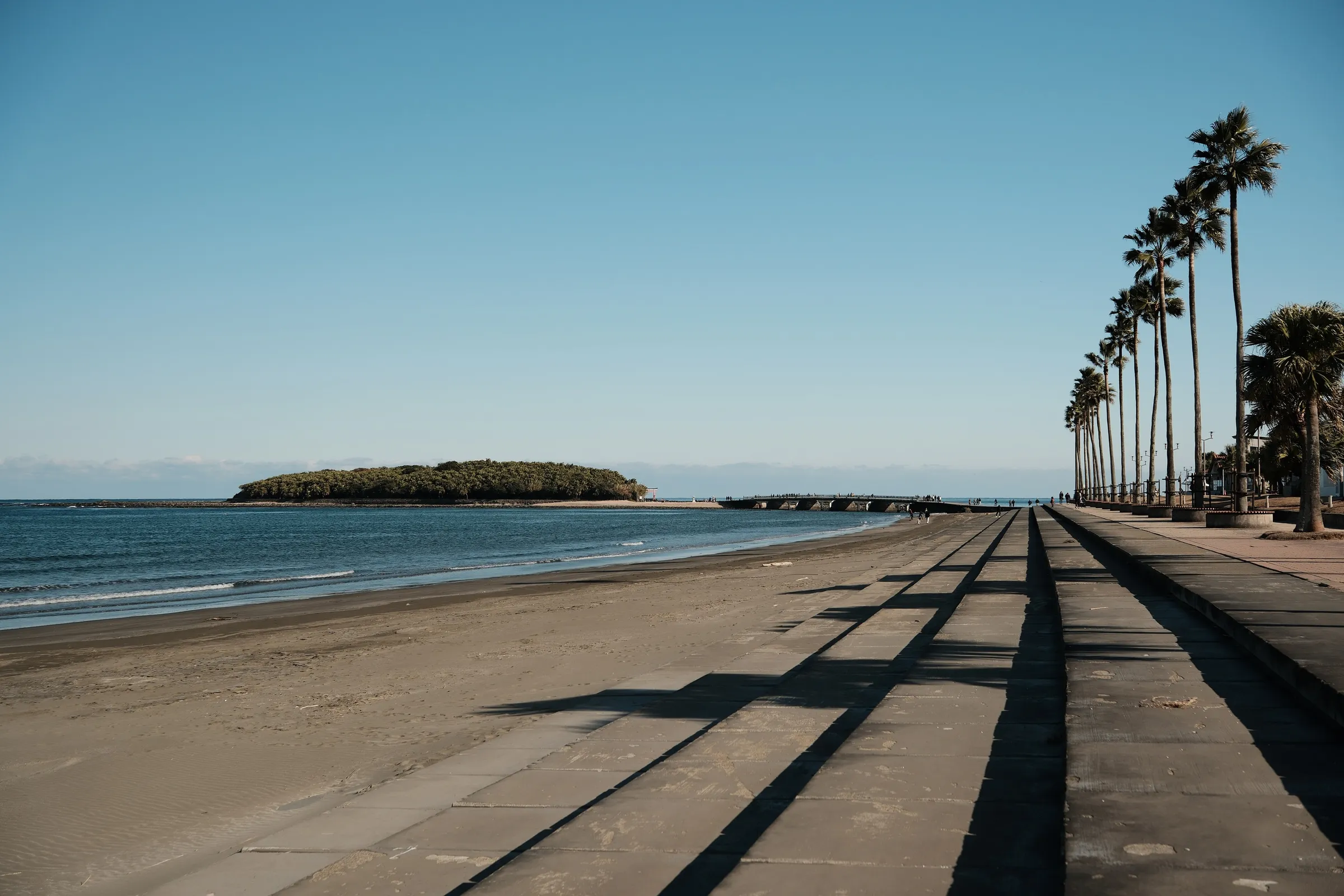
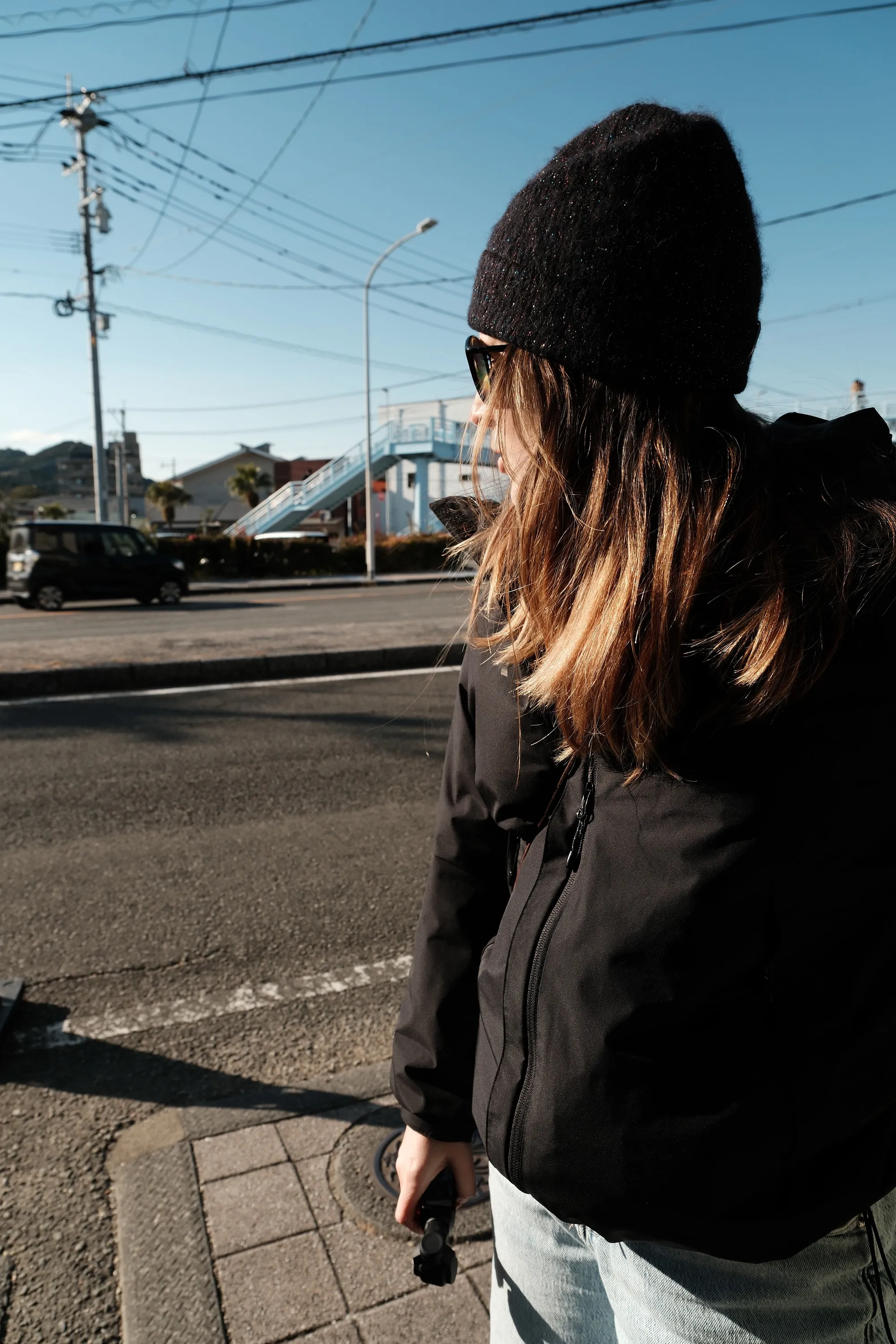
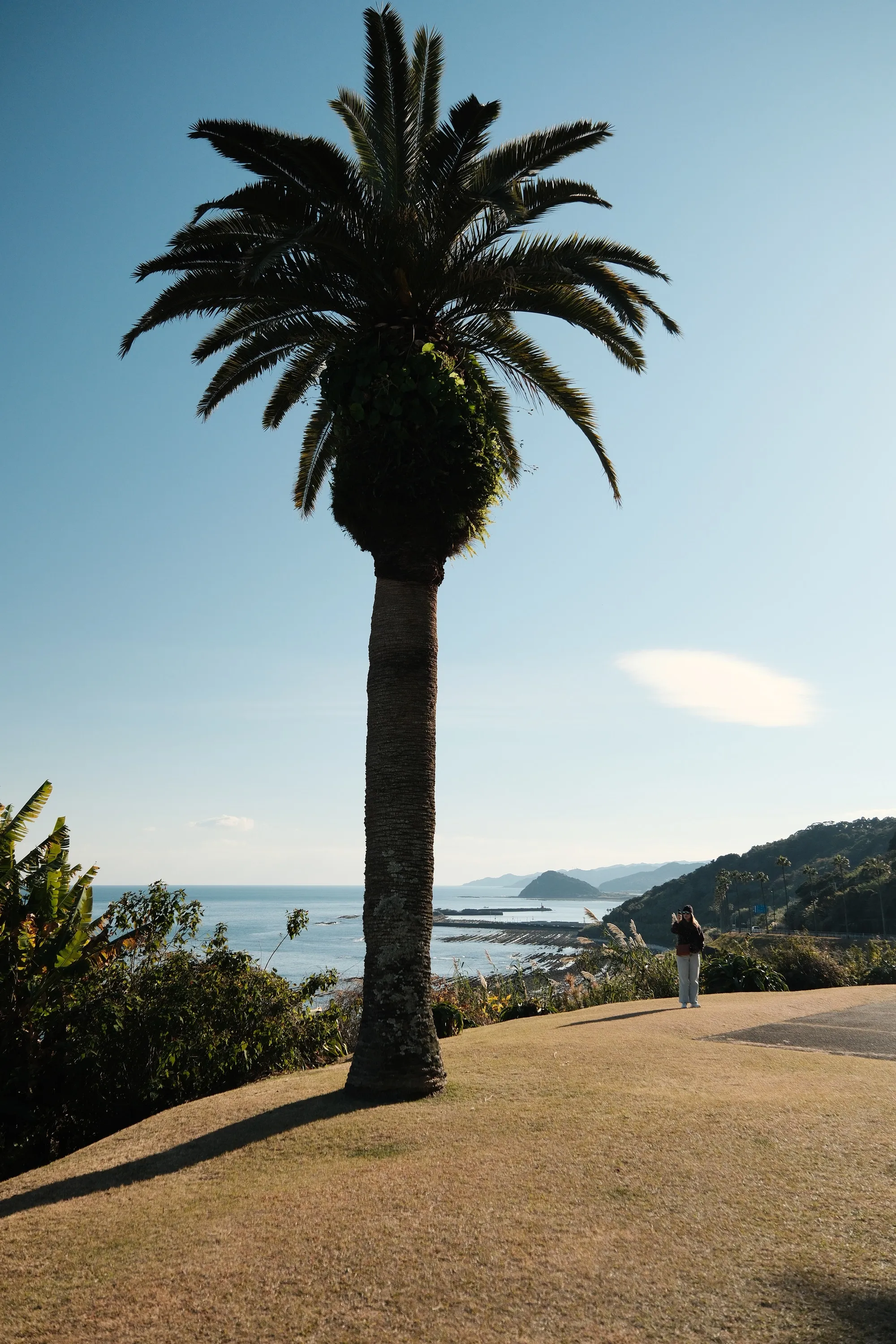
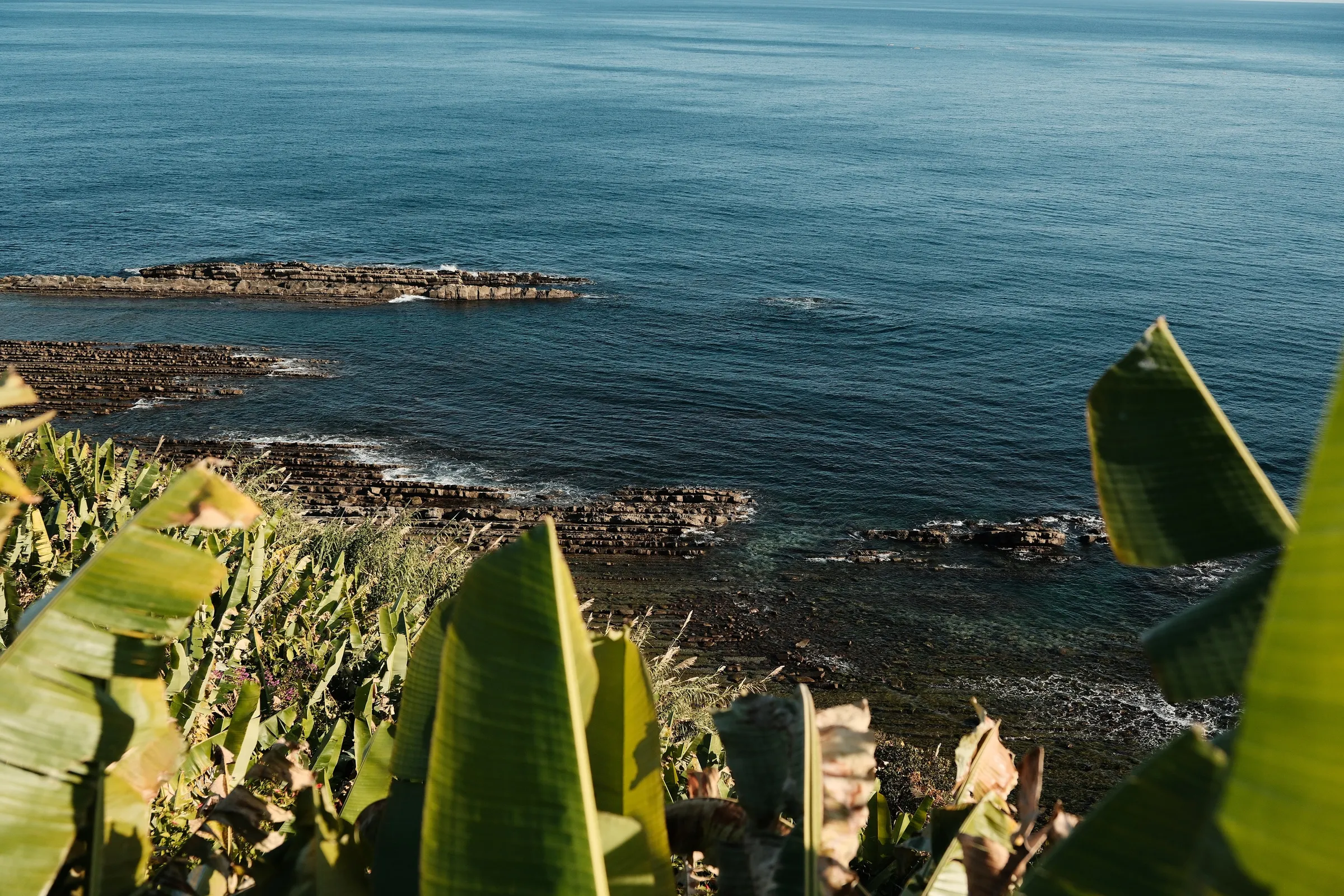
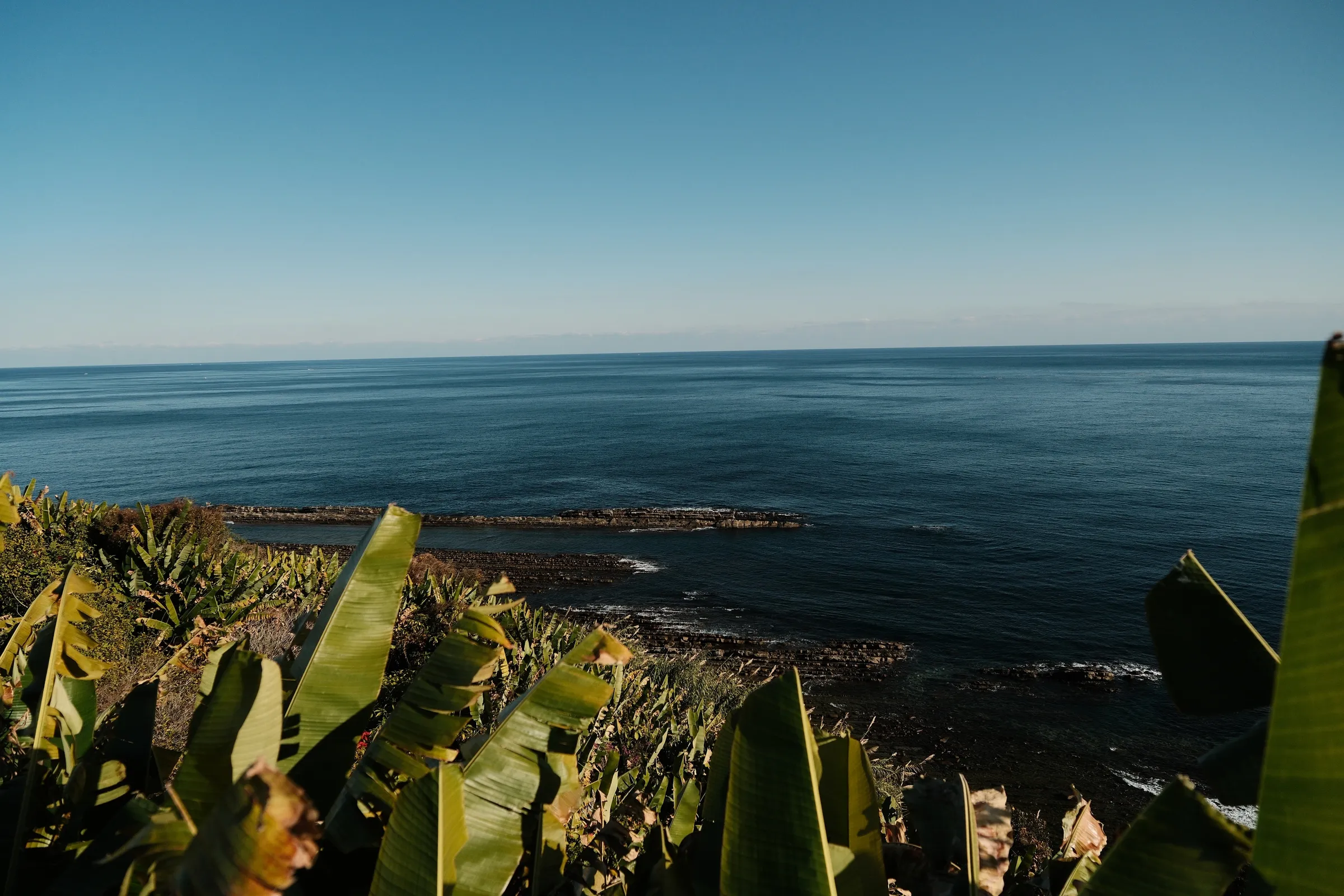
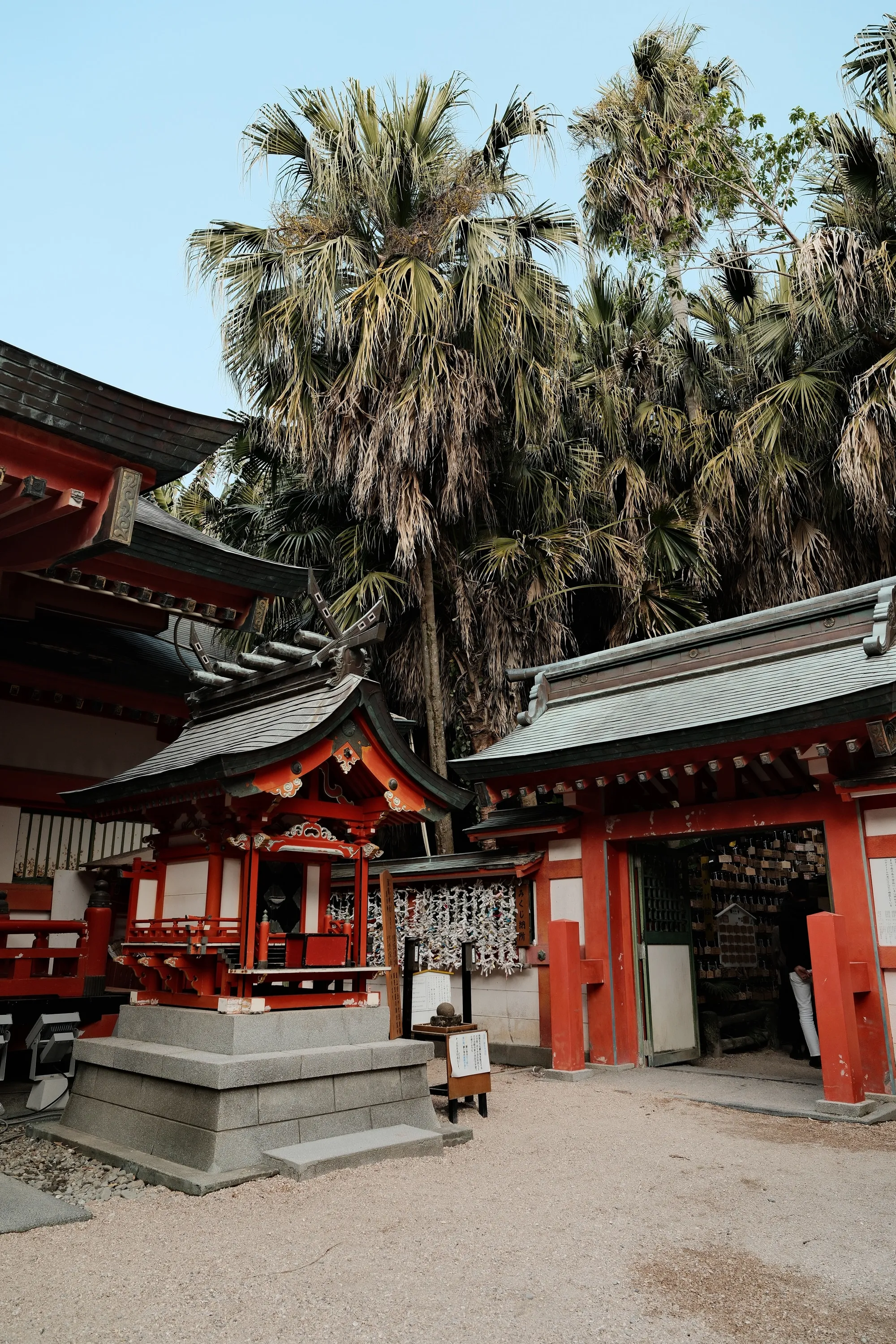
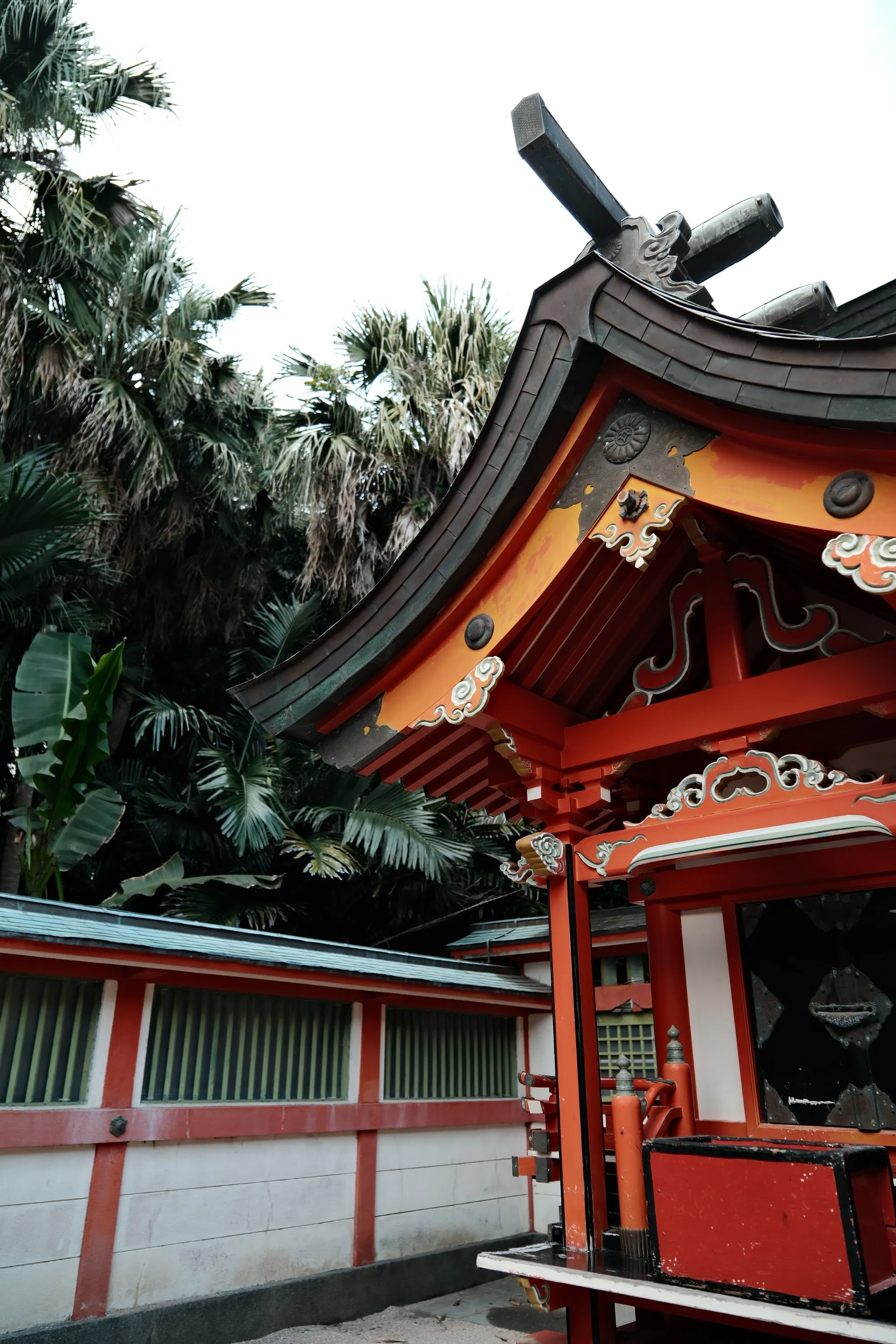
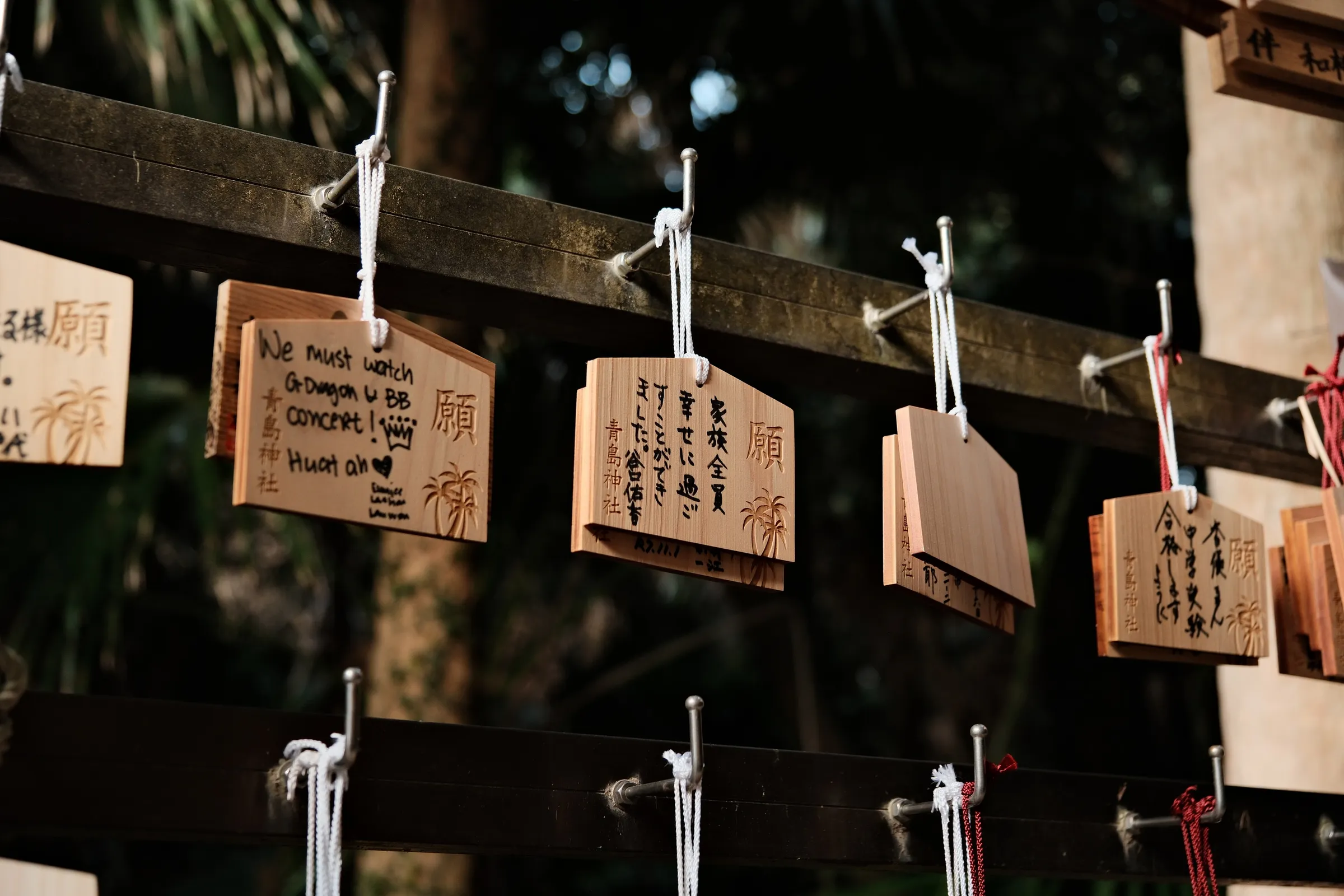
Japan's surf Mecca
Palm trees, long empty promenades and the broad Pacific around Aoshima. The beach feels almost off-season, while the shrine brings red timber and dense greenery into an otherwise blue, open landscape. Unfortunately it was flat for the entire 5 days we stayed there - big frustration
 166
 167
 168
 169
 170
 171
 172
 173
 174
 175
 176
 177
 178
 179
 180
 181
 182
 183
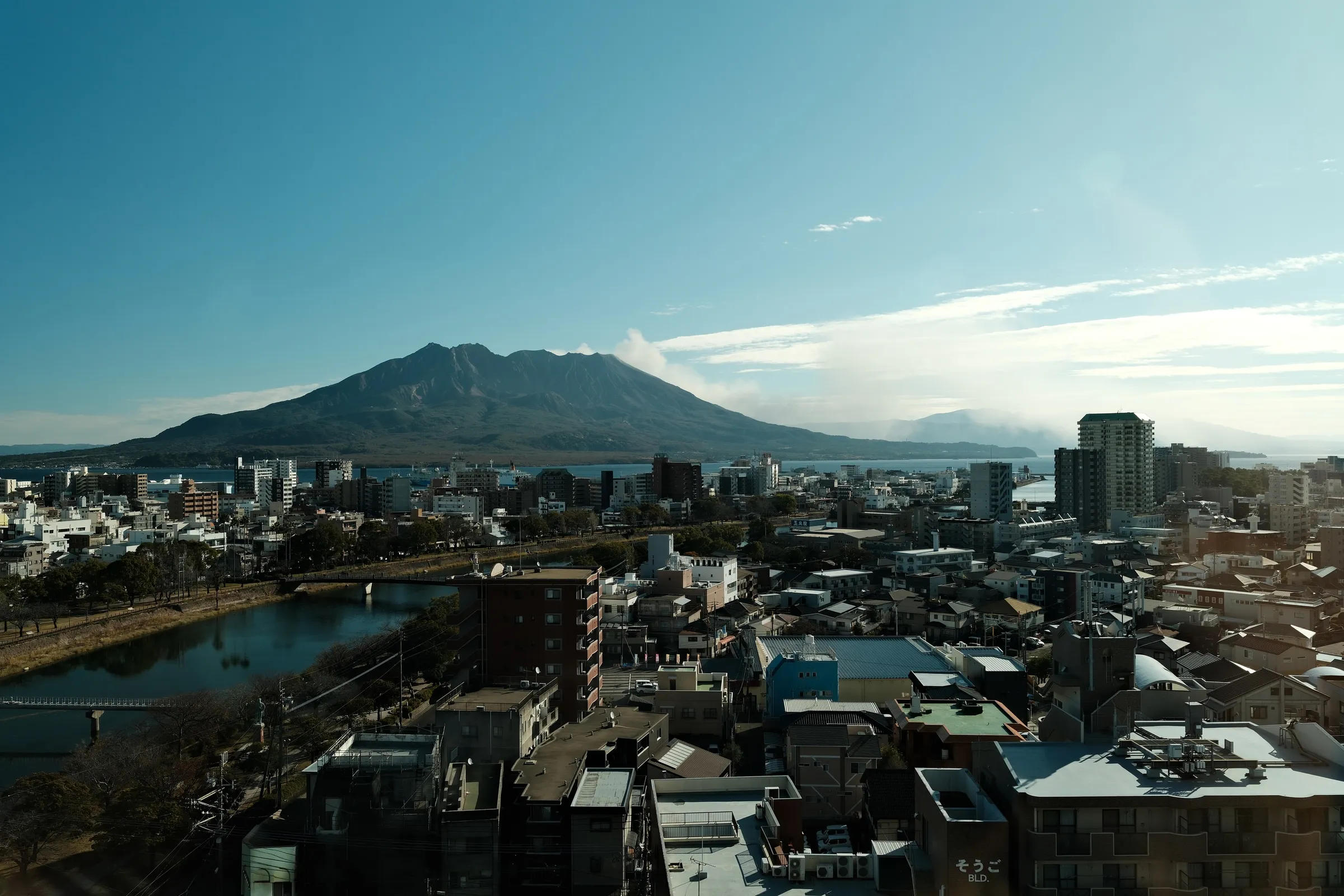
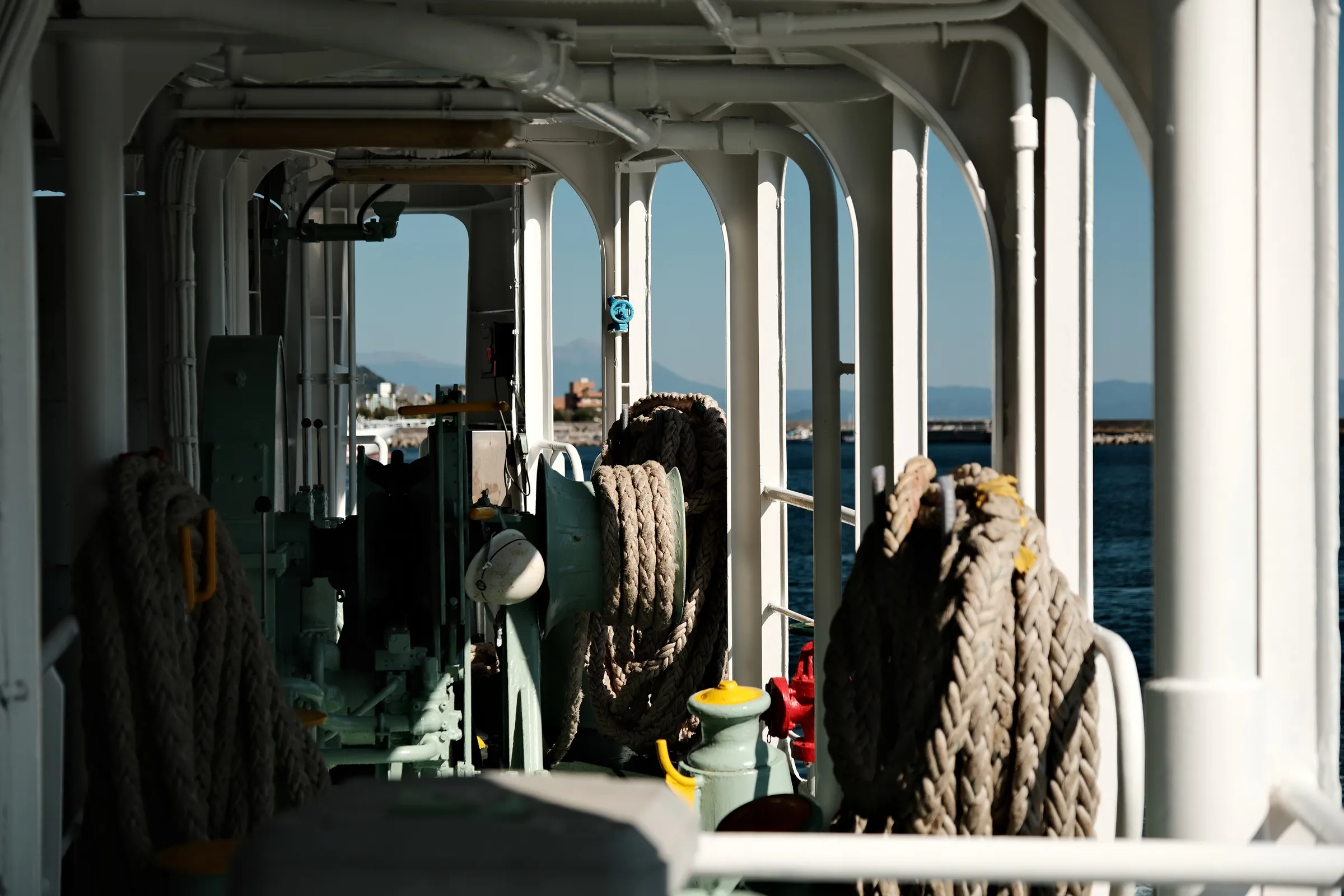
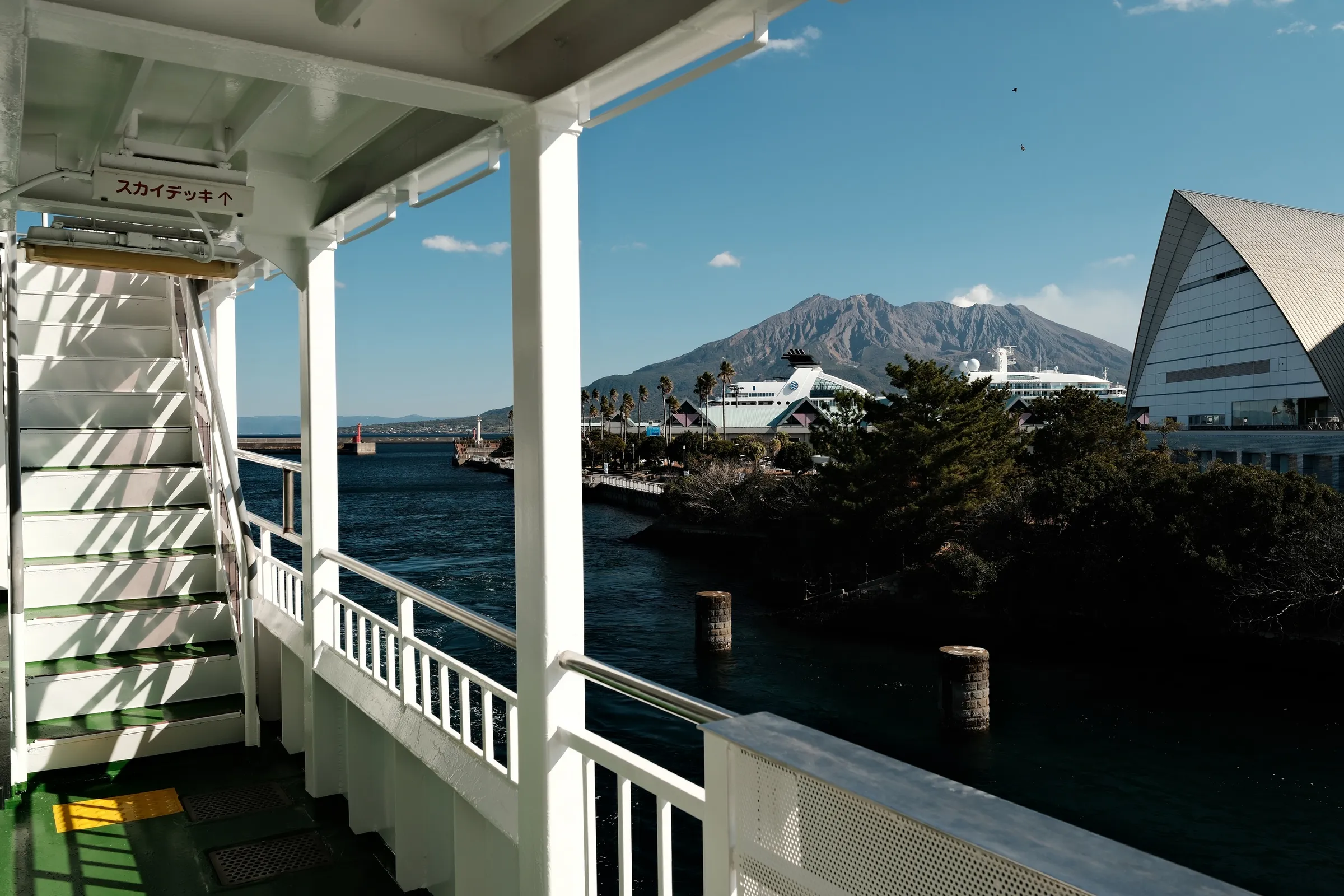
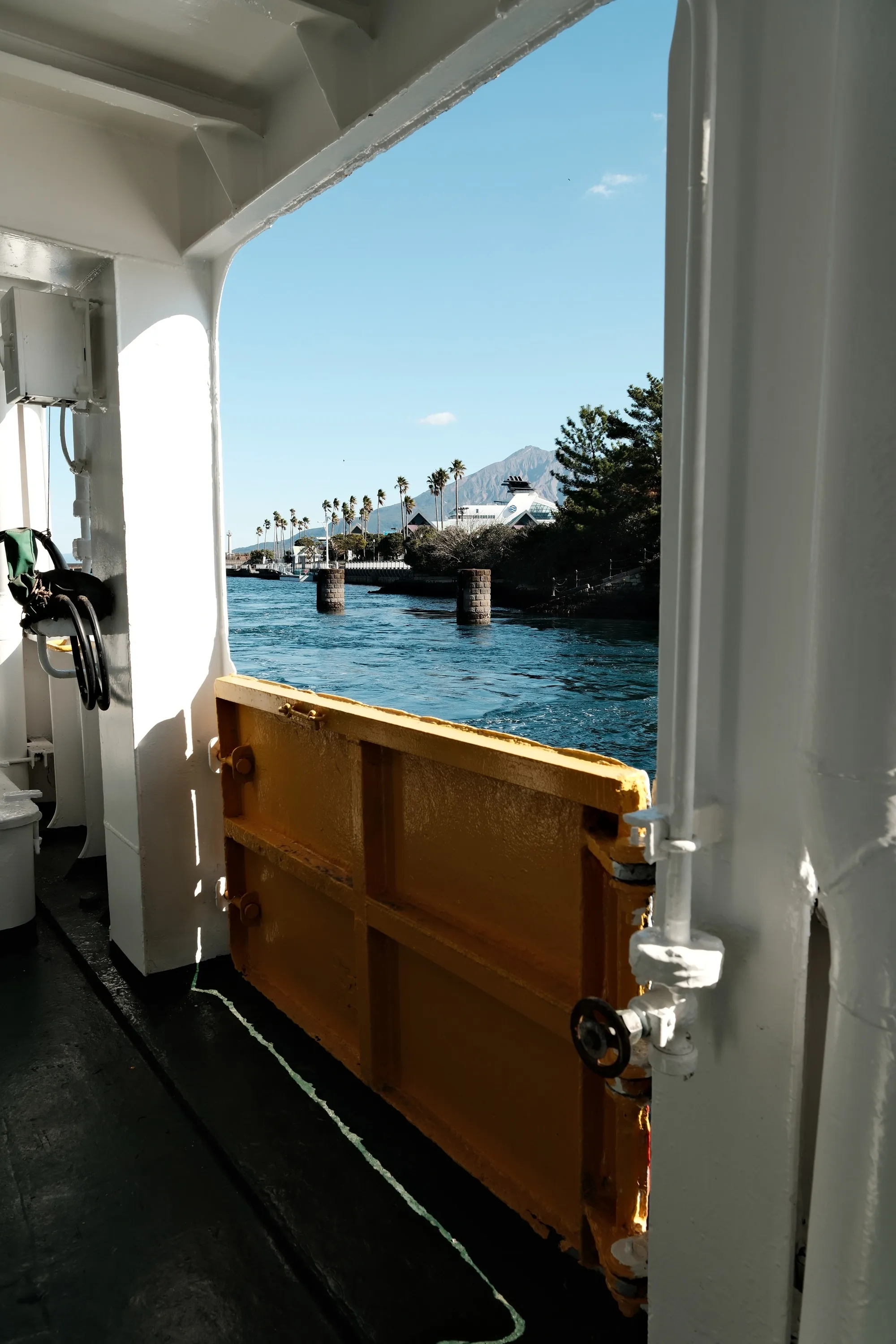
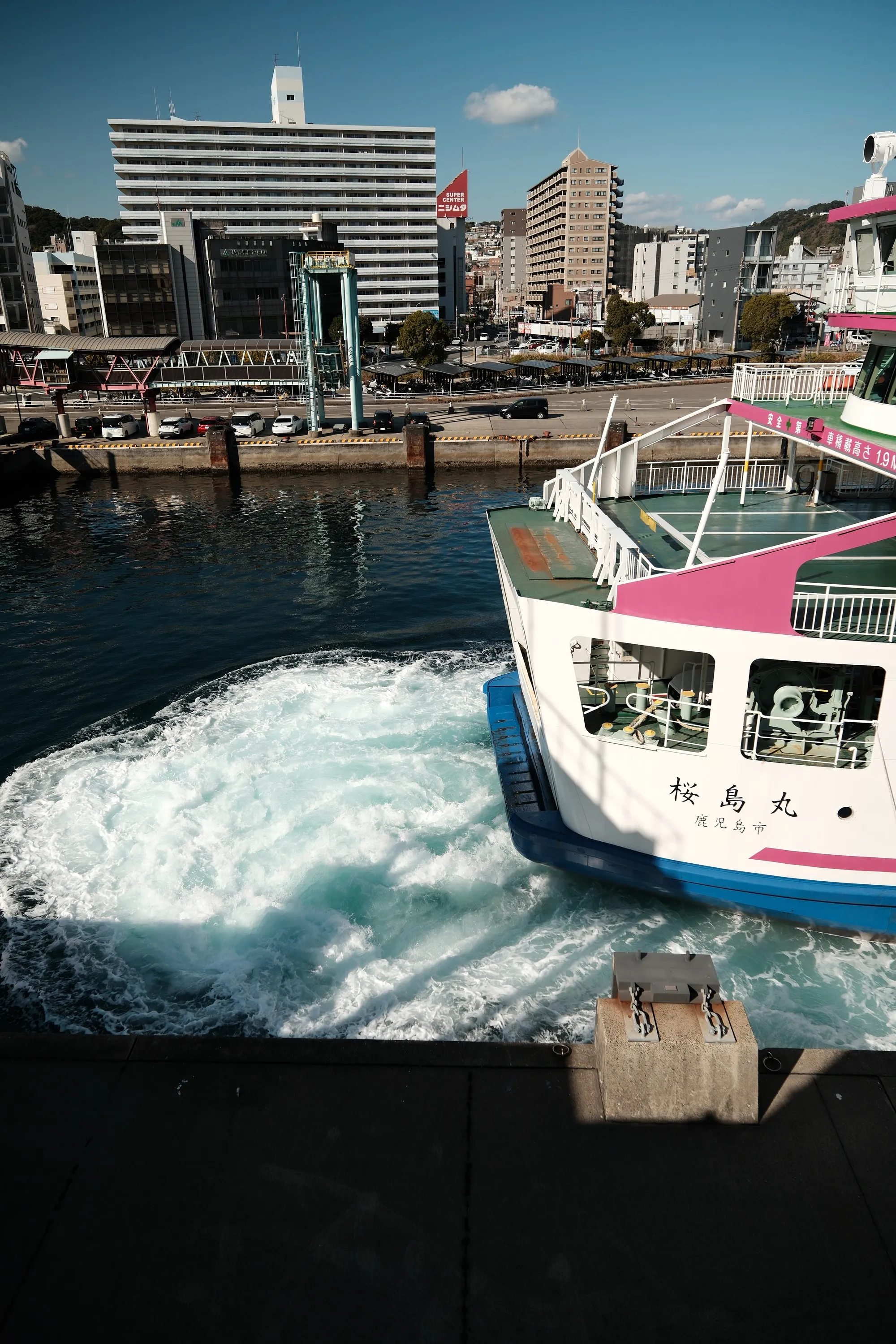
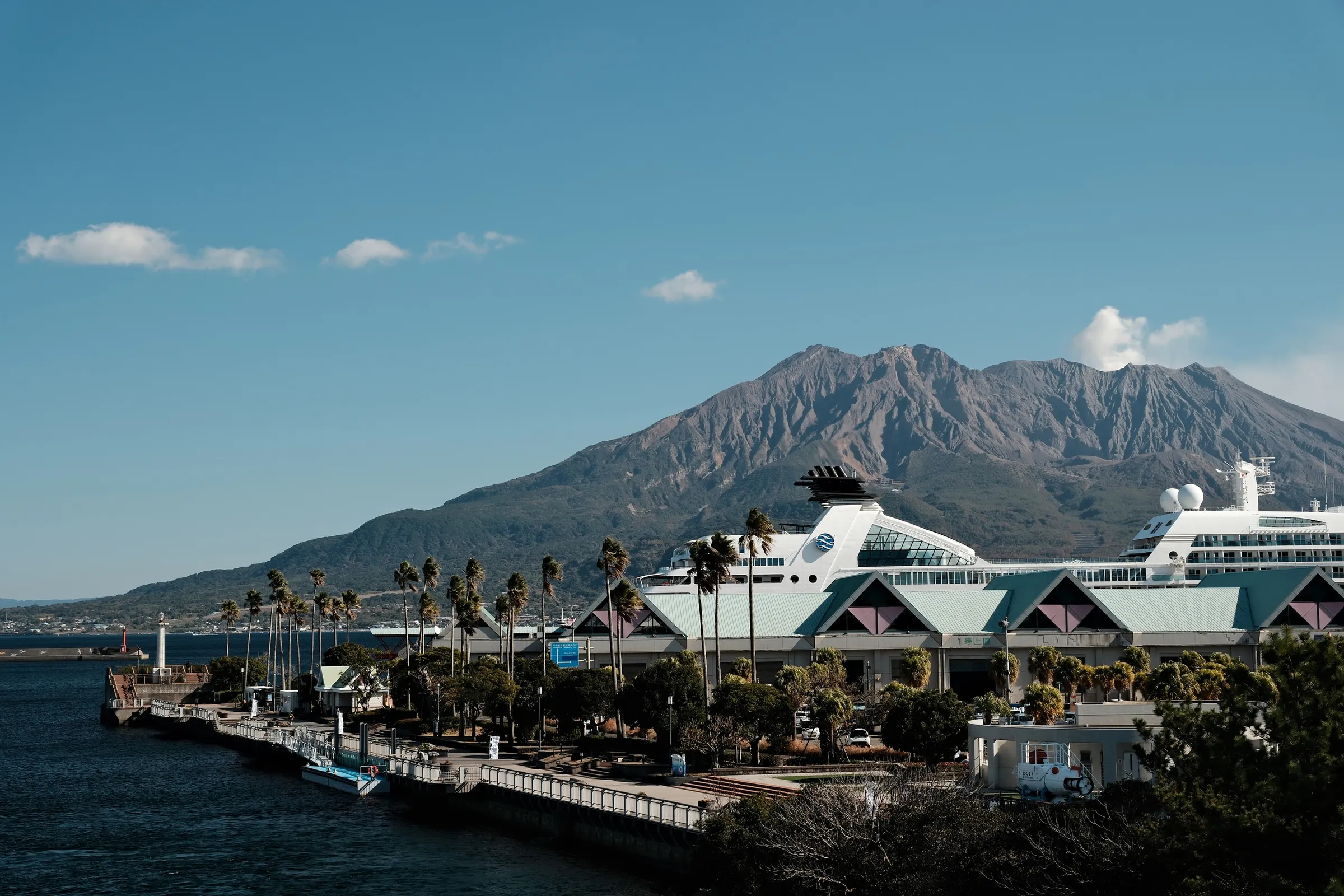
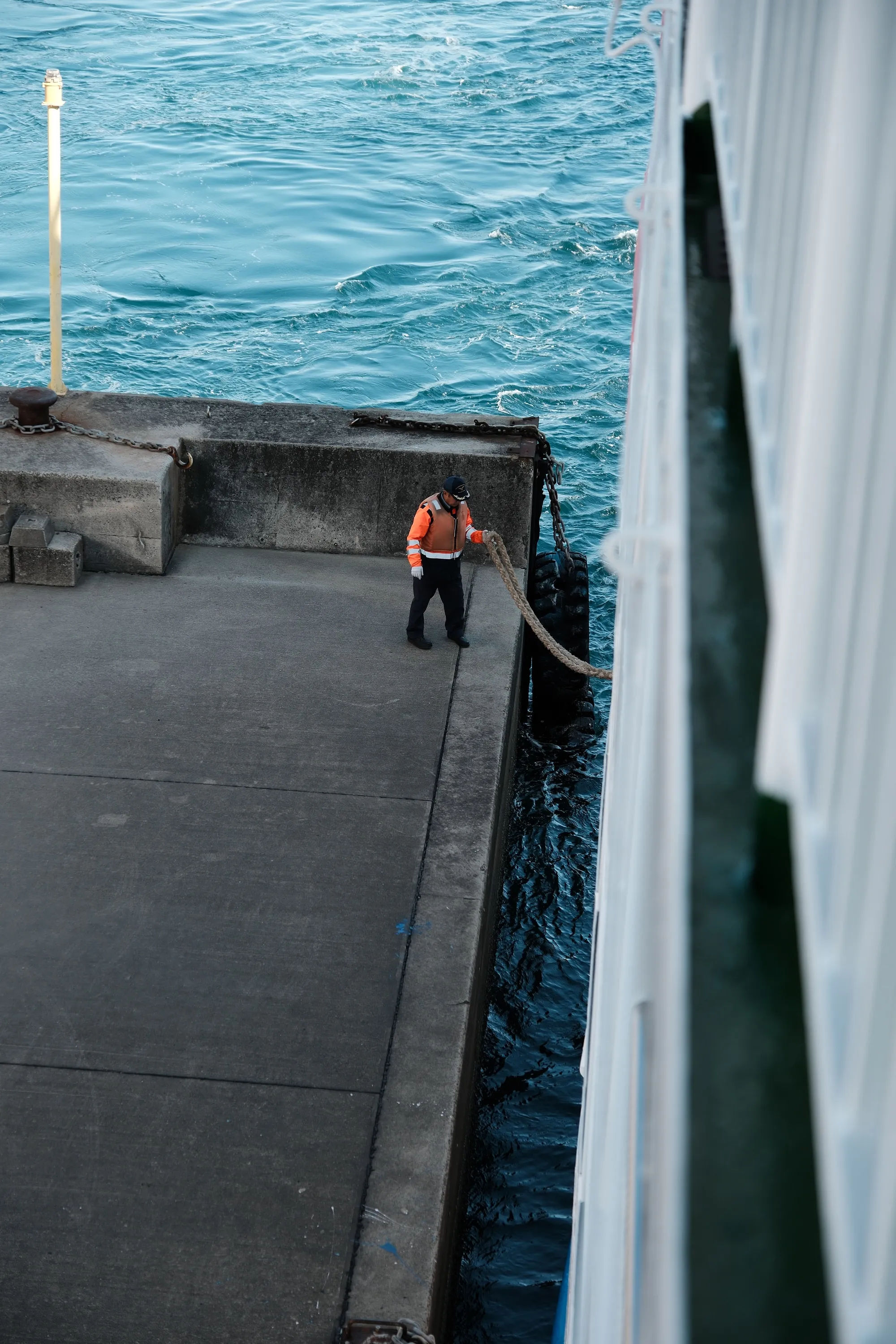
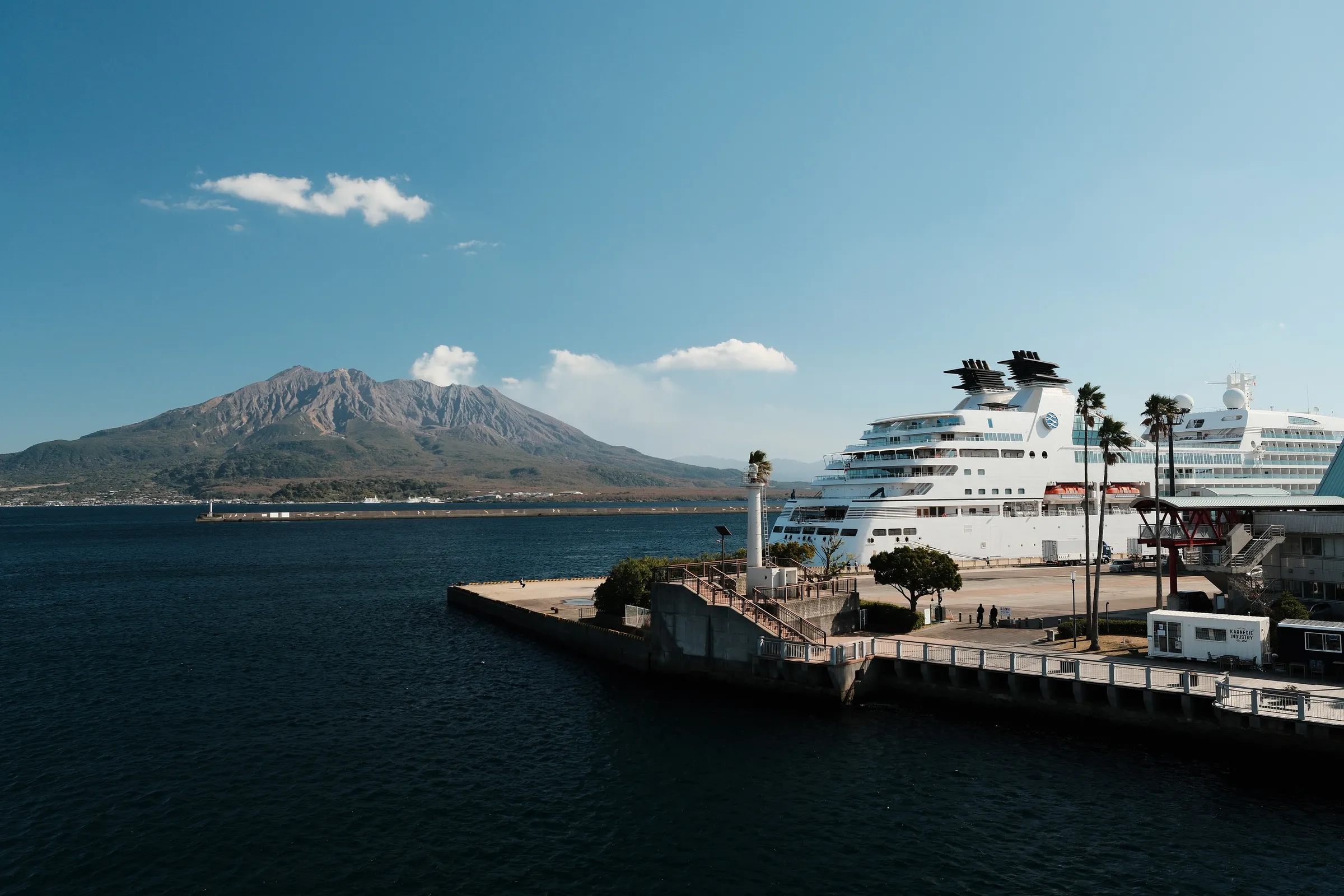
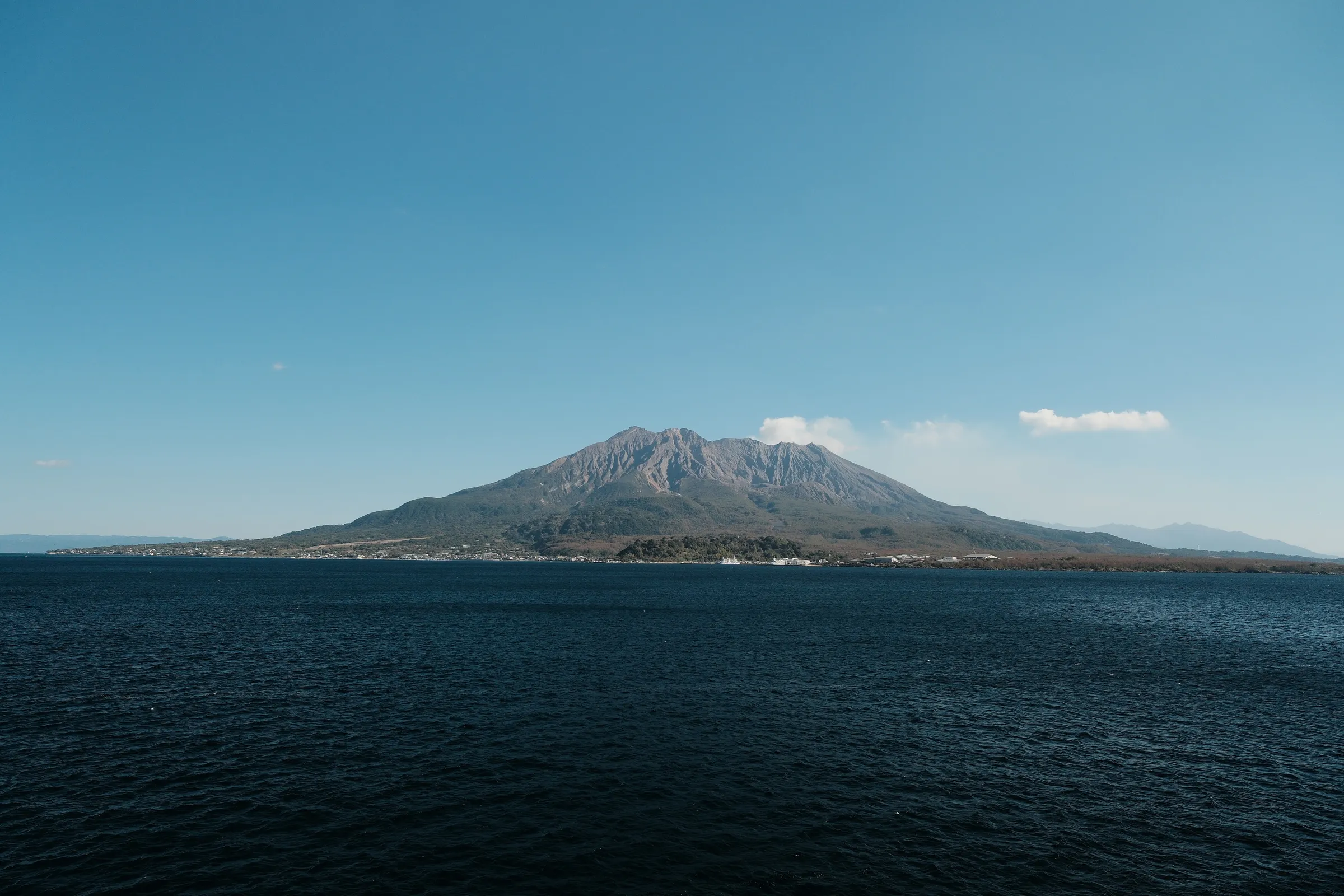
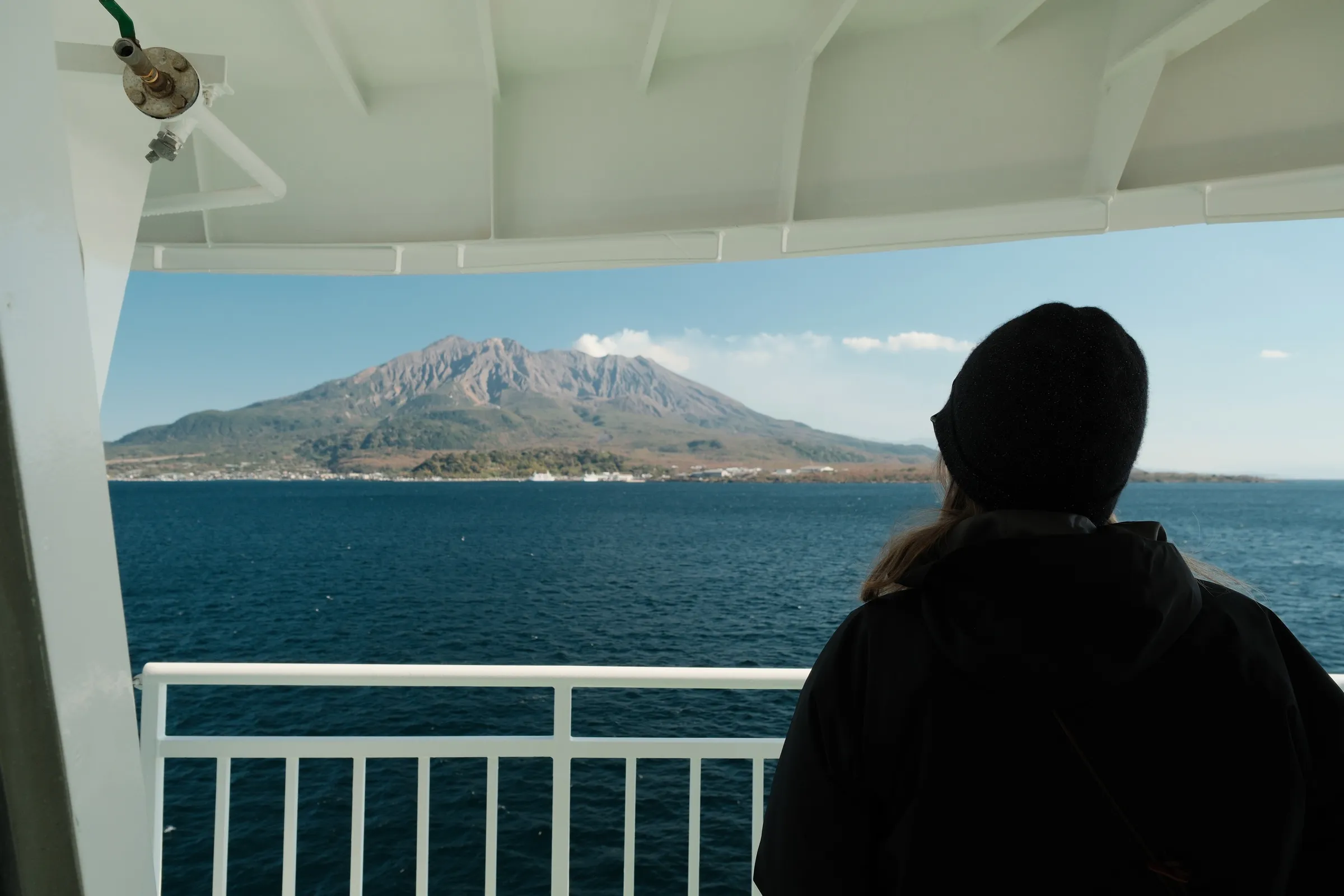
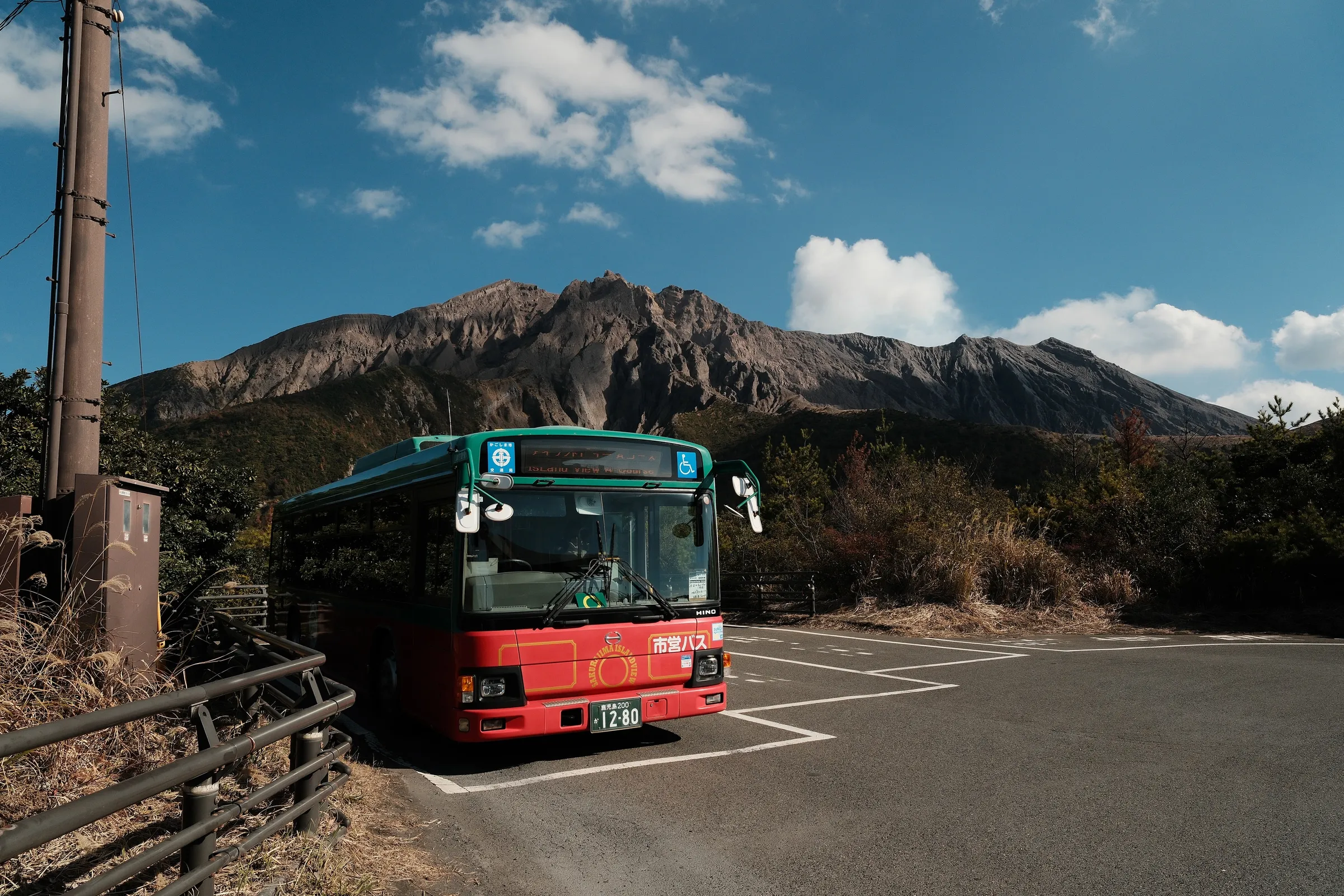
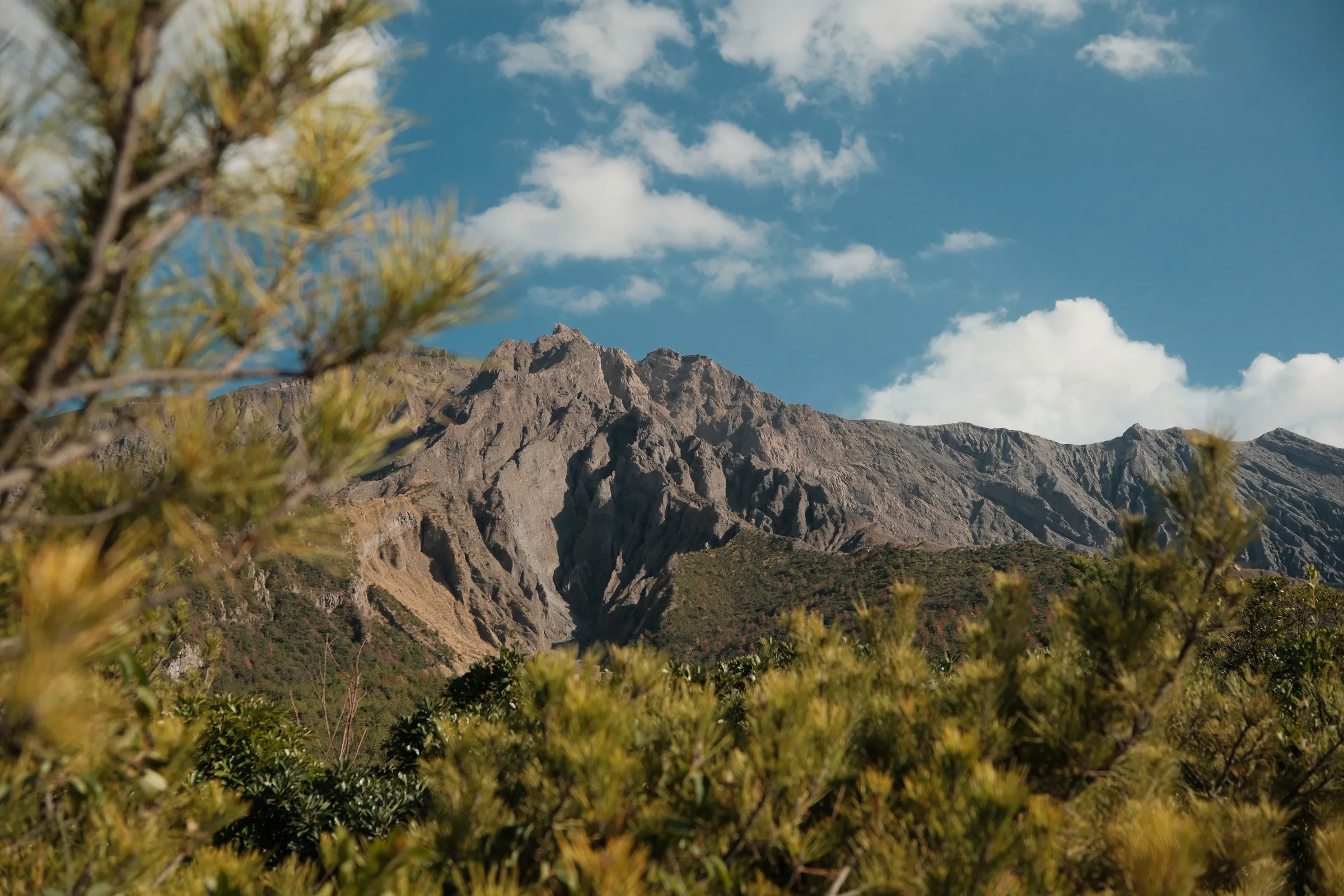
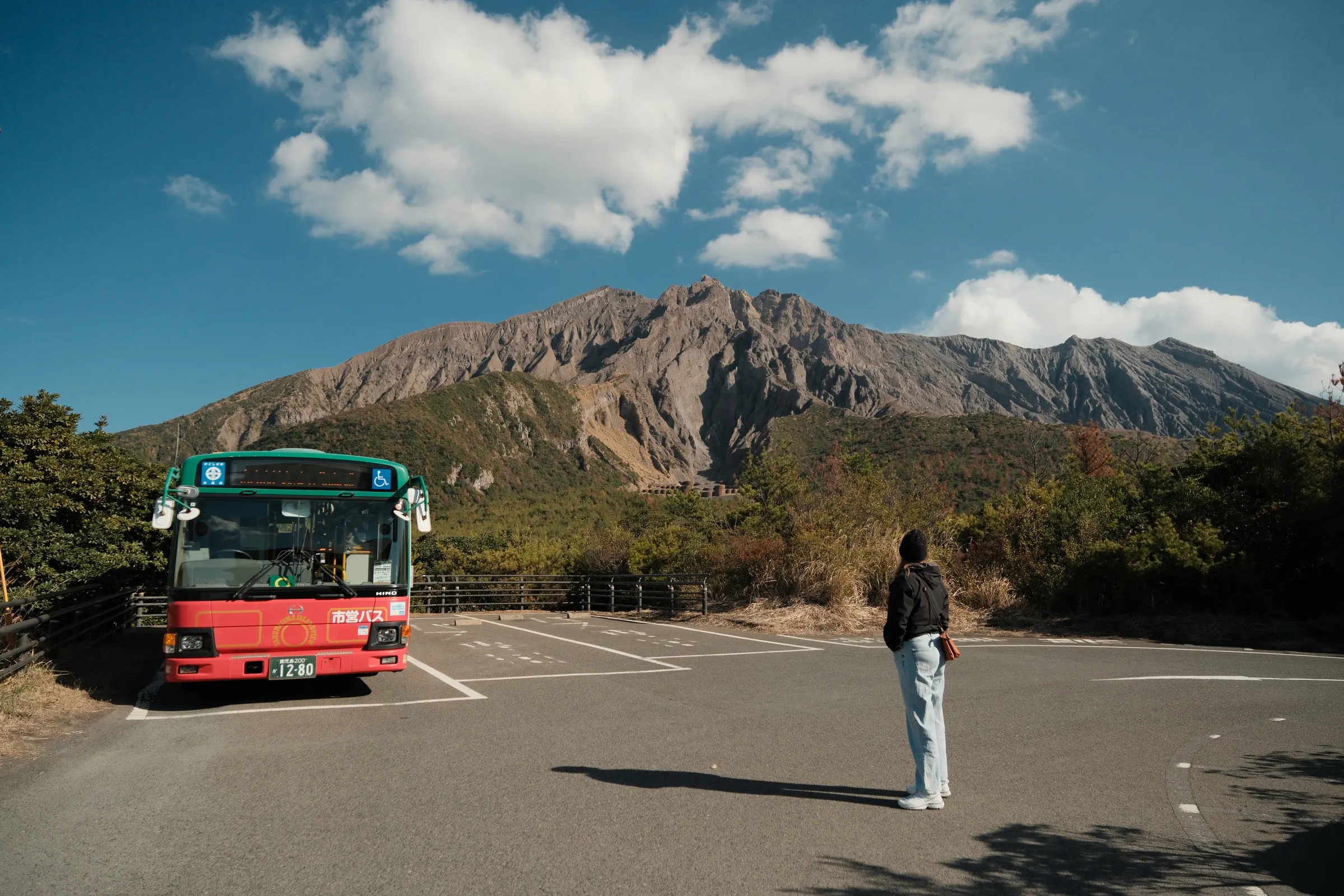
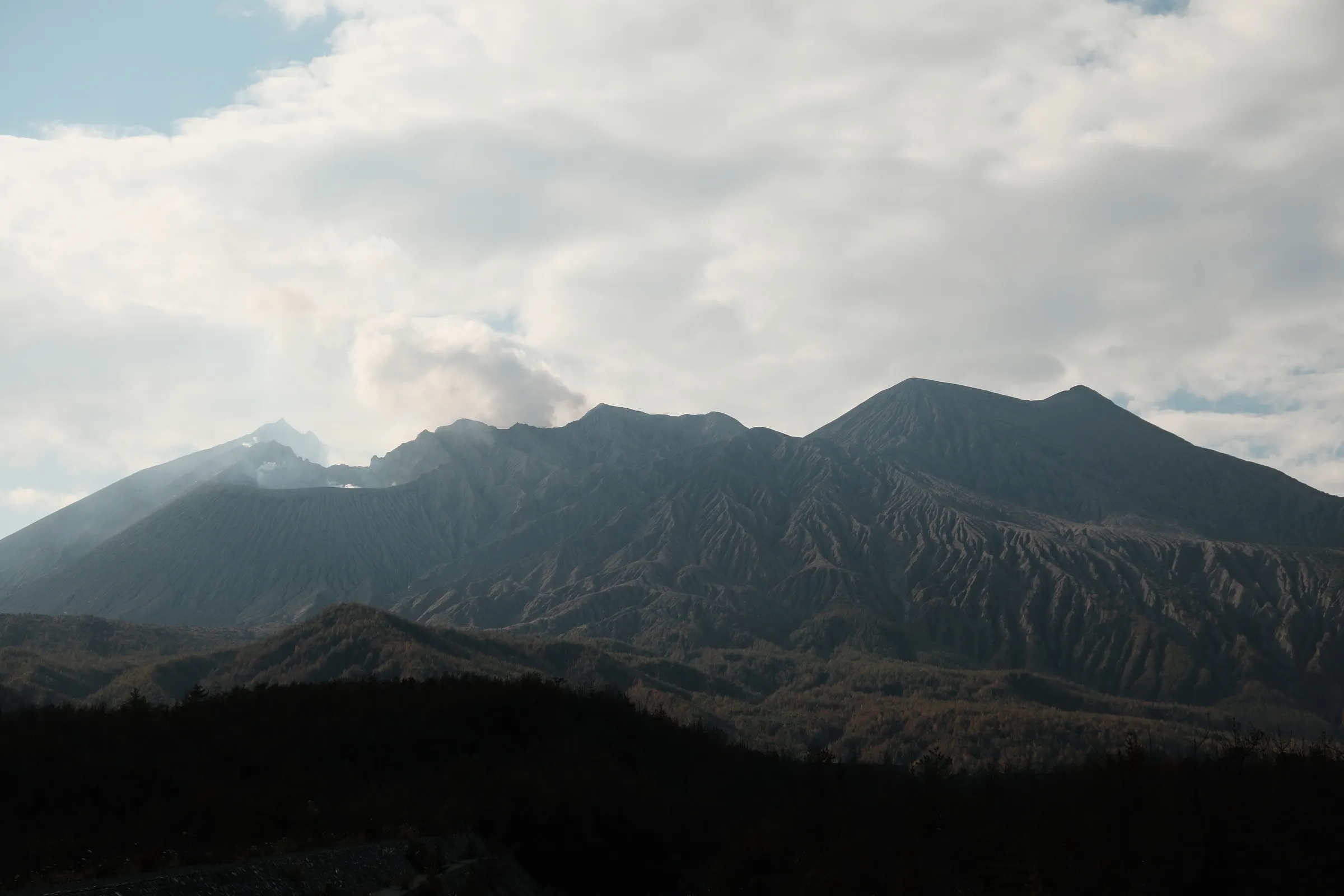
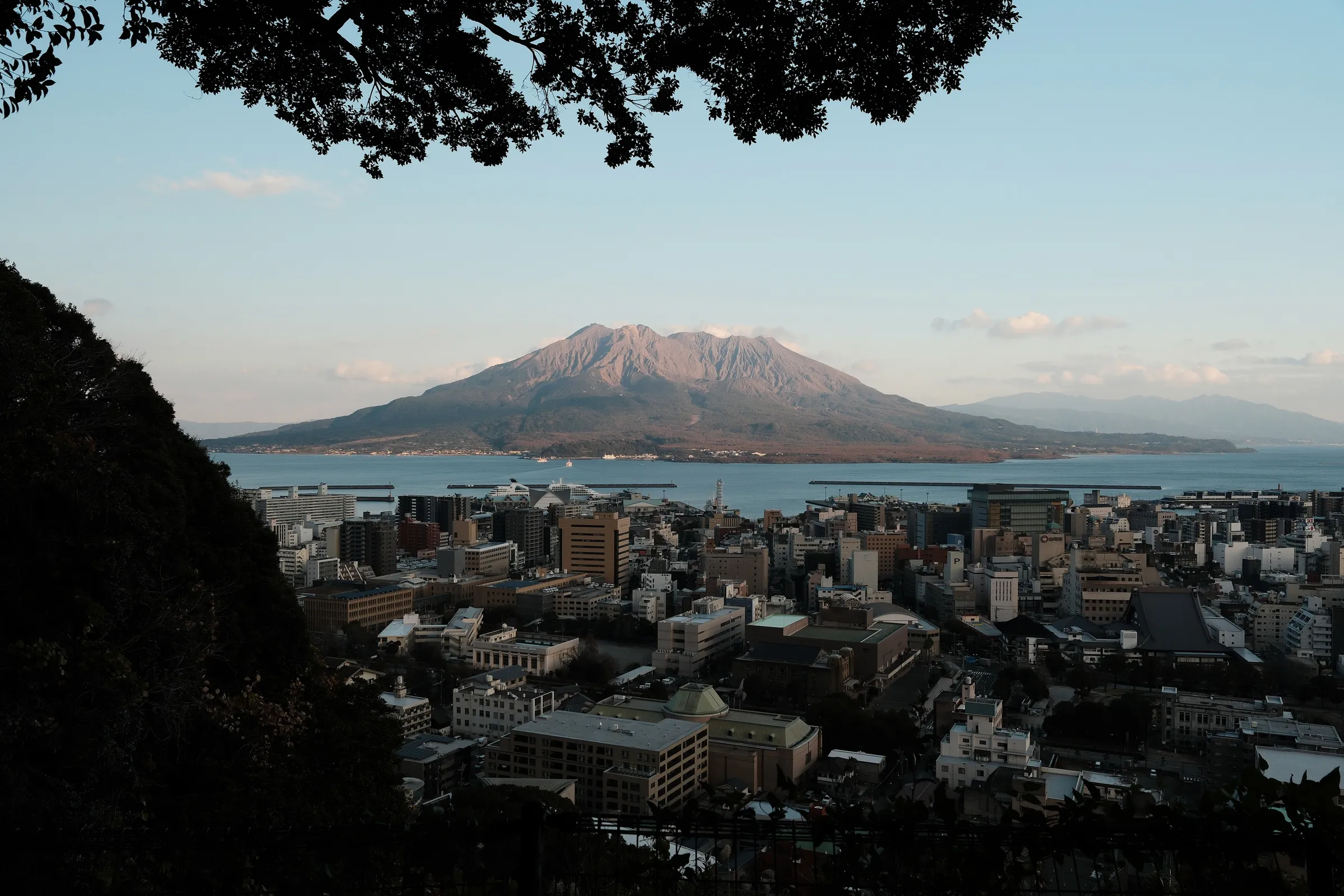
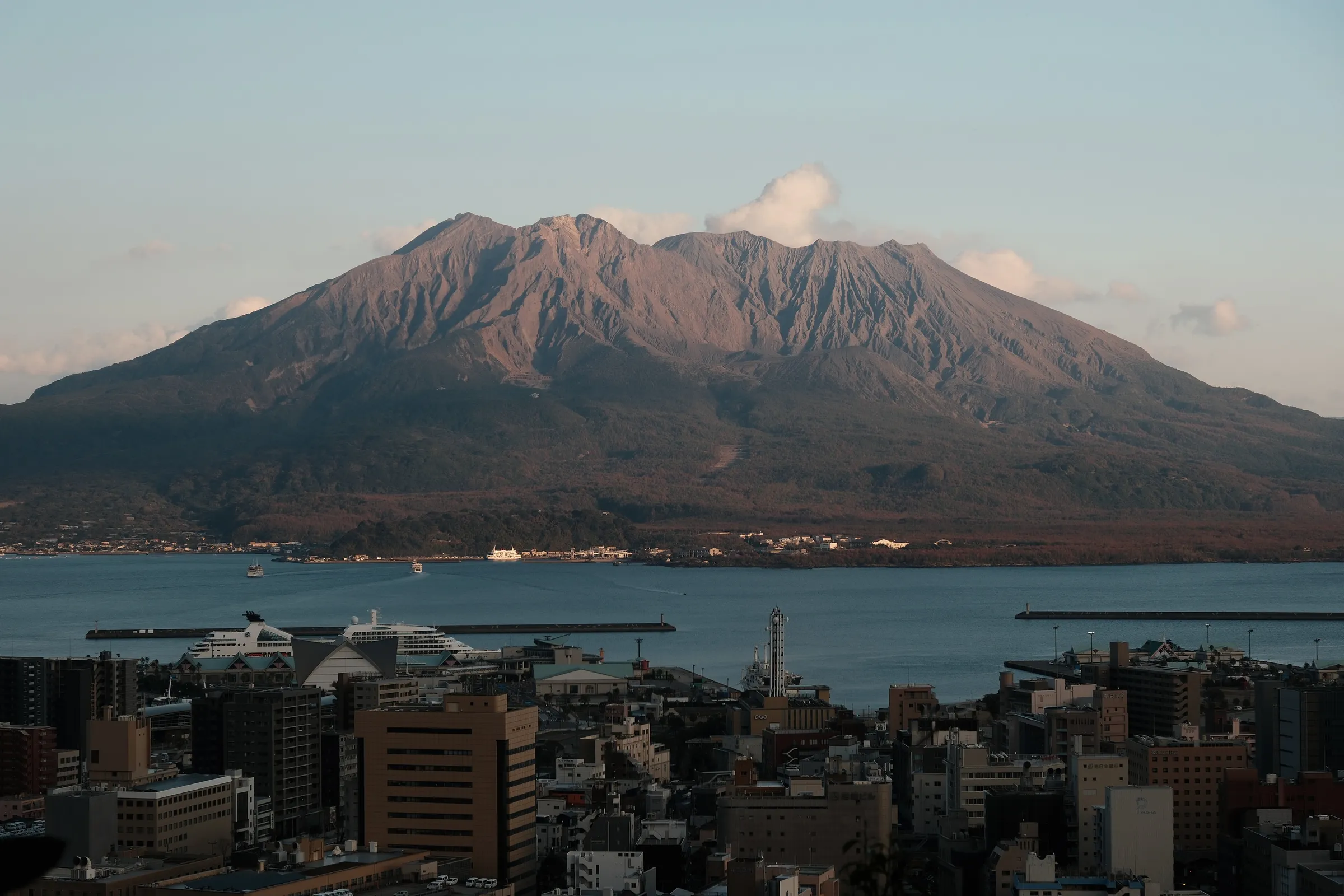
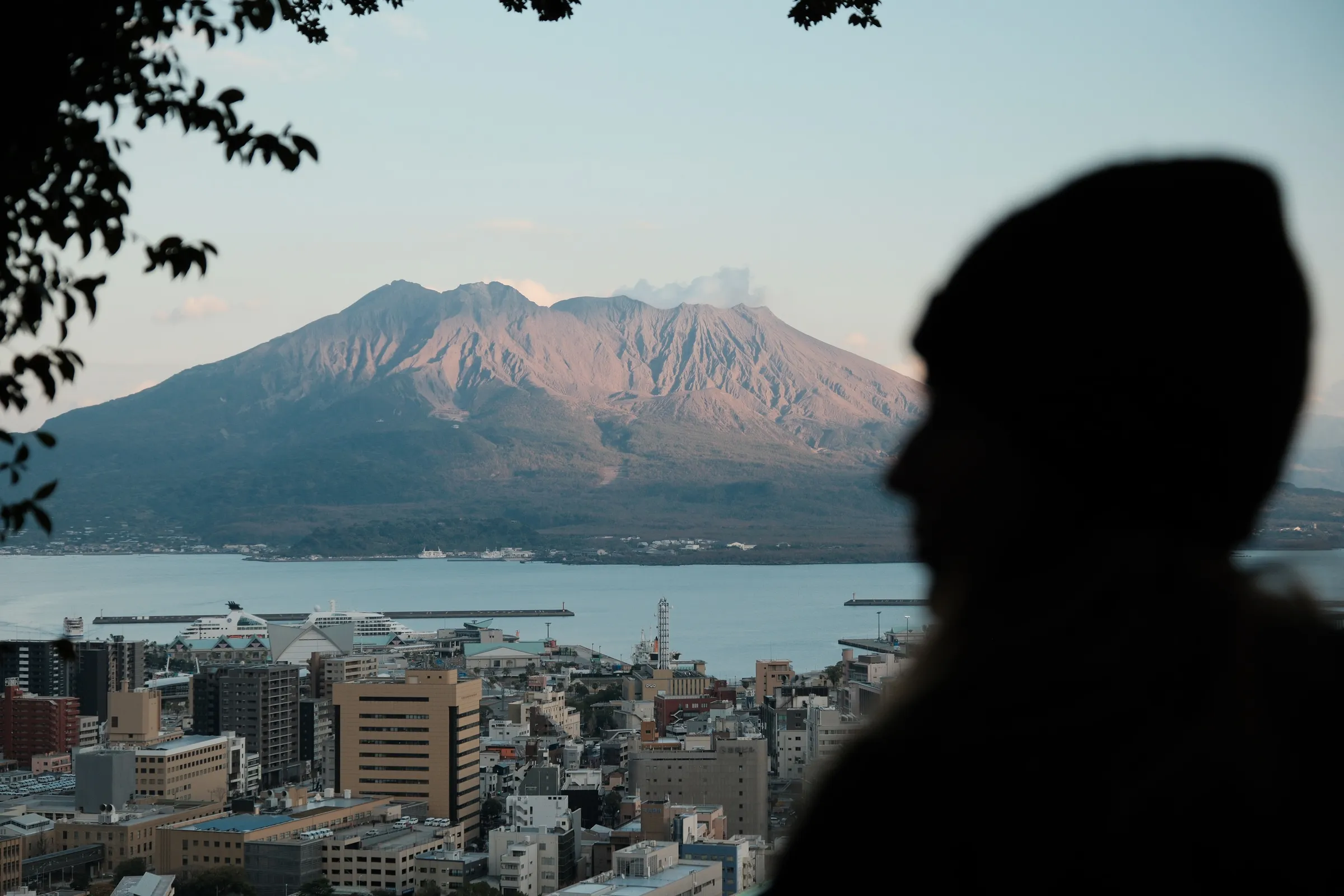
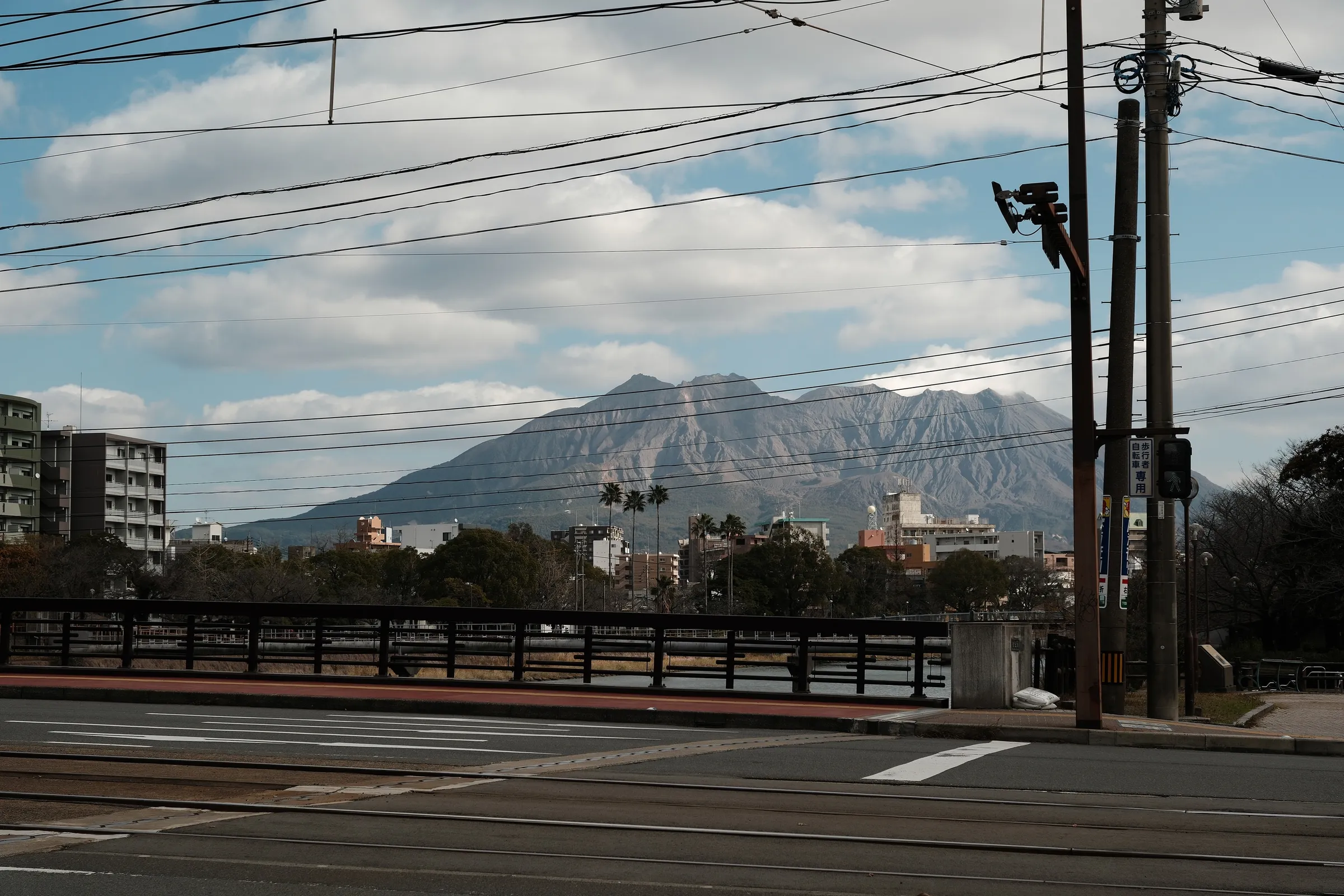
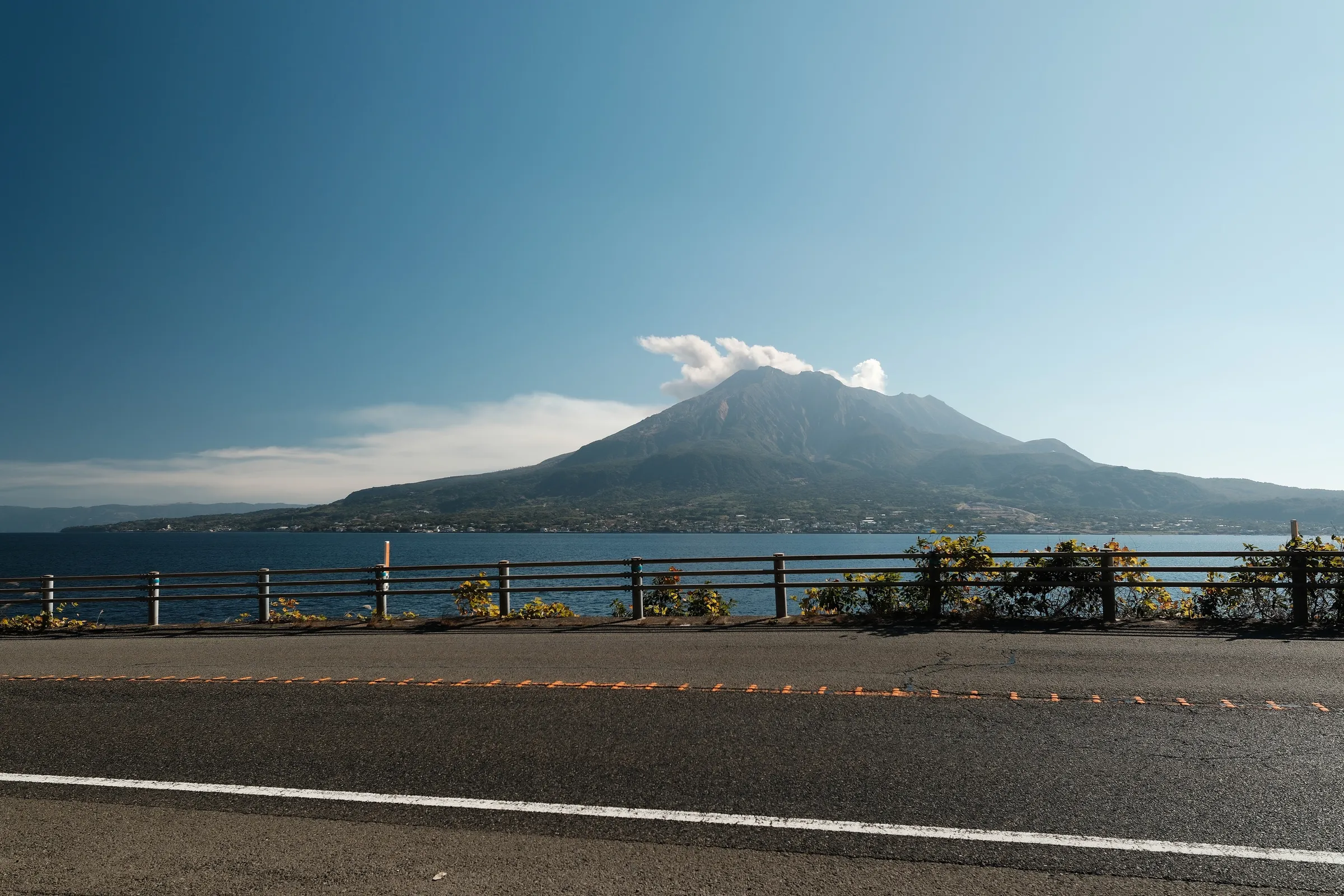
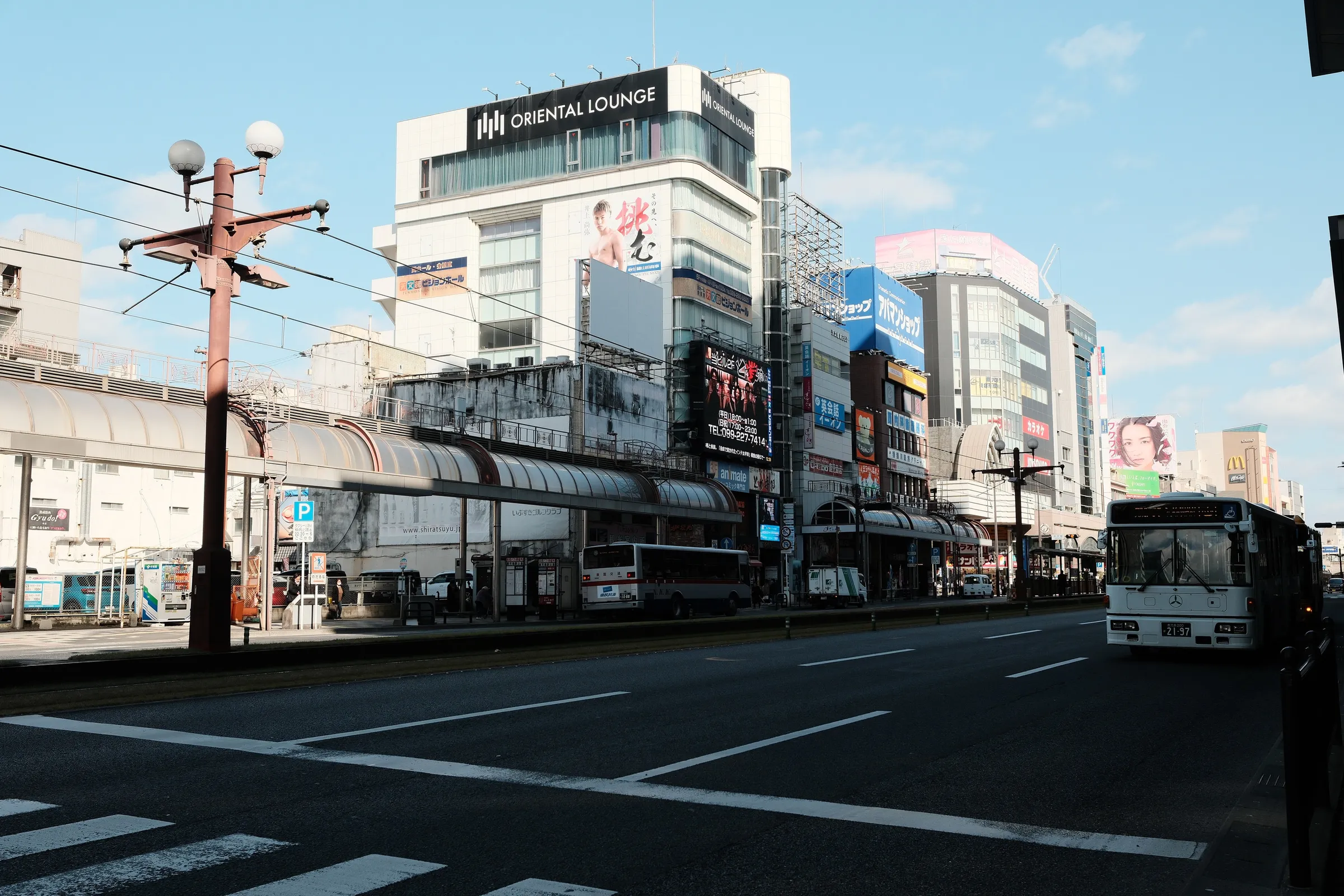
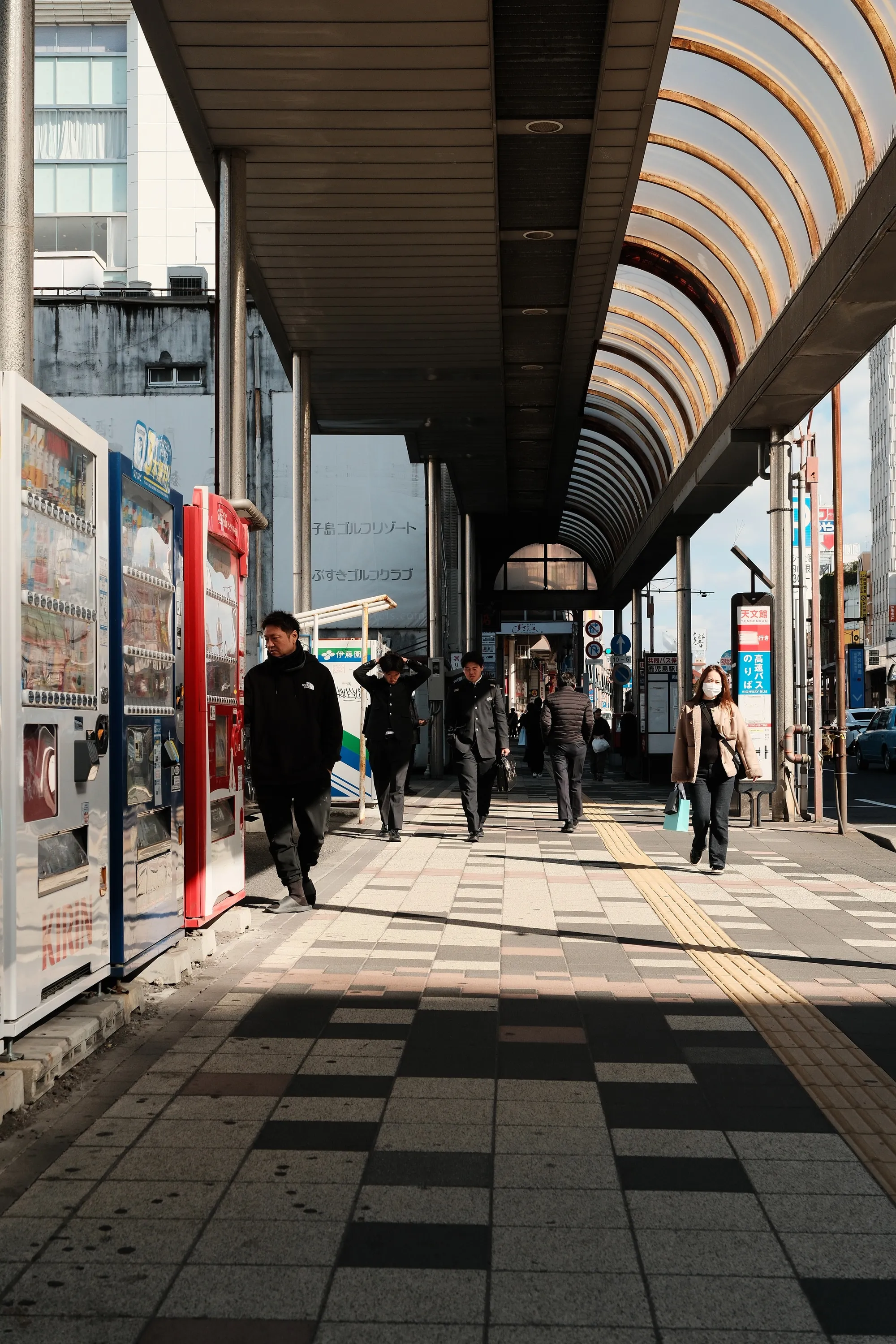
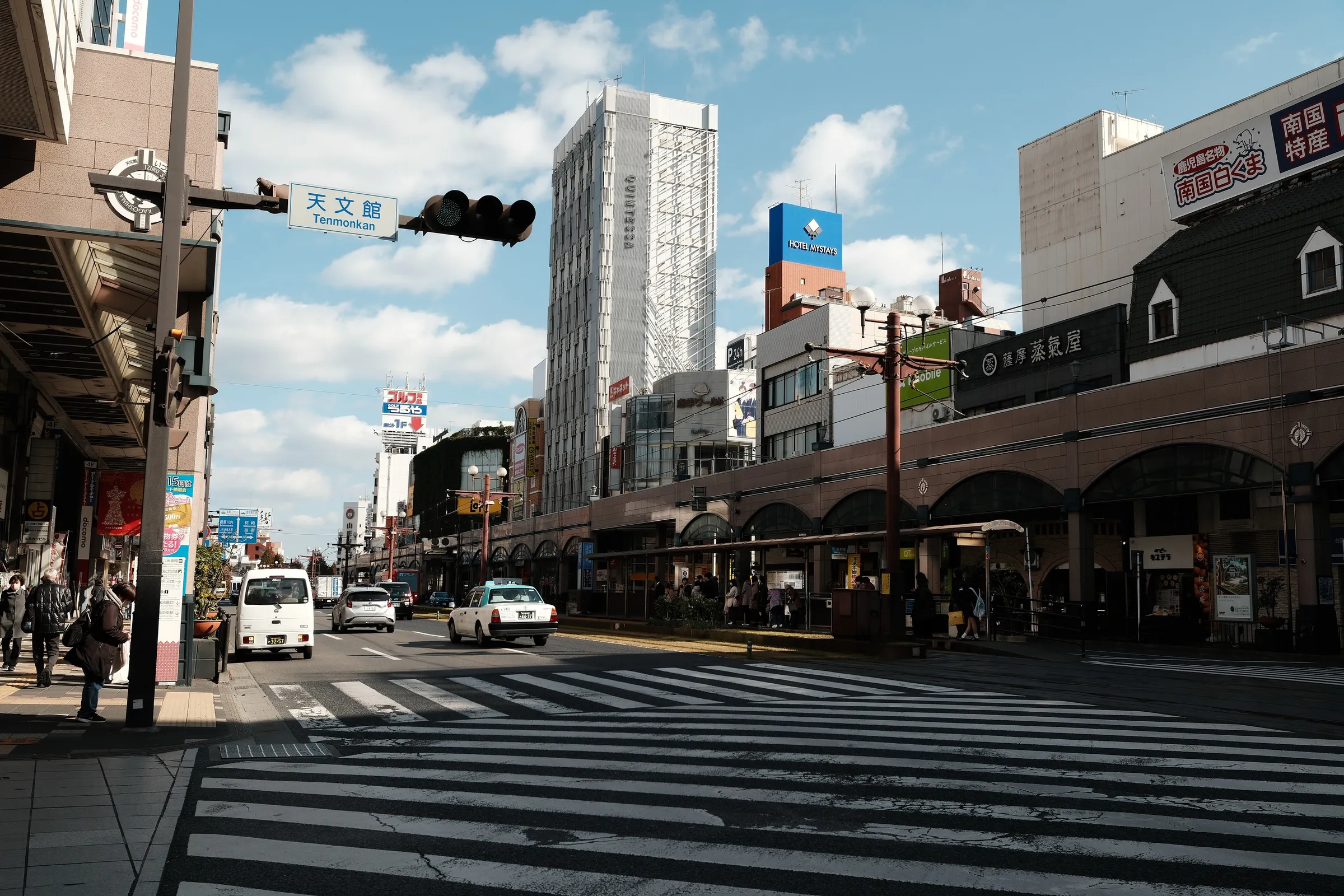
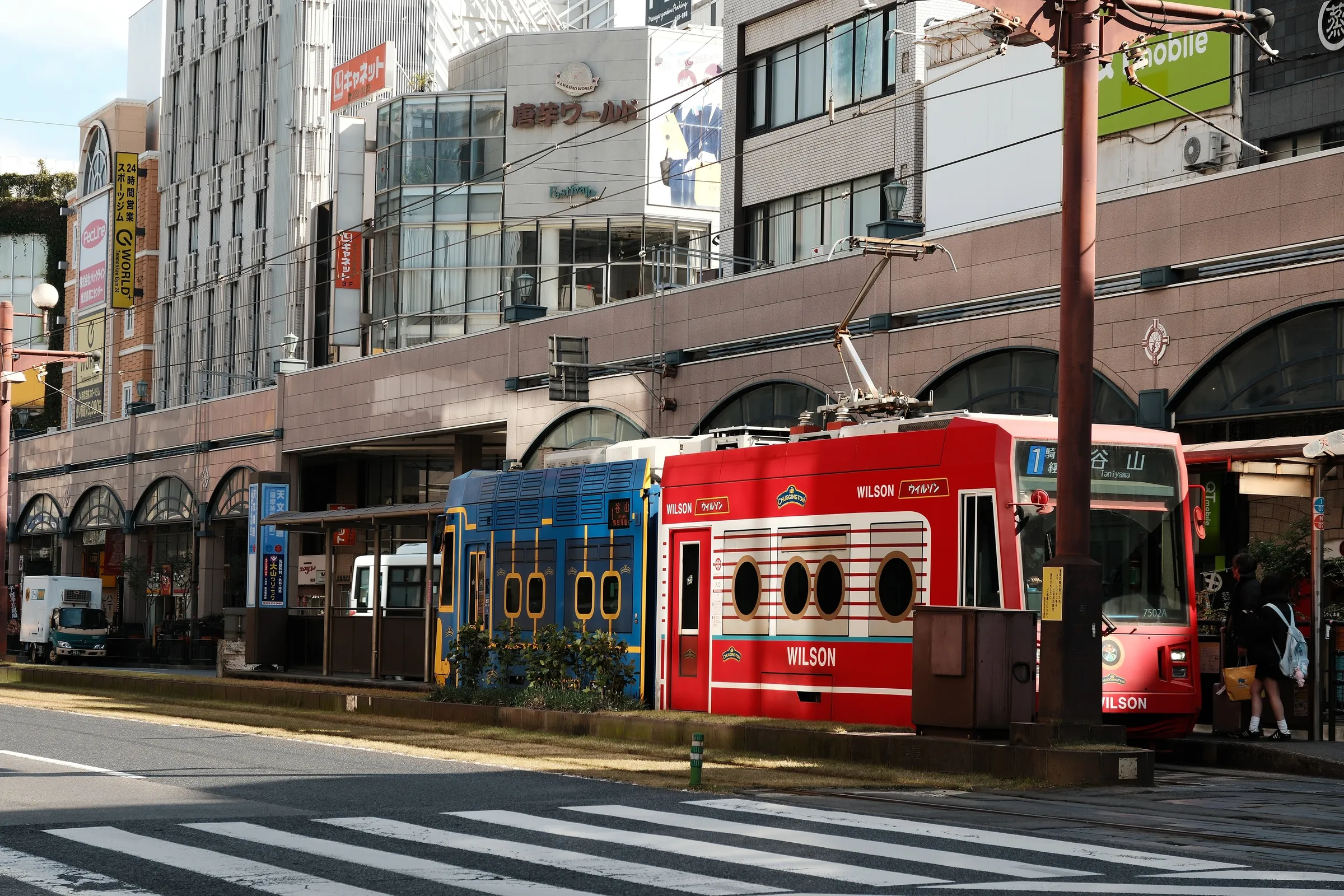
The mighty Sakurajima
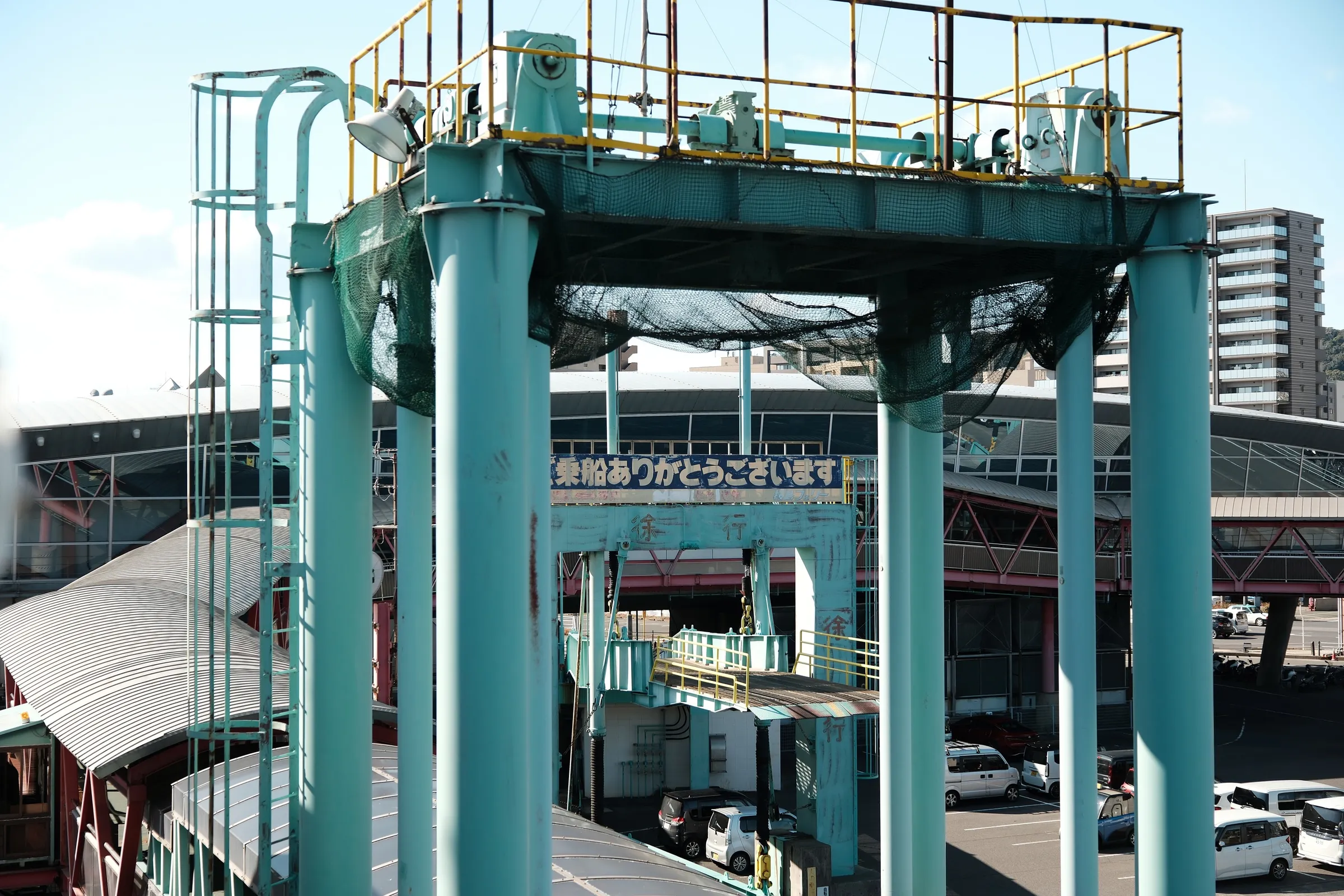
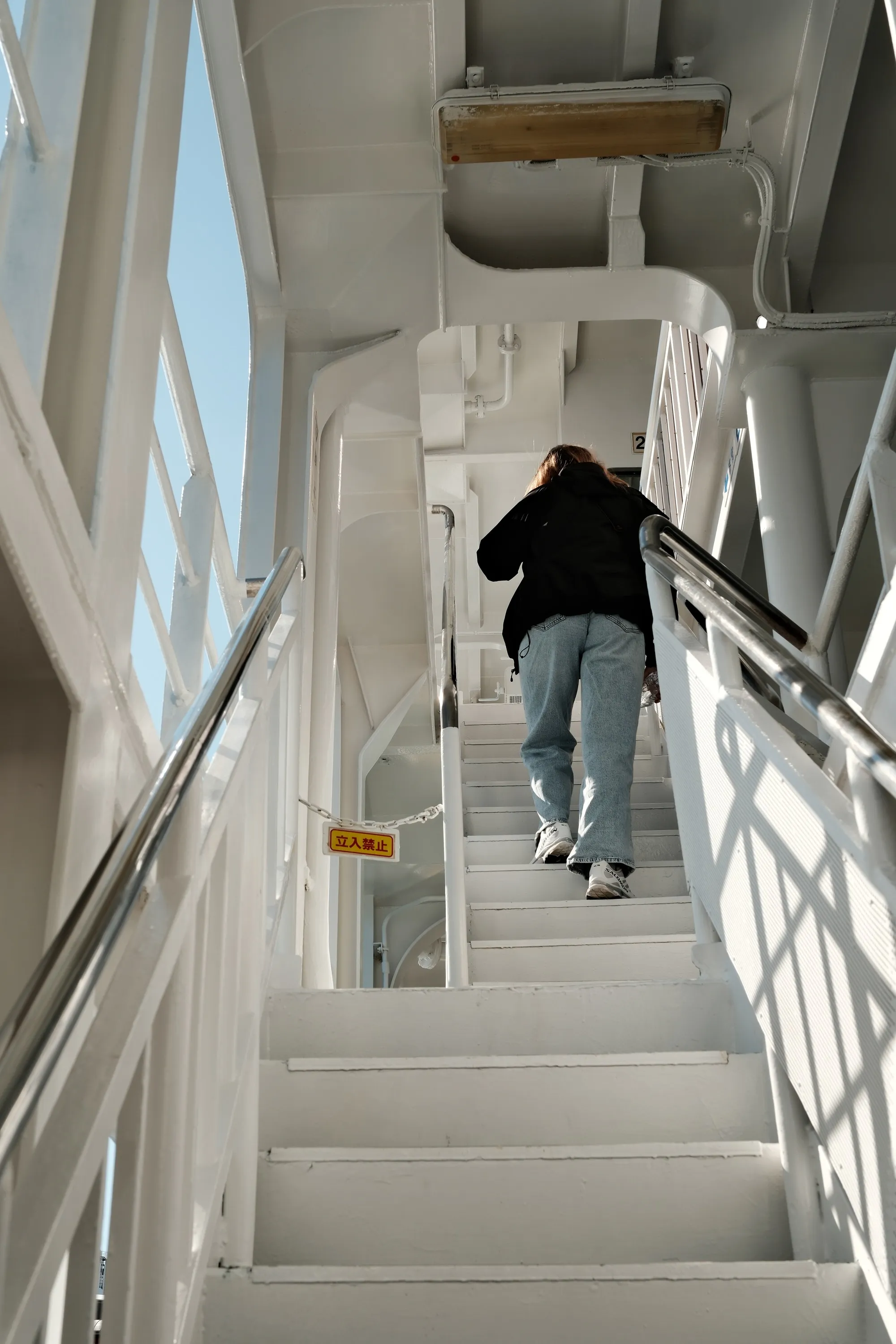
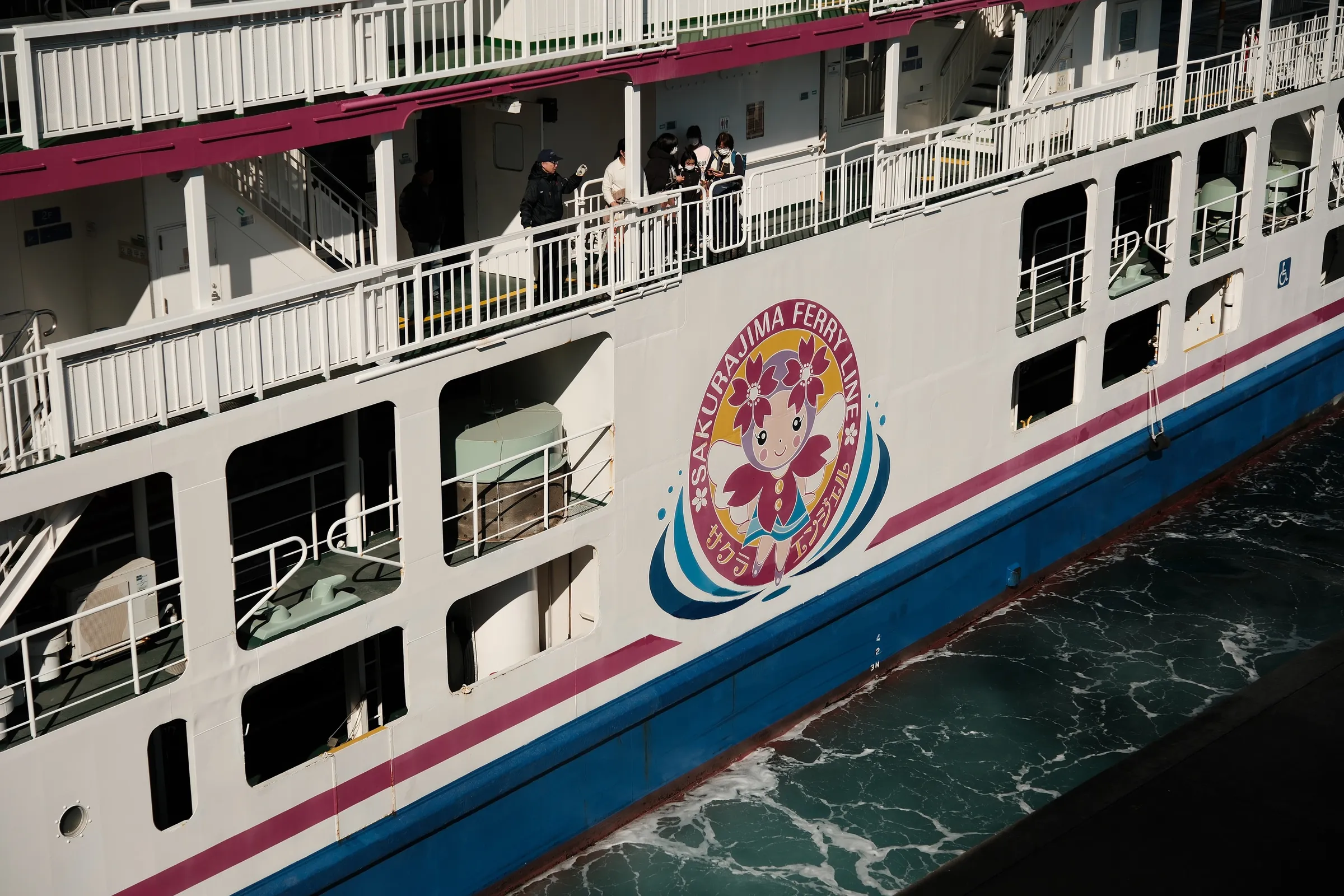
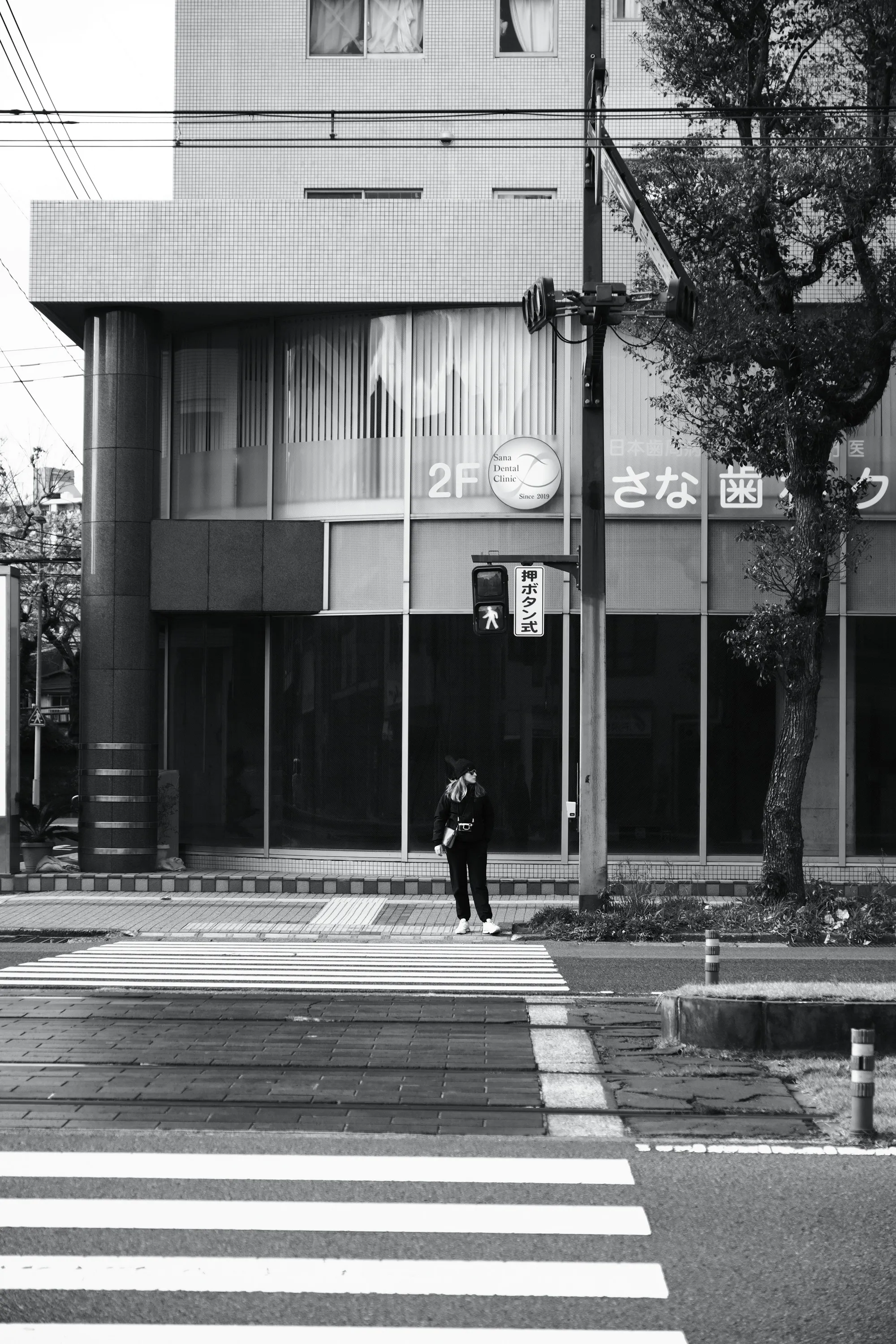
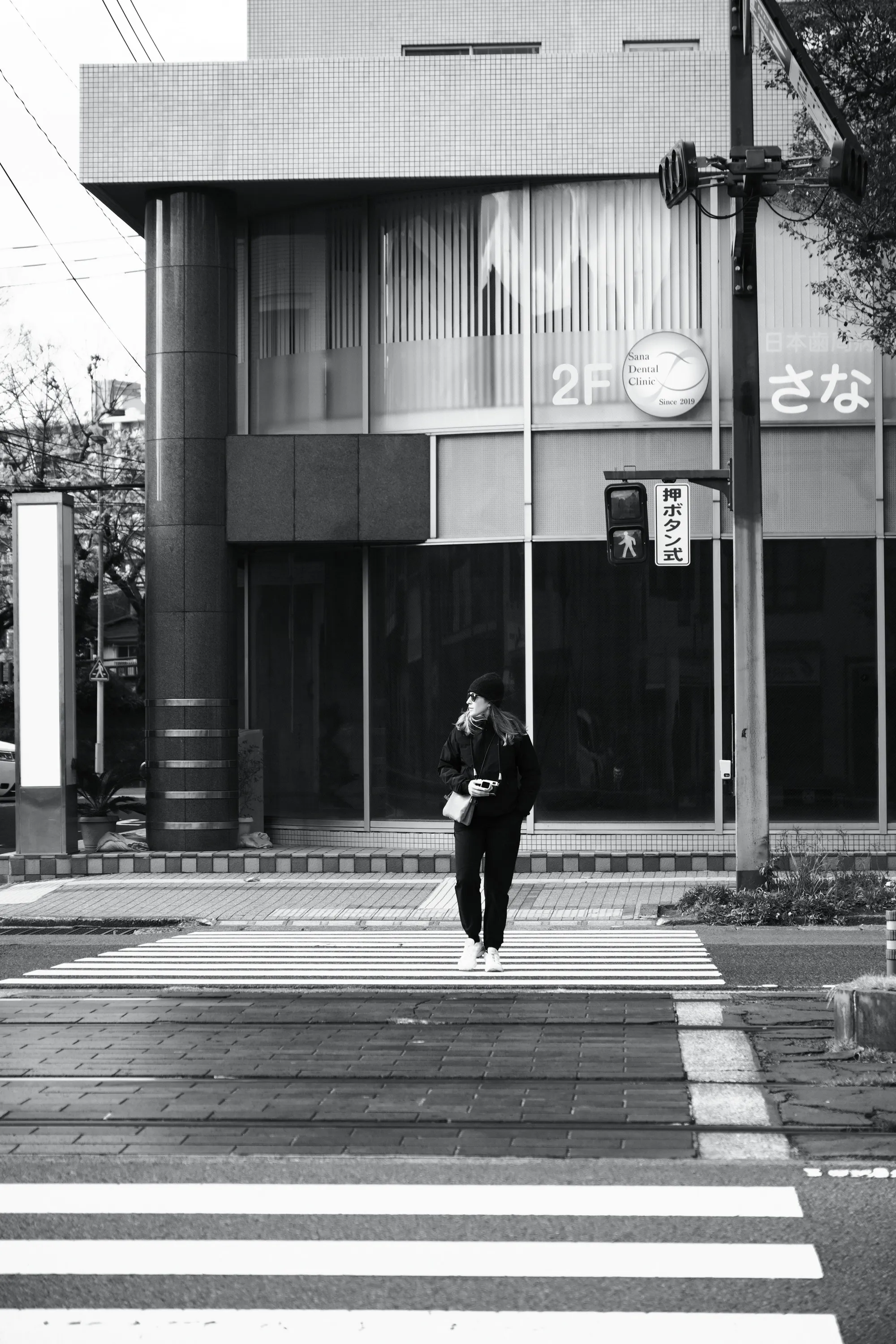
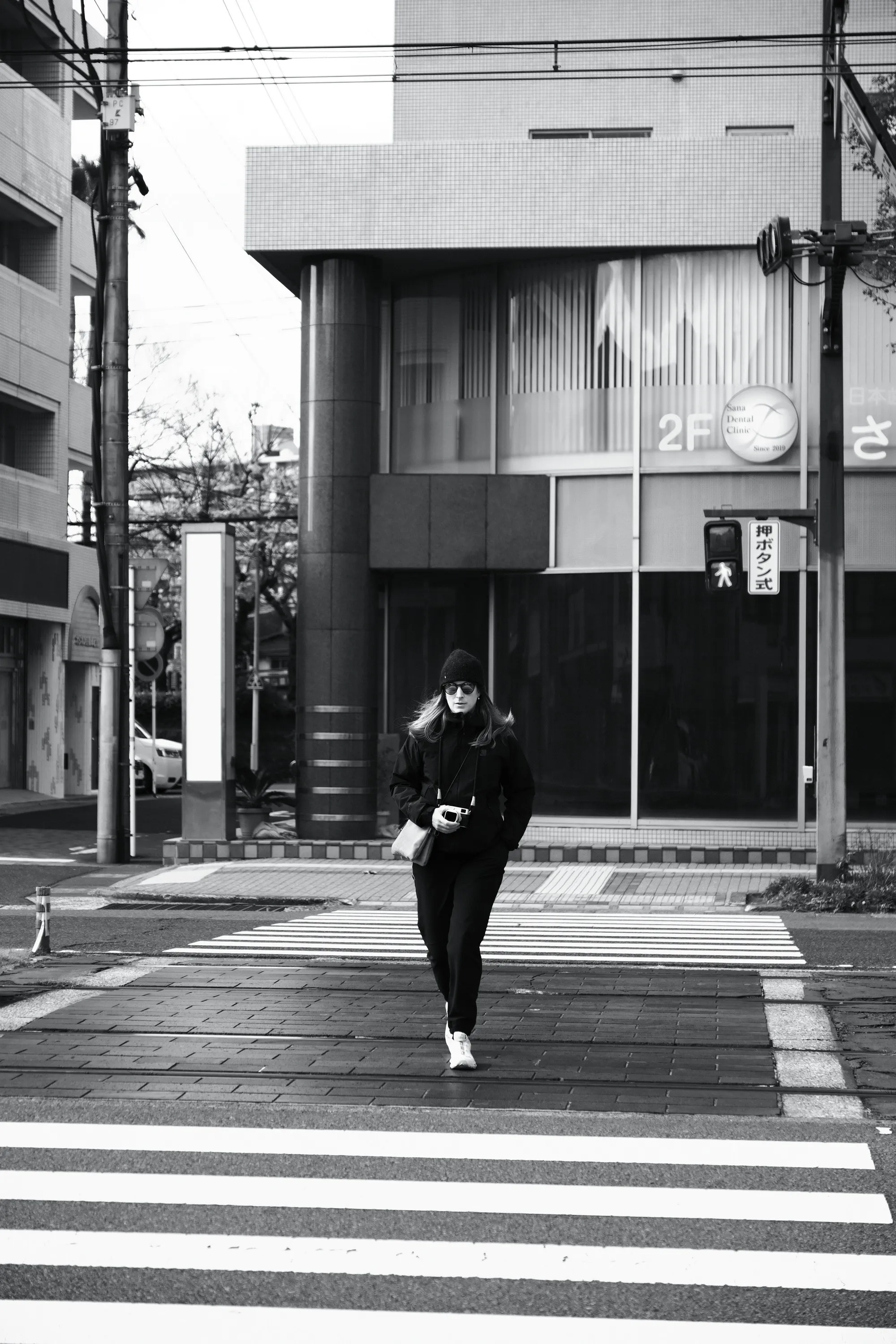
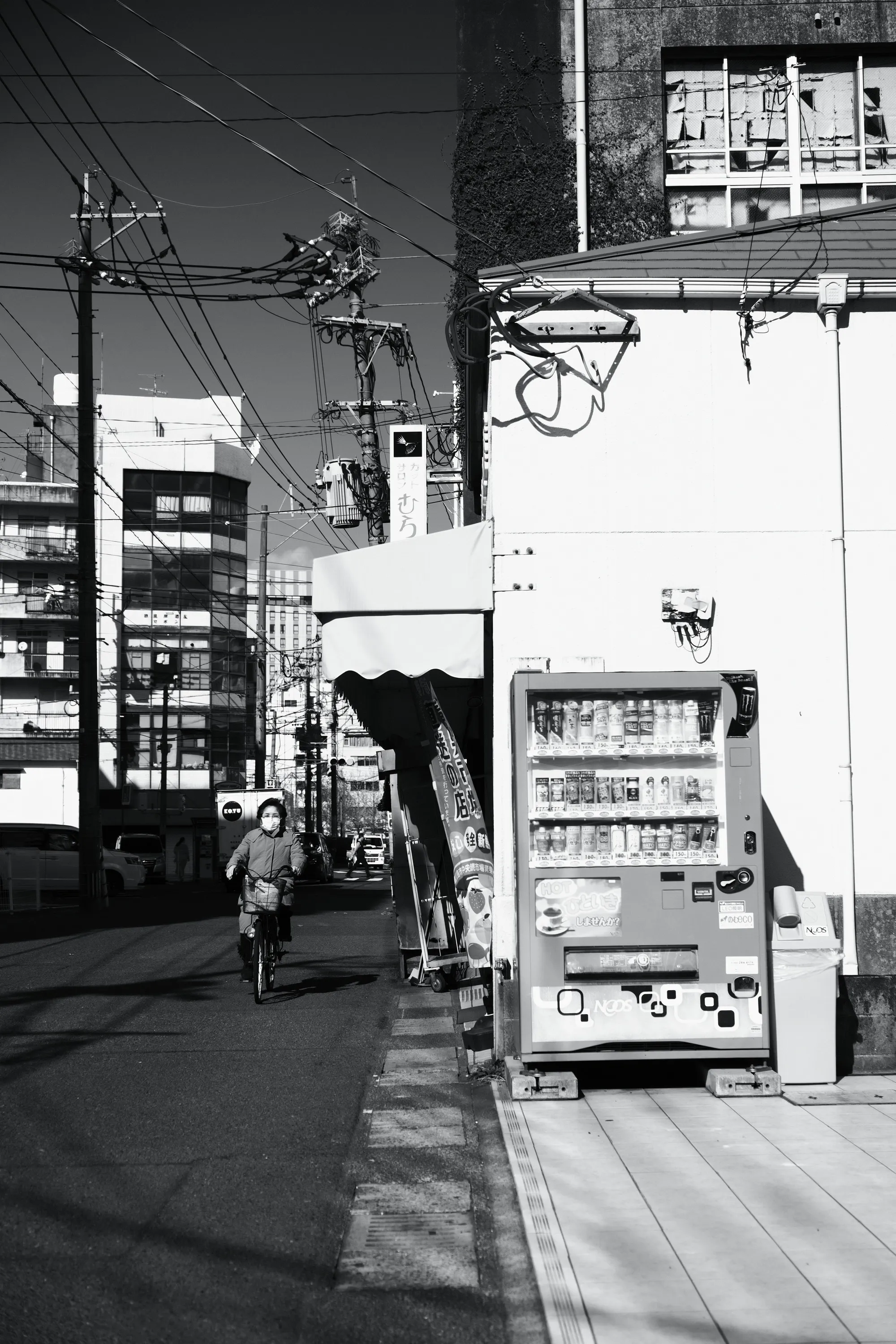
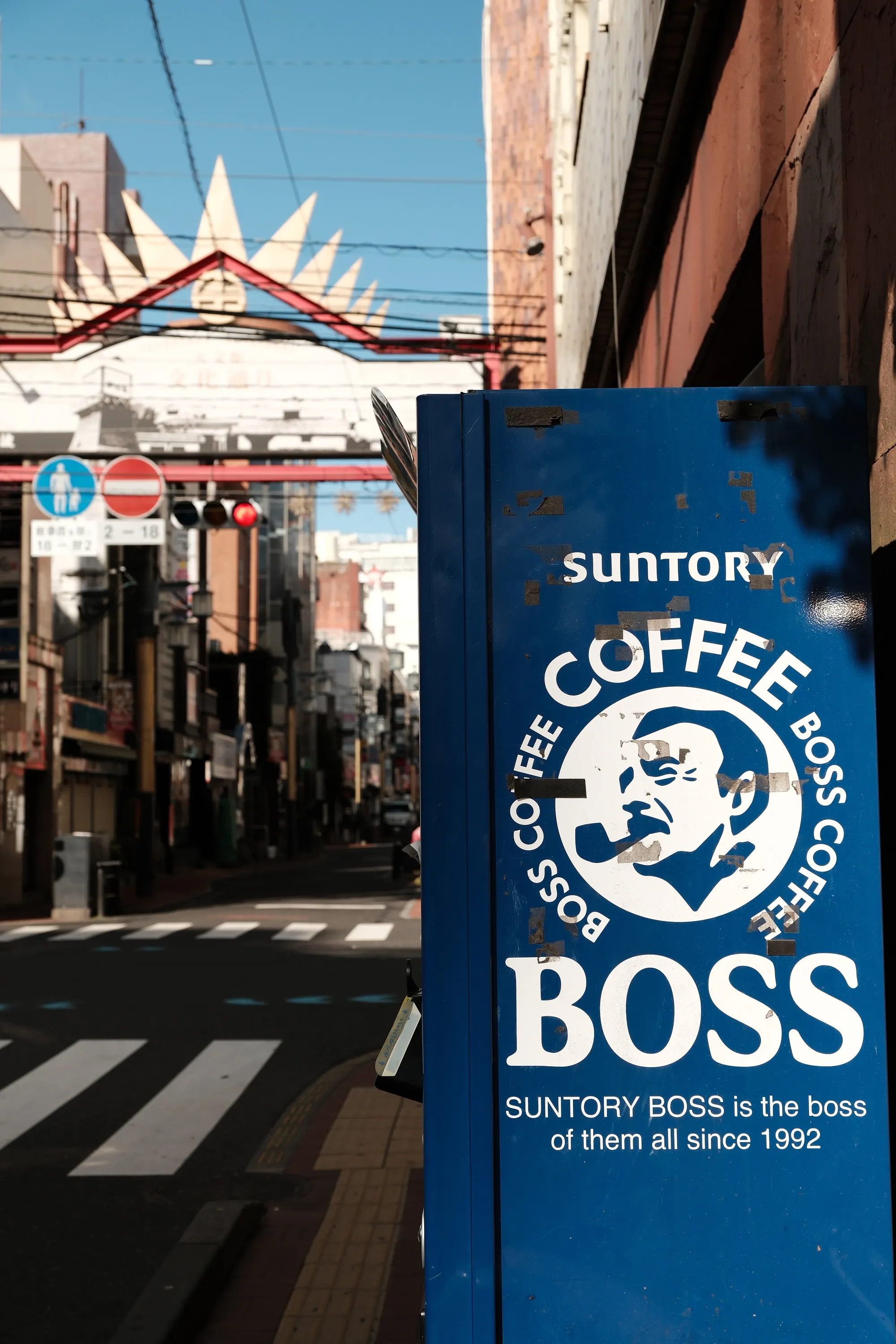
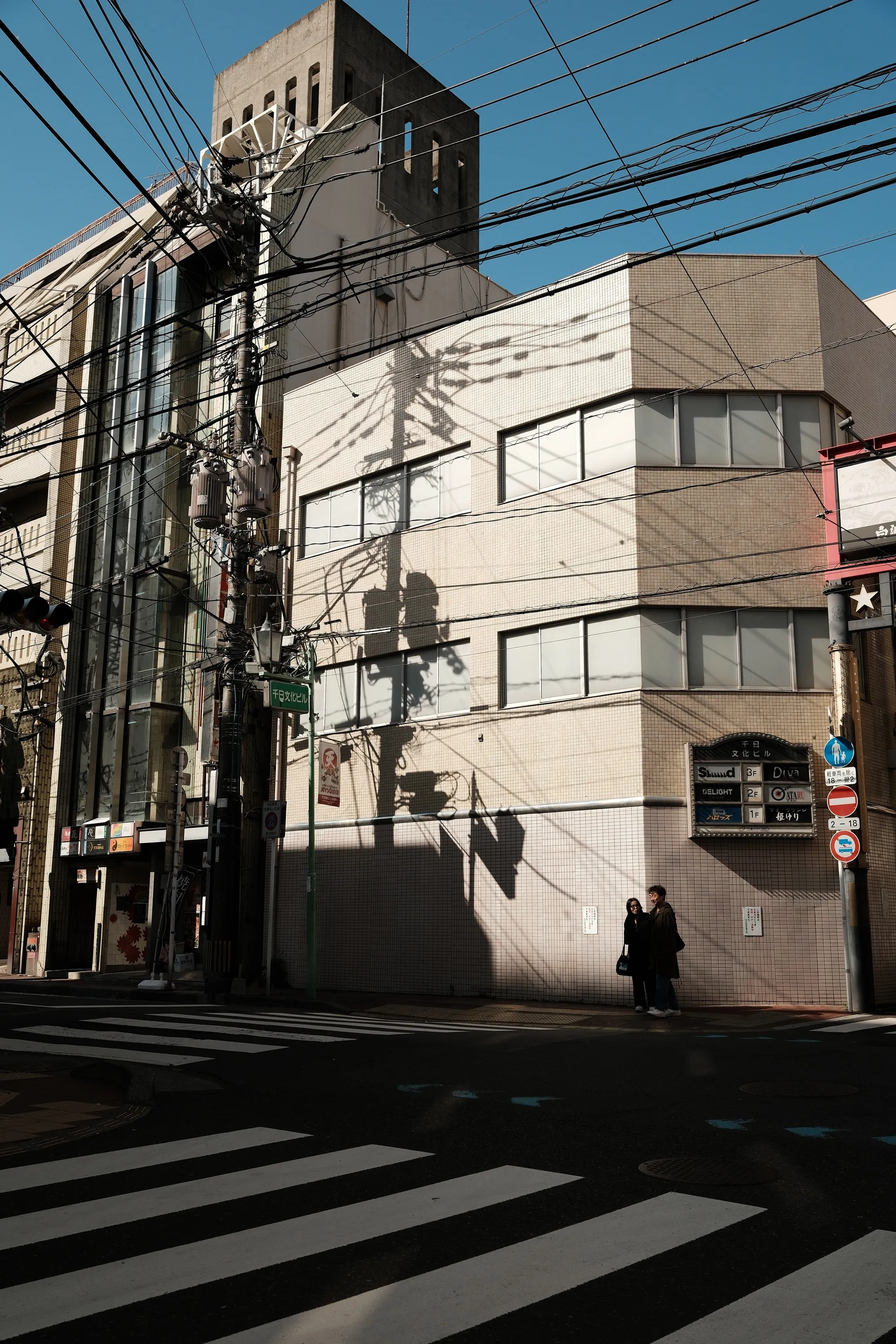
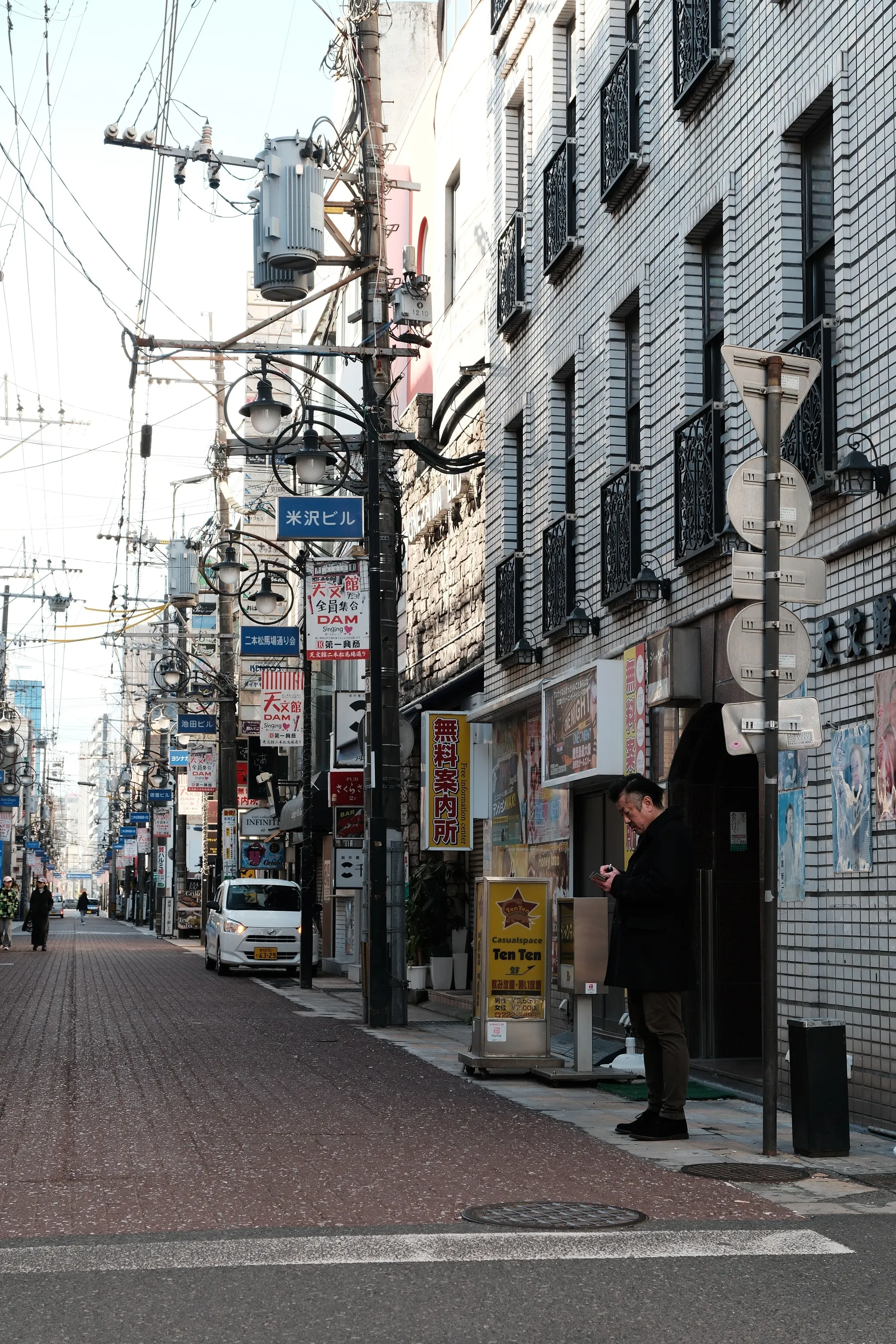
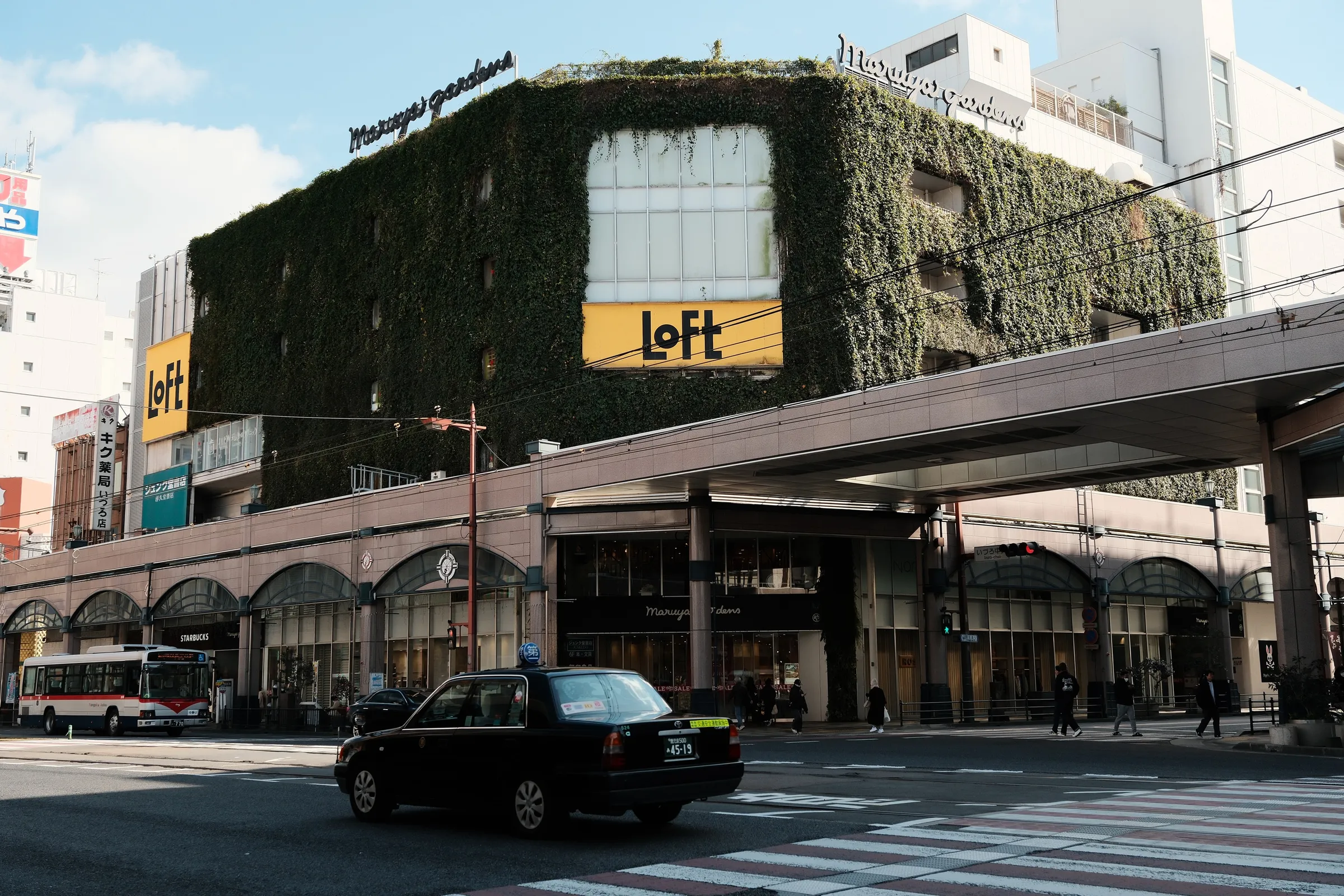
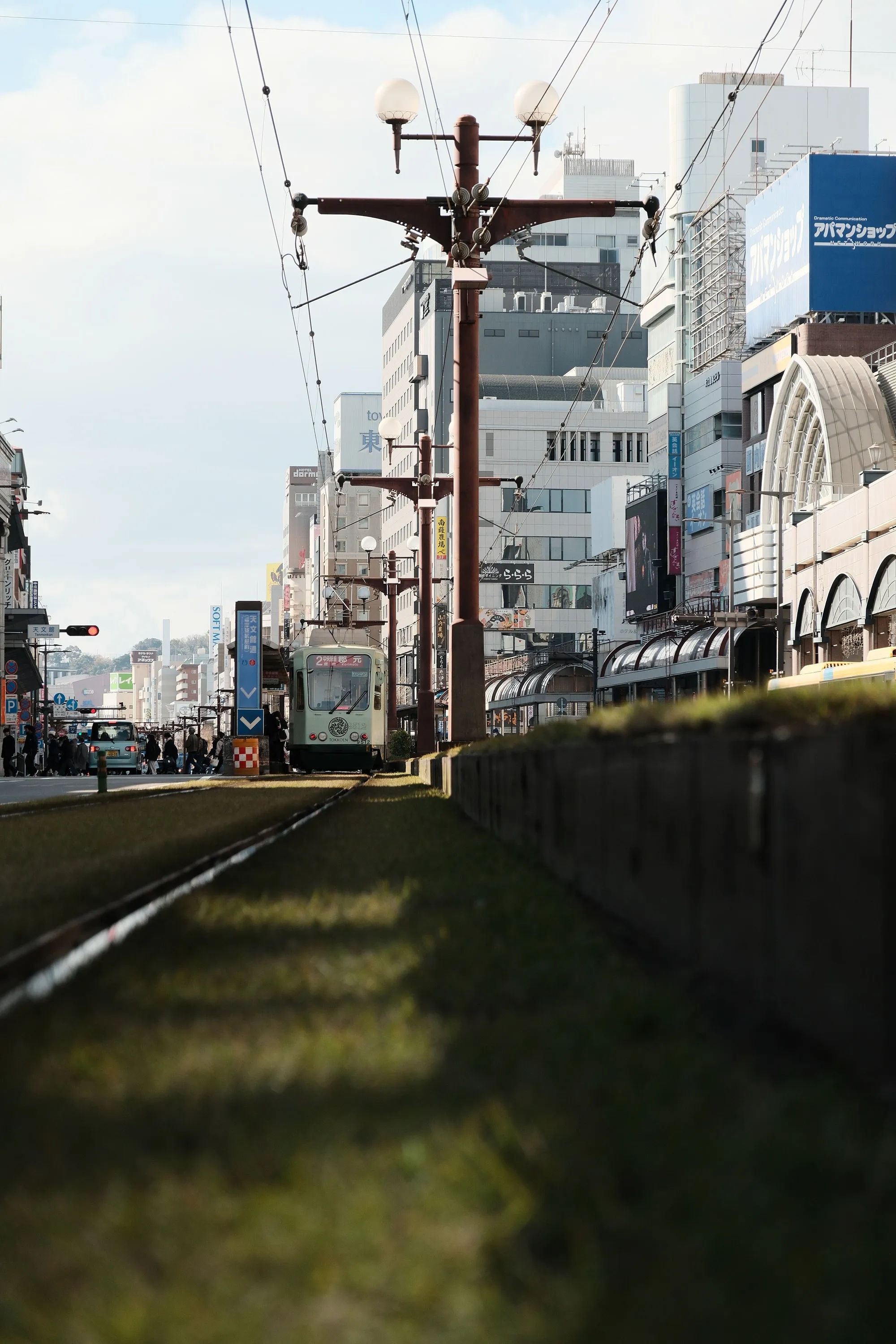
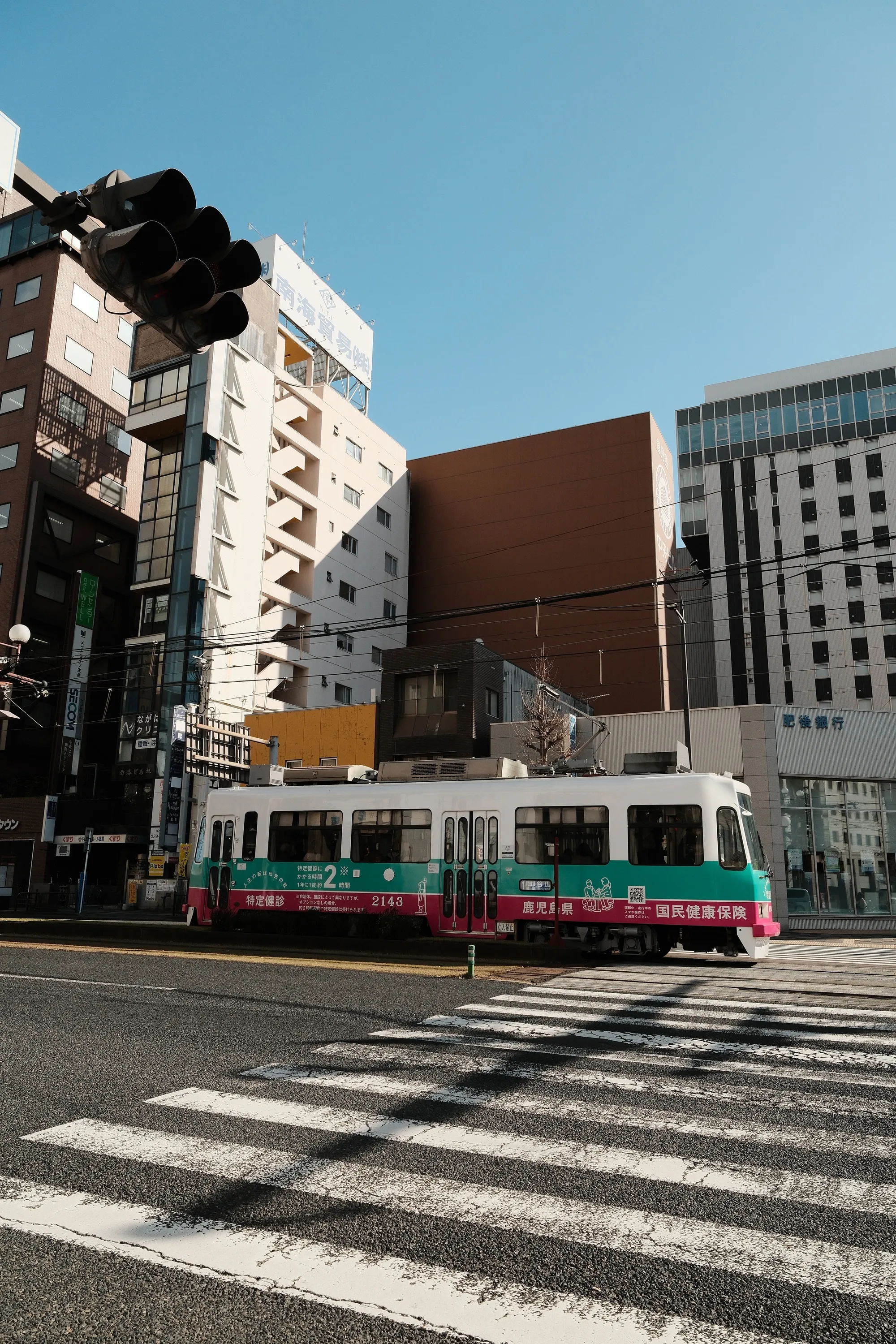
Kagoshima revolved around Sakurajima: ferries crossing the bay, the volcano changing shape with every viewpoint, buses tracing its rough lower slopes, and the return to streetcars, shopping arcades, vending machines, and hard afternoon light in the city.
 184
 185
 186
 187
 188
 189
 190
 191
 192
 193
 194
 195
 196
 197
 198
 199
 200
 201
 202
 203
 204
 205
 206
 207
 208
 209
 210
 211
 212
 213
 214
 215
 216
 217
 218
 219
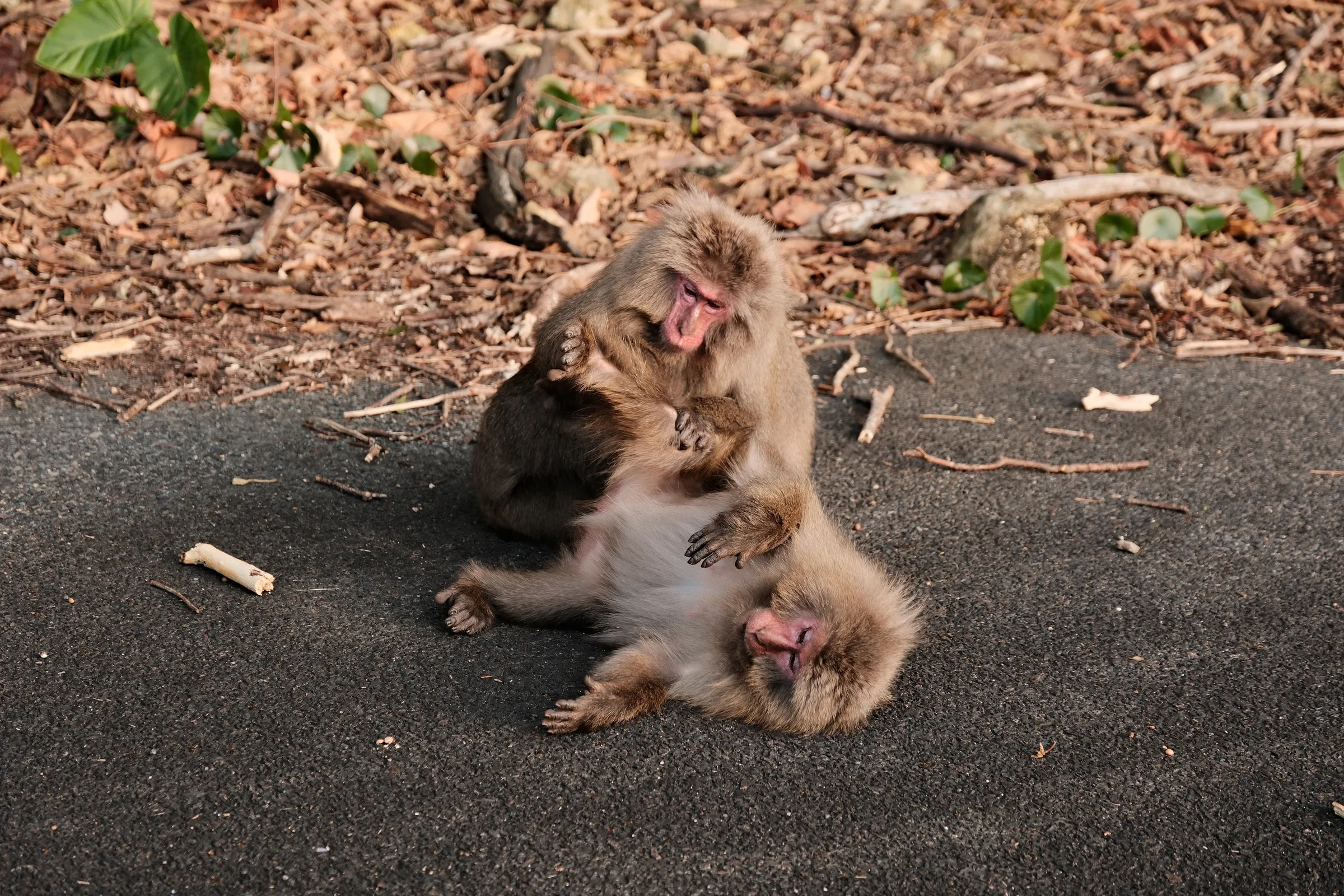
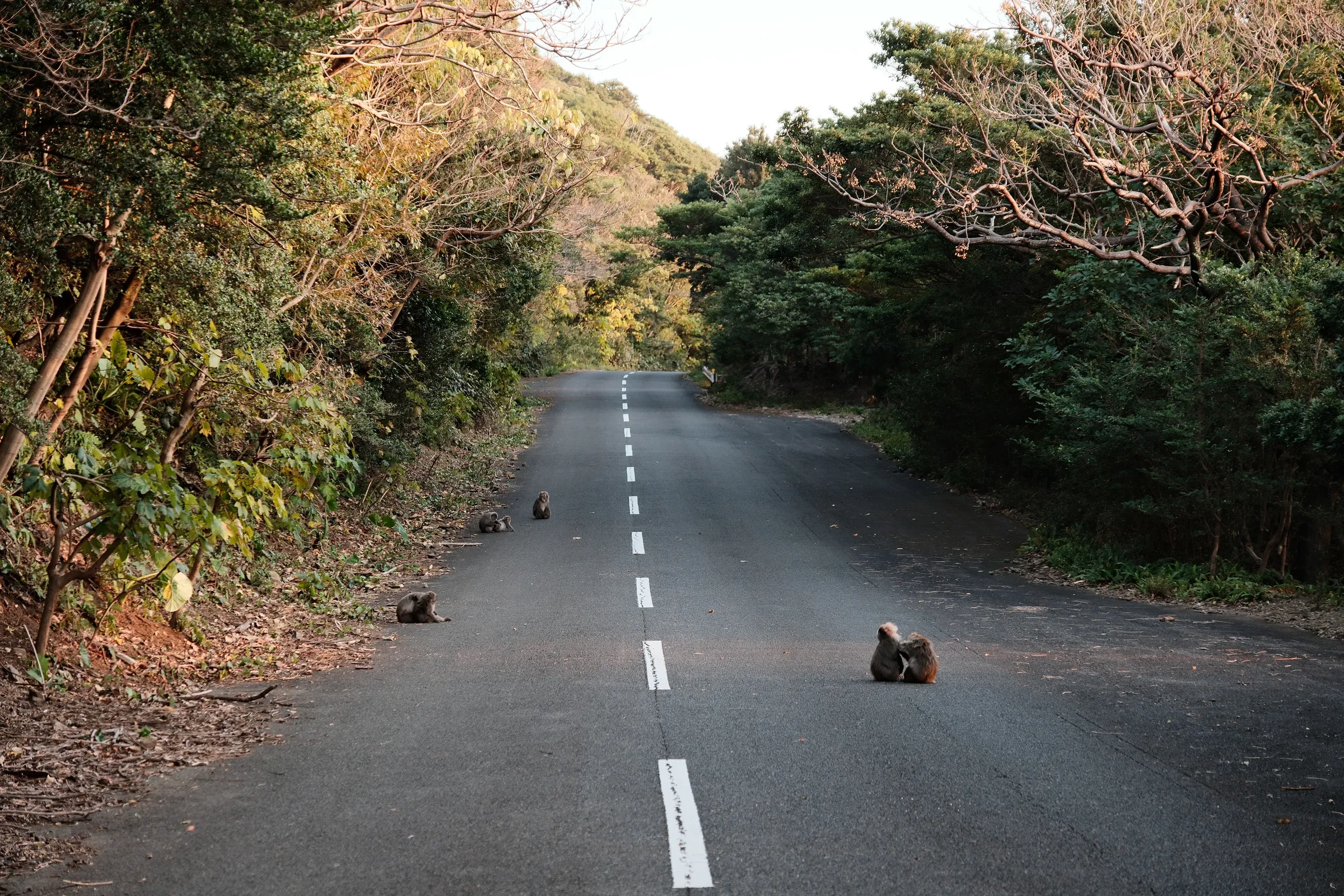
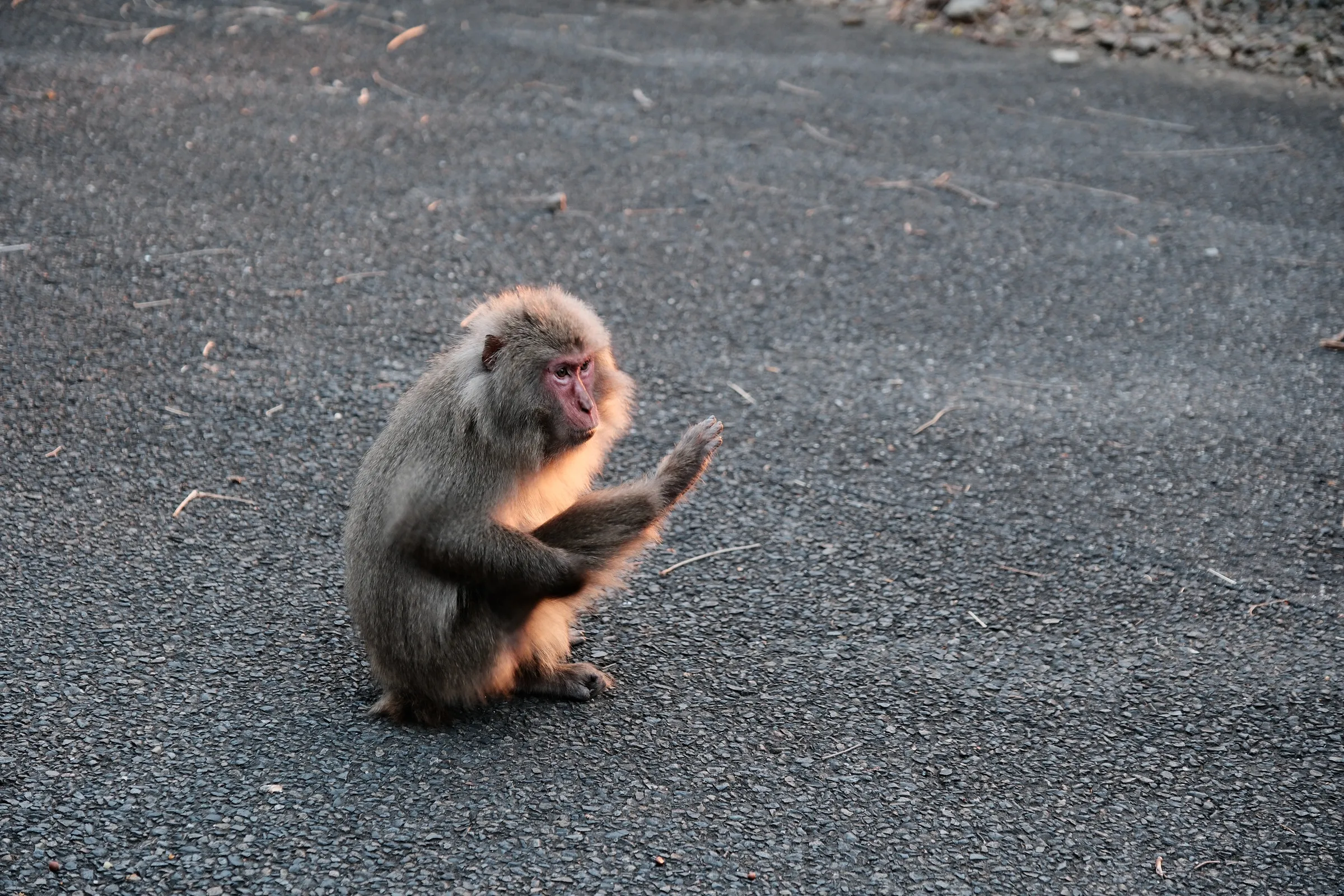
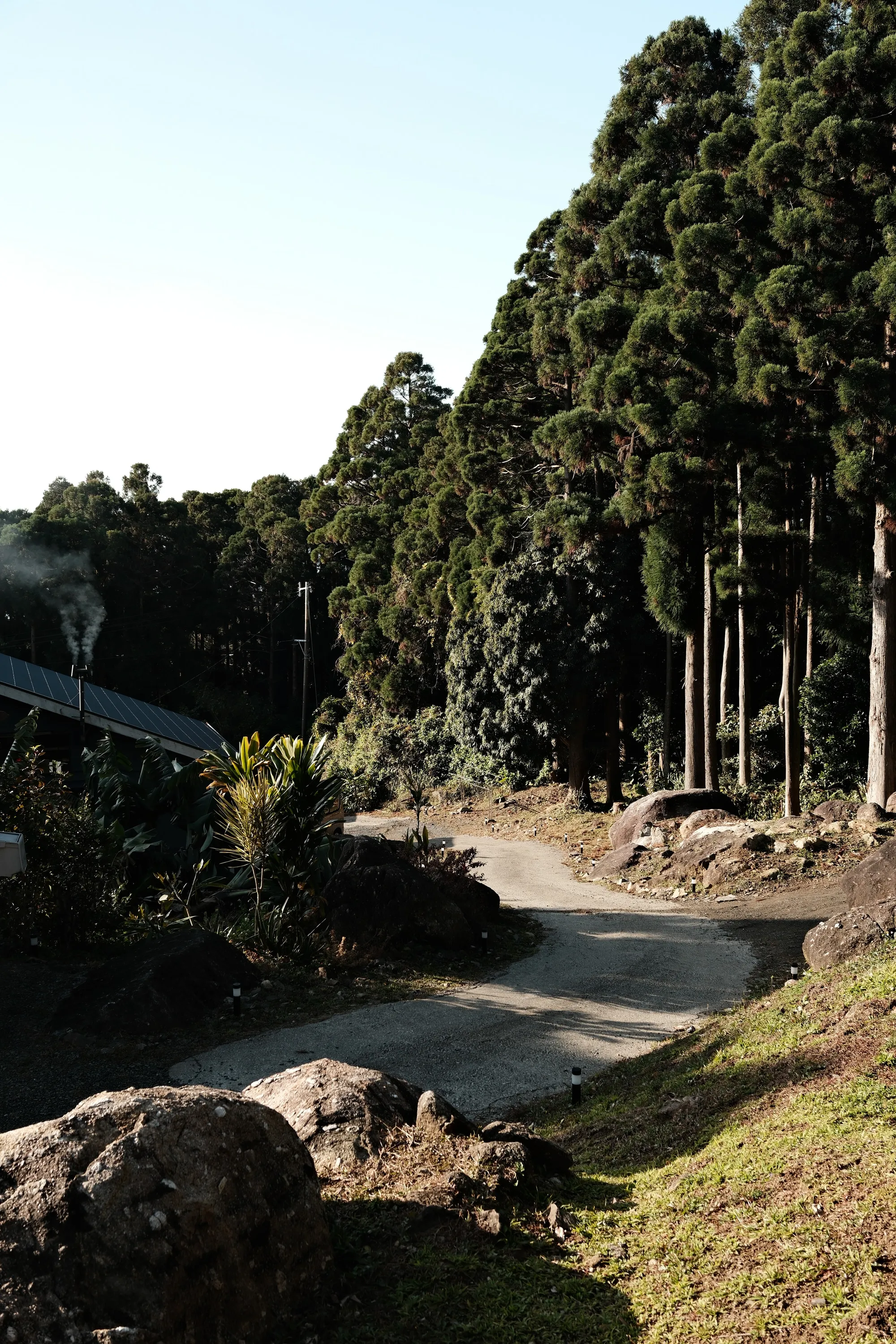
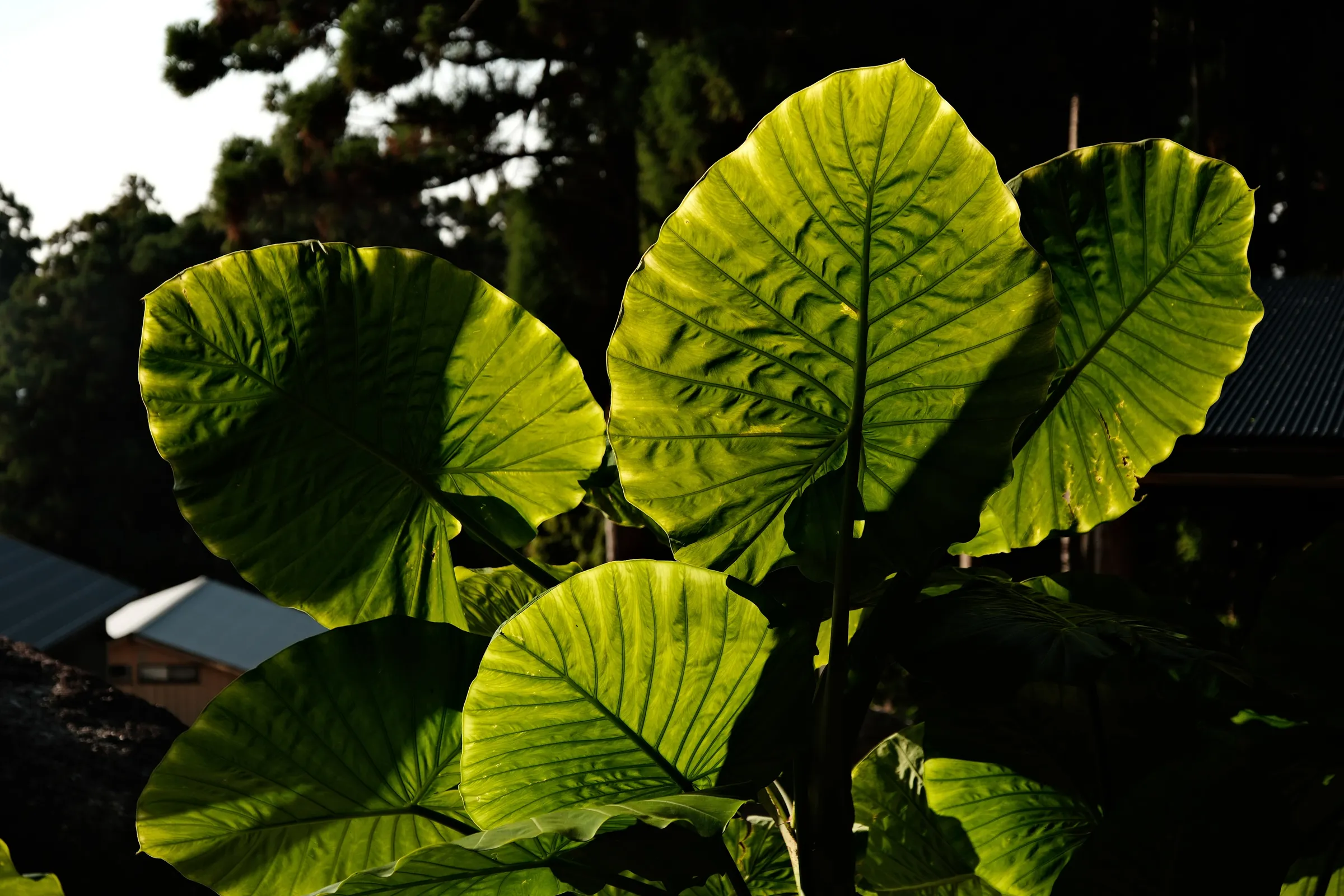
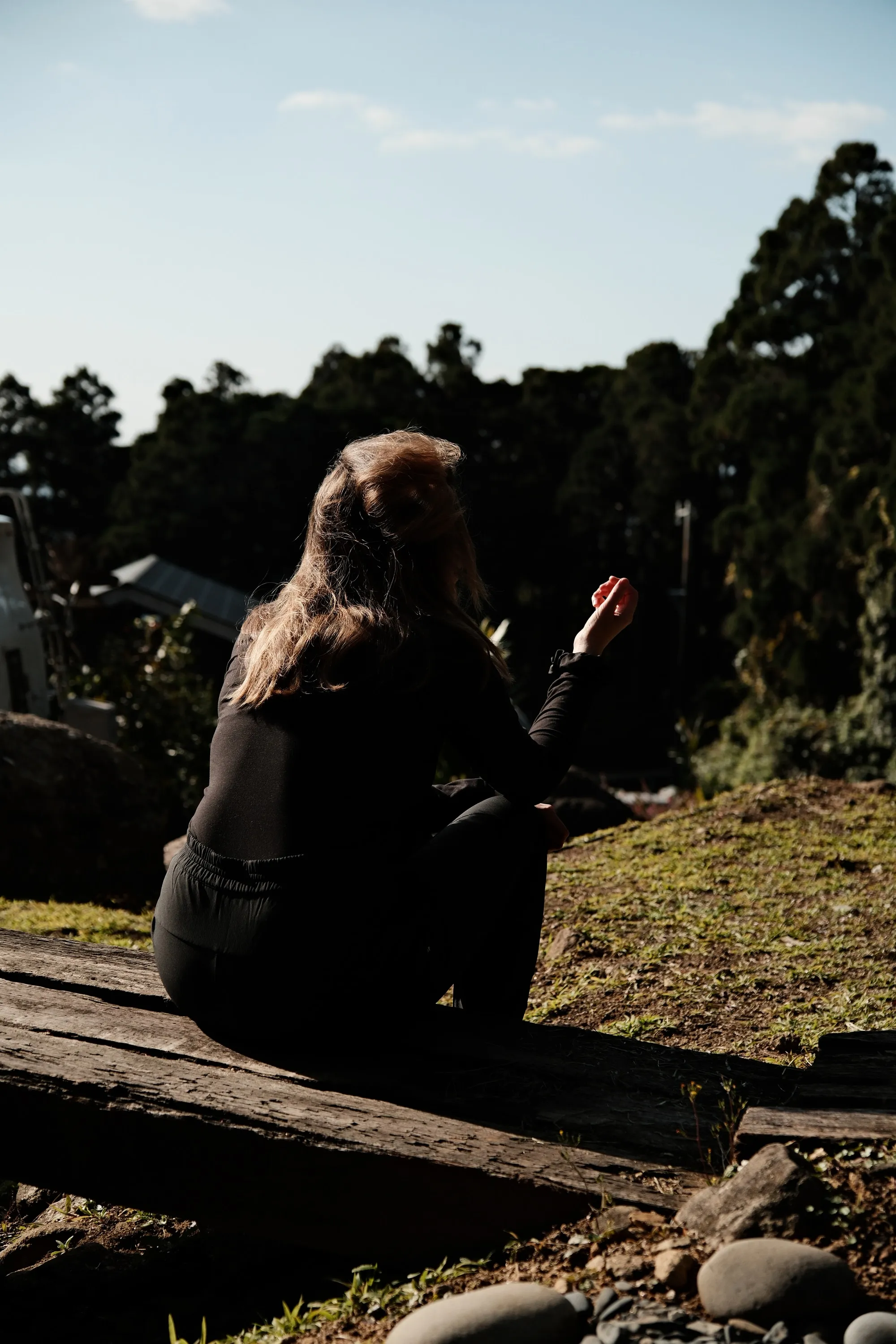
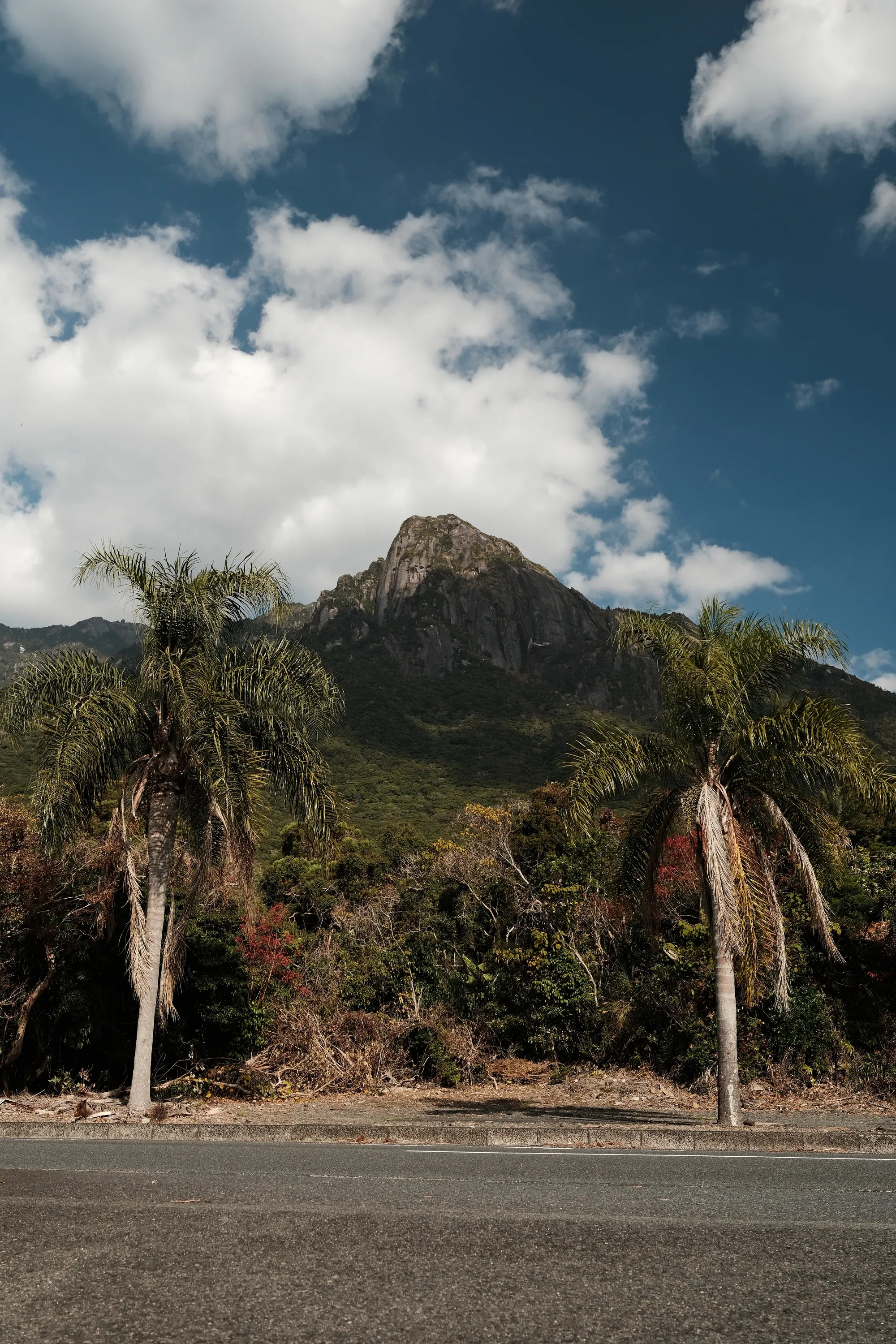
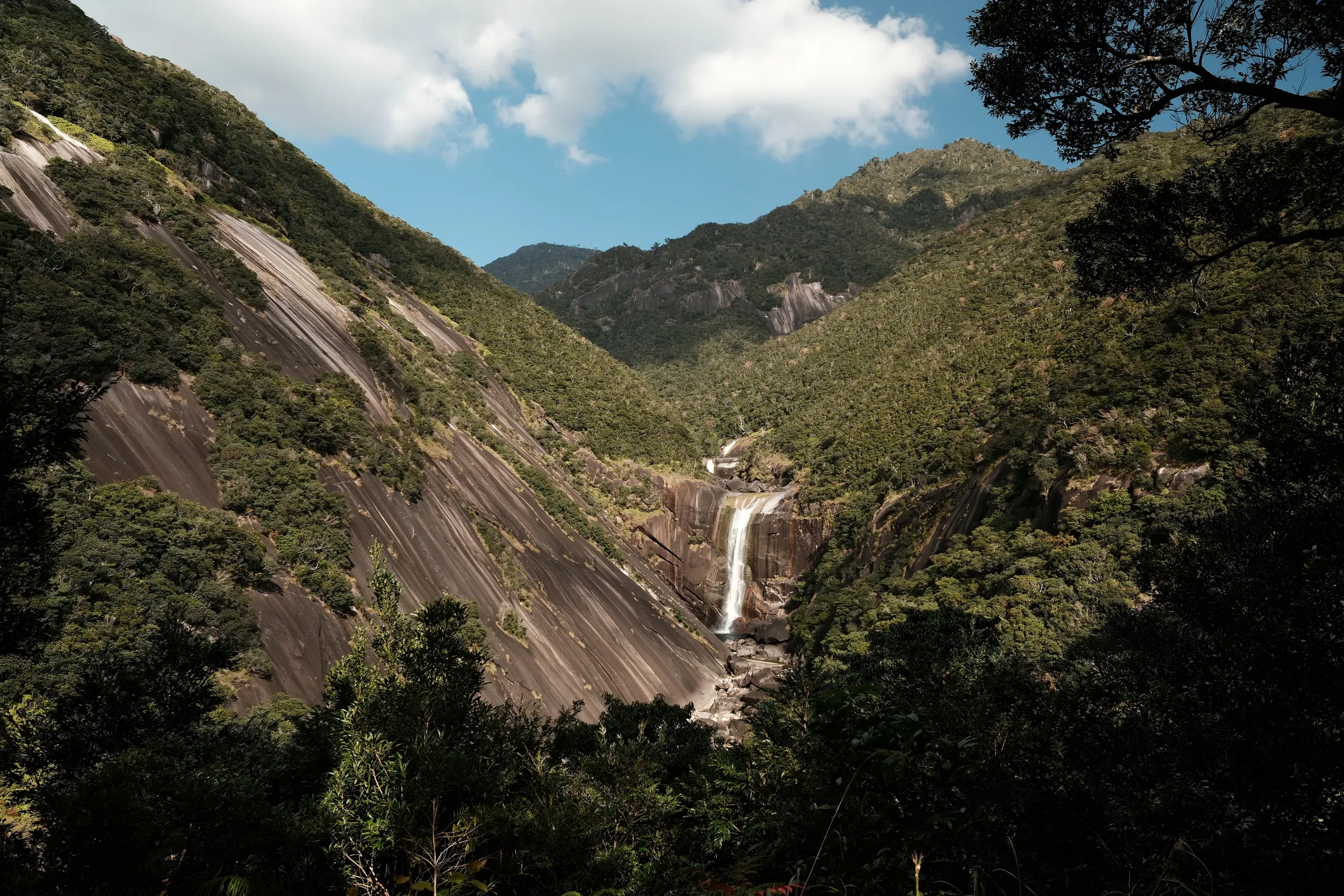
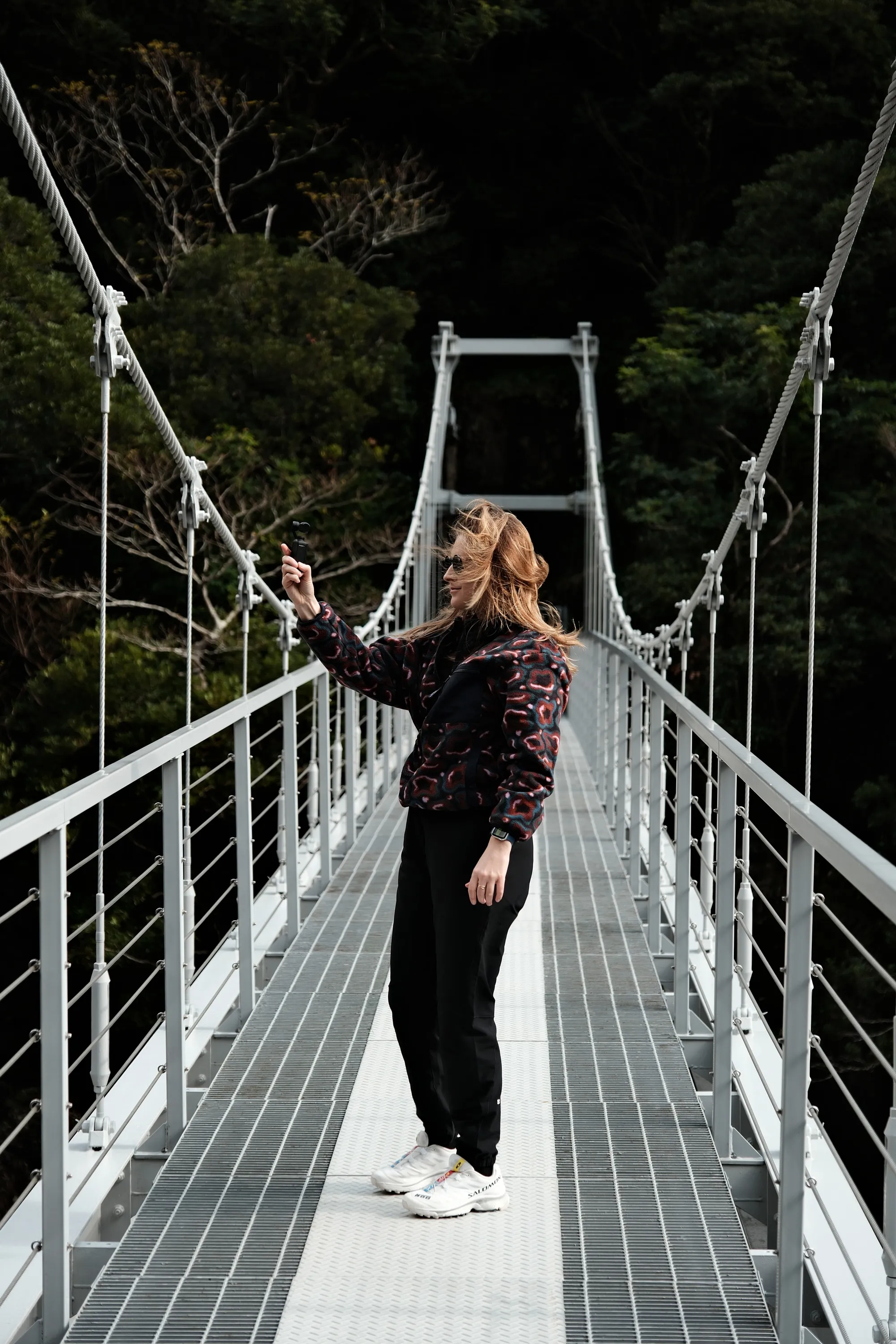
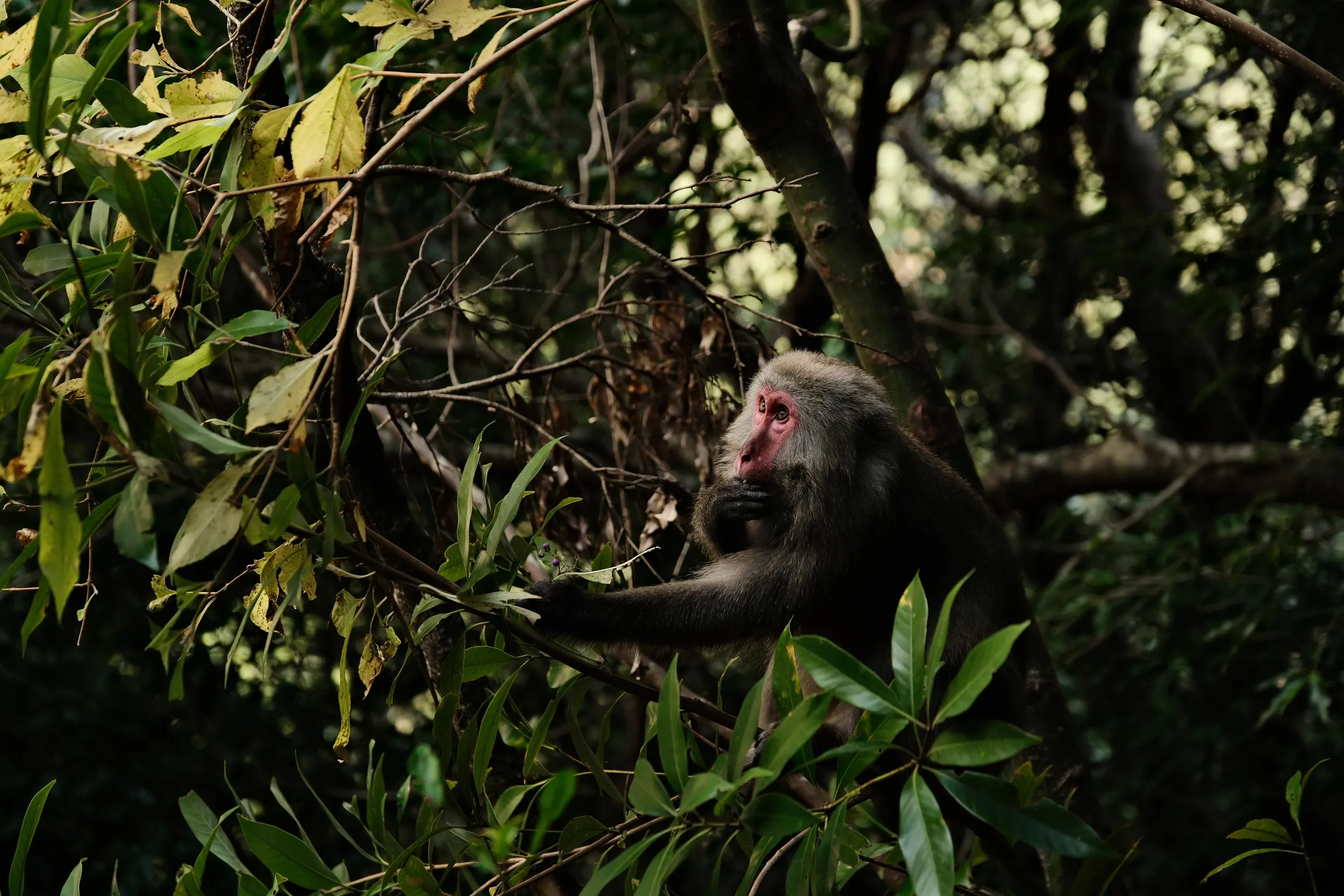
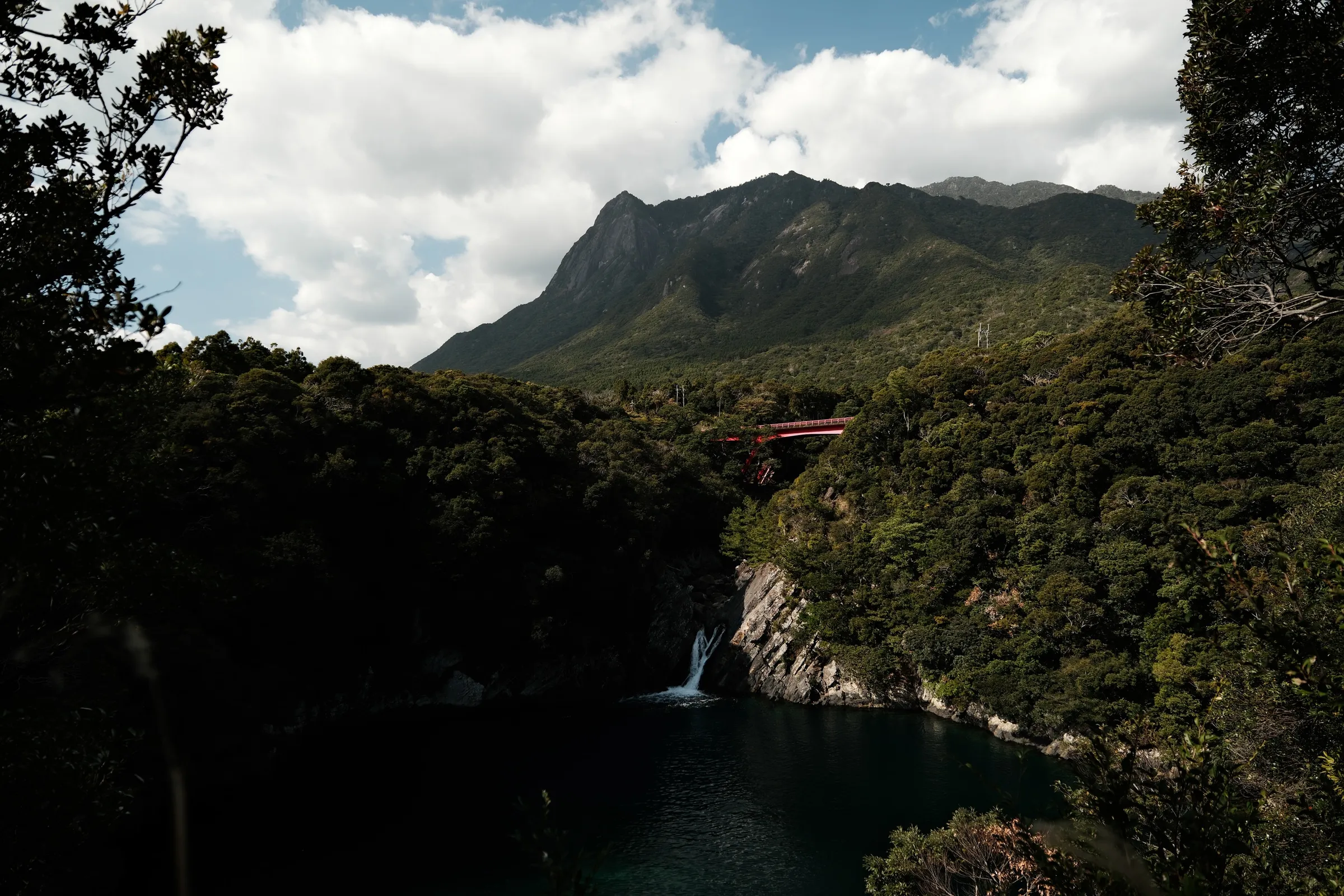
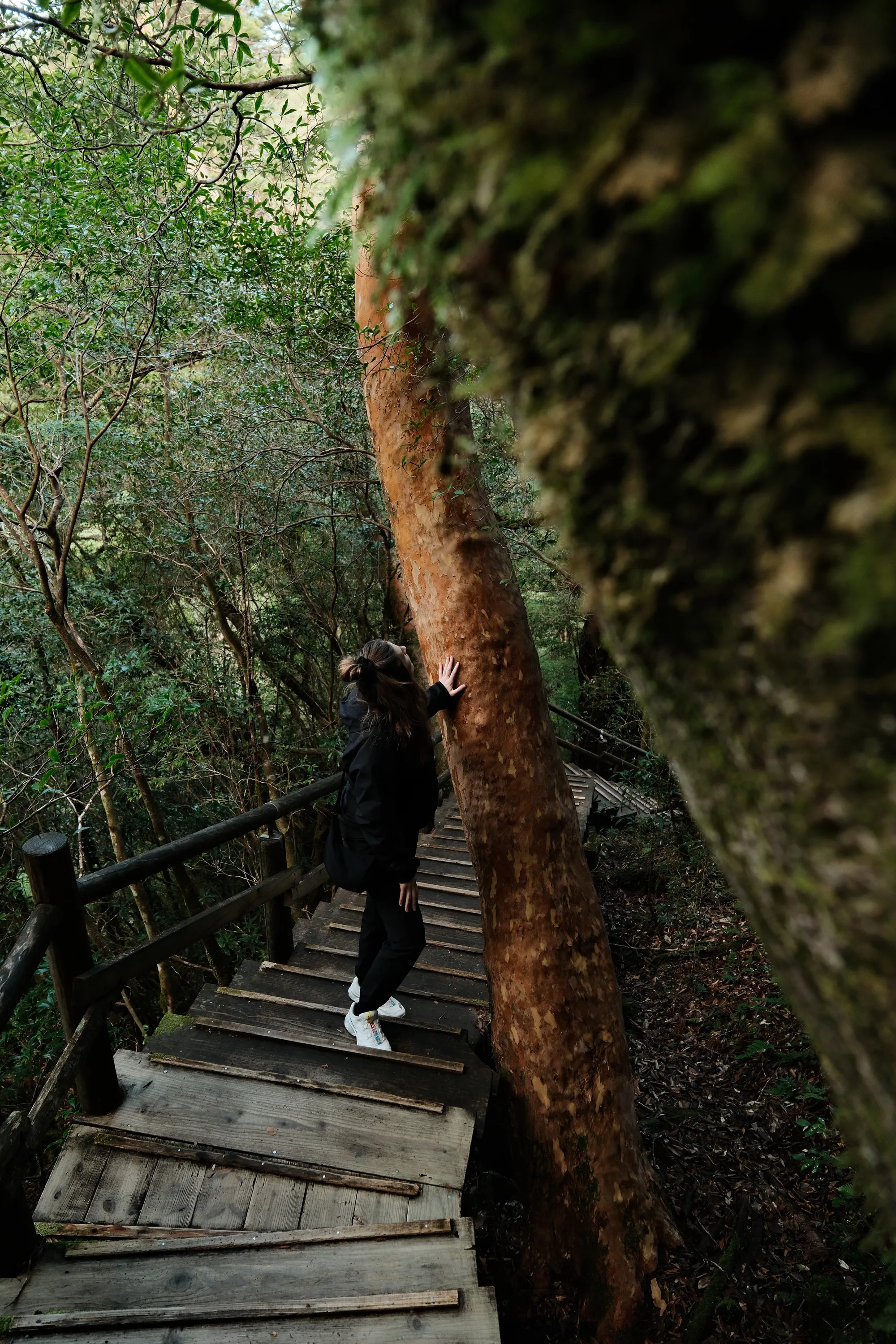
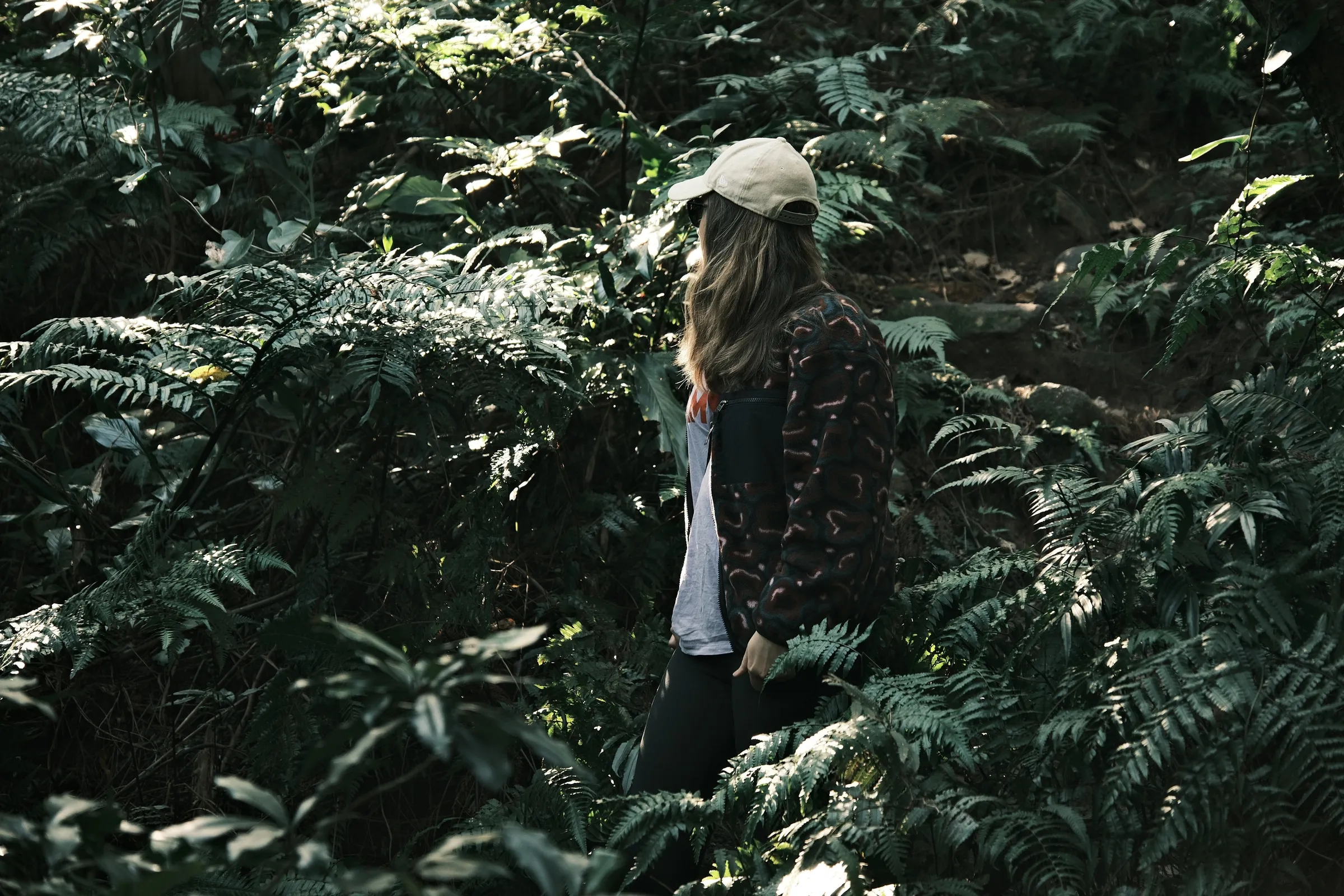
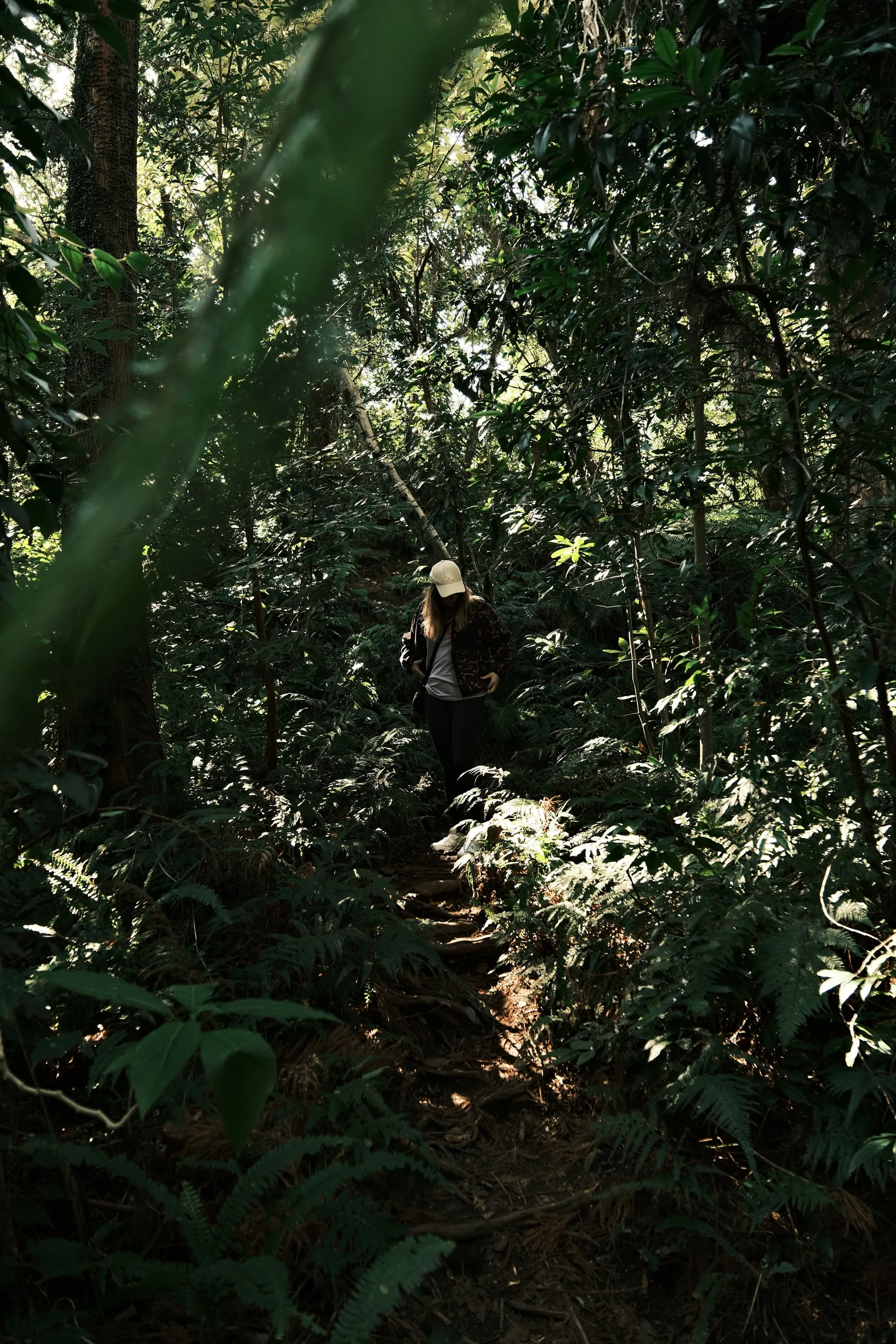
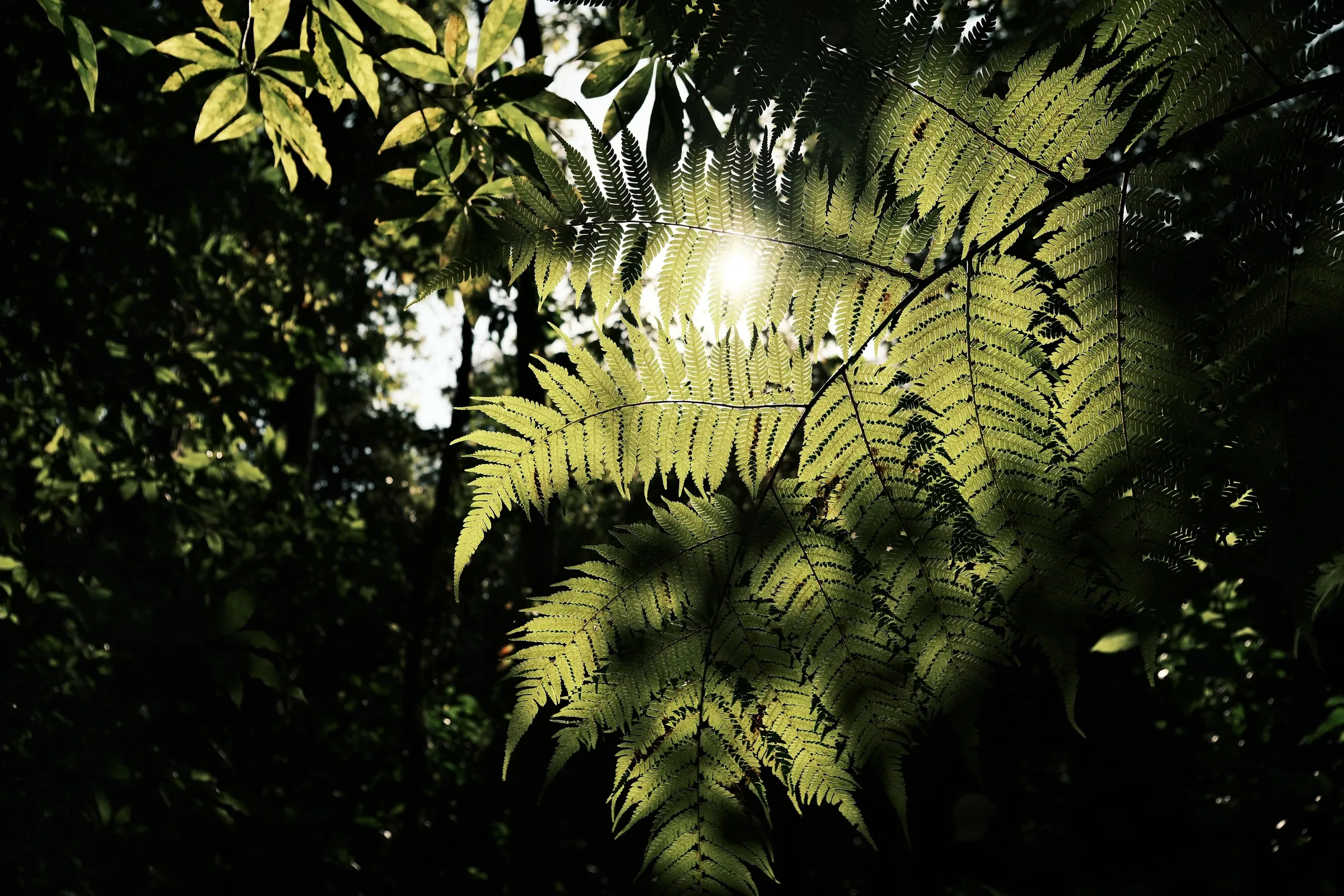
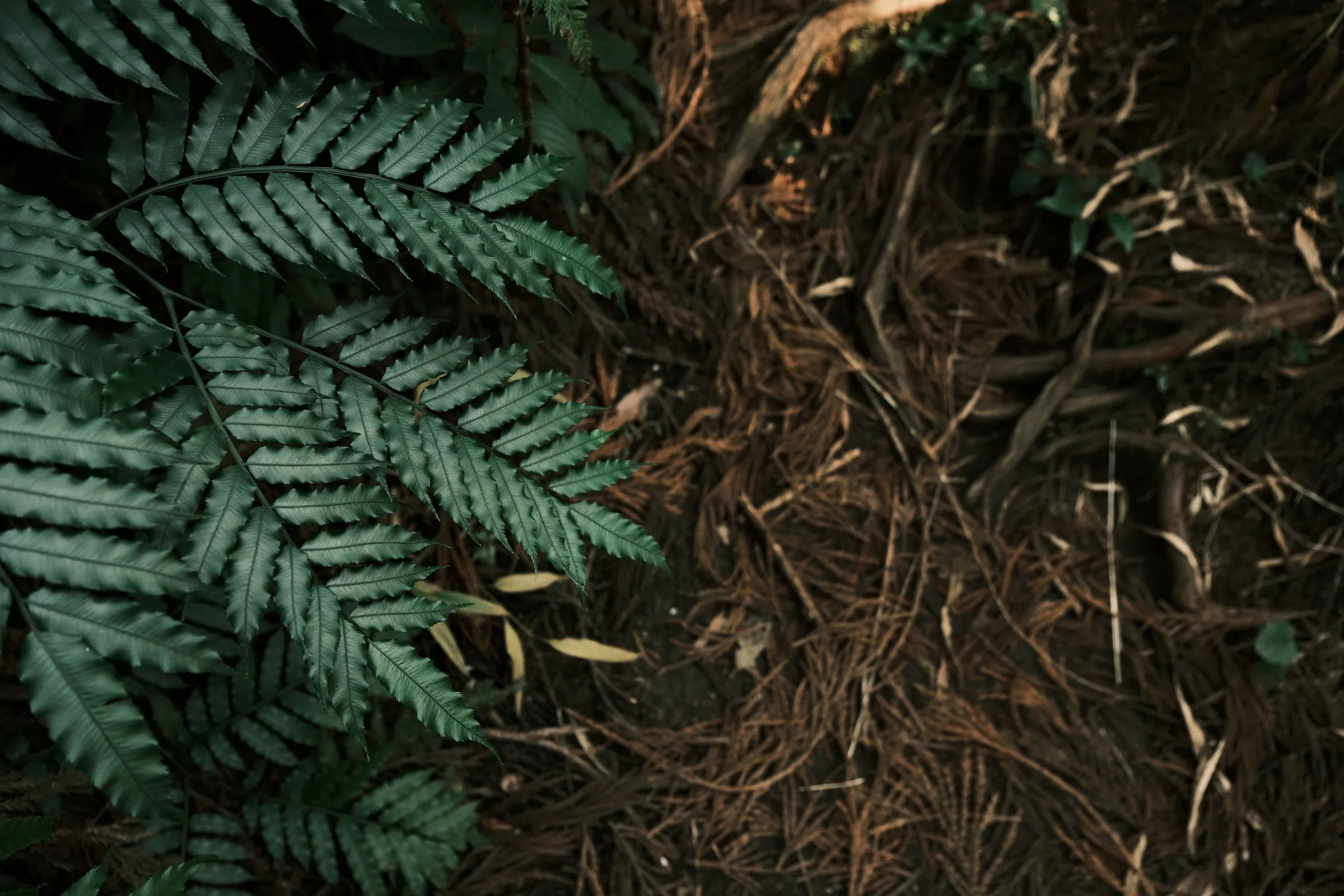
Greenest island on earth?
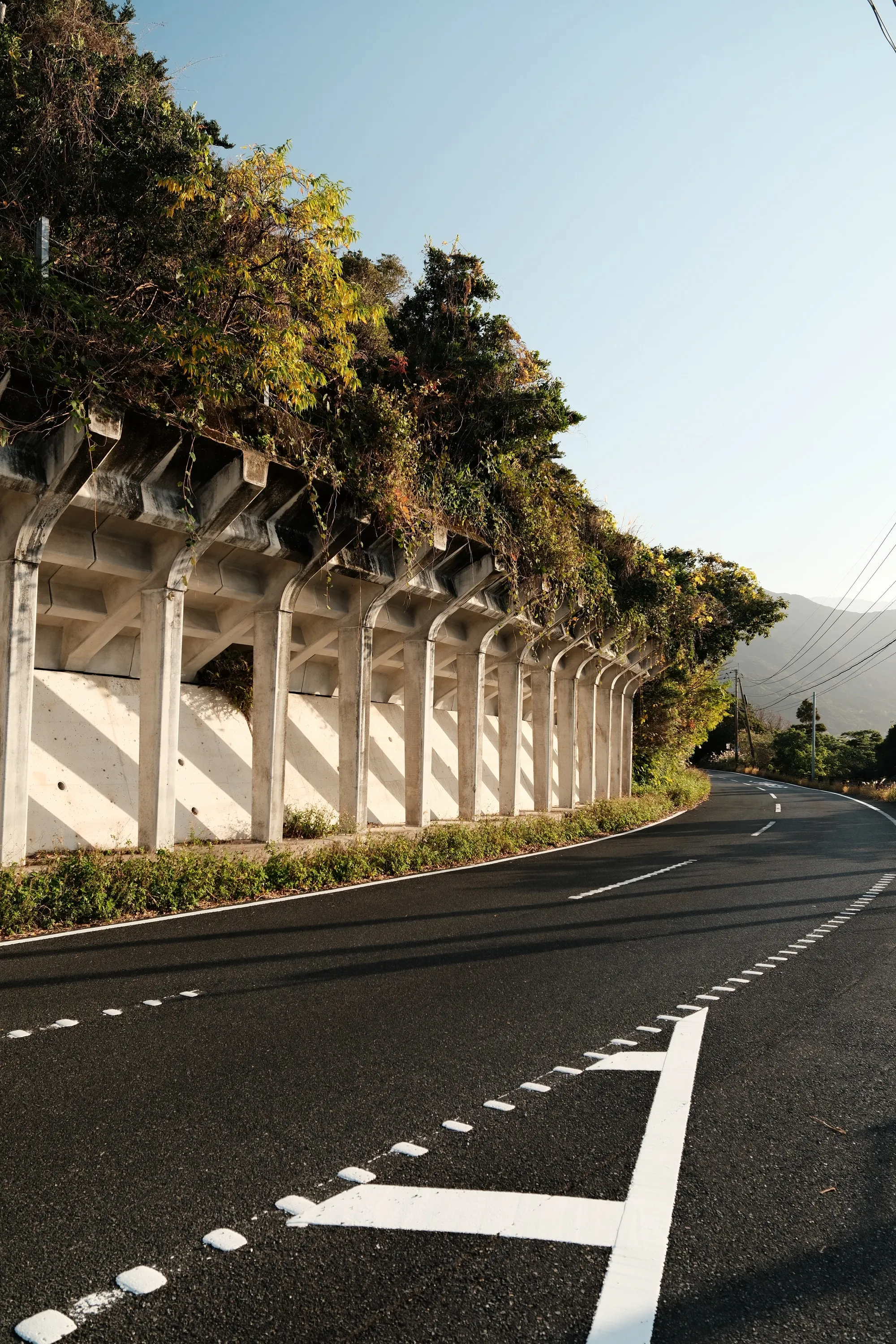
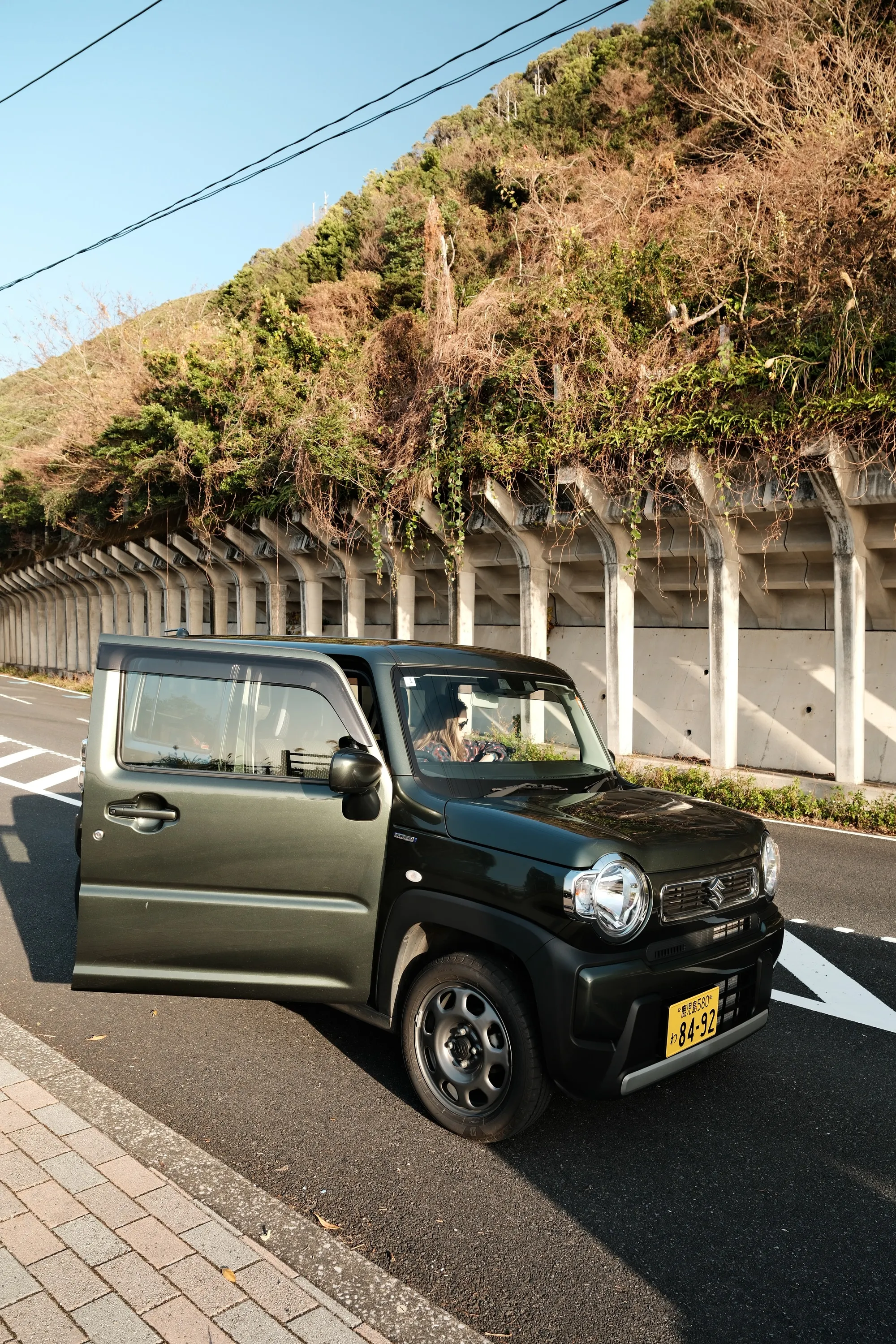
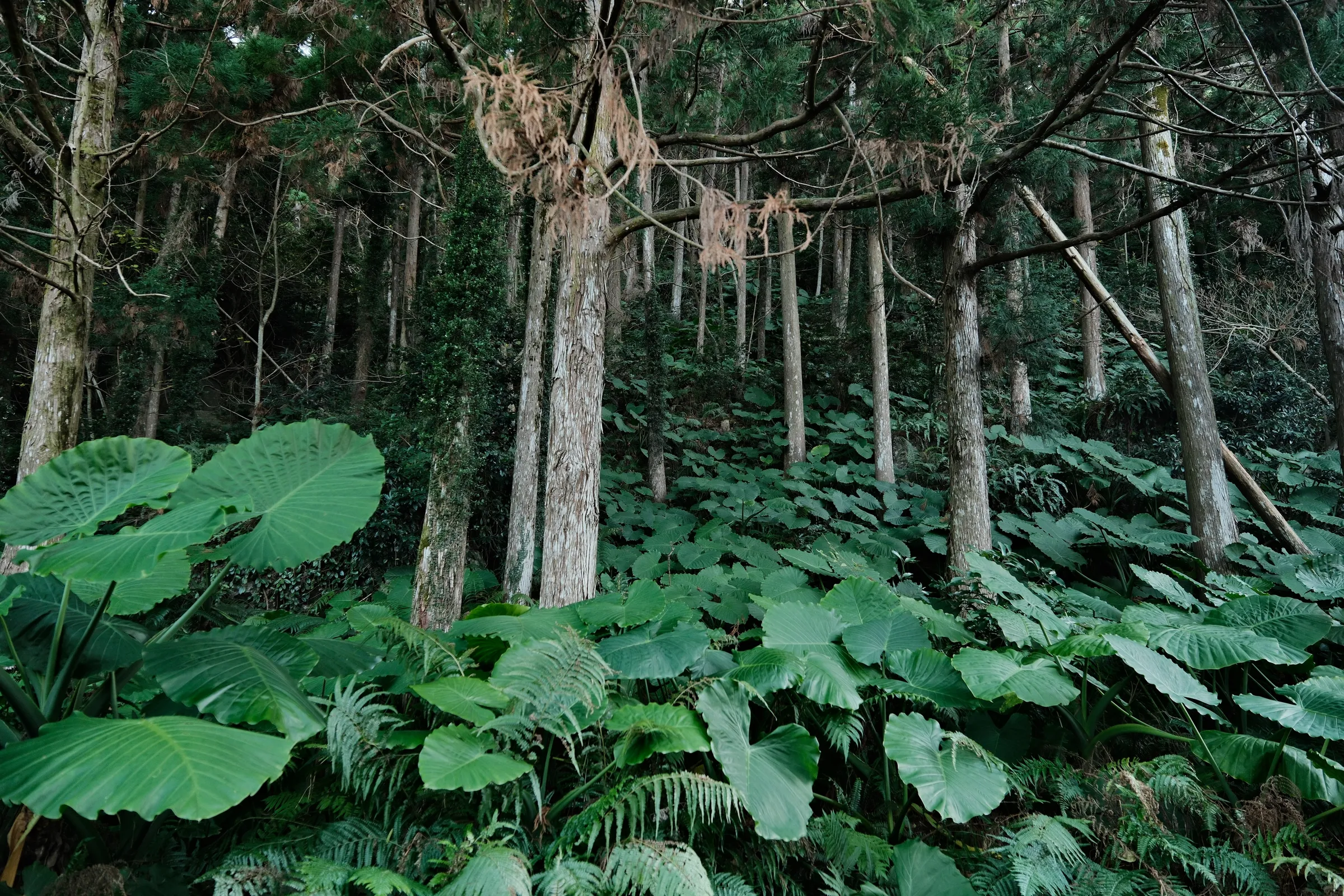
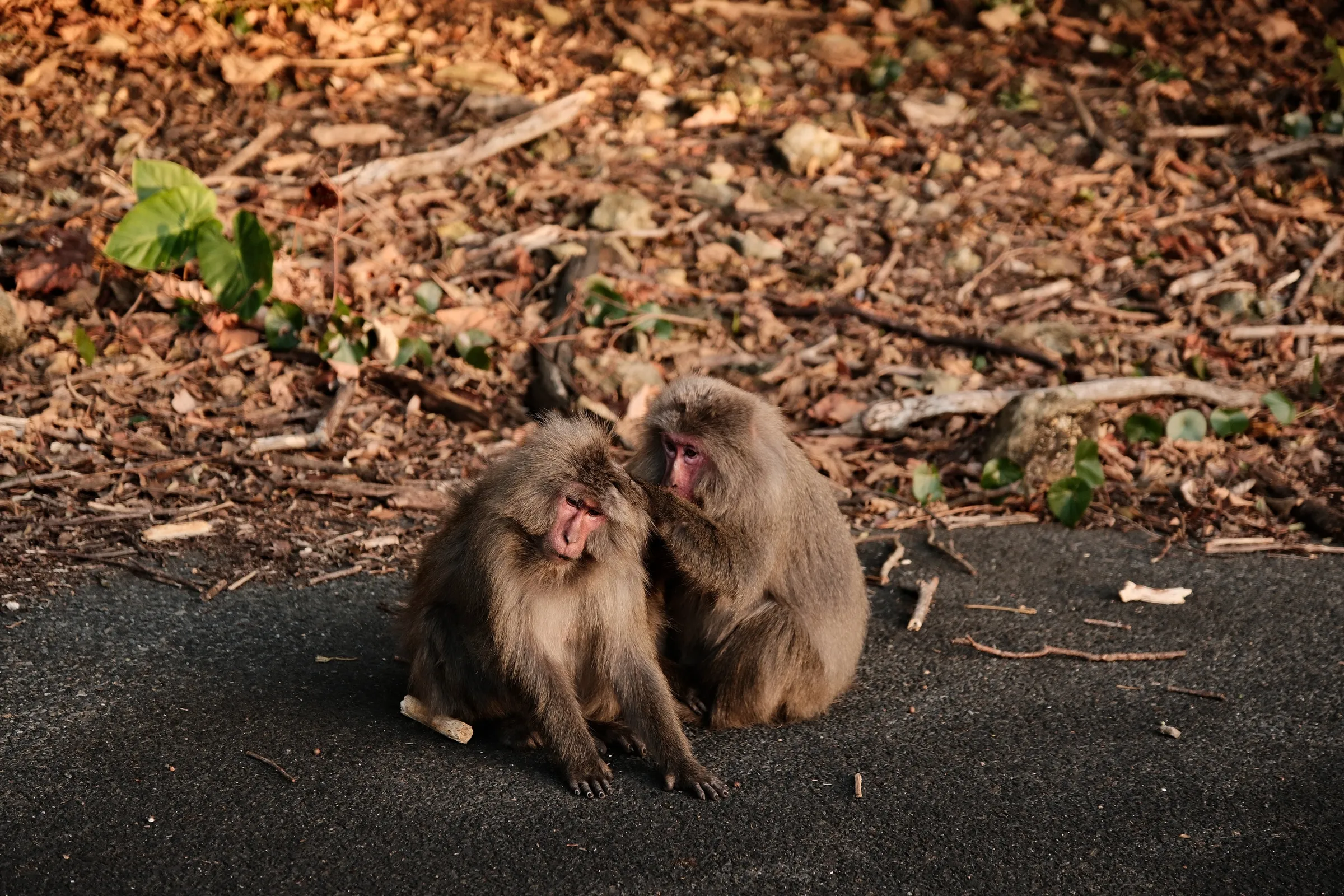
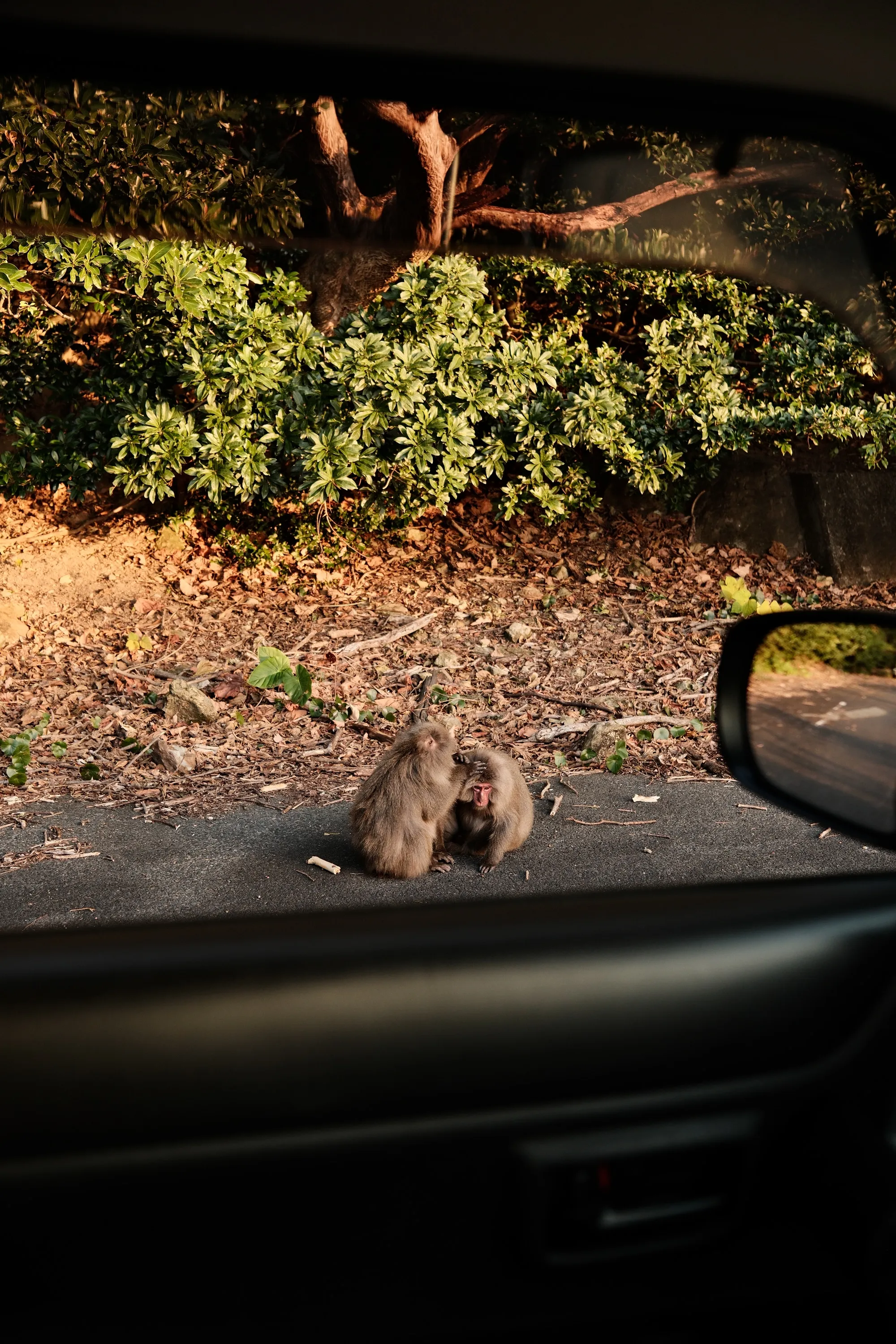
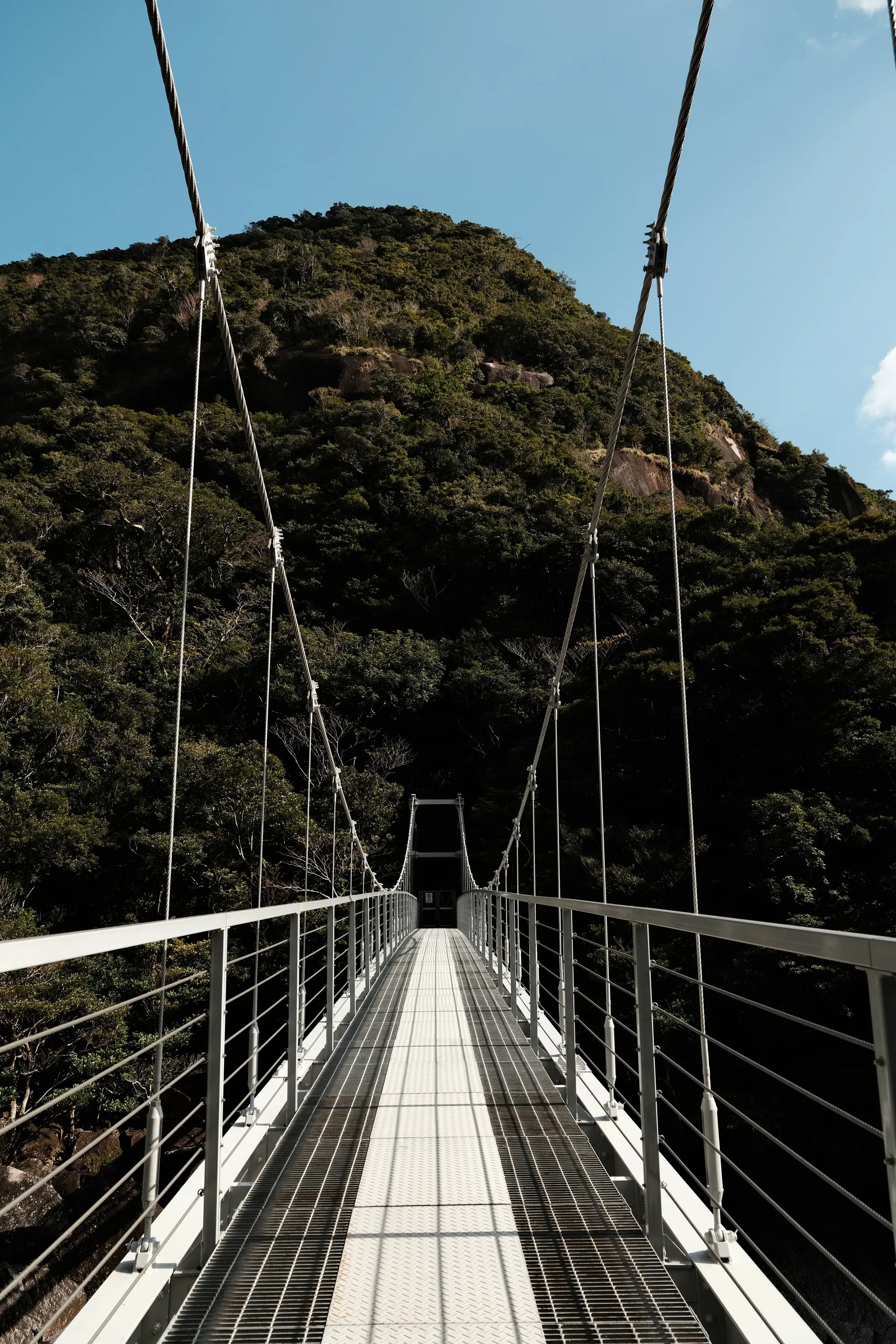
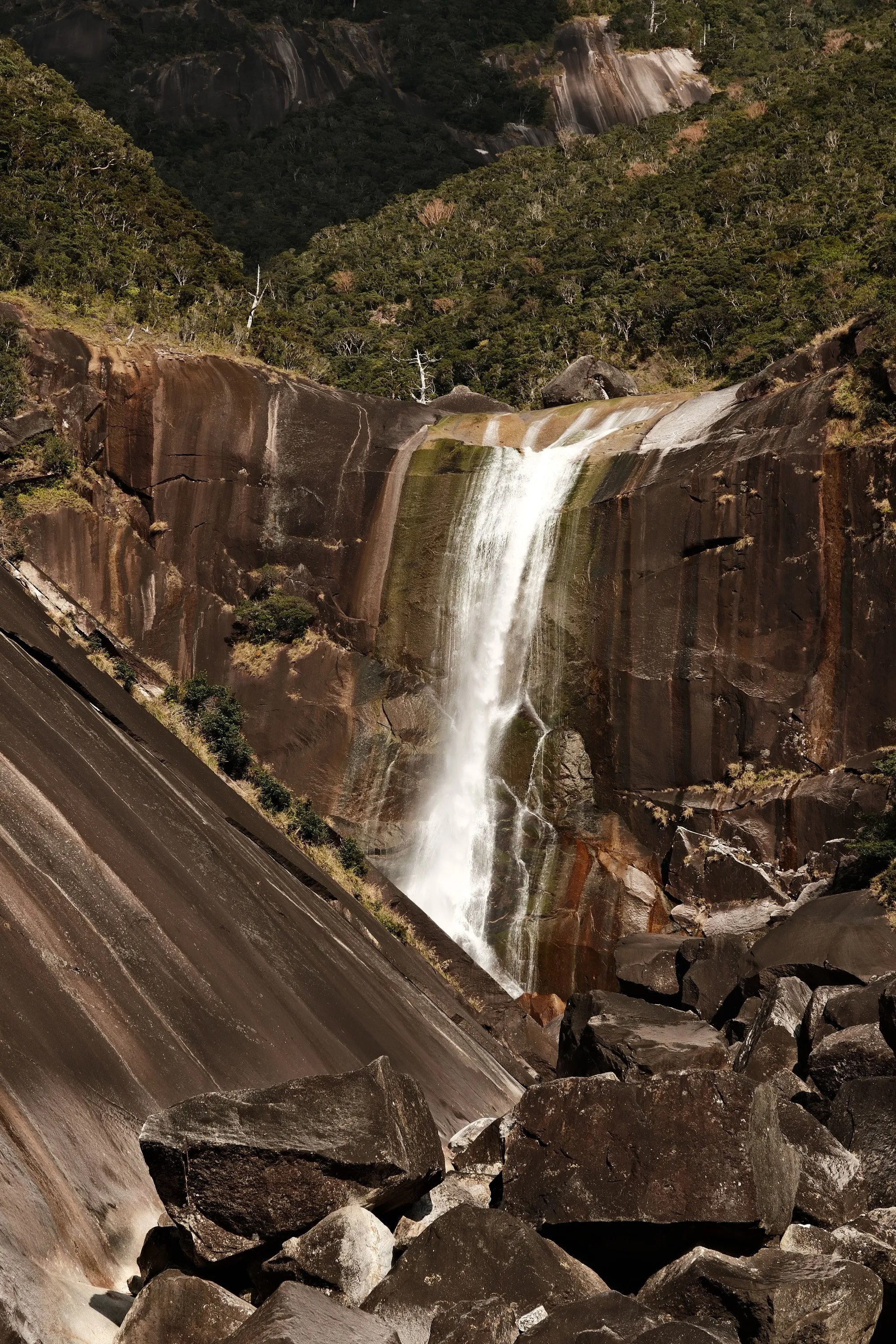
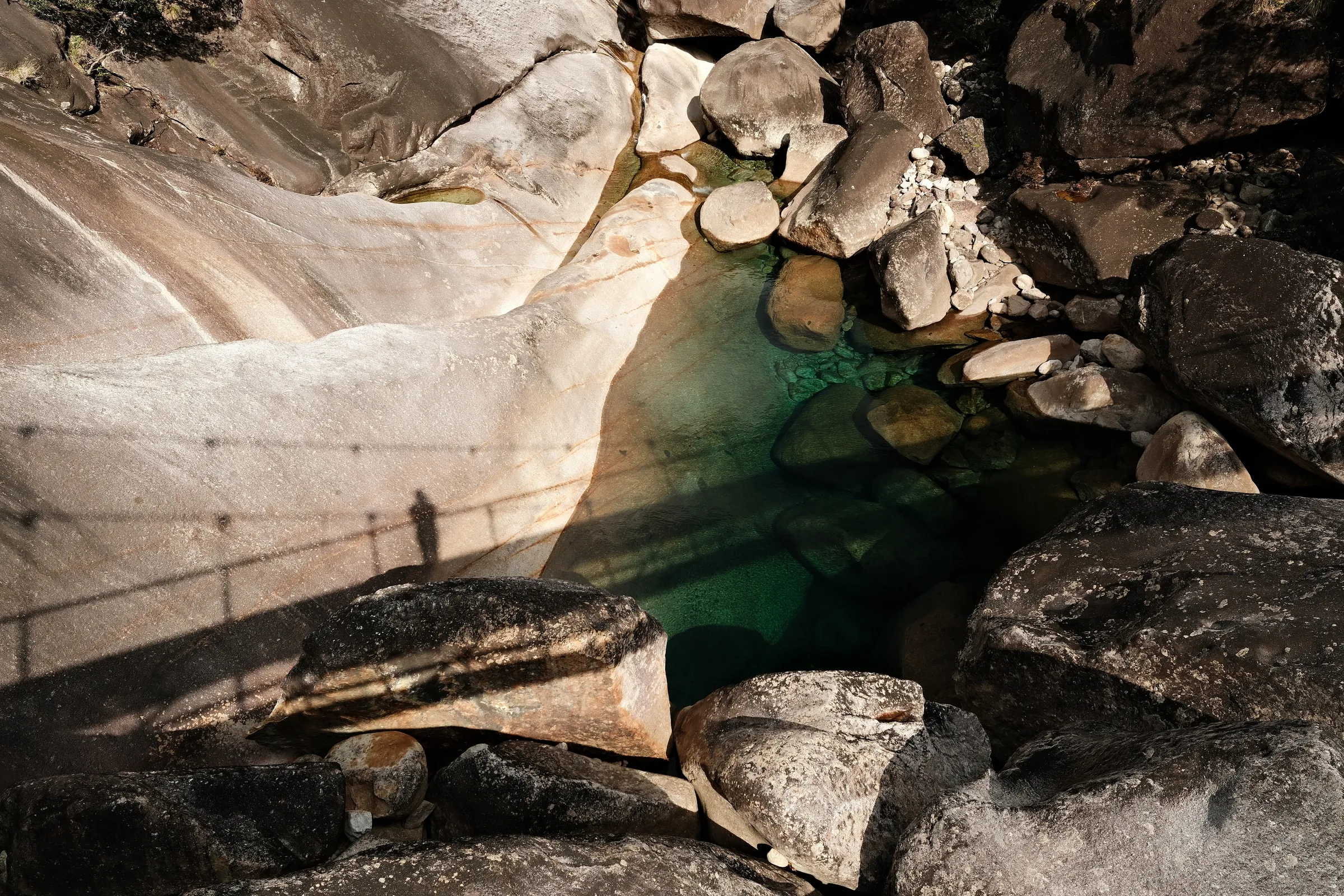
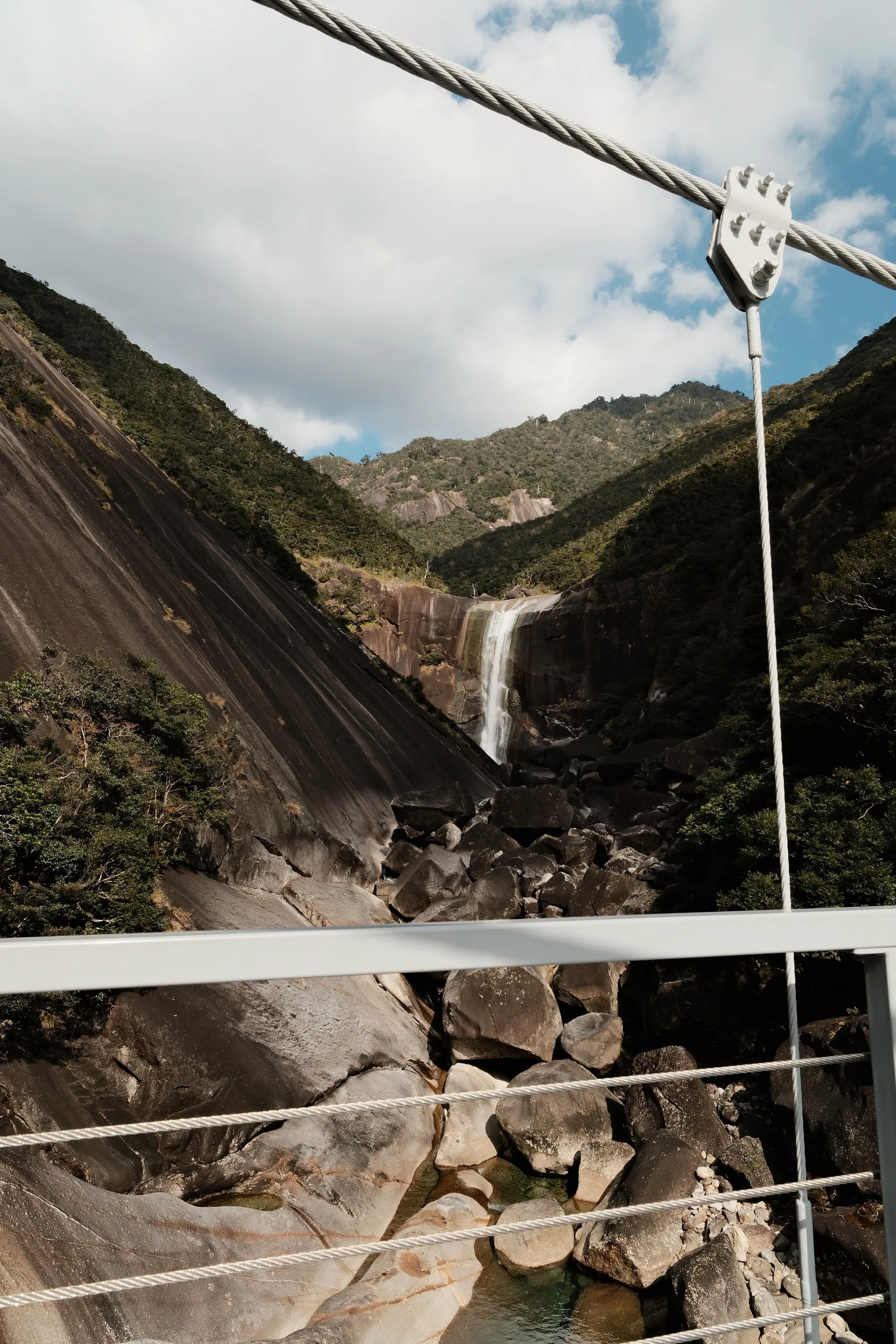
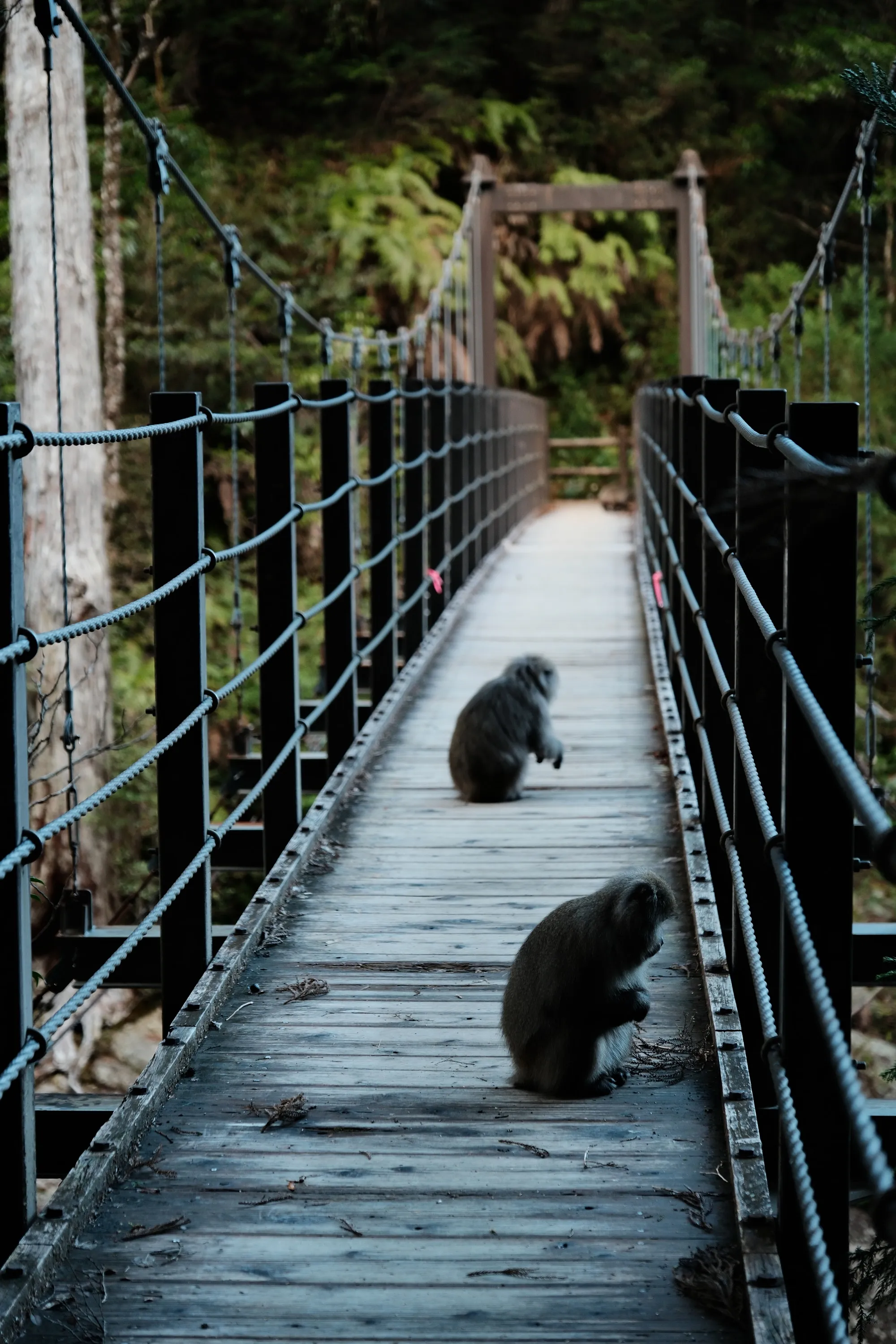
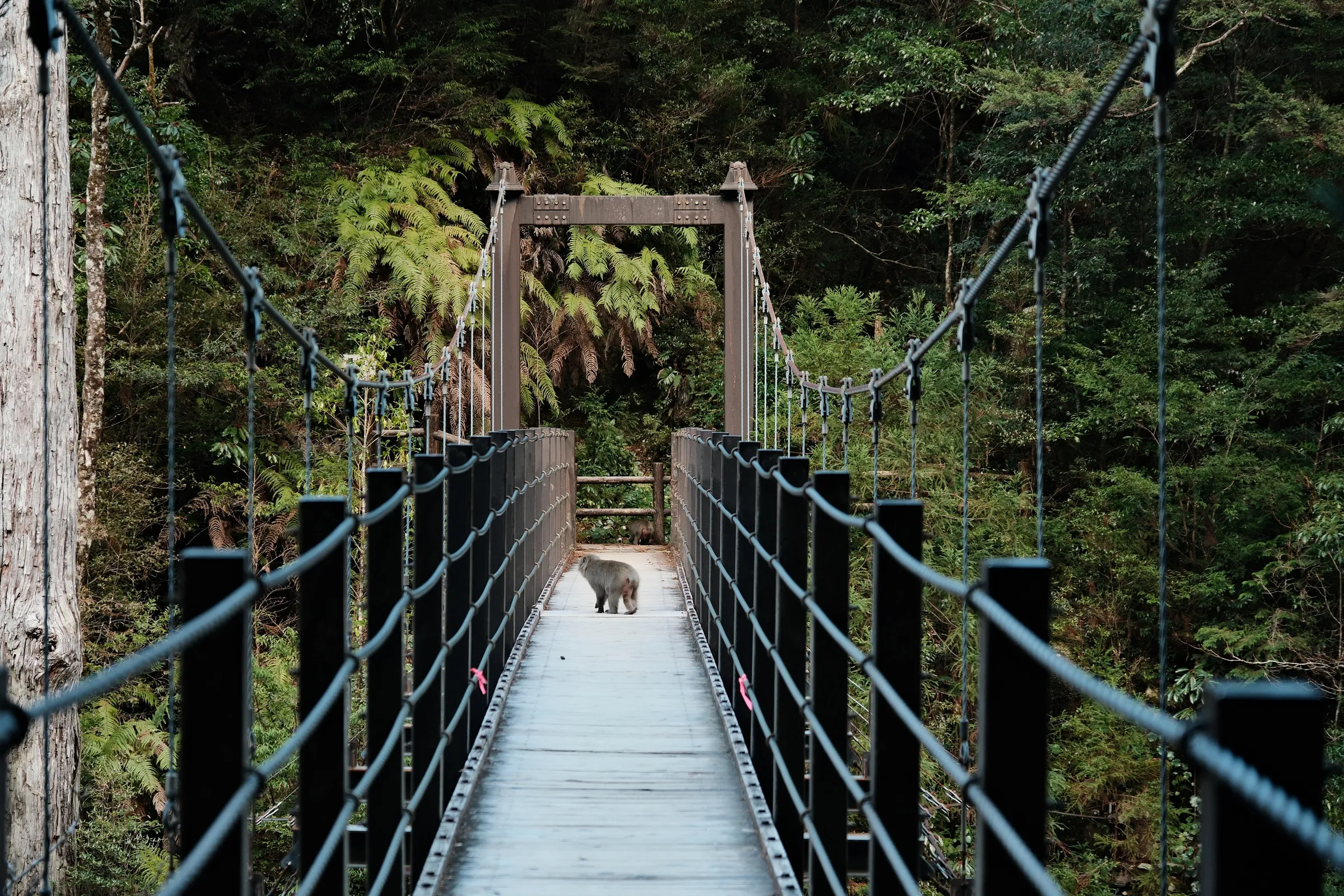
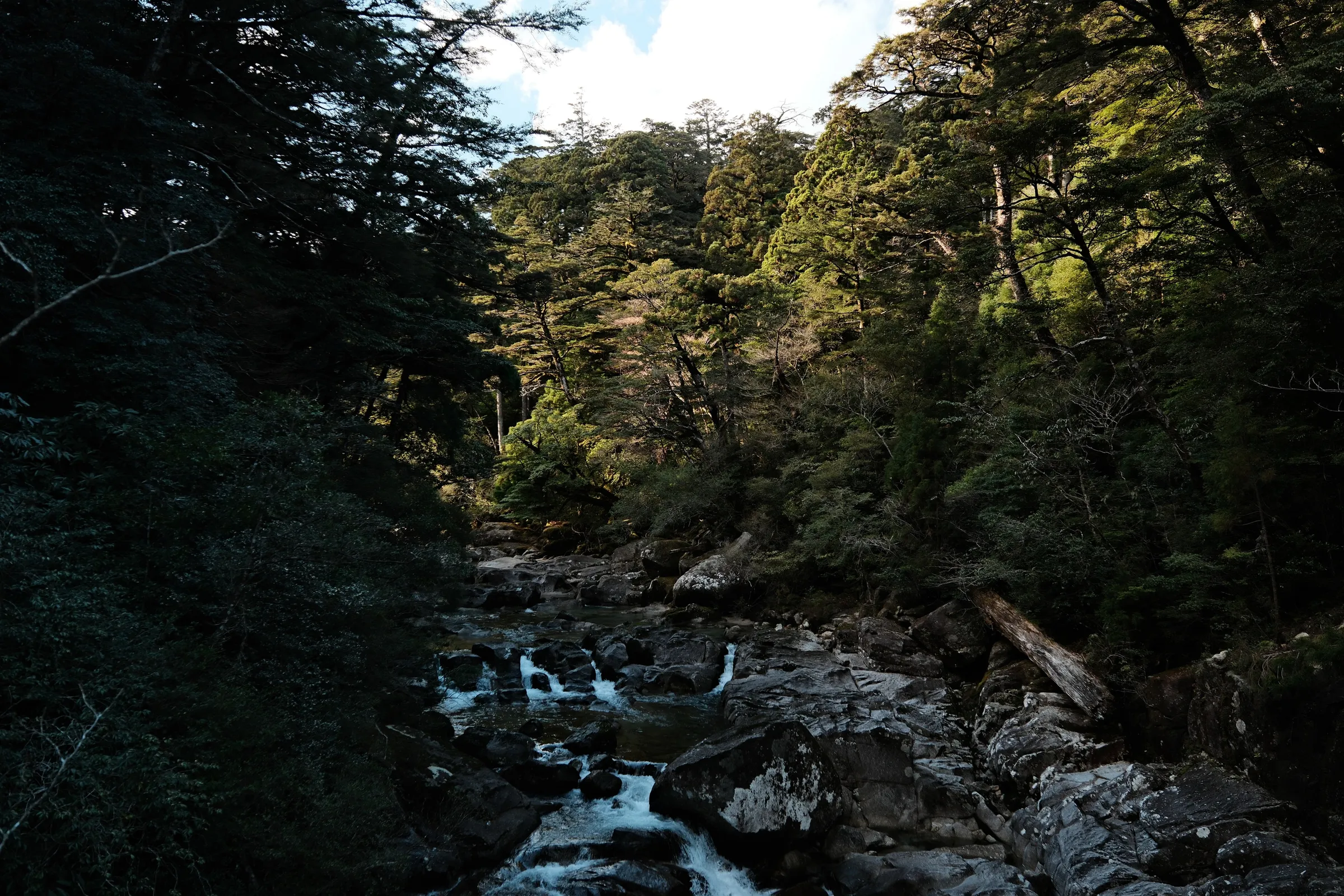
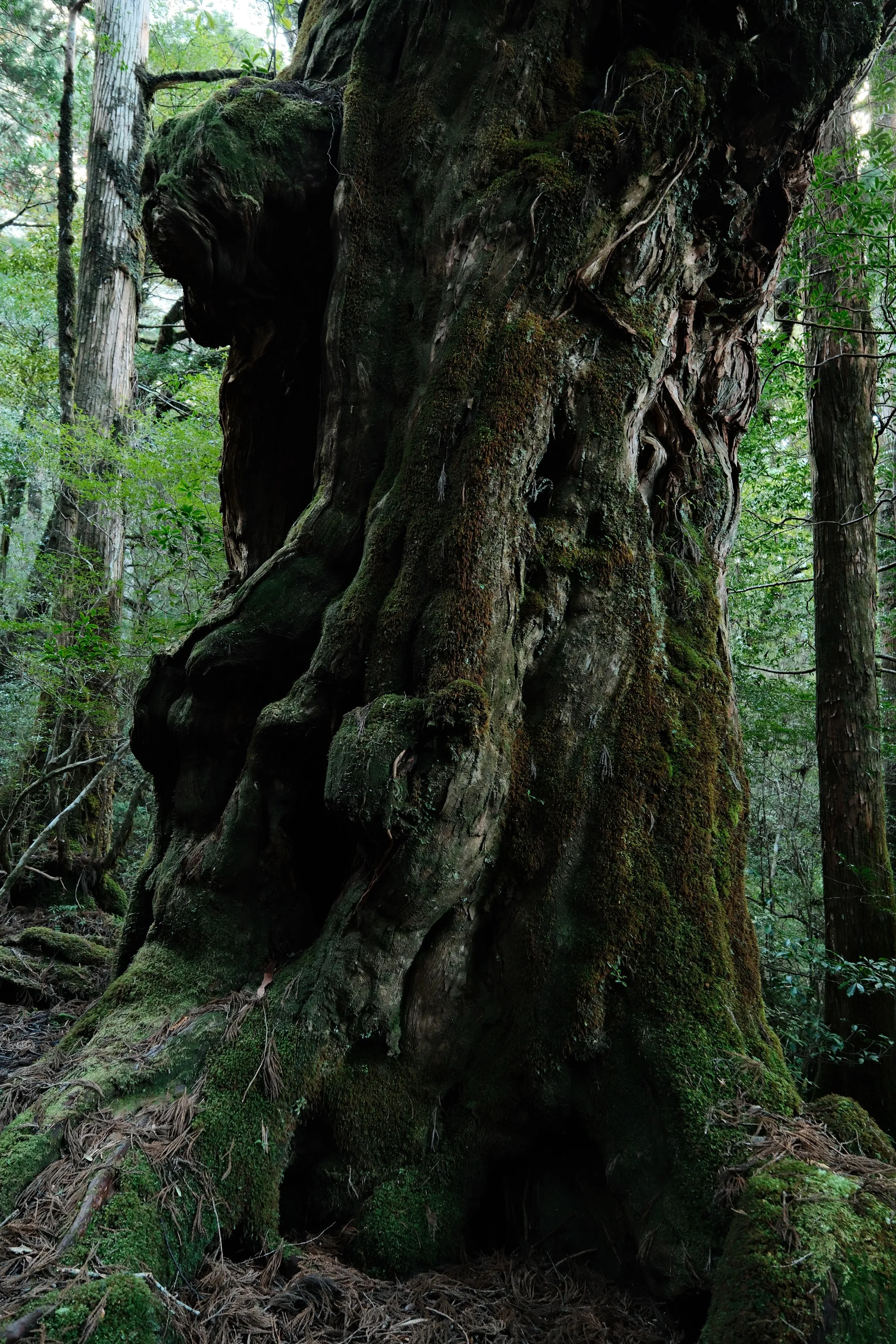
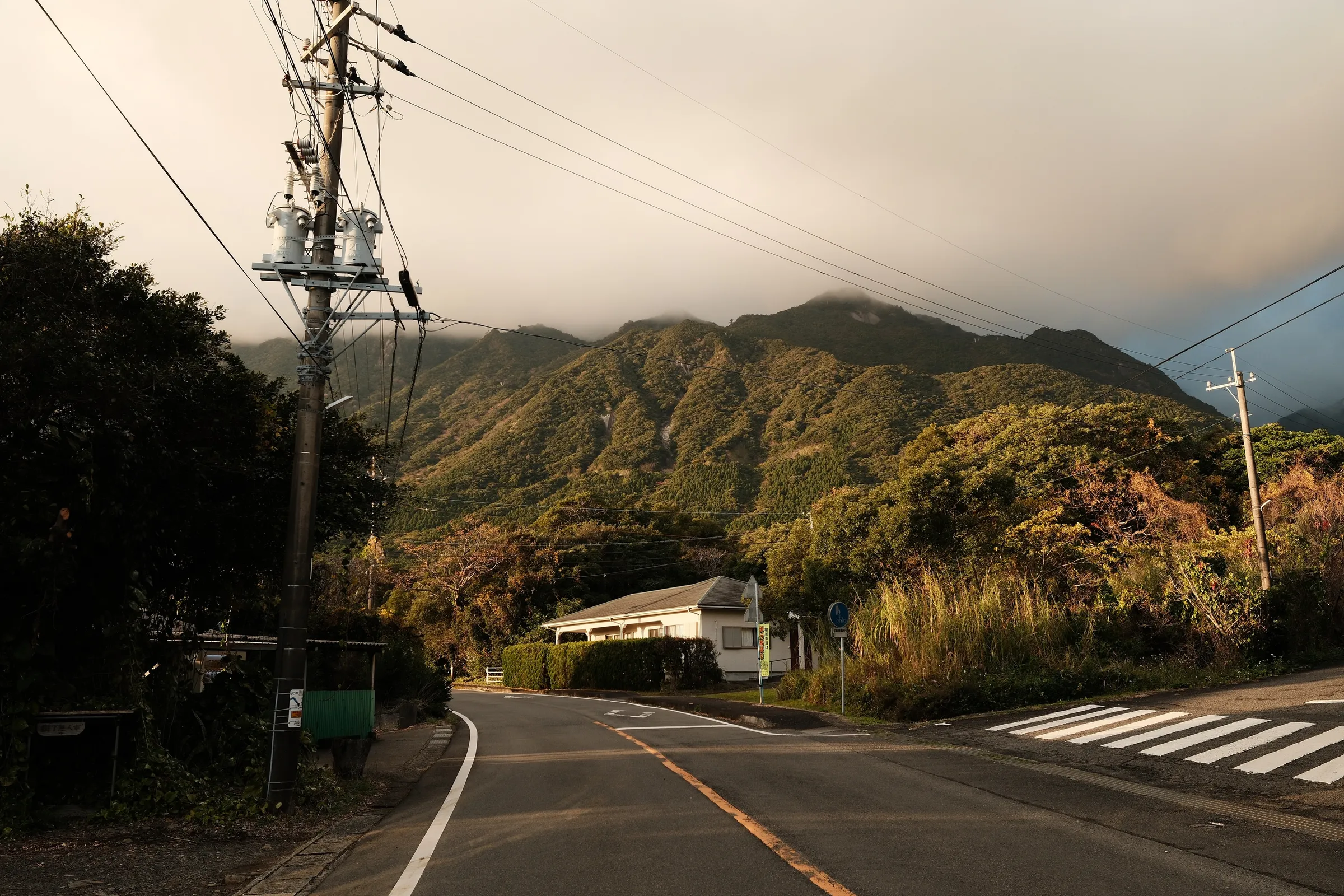
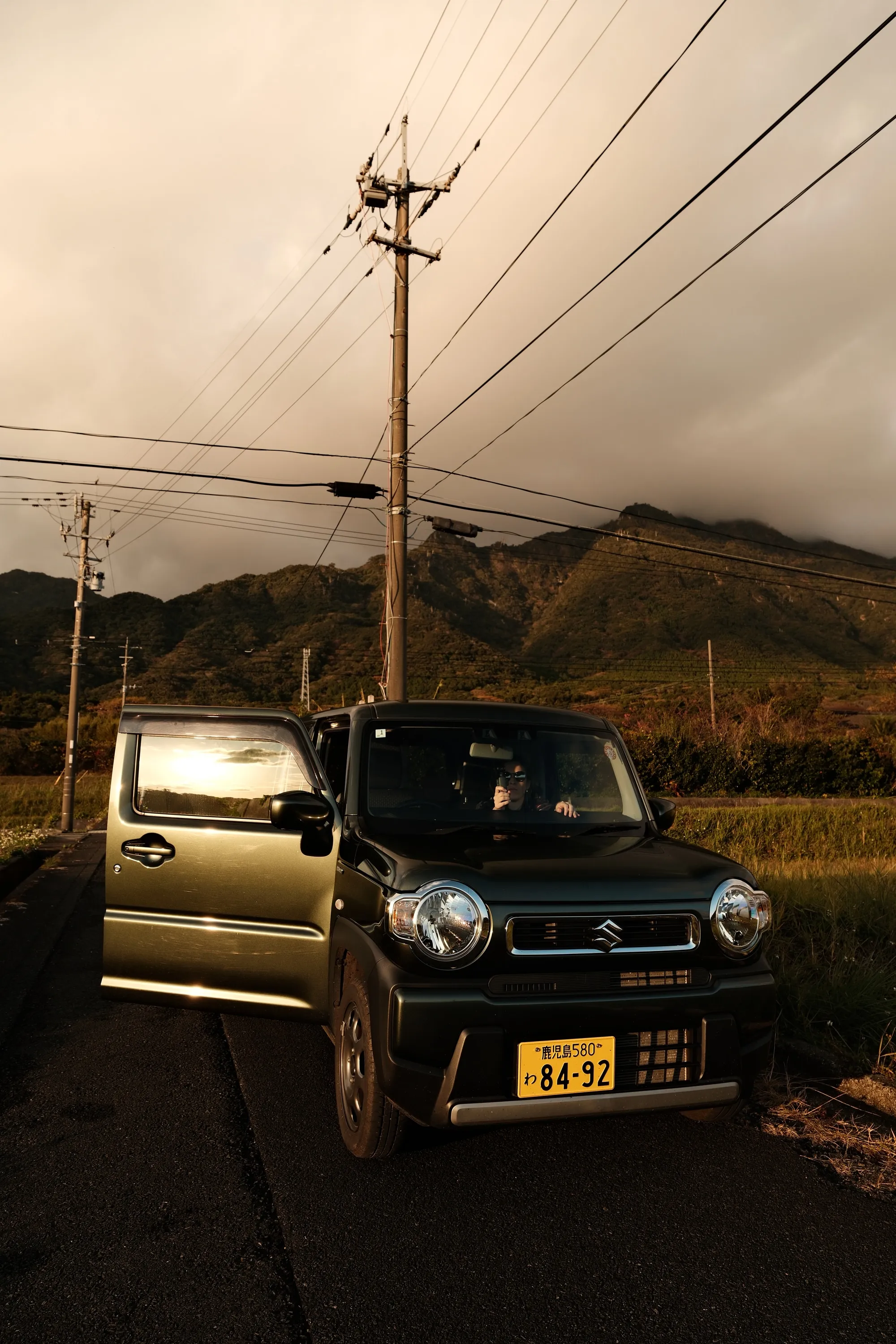
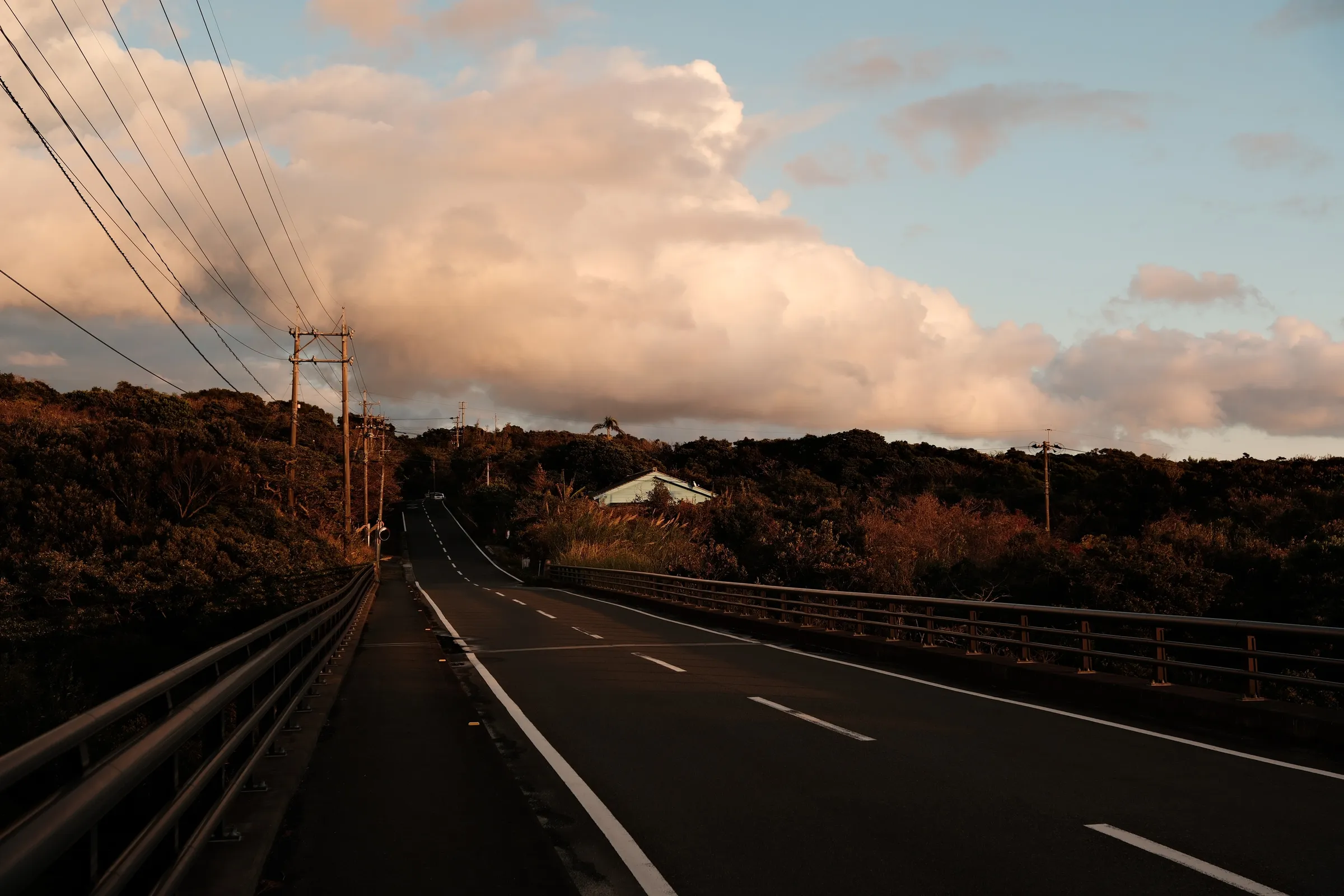
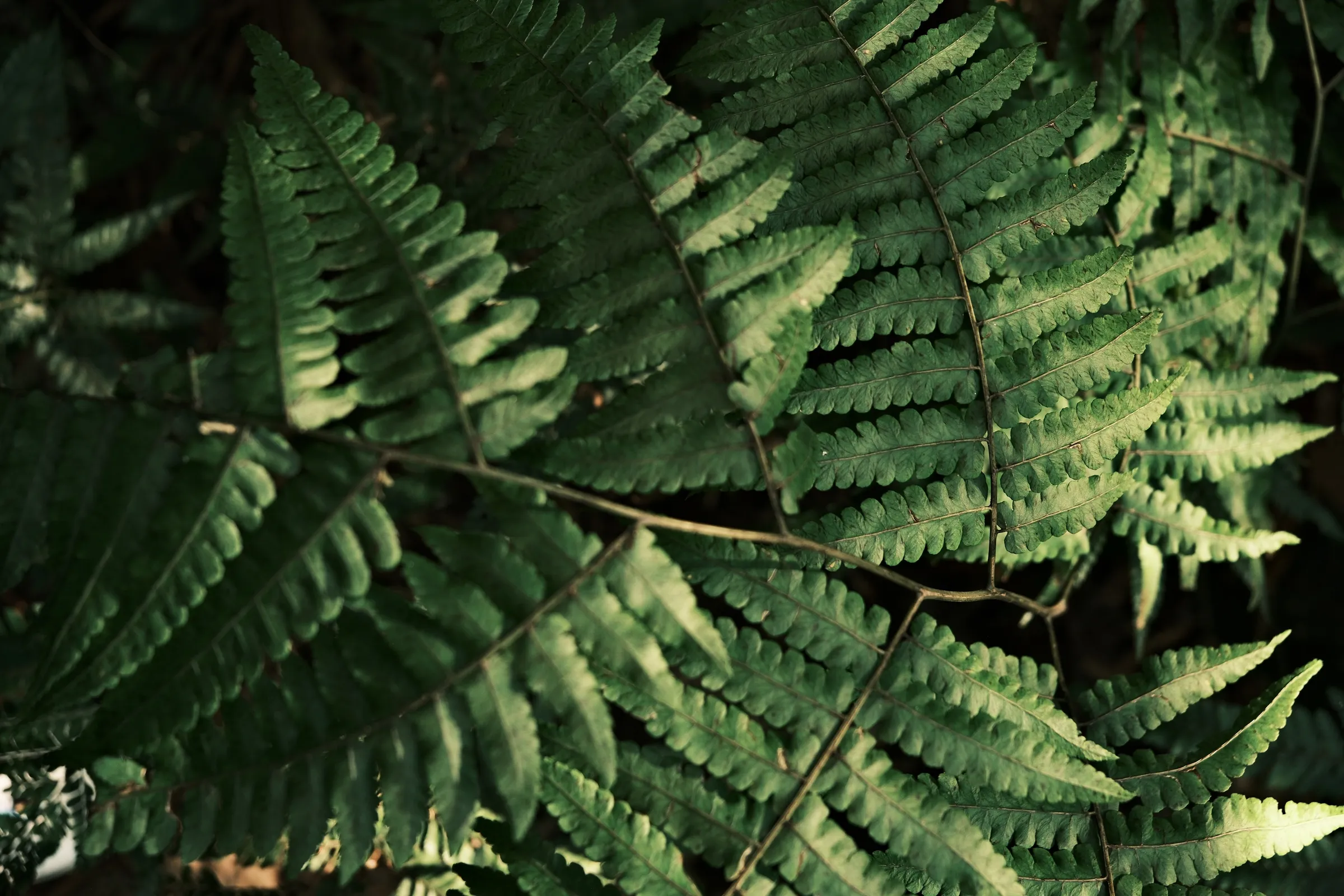
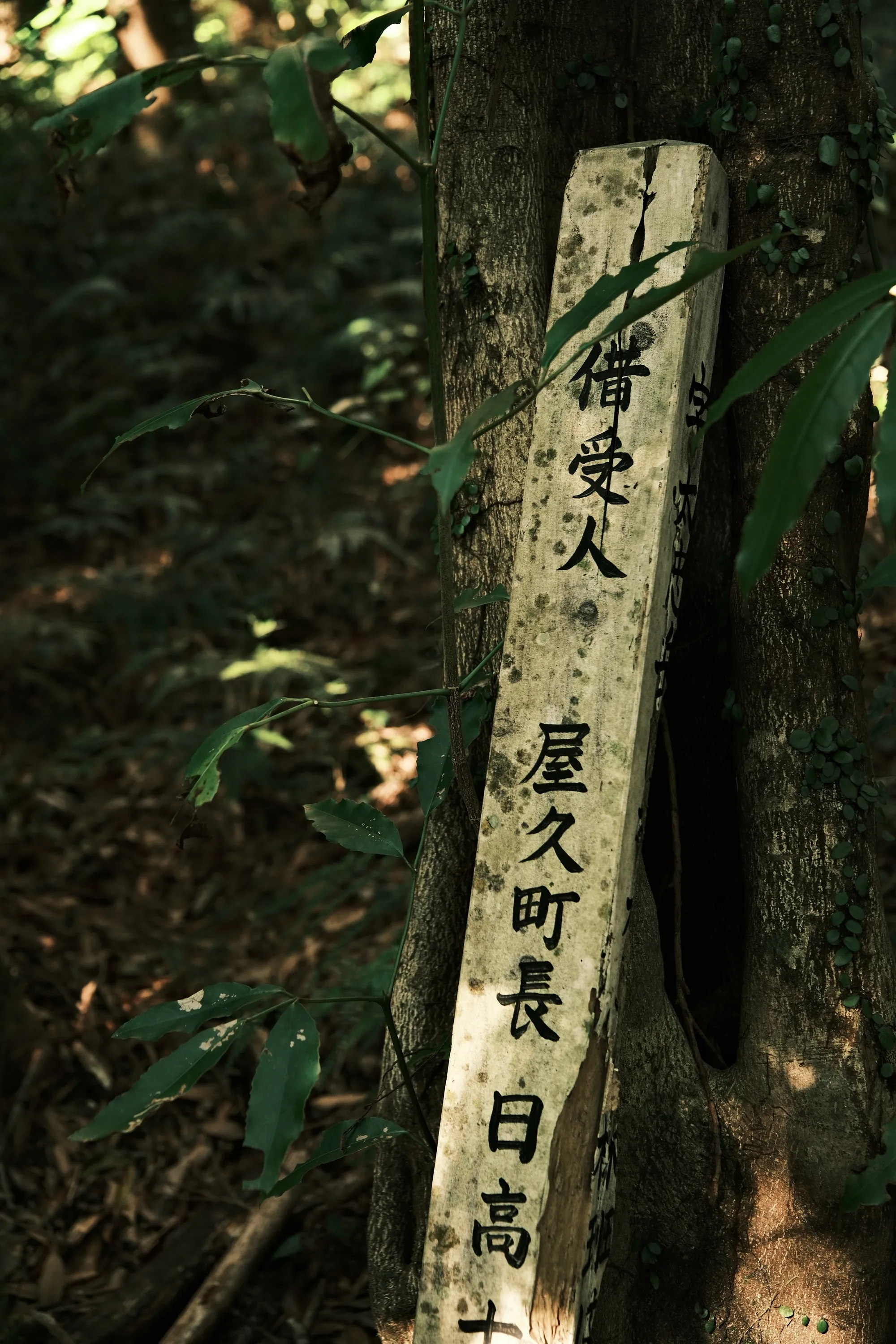
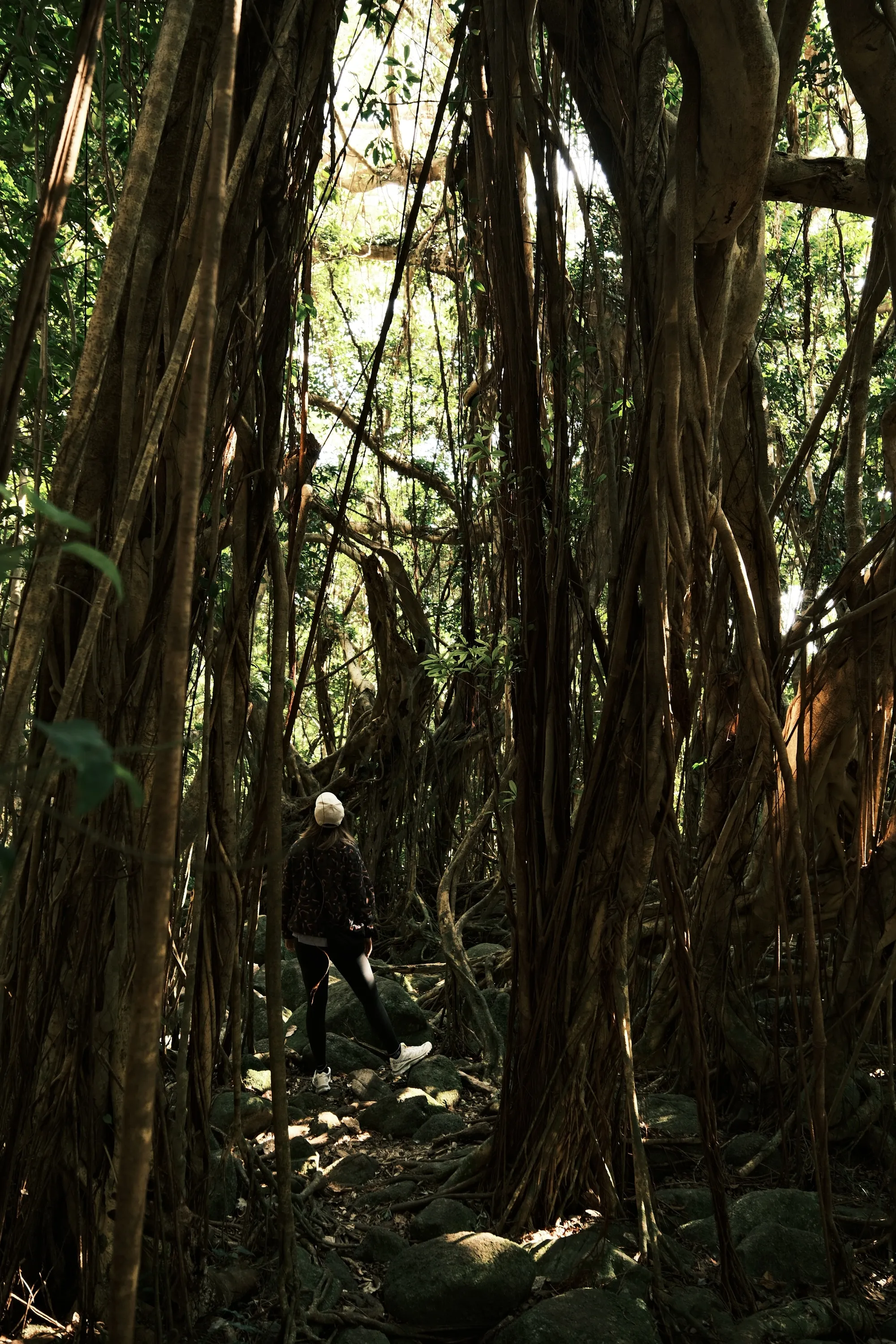
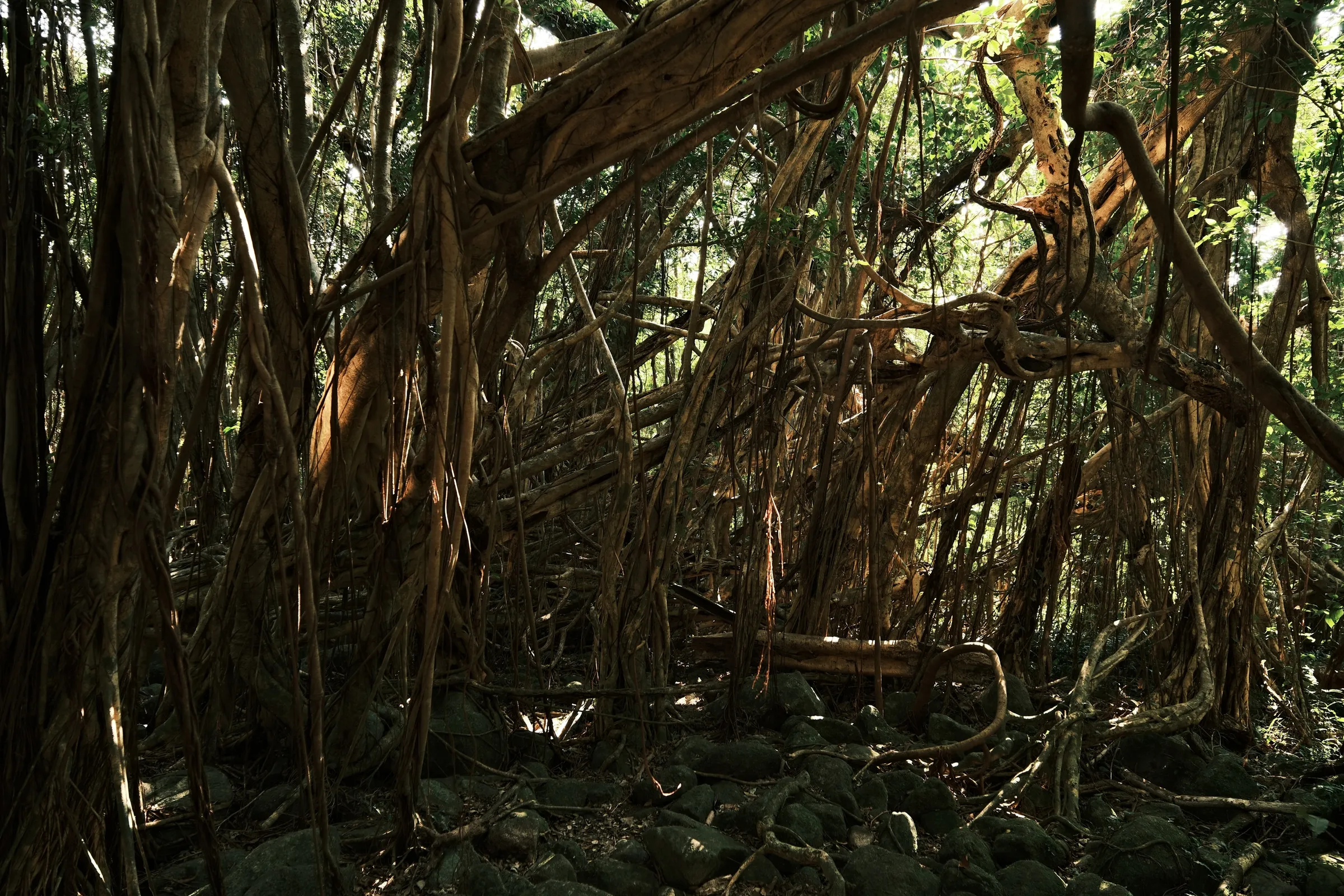
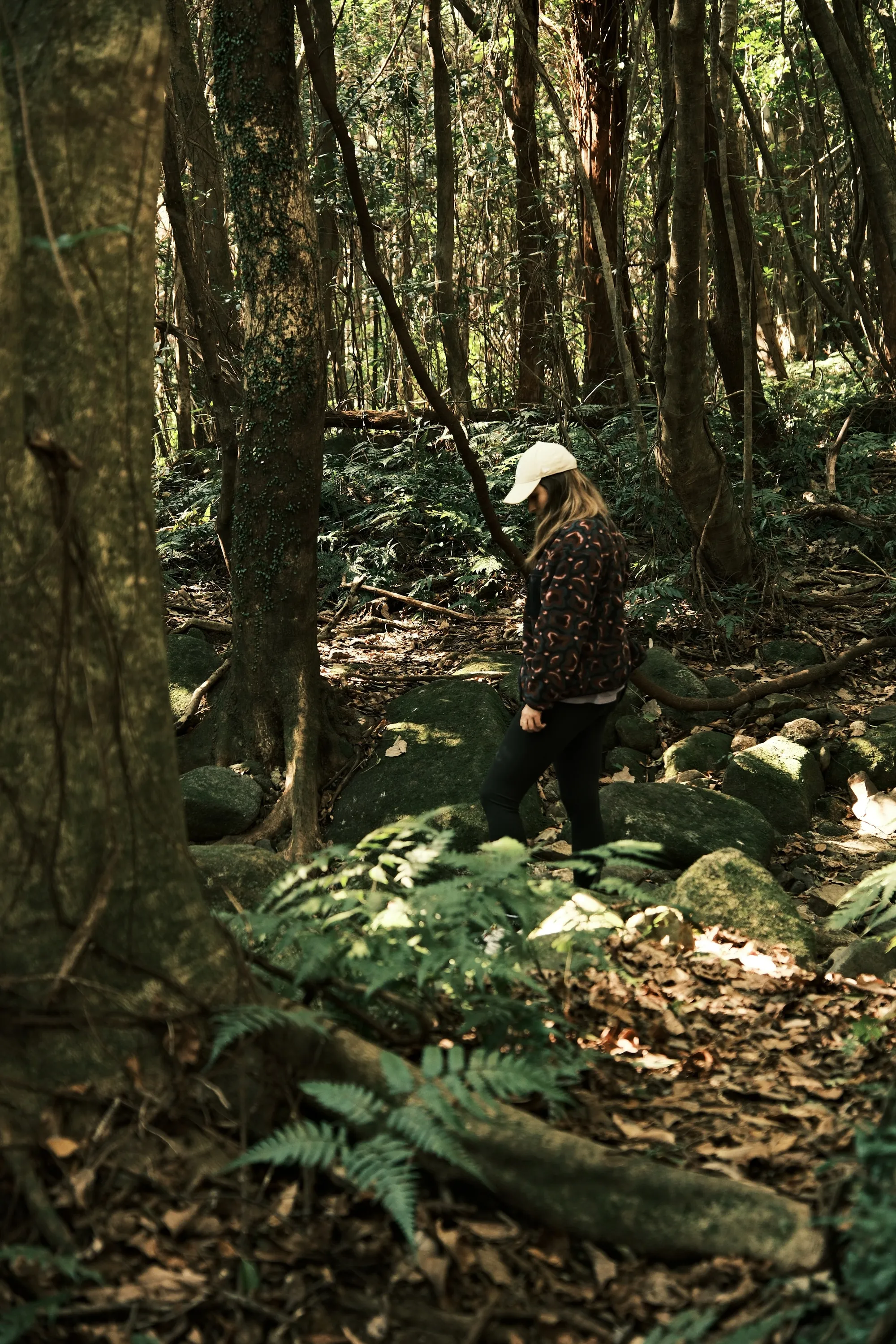
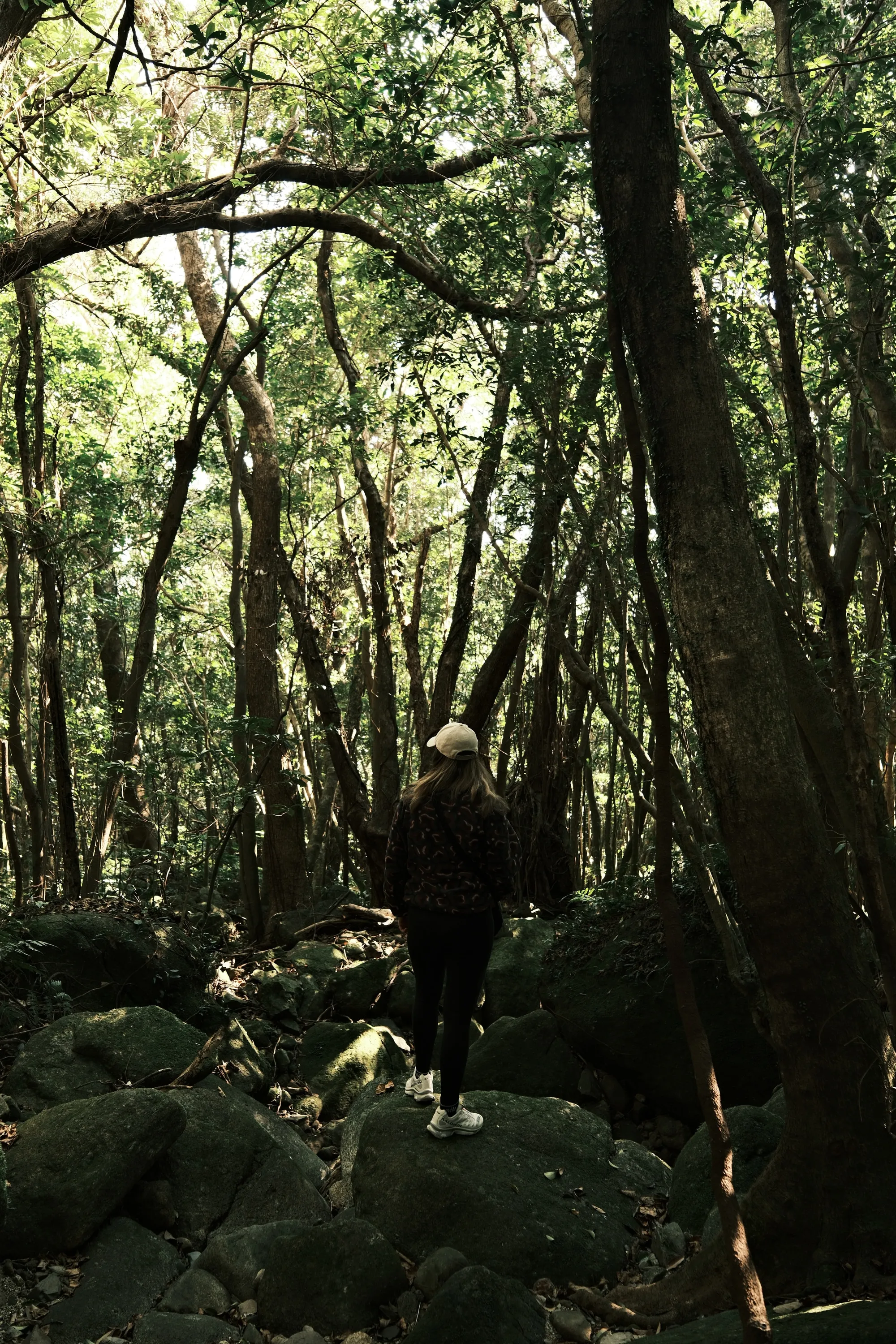
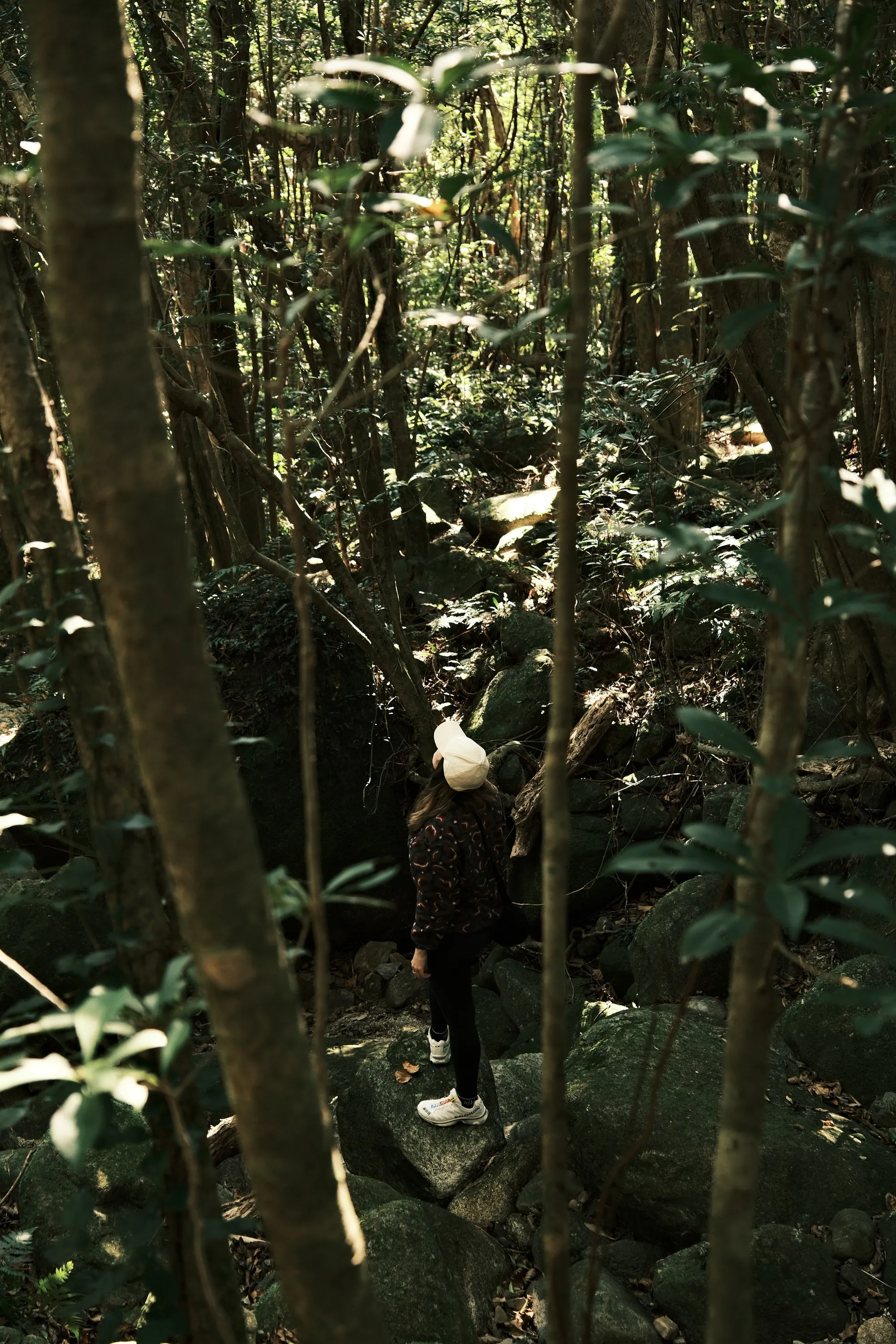
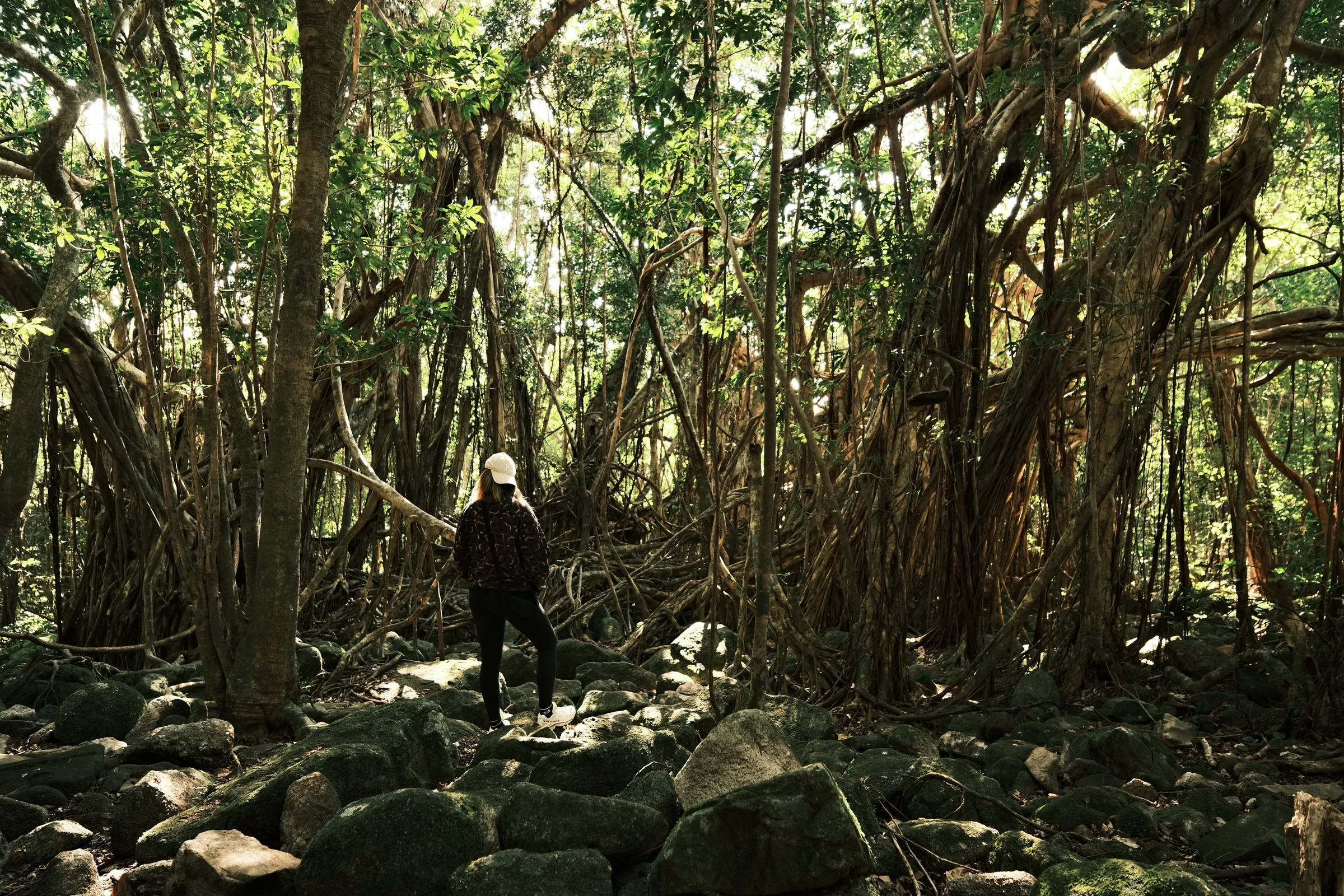
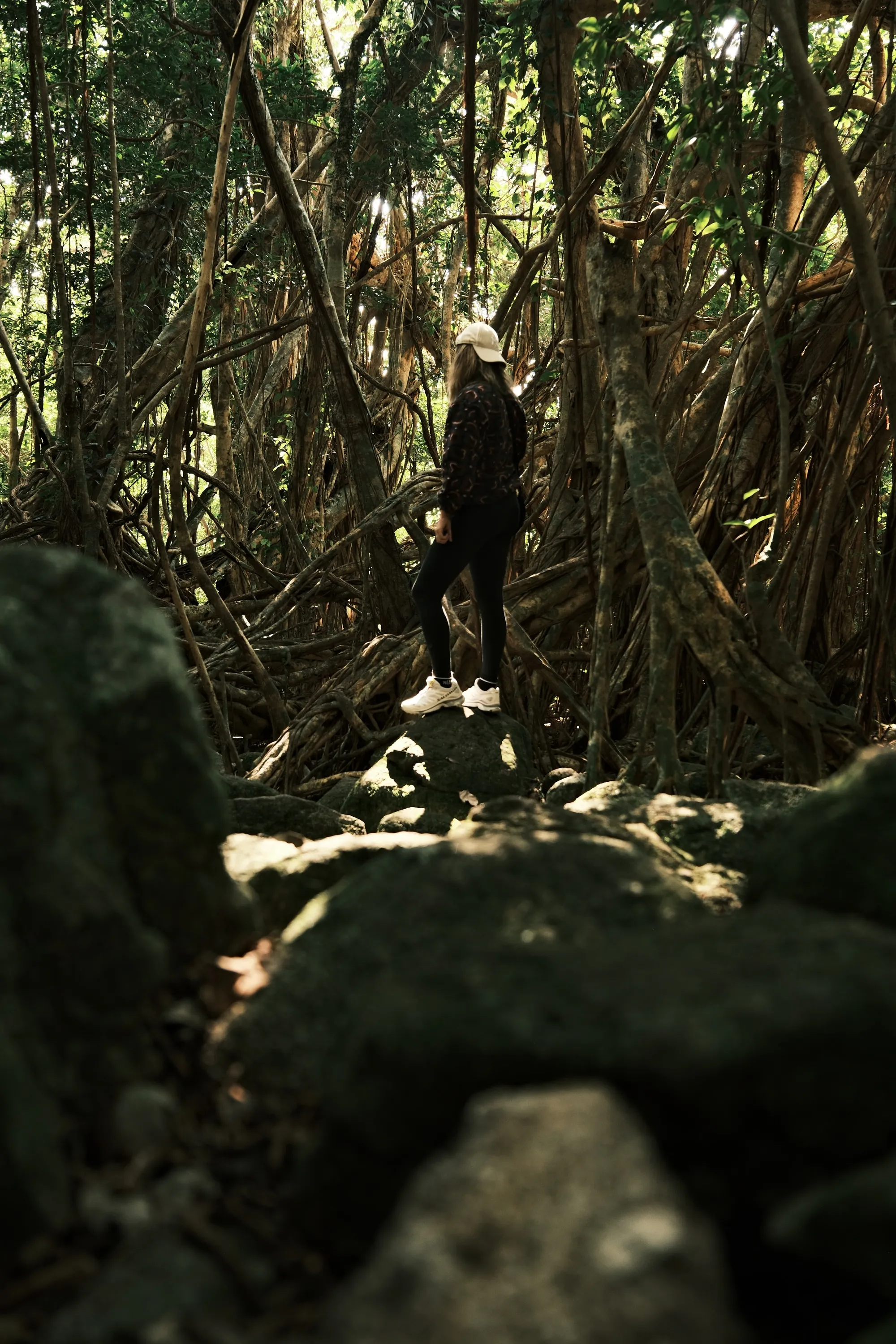
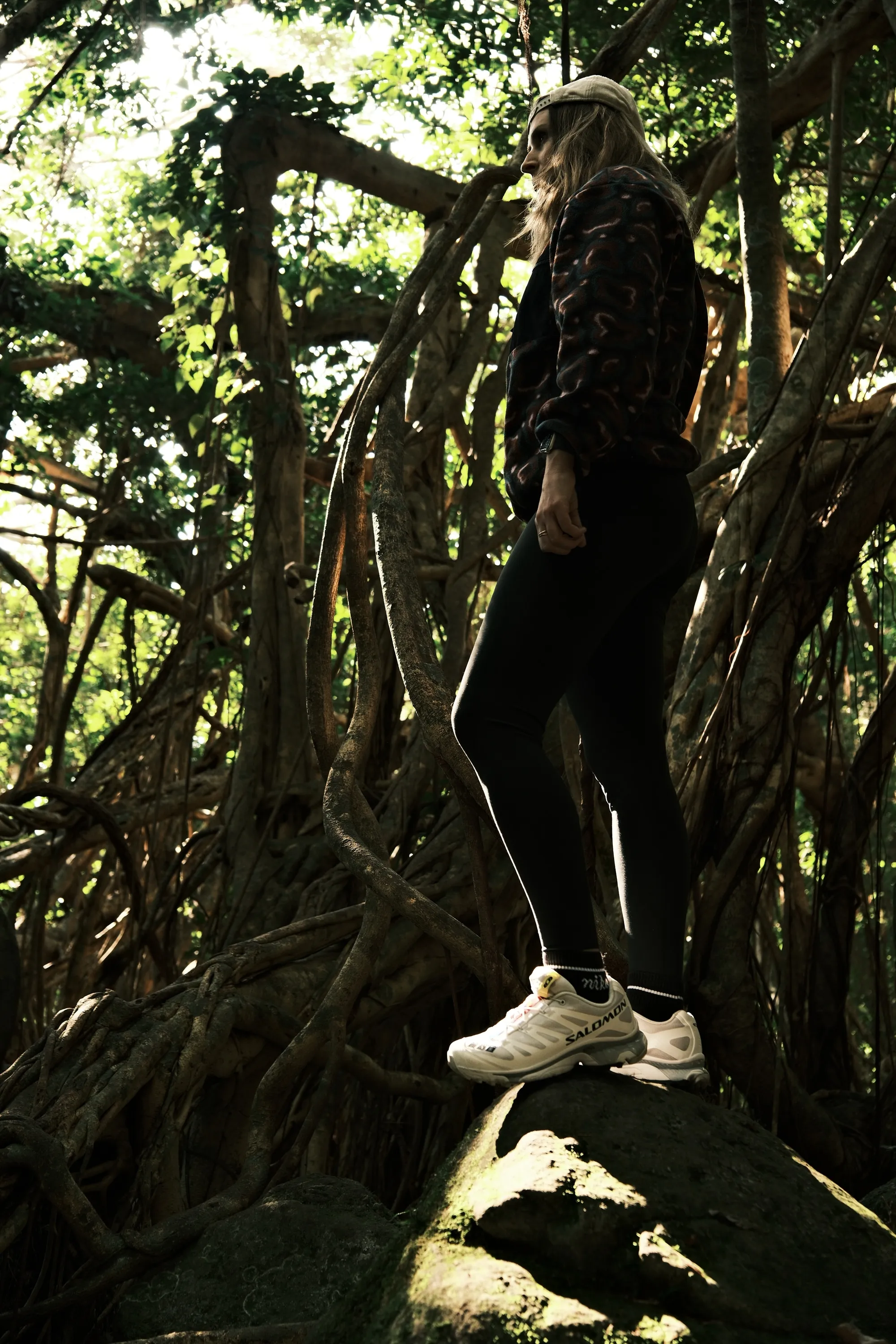
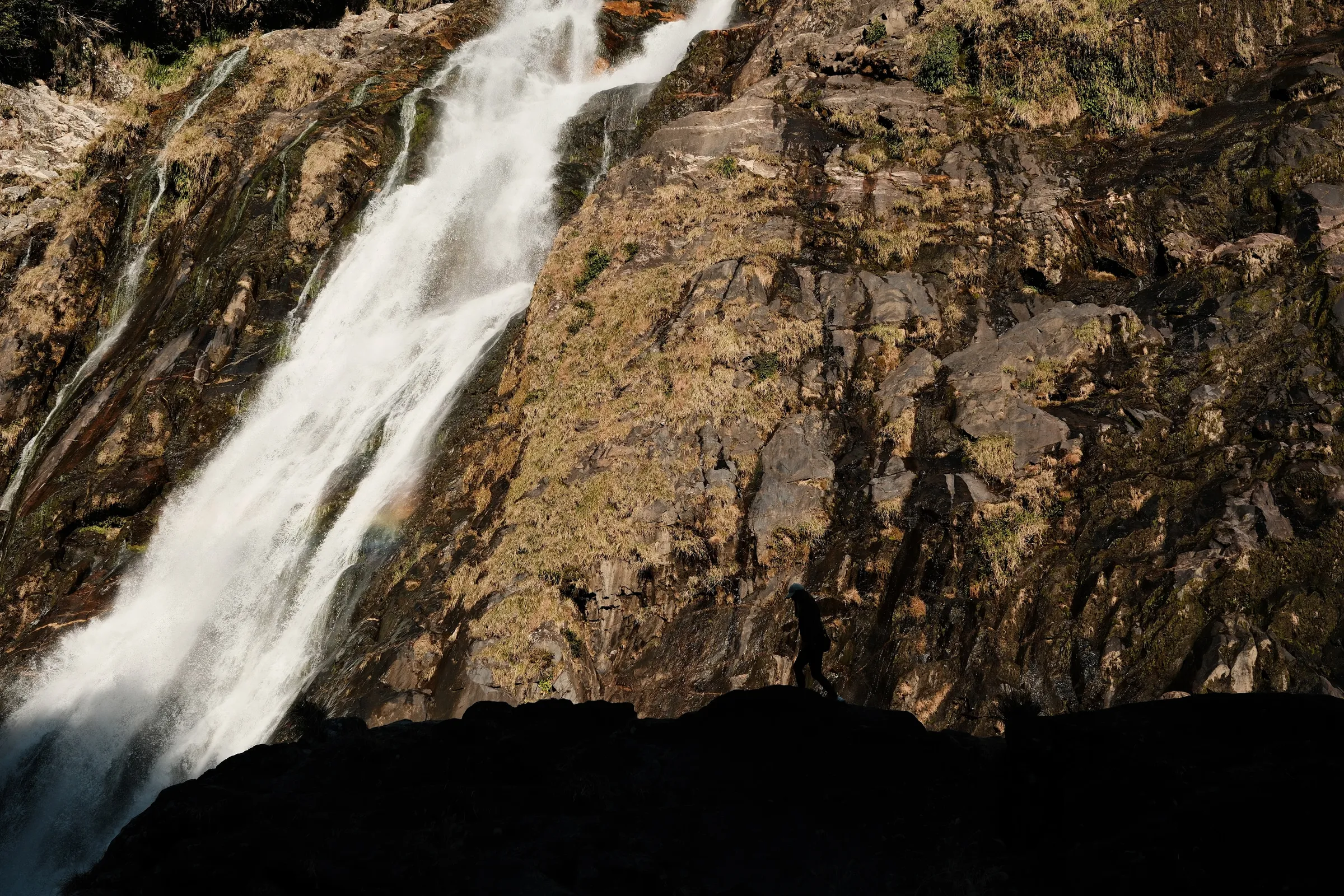
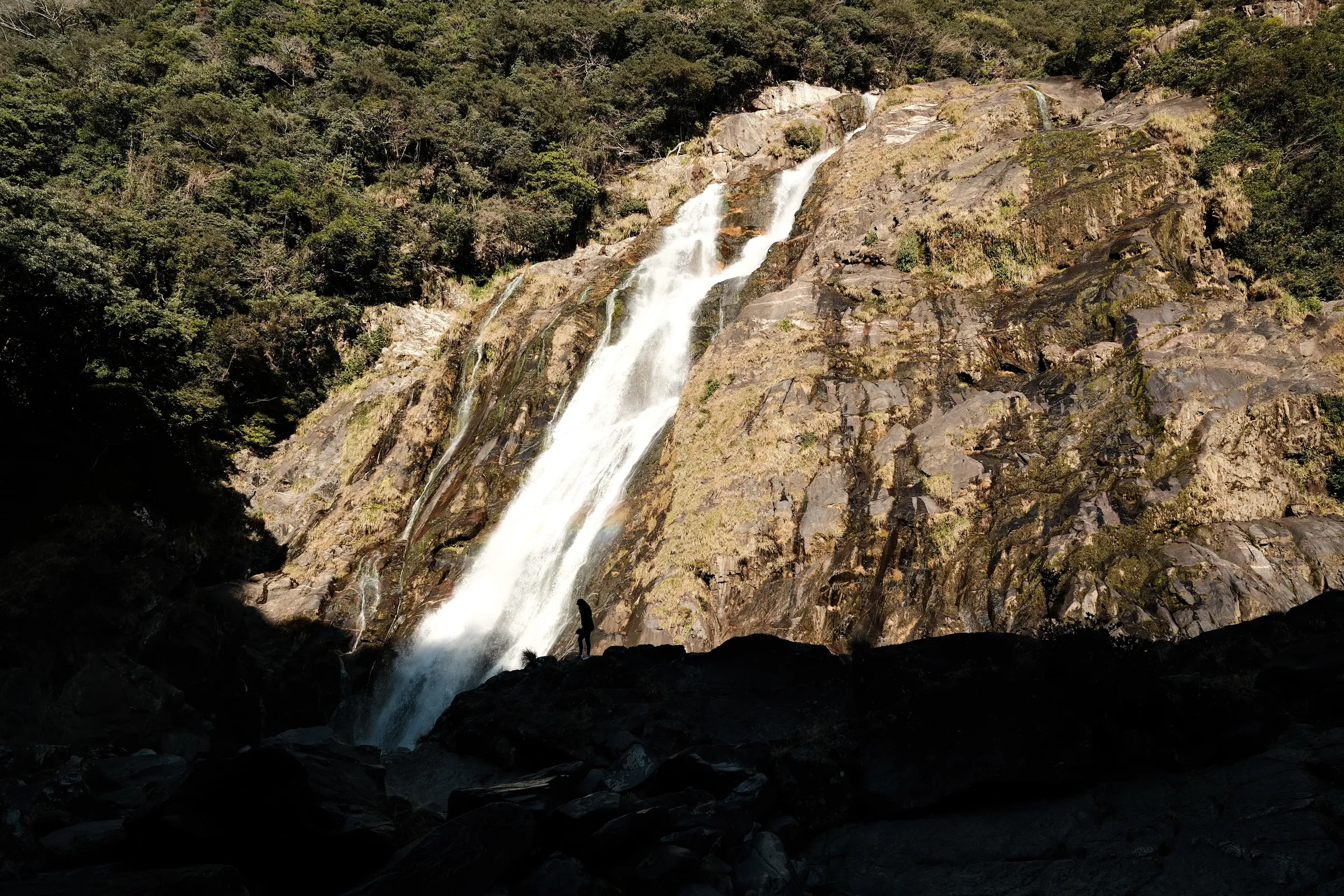
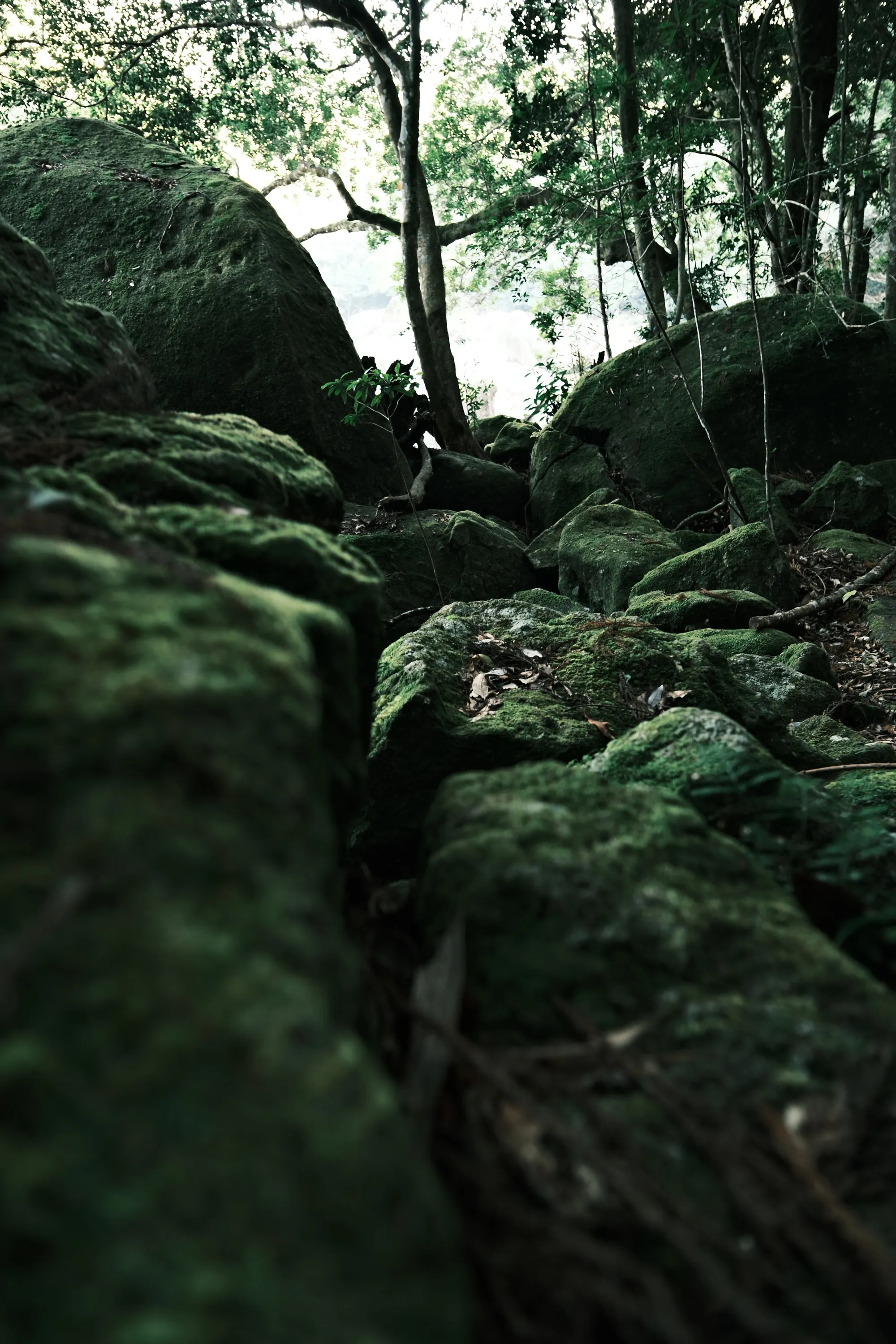
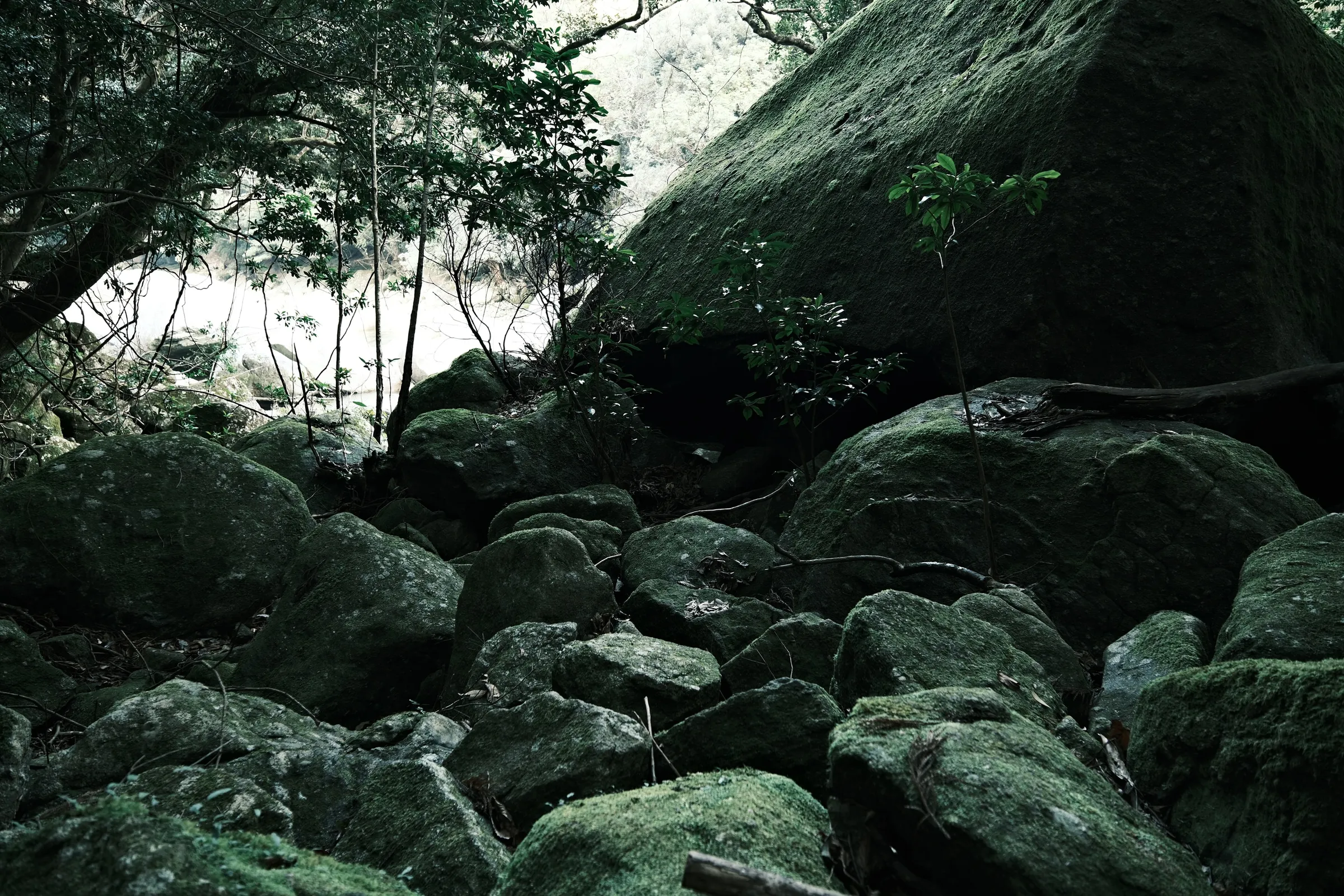
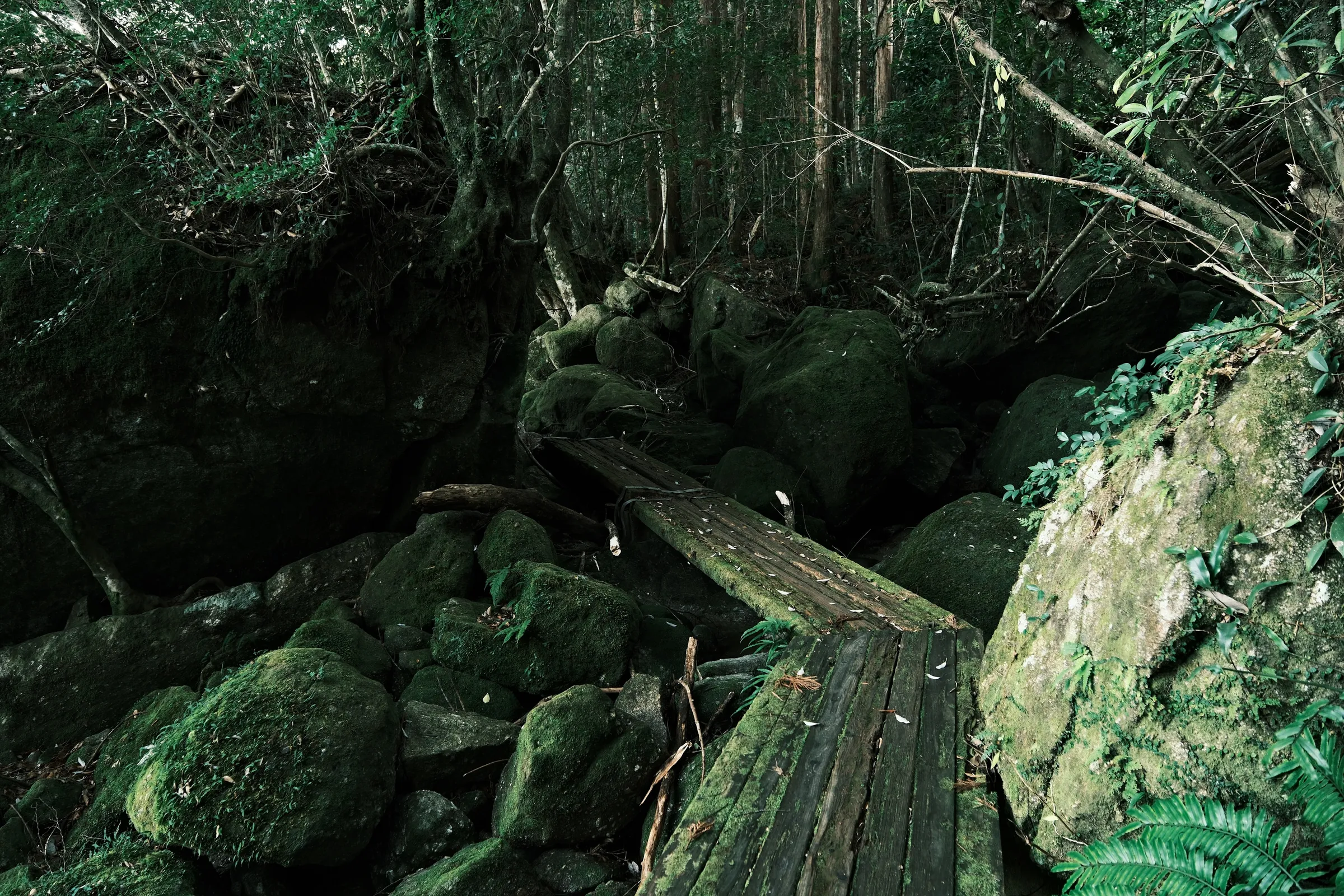
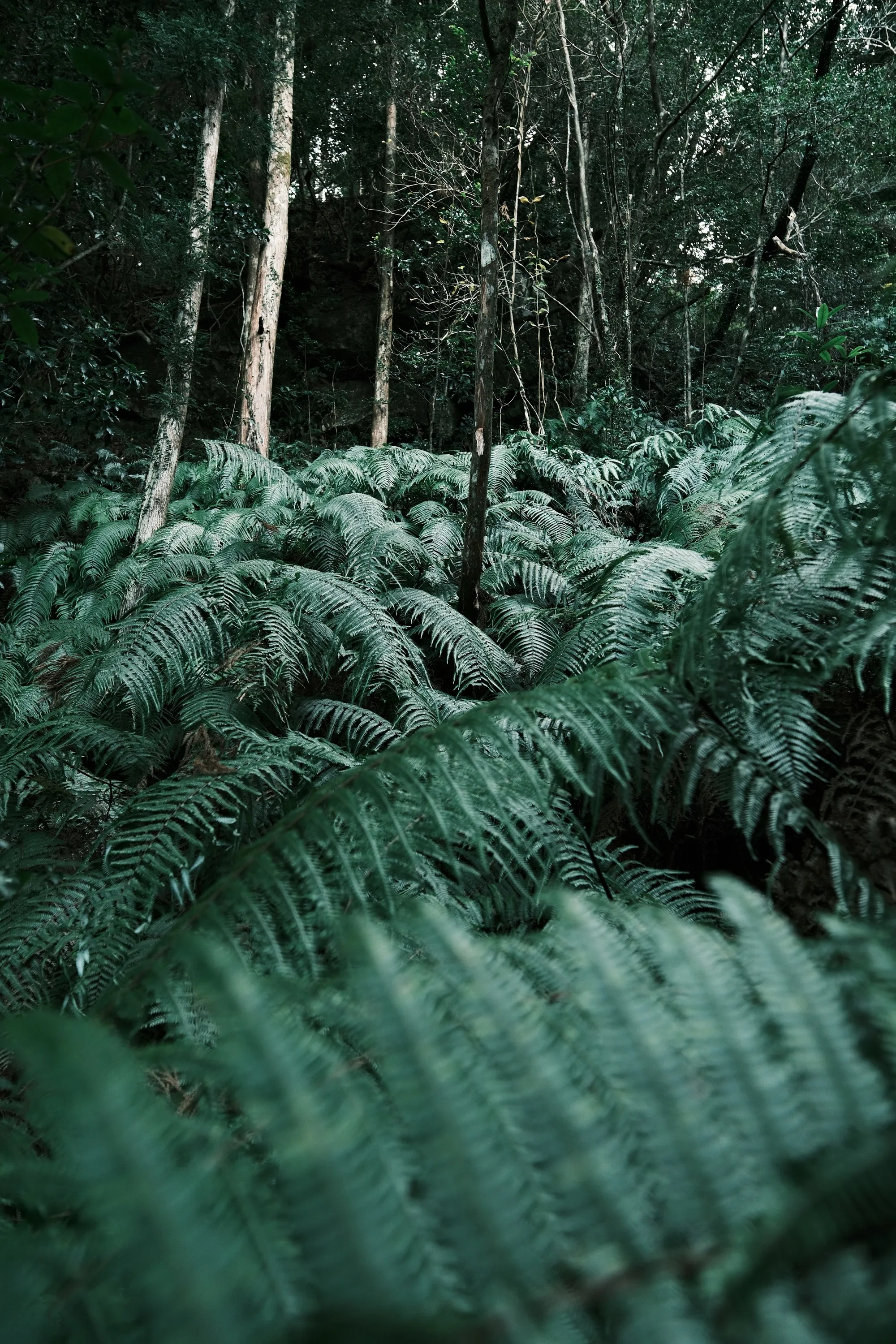
Yakushima shifts the trip from coast to forest: macaques and deers living in harmony on mountain roads, waterfalls, suspension bridges and cedar trails swallowed by ferns and moss. The island feels wet, vertical and ancient, with every road eventually folding back into the trees. We had rarely see forests and nature that dense before.
 220
 221
 222
 223
 224
 225
 226
 227
 228
 229
 230
 231
 232
 233
 234
 235
 236
 237
 238
 239
 240
 241
 242
 243
 244
 245
 246
 247
 248
 249
 250
 251
 252
 253
 254
 255
 256
 257
 258
 259
 260
 261
 262
 263
 264
 265
 266
 267
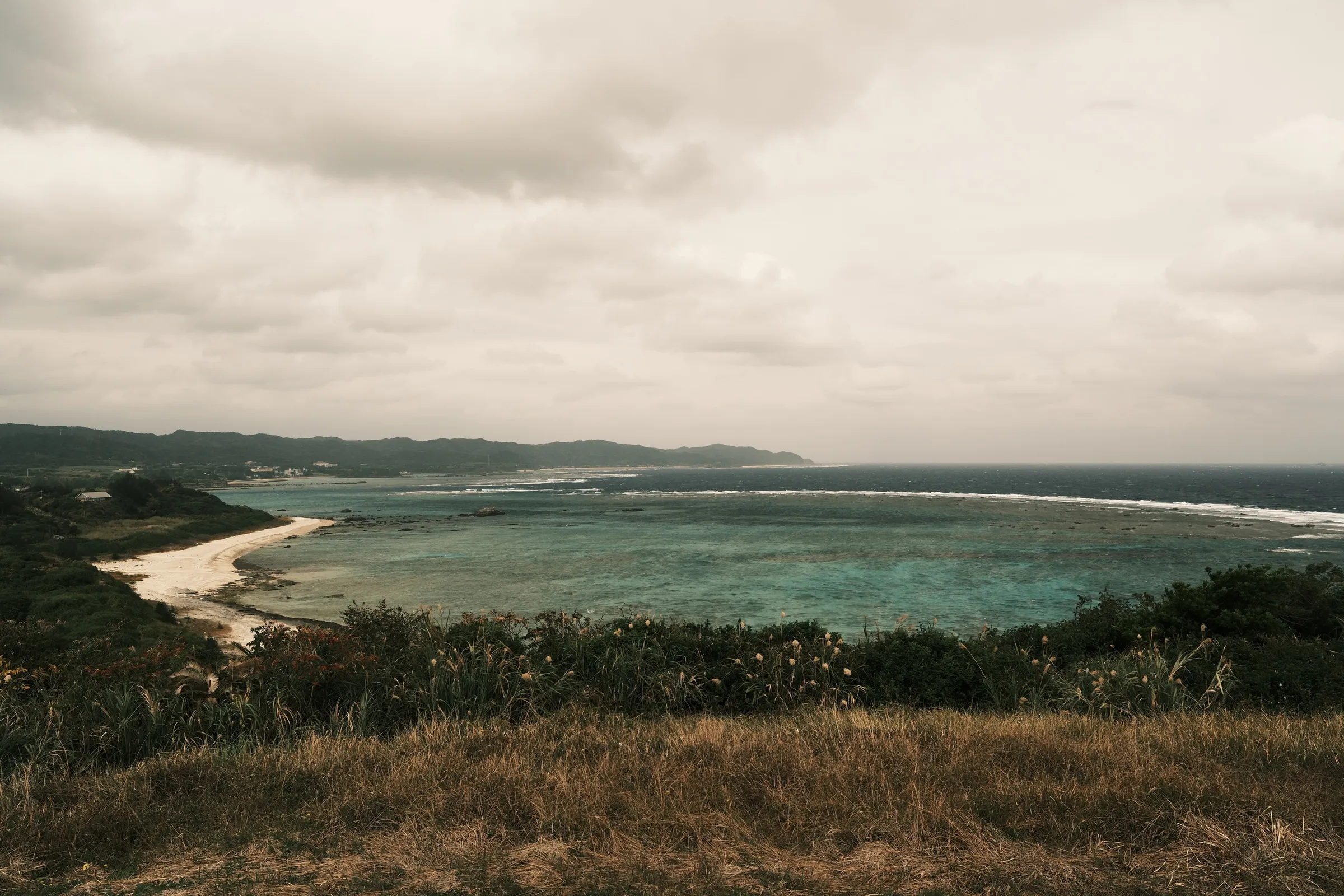
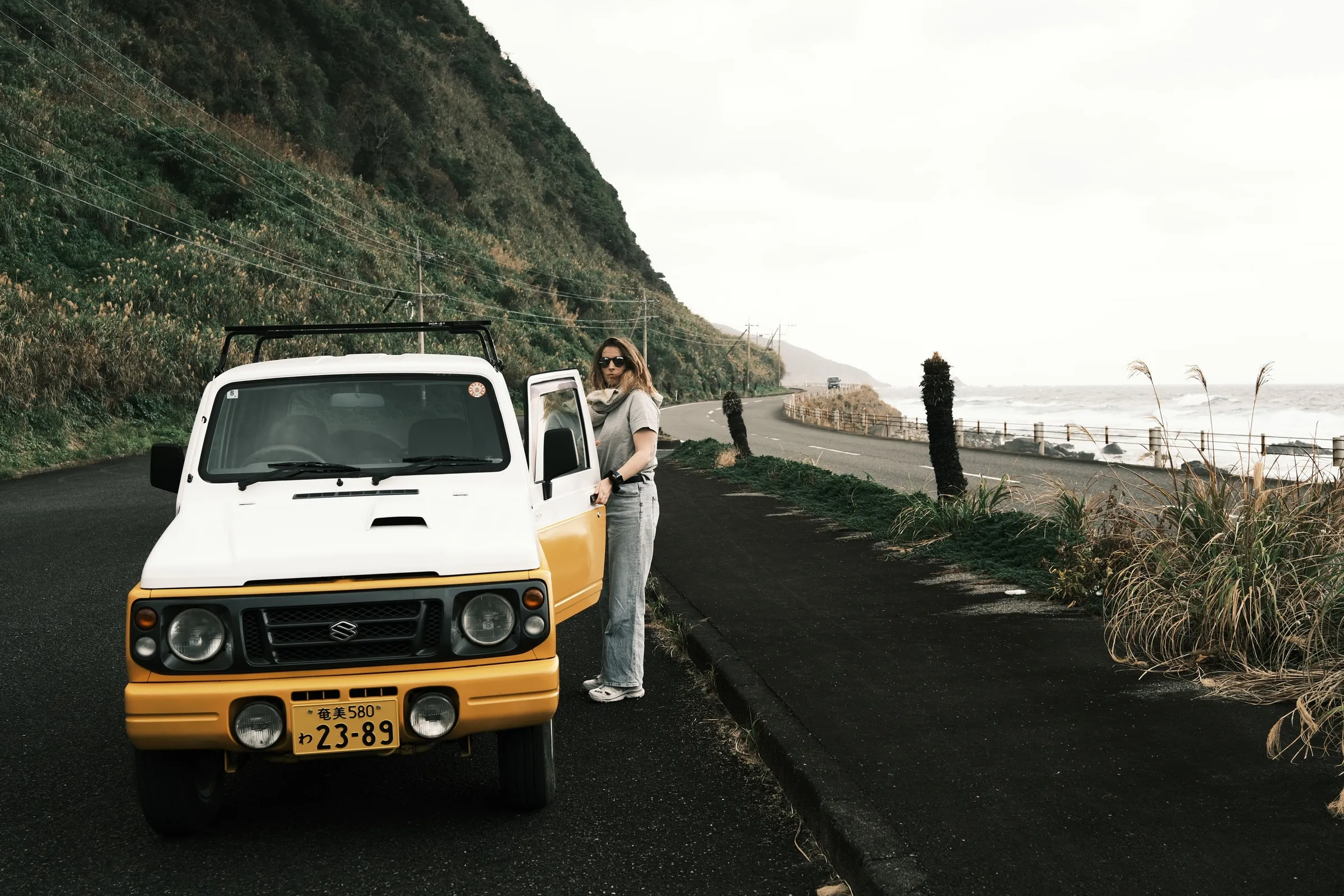
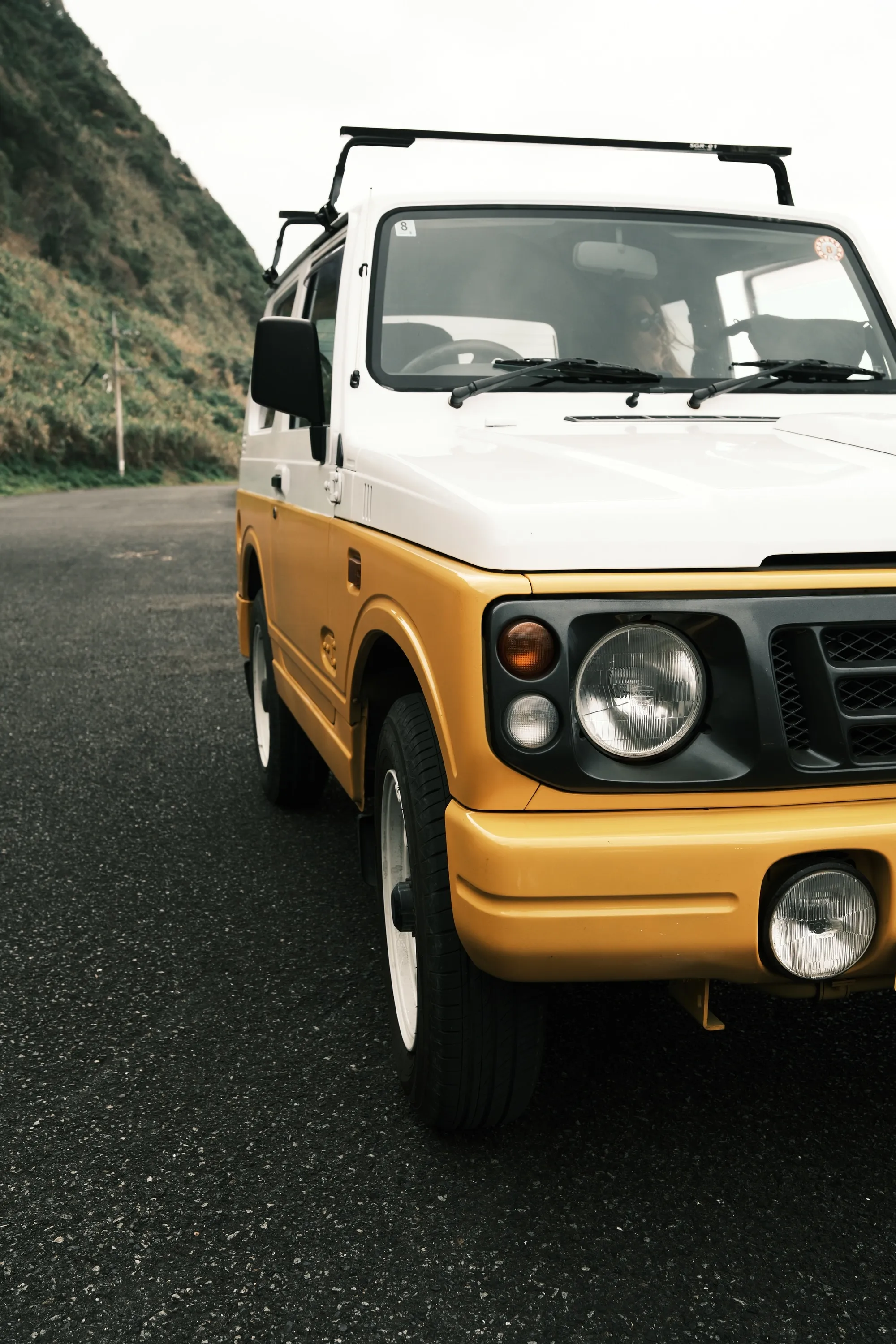
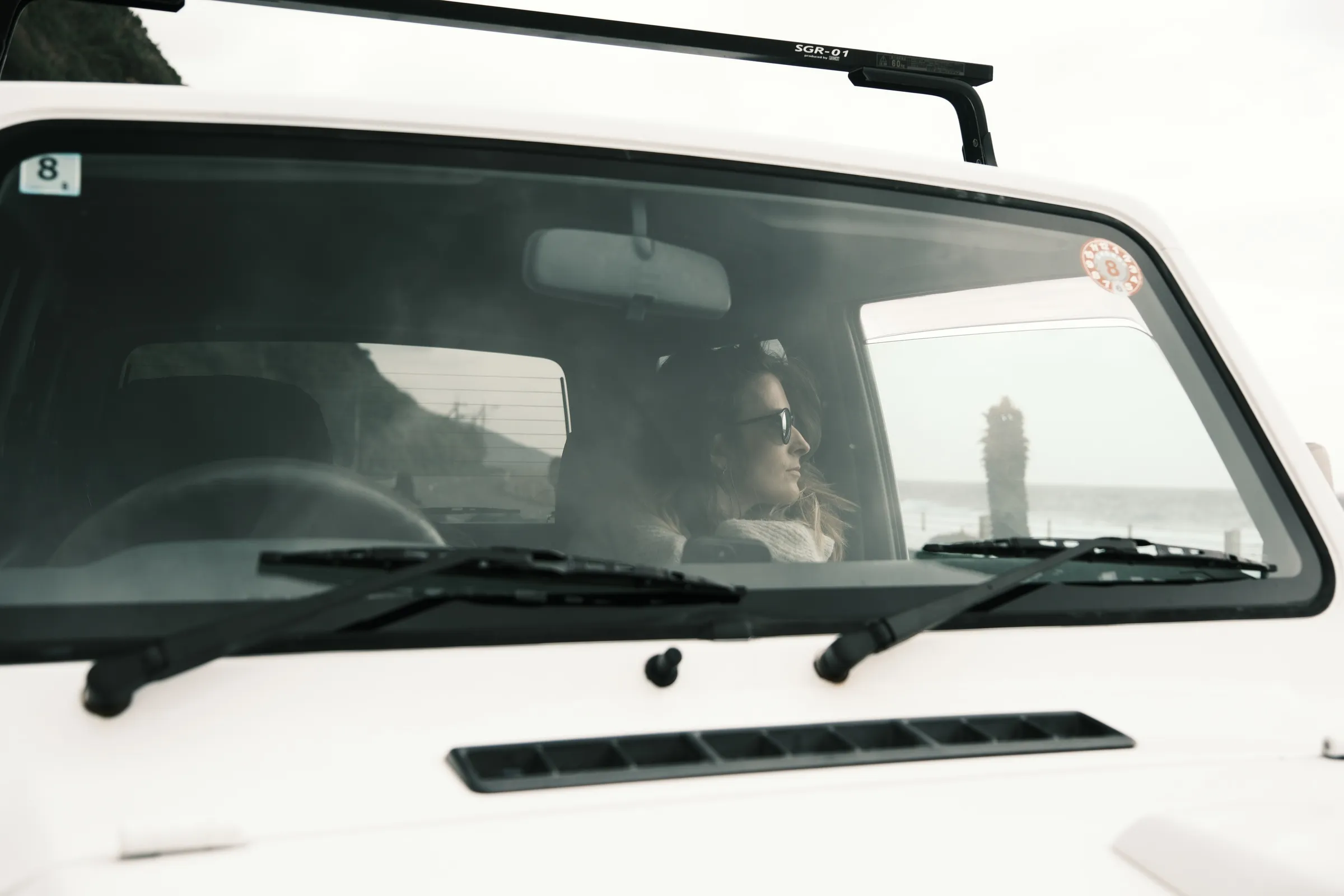
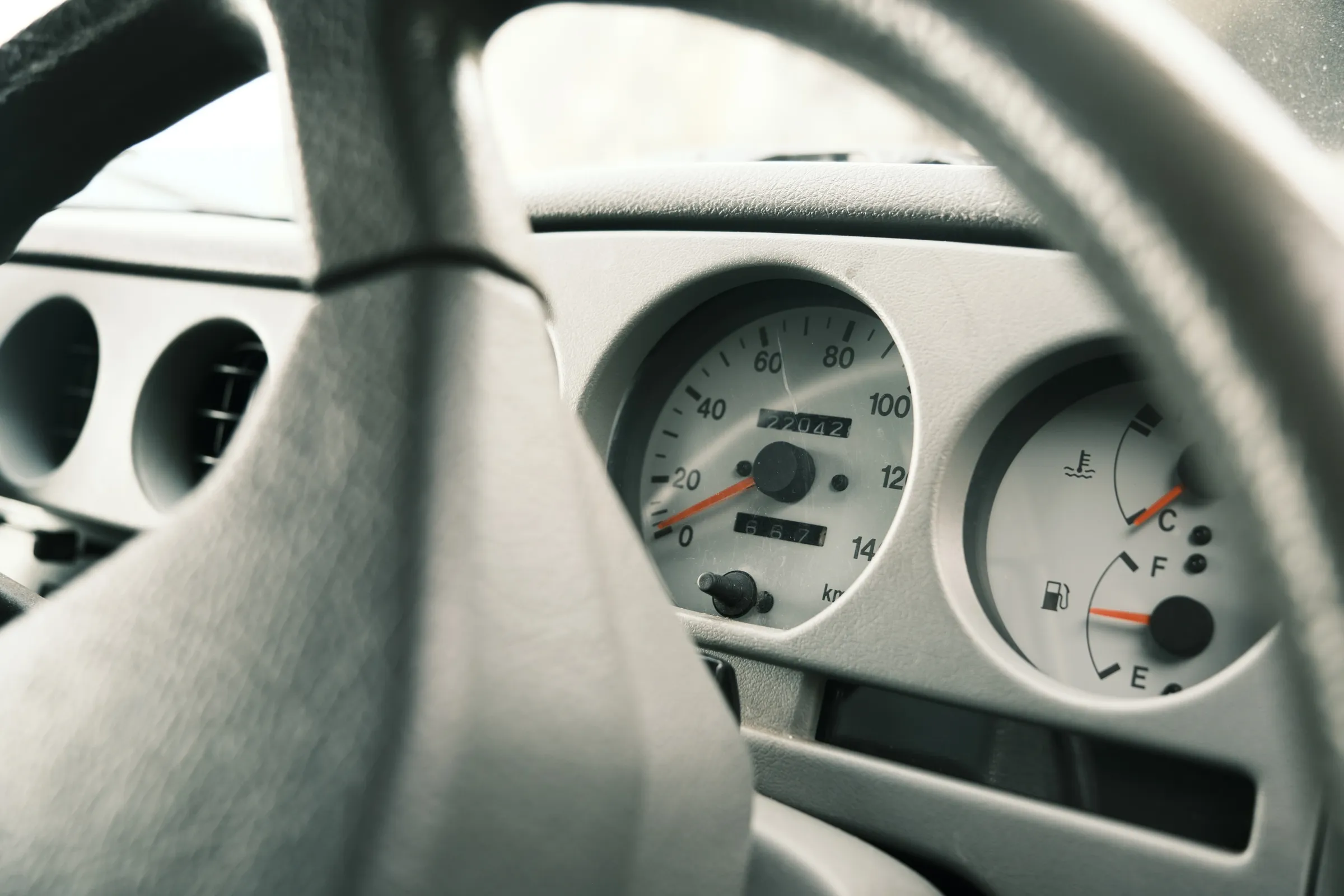
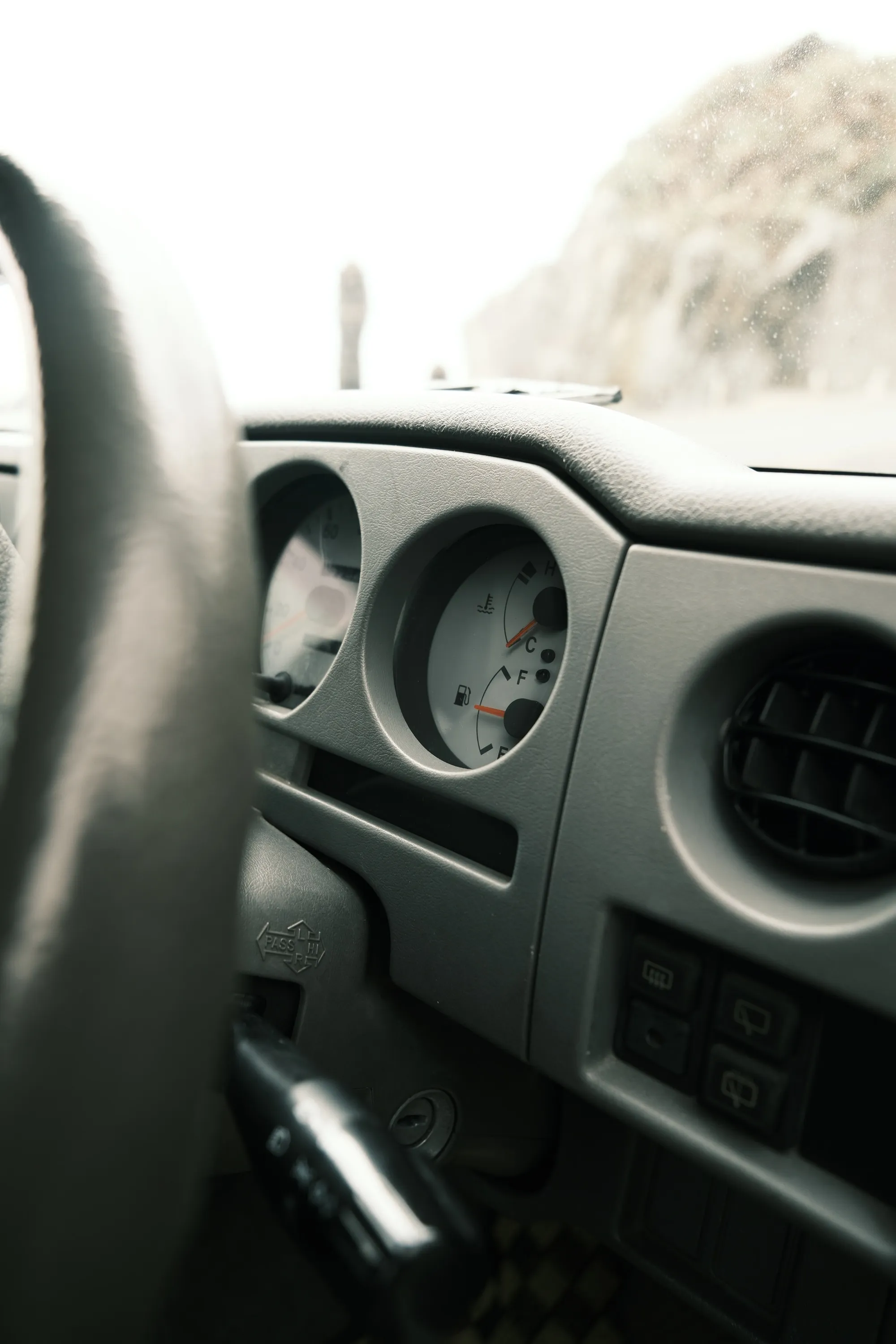
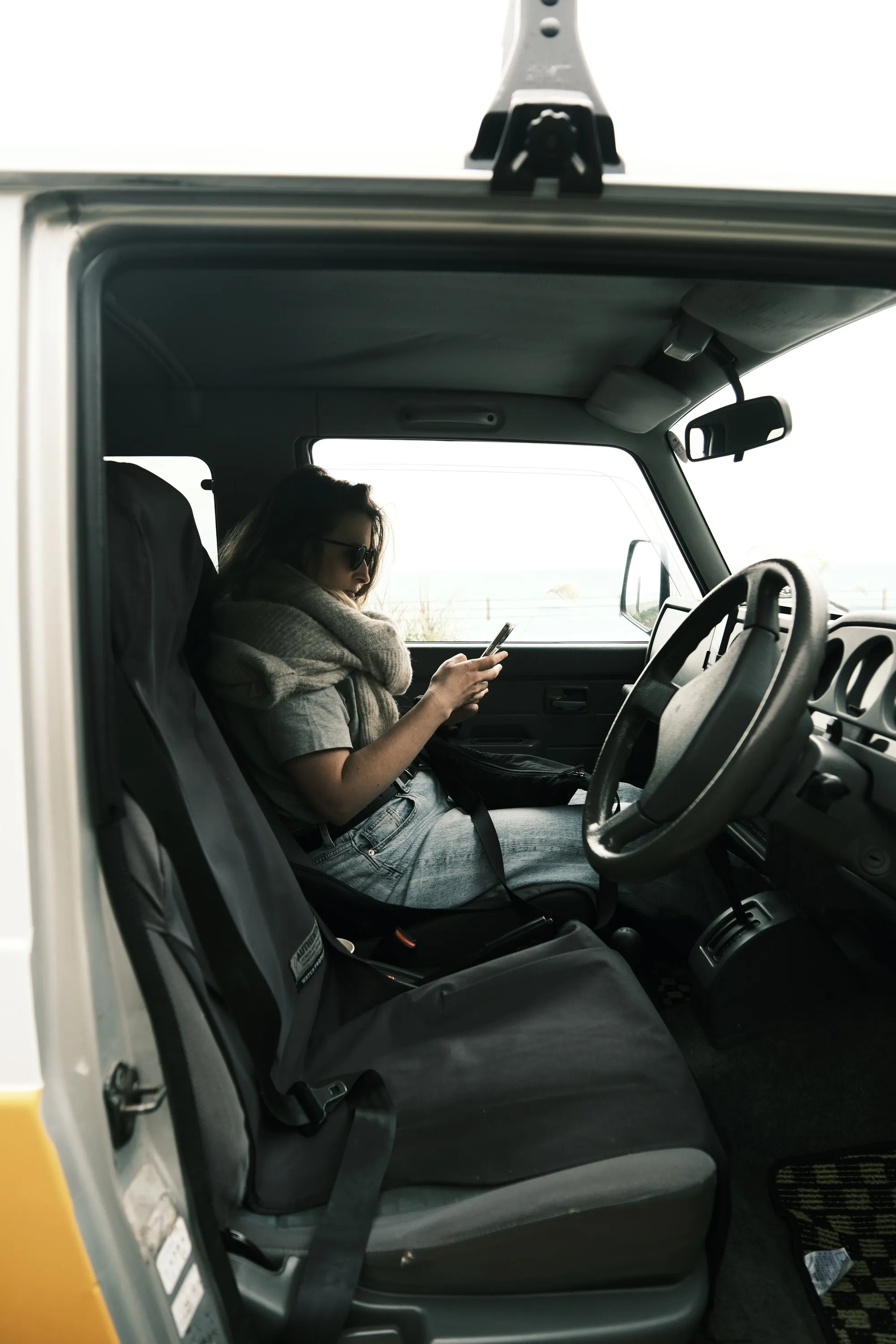
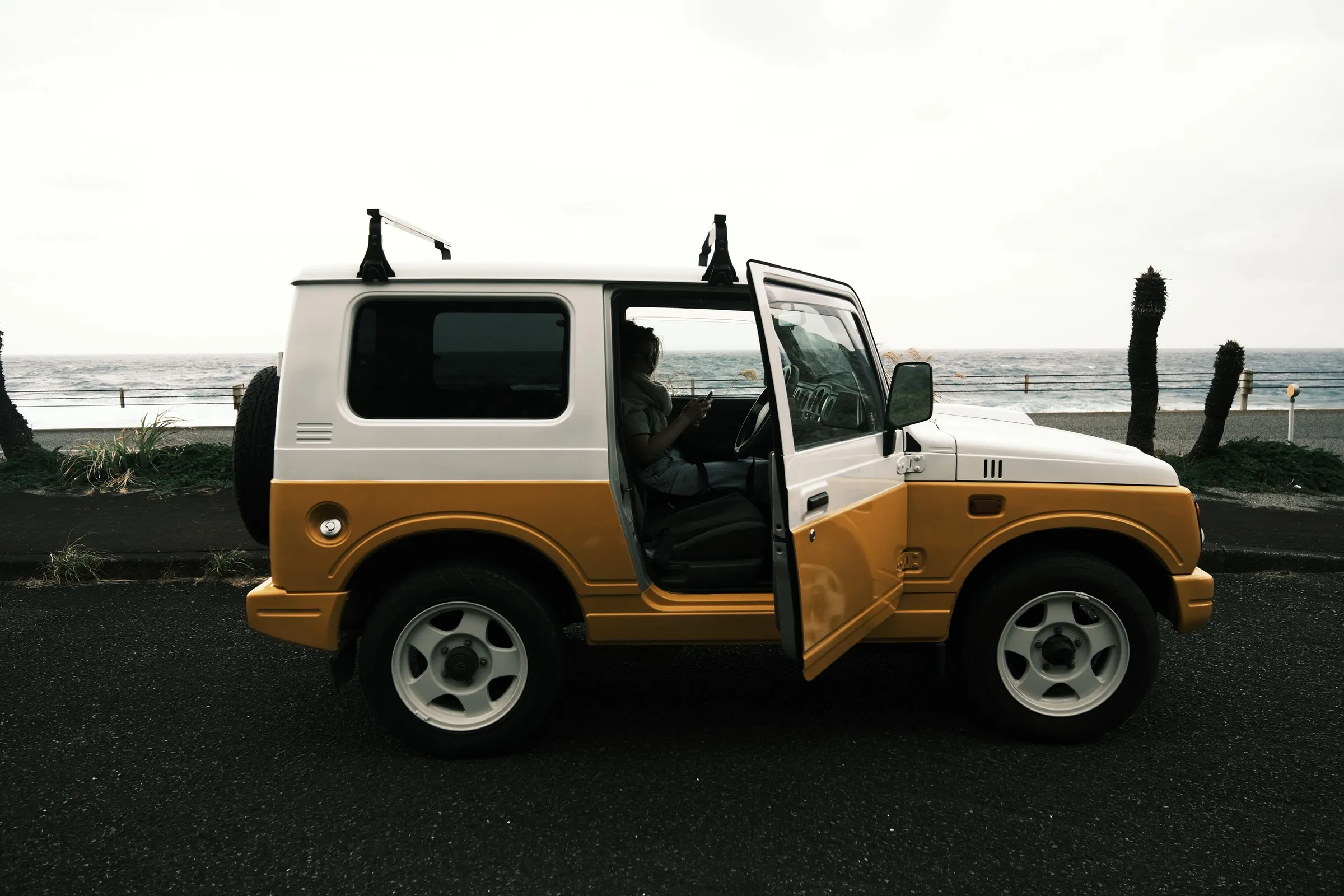
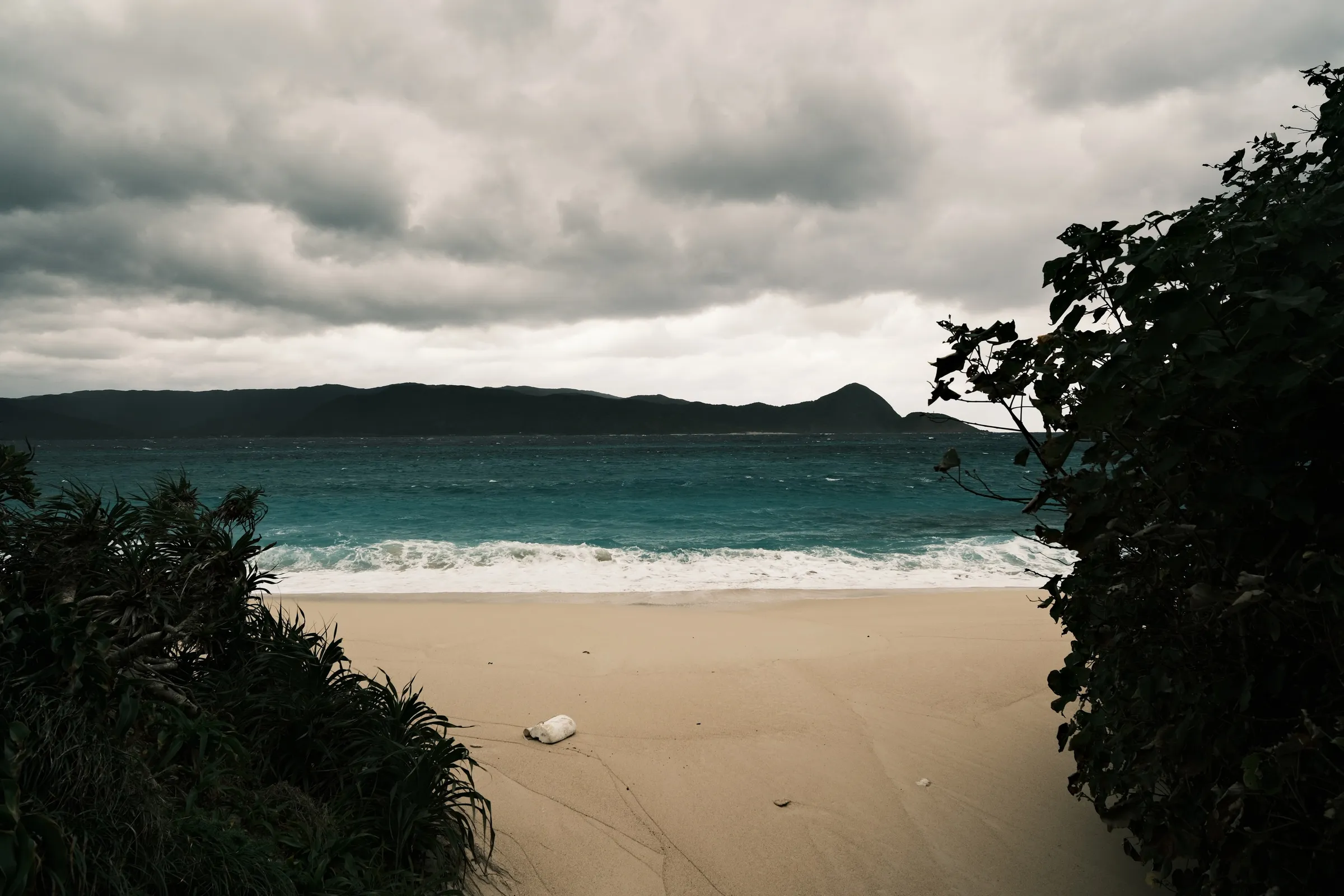
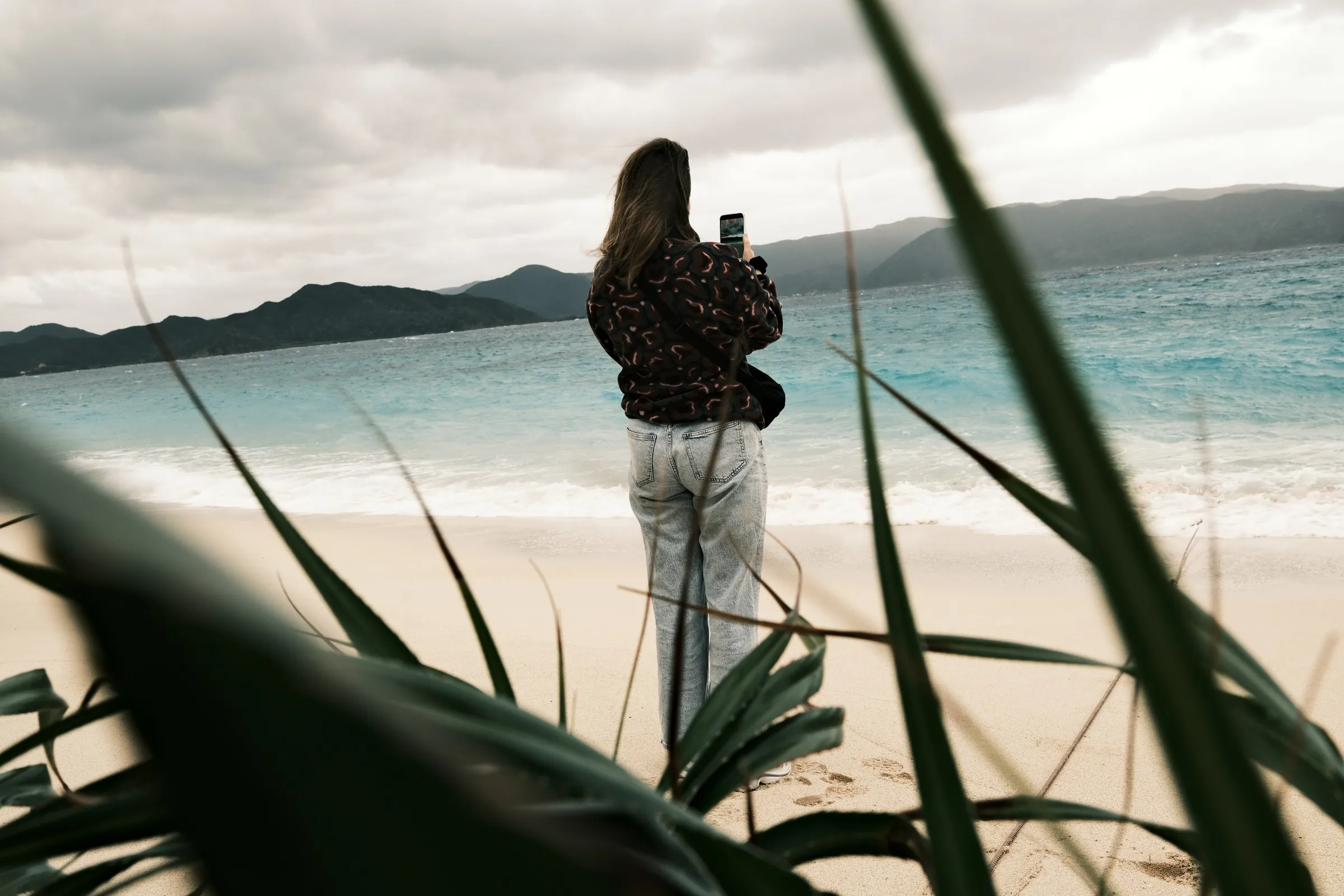
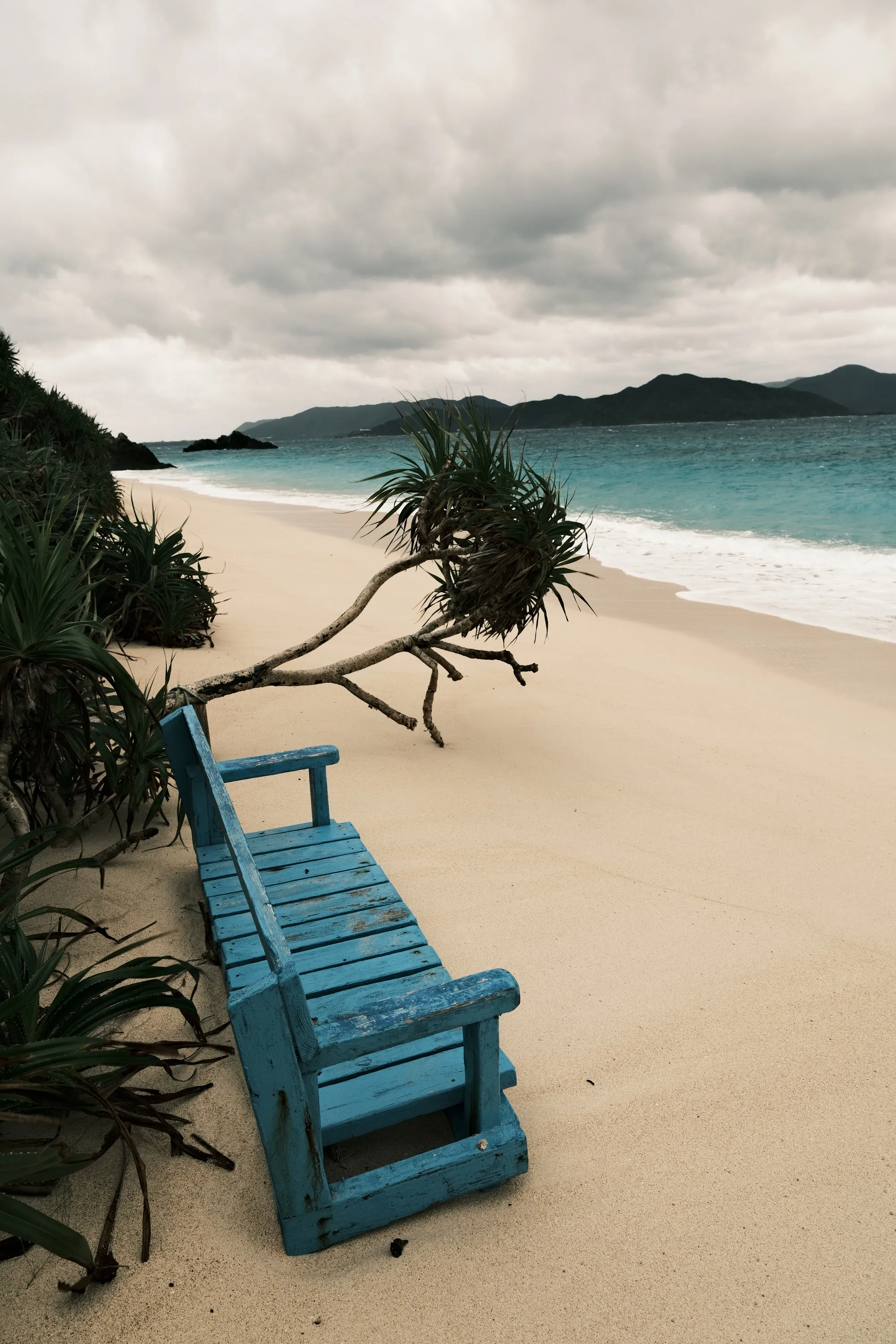
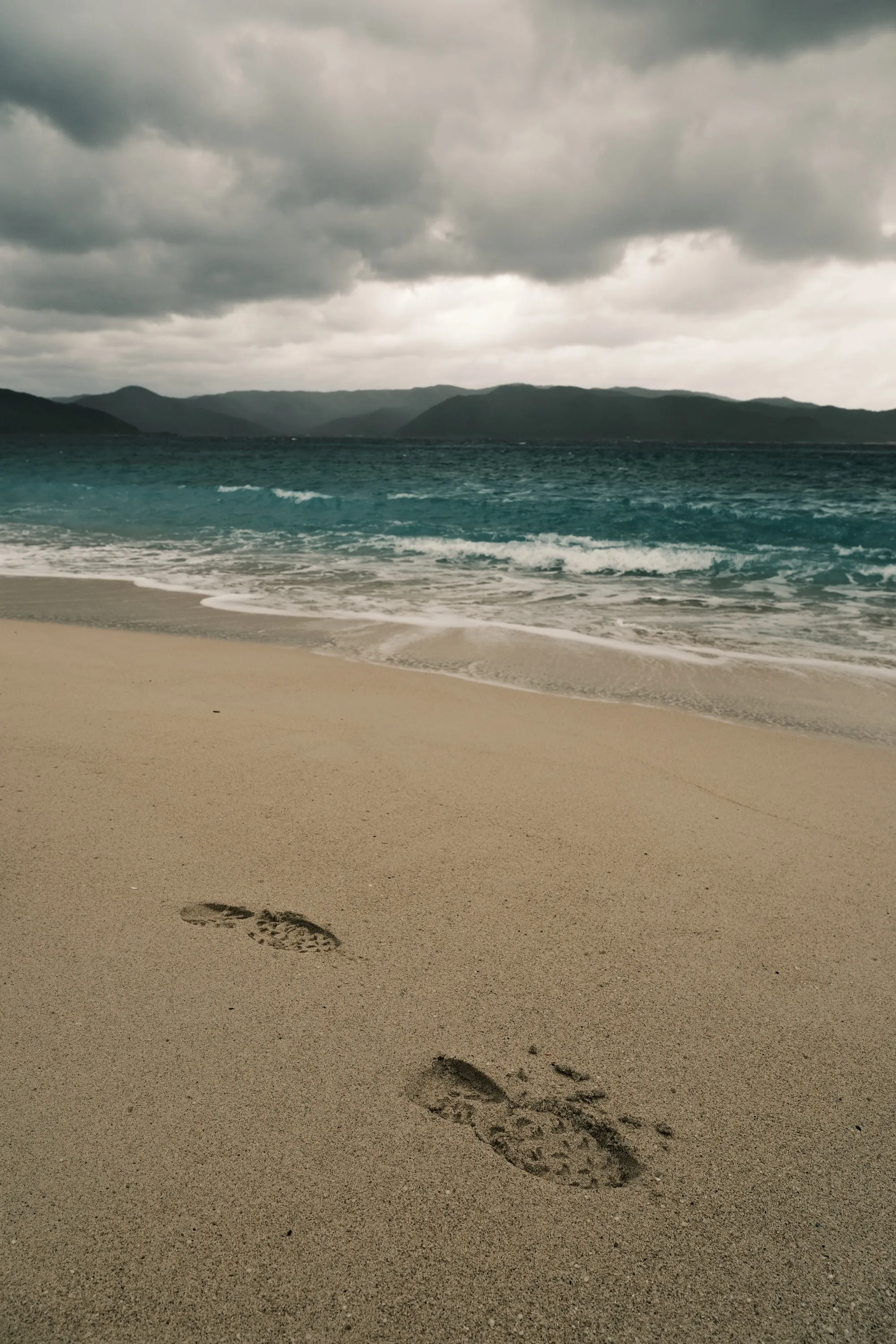
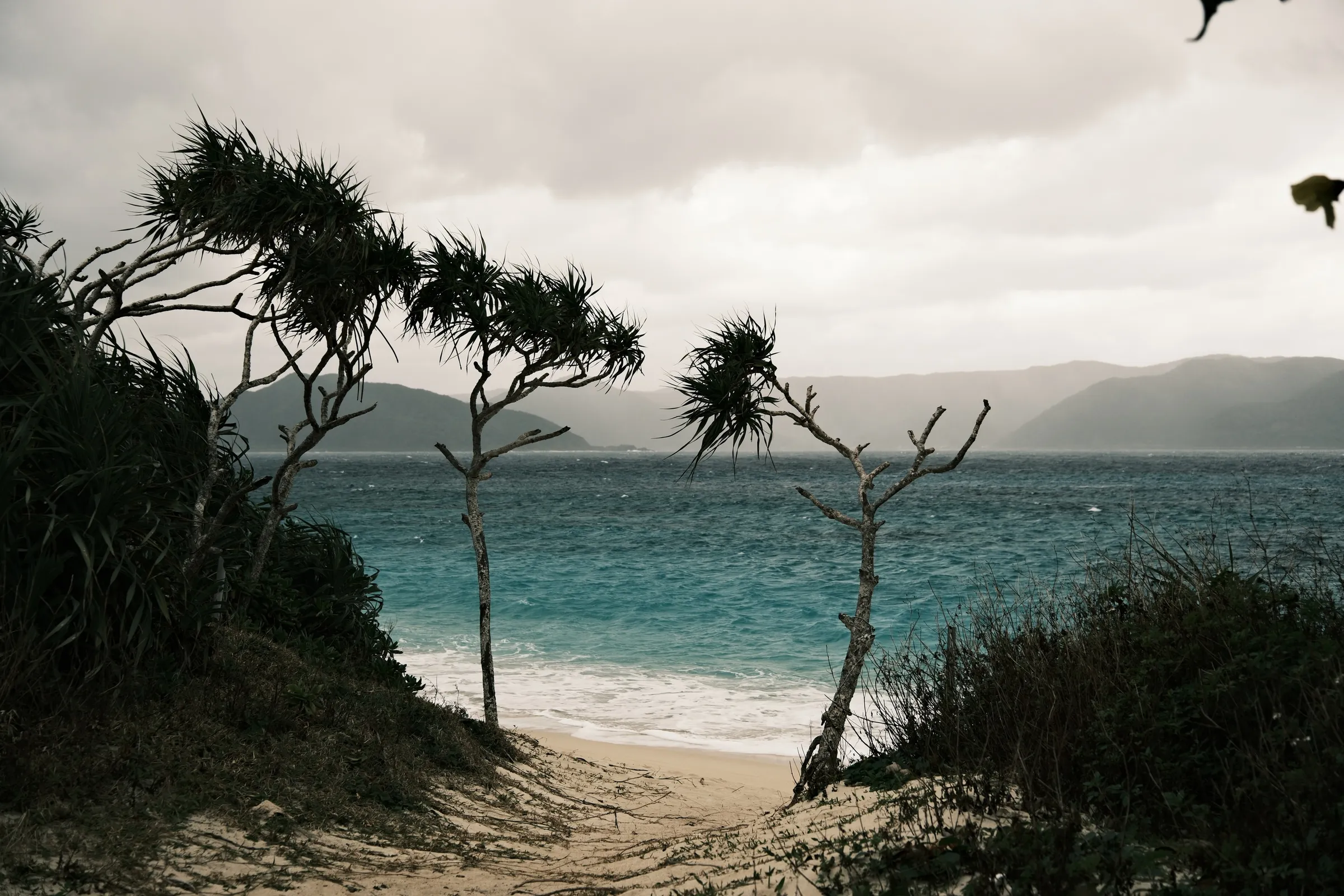
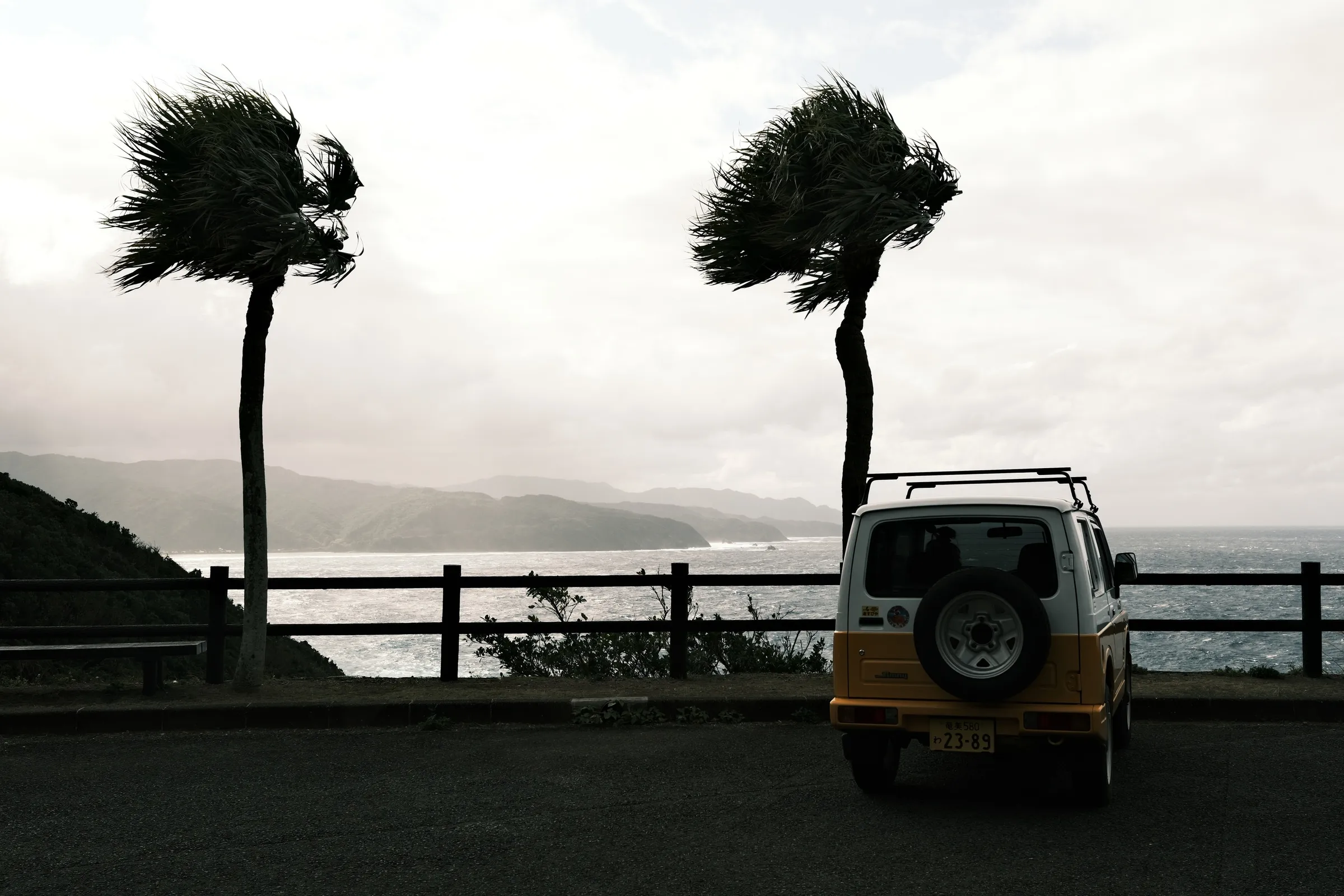
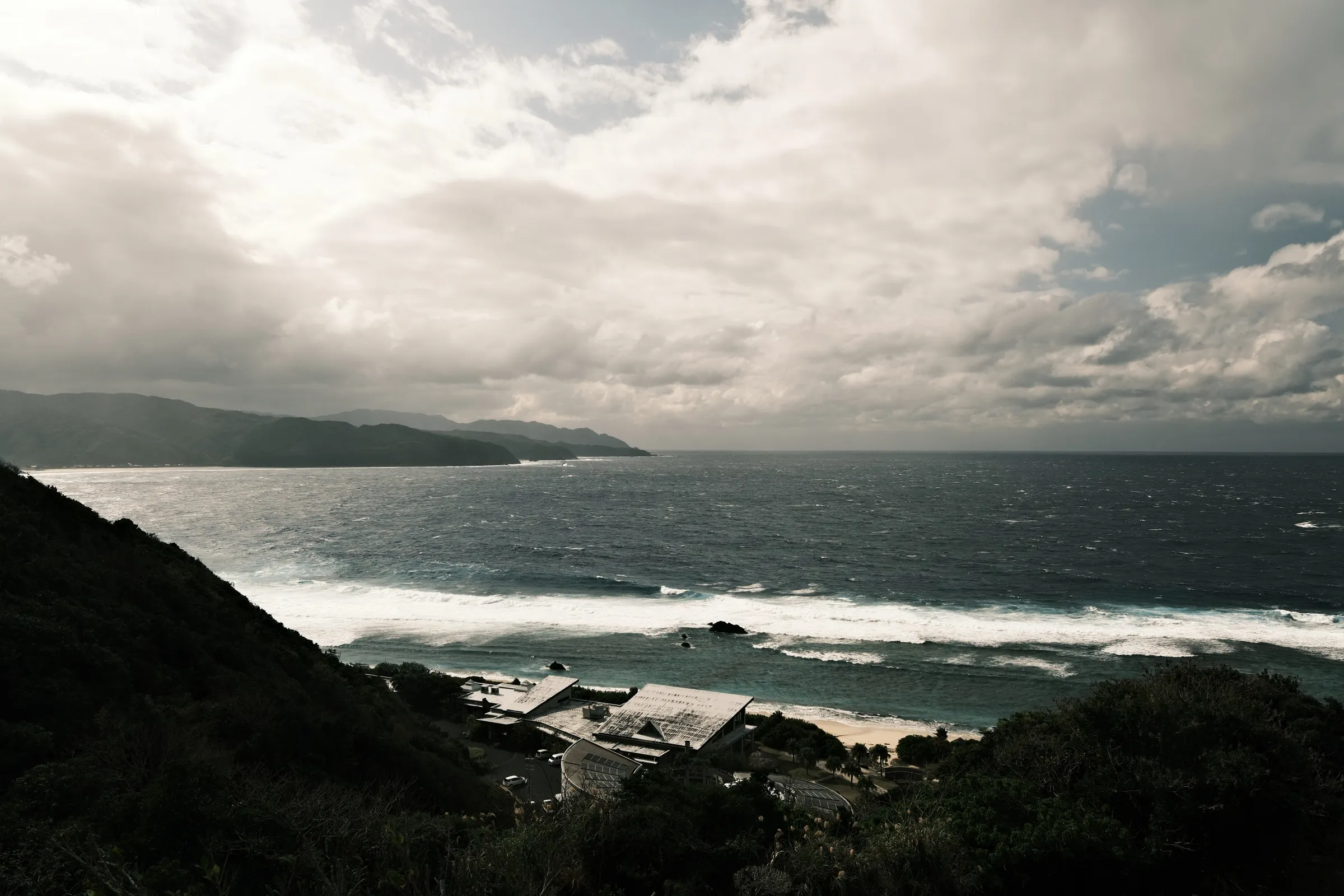
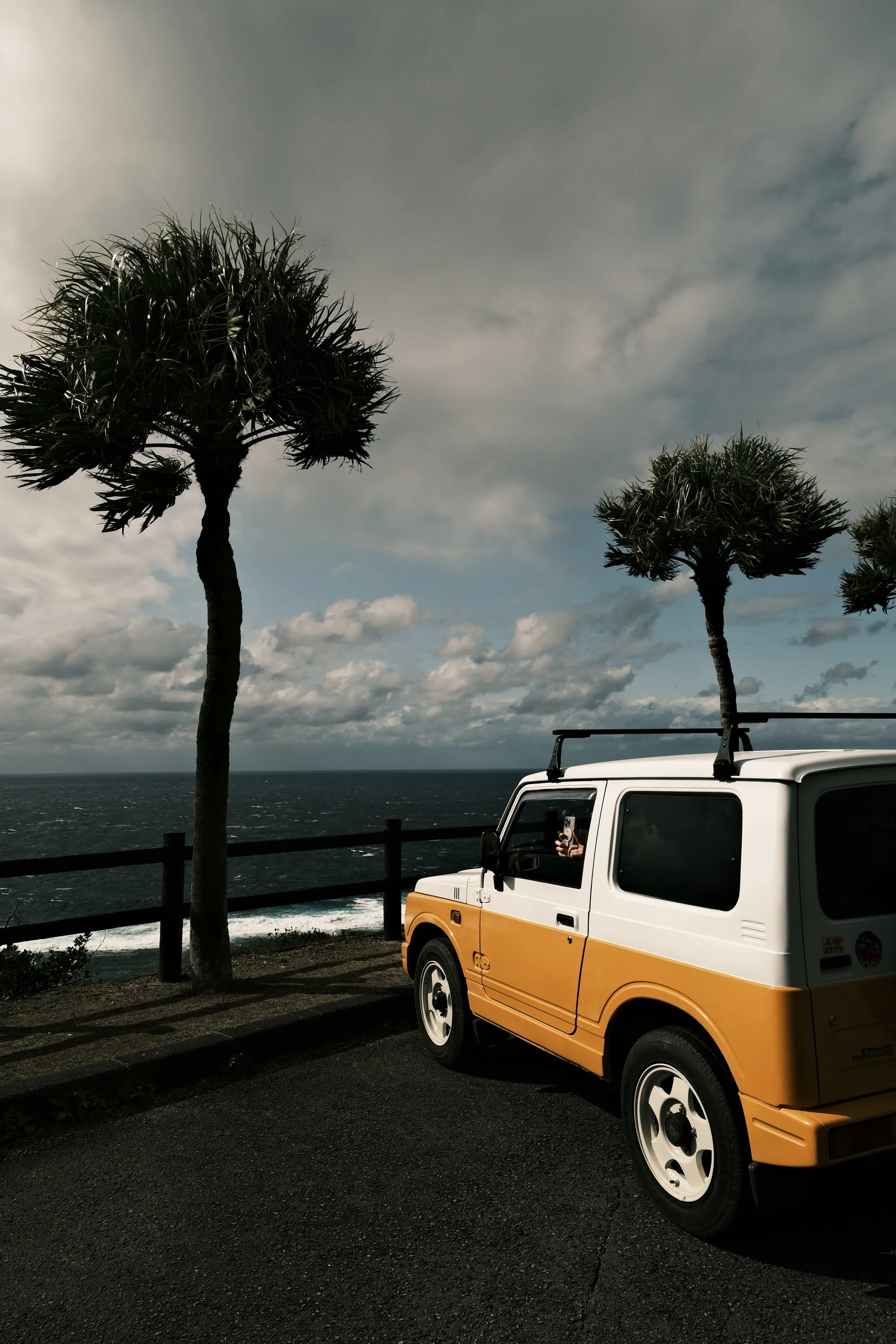
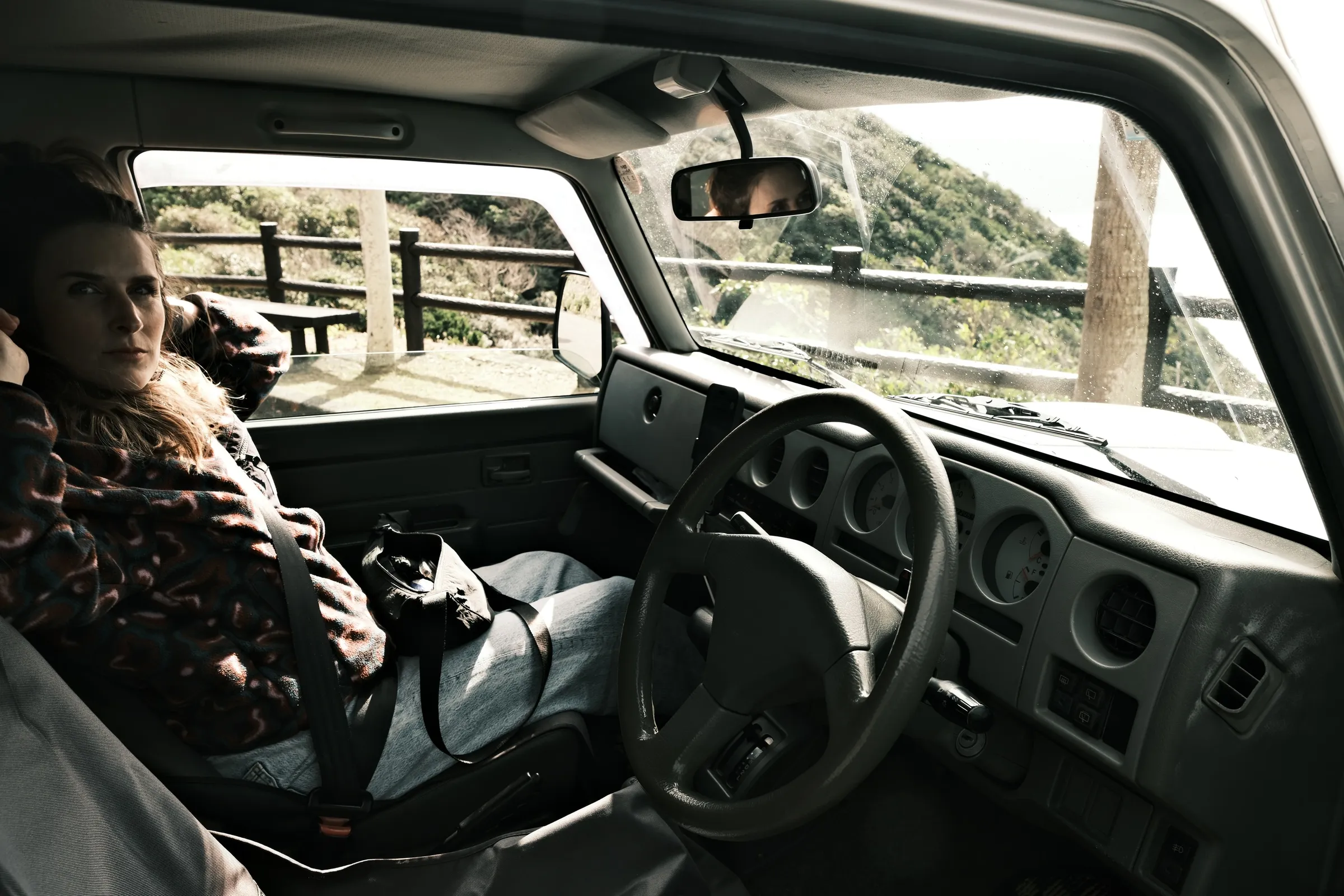
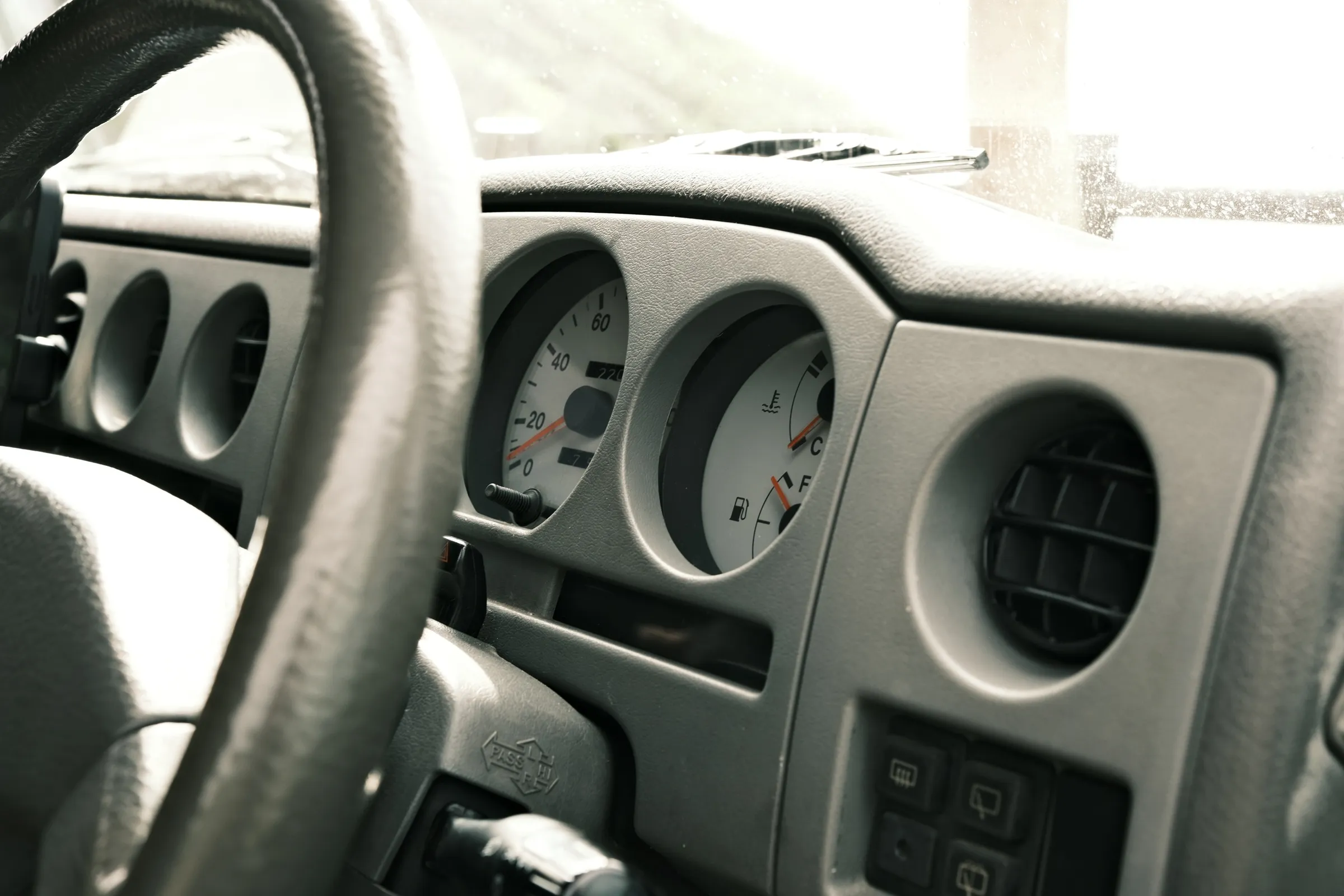
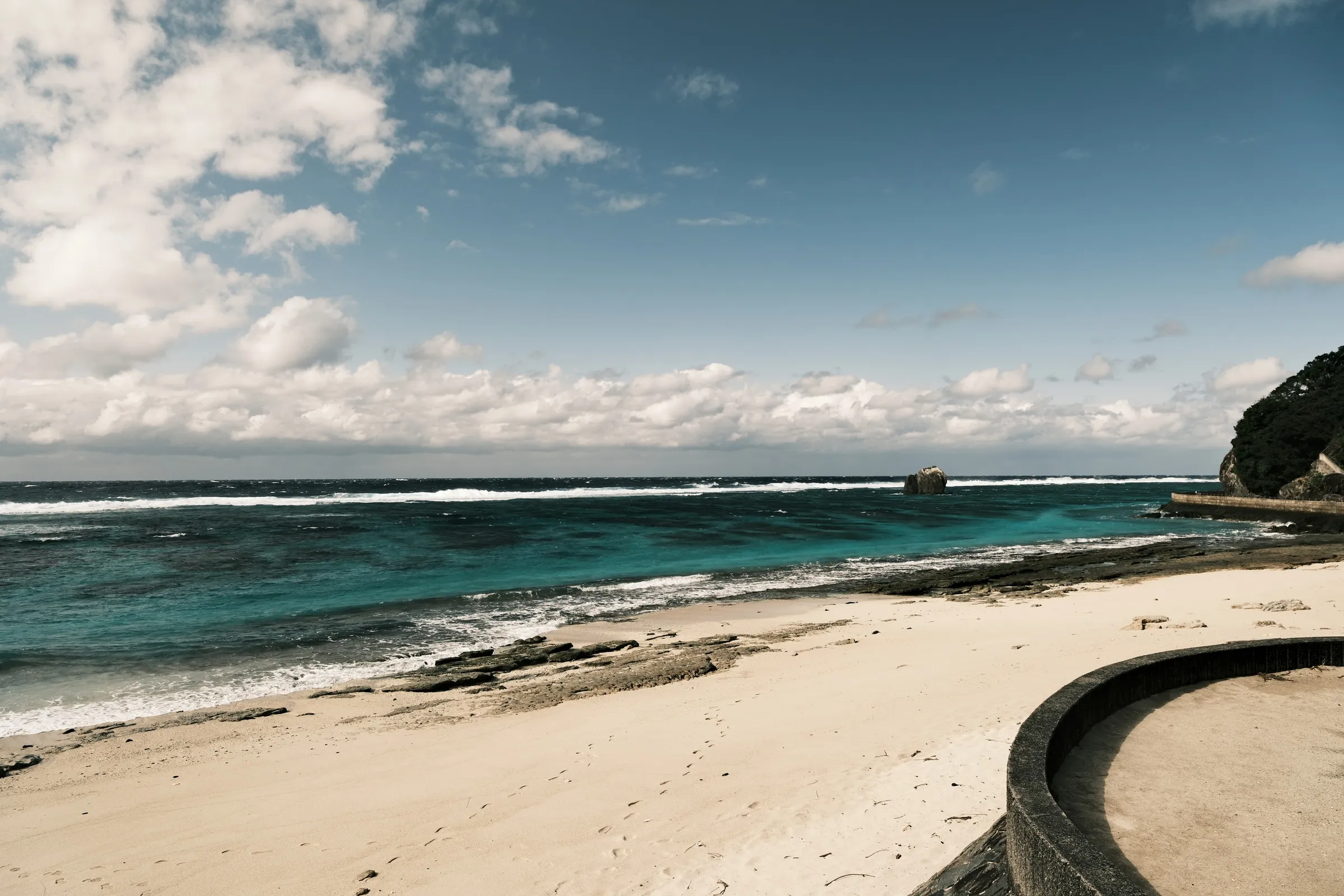
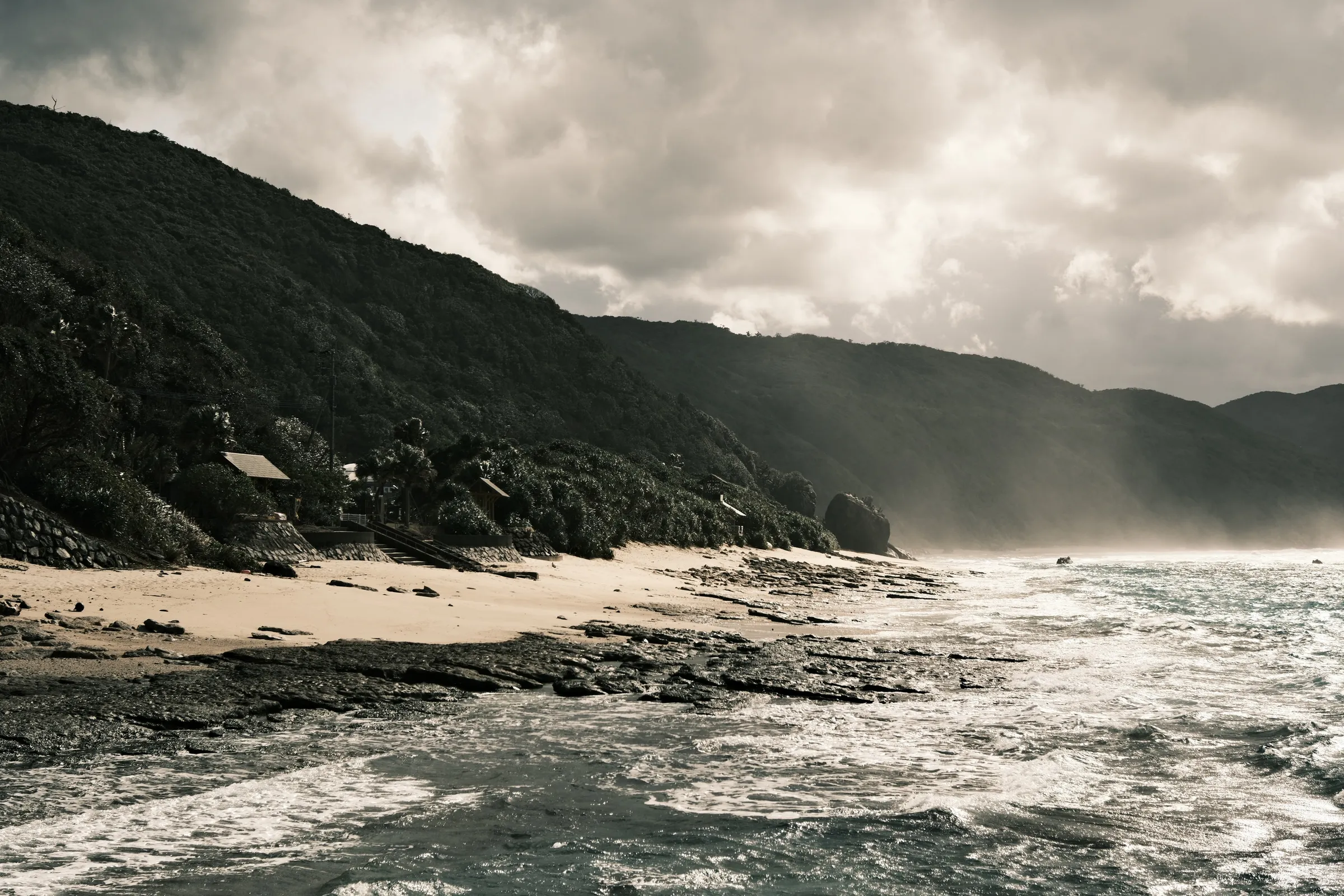
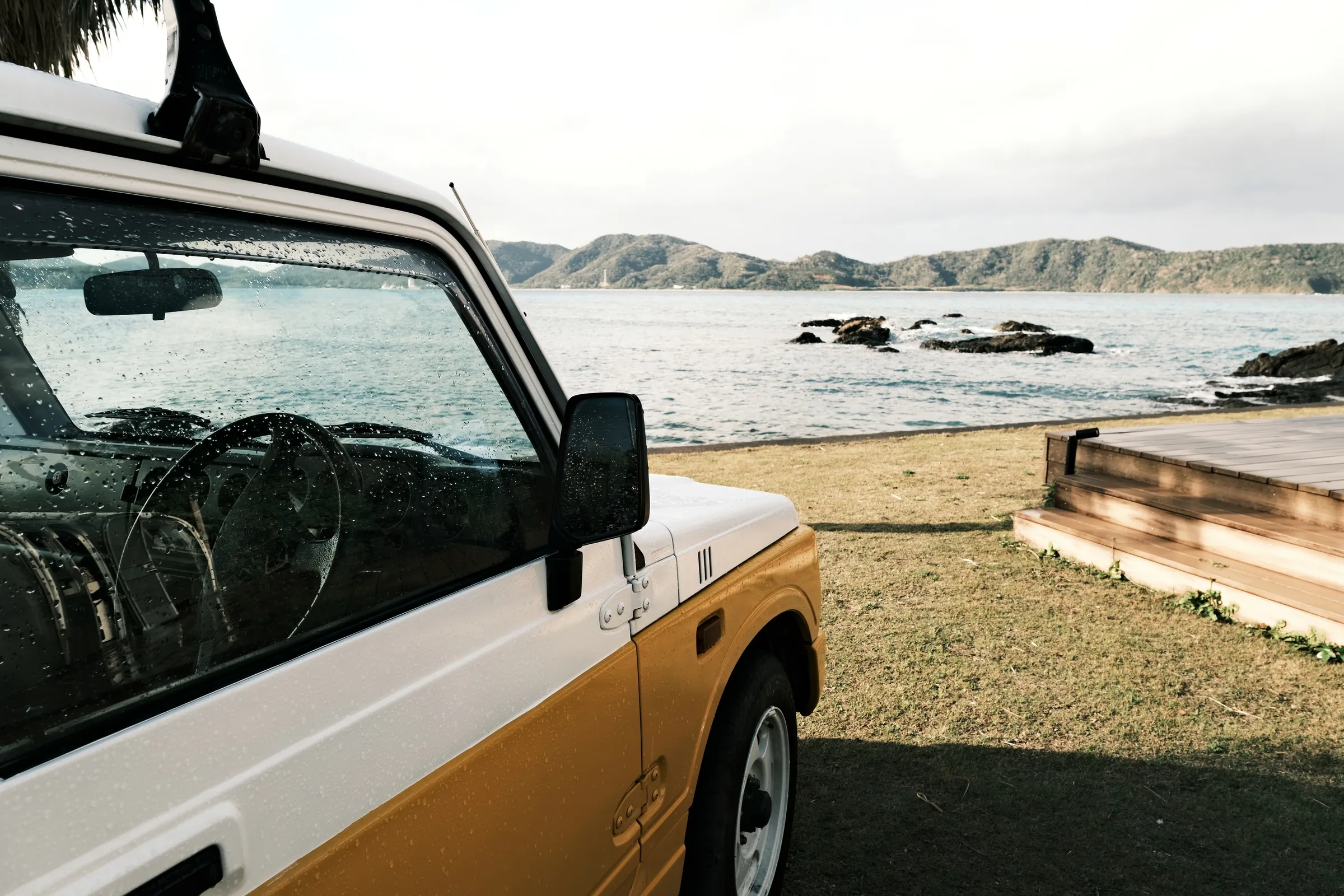
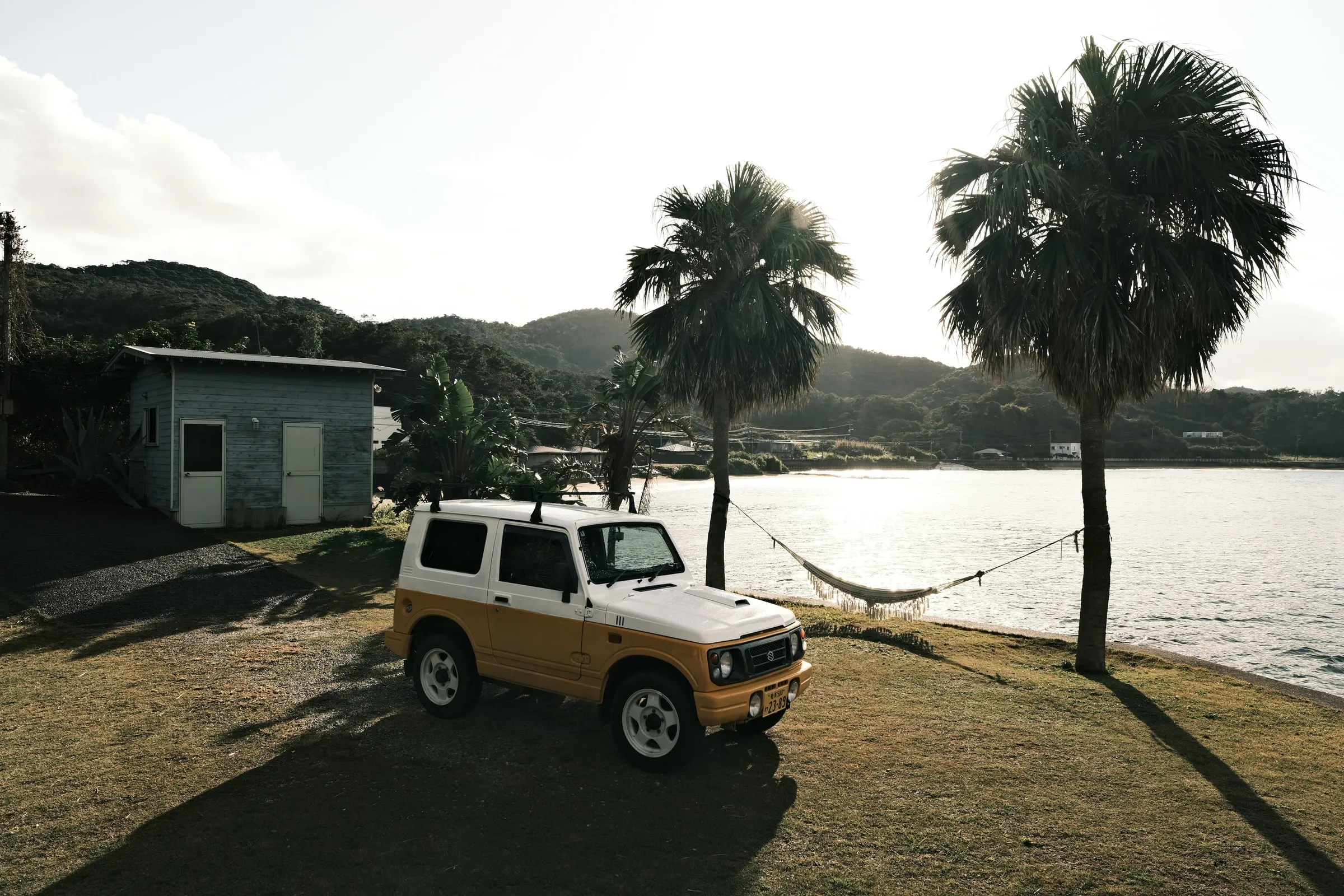
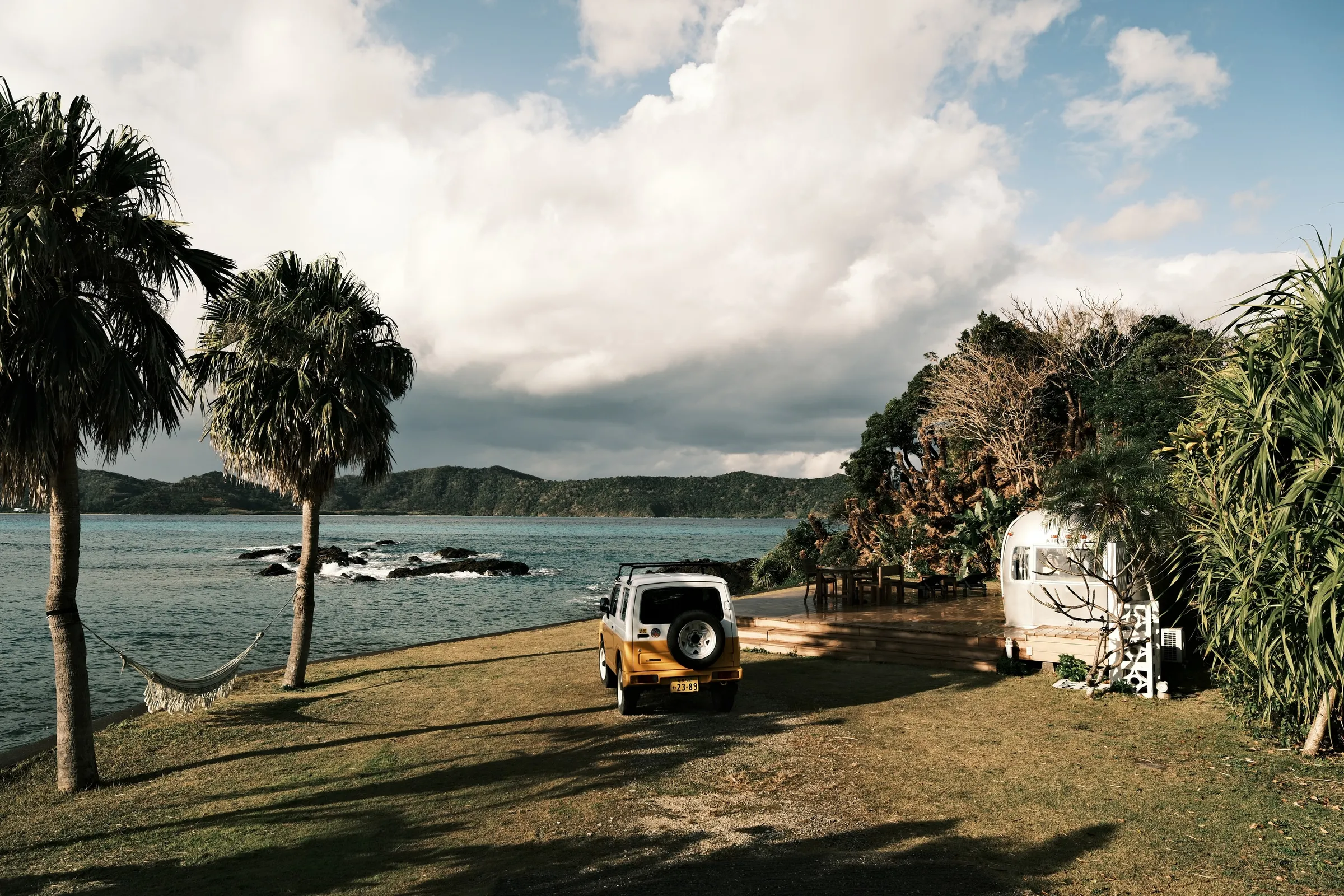
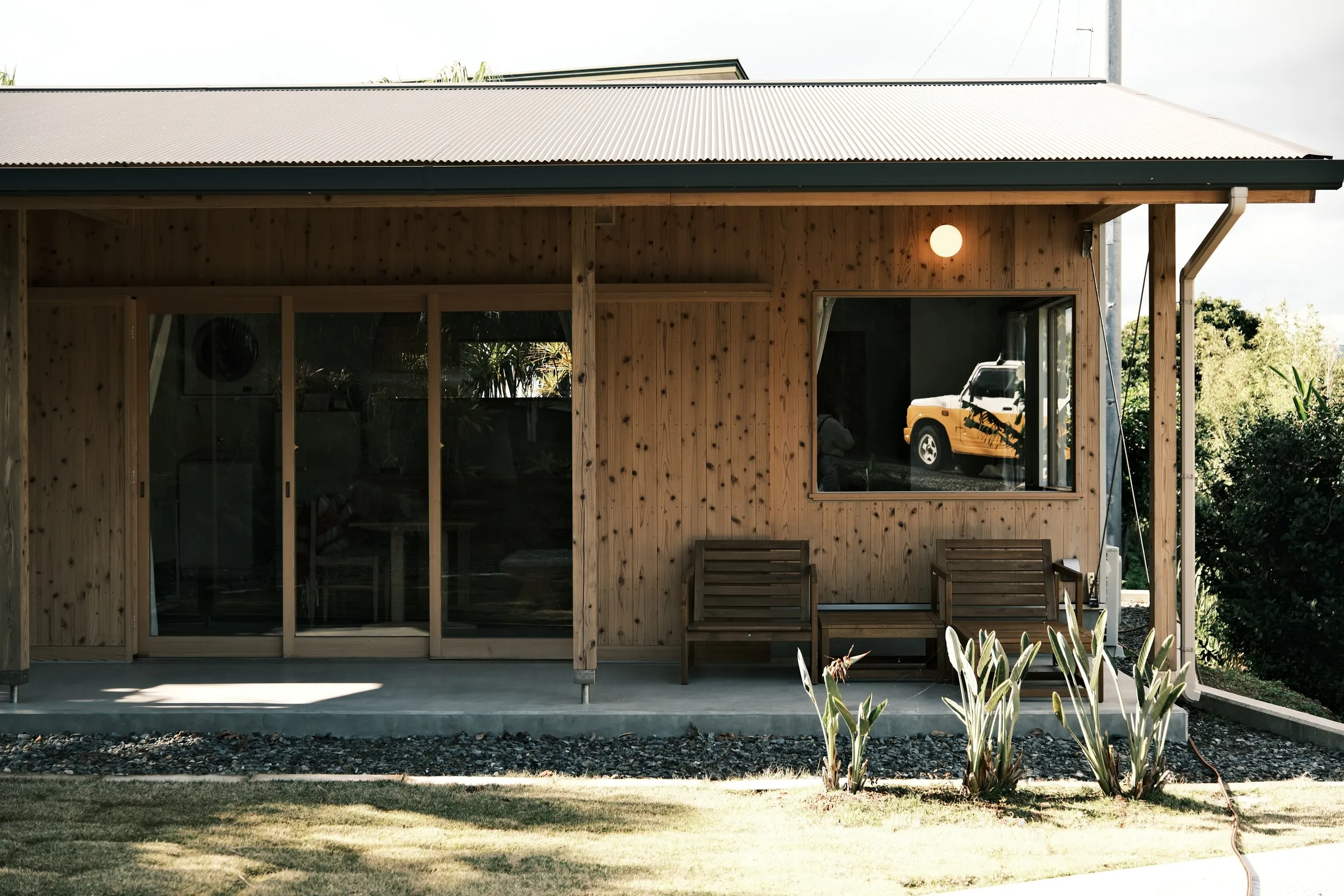
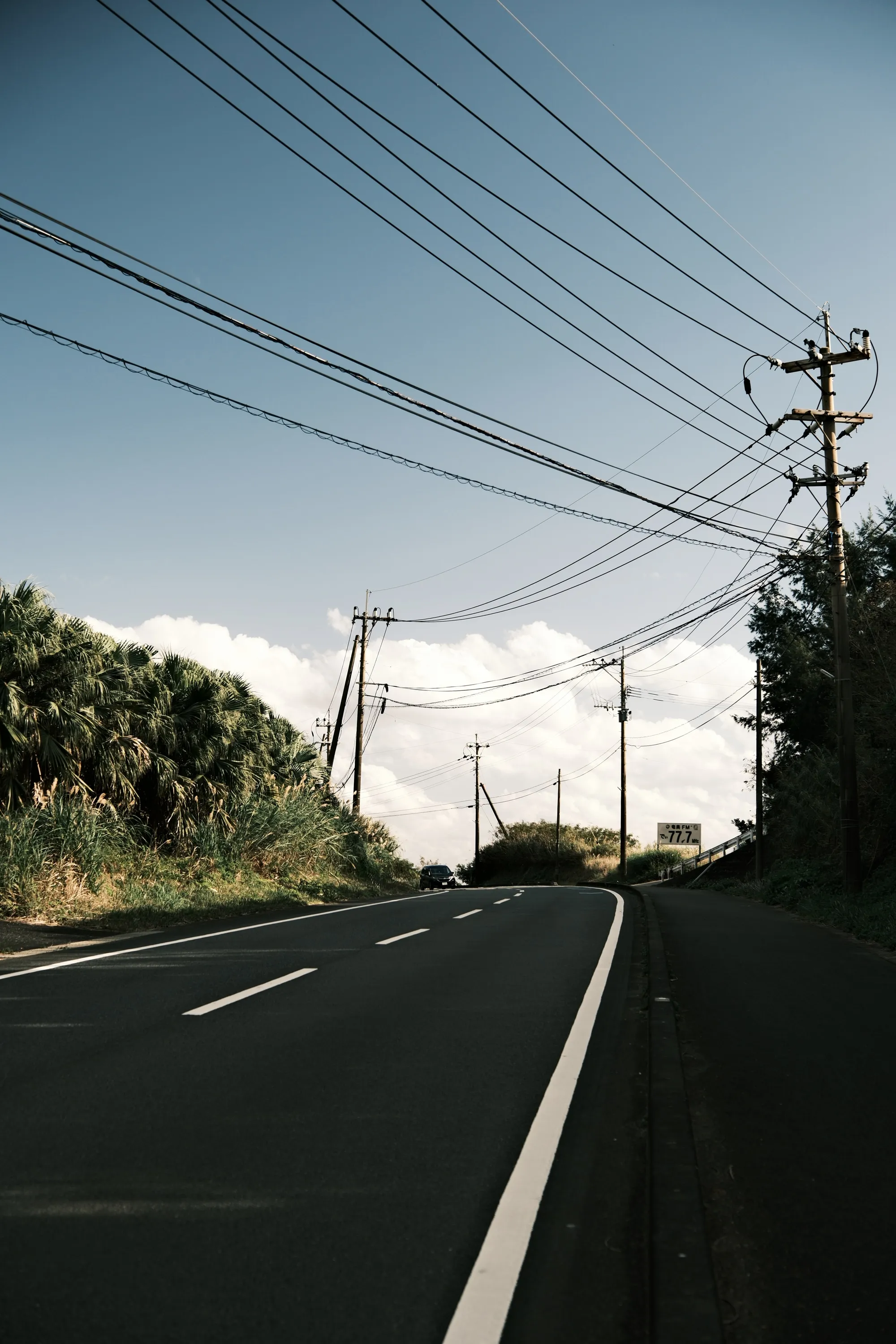
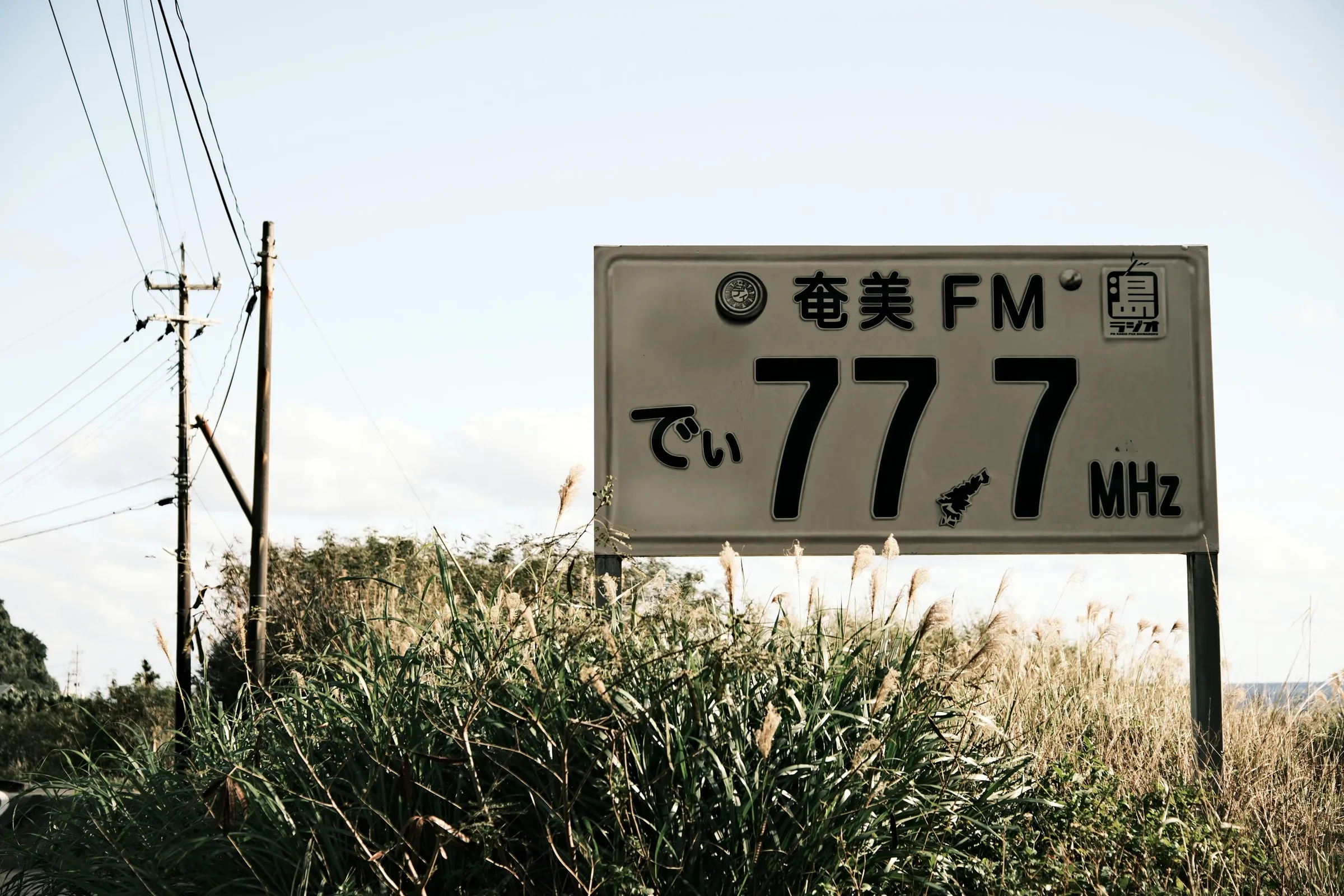
A yellow Jimny, empty beaches, stormy weather
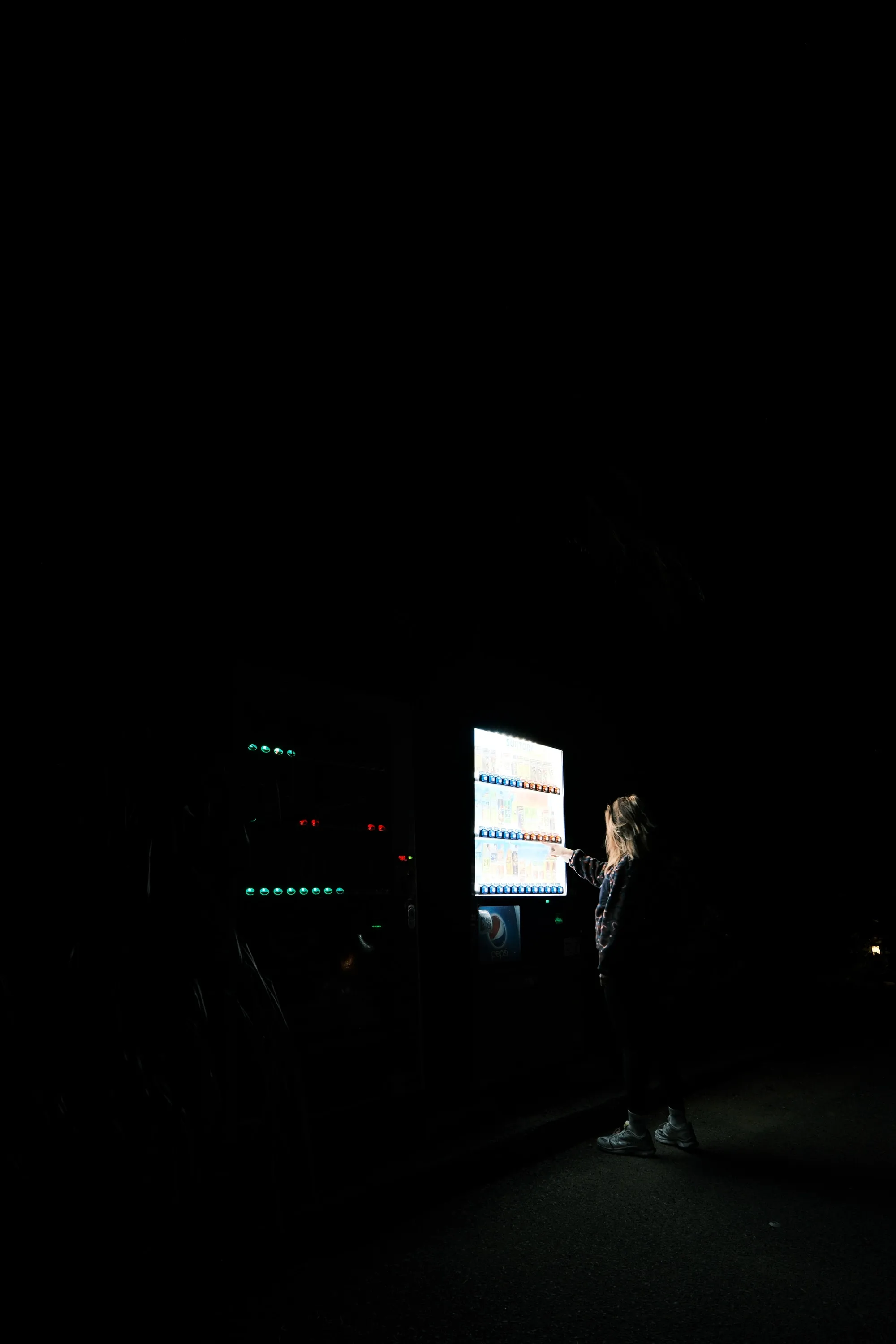
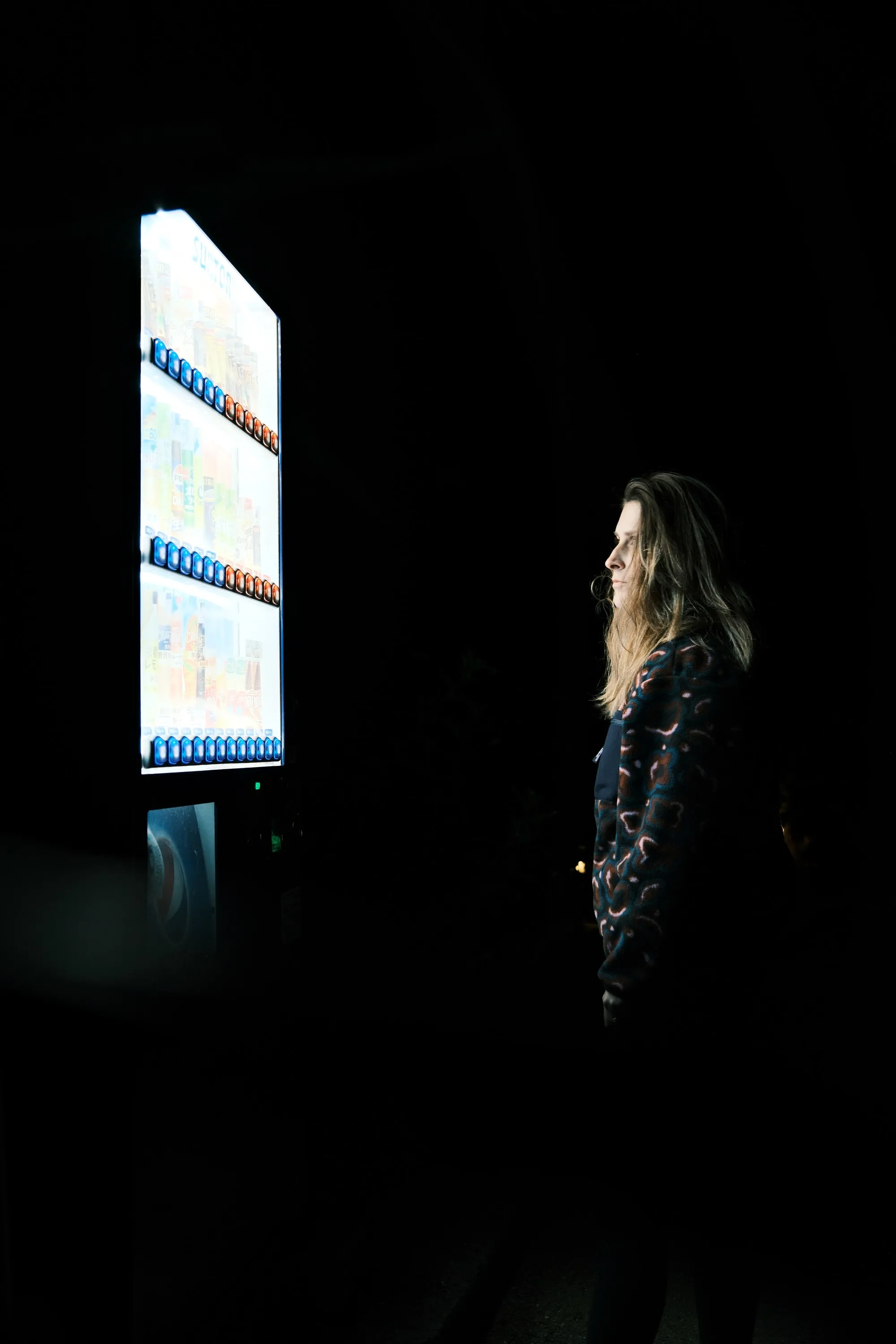
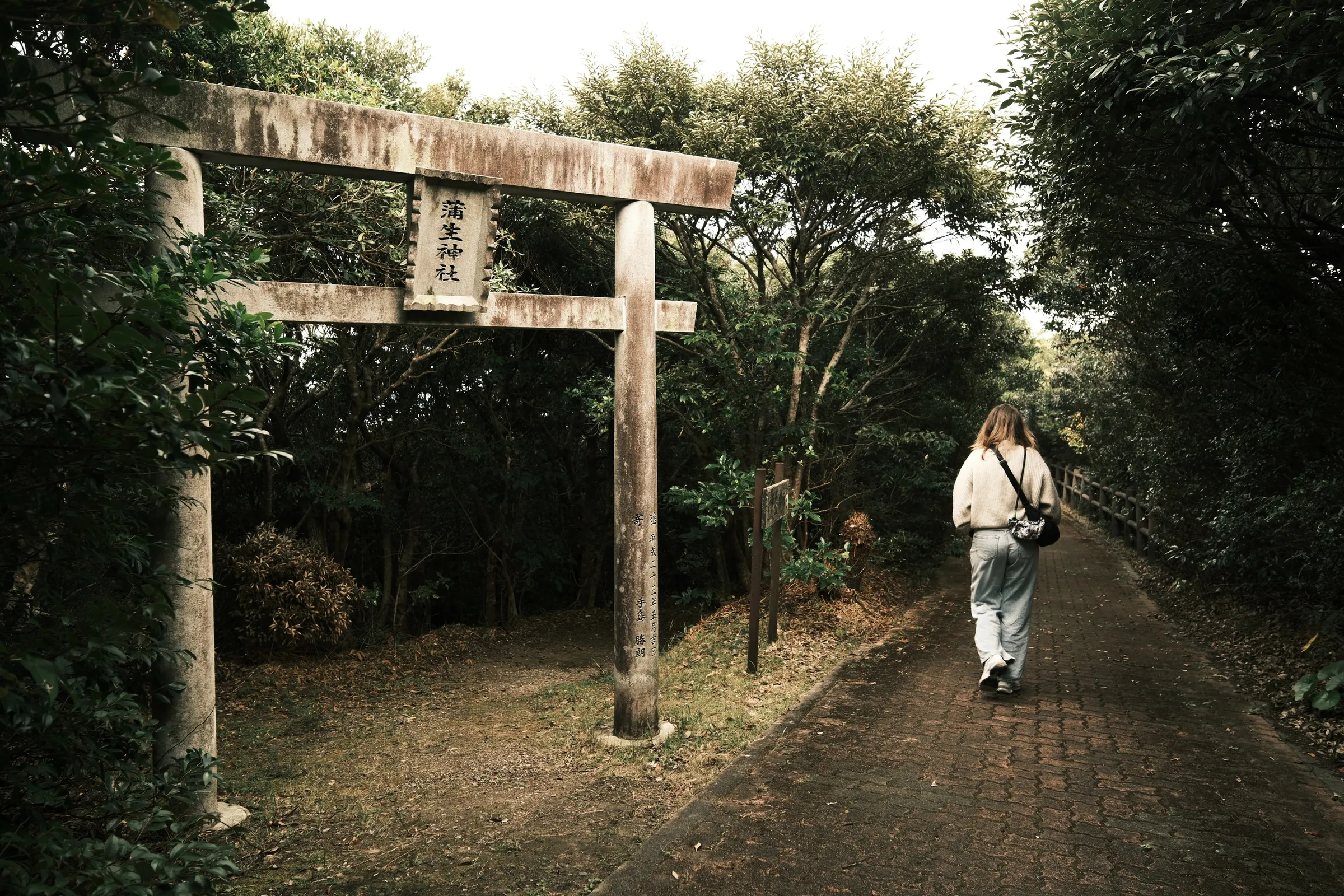
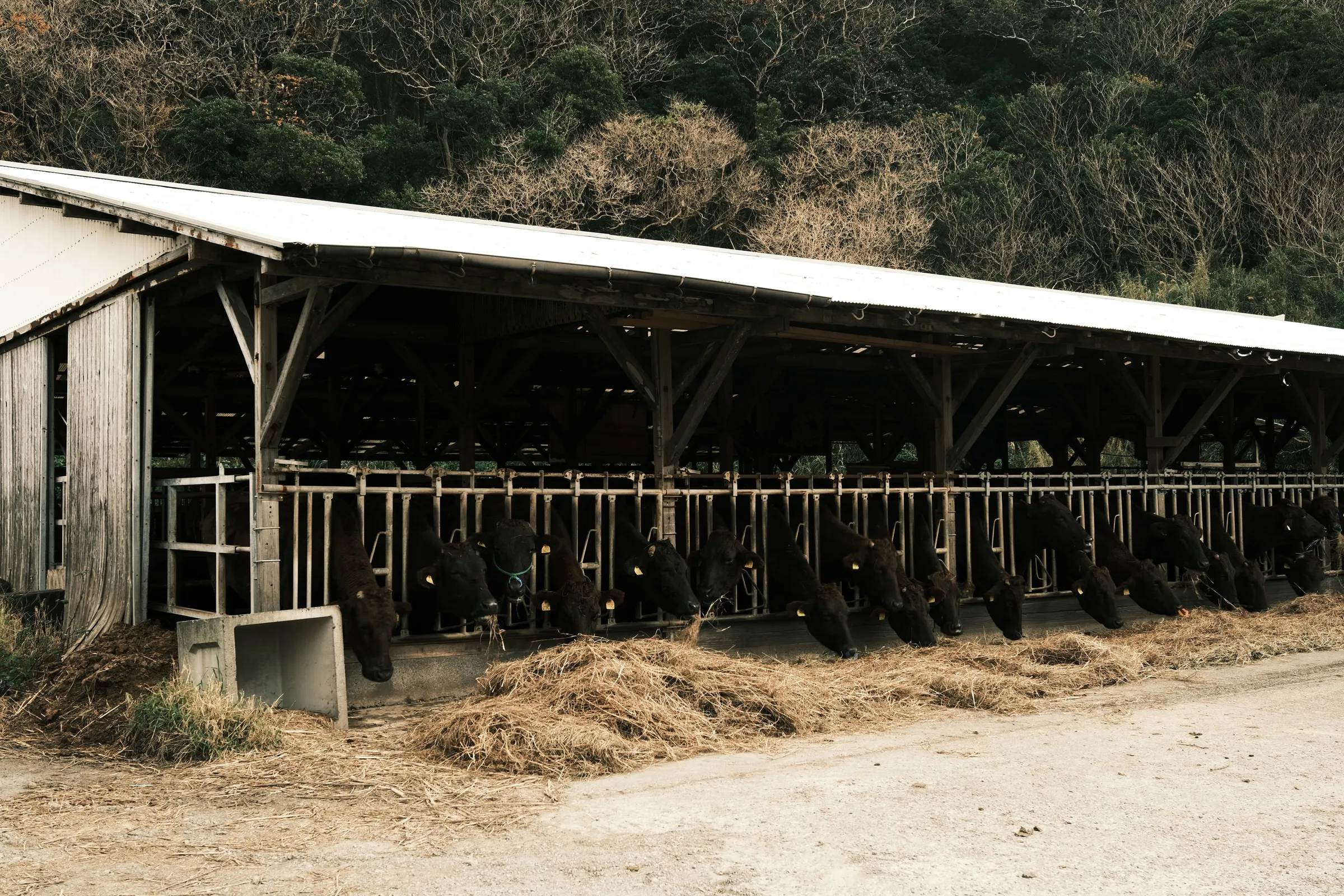
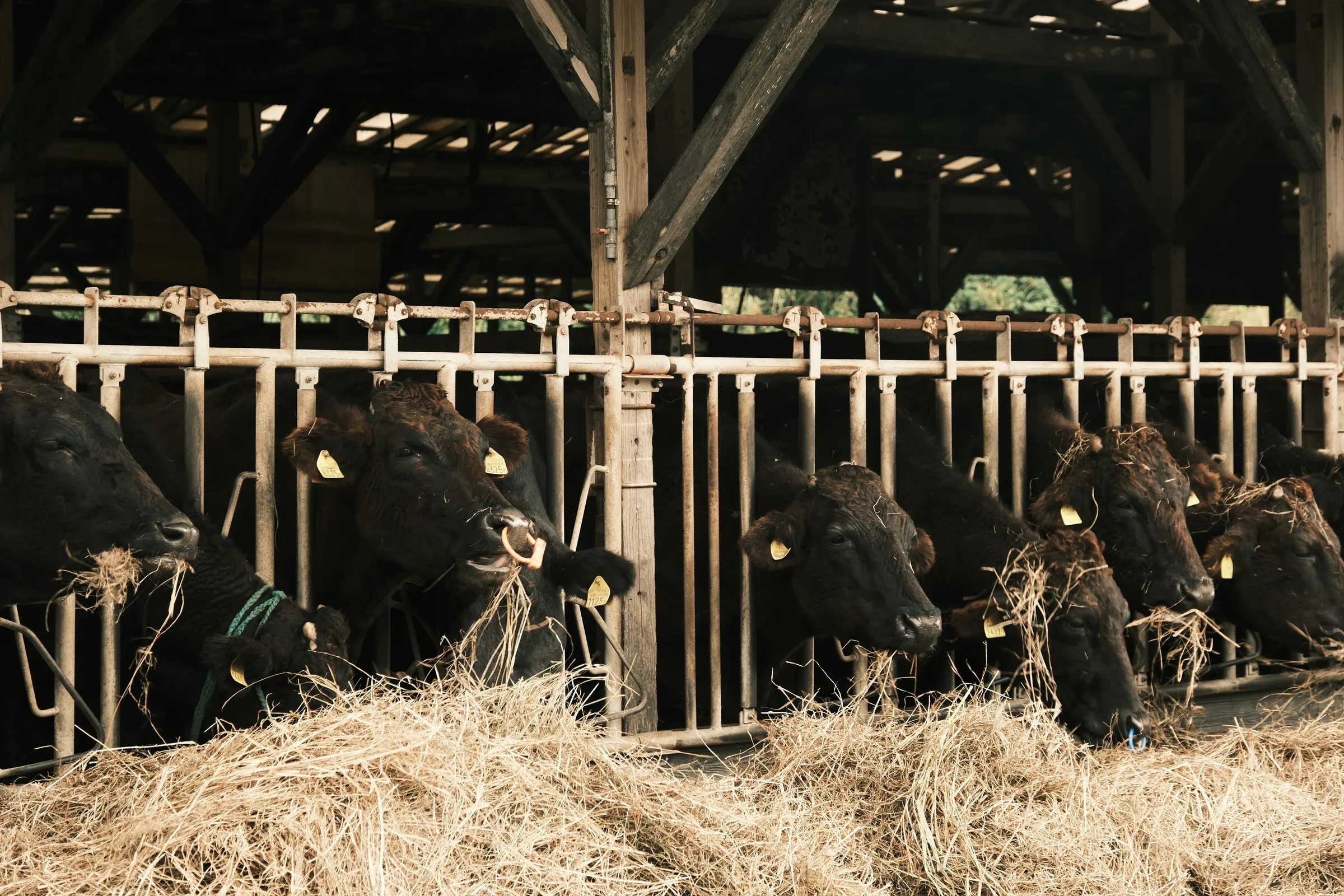
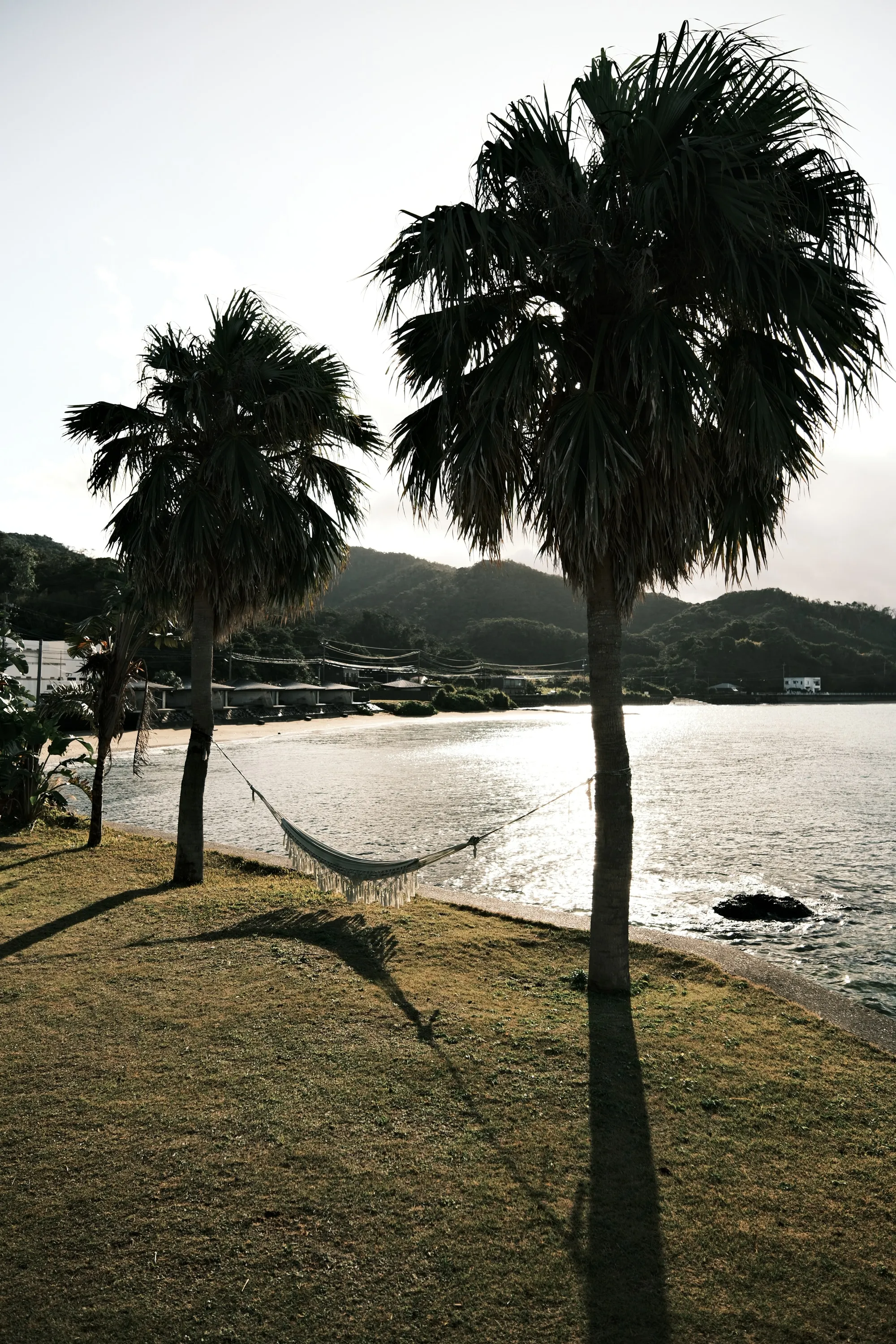
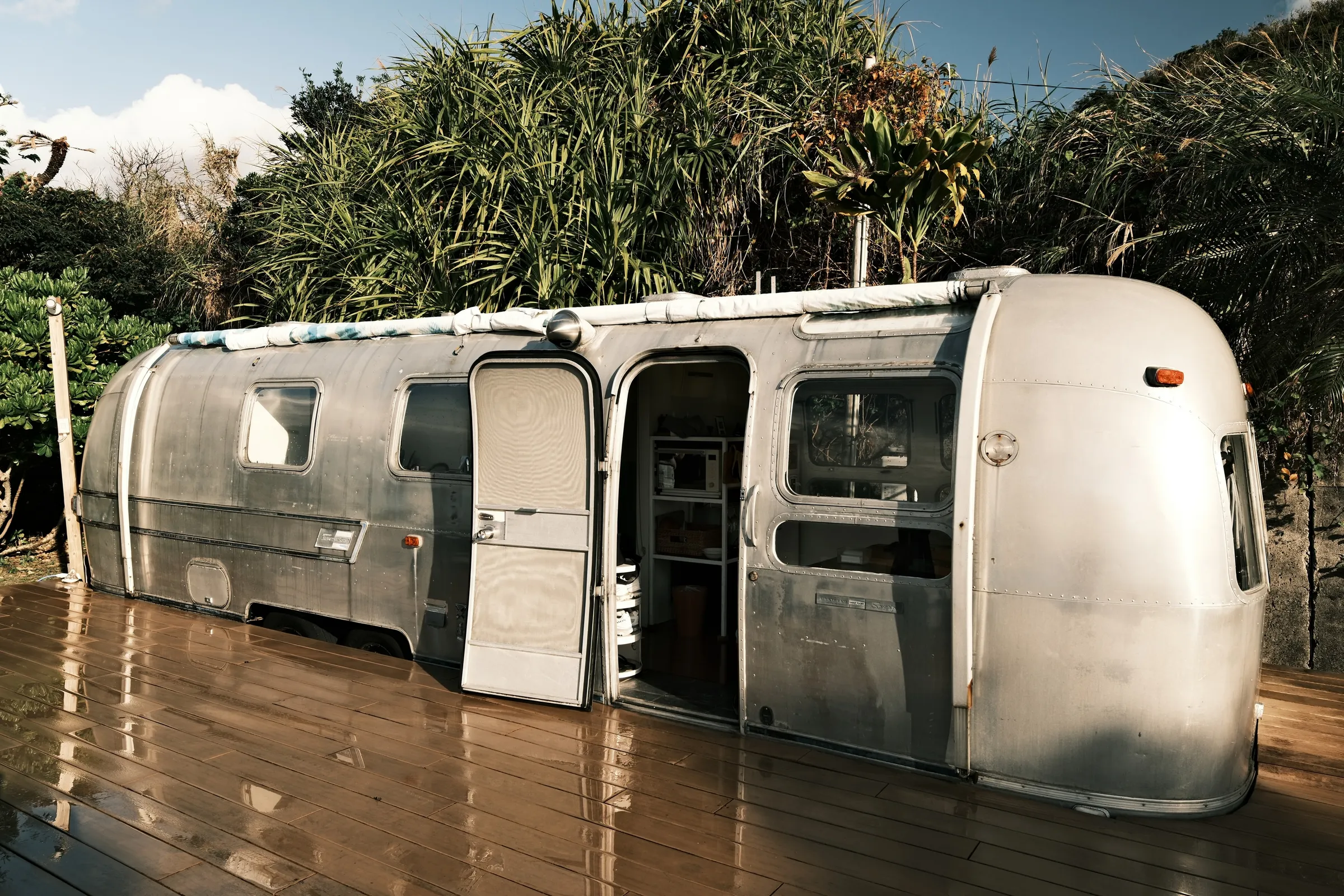
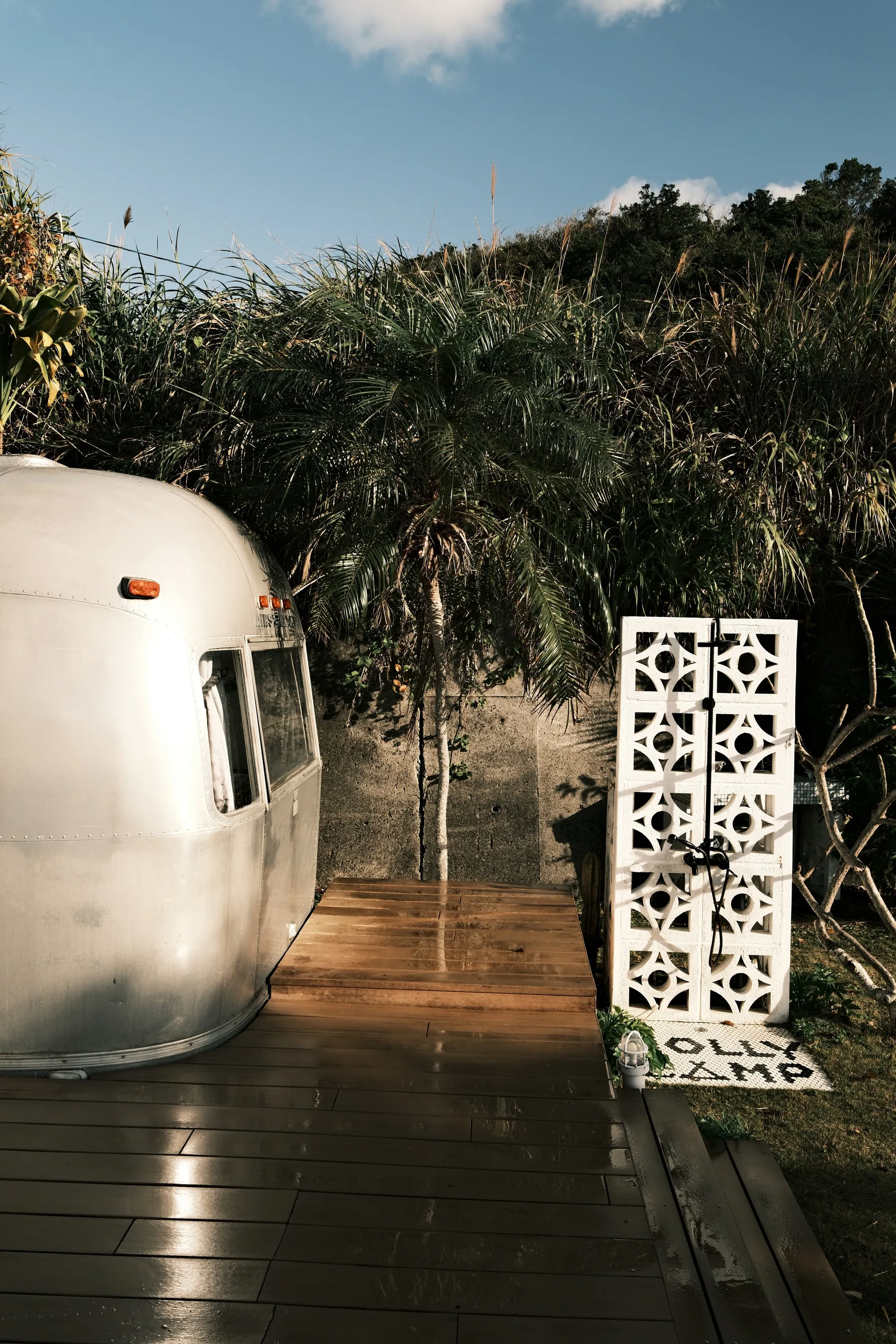
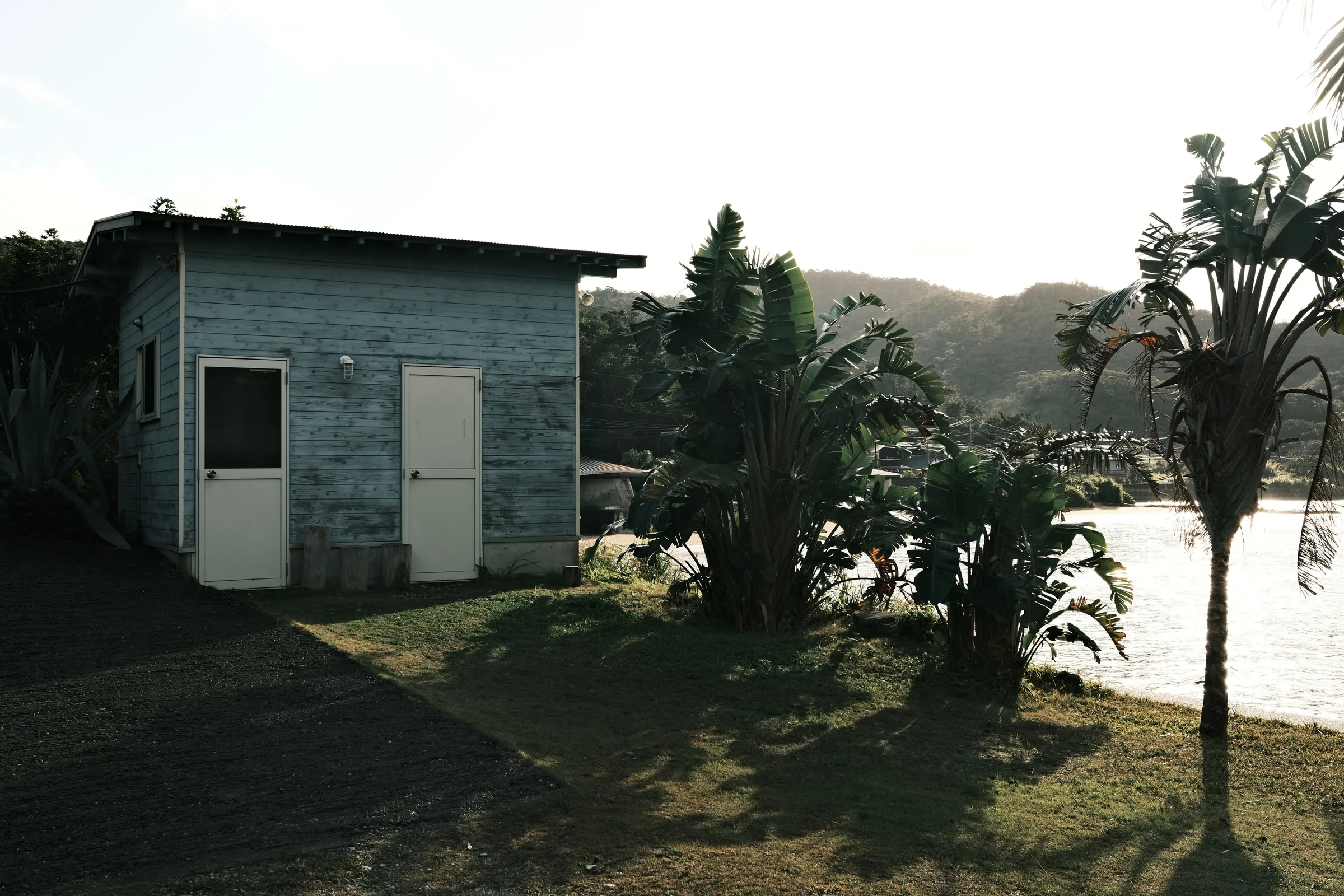
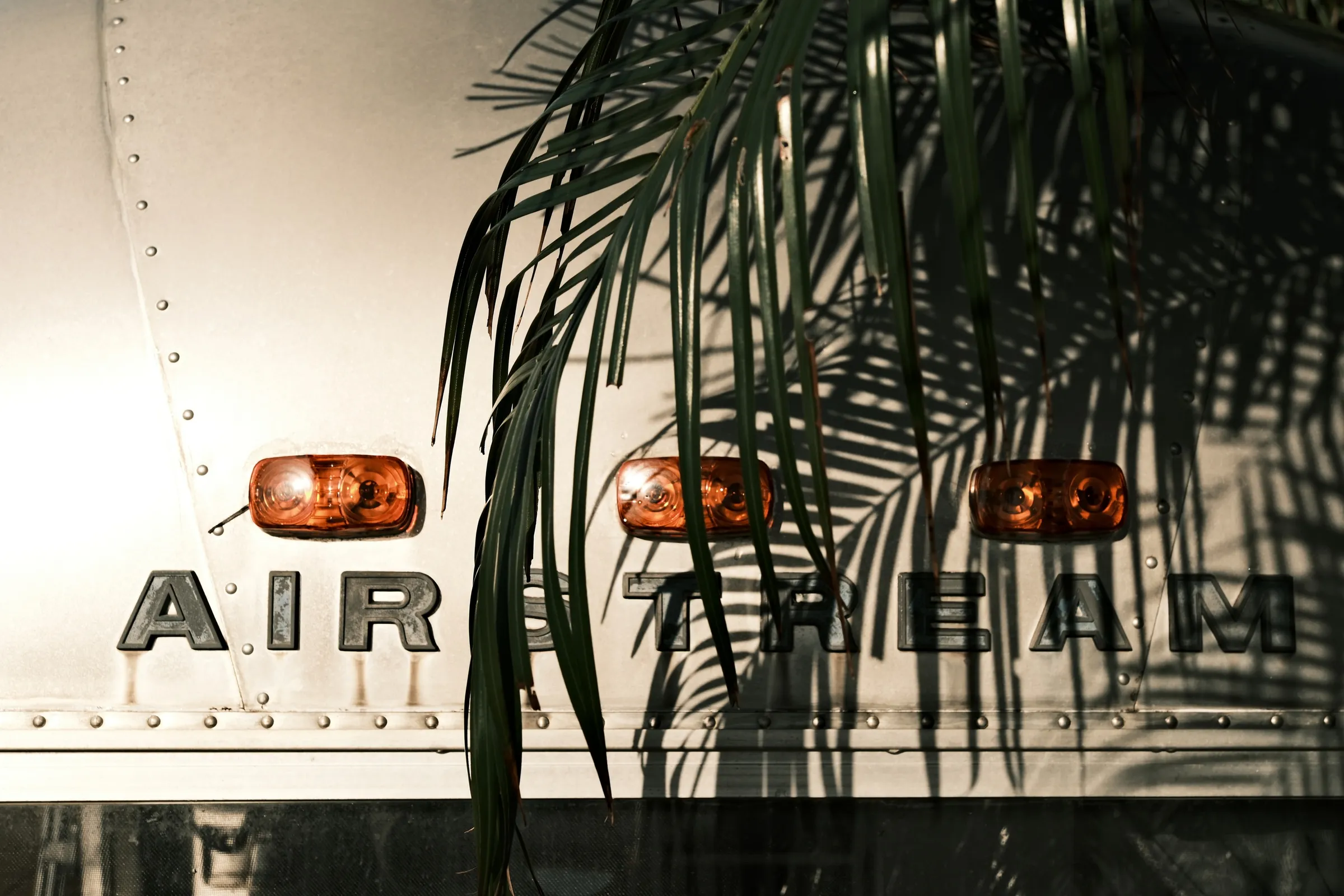
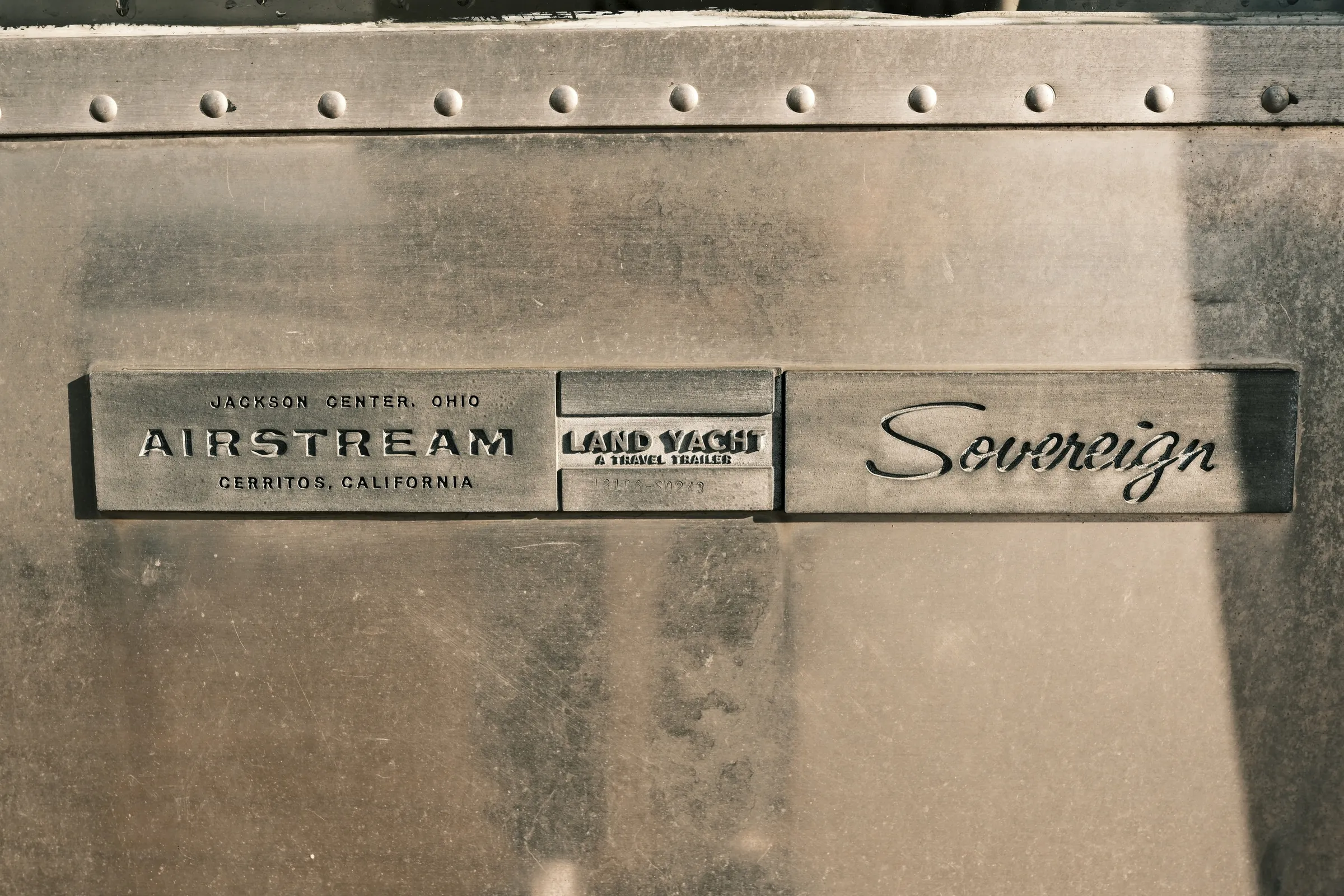
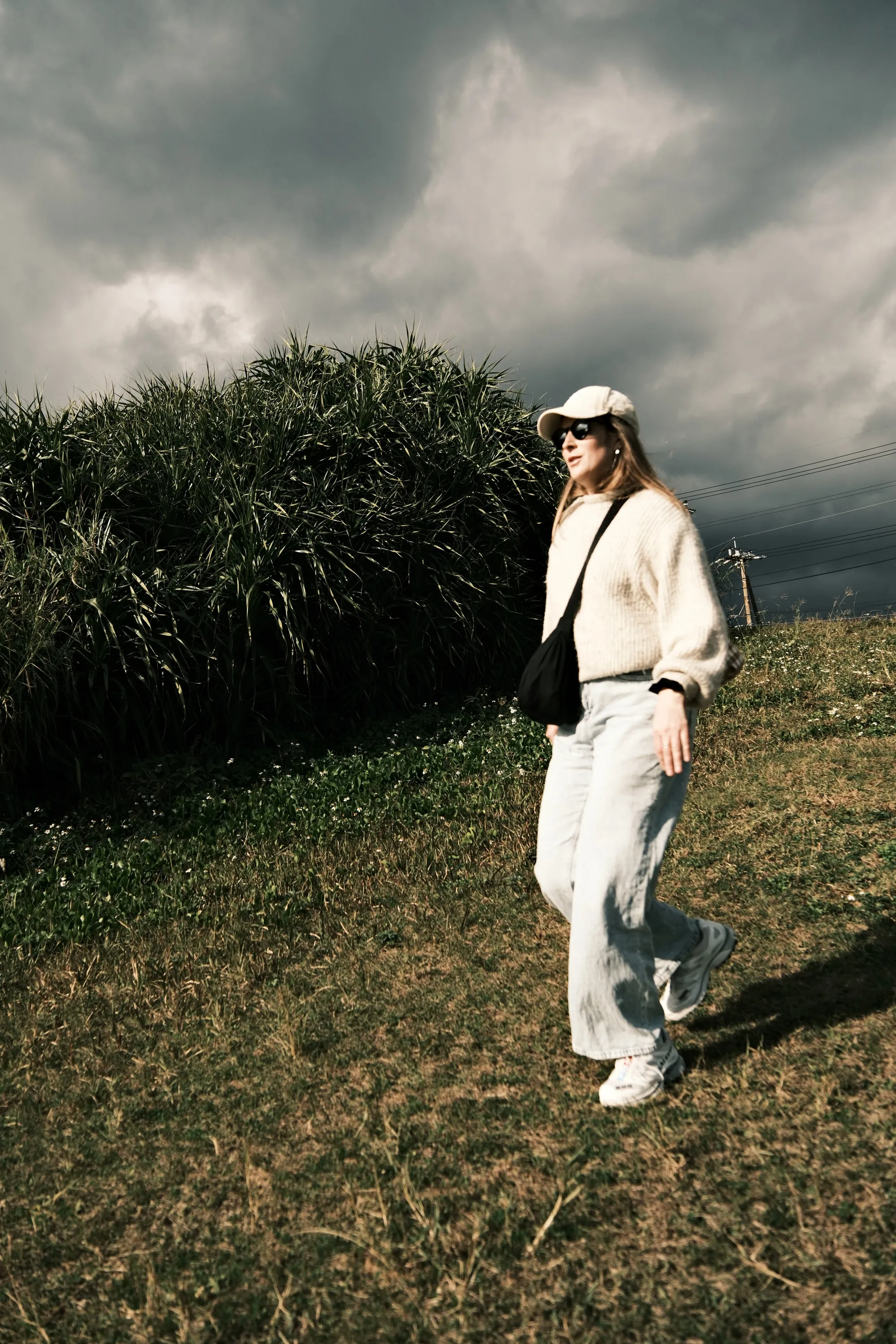
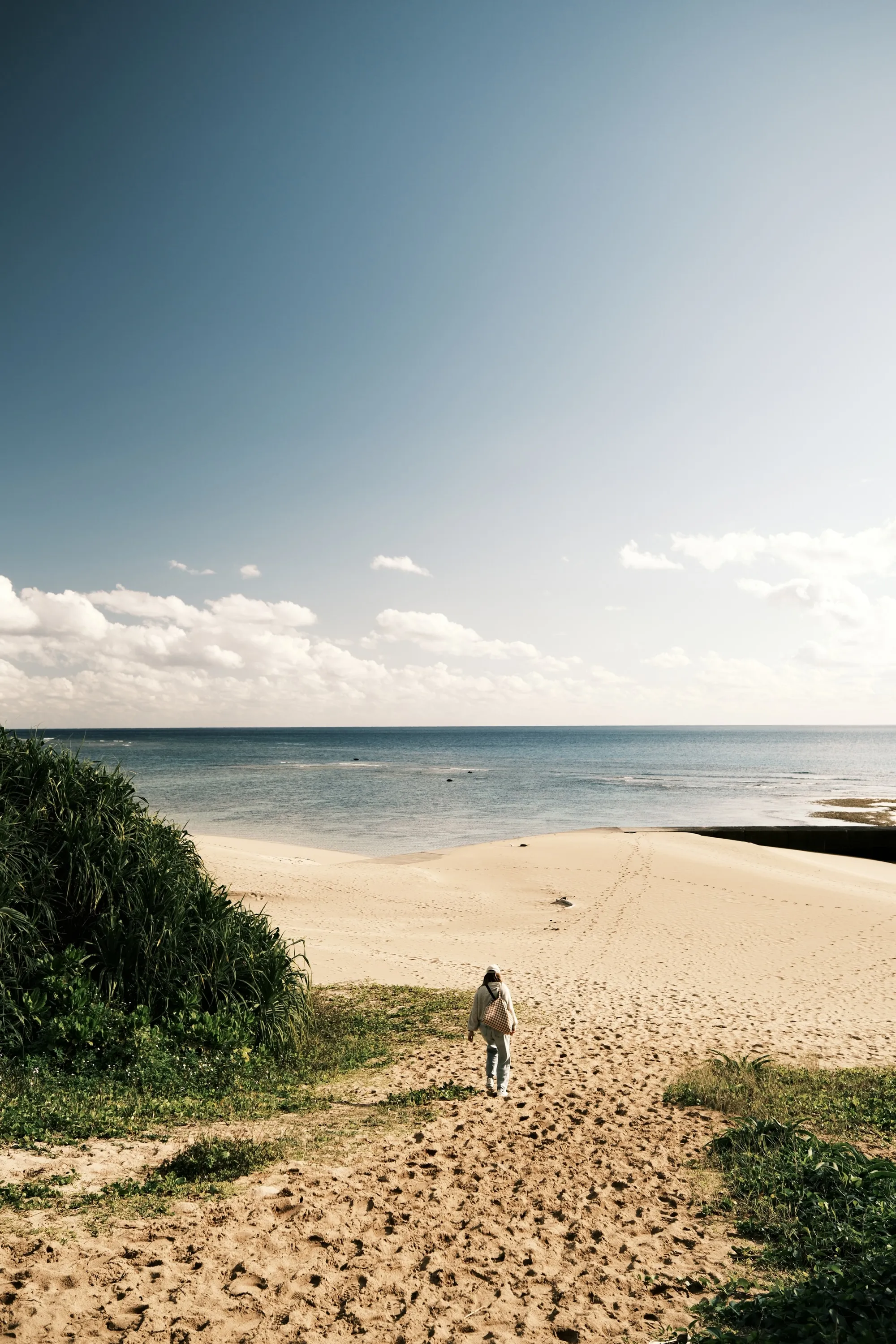
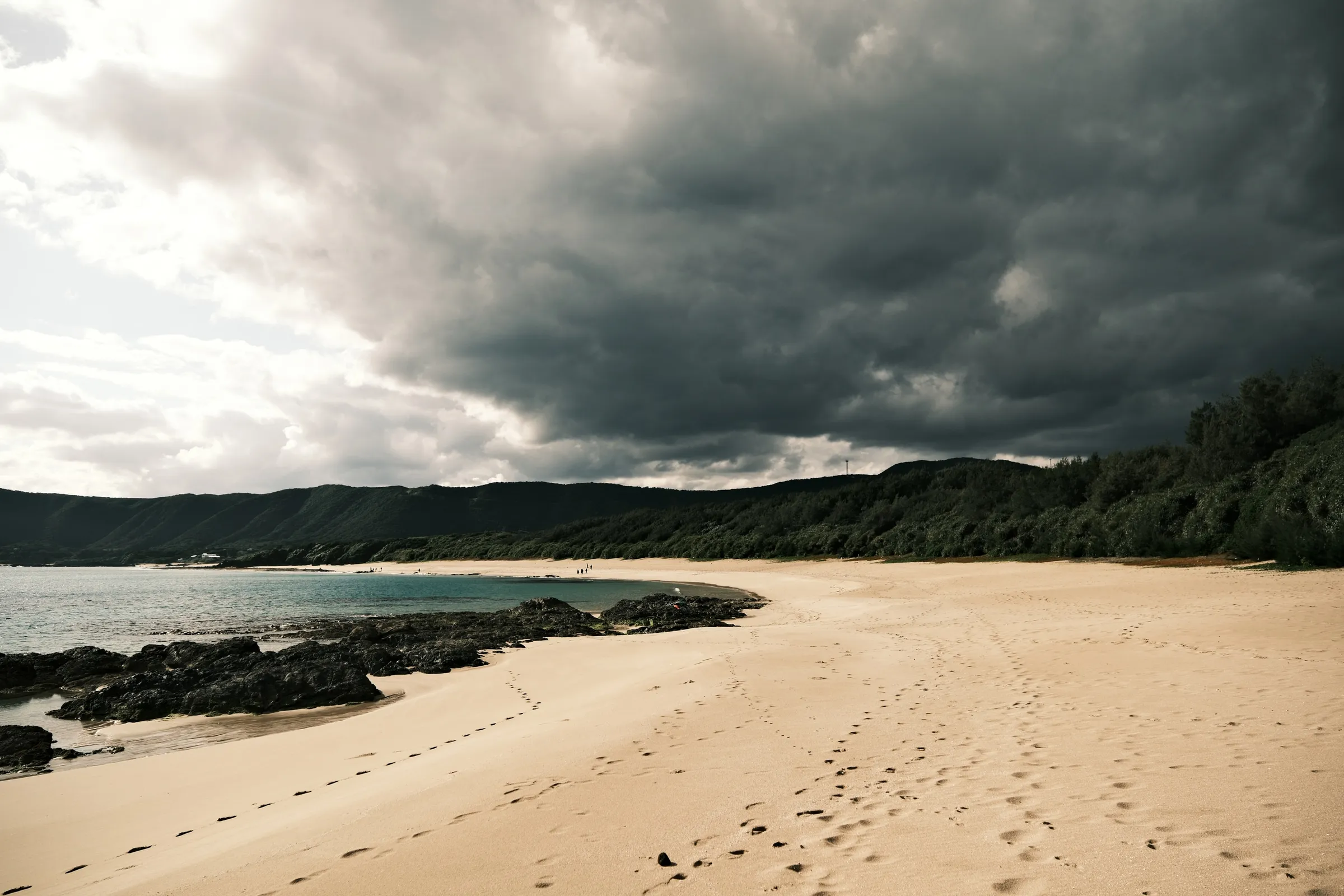
Amami Oshima was the first of the Amami islands, a set of islands just before Okinawa. We were lucky to find an old-school 4x4 Jimny to rent, and drove past cattle sheds and radio masts, along wet coastal roads, down to pale beaches under fast-moving clouds, with palms, roadside cabins, old trailers, and turquoise water appearing between showers. I chose a warmer, pastel-like film simulation, given the ongoing stormy weather and grey clouds, hoping to bring some colour into all of it.
 268
 269
 270
 271
 272
 273
 274
 275
 276
 277
 278
 279
 280
 281
 282
 283
 284
 285
 286
 287
 288
 289
 290
 291
 292
 293
 294
 295
 296
 297
 298
 299
 300
 301
 302
 303
 304
 305
 306
 307
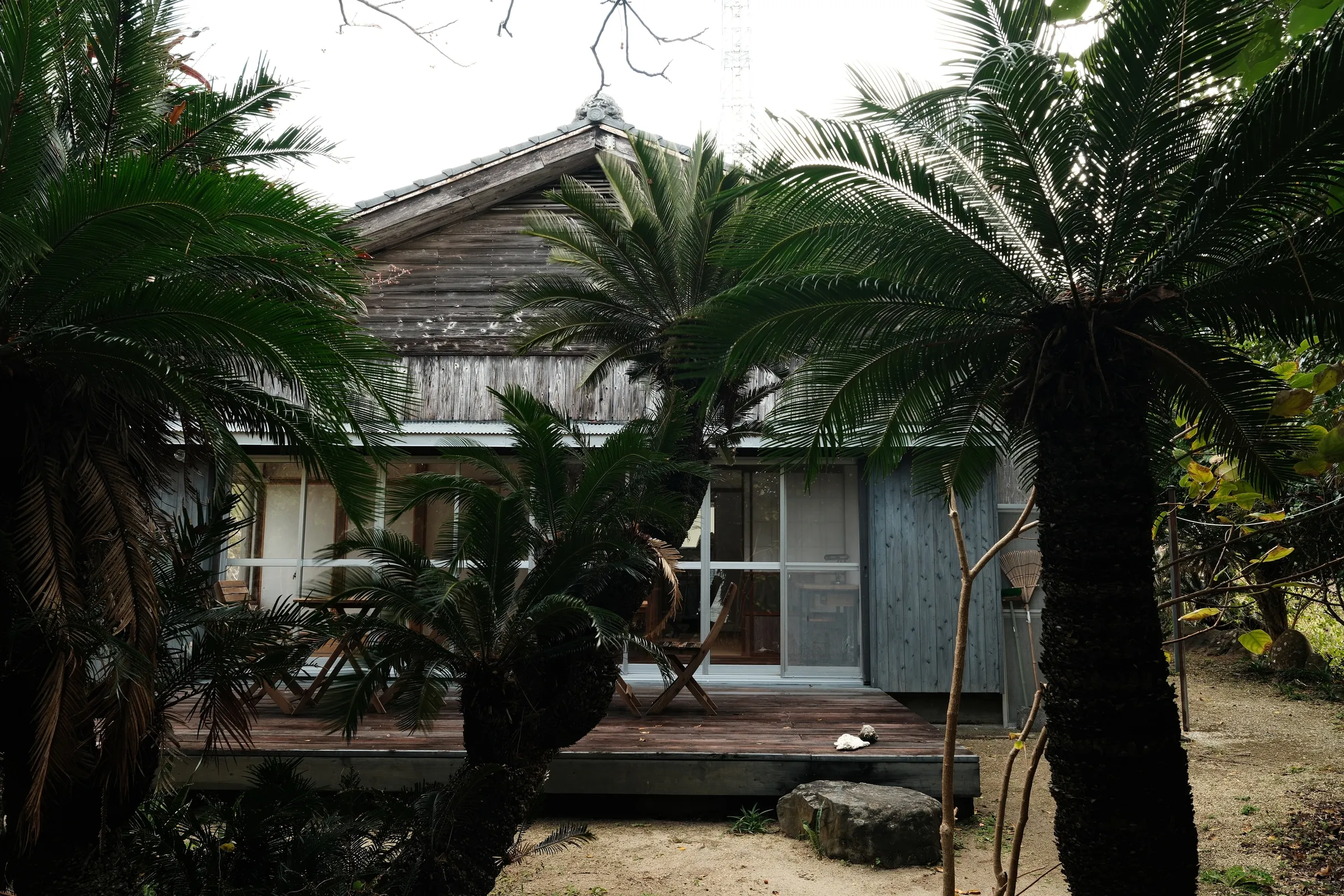
Slow days on Tokunoshima
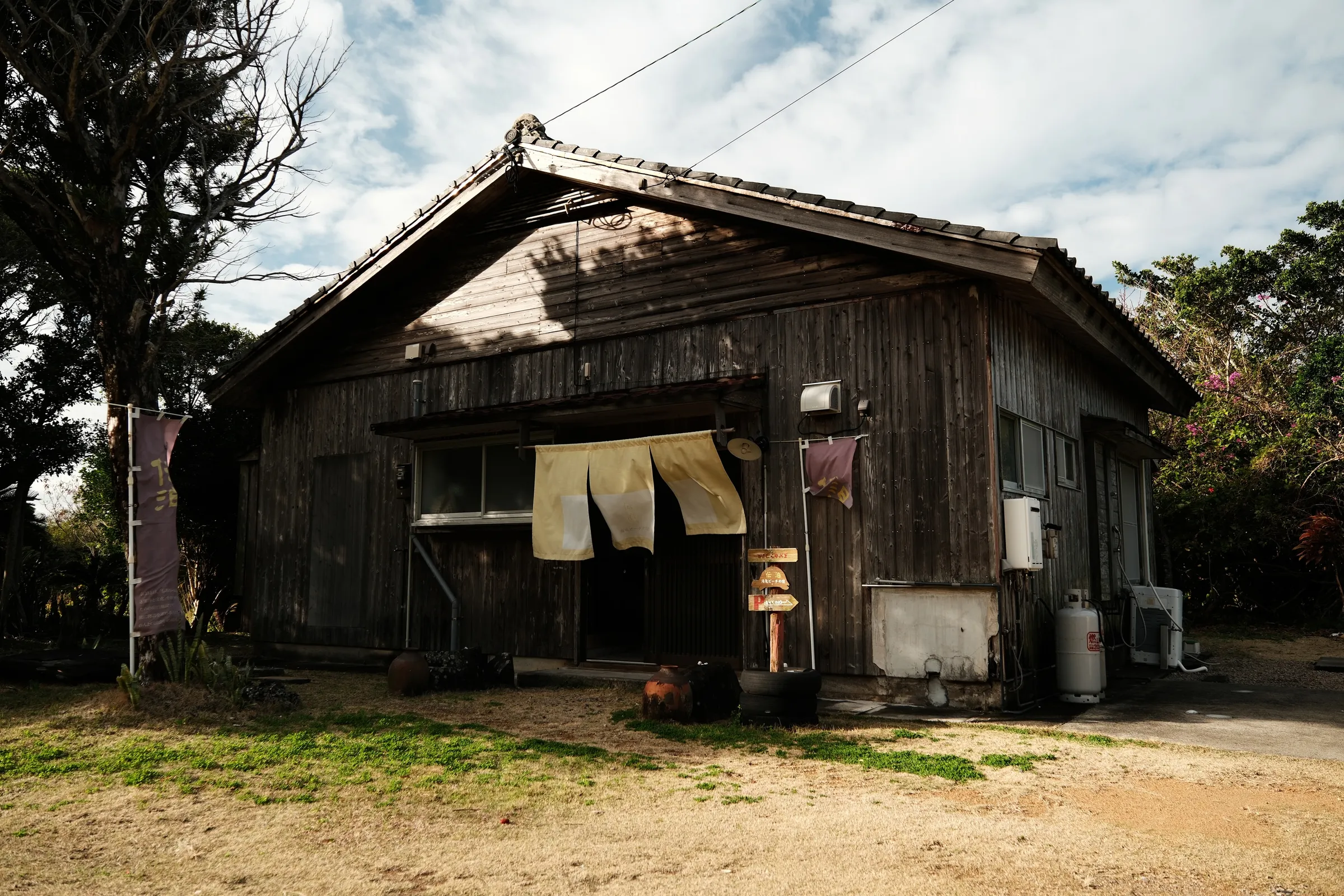
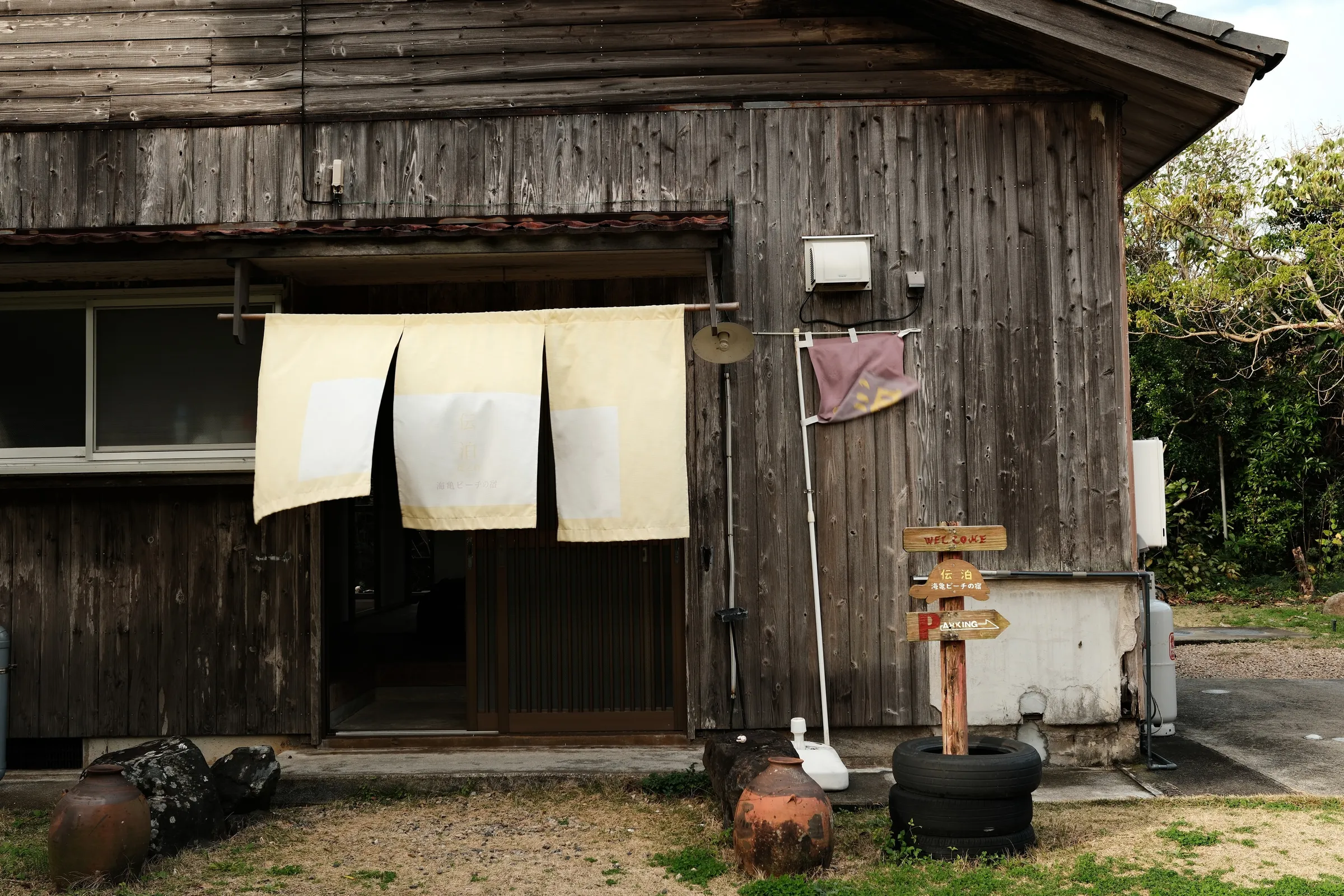
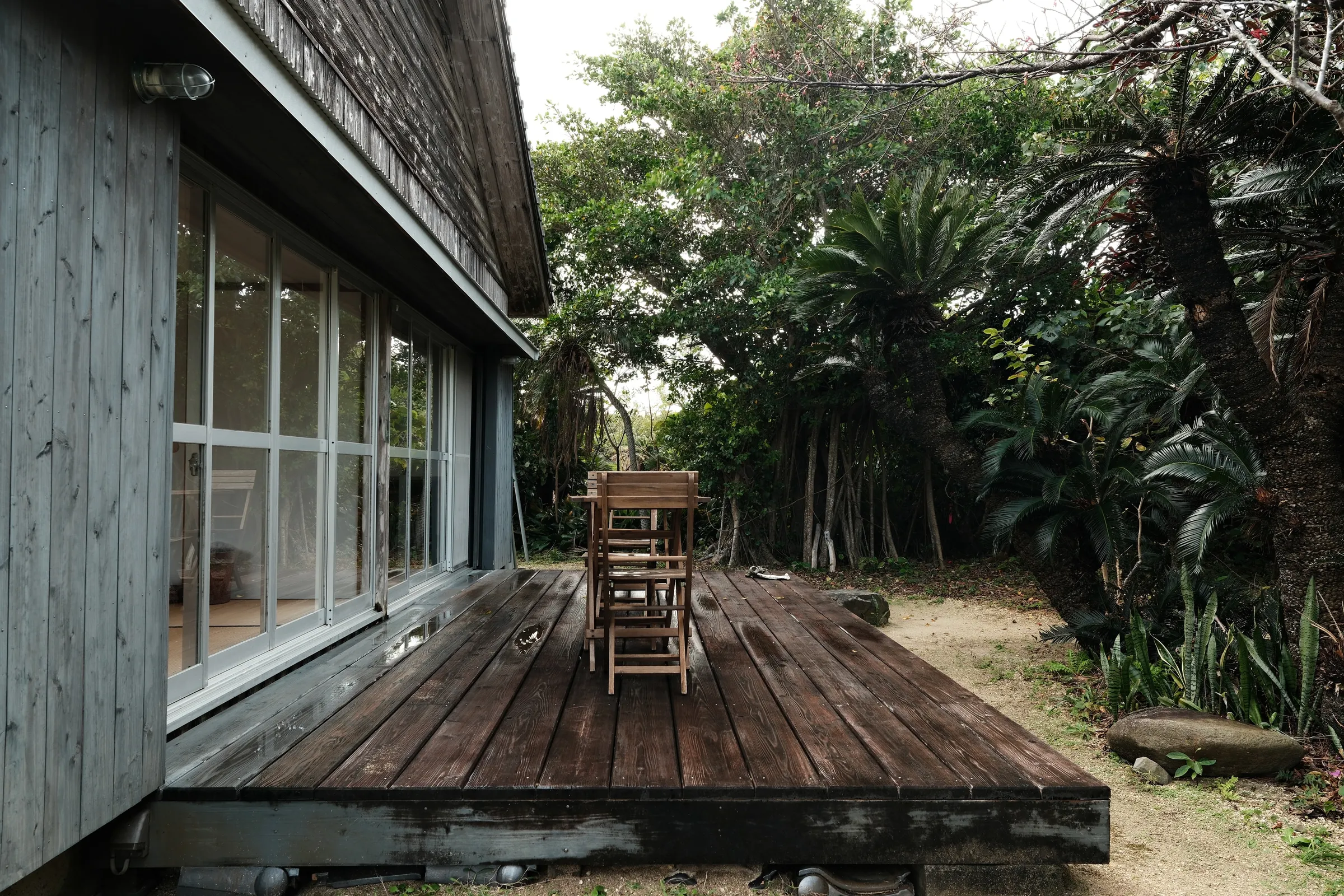
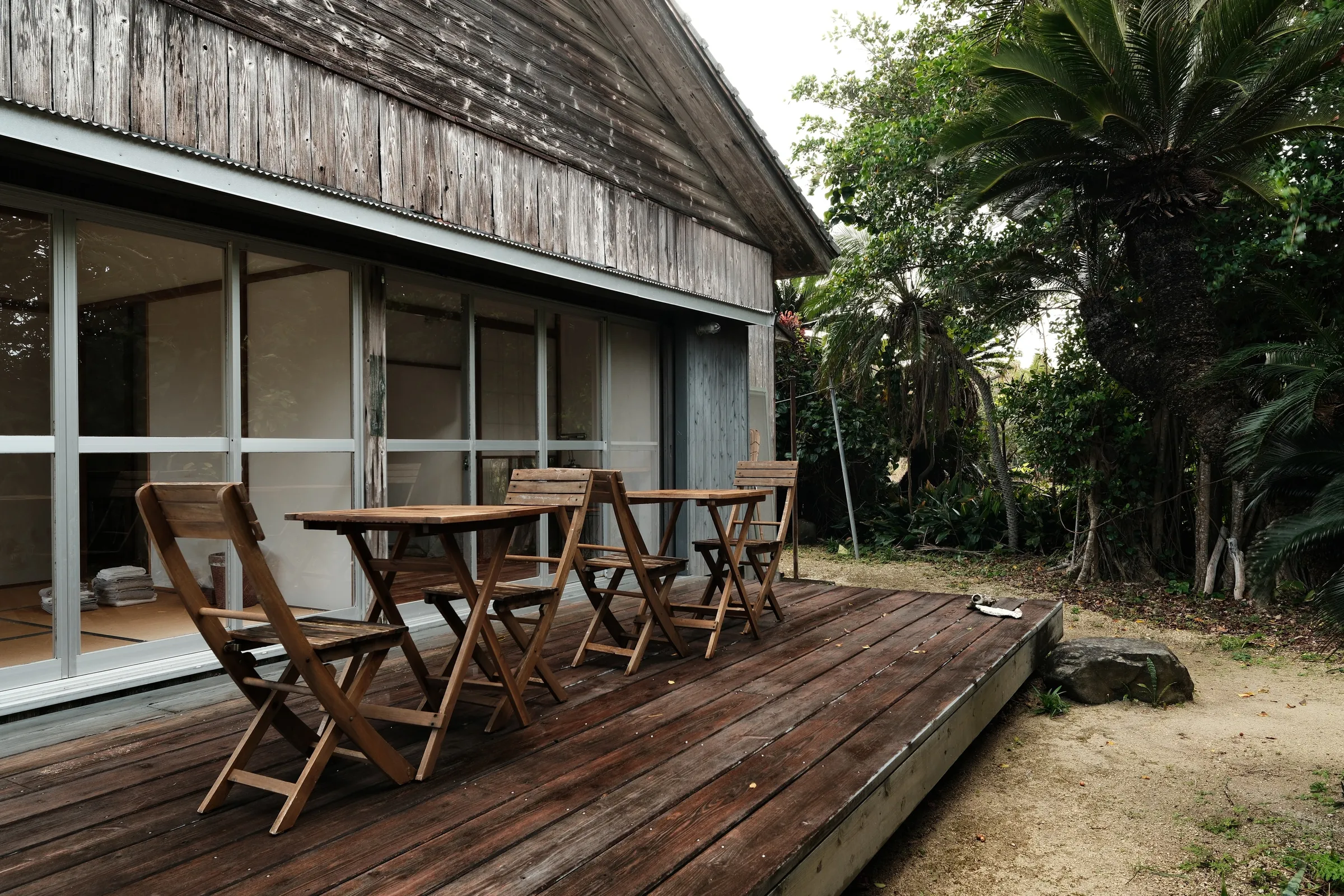
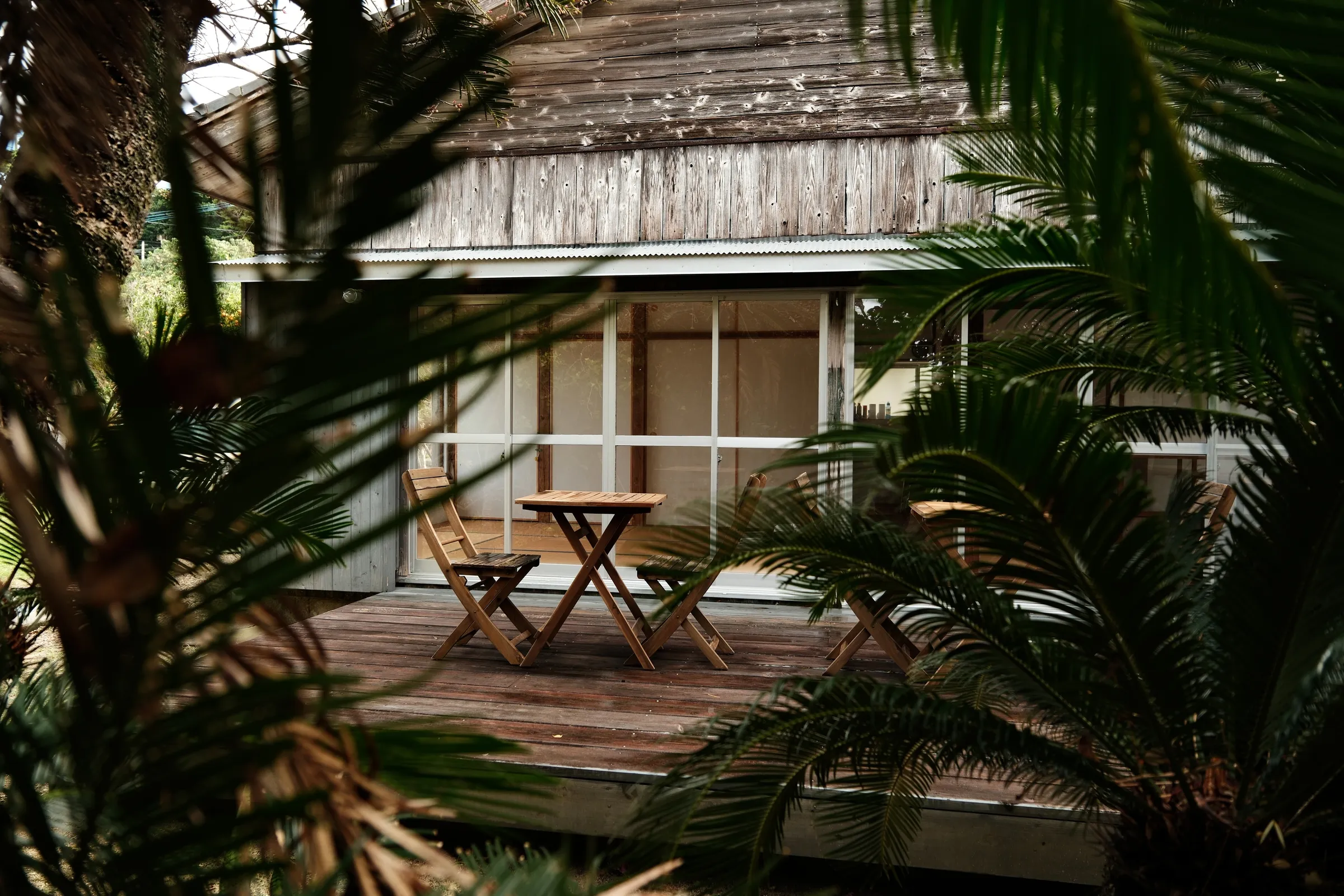
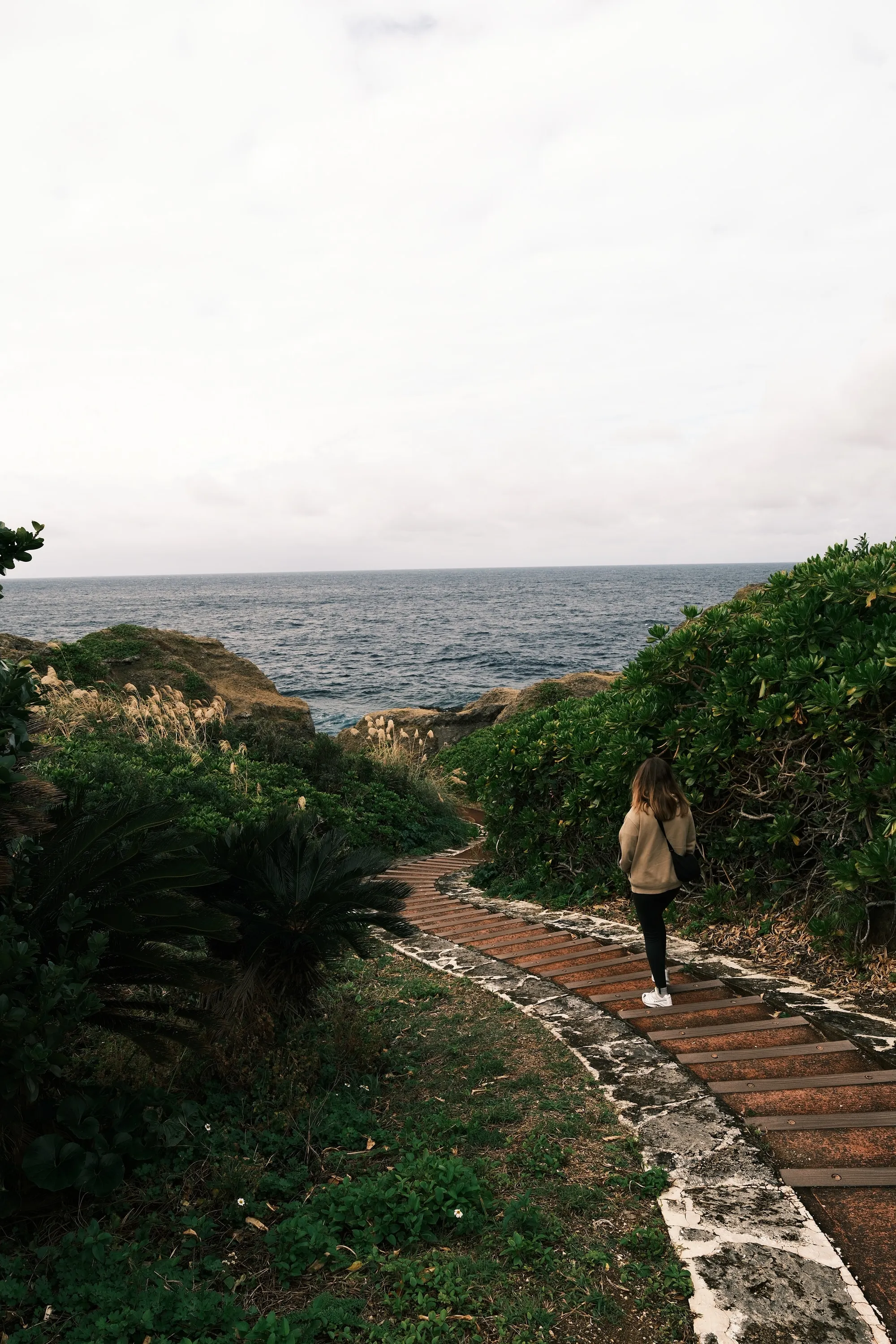
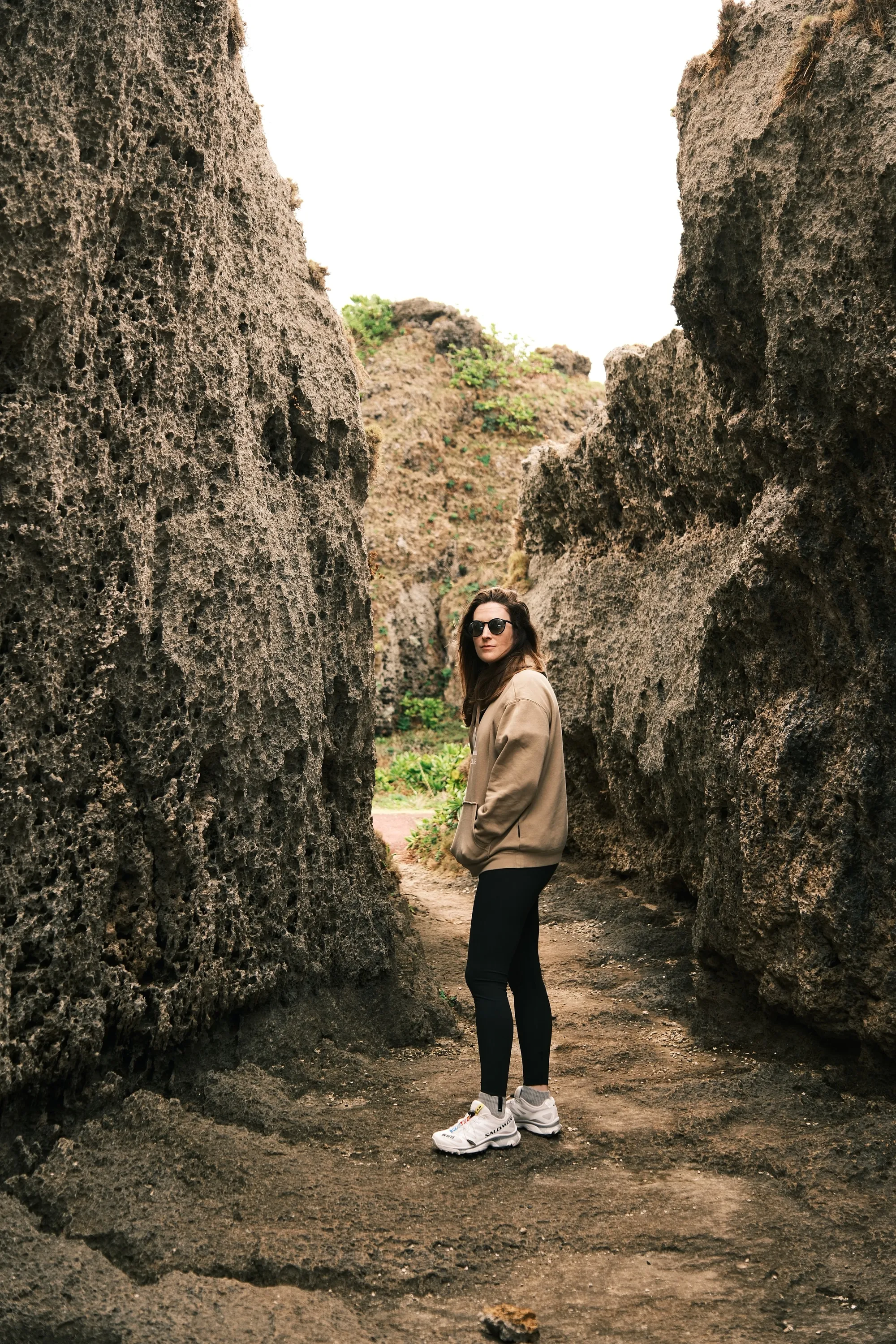
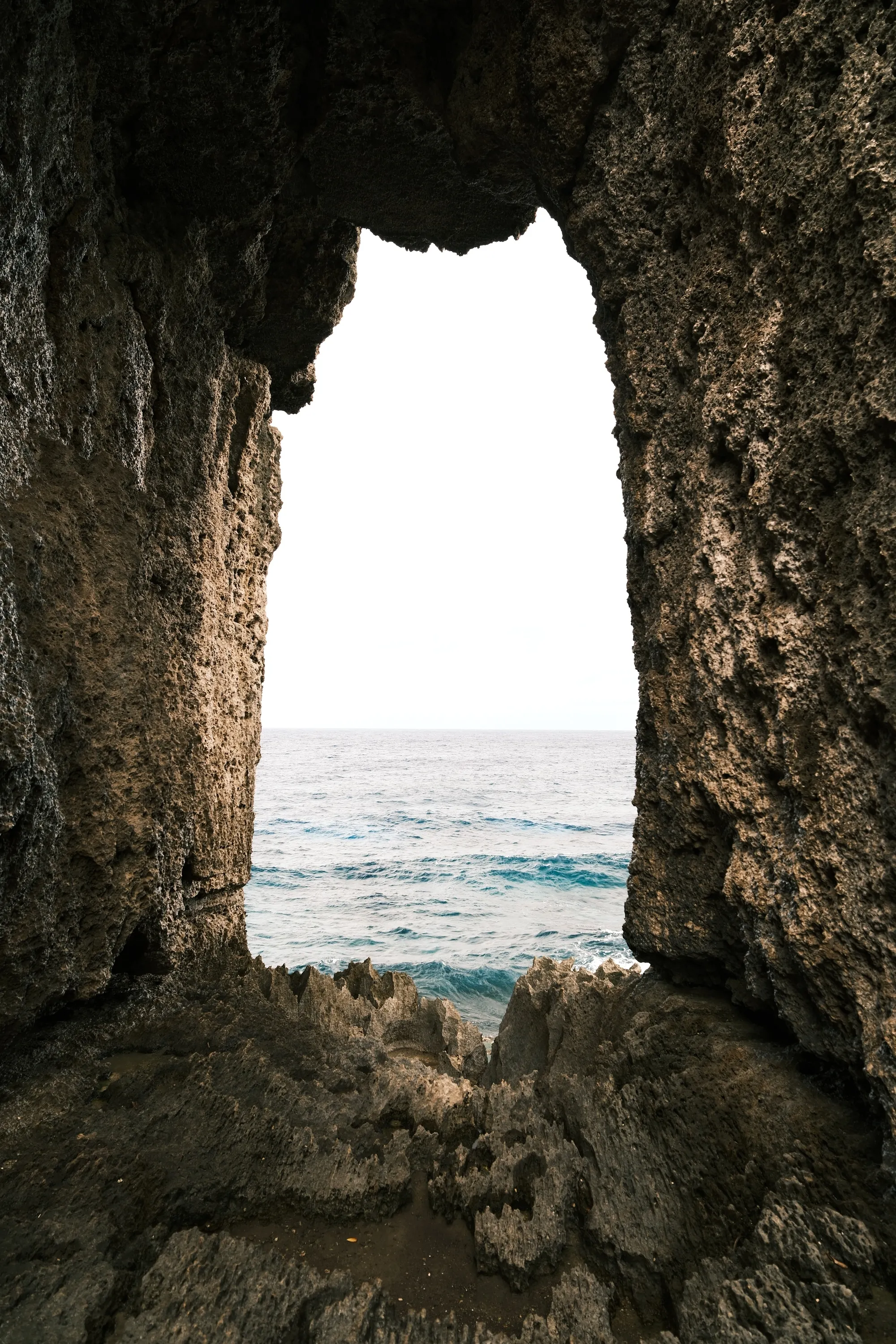
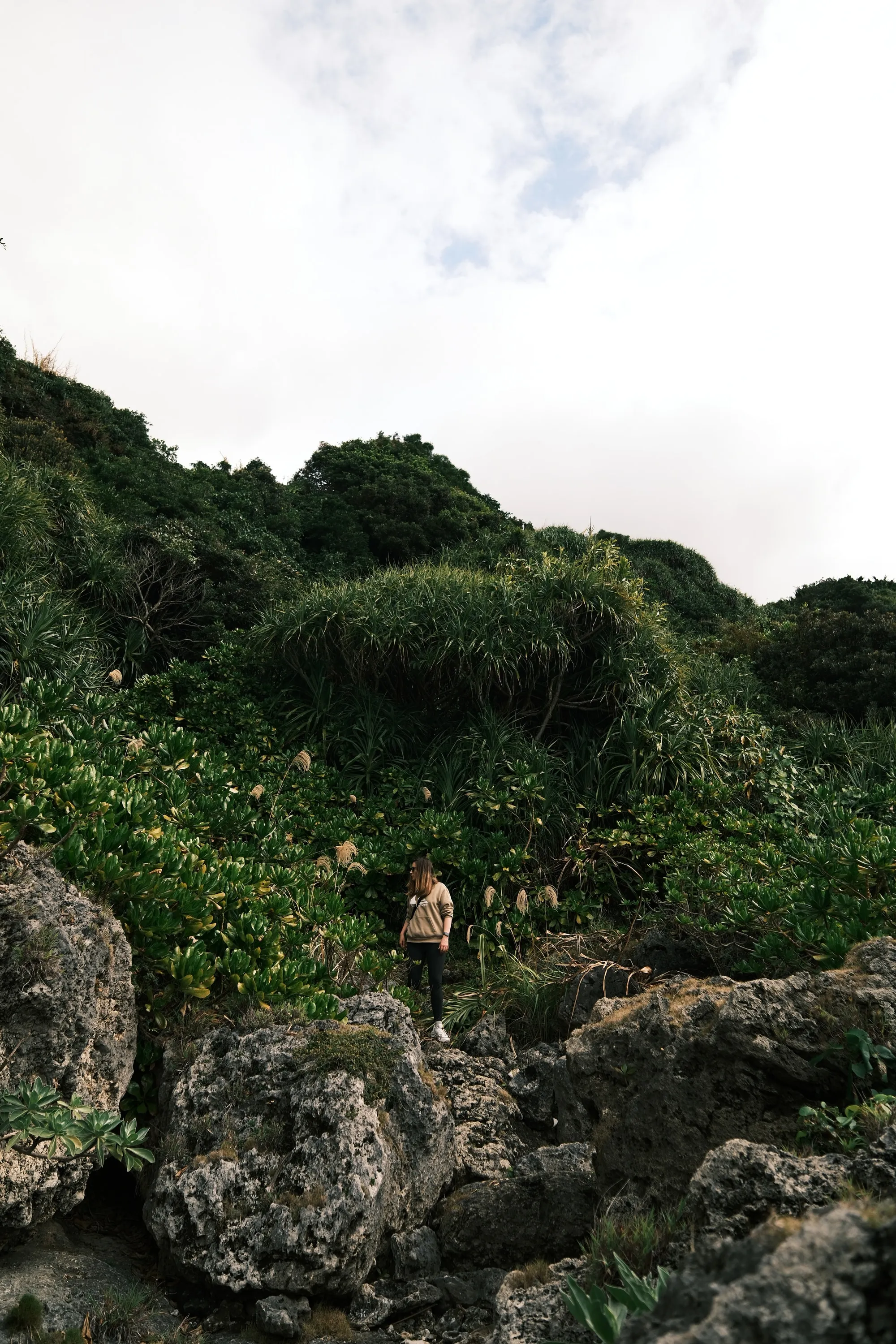
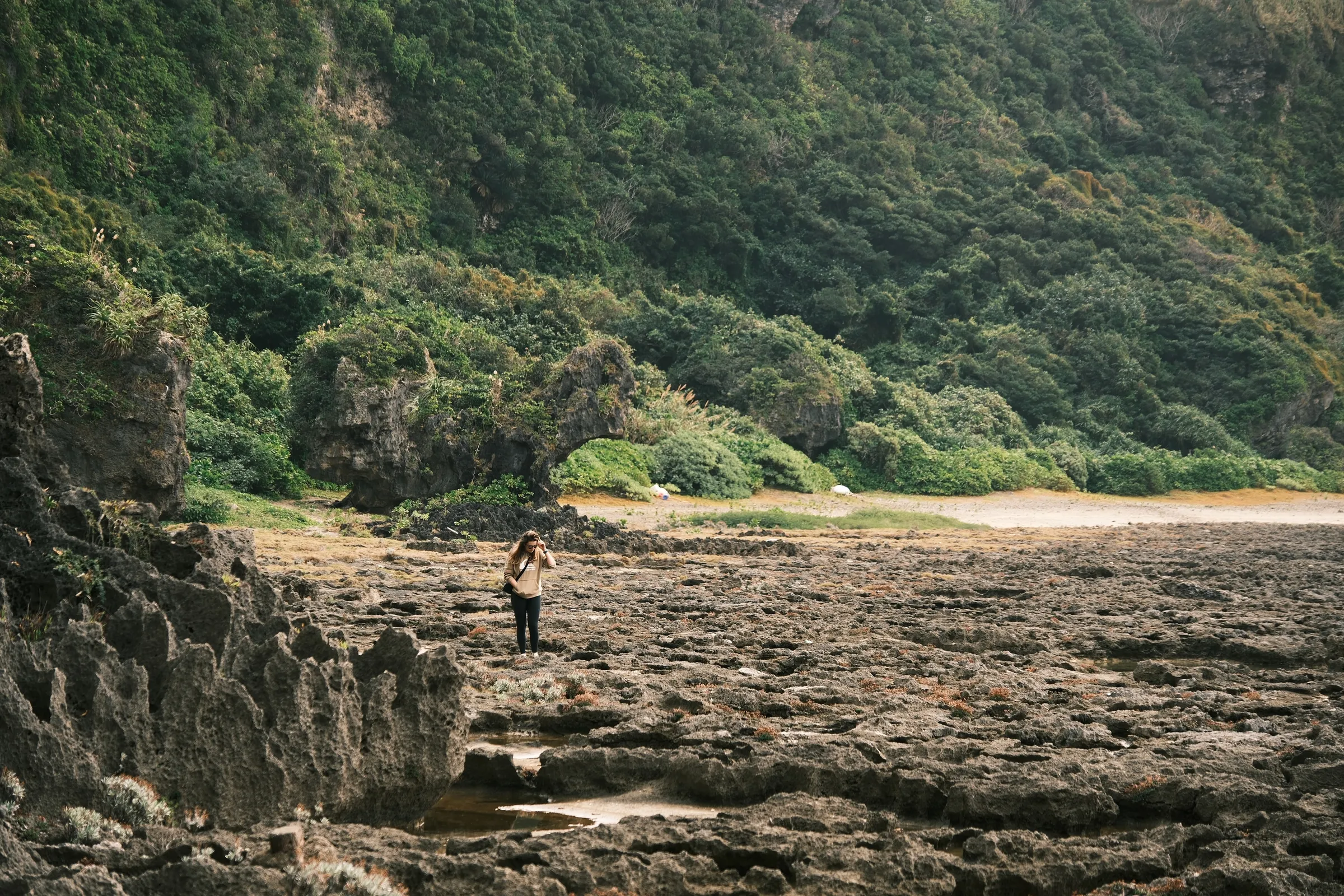
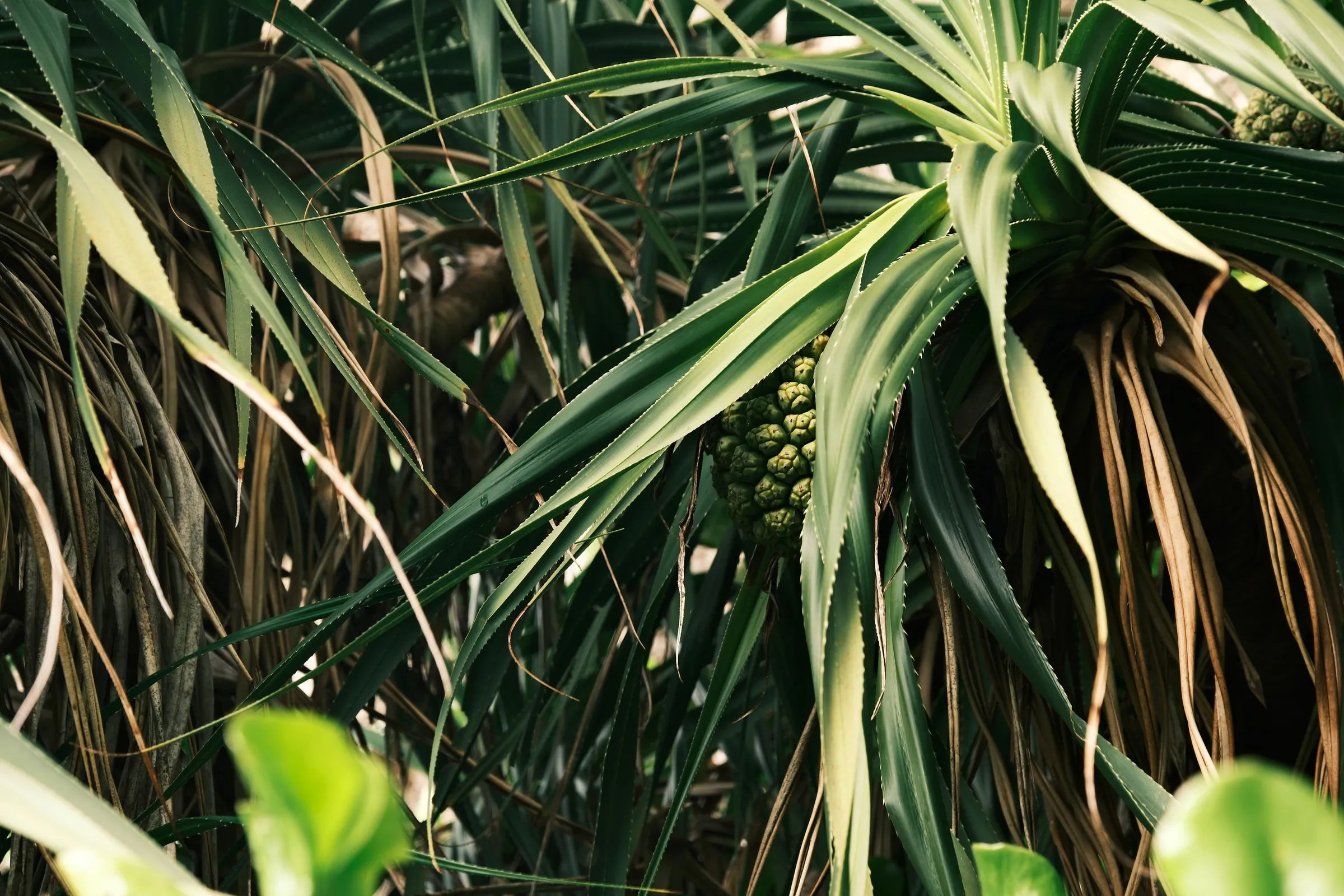
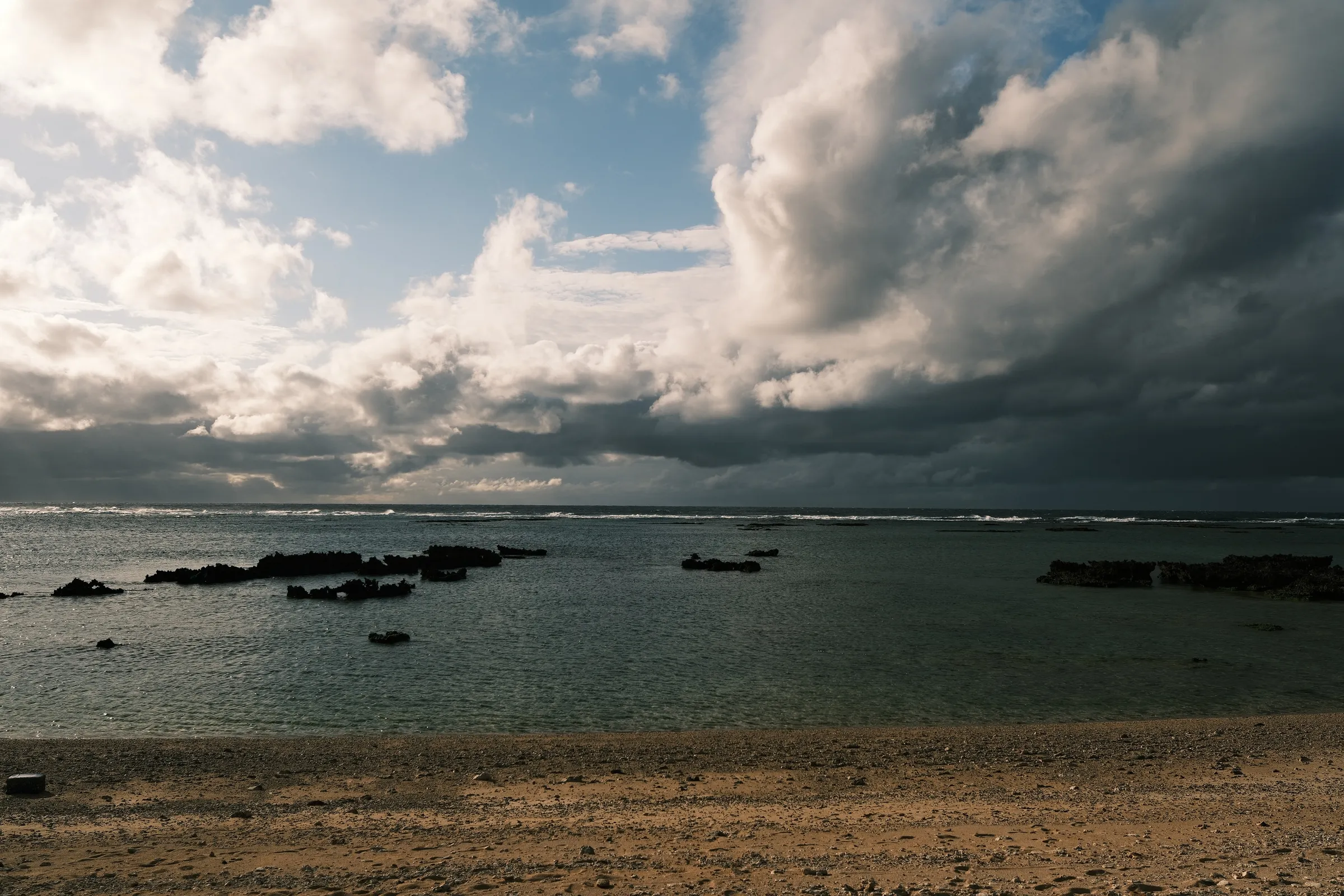
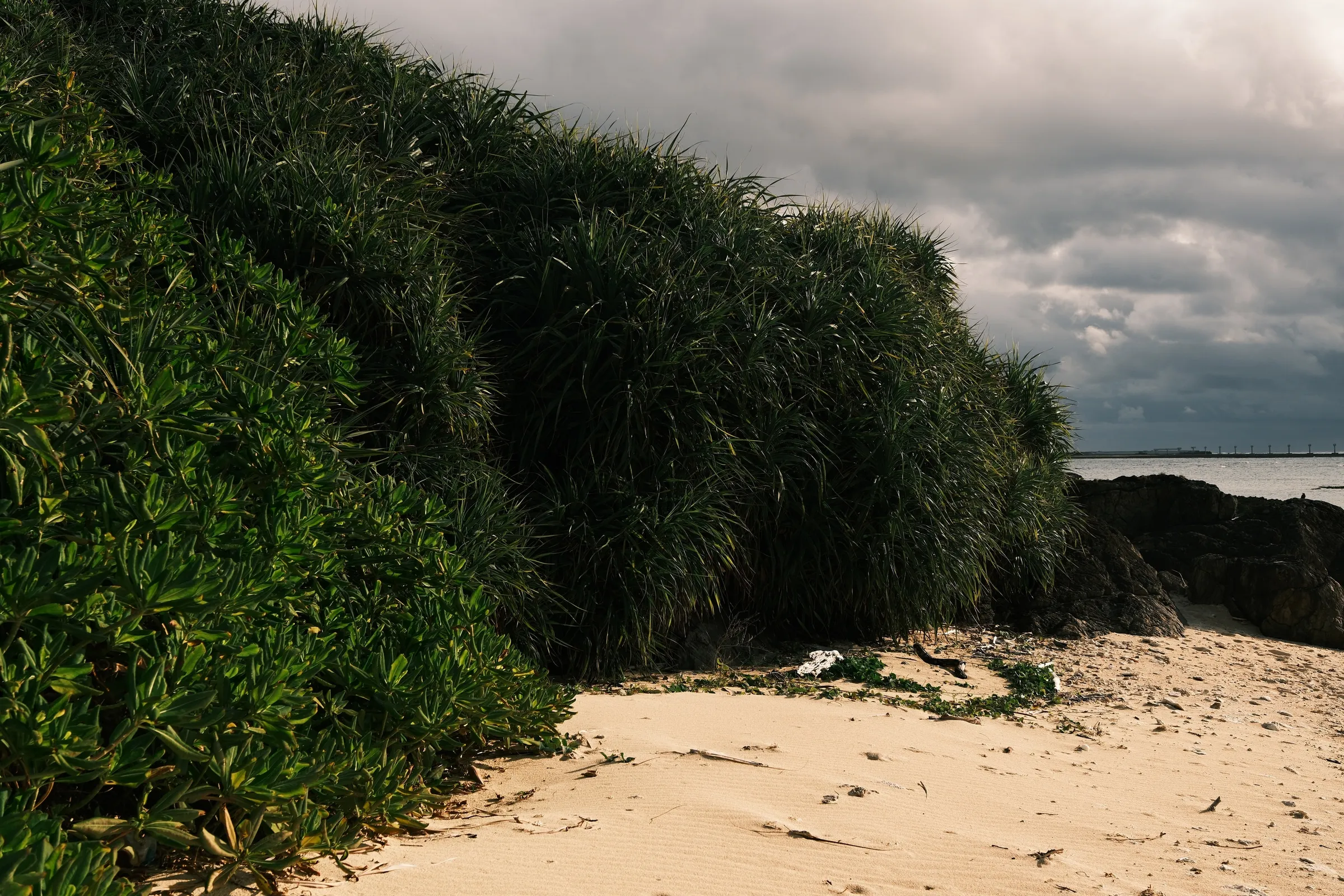
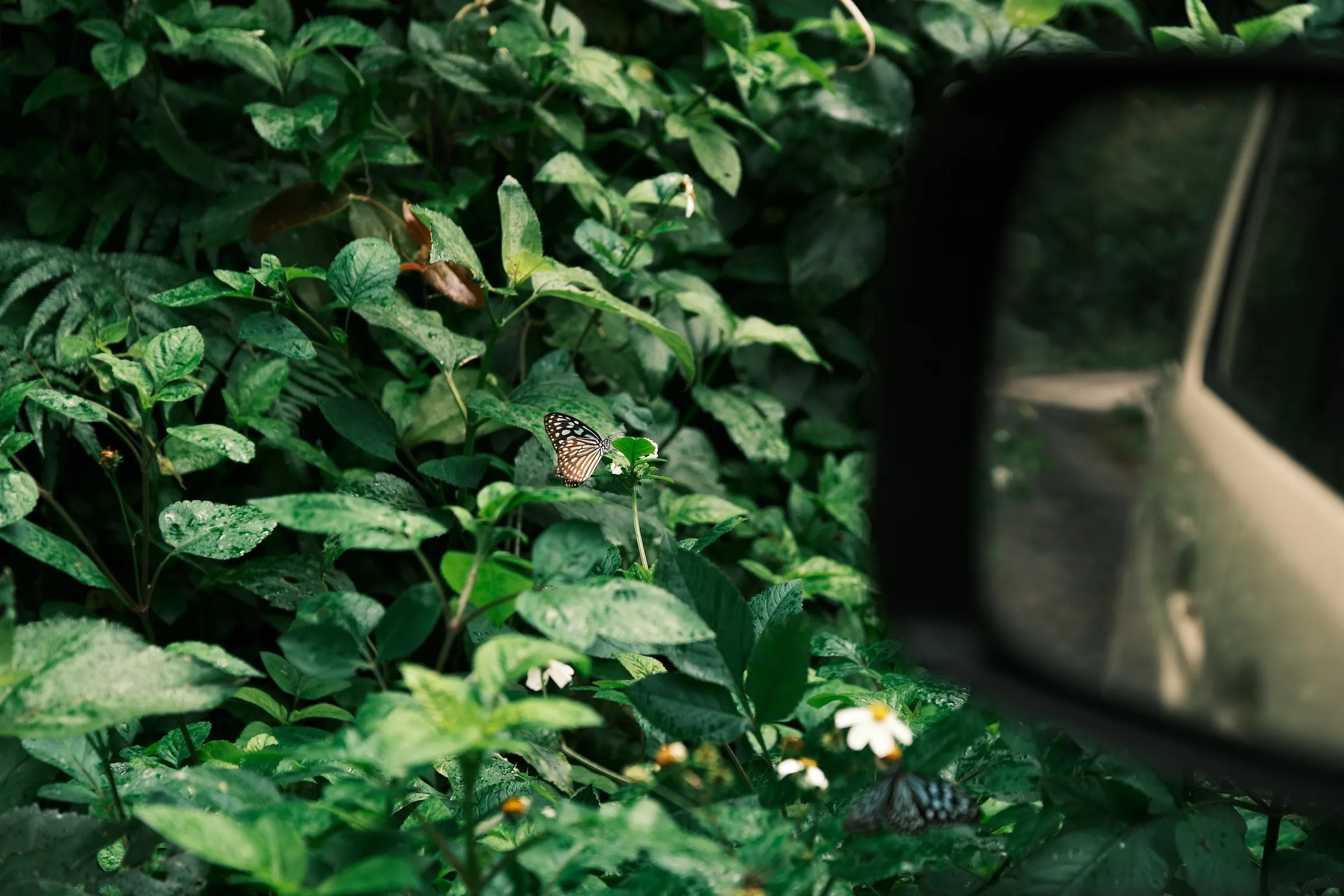
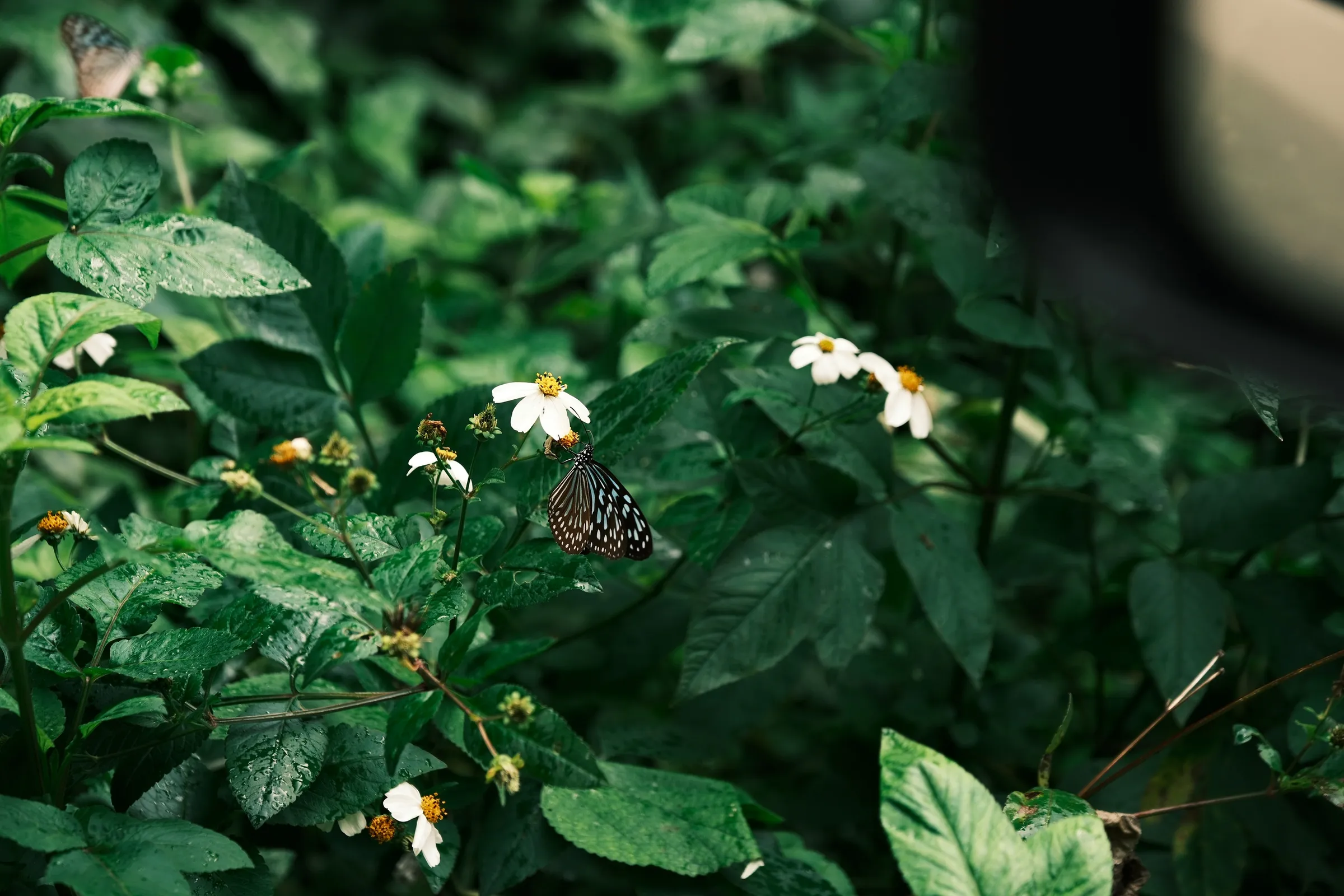
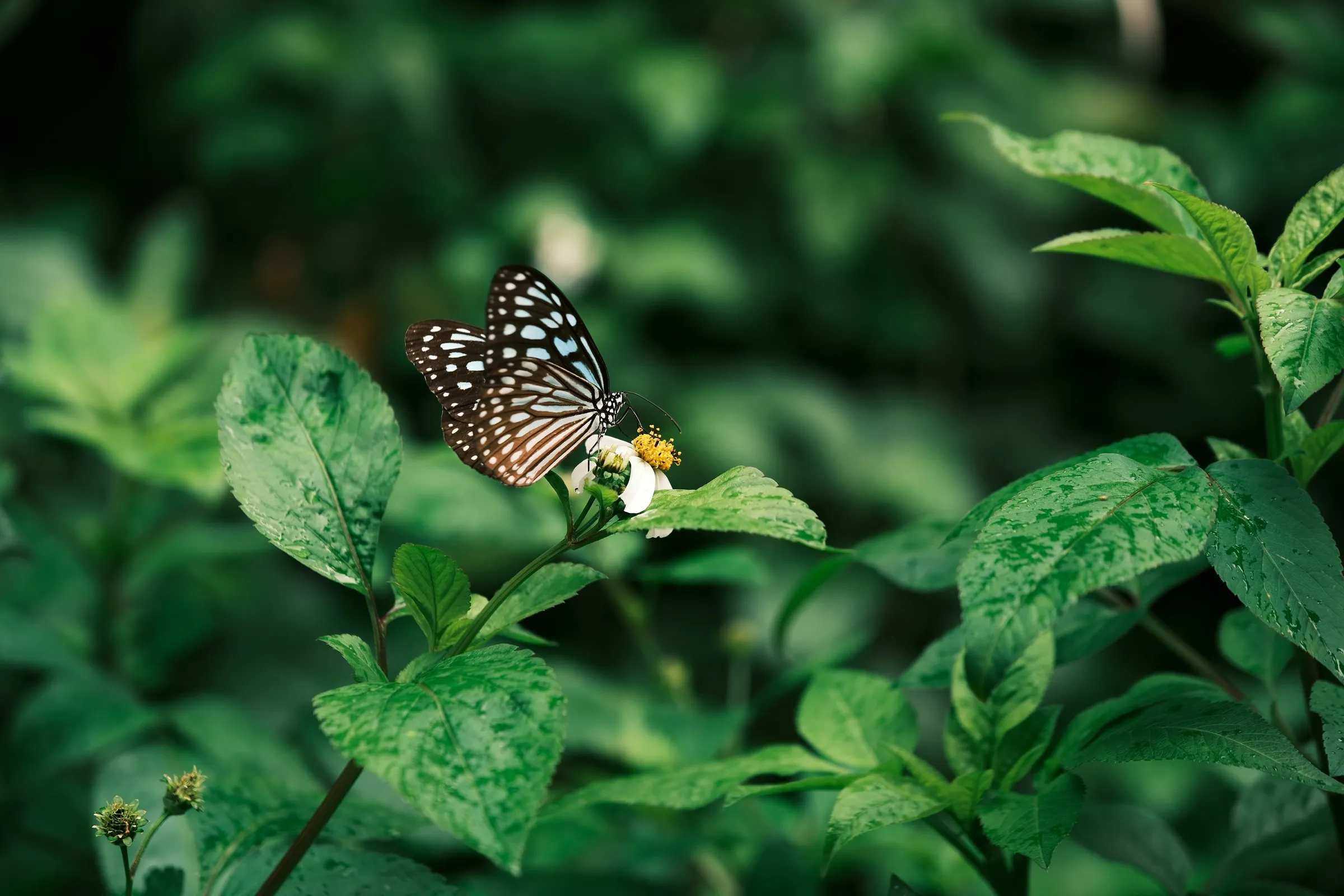
A wooden house under palms, rough coral coastlines, butterflies, footpaths and beaches under changing weather. Tokunoshima is one of the most quiet of the Amami islands, with more scare accomodation for tourists, and the one available often old traditional houses renovated by locals for that purpose. We were lucky to find one available, the "Turtle House".
 308
 309
 310
 311
 312
 313
 314
 315
 316
 317
 318
 319
 320
 321
 322
 323
 324
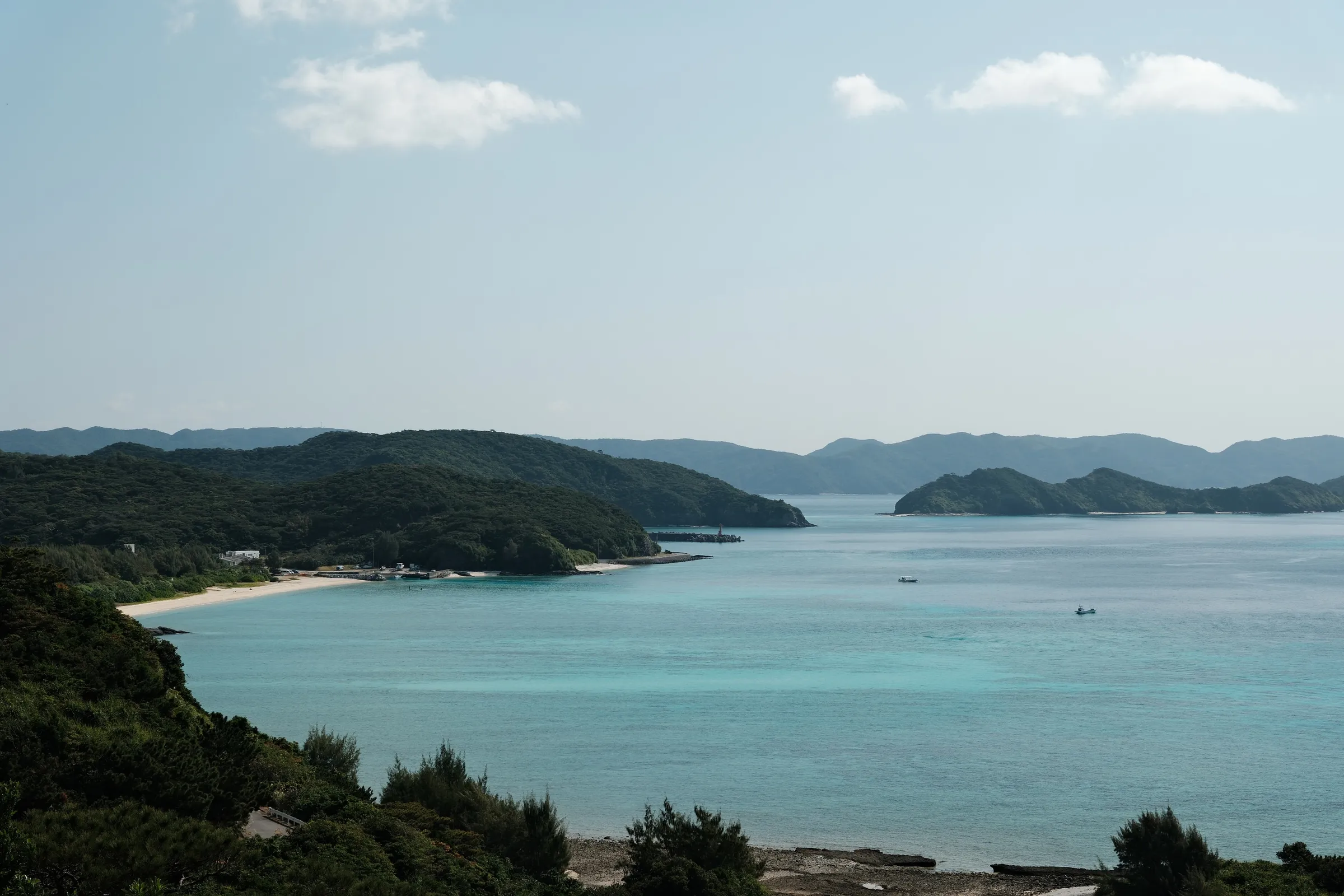
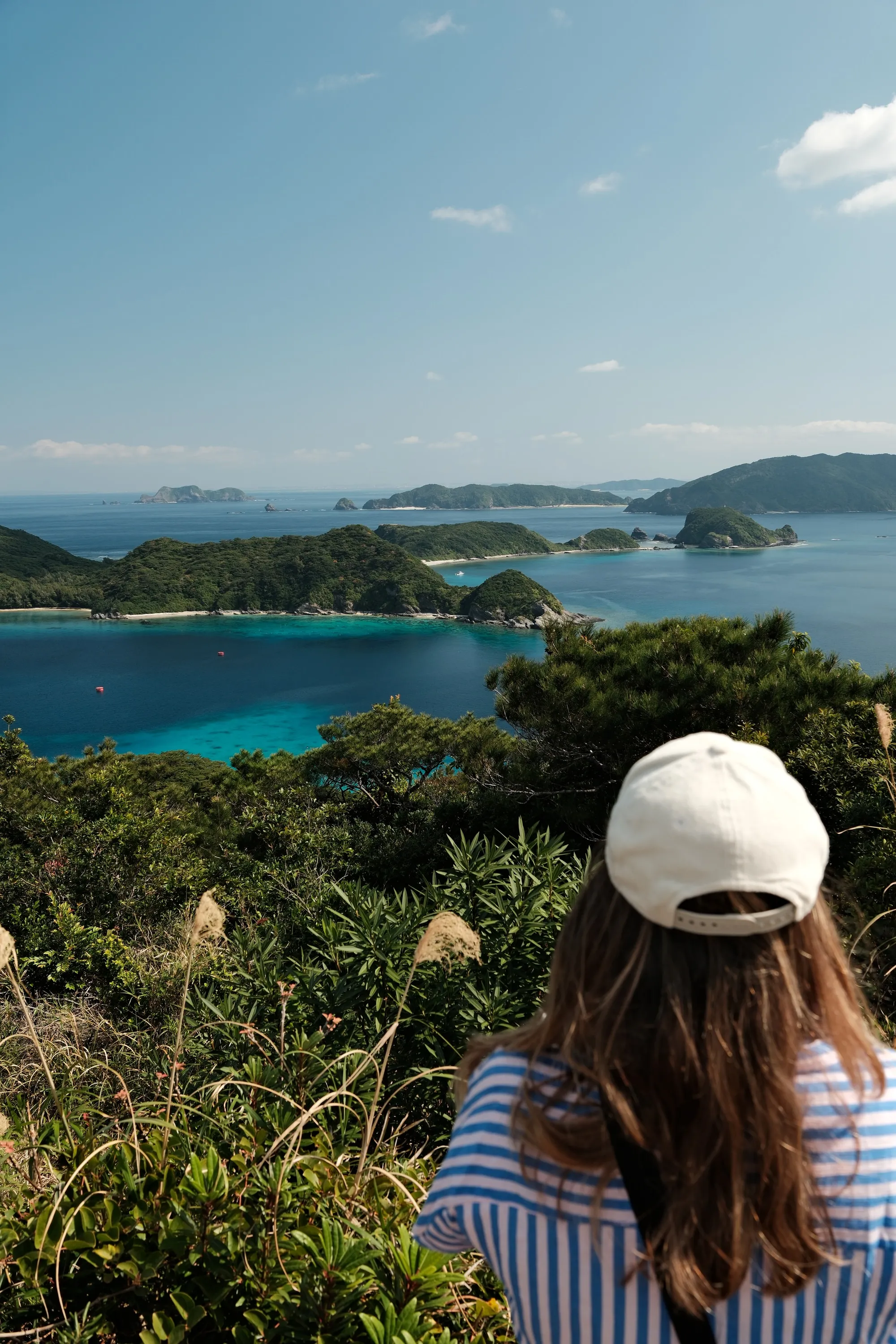
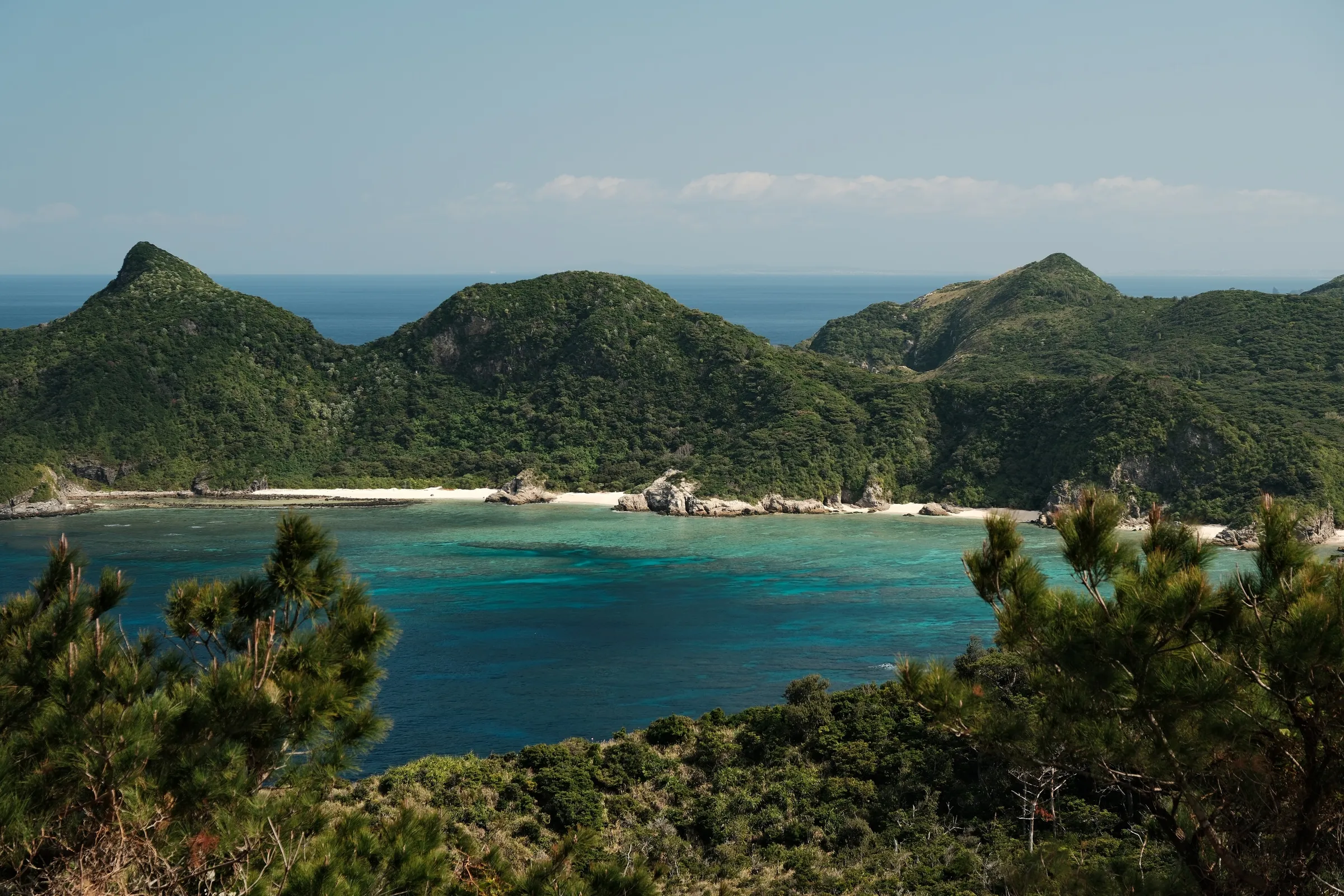
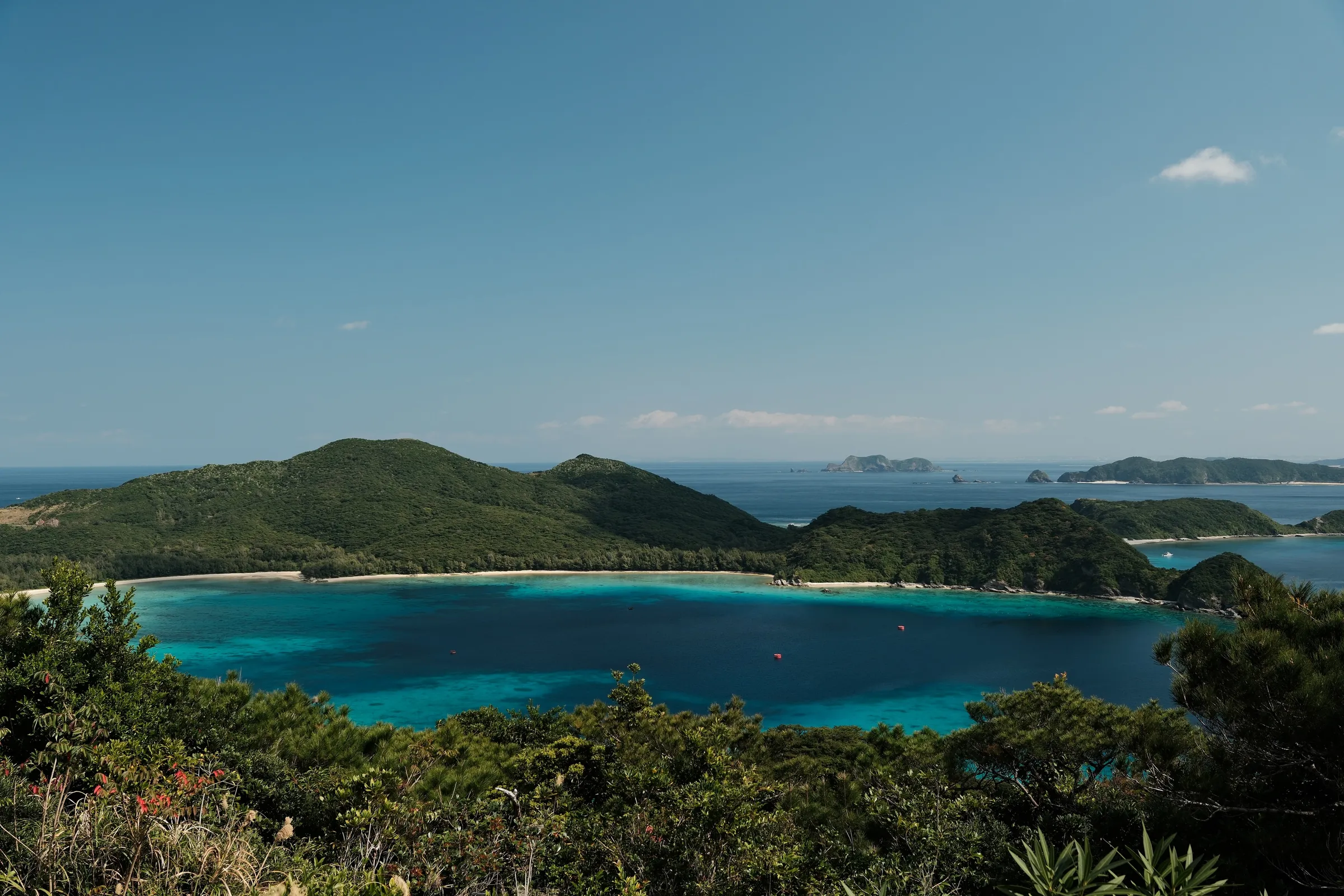
Blue from every angle
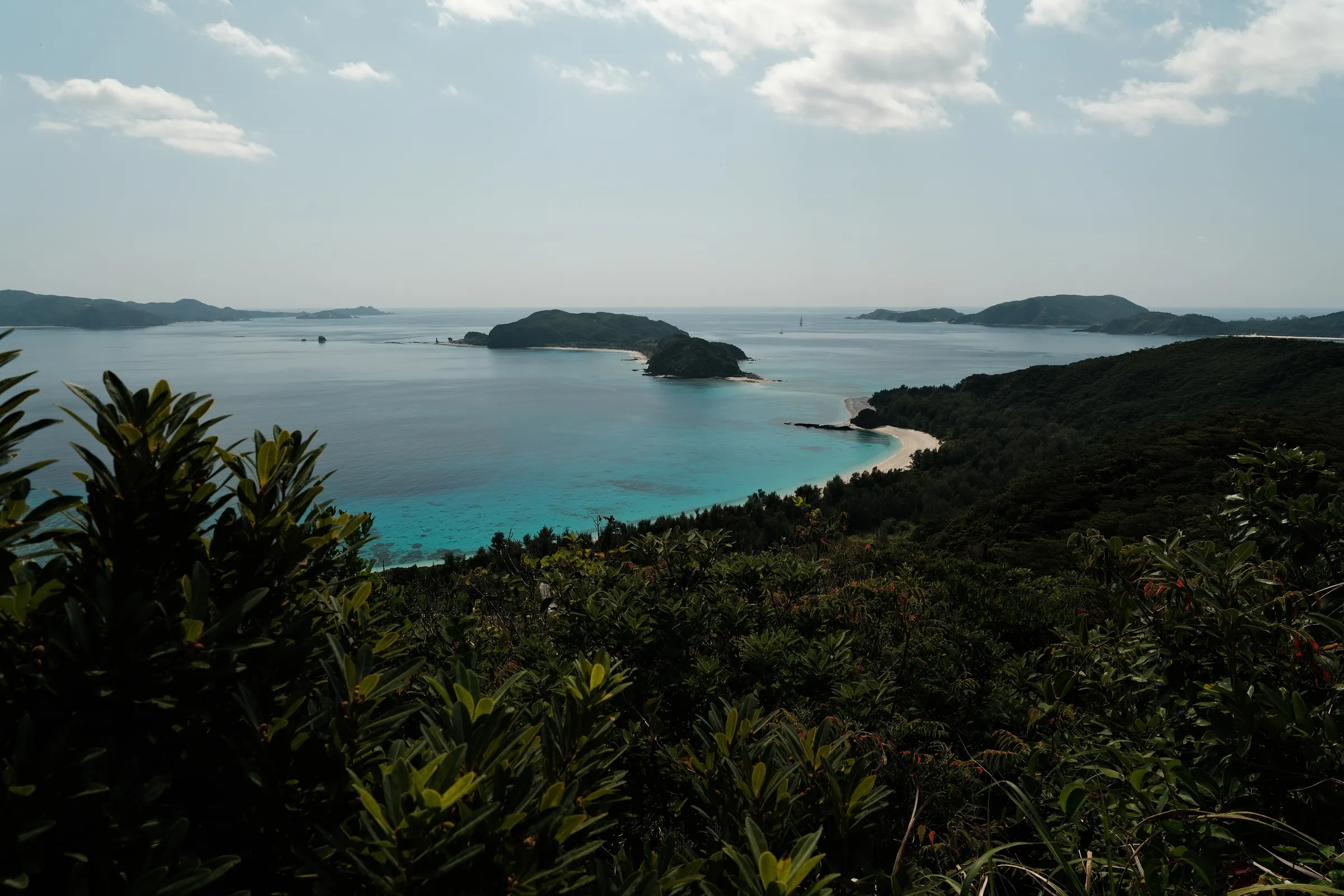
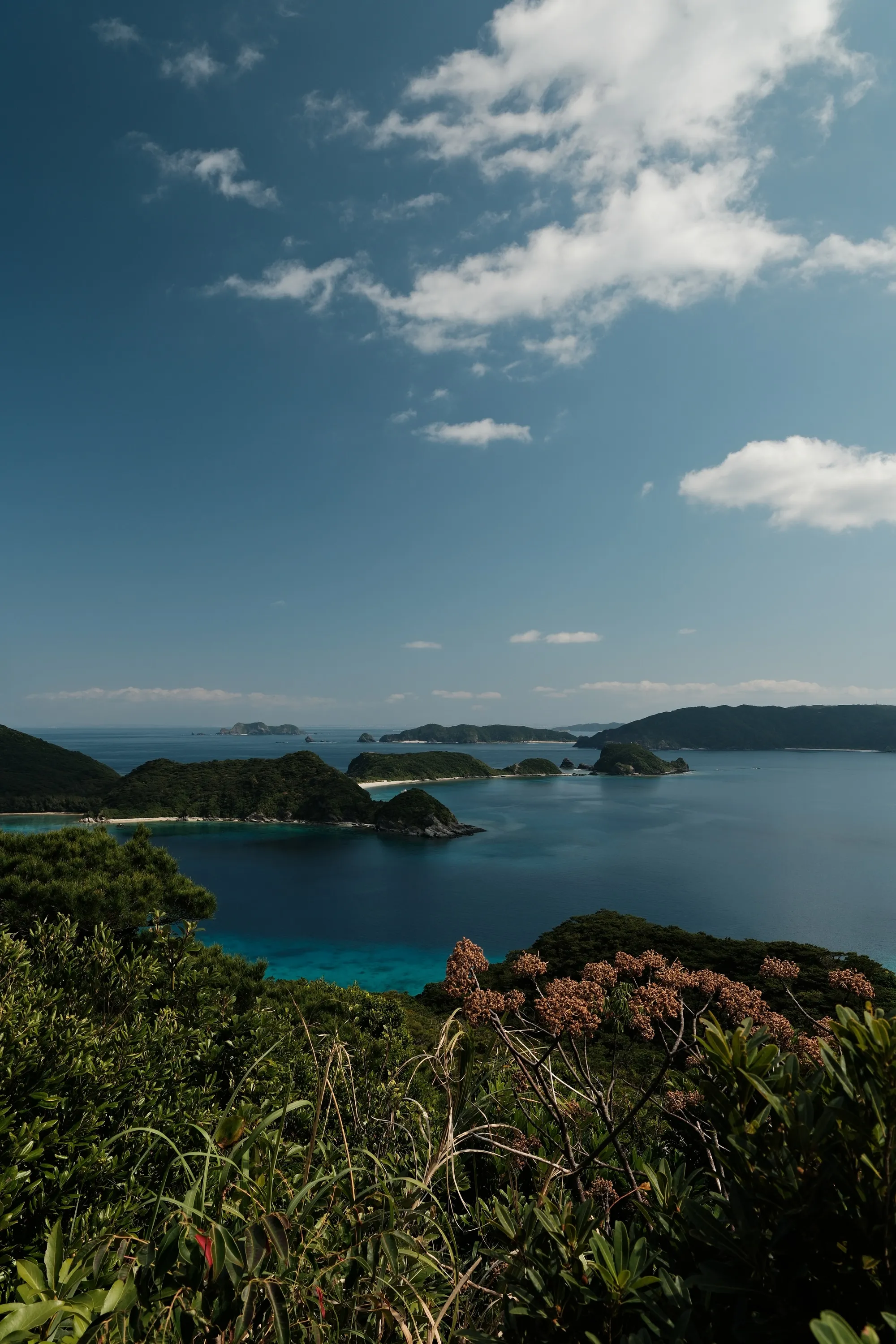
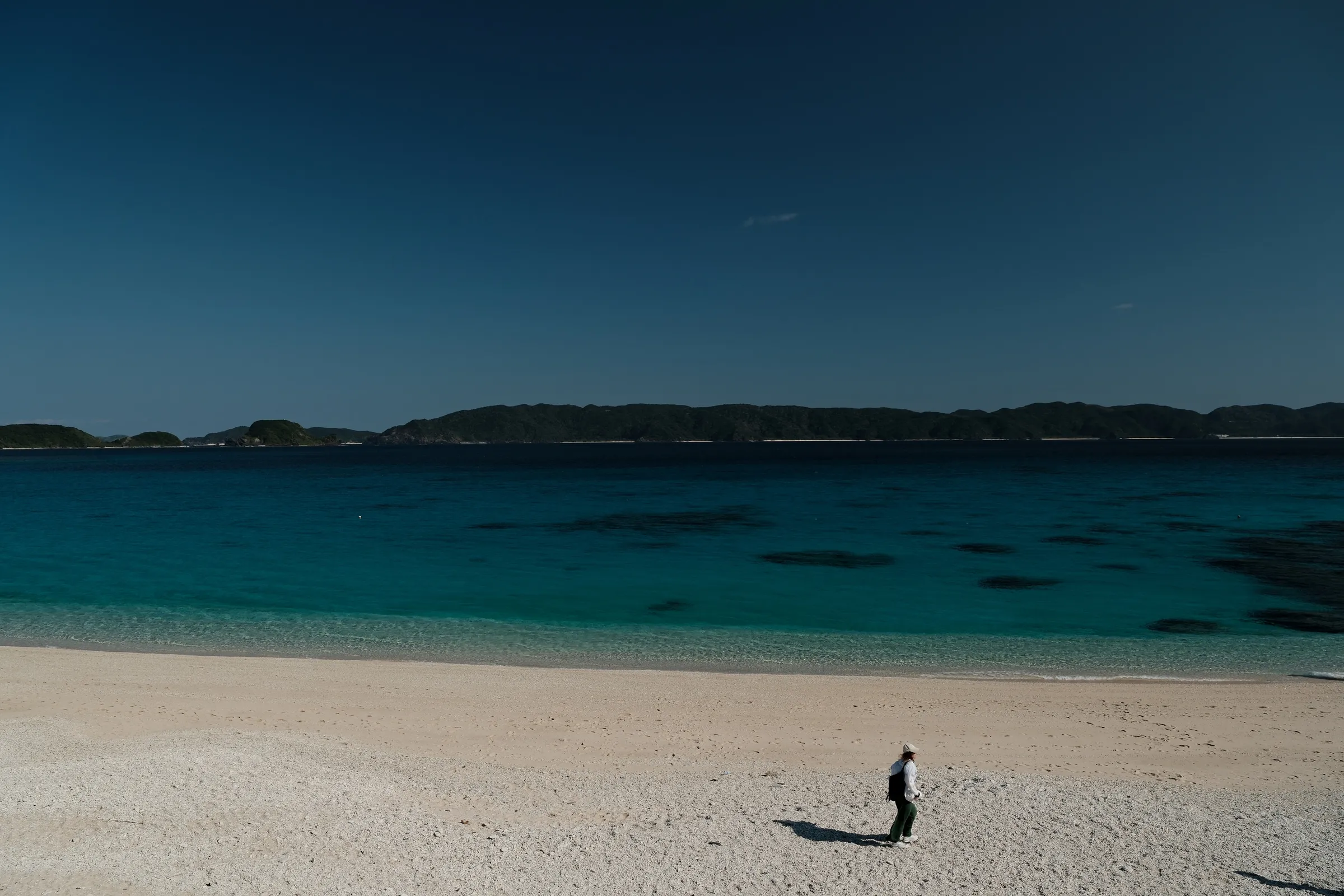
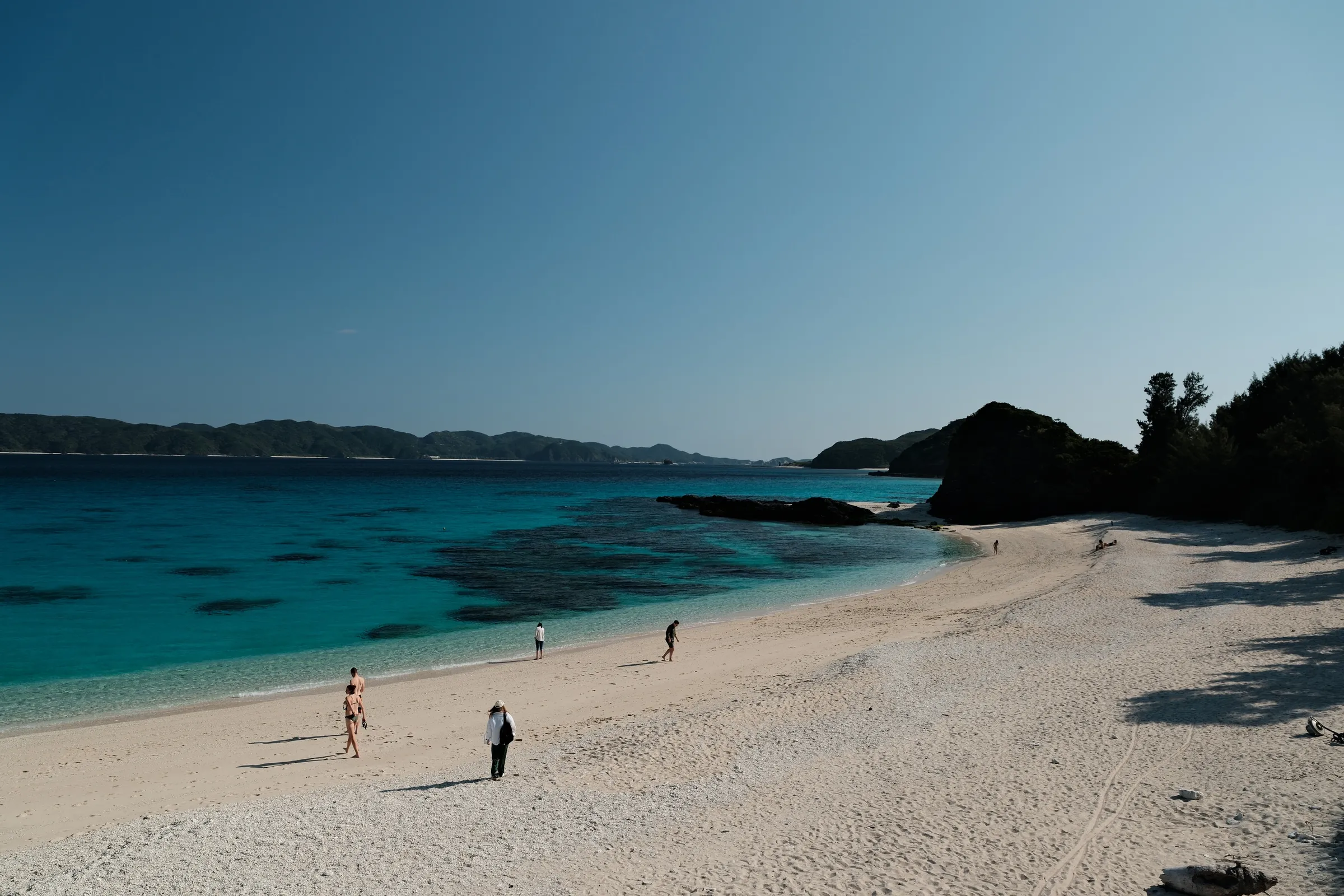
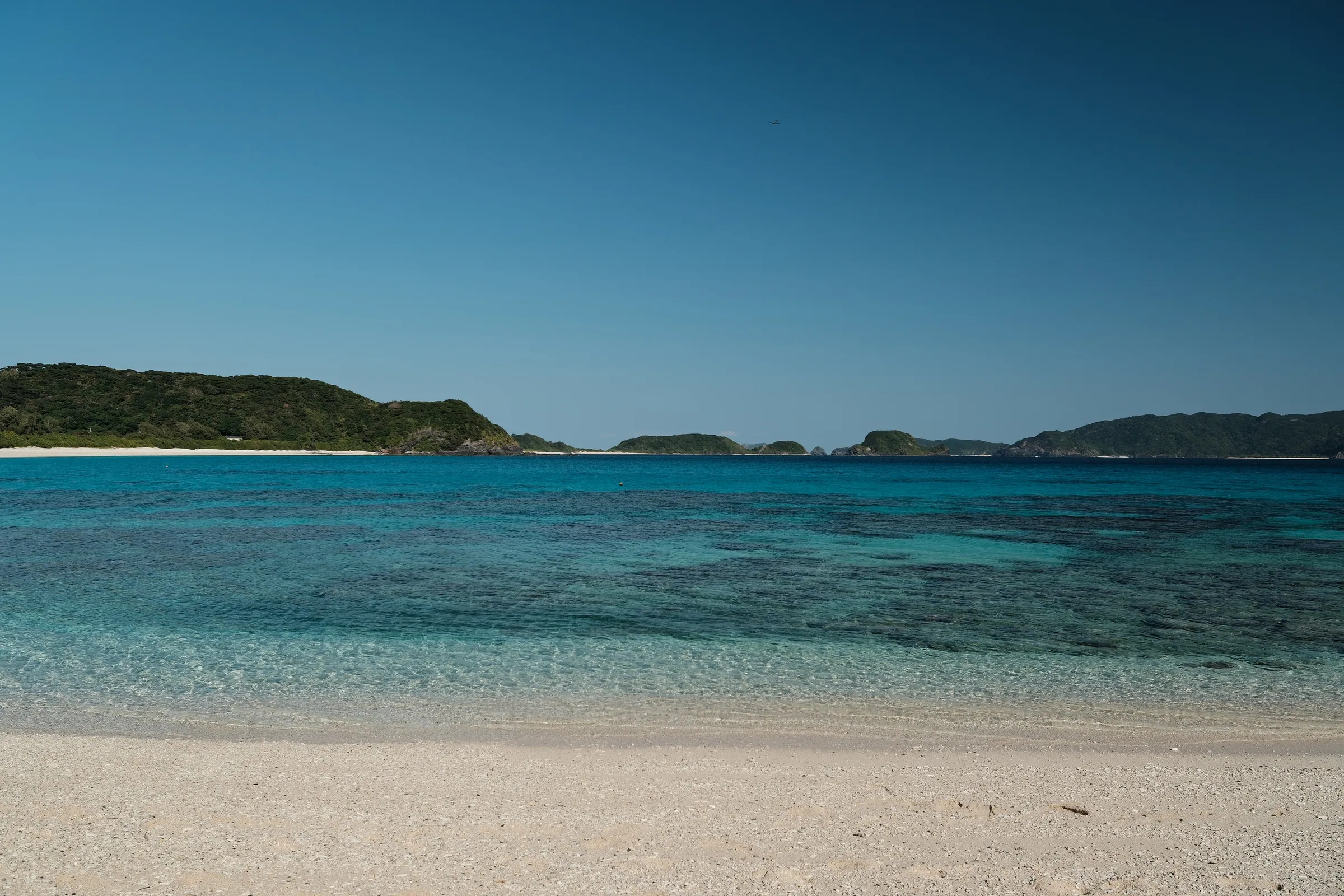
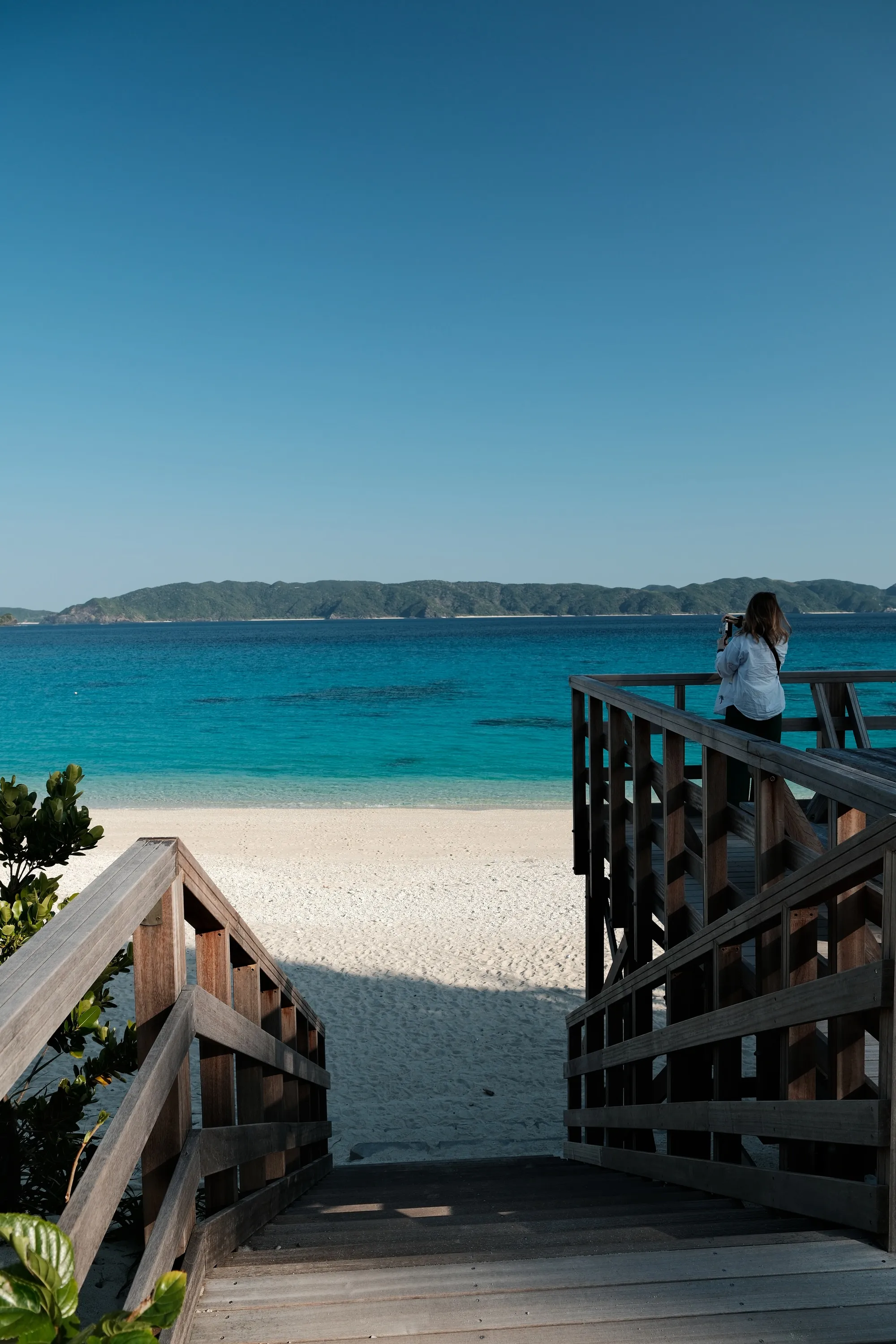
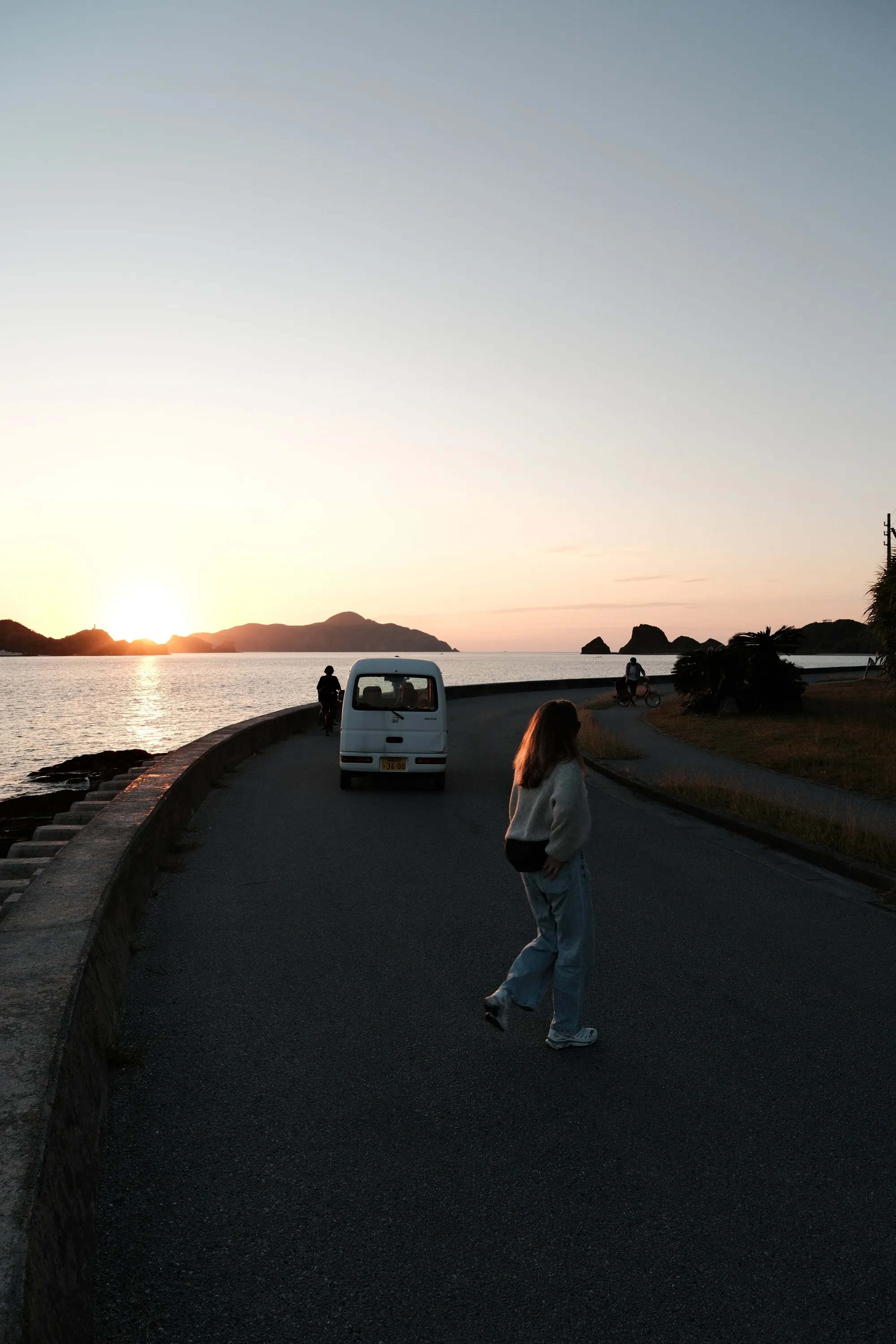
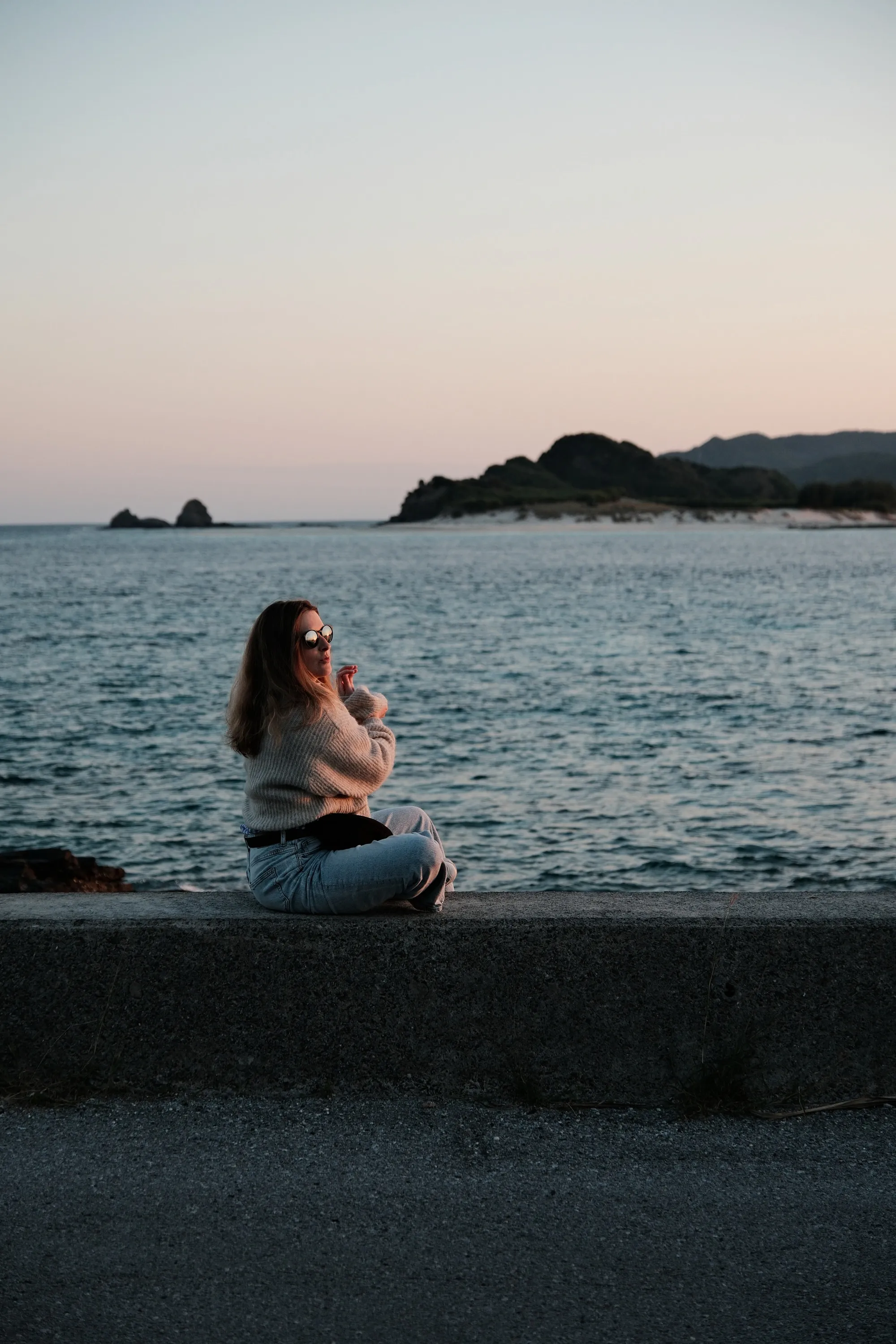
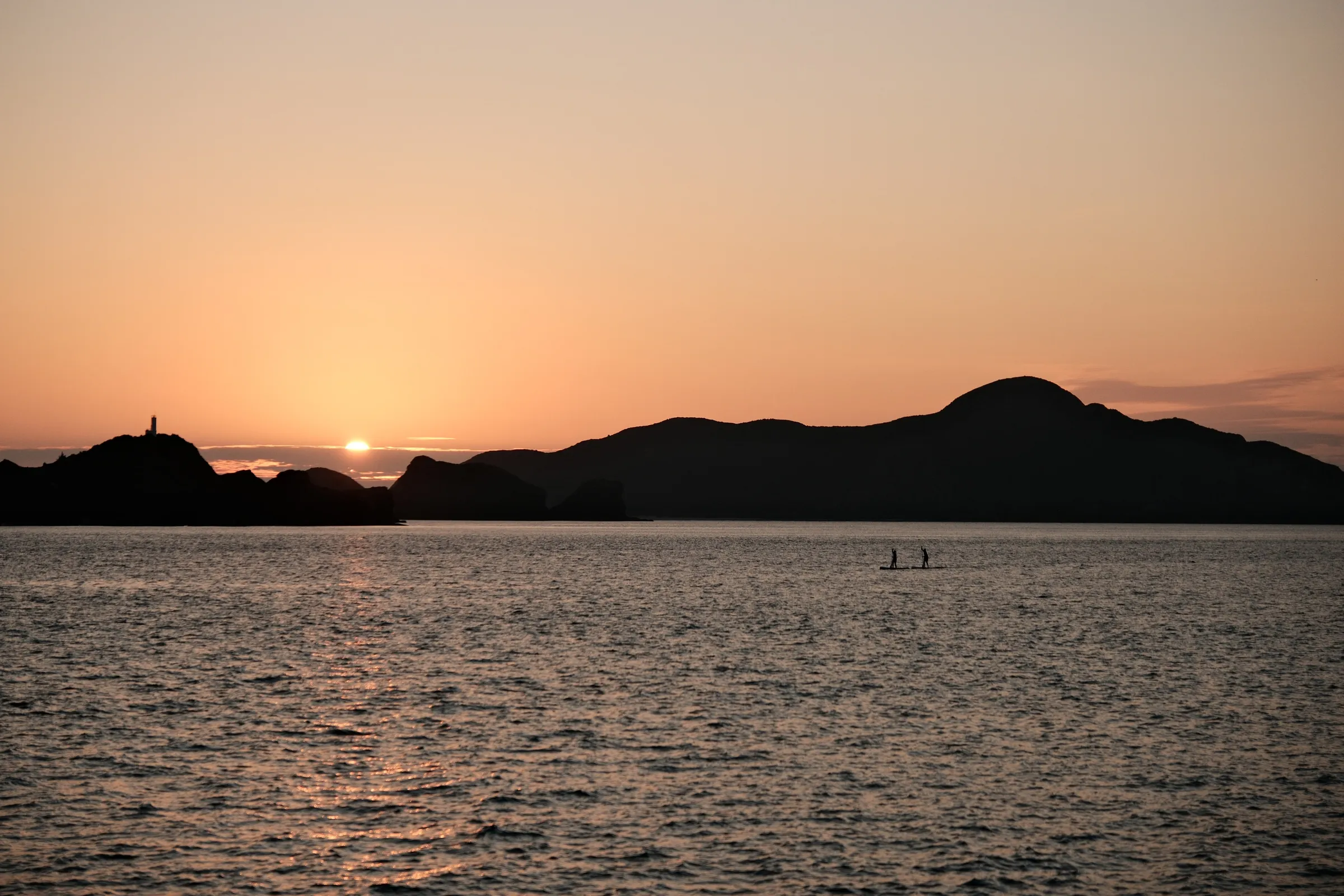
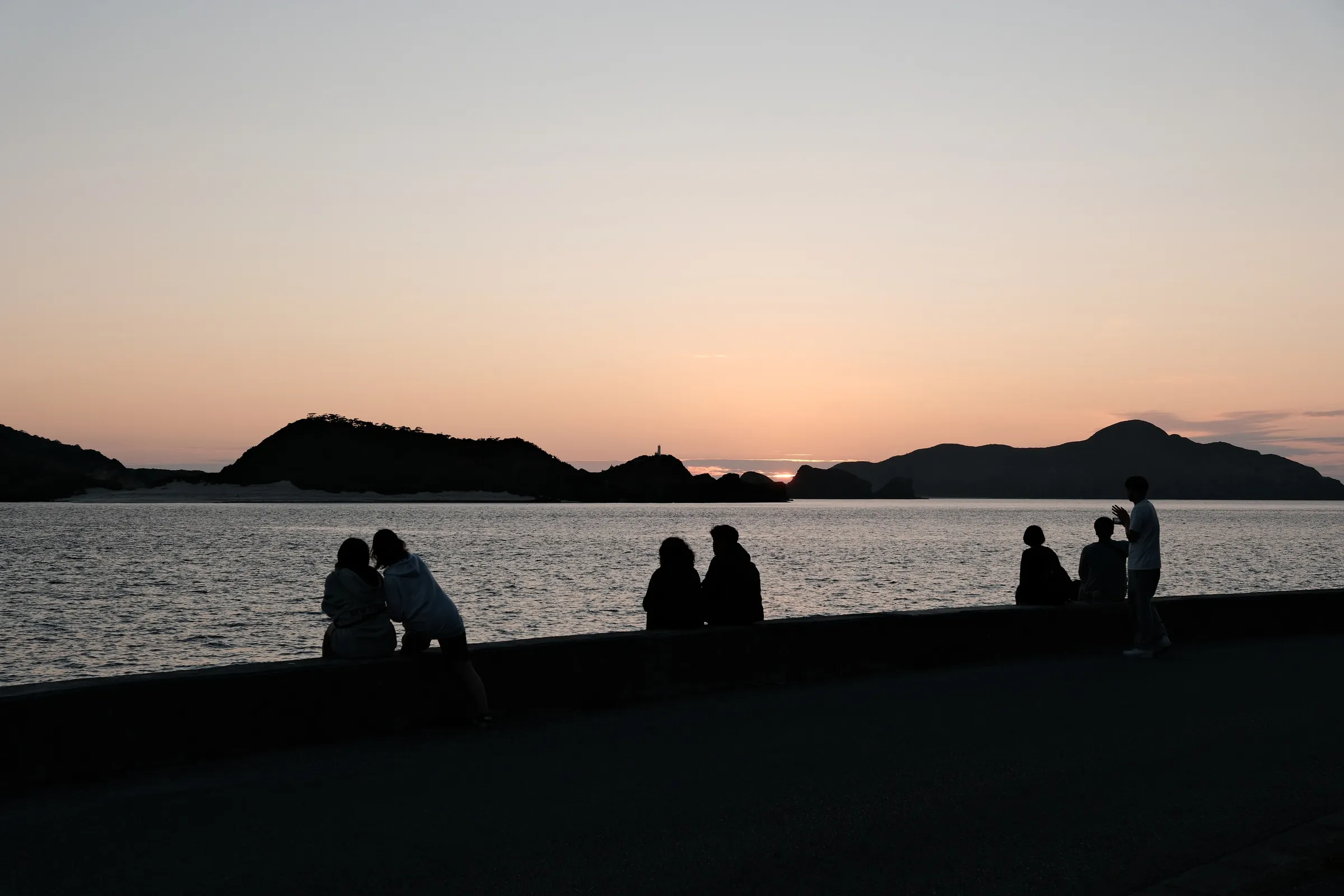
Zamami is part of the Kerama islands, right next to the Okinawa main island. It is all about viewpoints and water: bicycles and scooters, white beaches, layered islands, clear turquoise bays, and a sunset that slows everything down. Small enough to cross in a day, expansive enough to keep you stopping. I don't have many pictures of the Okinawa main island itself, and I won't make a section on it on this page: it is large and very developed, much less charming than all the others we visited.
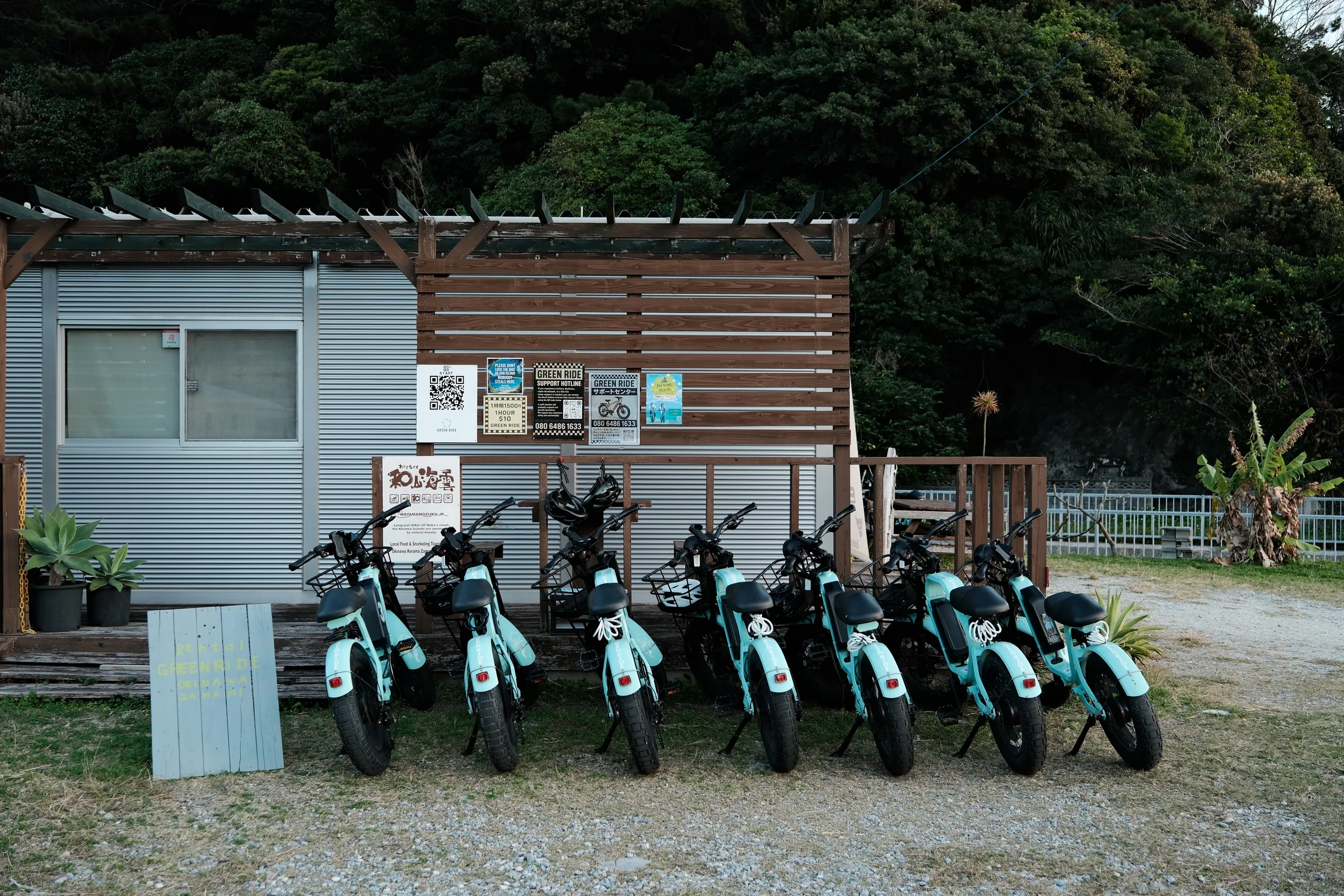 325
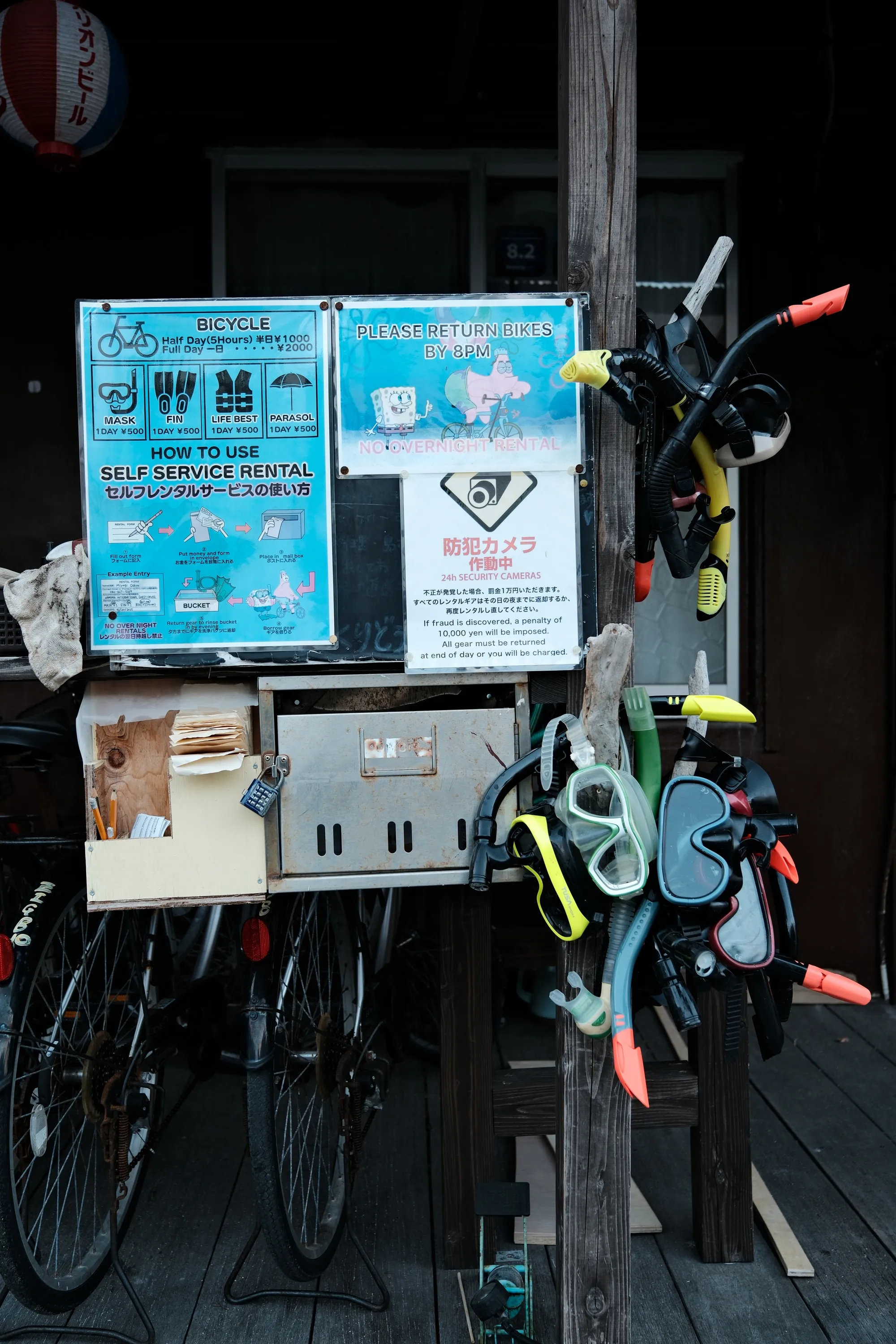 326
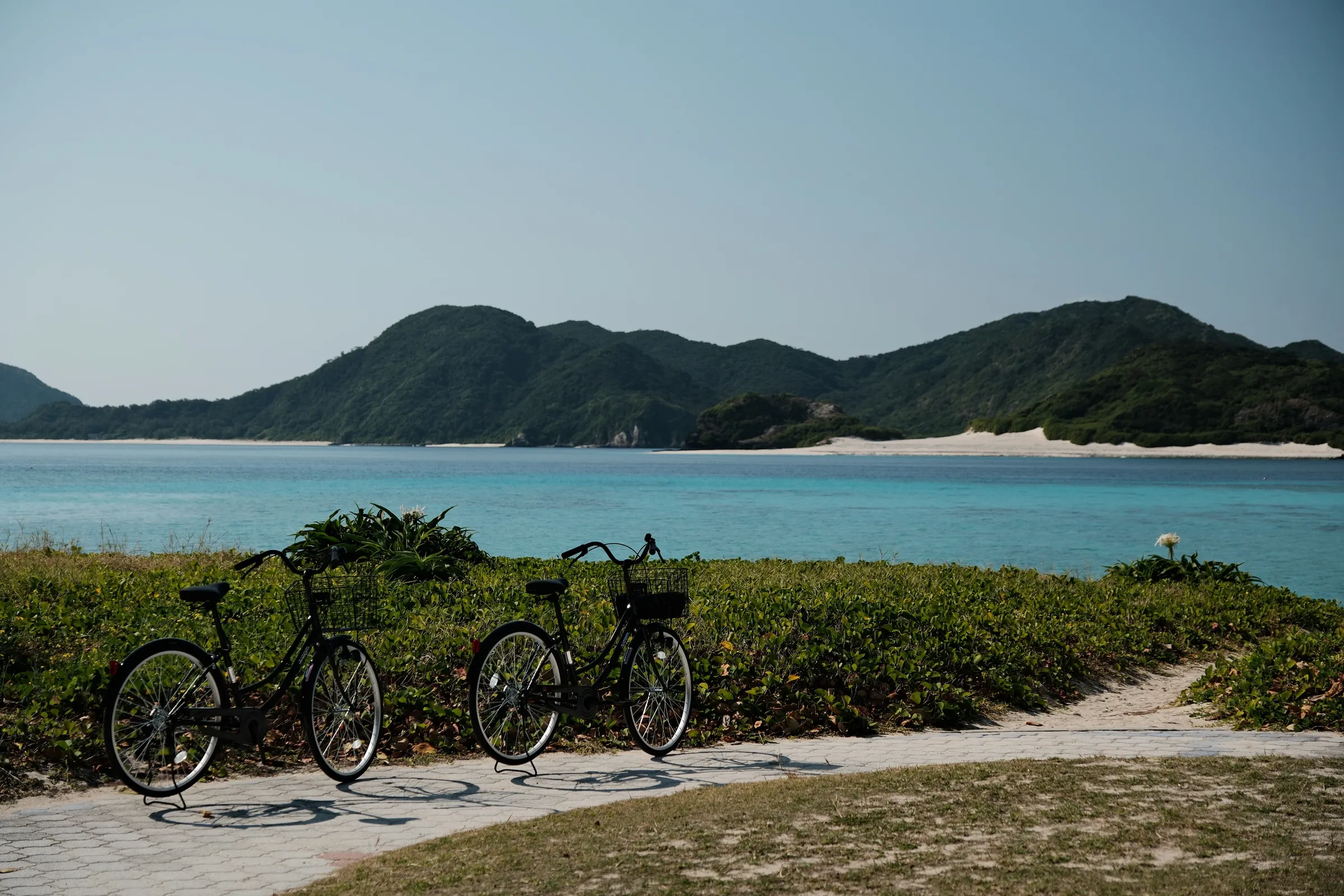 327
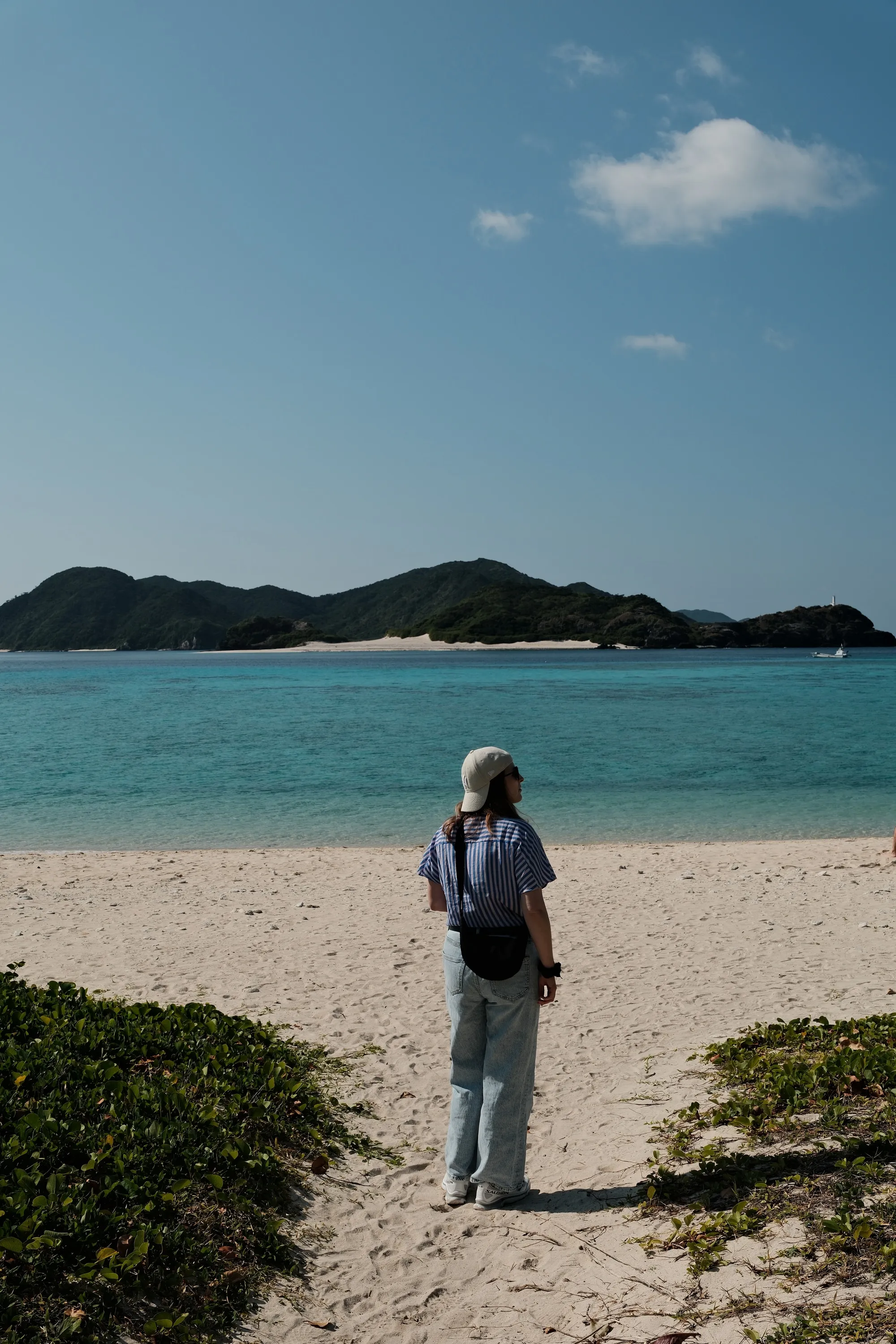 328
 329
 330
 331
 332
 333
 334
 335
 336
 337
 338
 339
 340
 341
 342
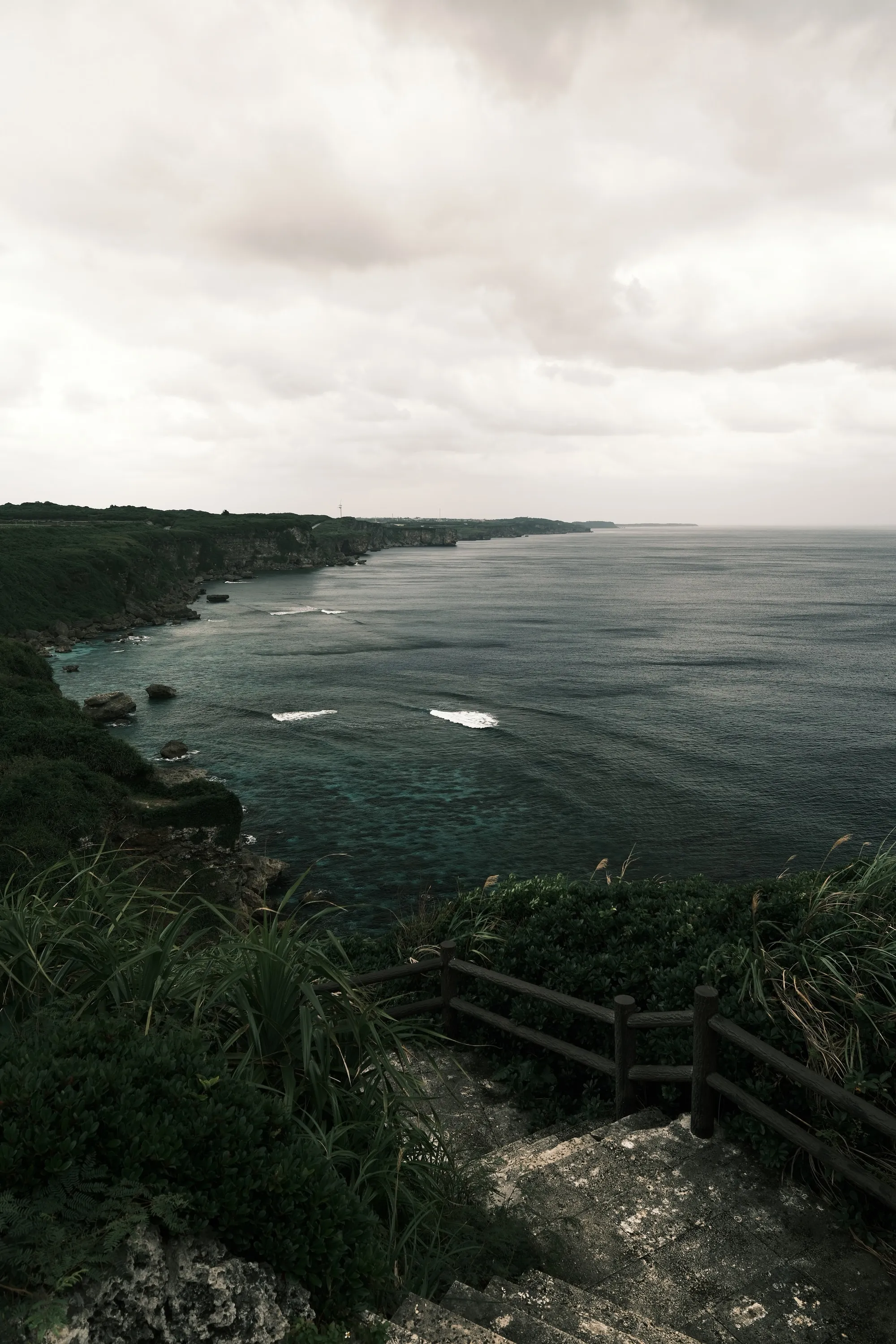
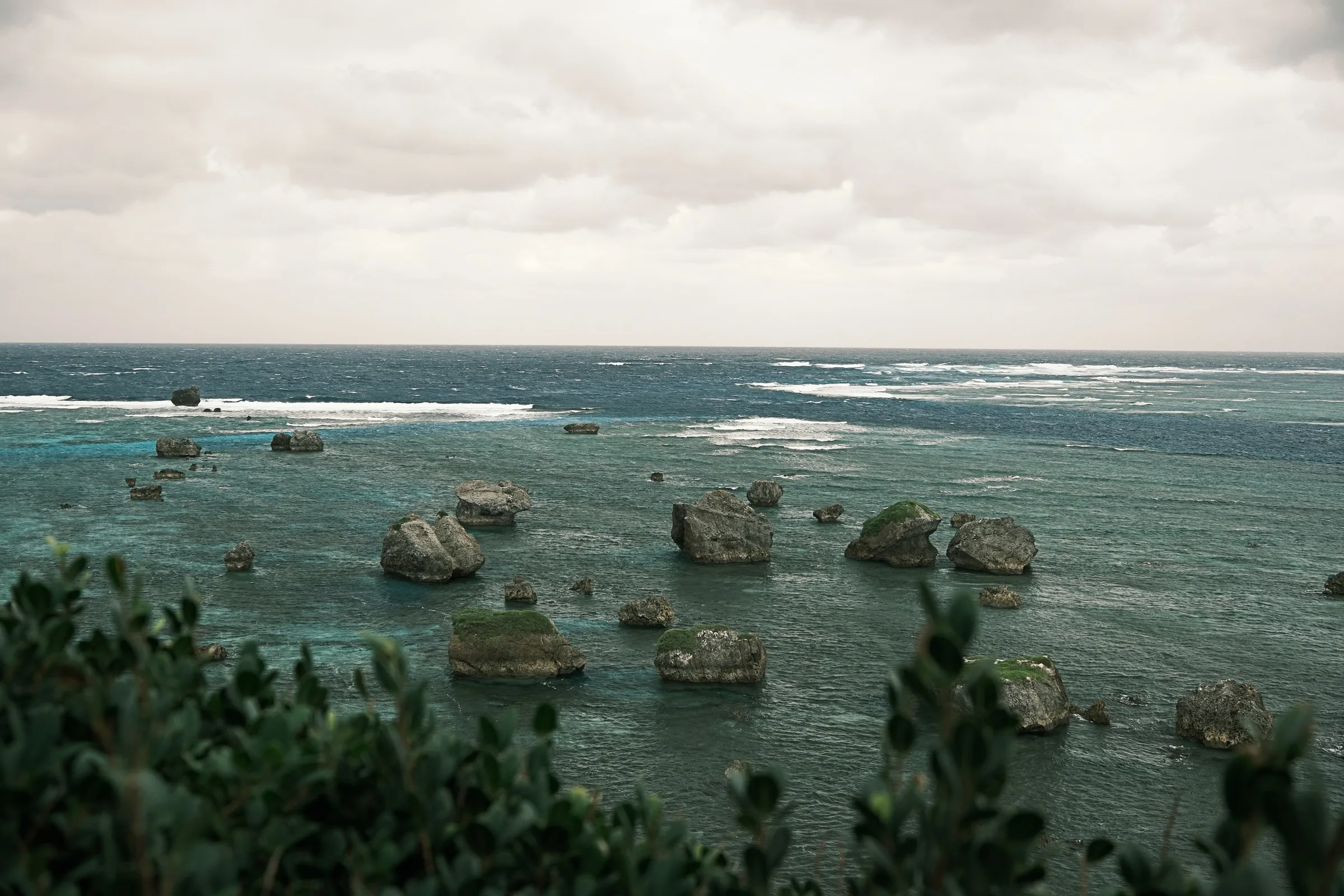
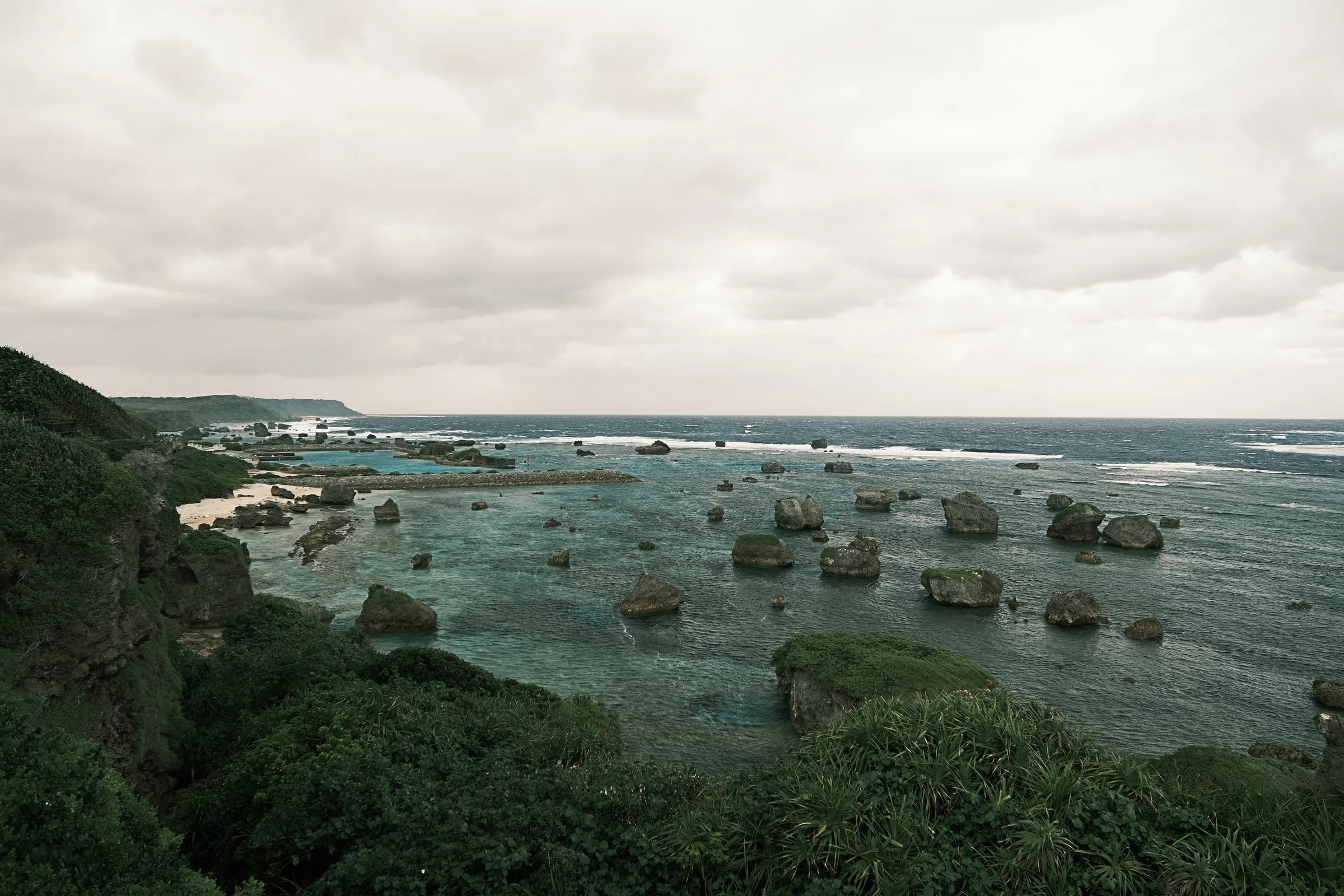
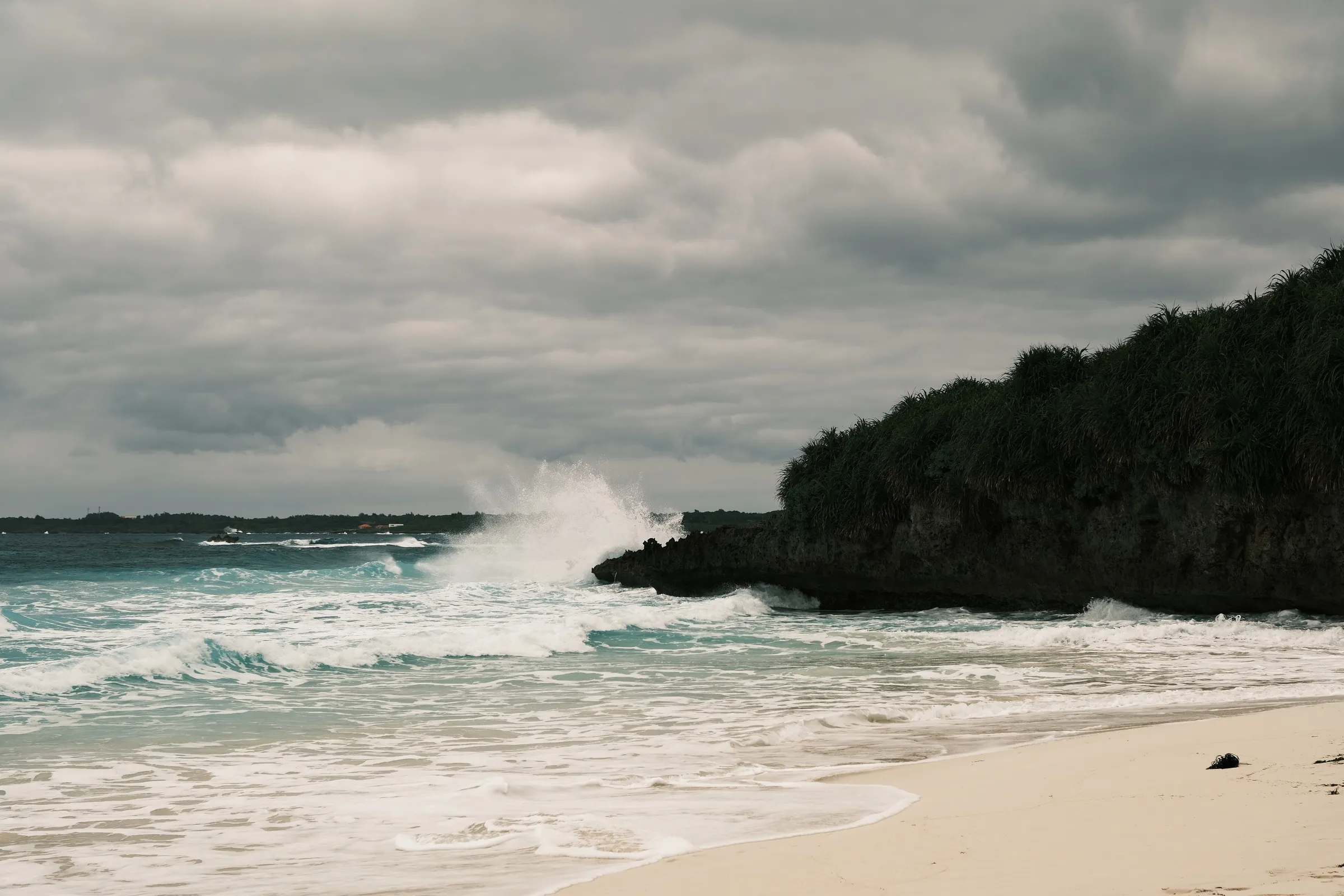
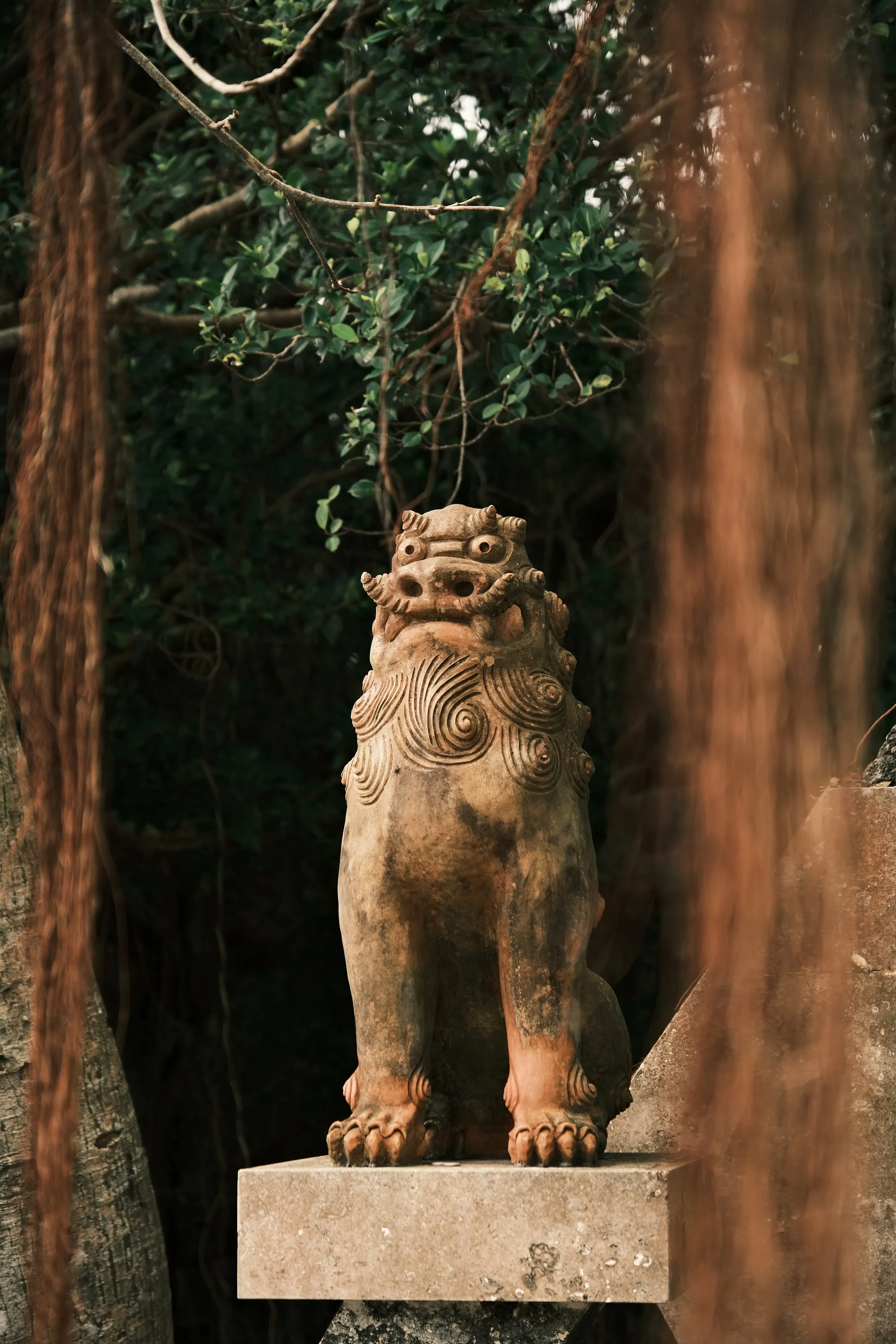
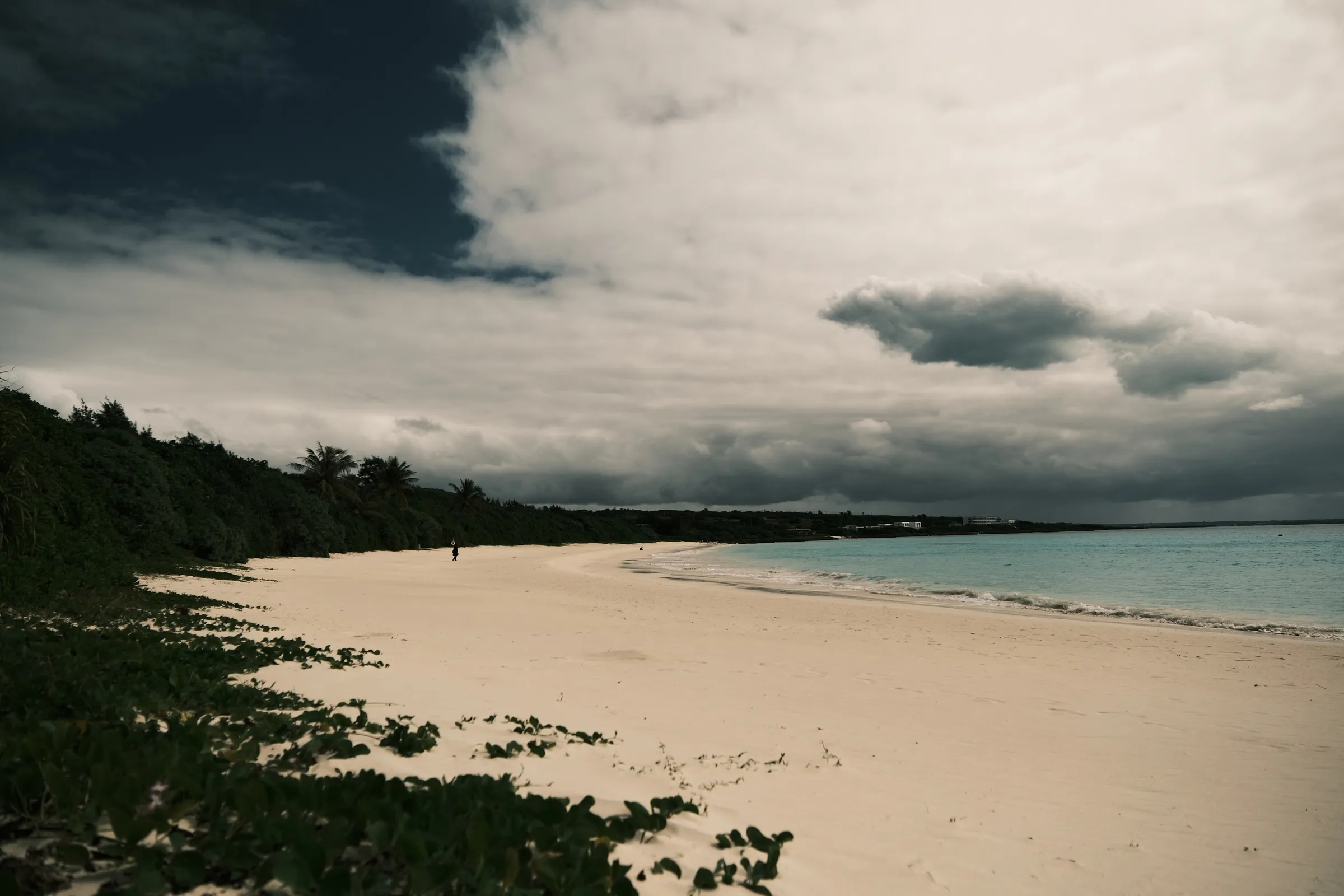
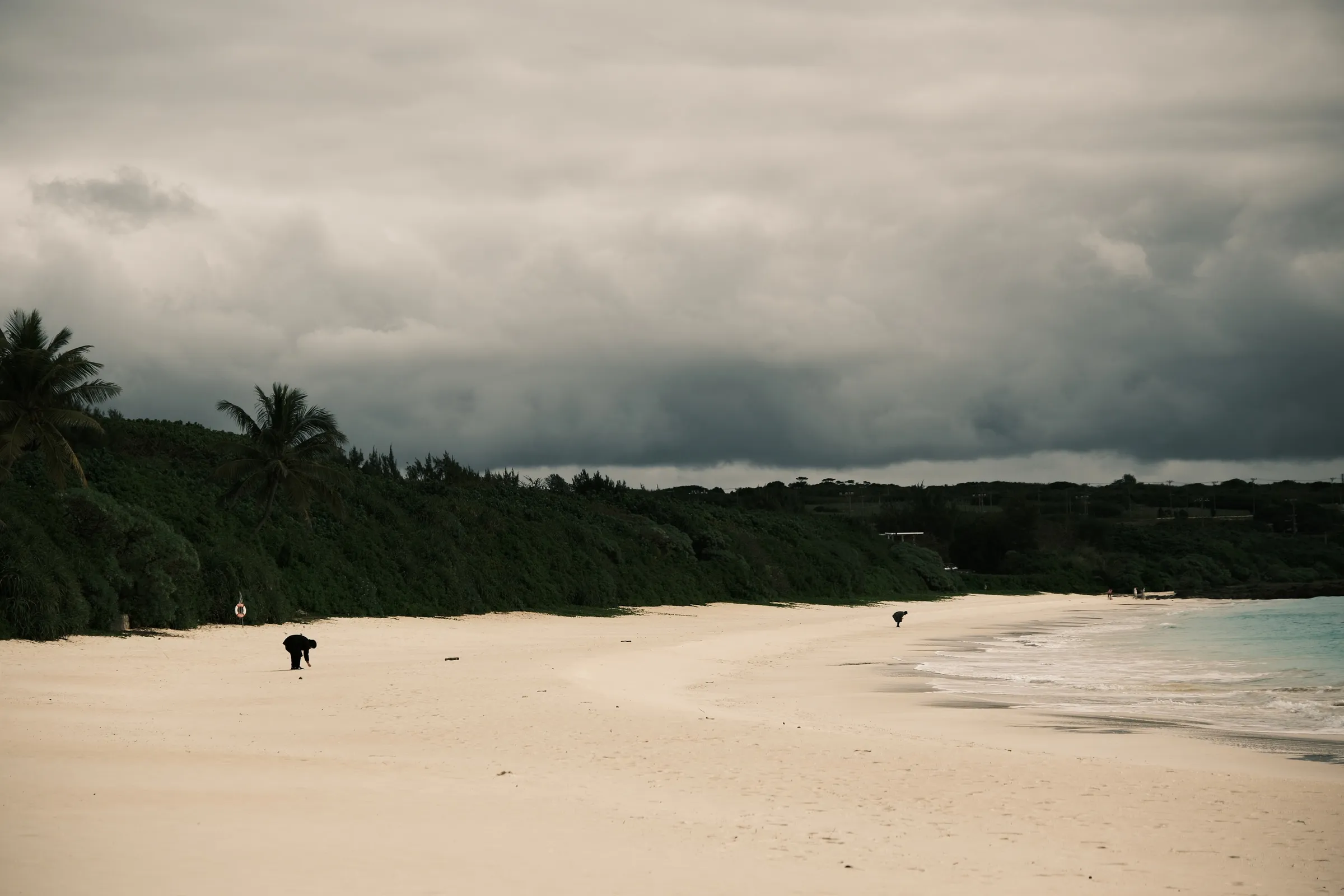
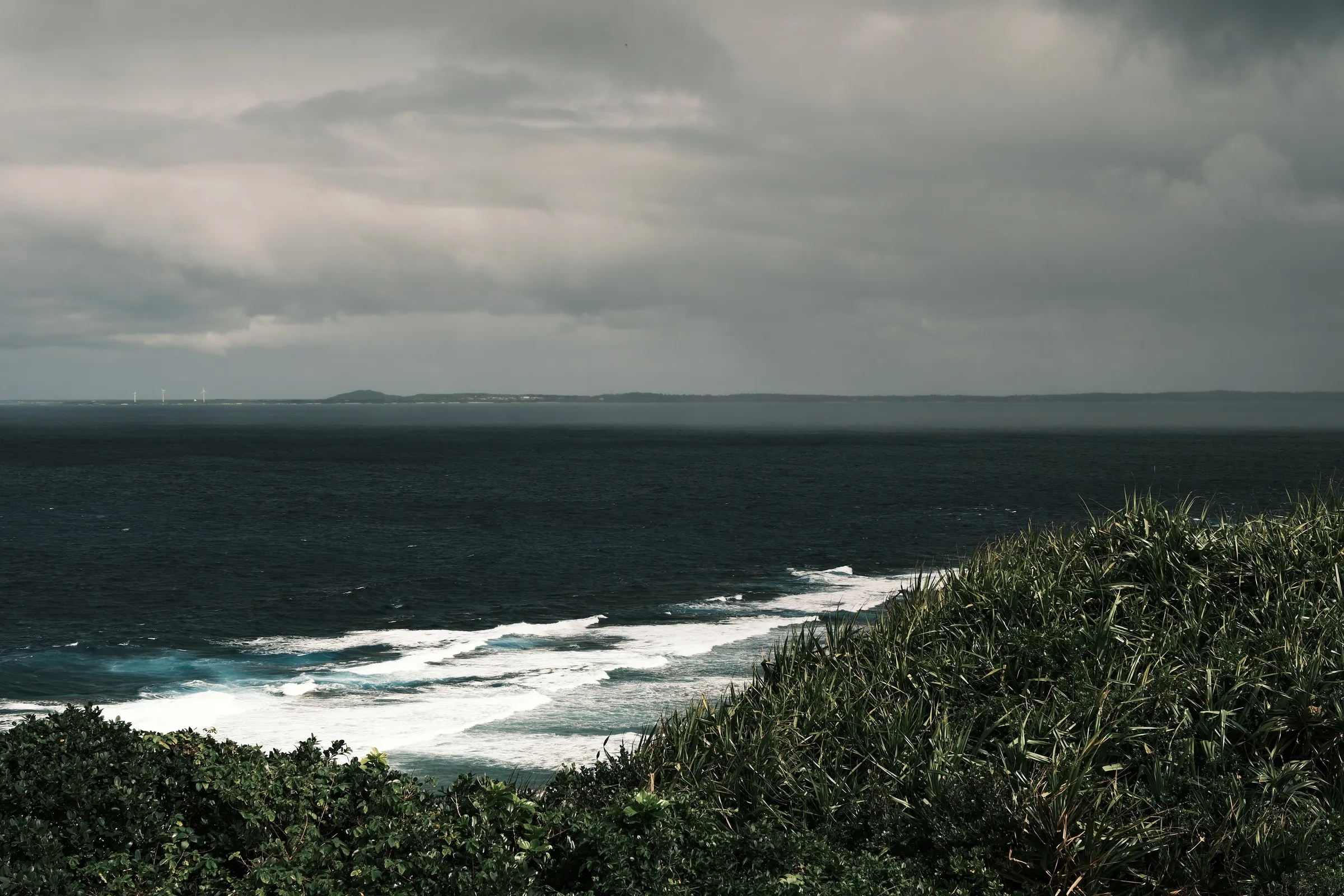
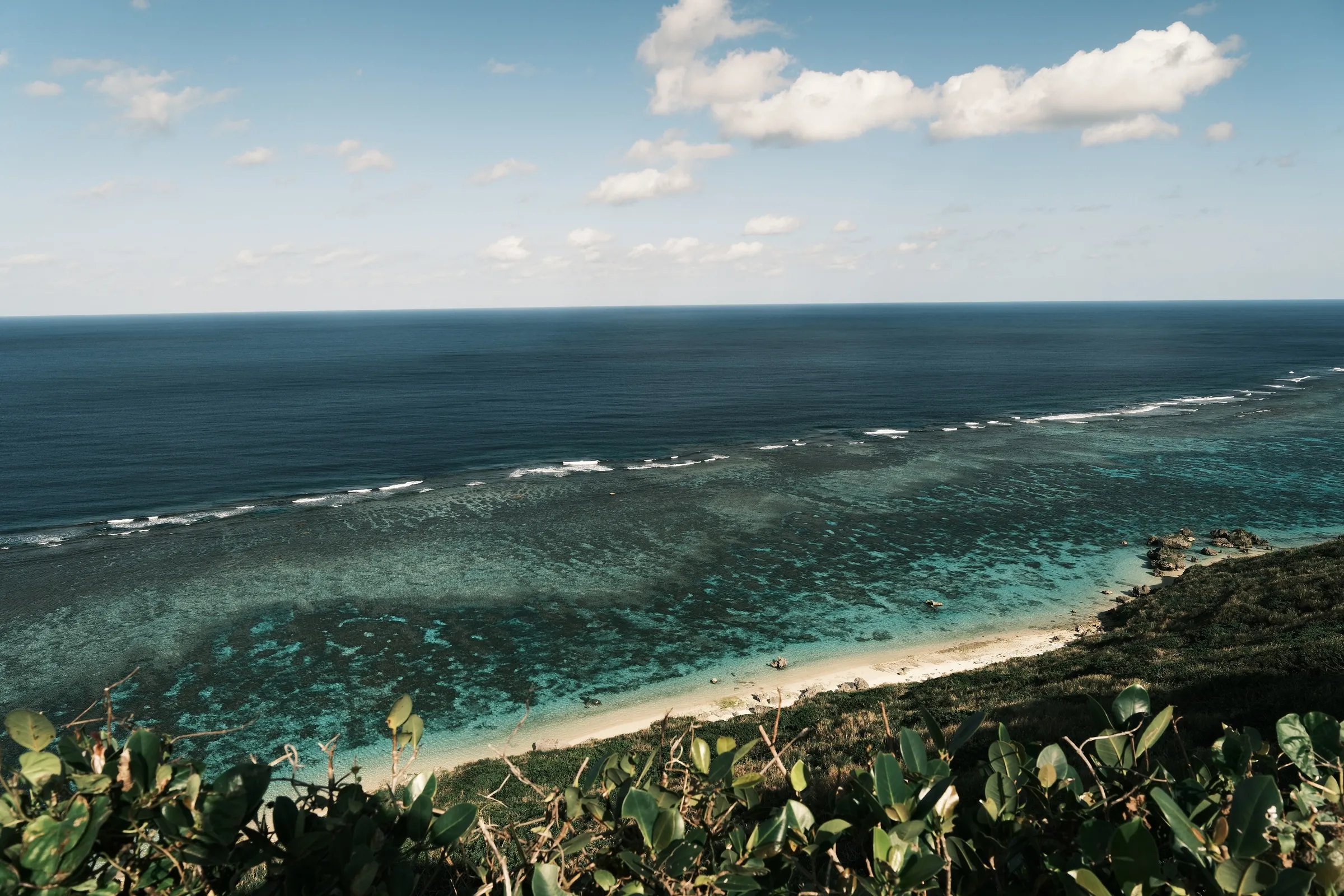
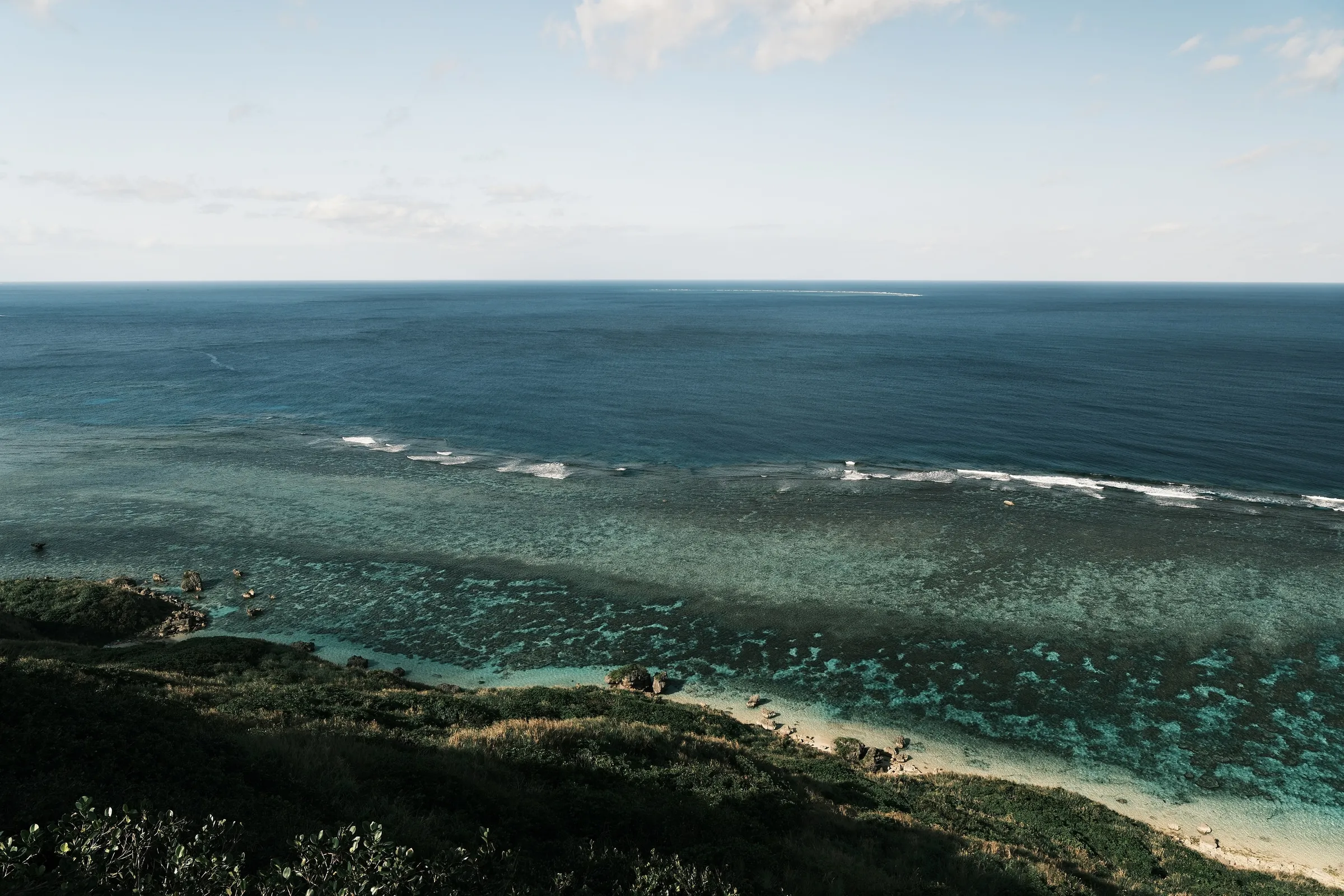
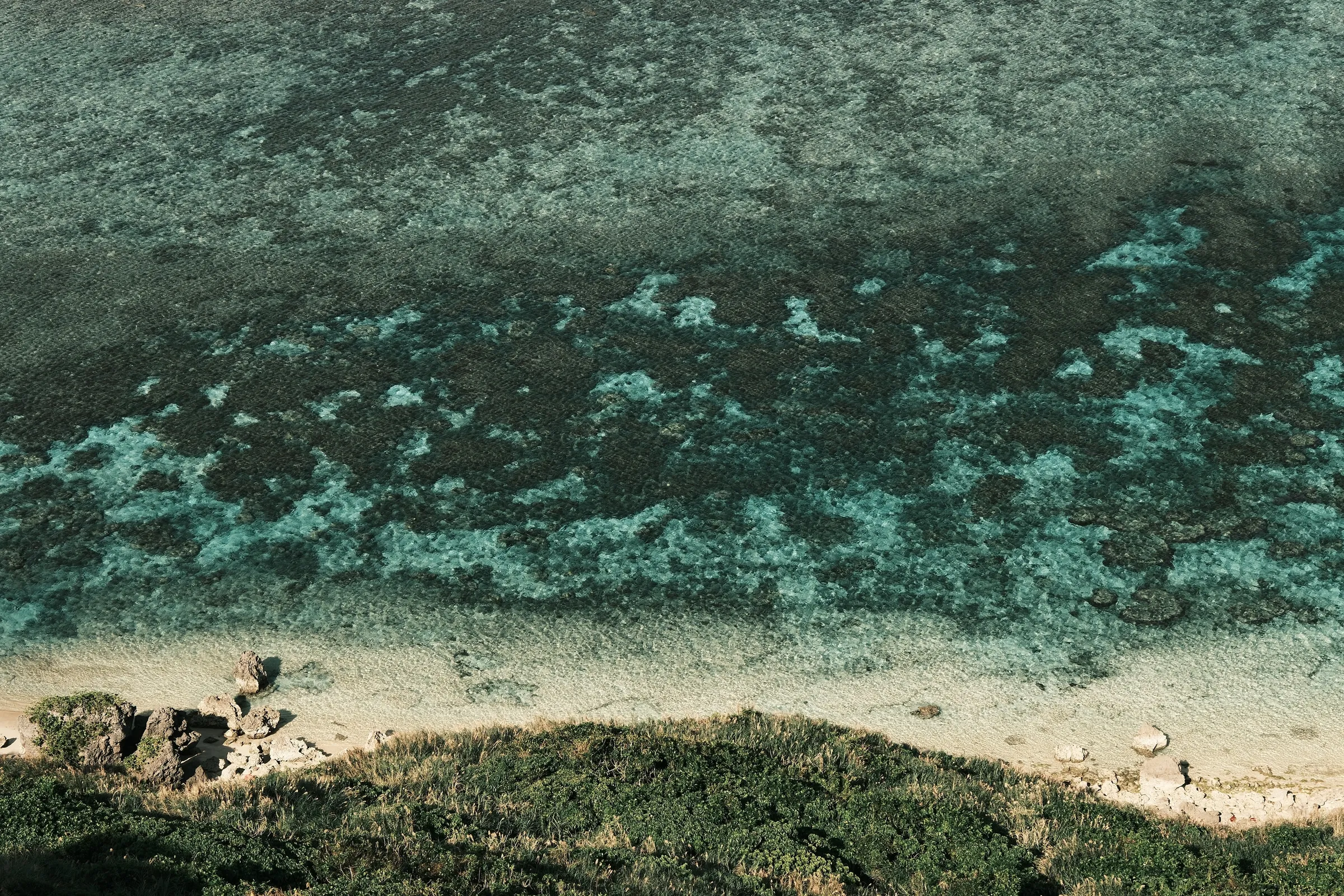
Reef lines and storm light
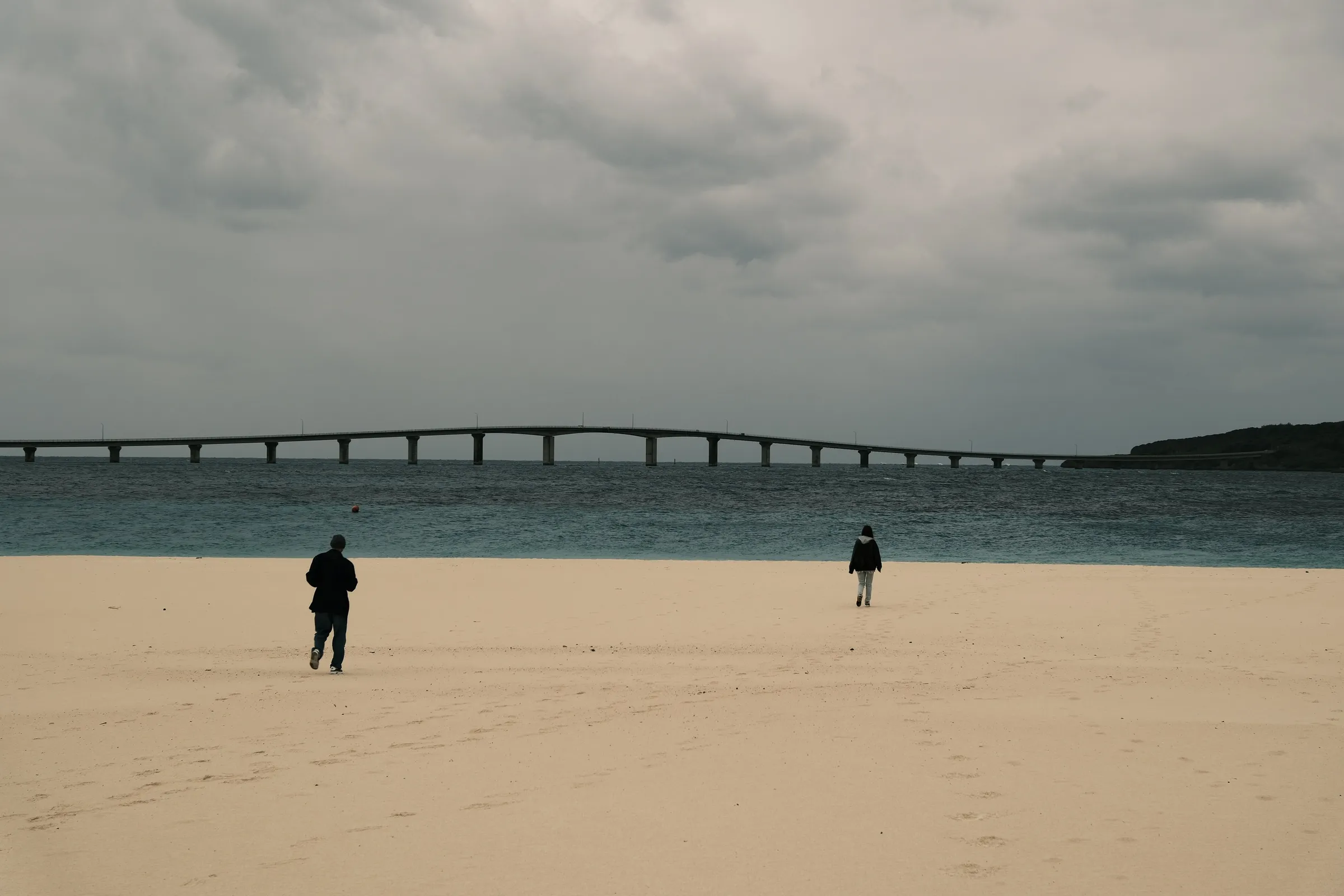
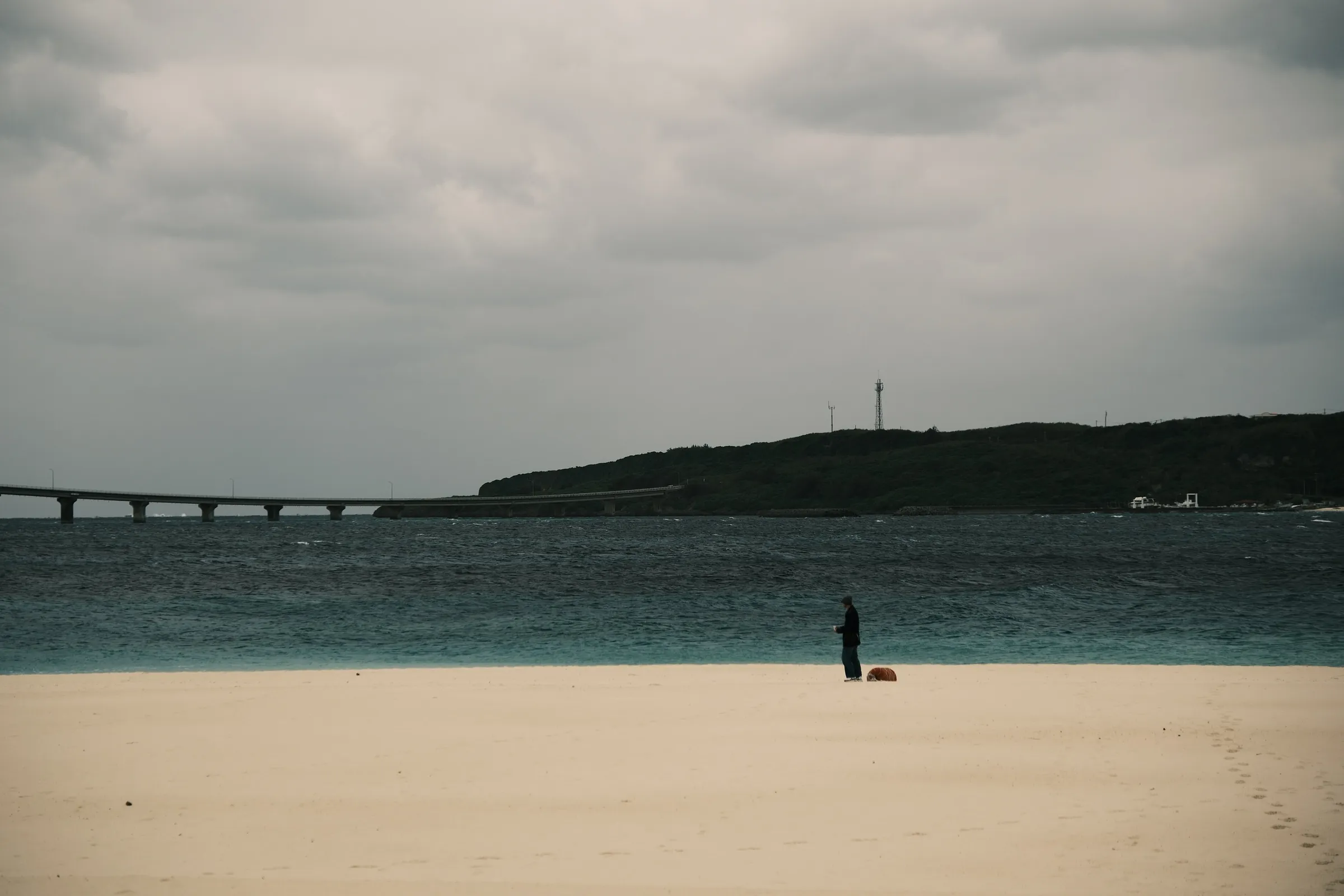
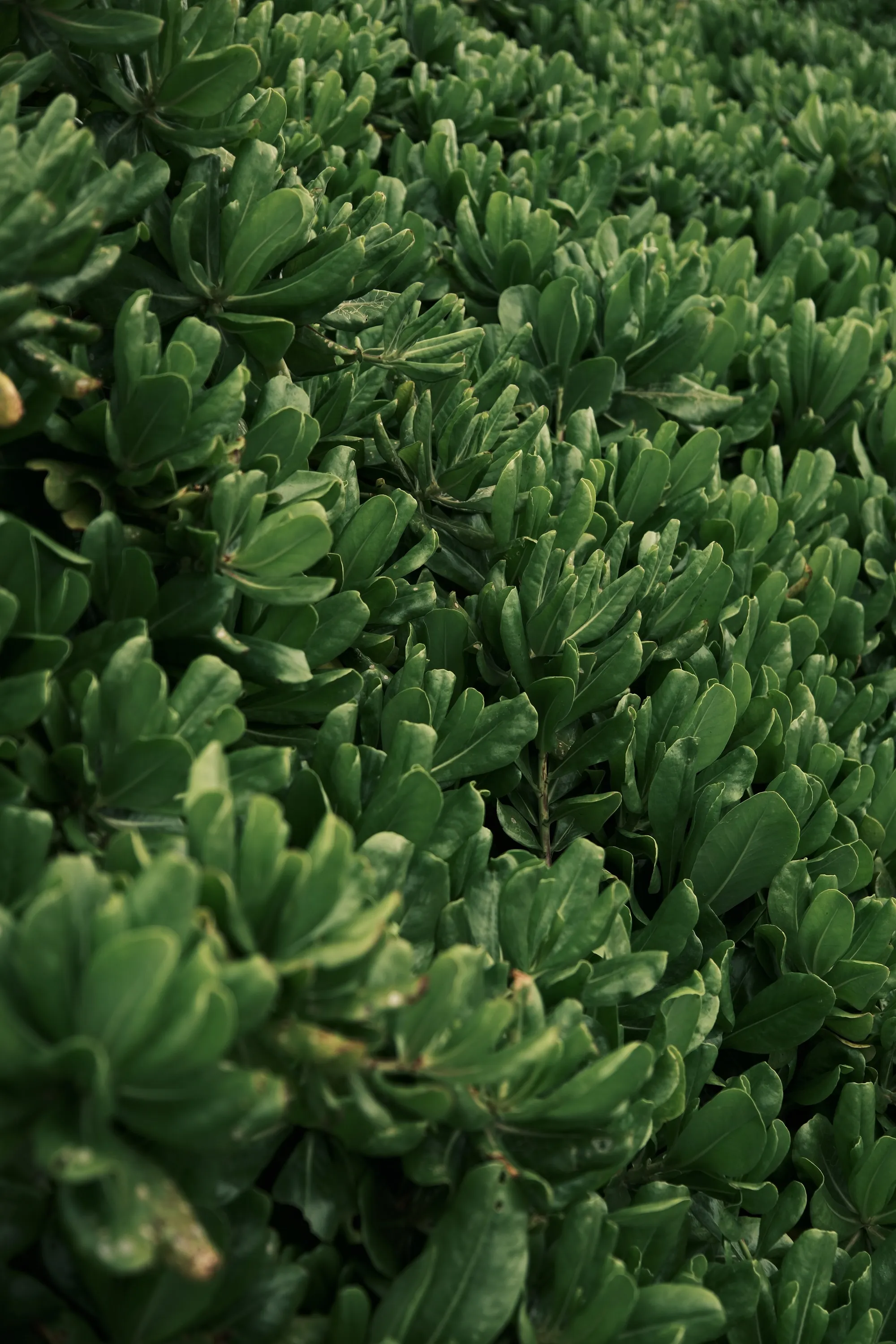
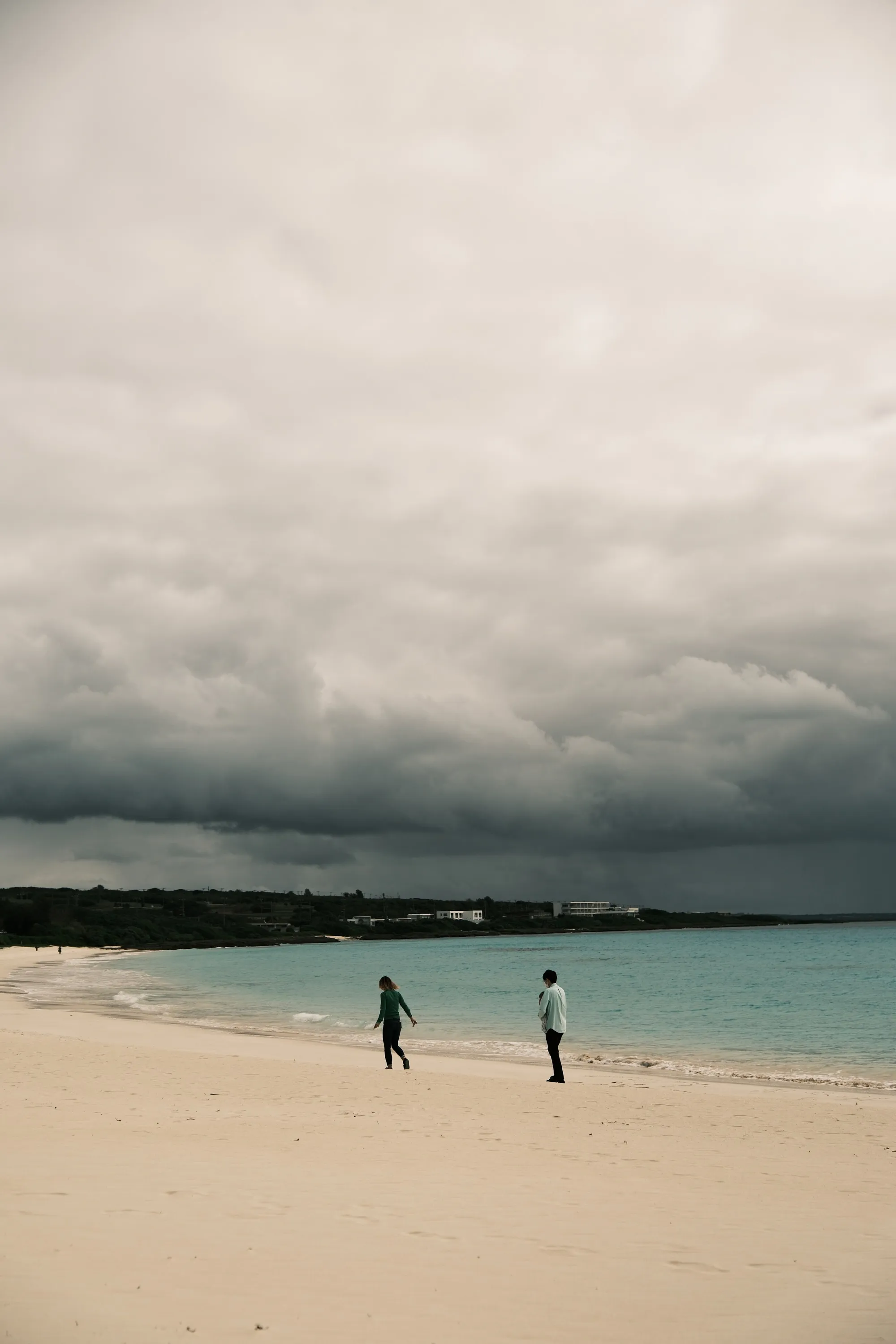
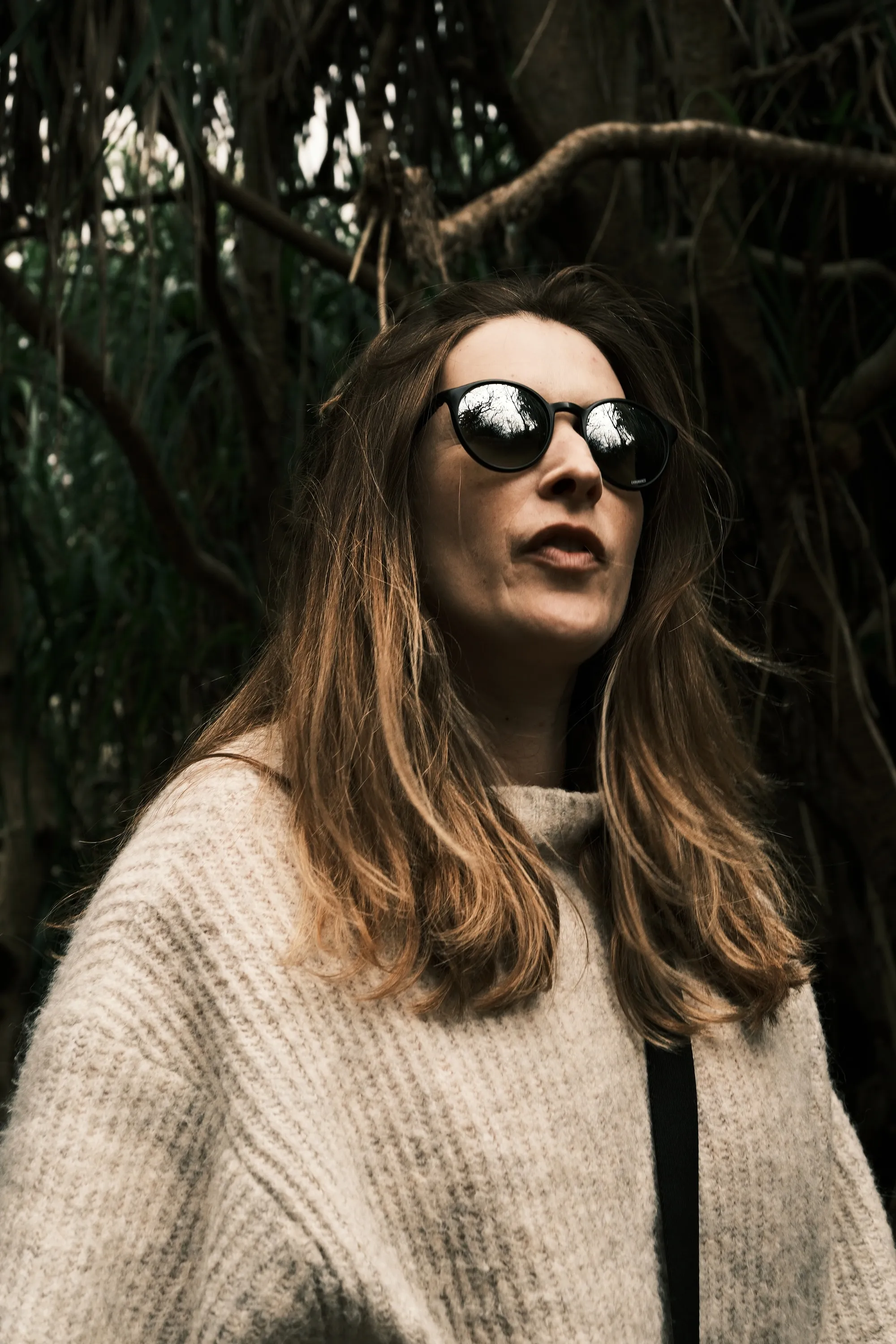
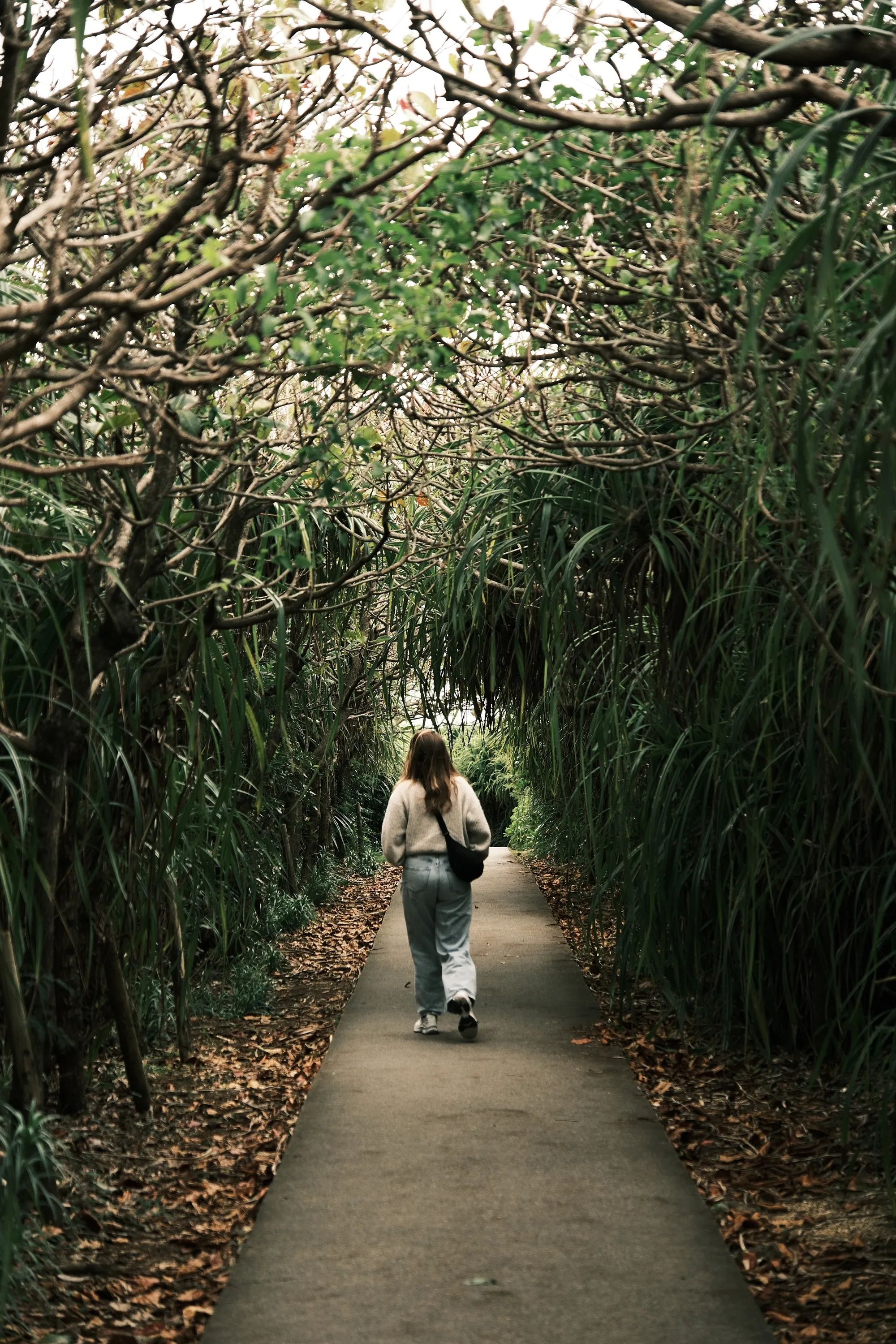
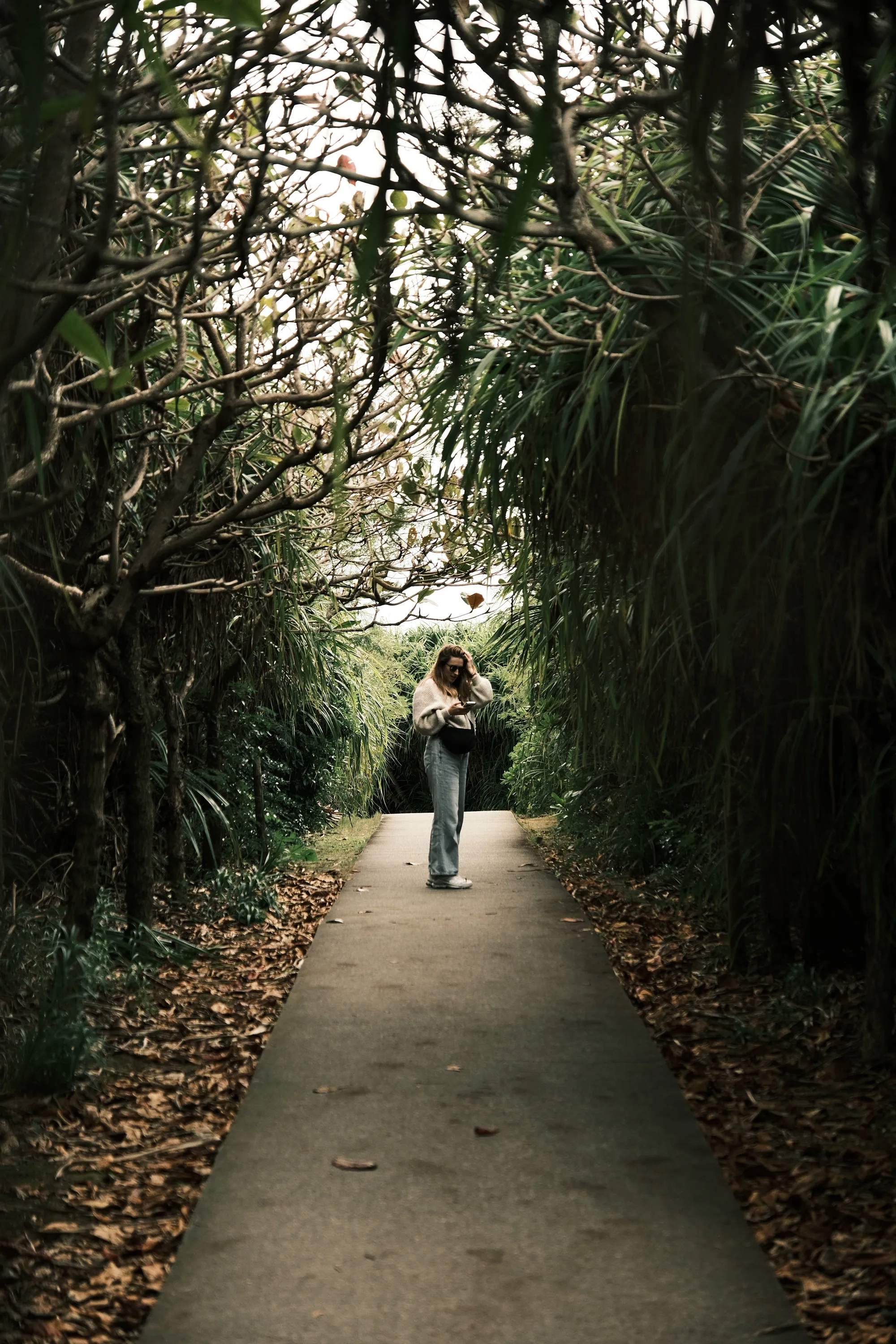
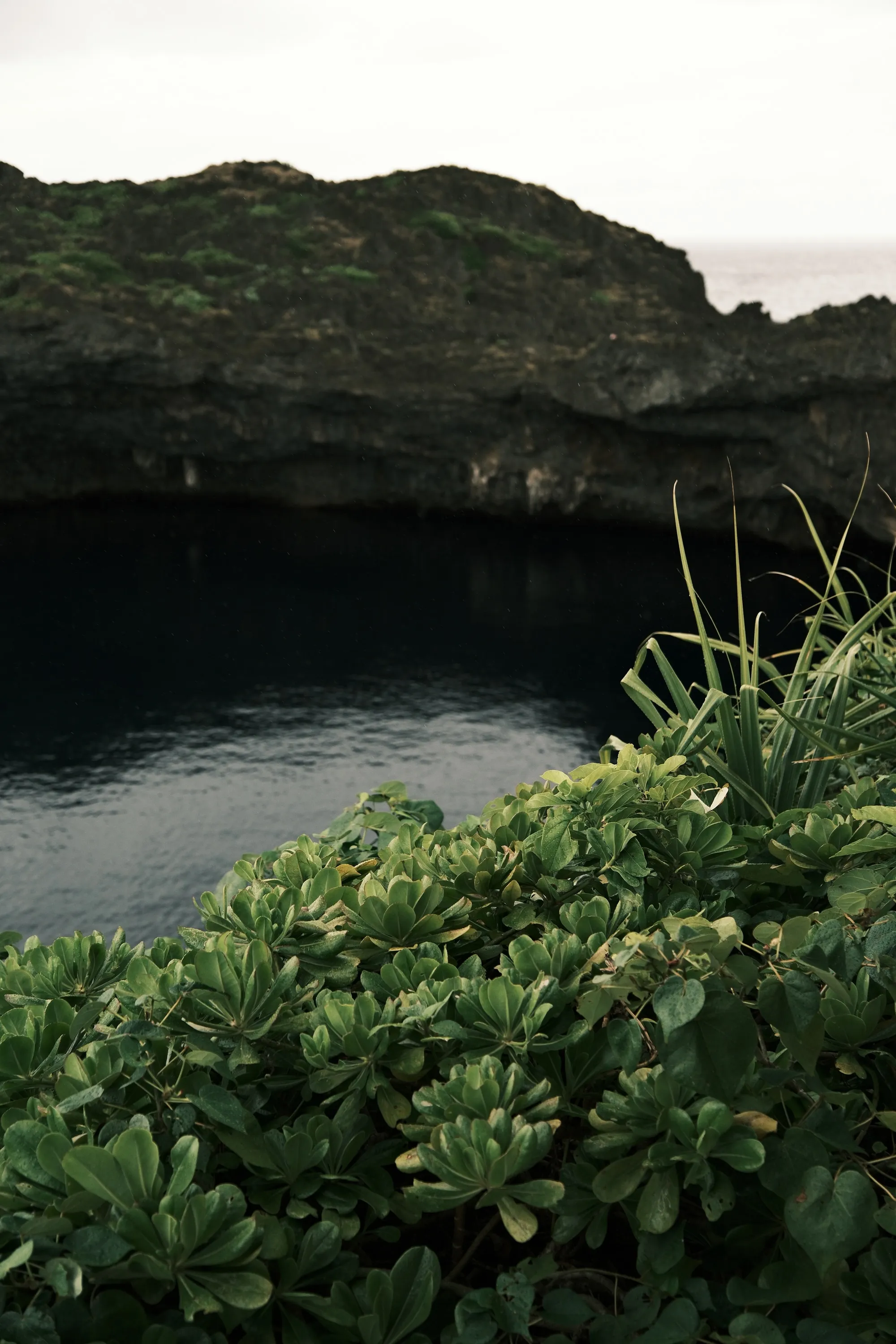
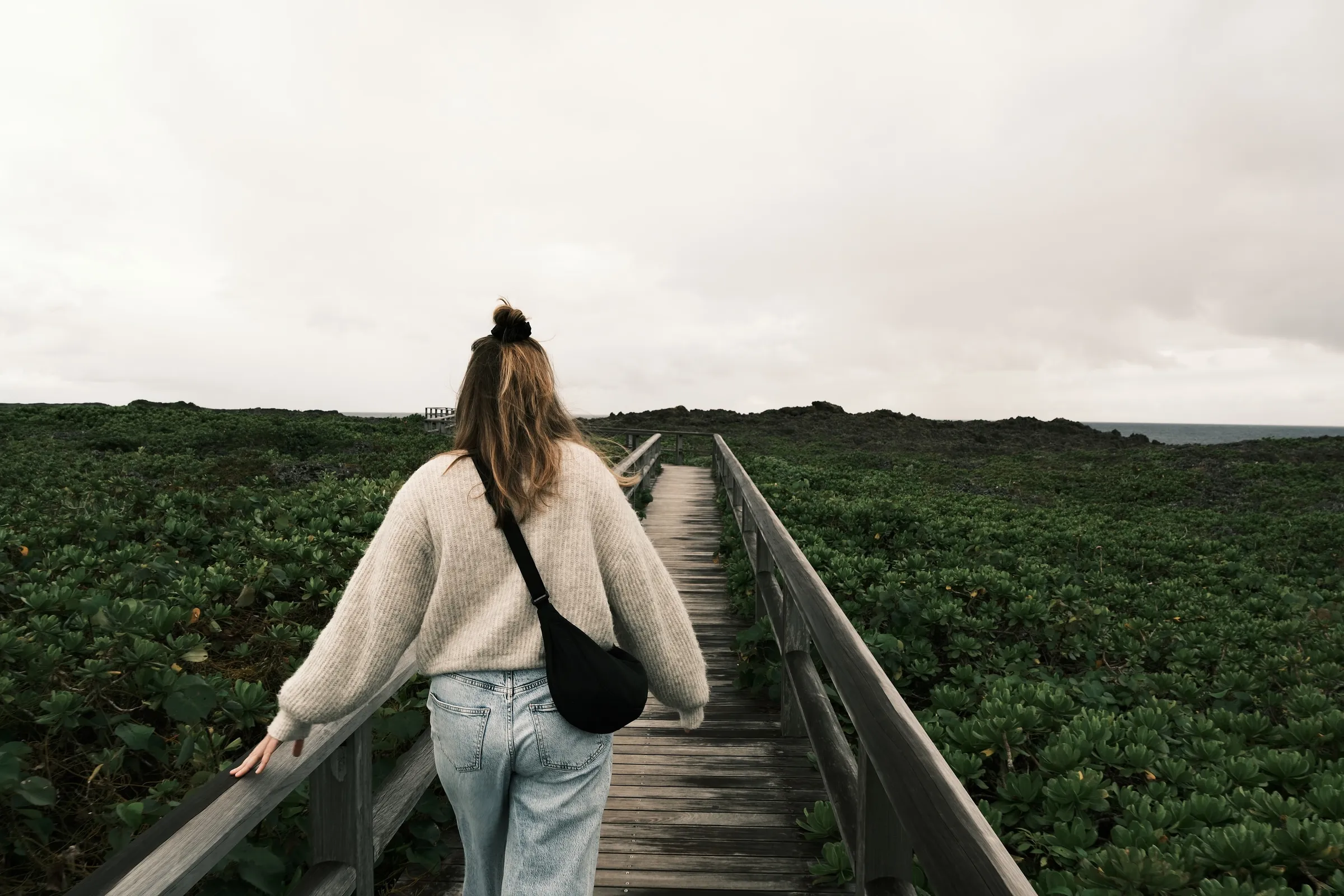
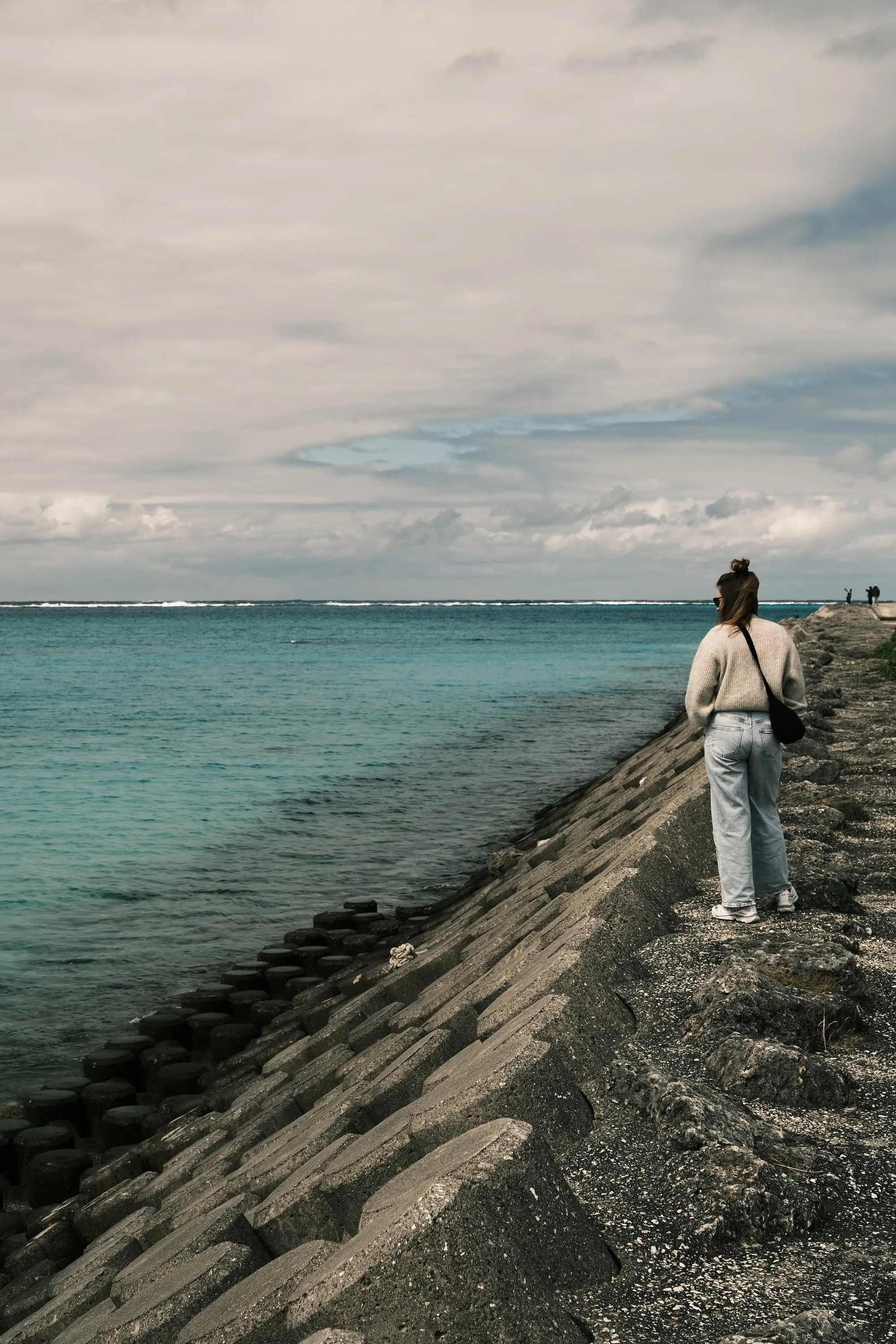
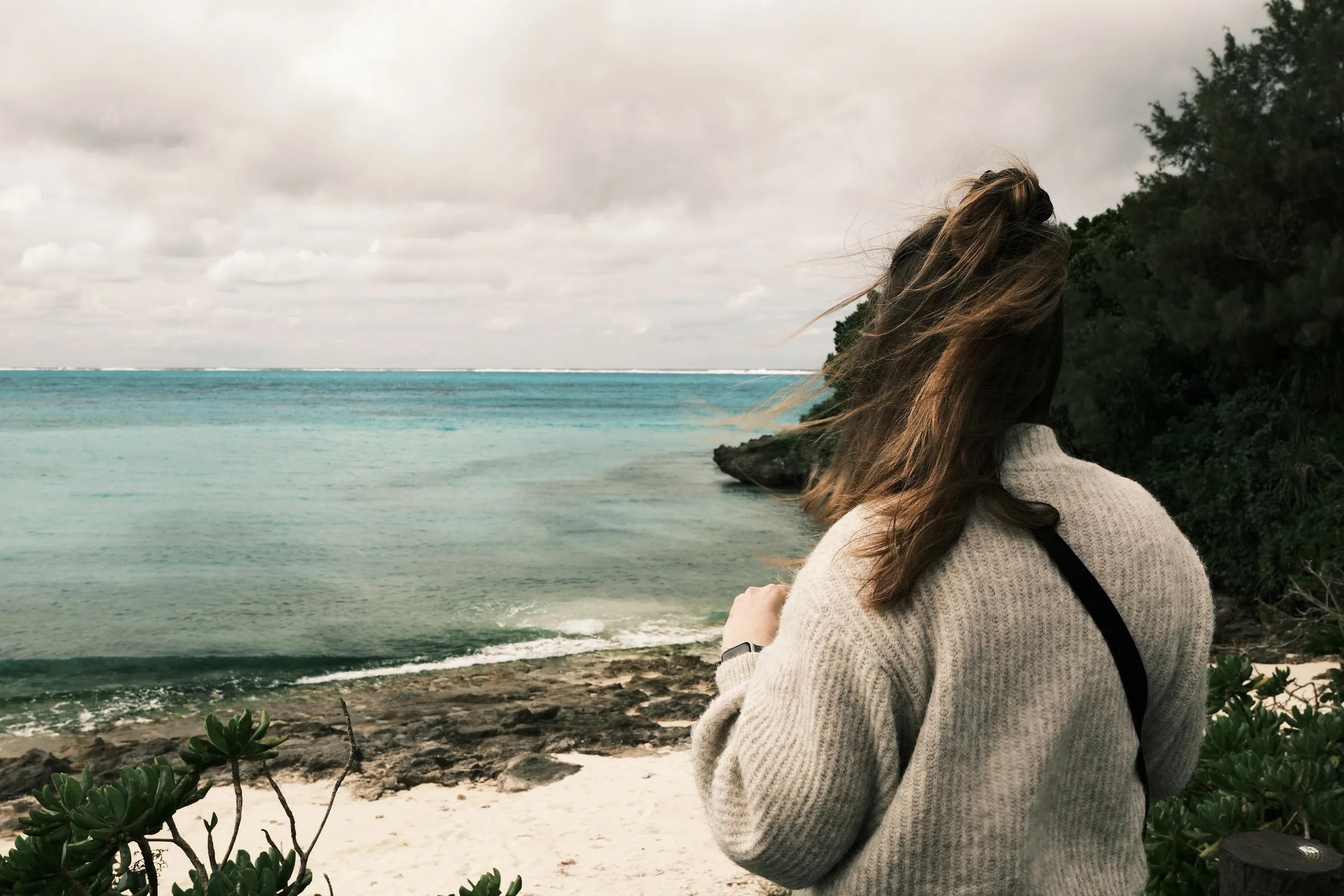
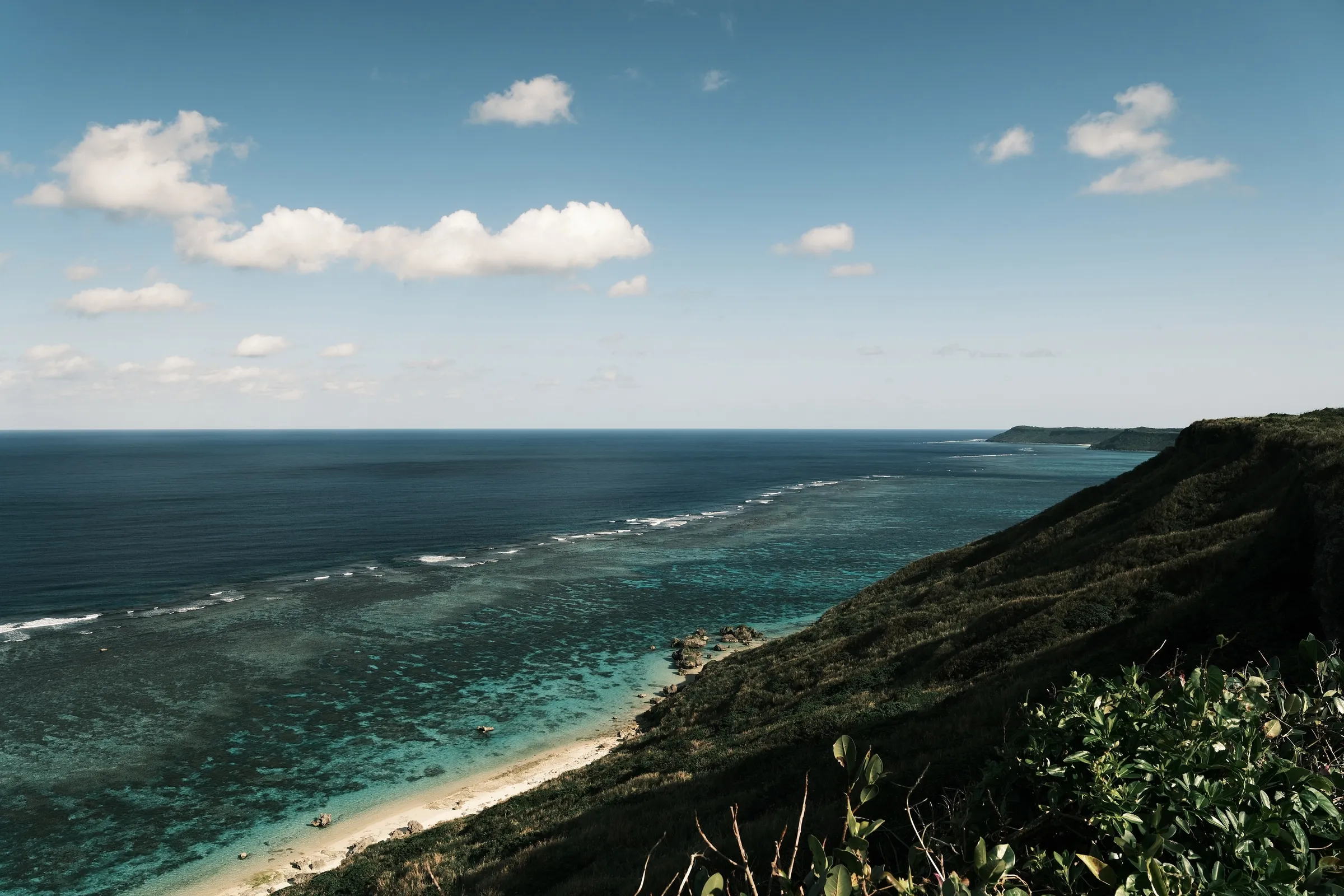
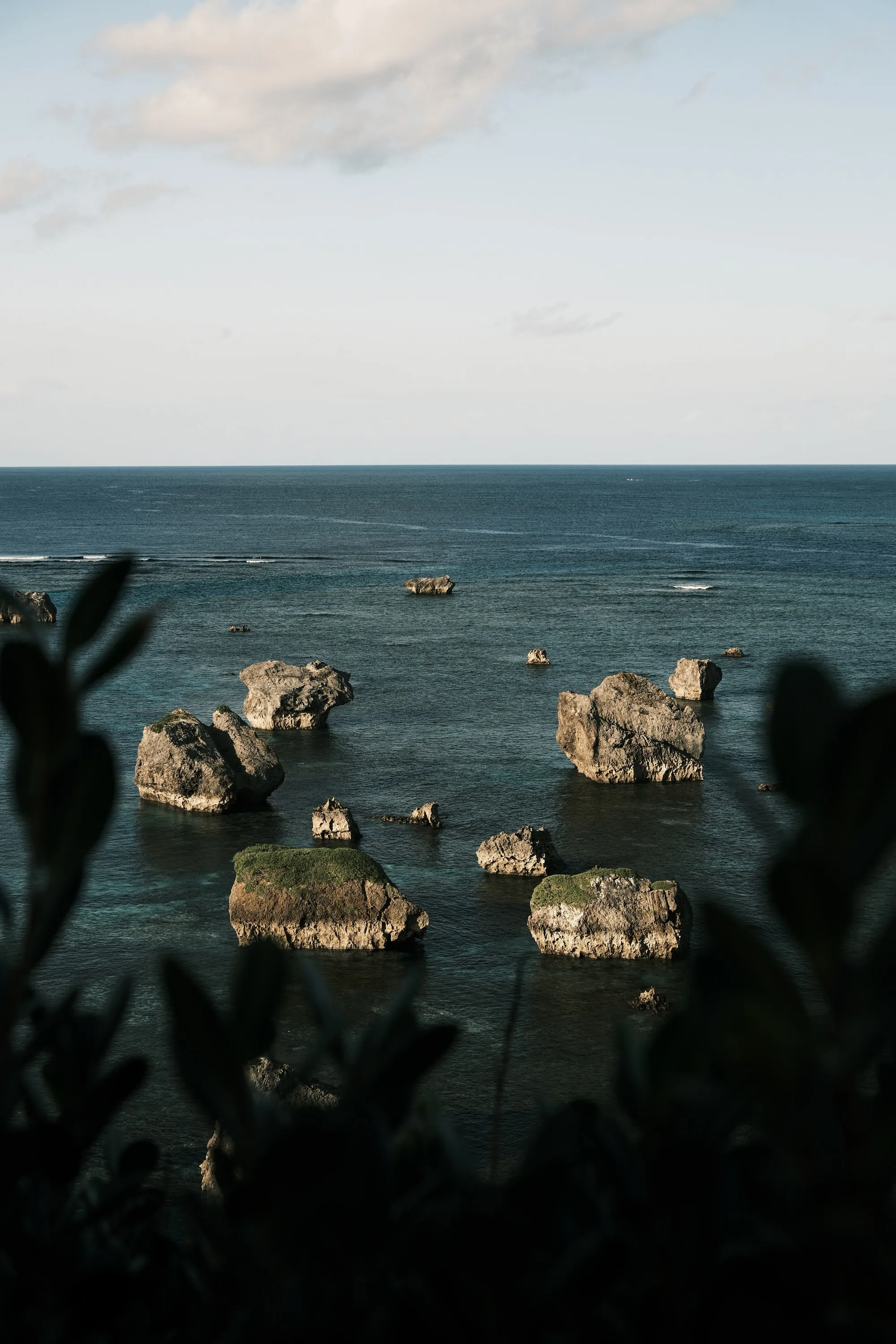
EEven if we still got our fair share of grey skies and rain, the weather on Miyakojima was starting to become milder and more pleasant as we advanced south through the Ryukyu archipelago. The landscape and flora started to change slightly, with longer sand beaches and more tropical flowers and trees, while still keeping some of the typical limestone edges and reef shelves visible through the water that we had seen so far on the Amami islands.
 343
 344
 345
 346
 347
 348
 349
 350
 351
 352
 353
 354
 355
 356
 357
 358
 359
 360
 361
 362
 363
 364
 365
 366
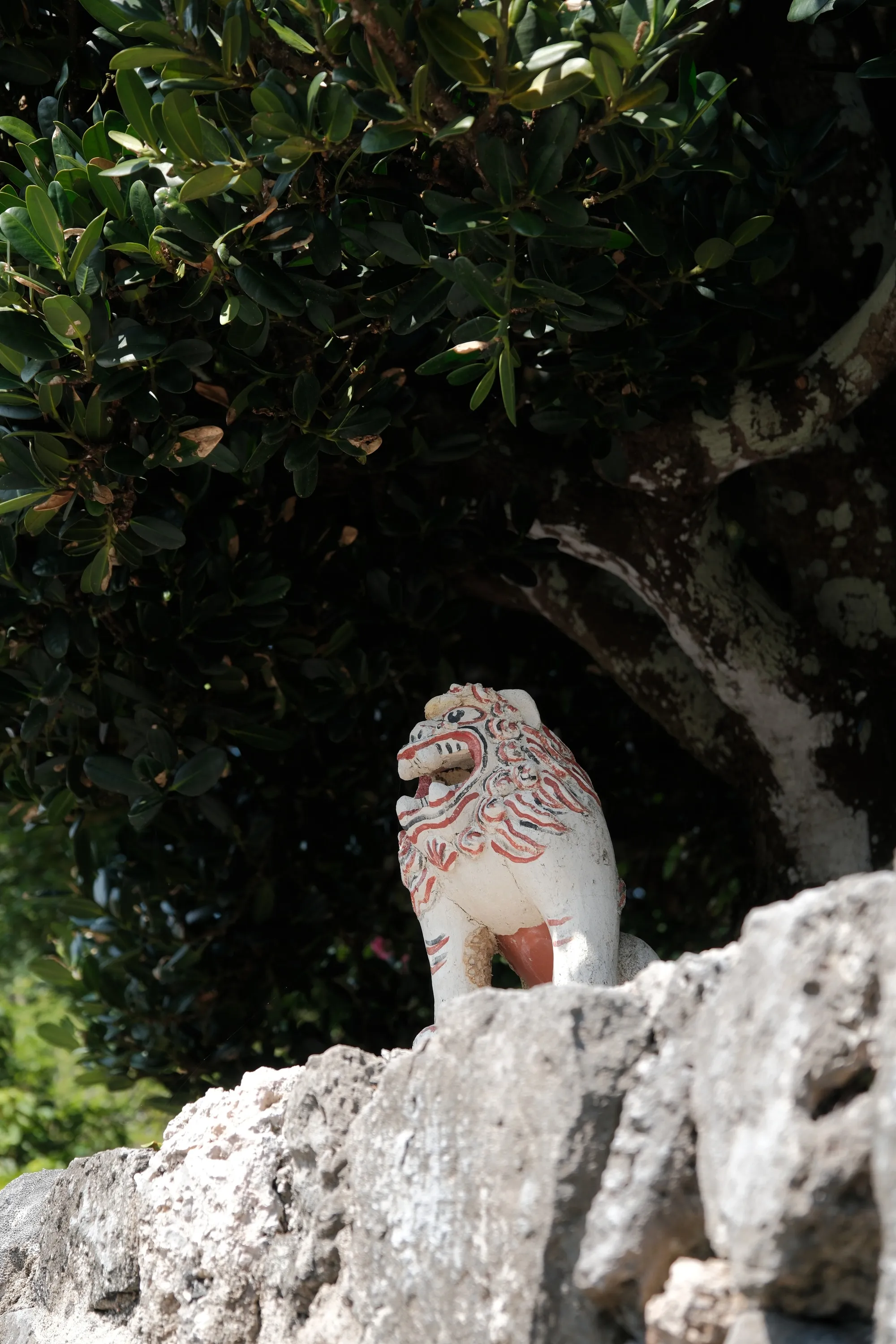
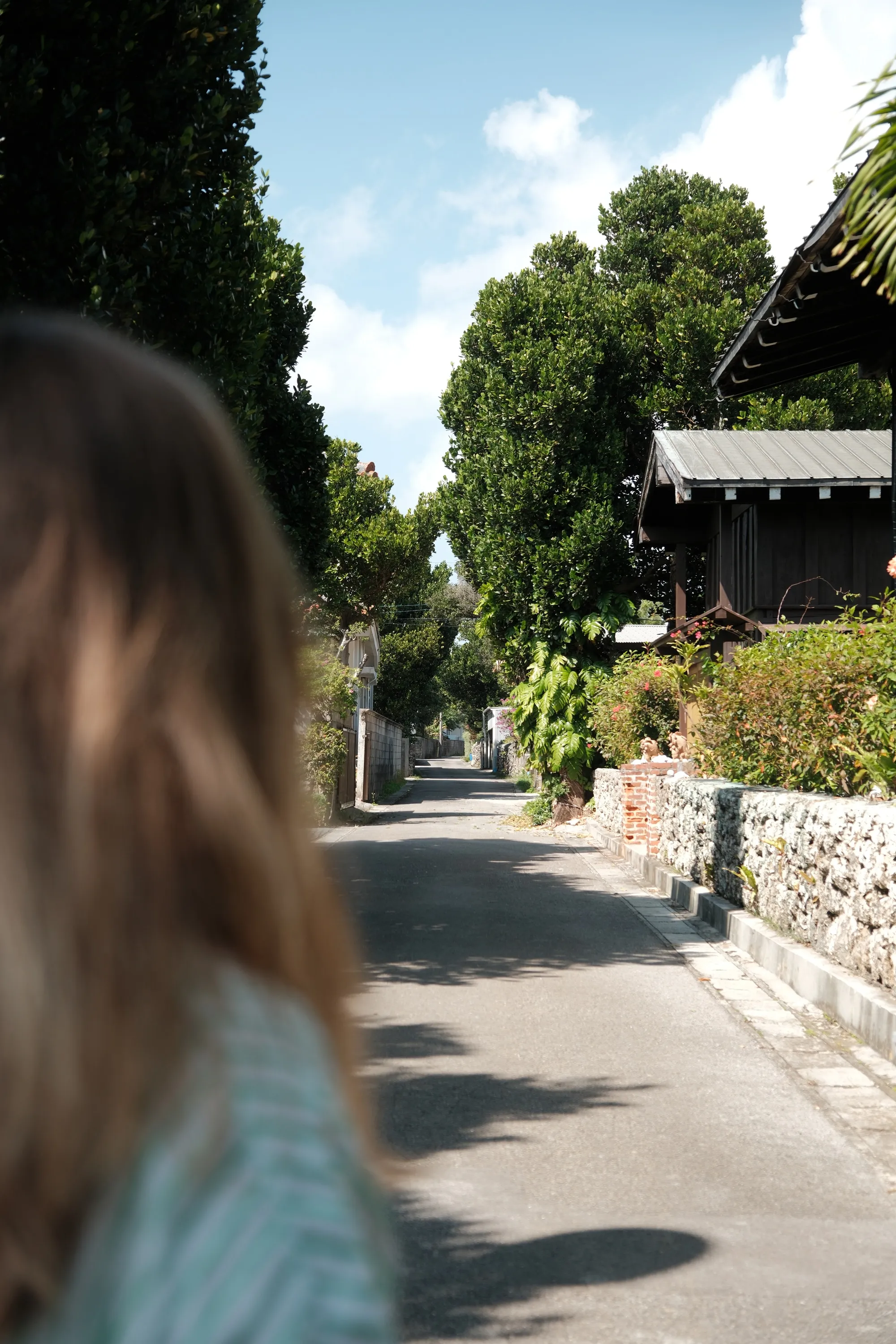
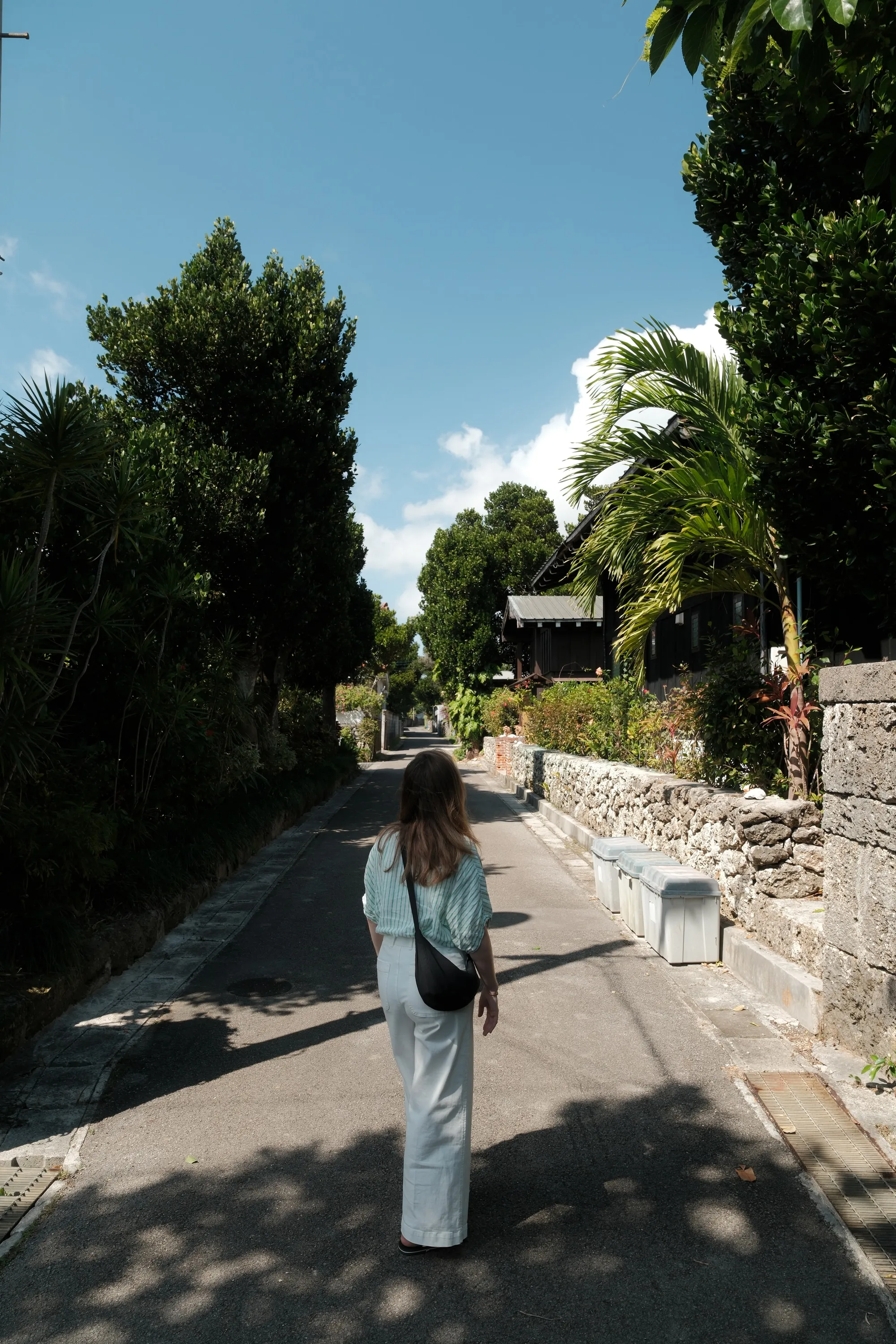
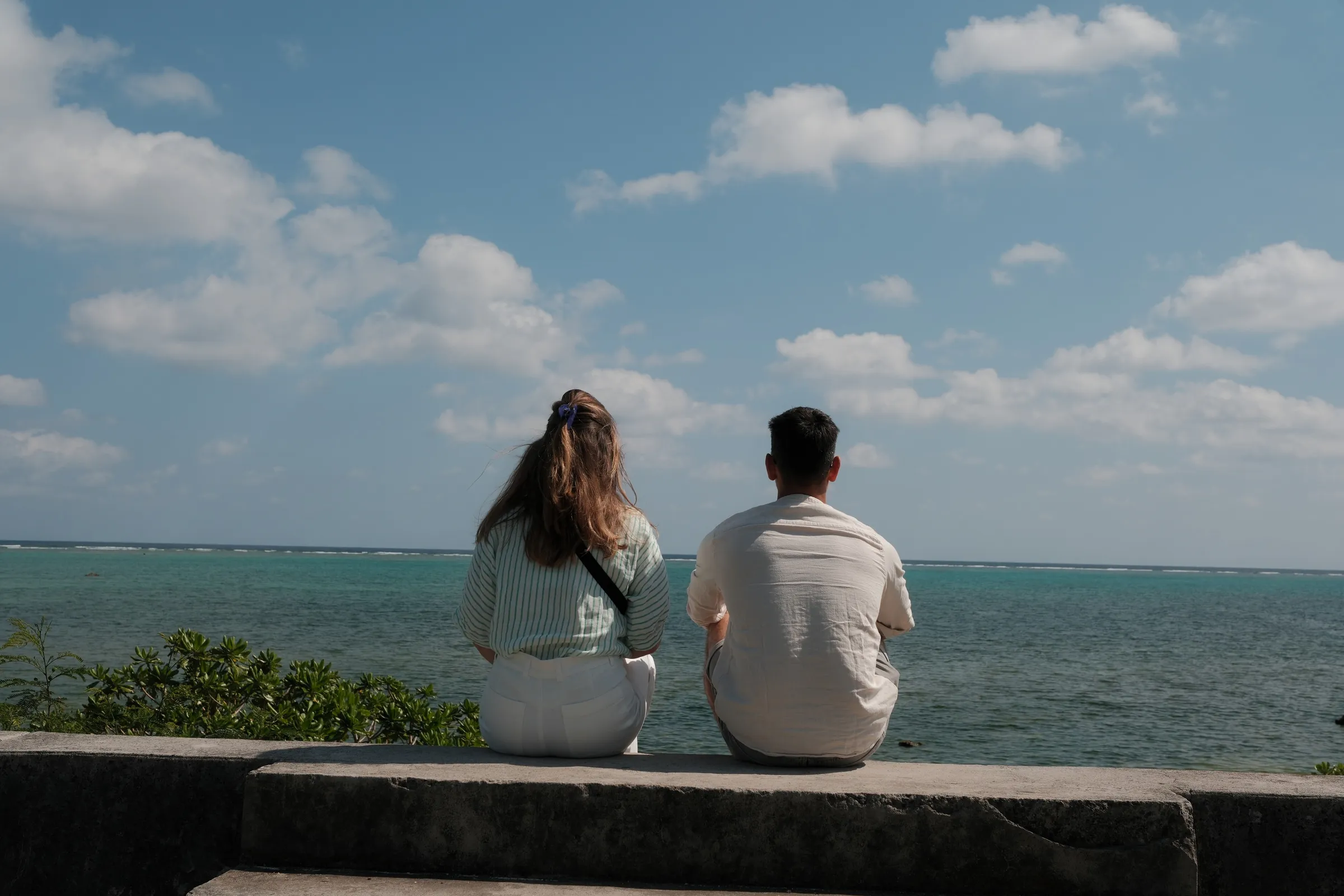
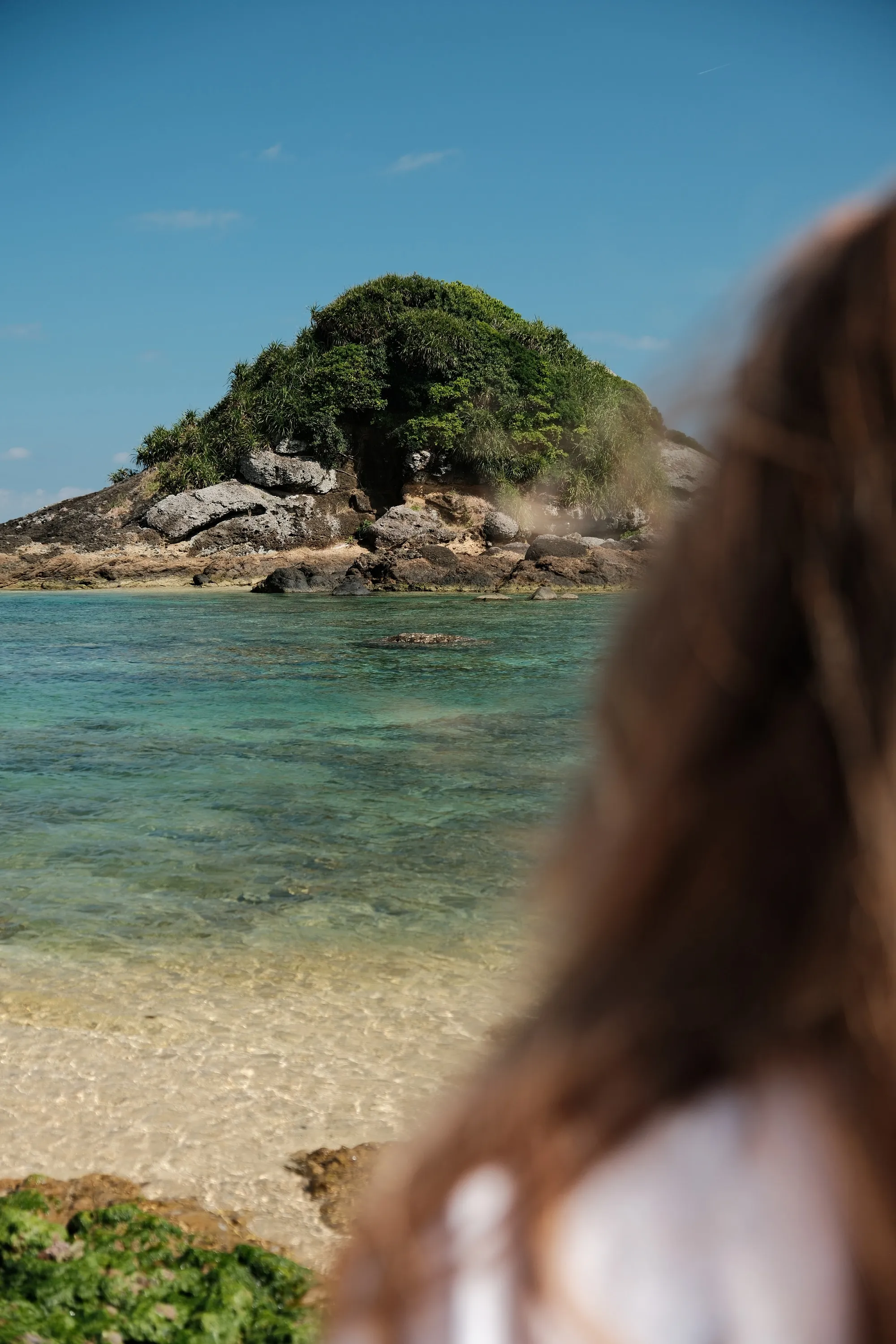
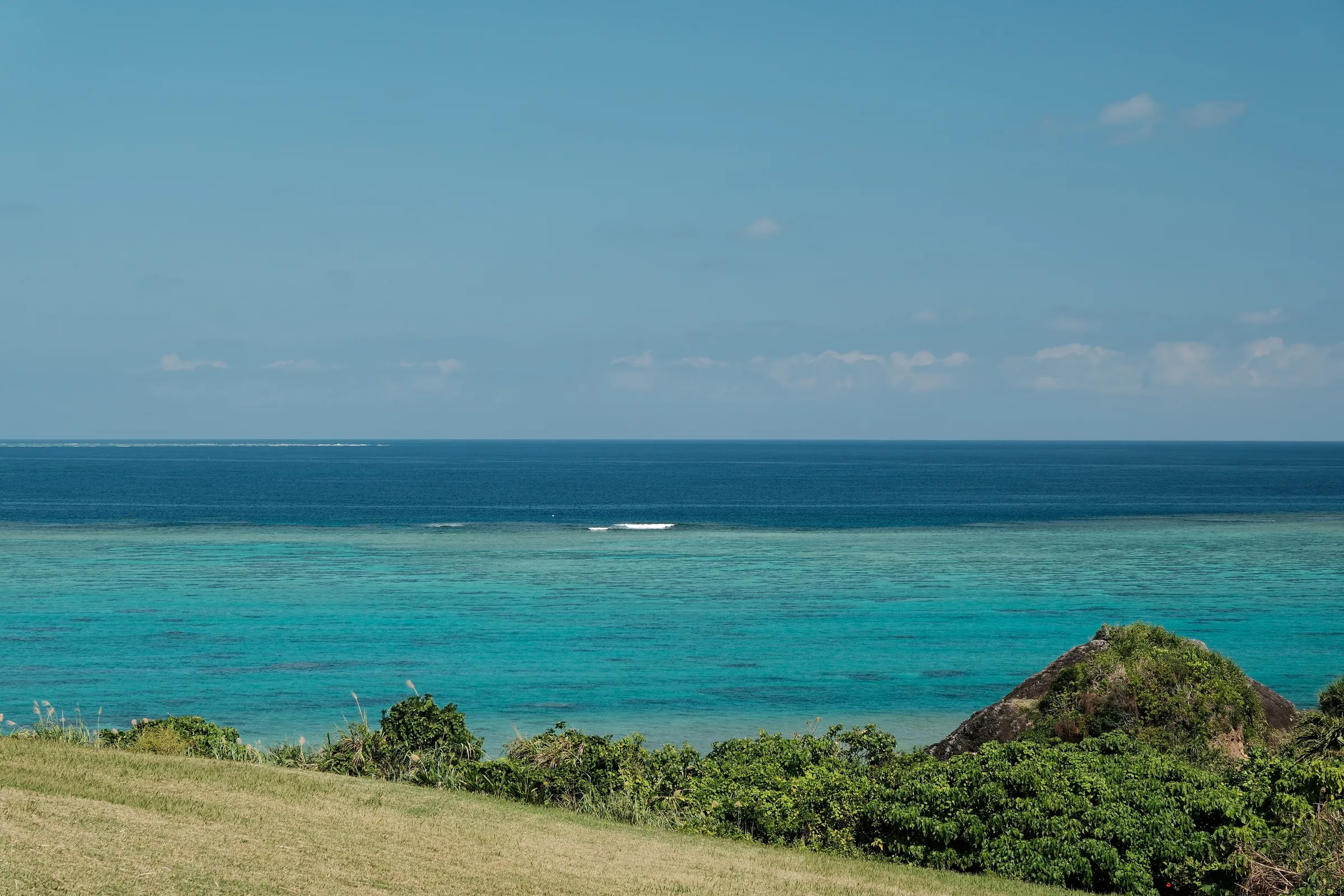
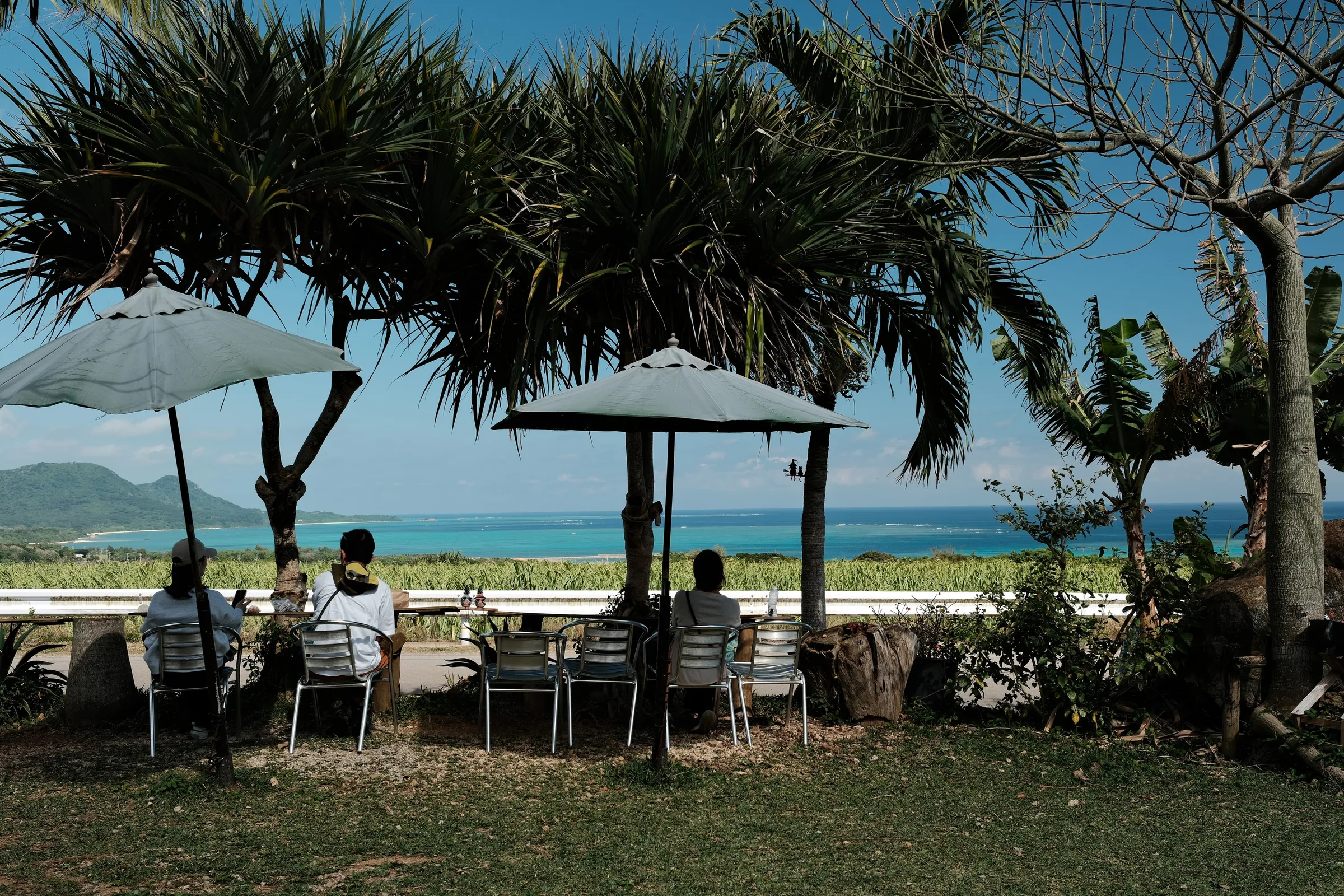
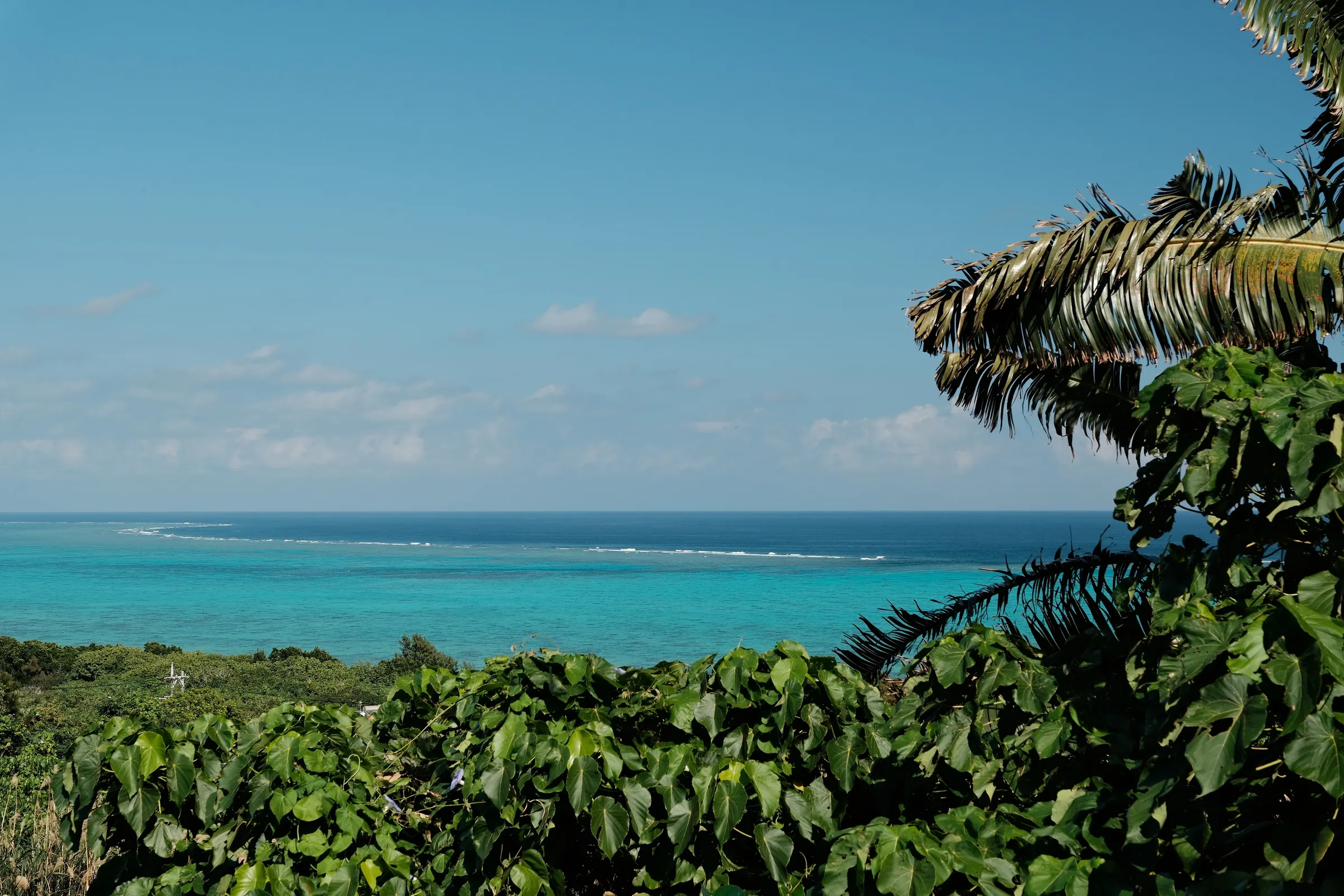
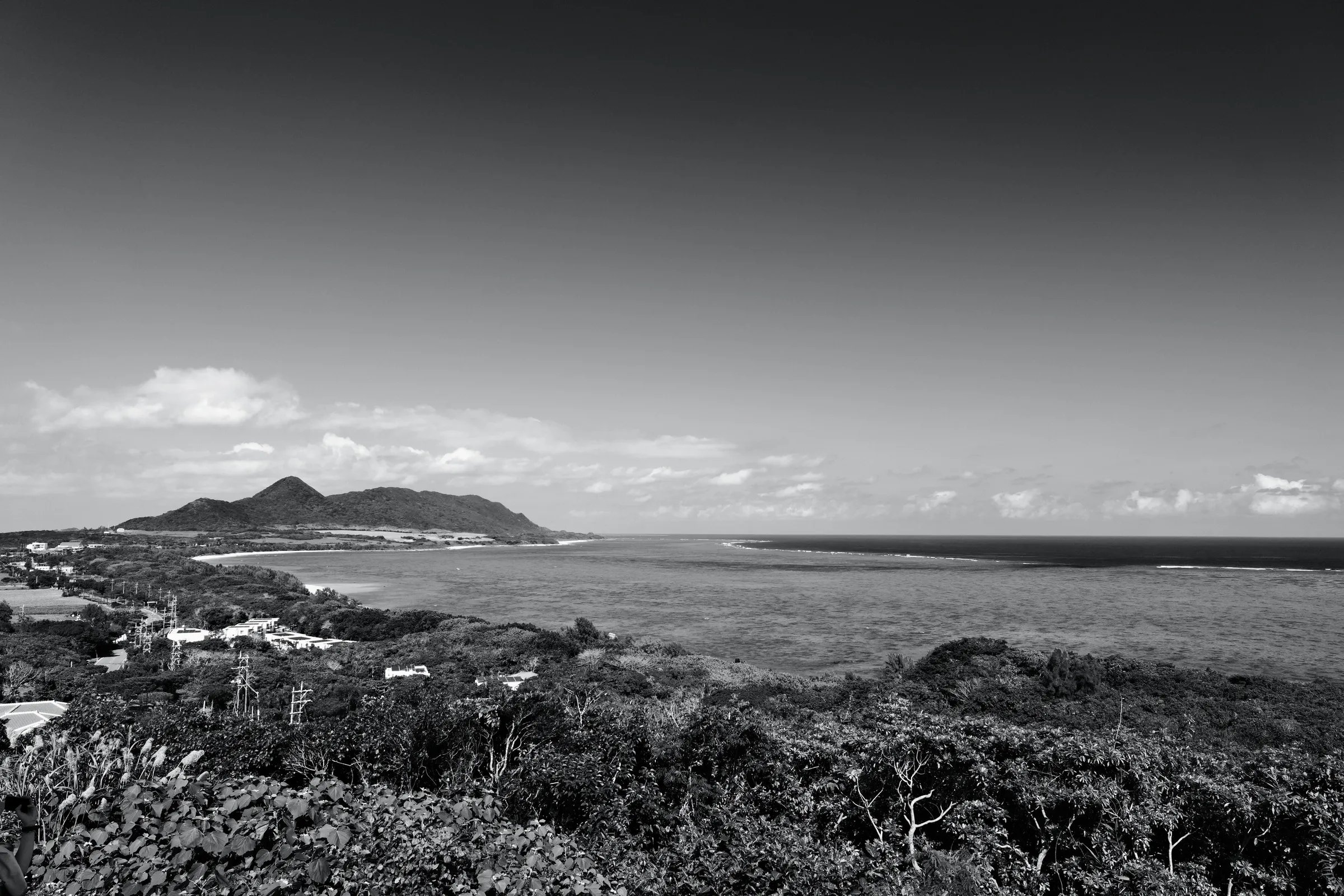
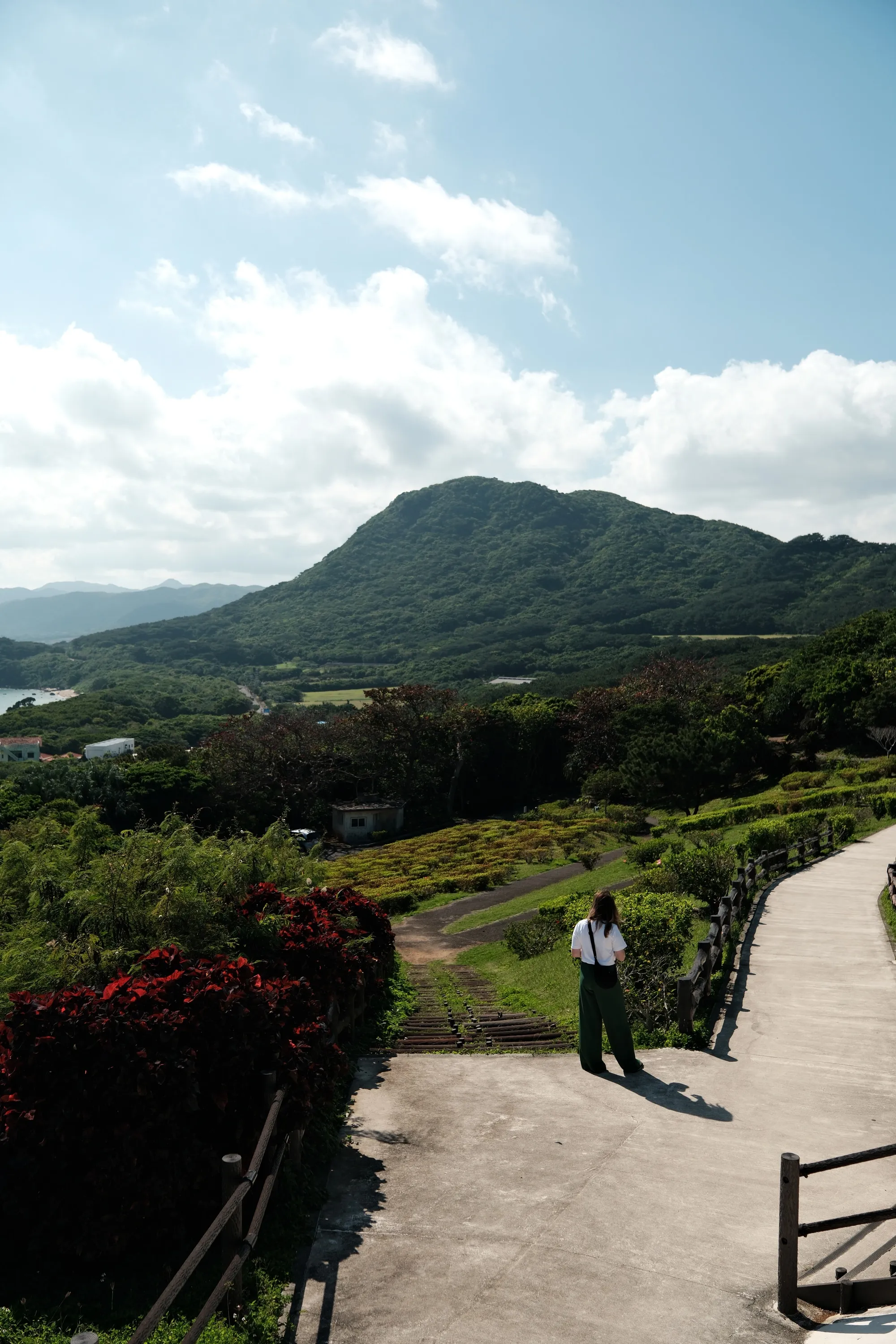
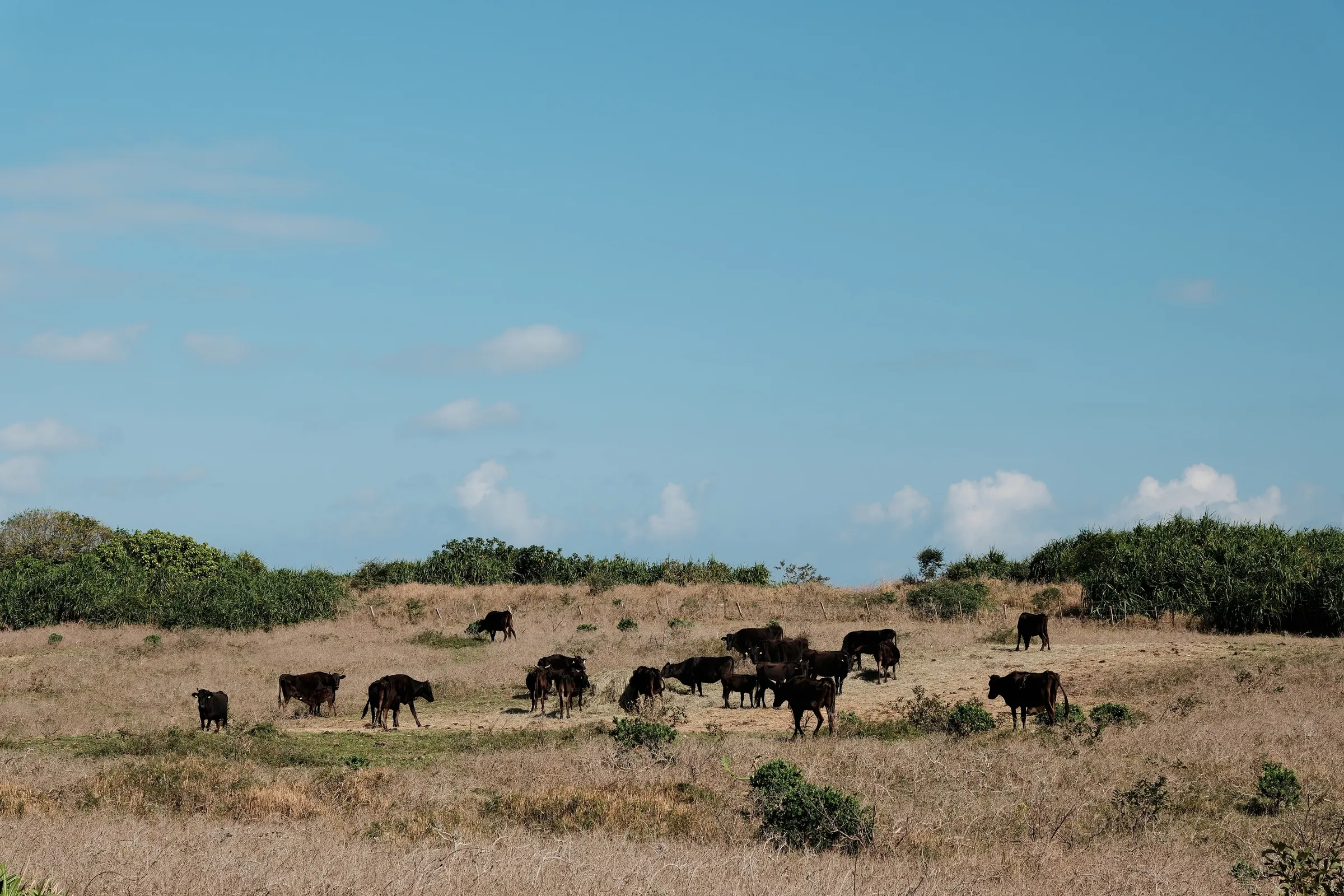
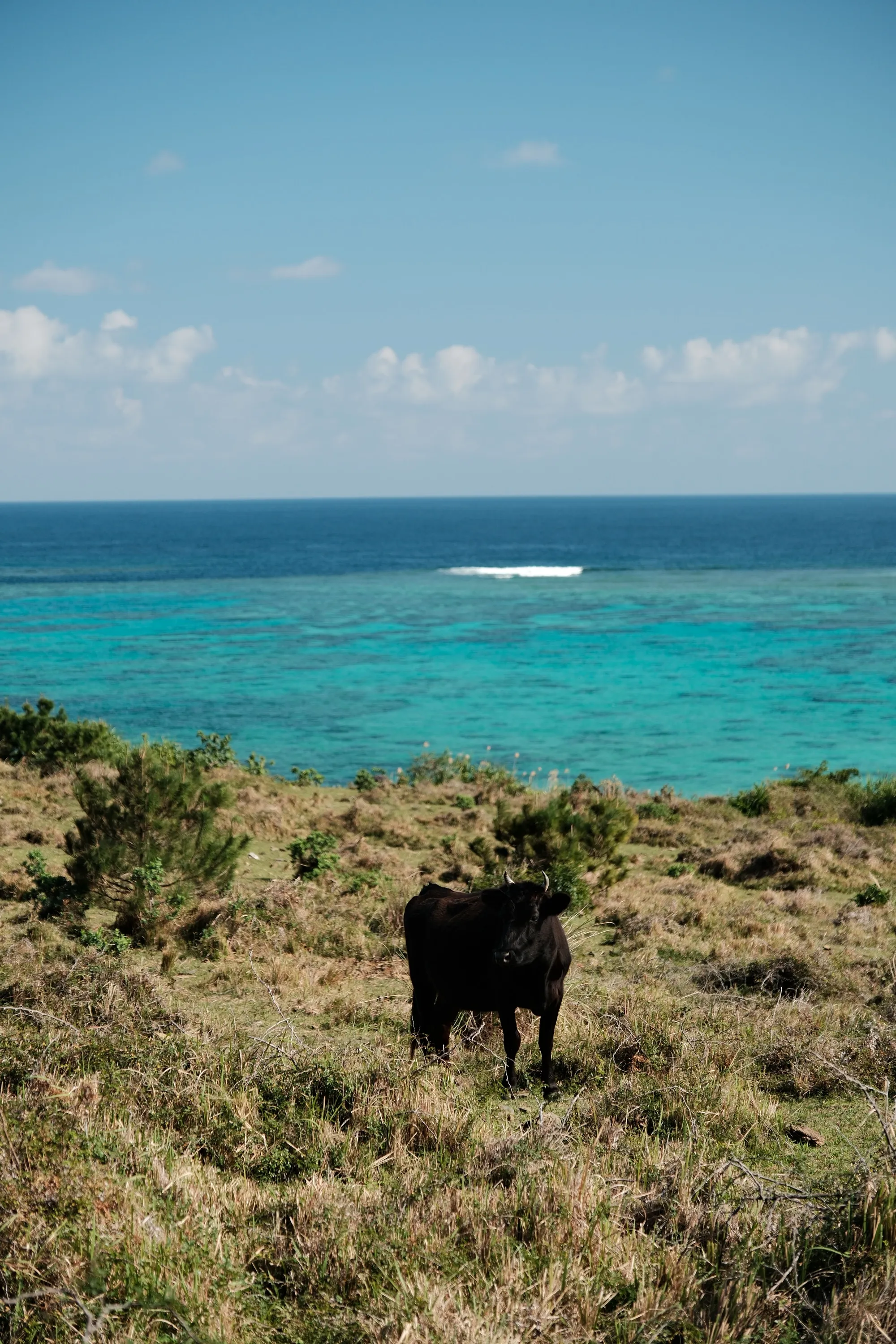
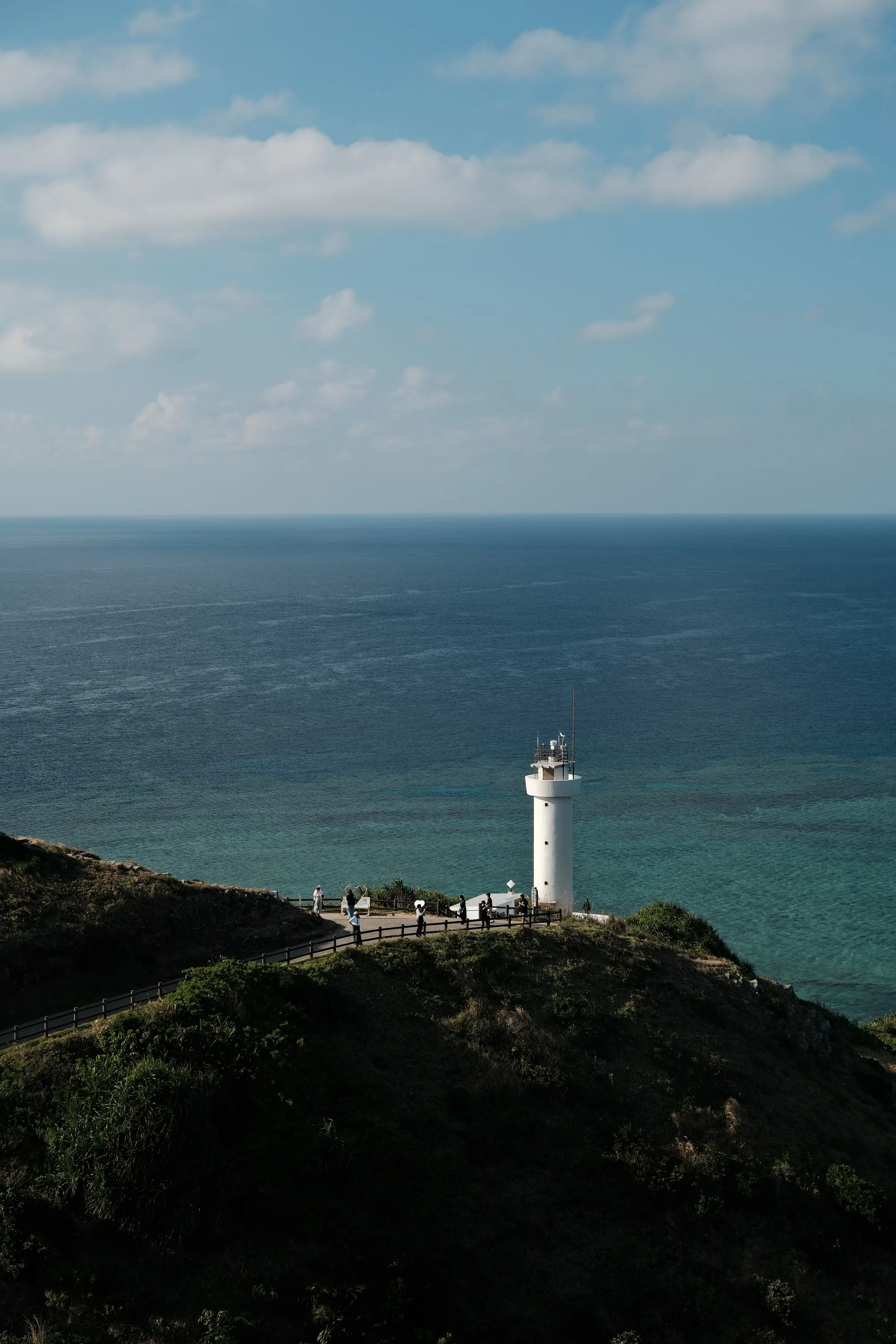
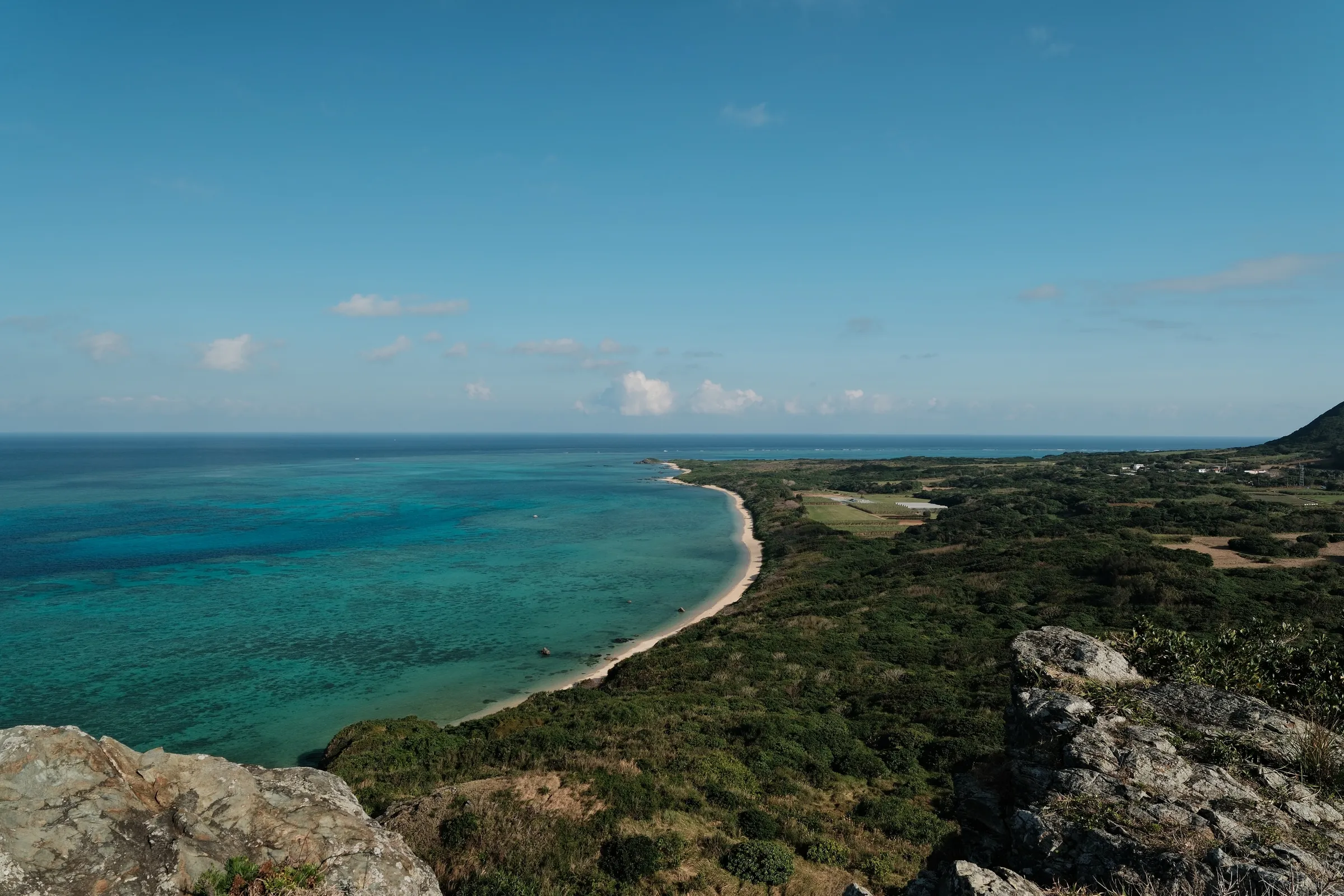
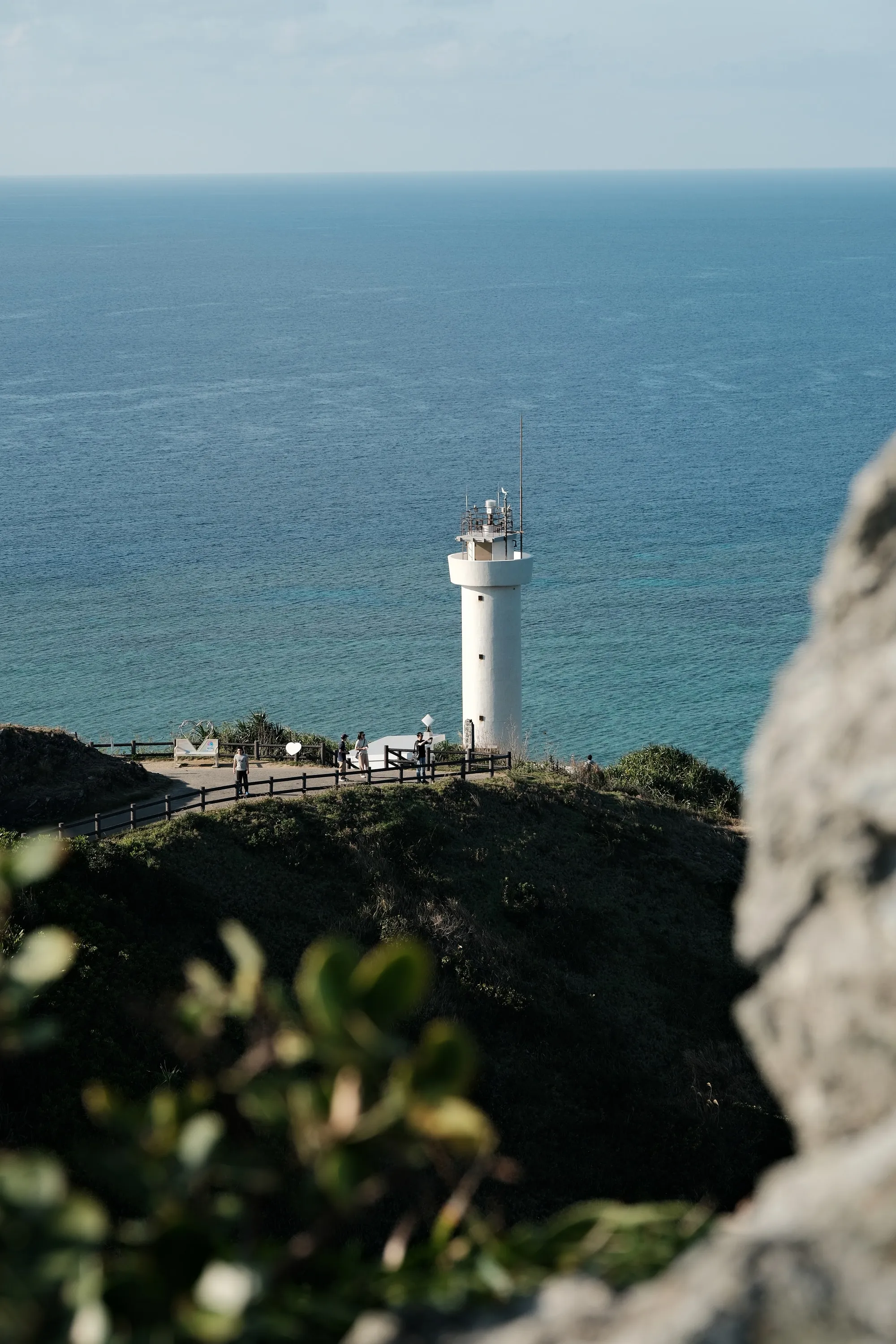
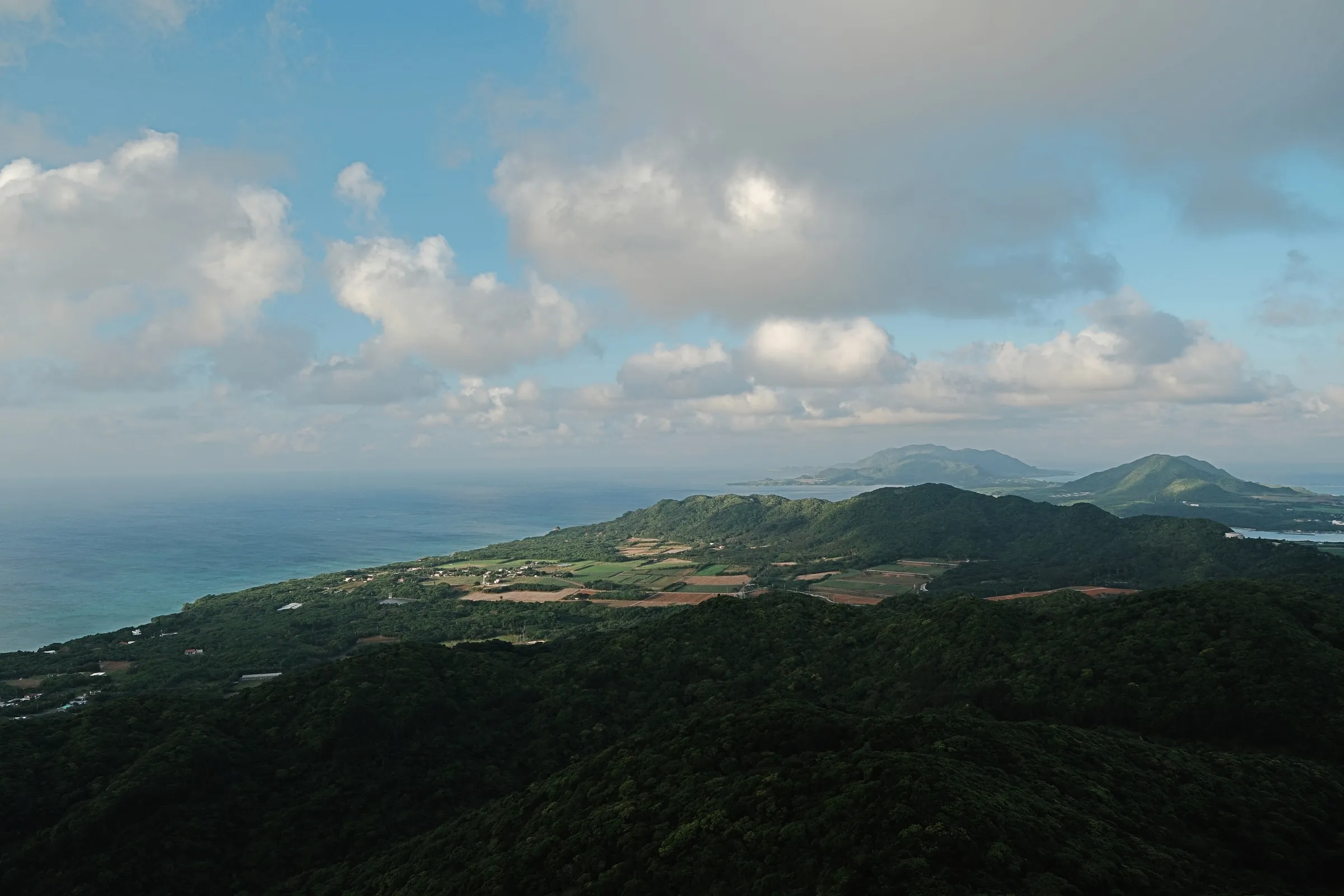
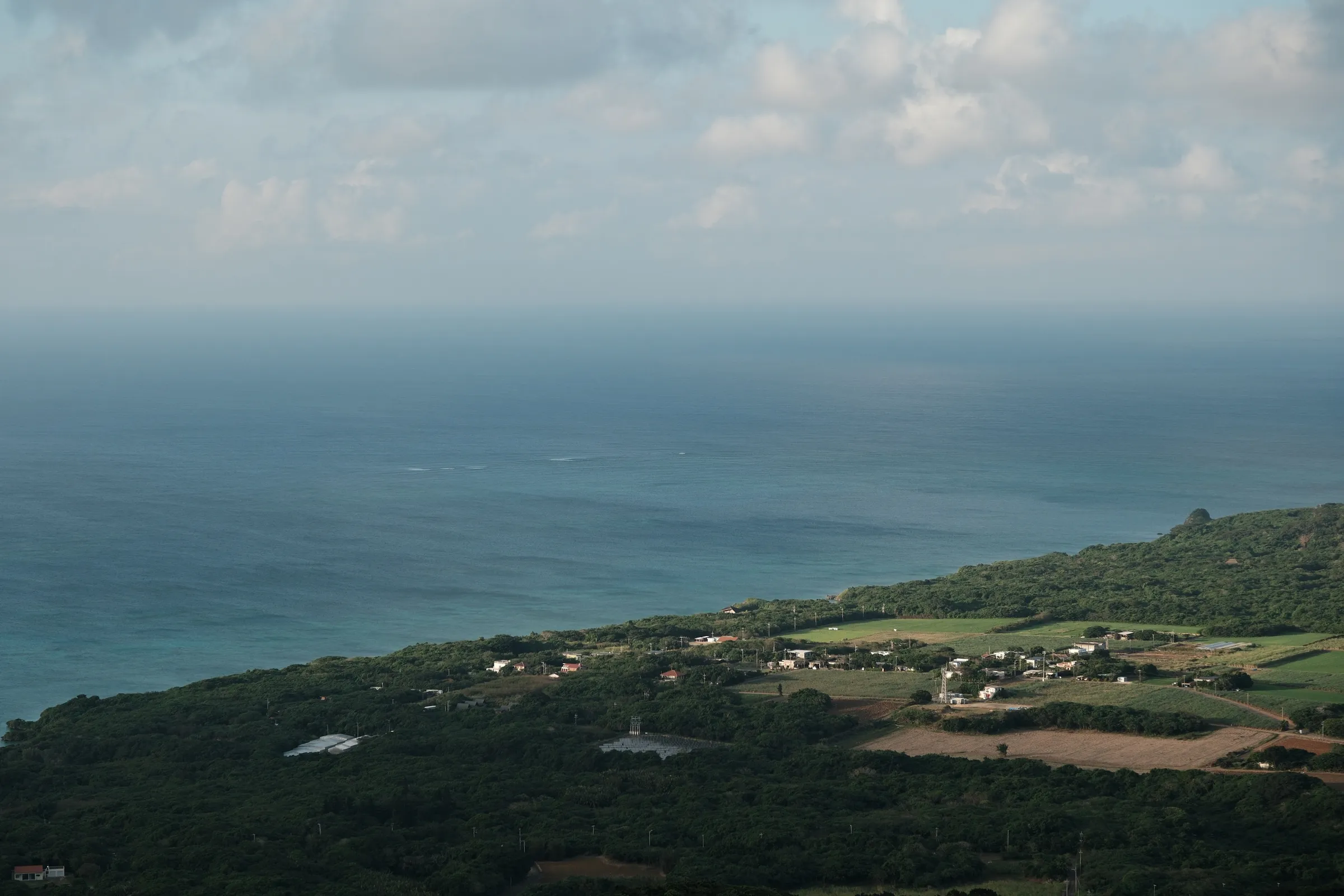
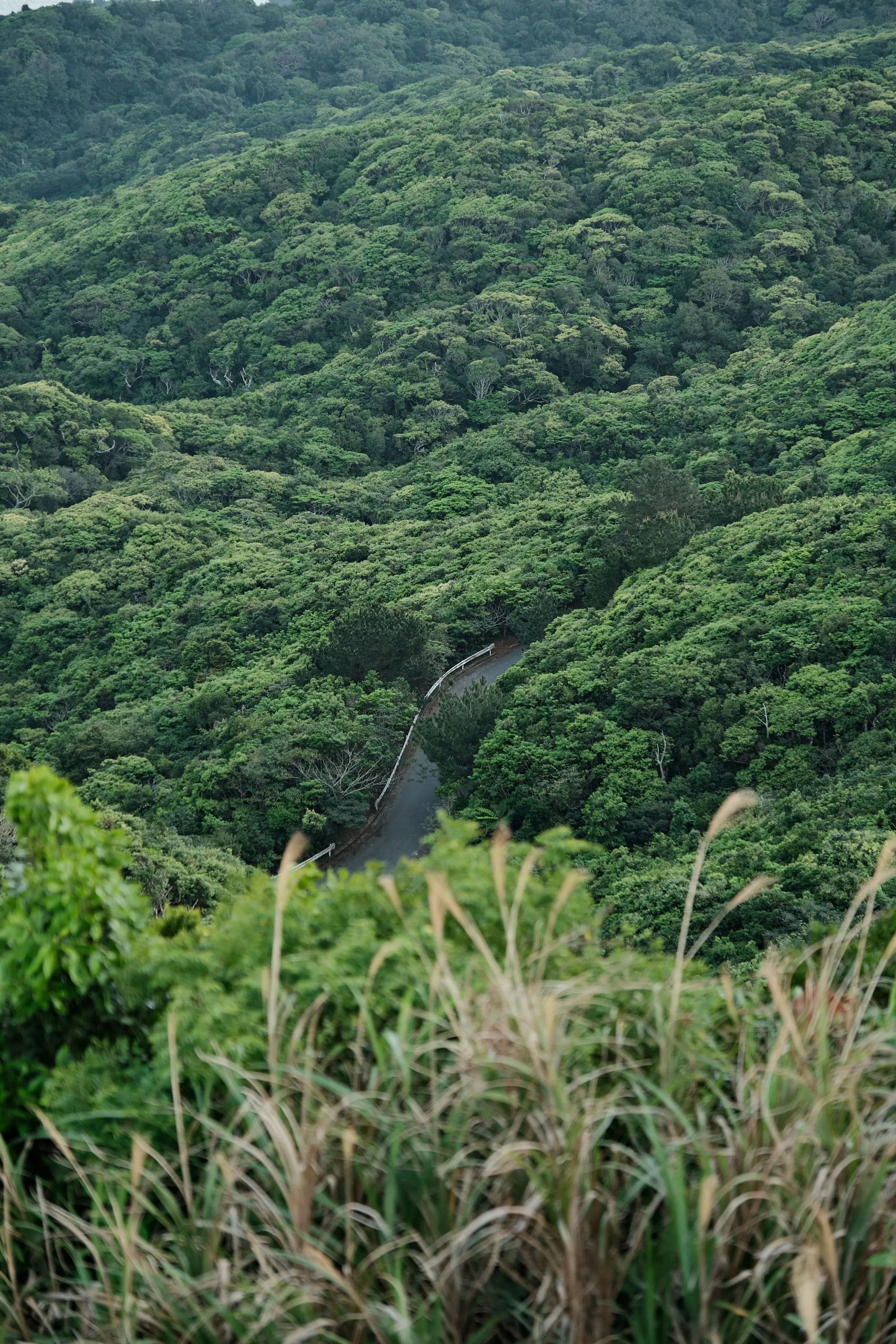
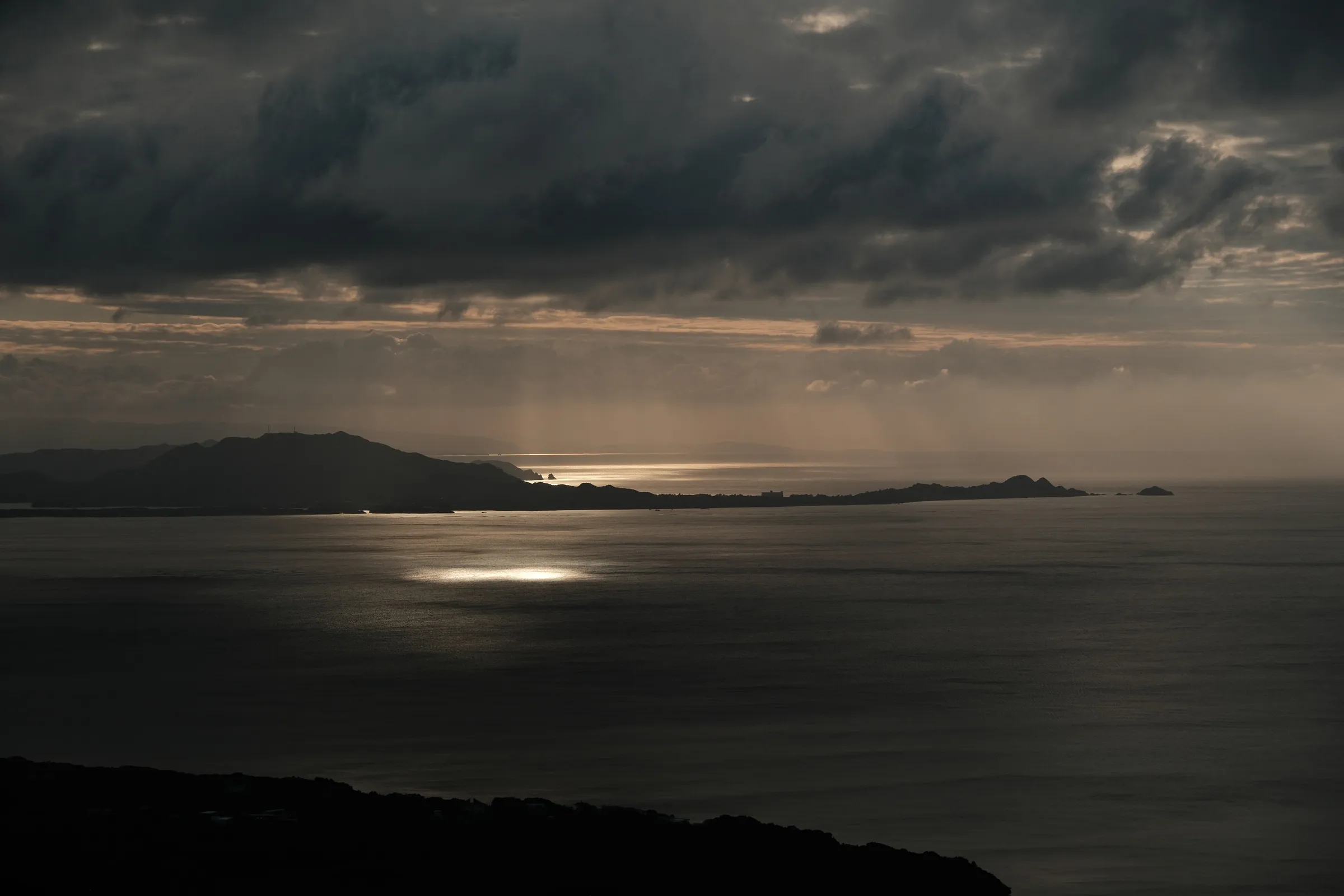
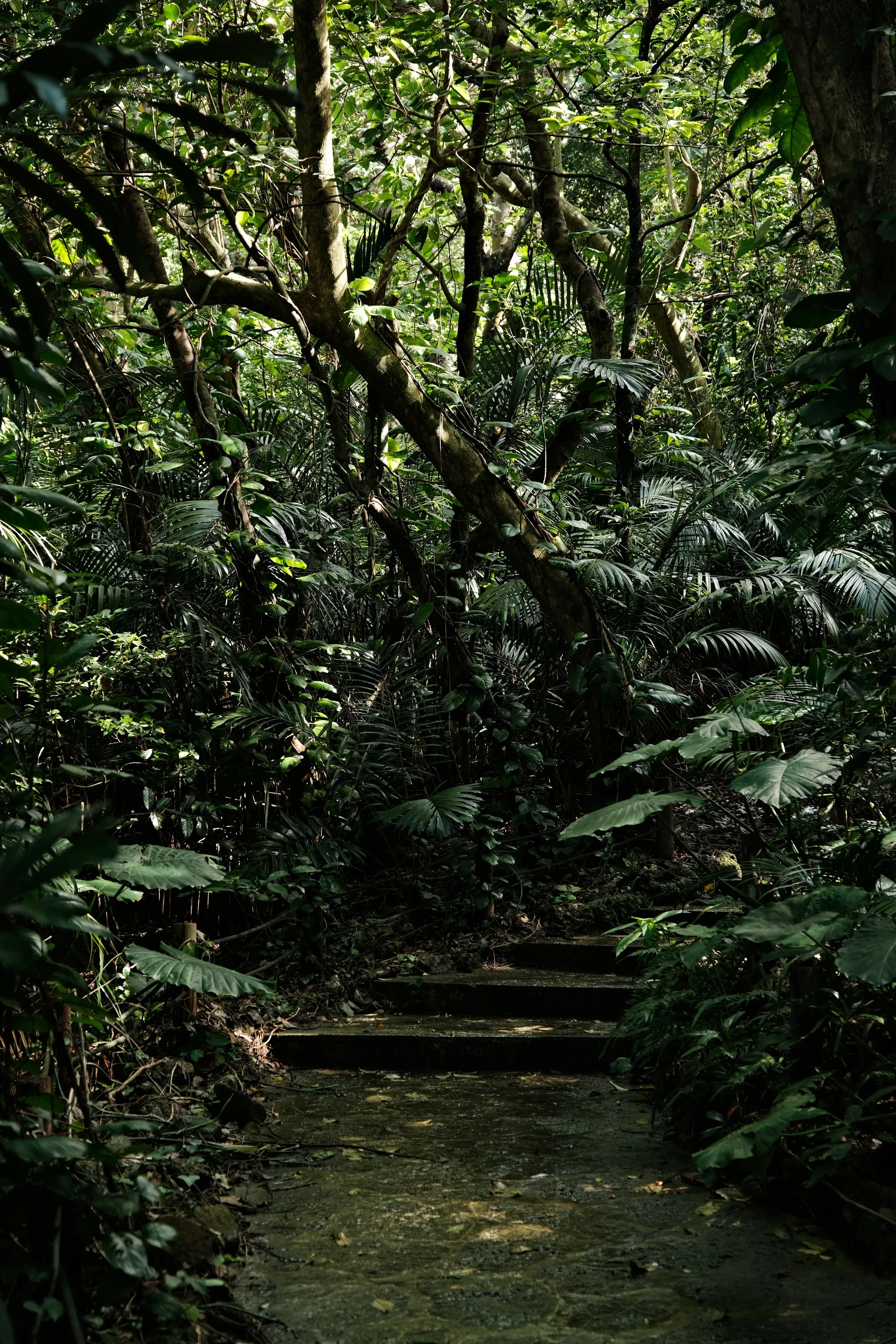
Coral water, lighthouses, and subtropical green
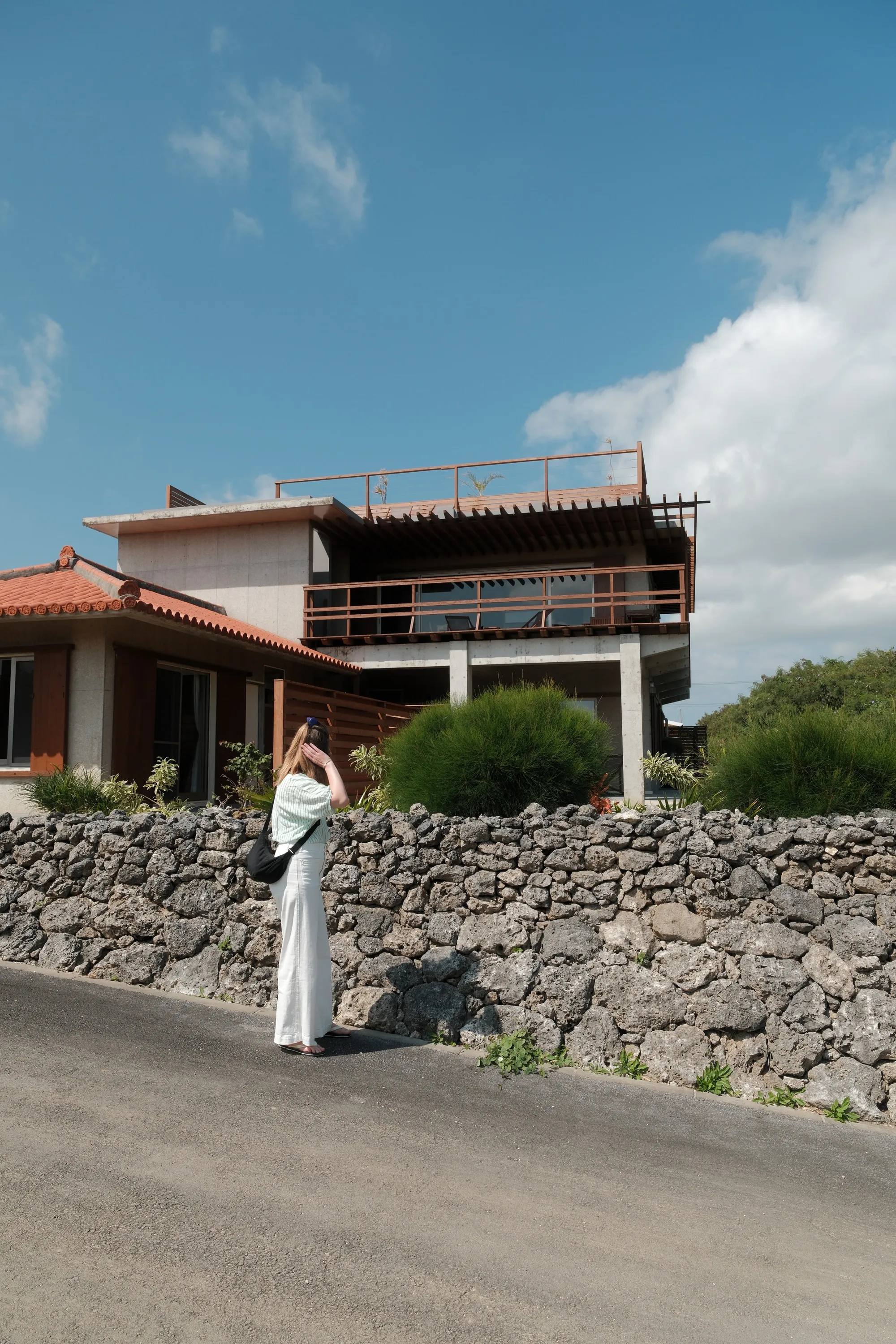
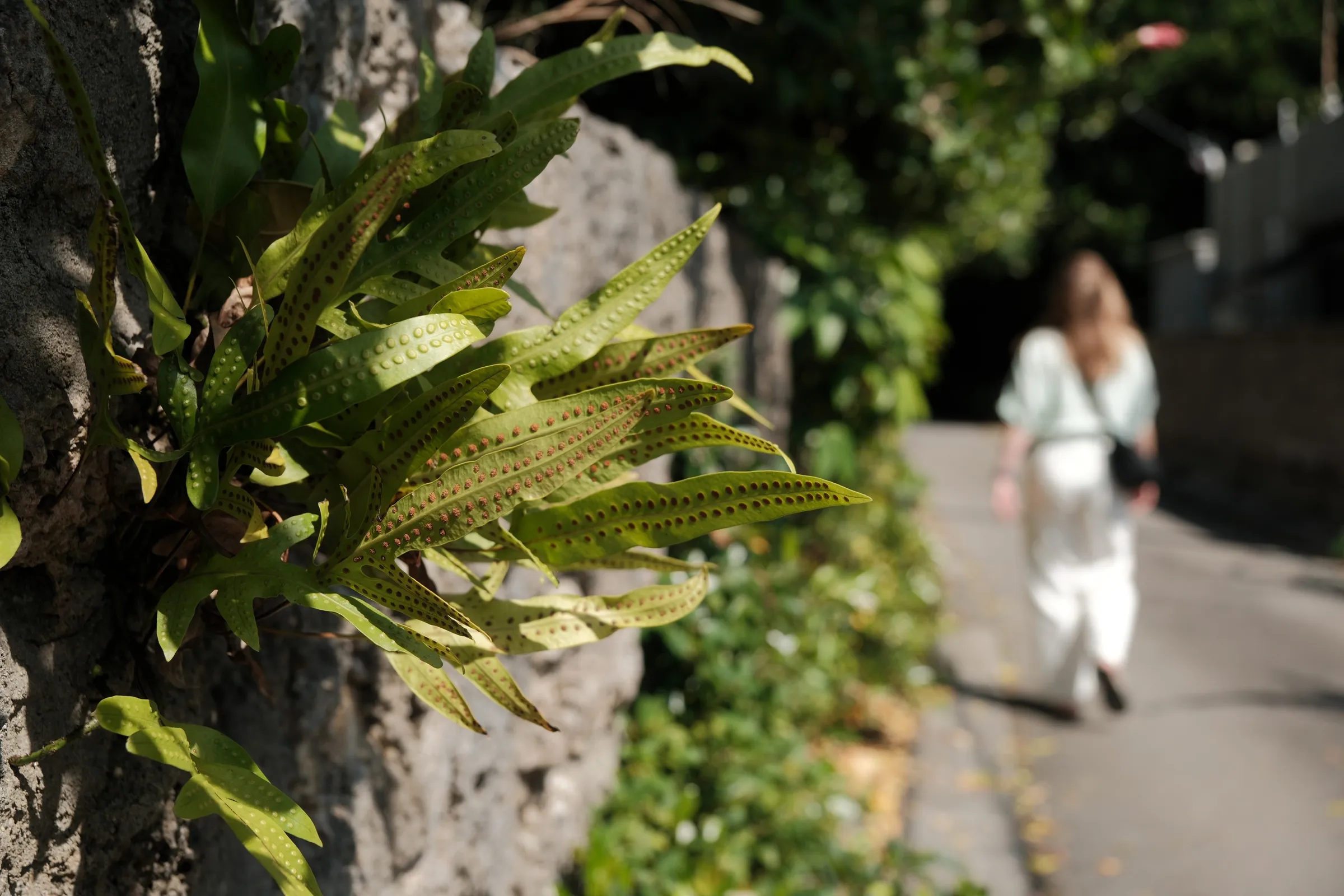
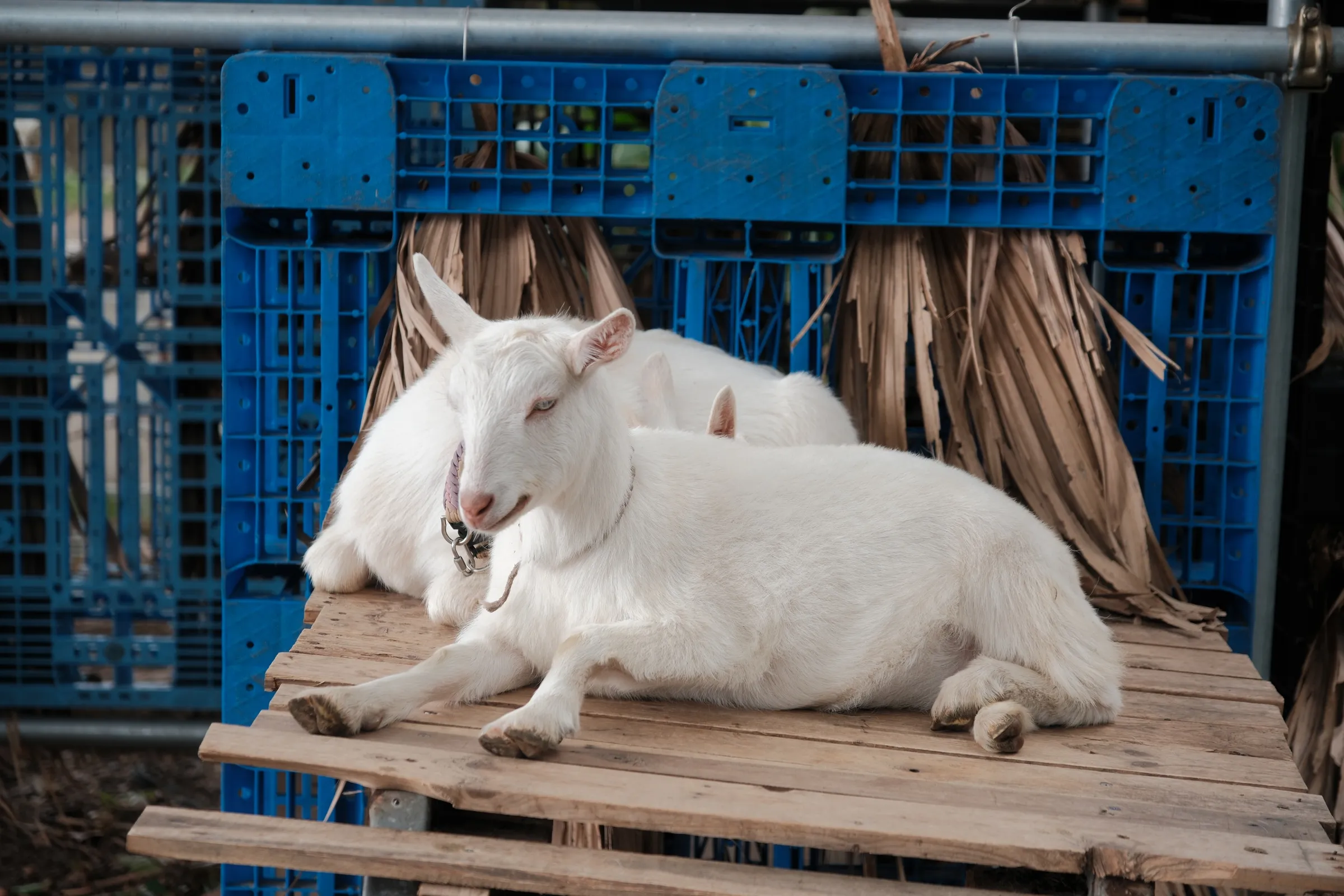
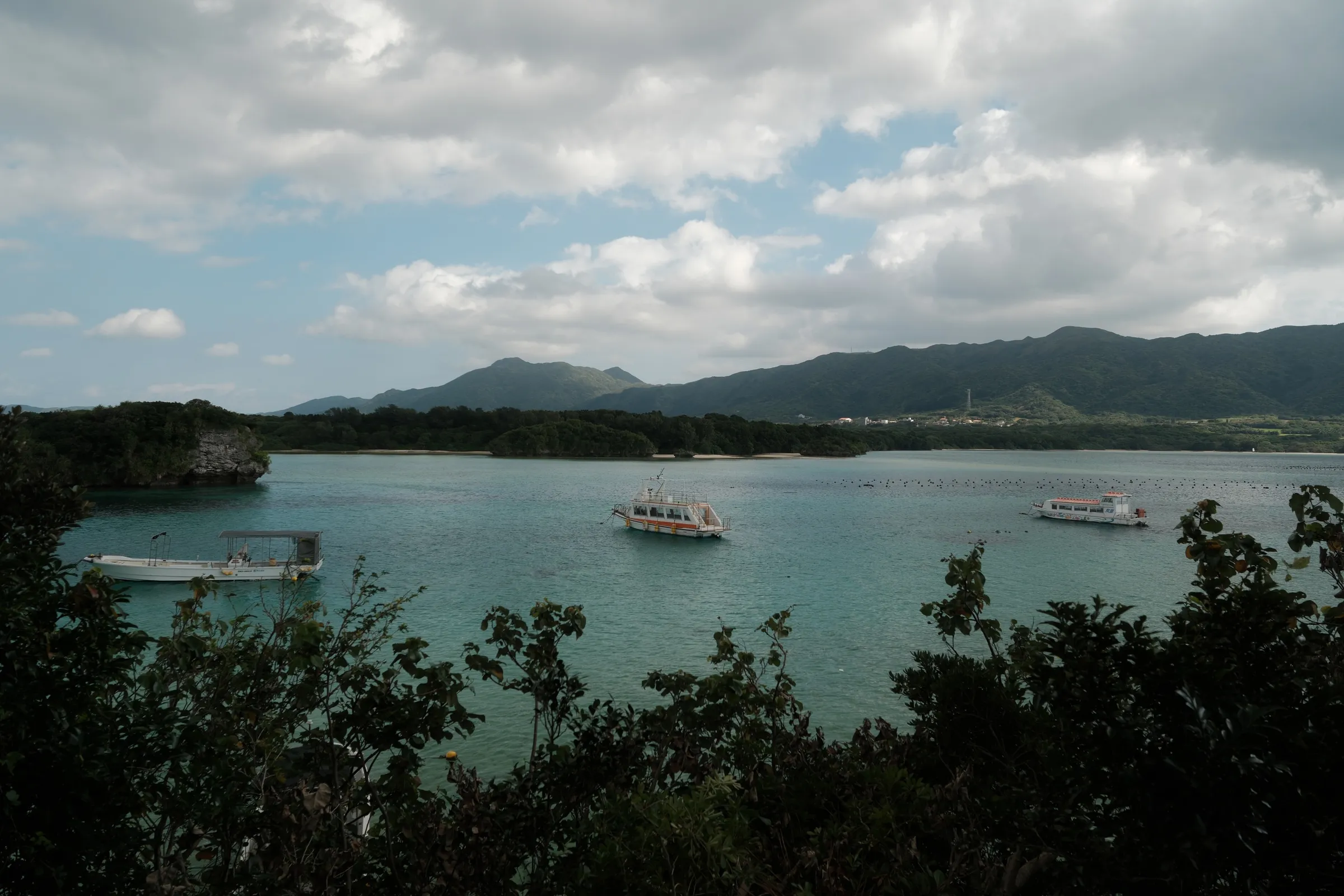
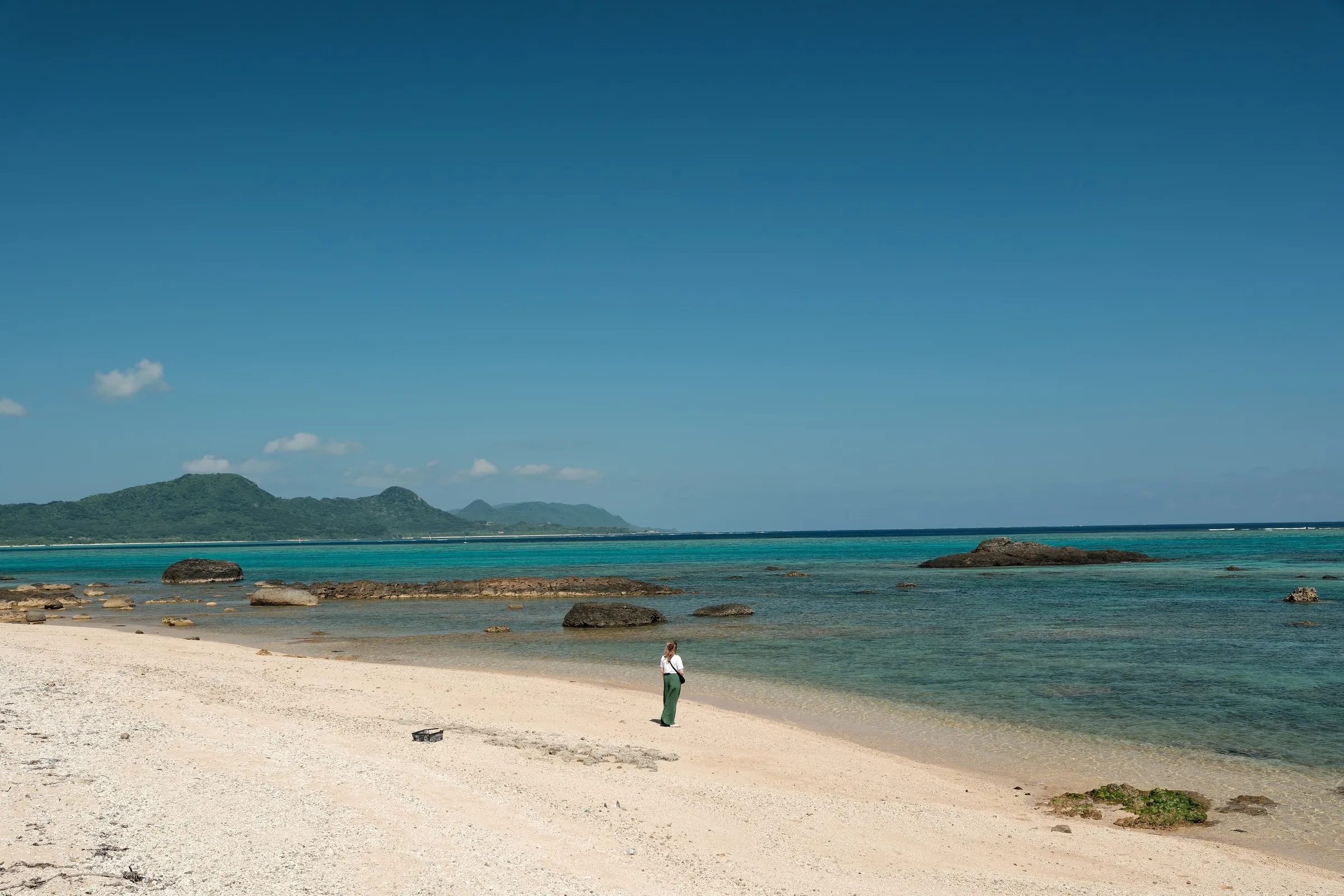
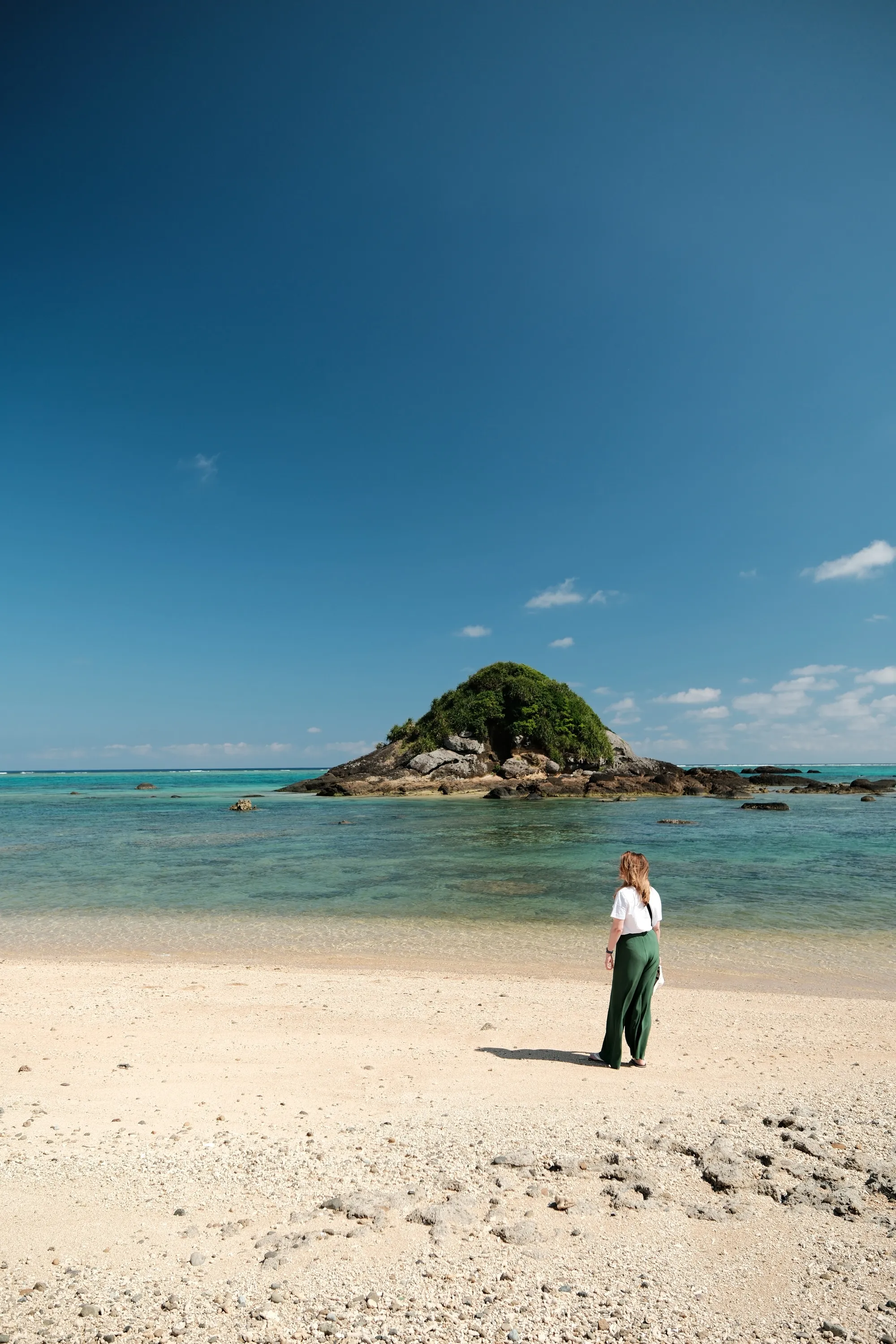
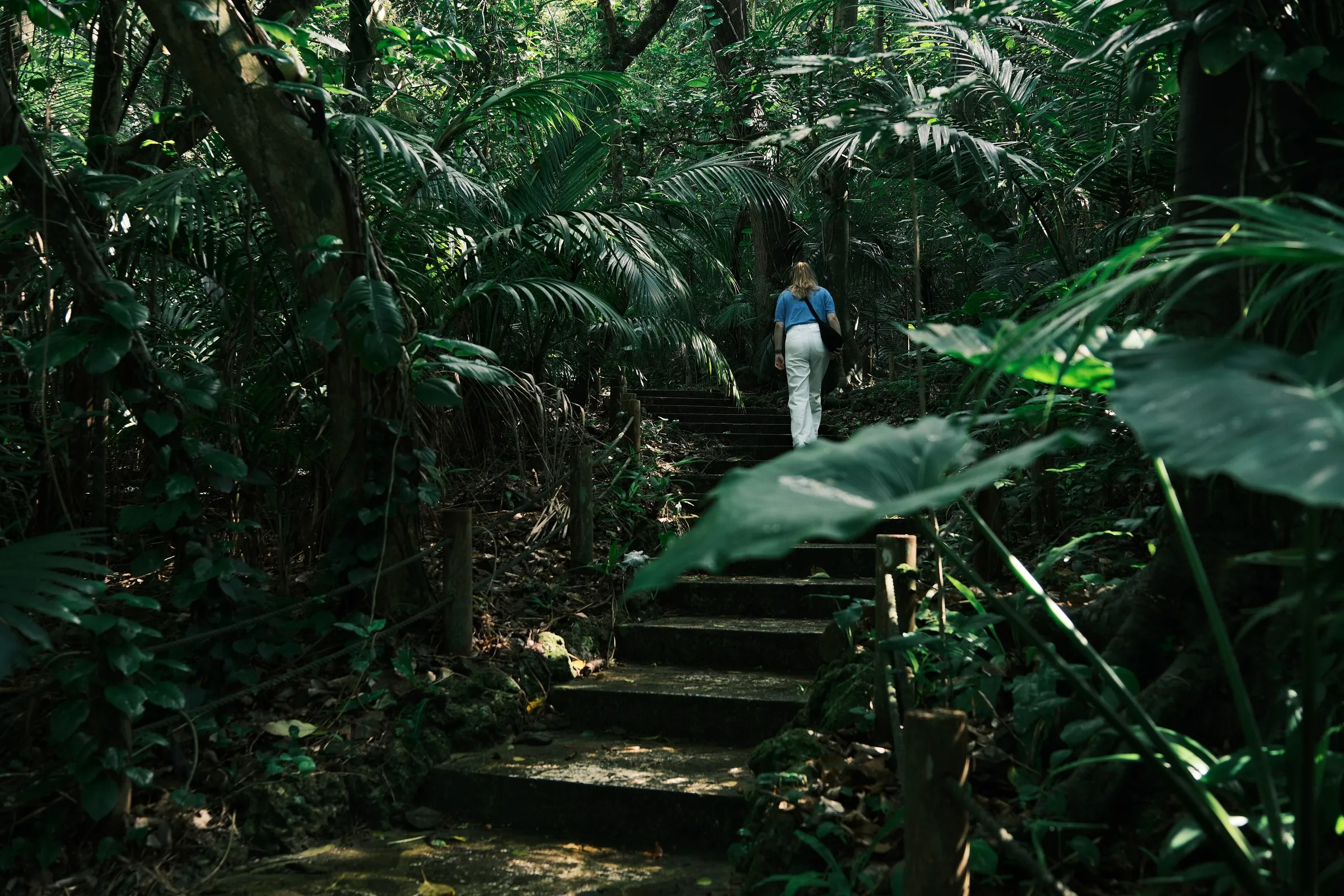
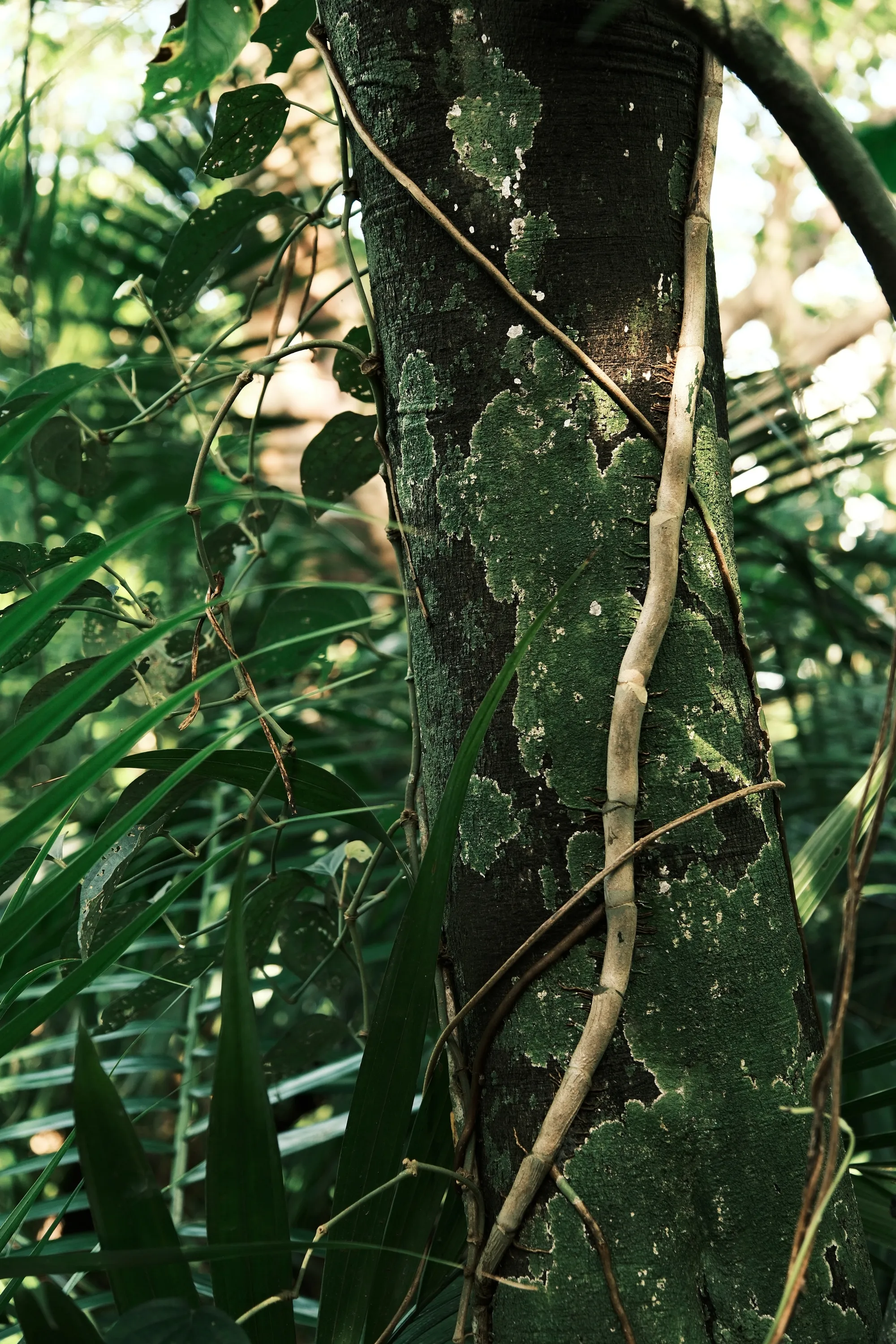
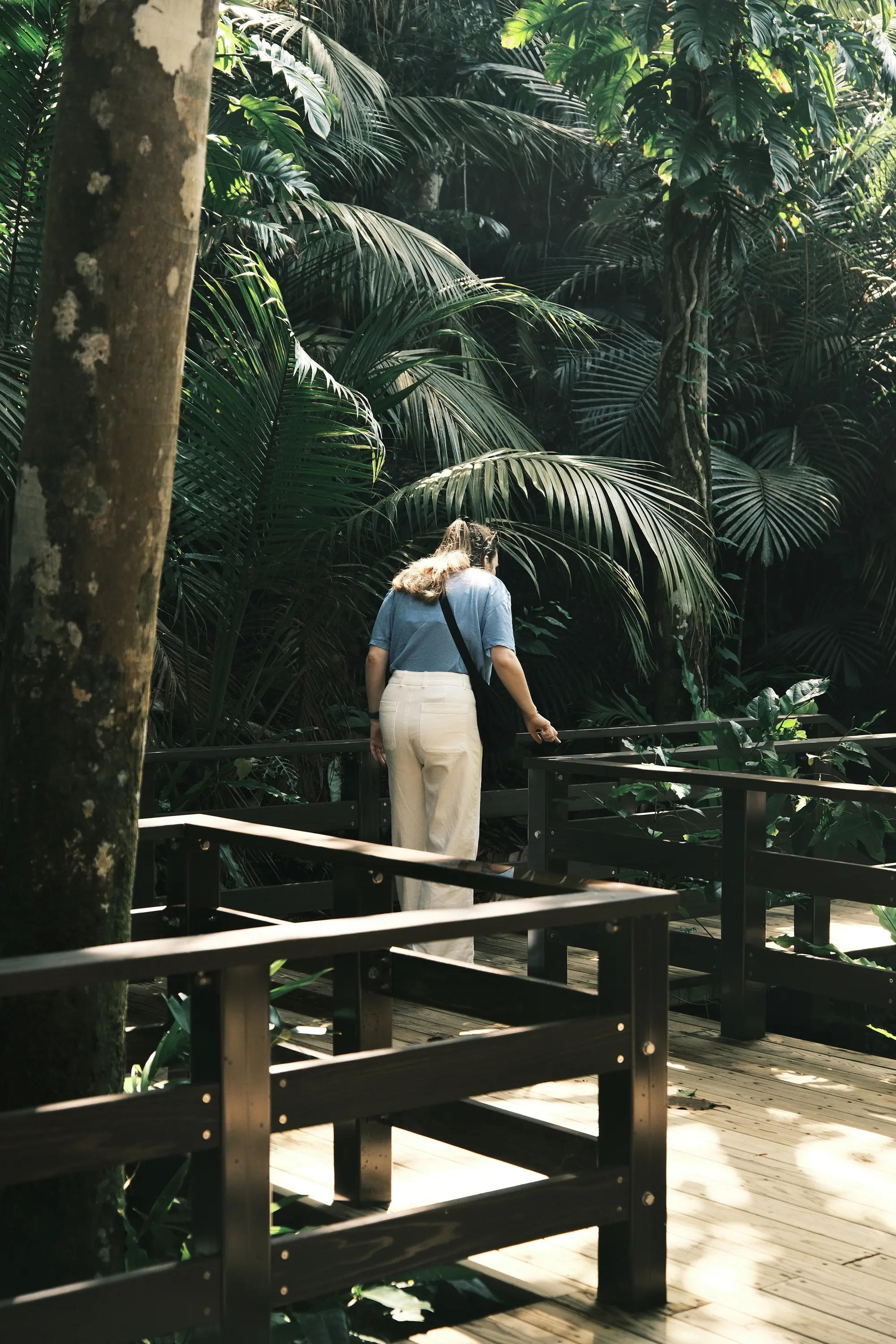
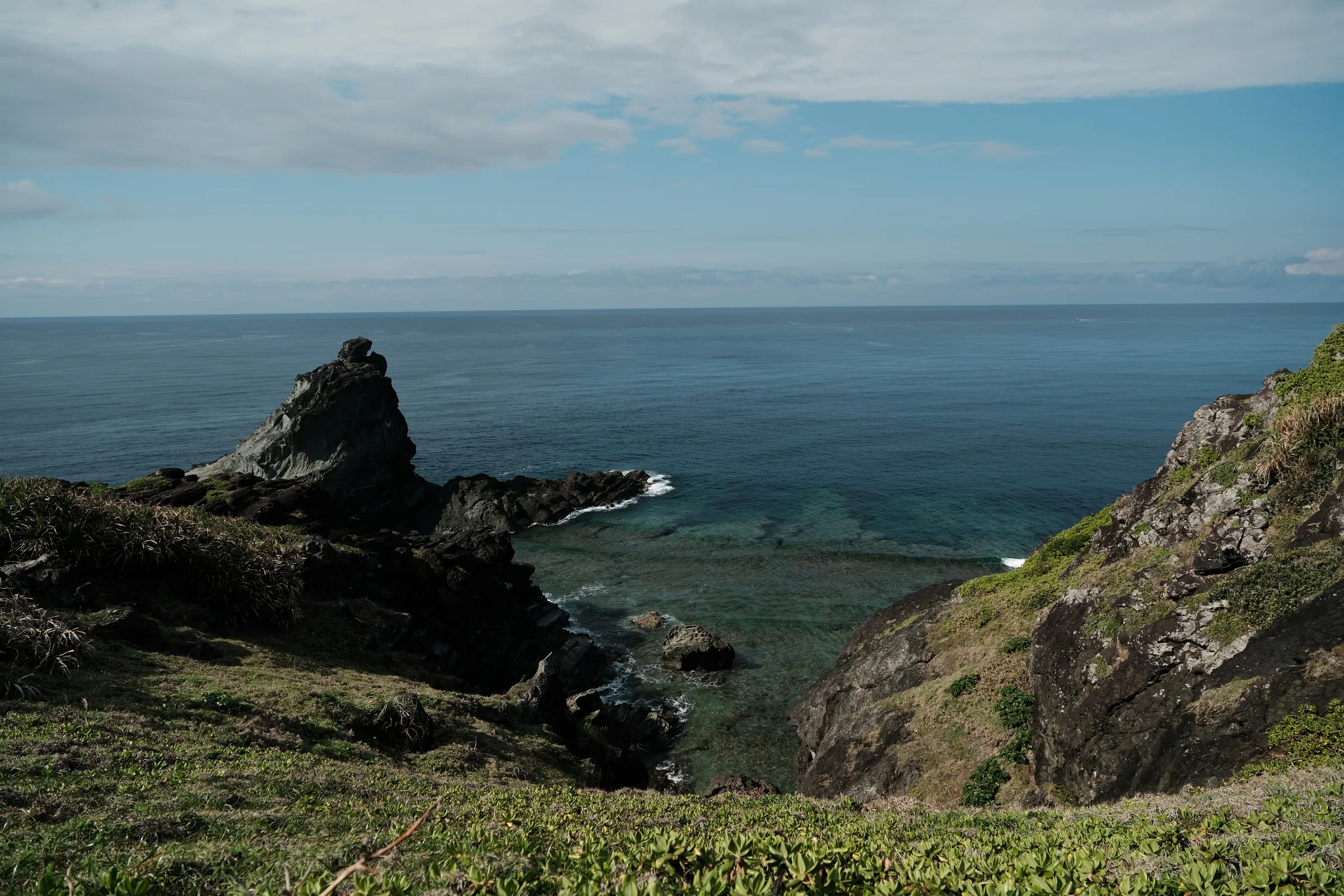
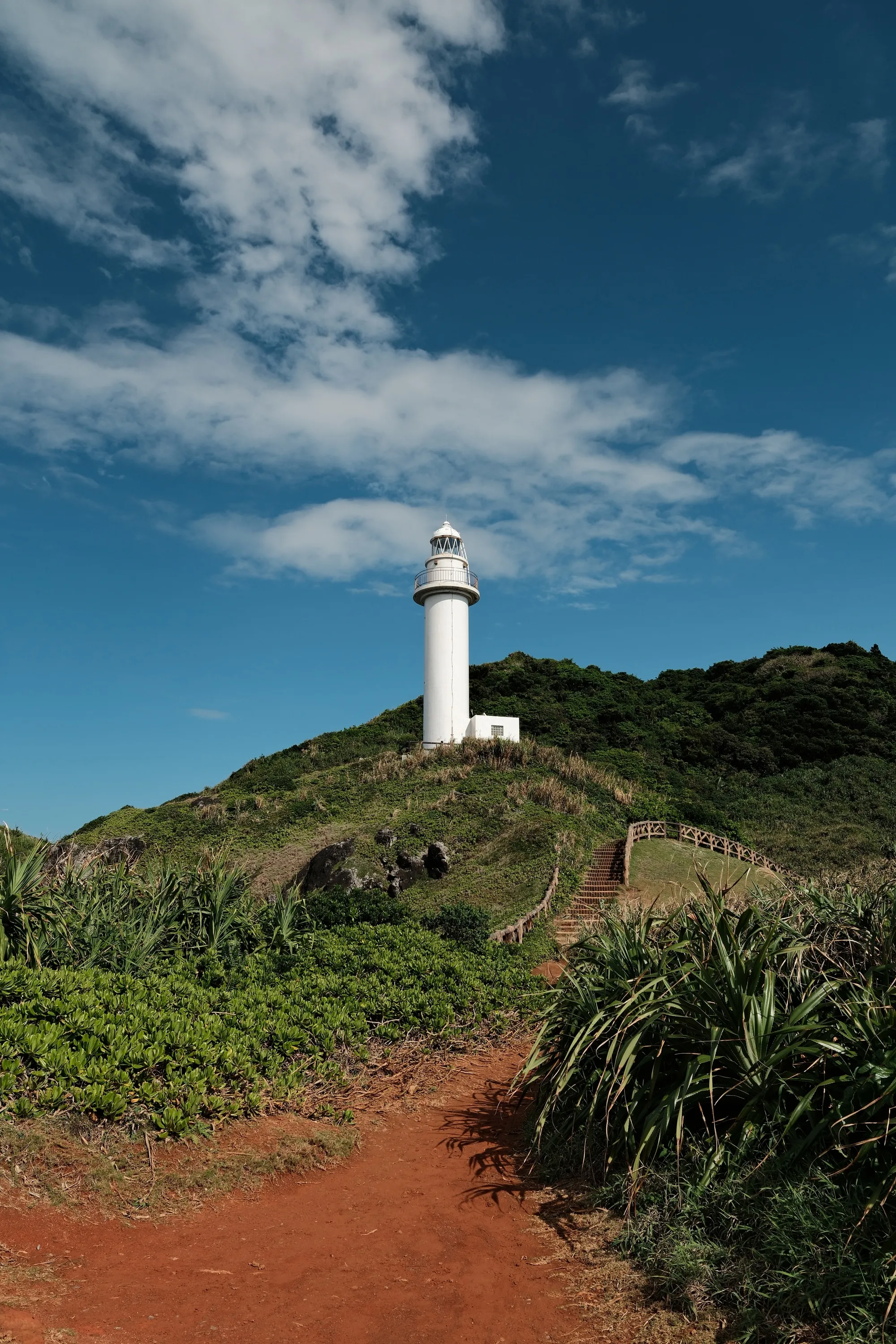
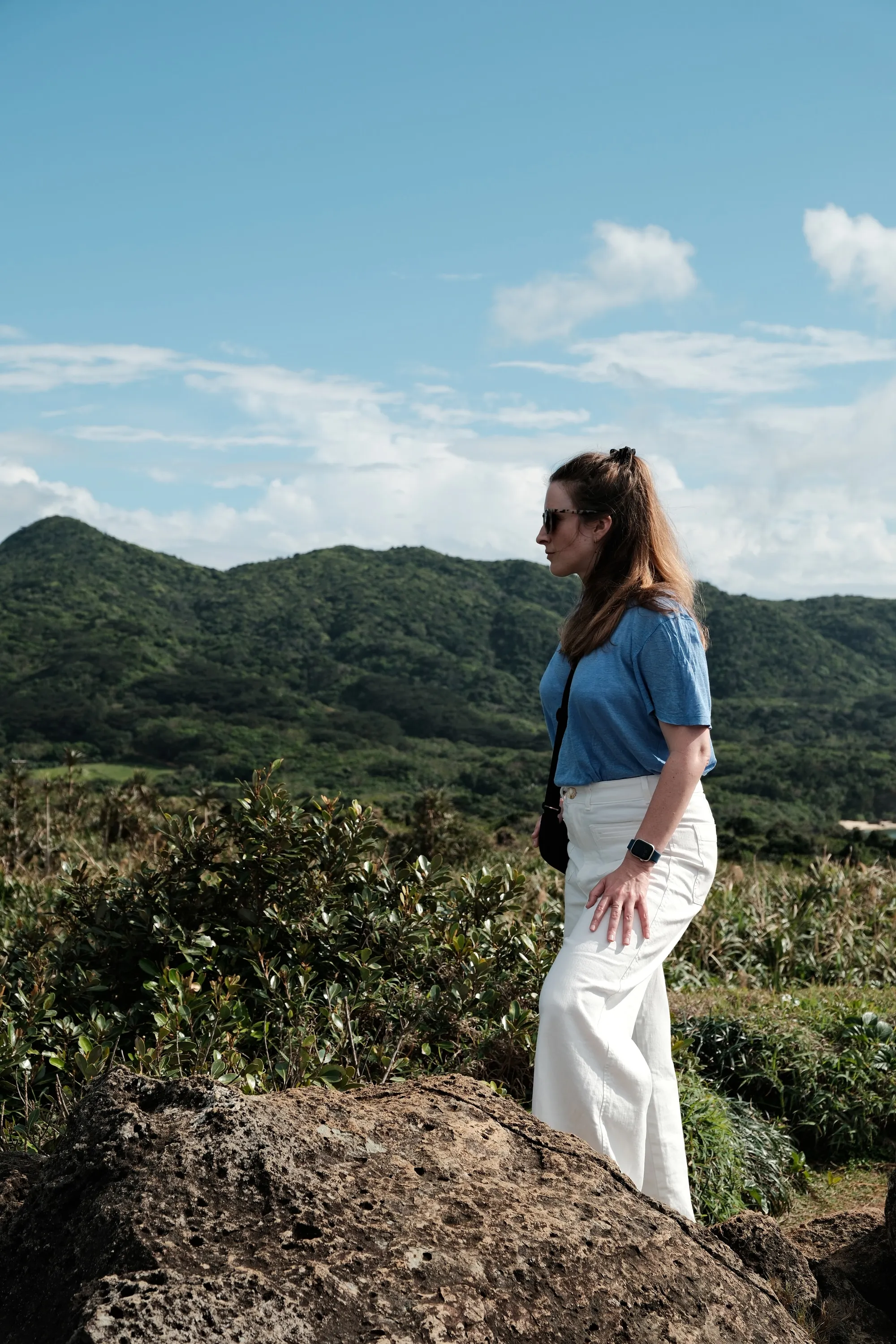
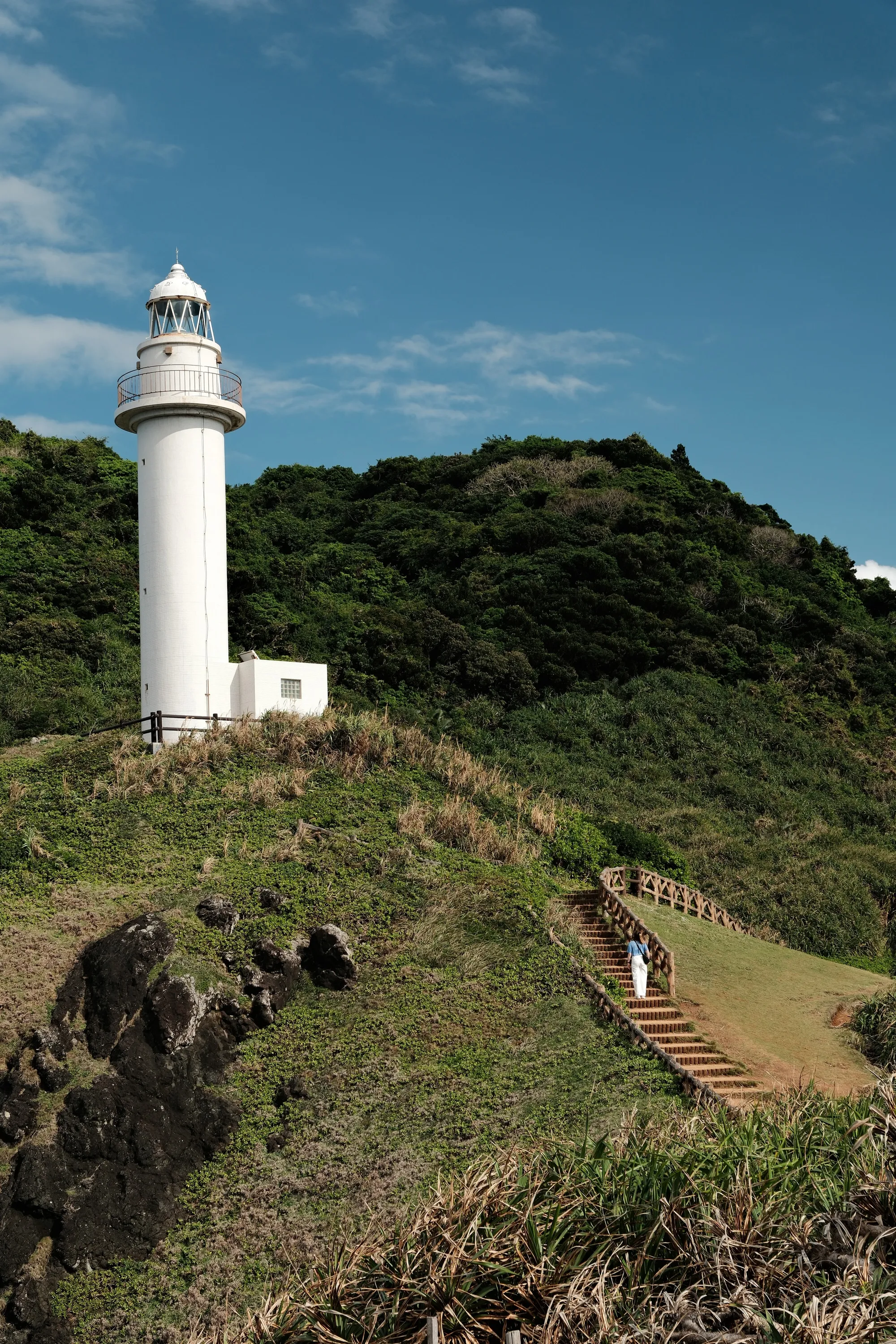
A brighter island chapter of stone-walled lanes, jungle paths, white lighthouses, wide views over reef-fringed bays, and beaches shifting from pale sand to impossible turquoise—Japan gradually giving way to the subtropics of the Yaeyamas.
 367
 368
 369
 370
 371
 372
 373
 374
 375
 376
 377
 378
 379
 380
 381
 382
 383
 384
 385
 386
 387
 388
 389
 390
 391
 392
 393
 394
 395
 396
 397
 398
 399
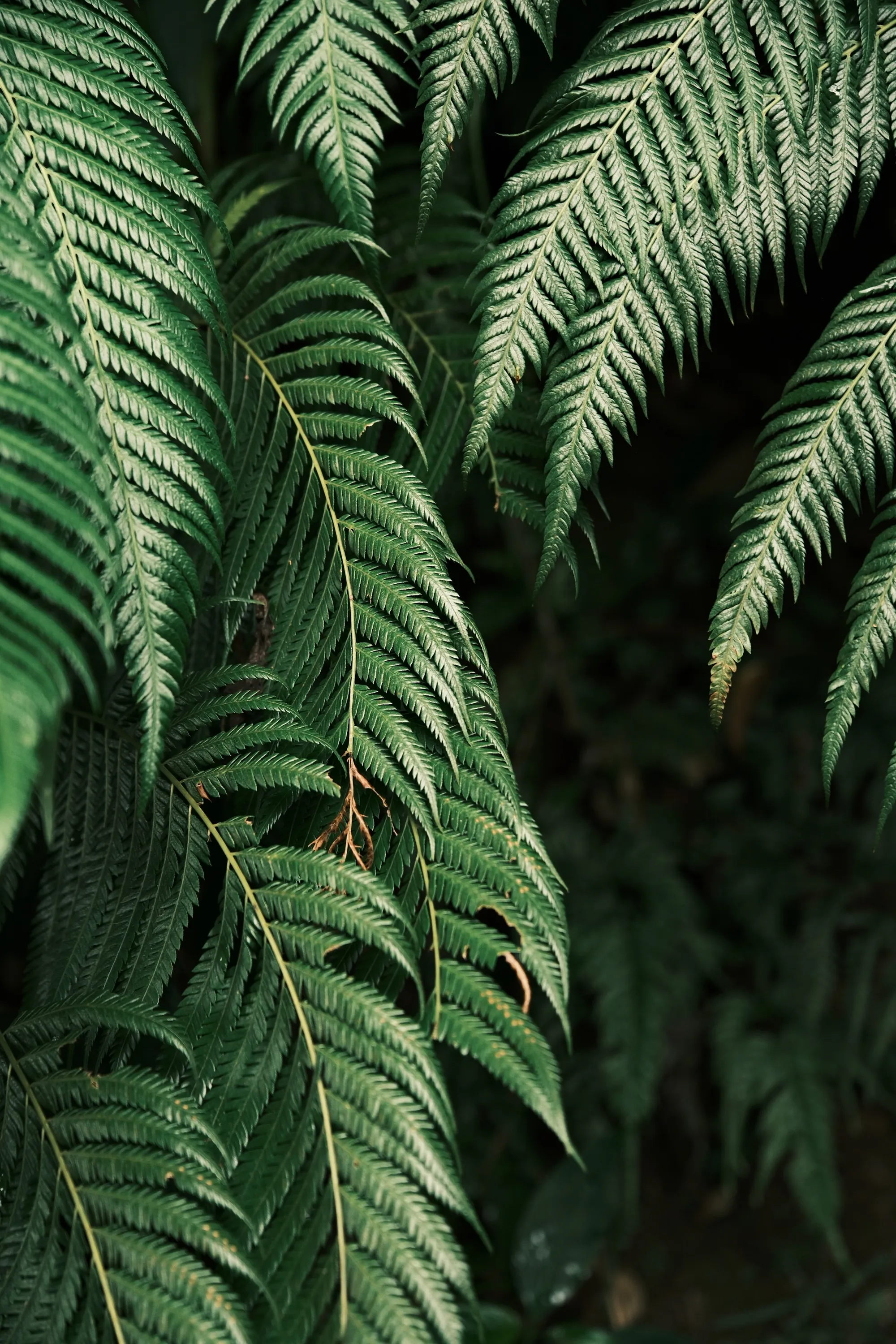
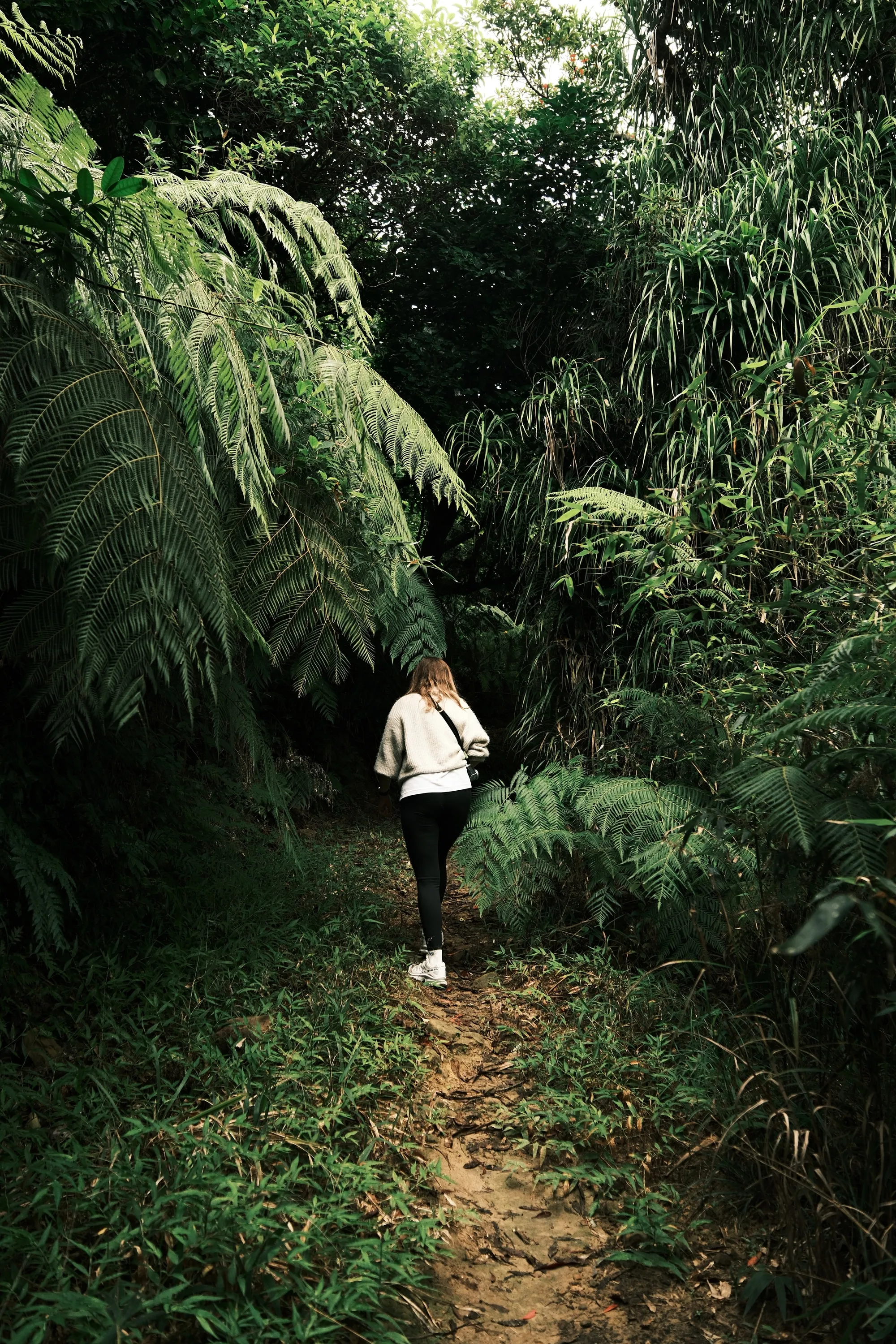
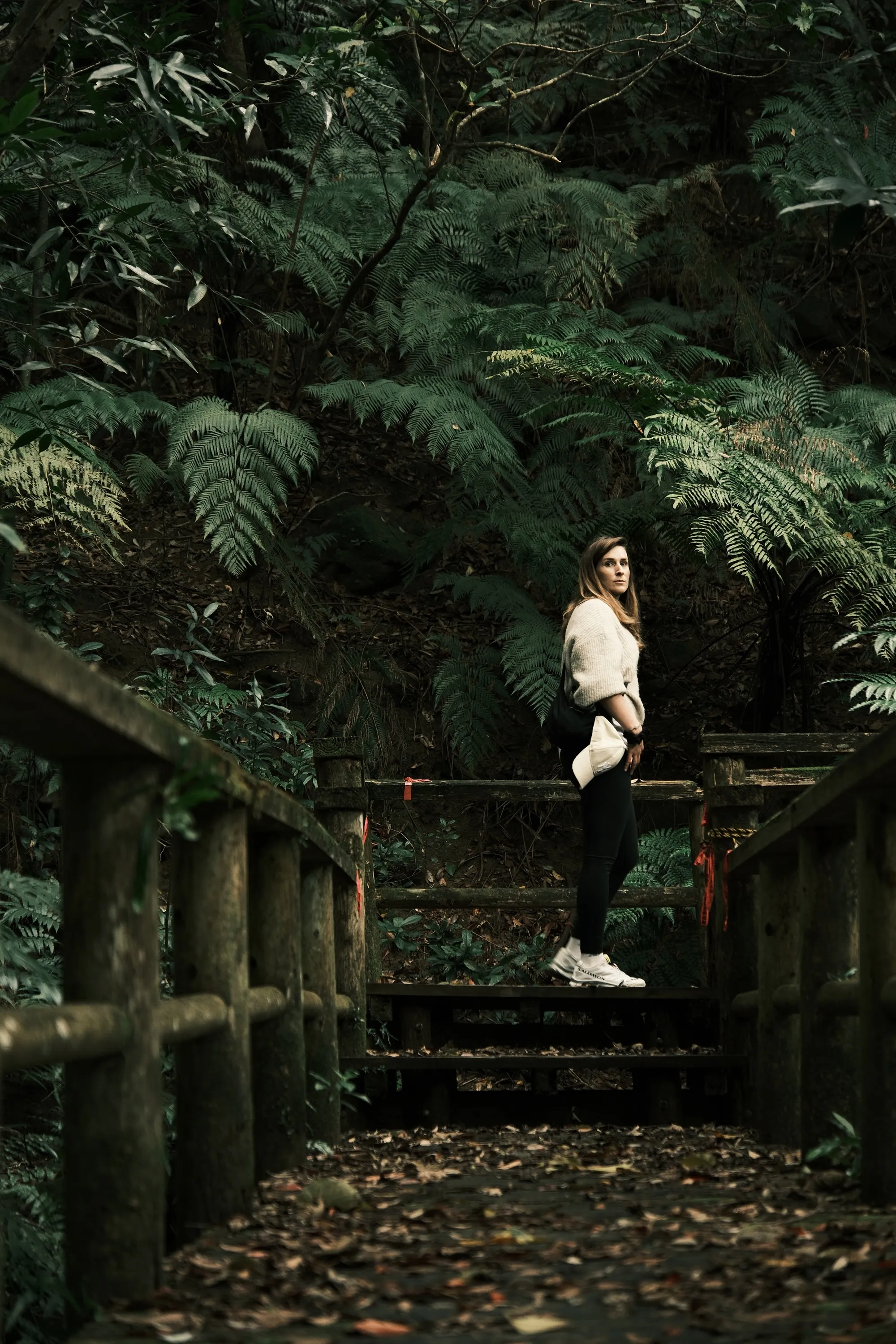
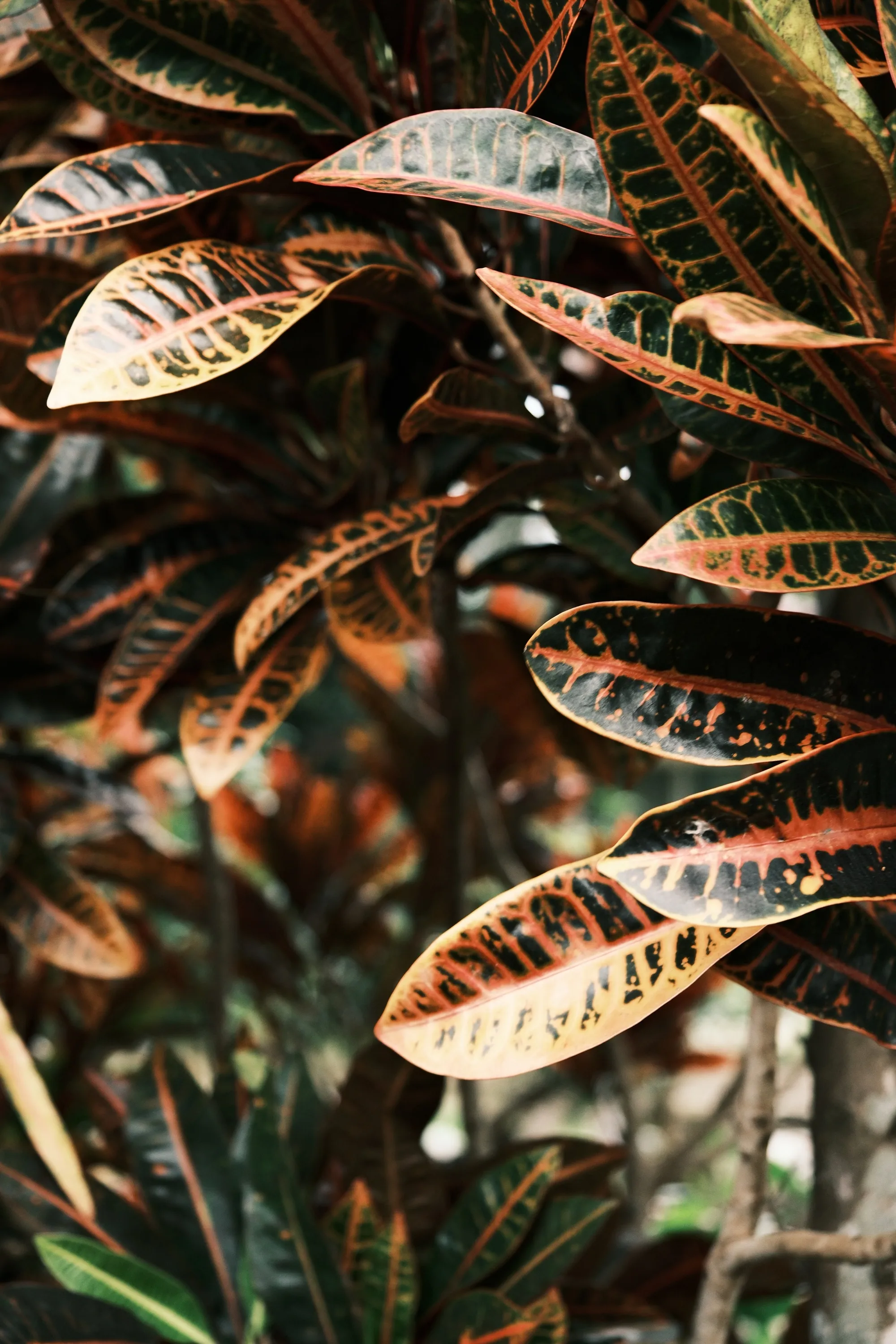
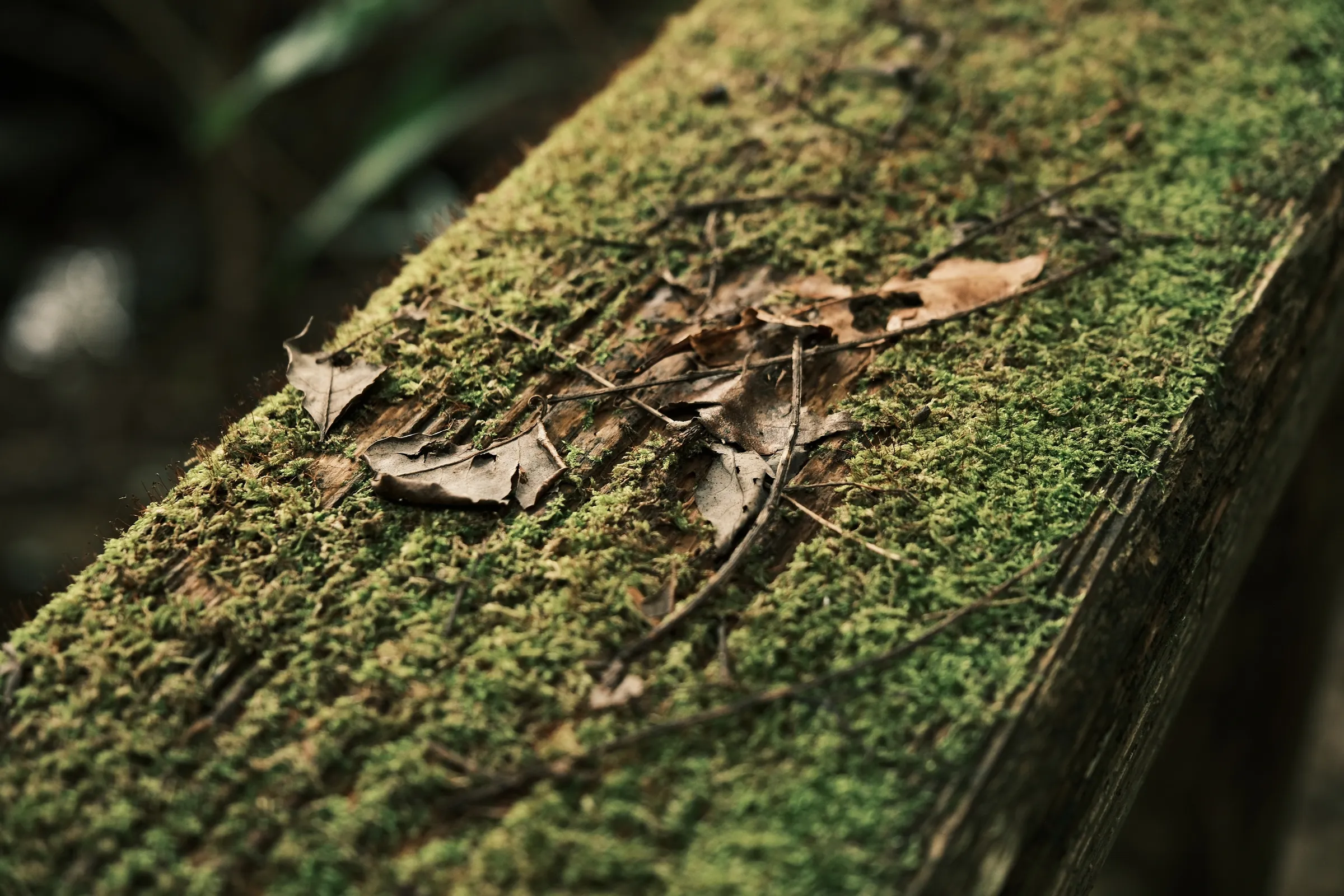
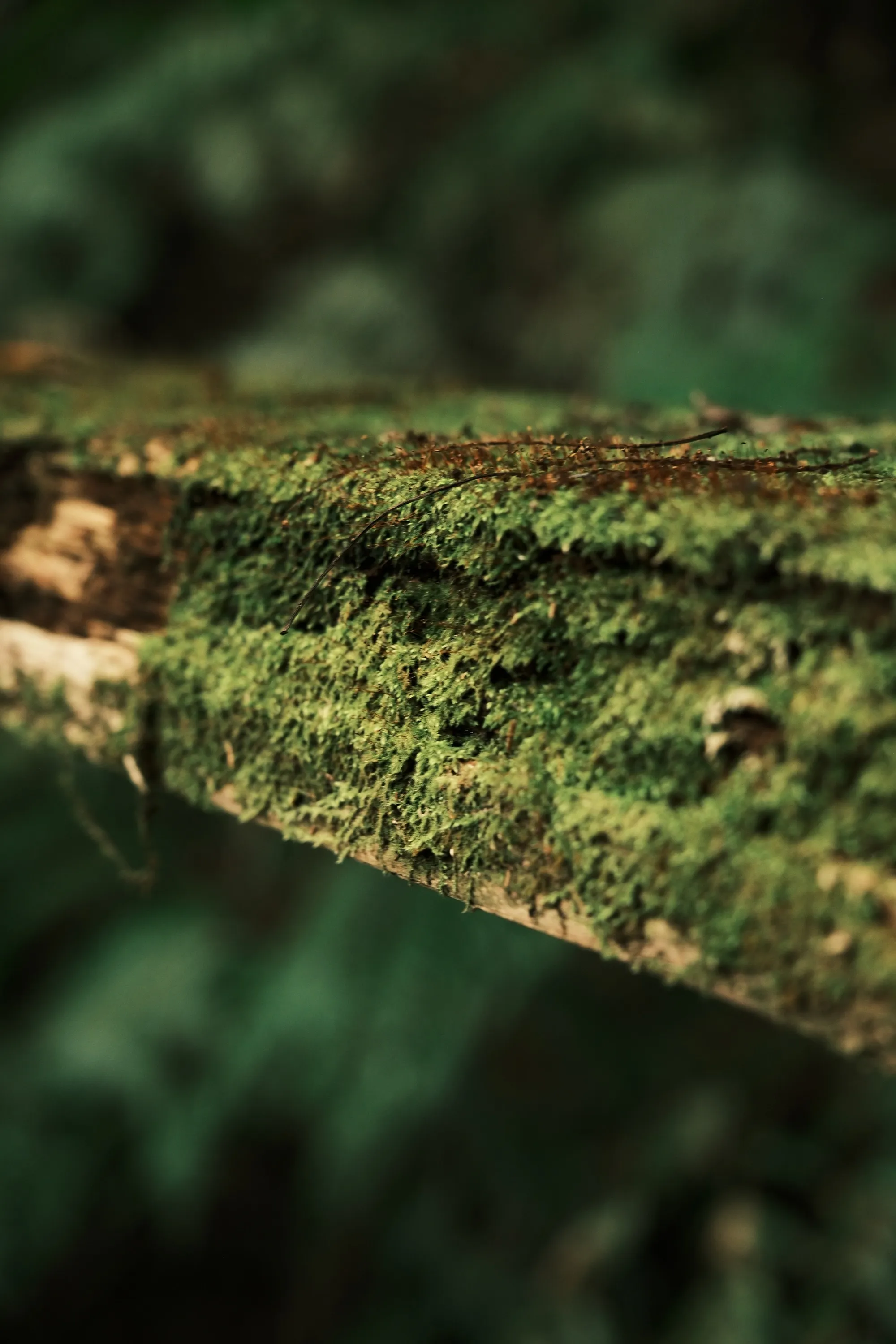
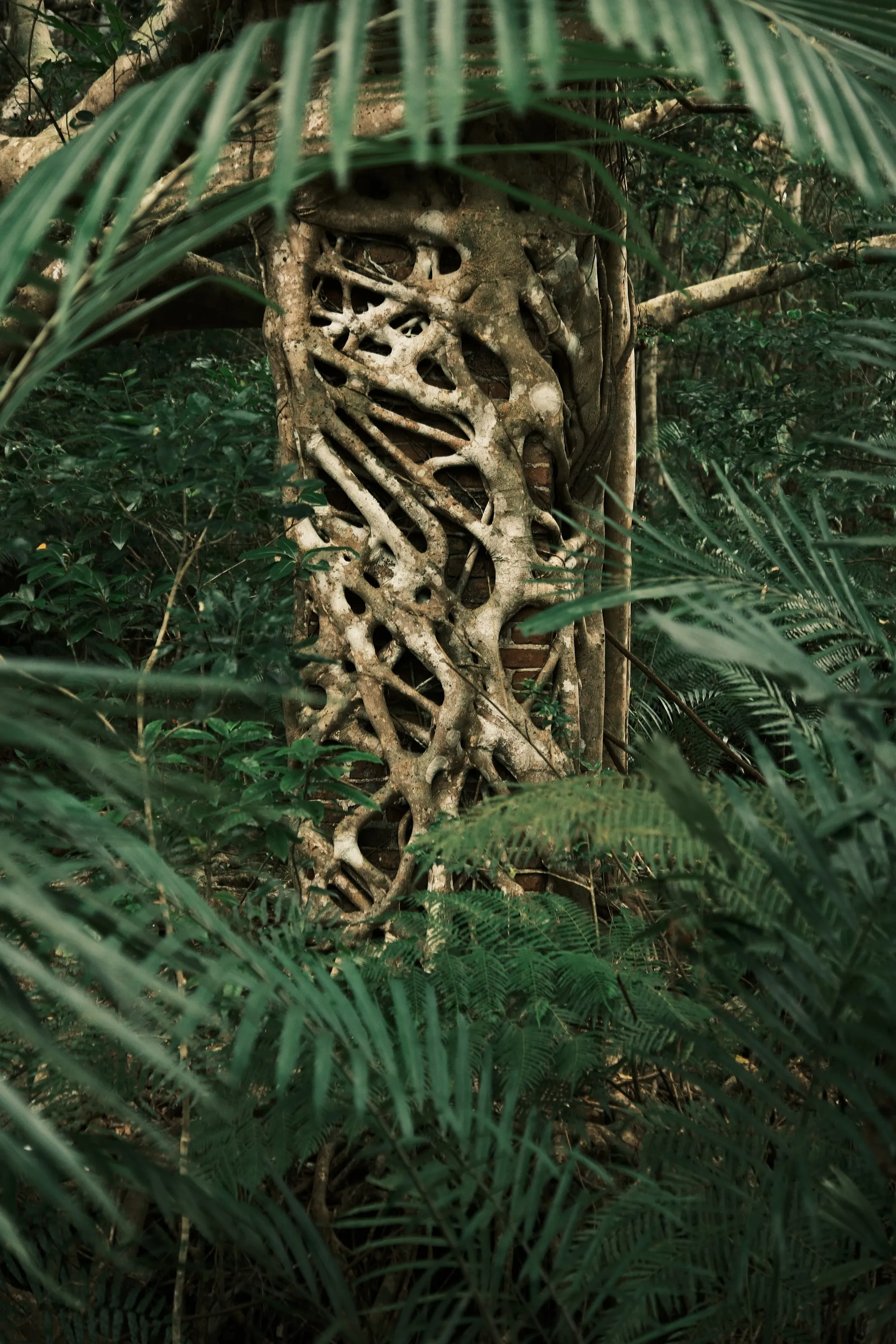
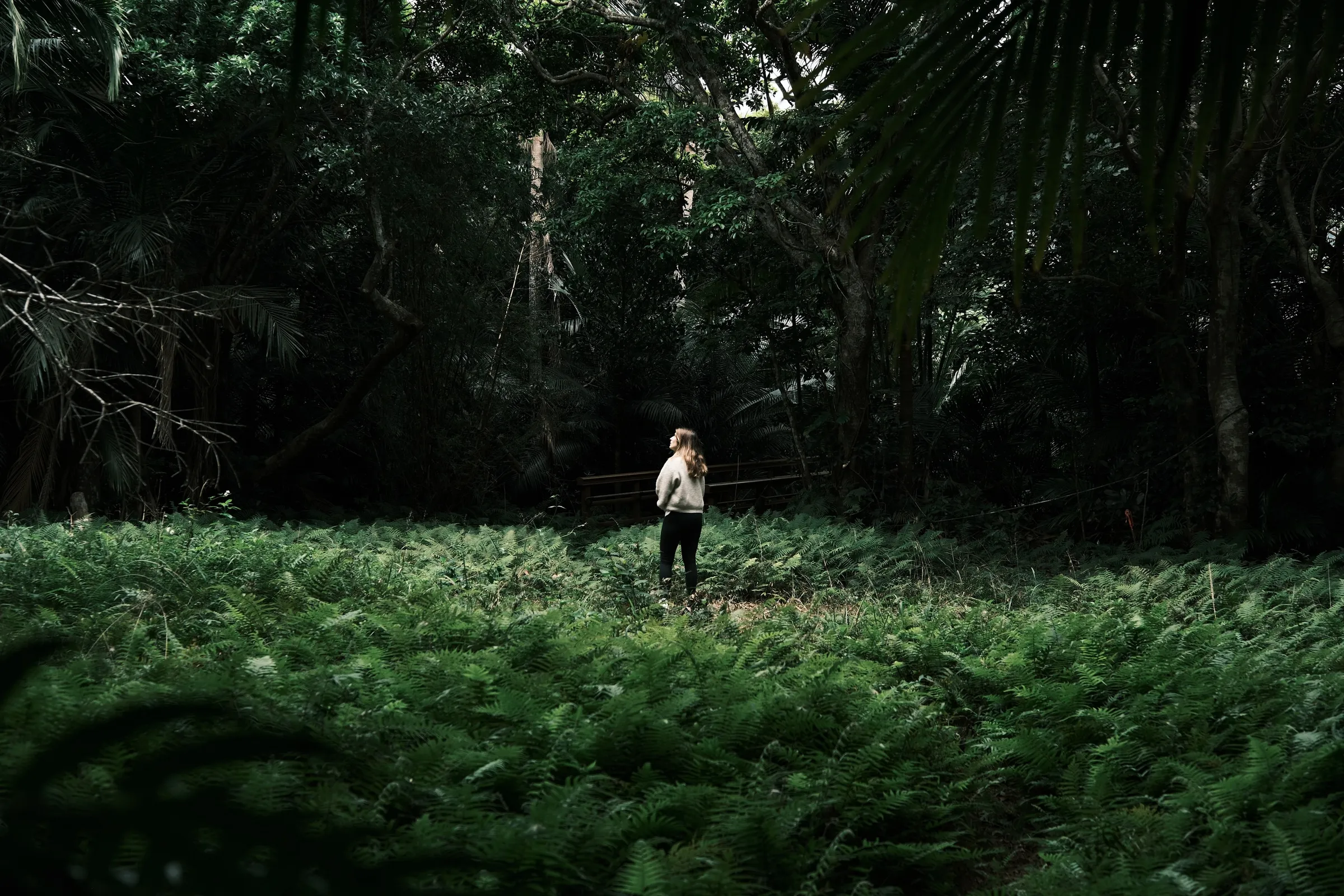
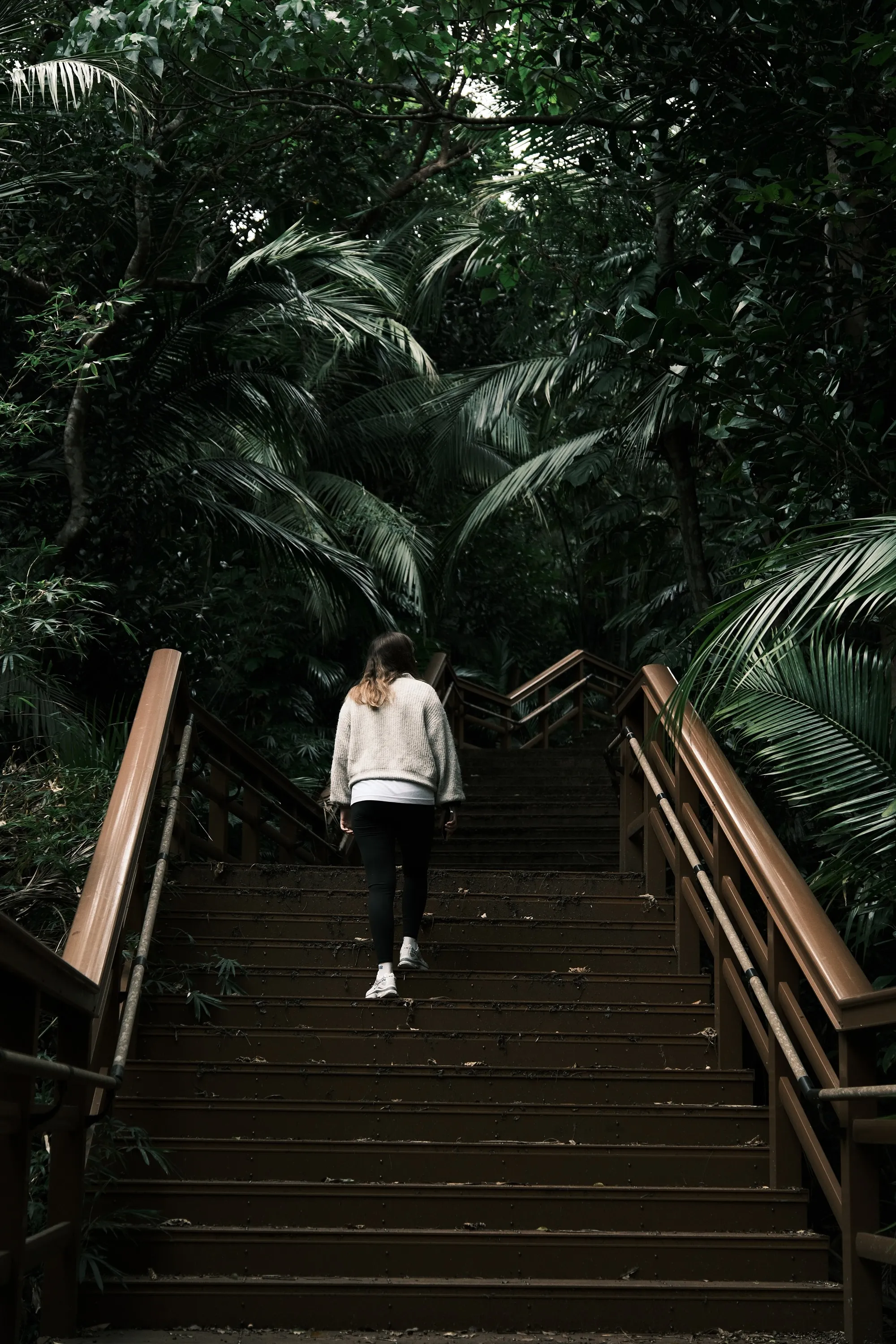
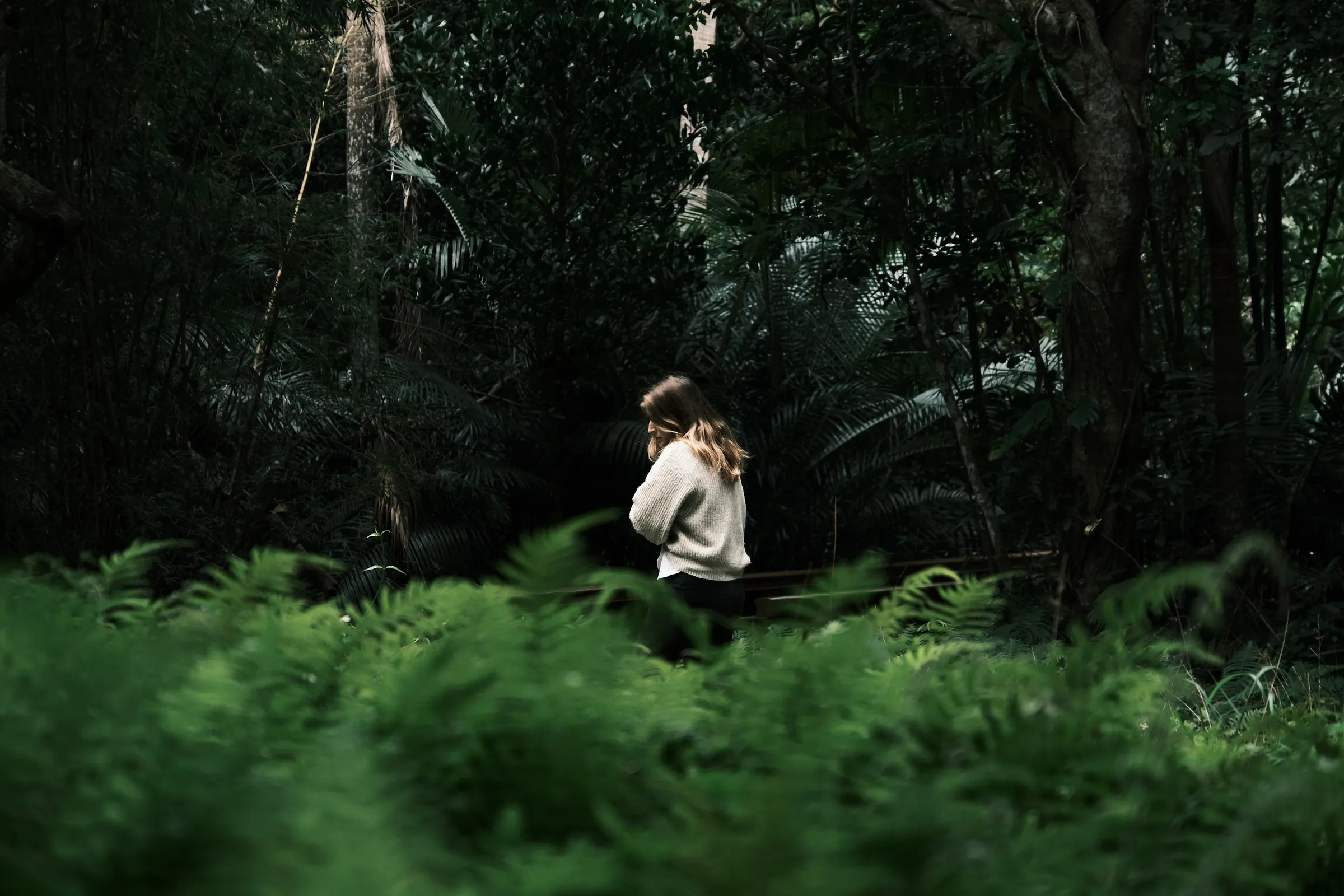
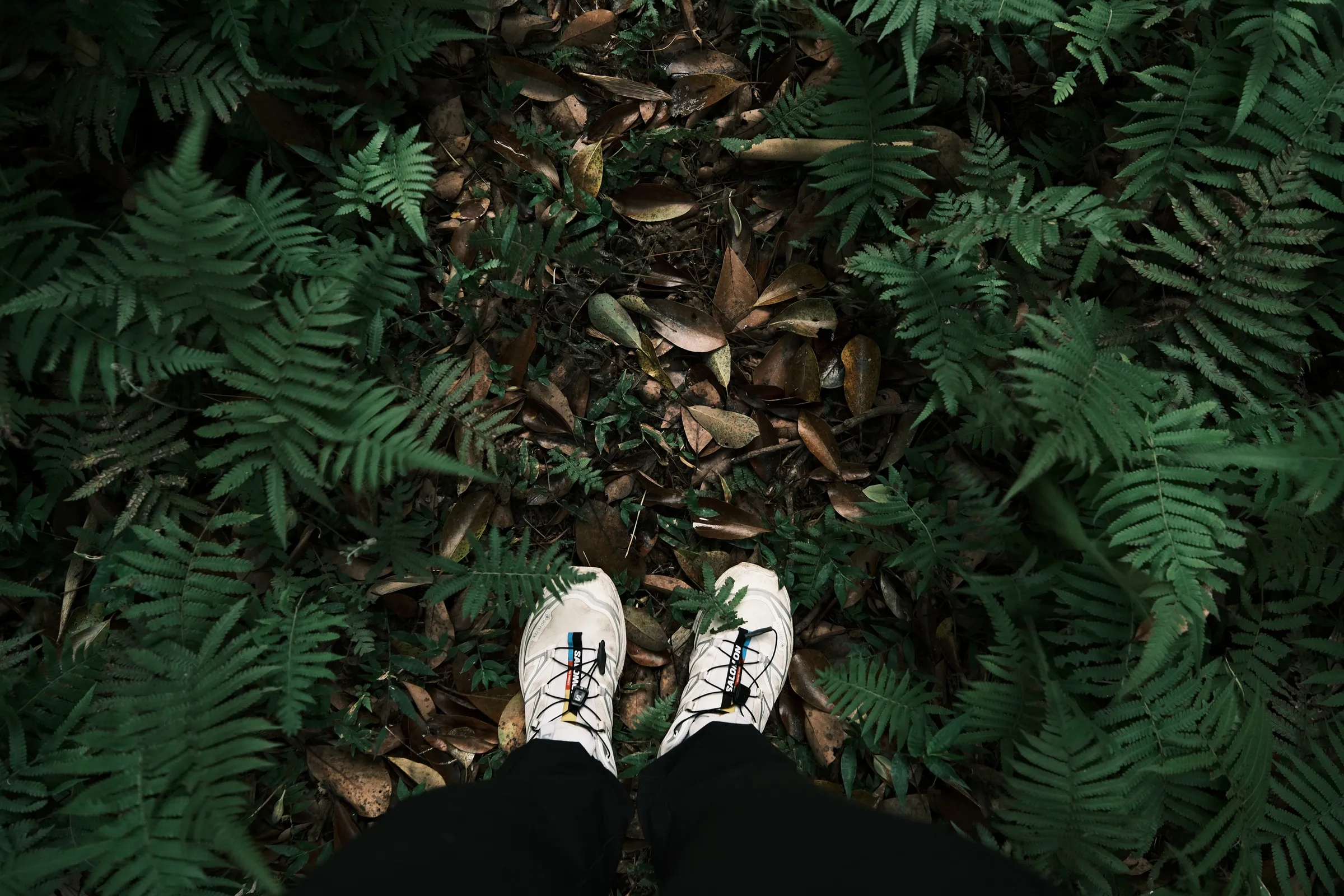
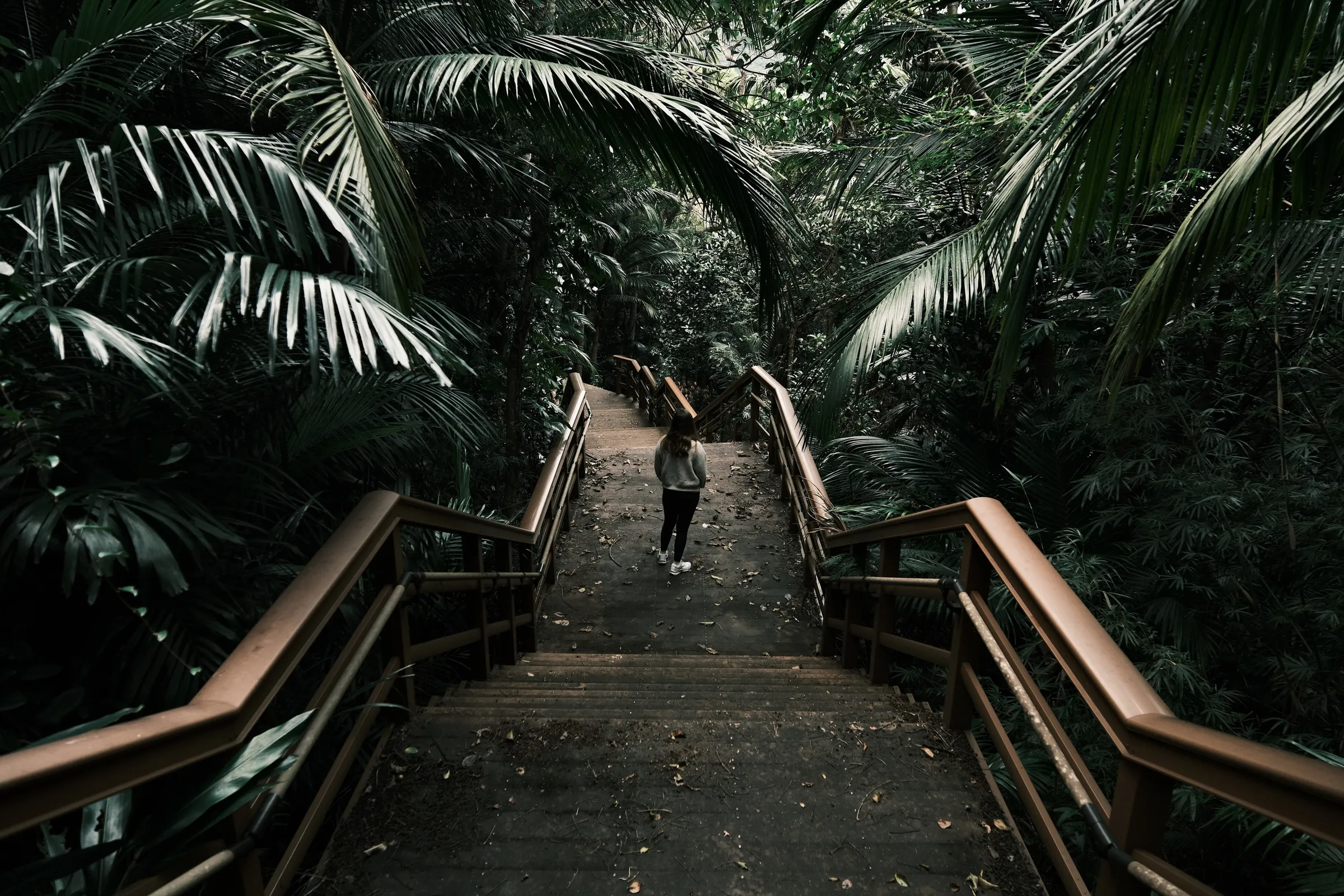
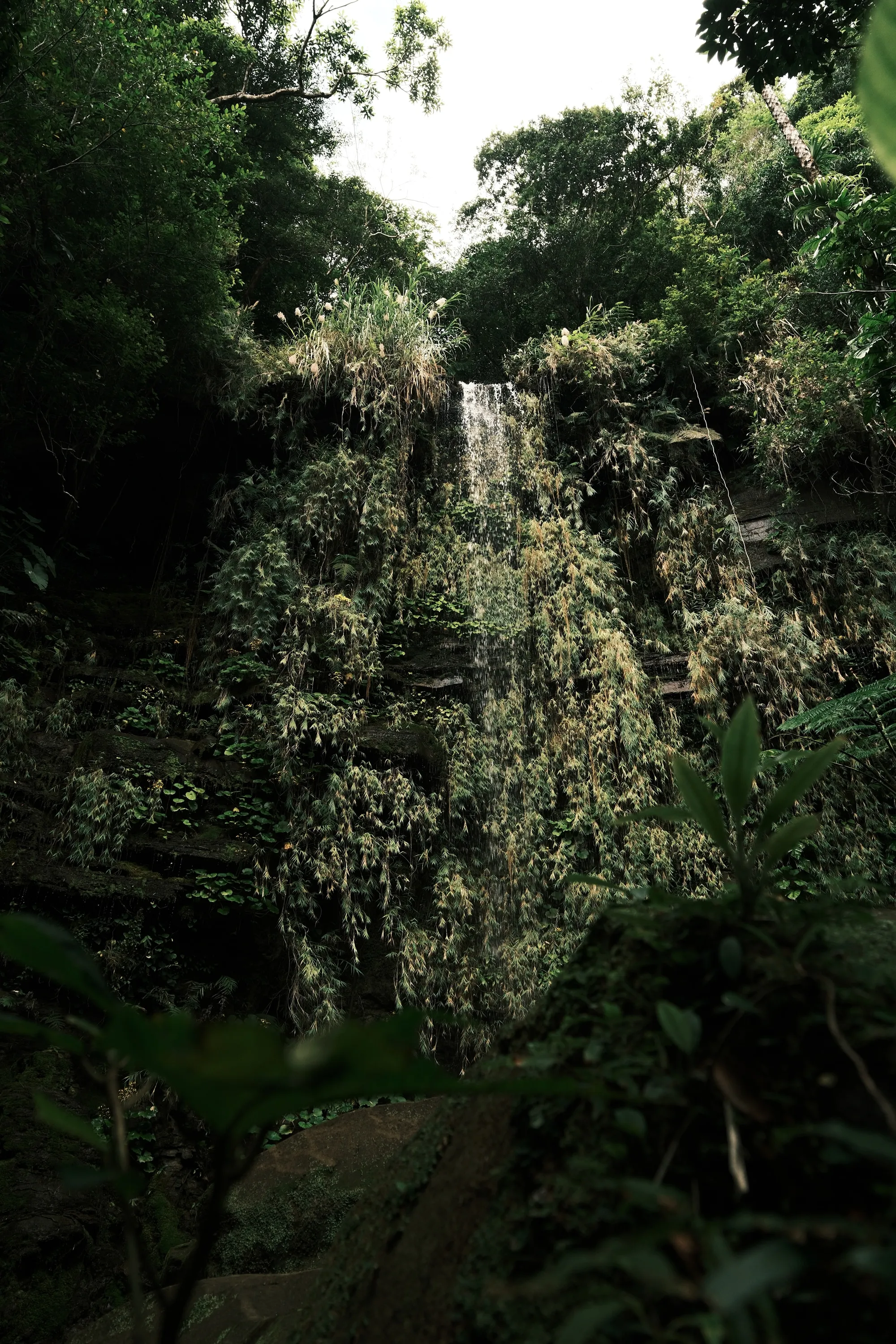
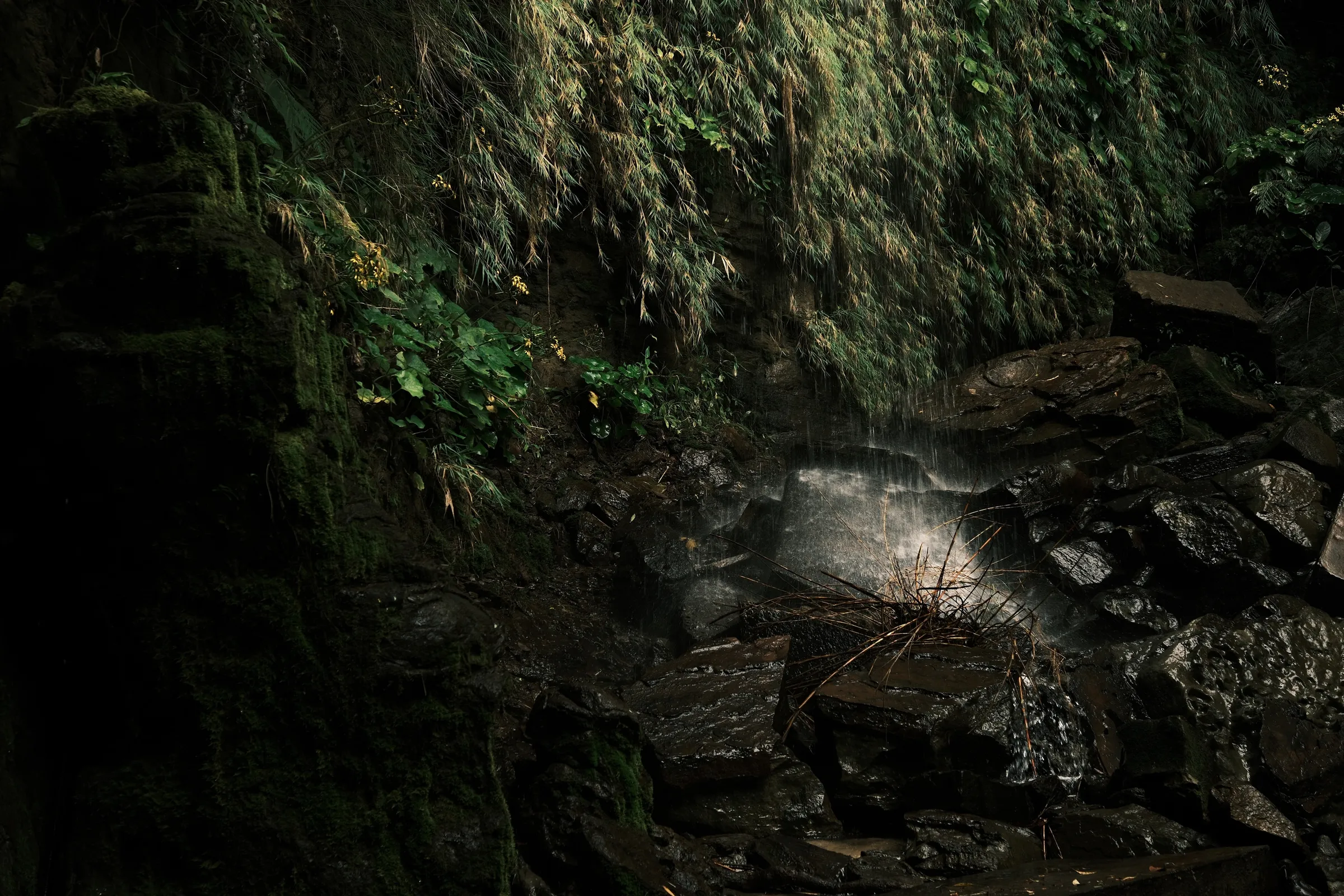
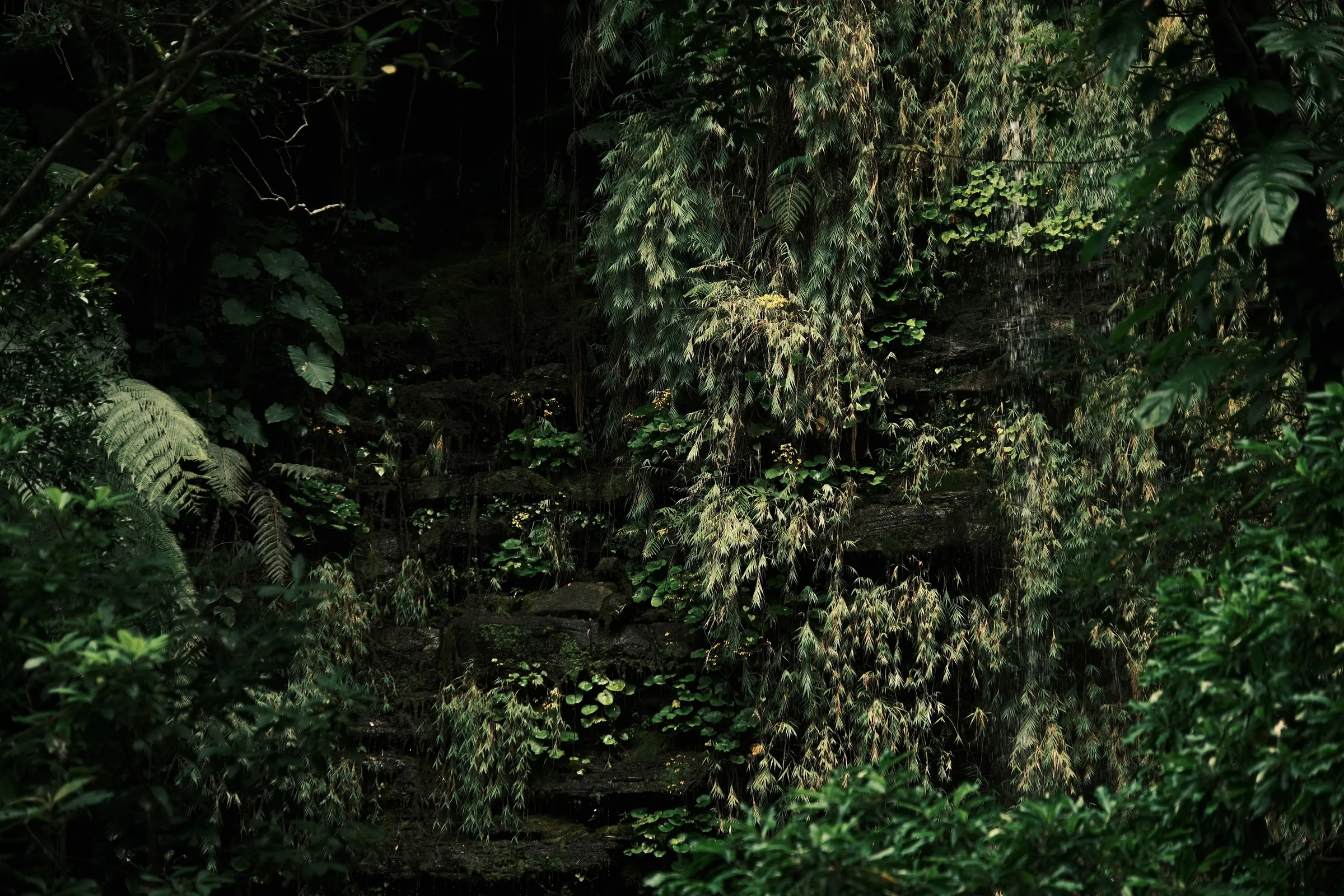
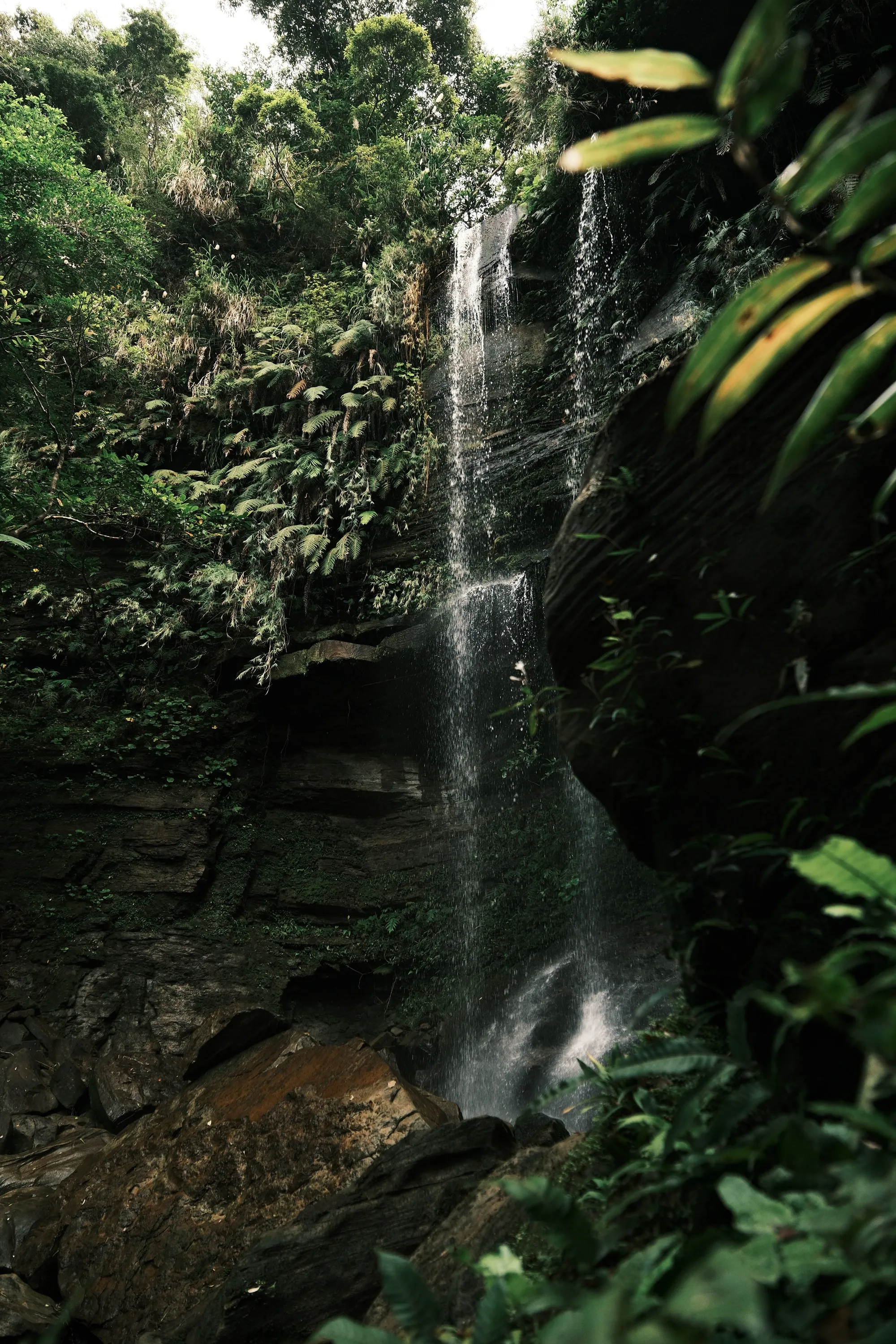
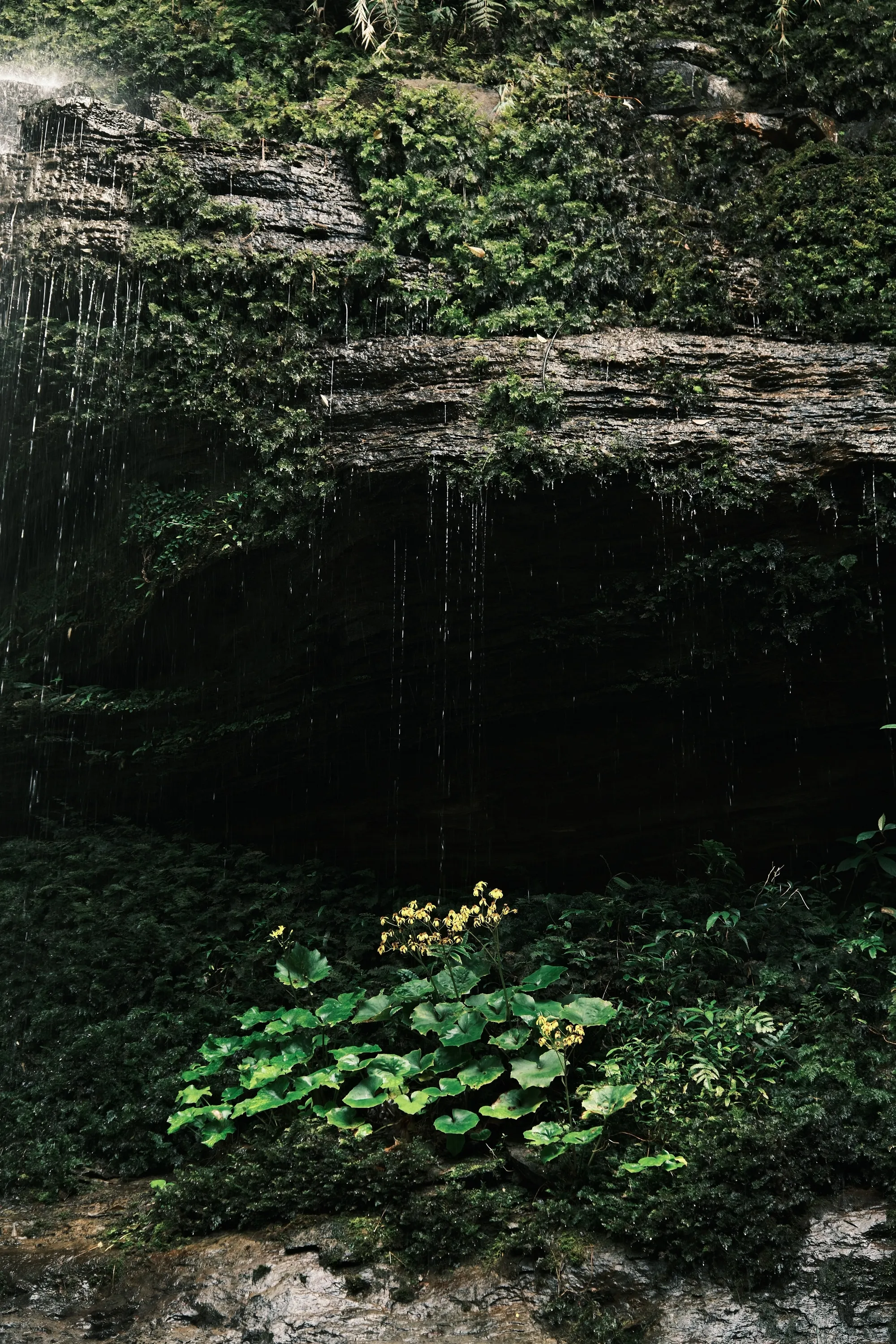
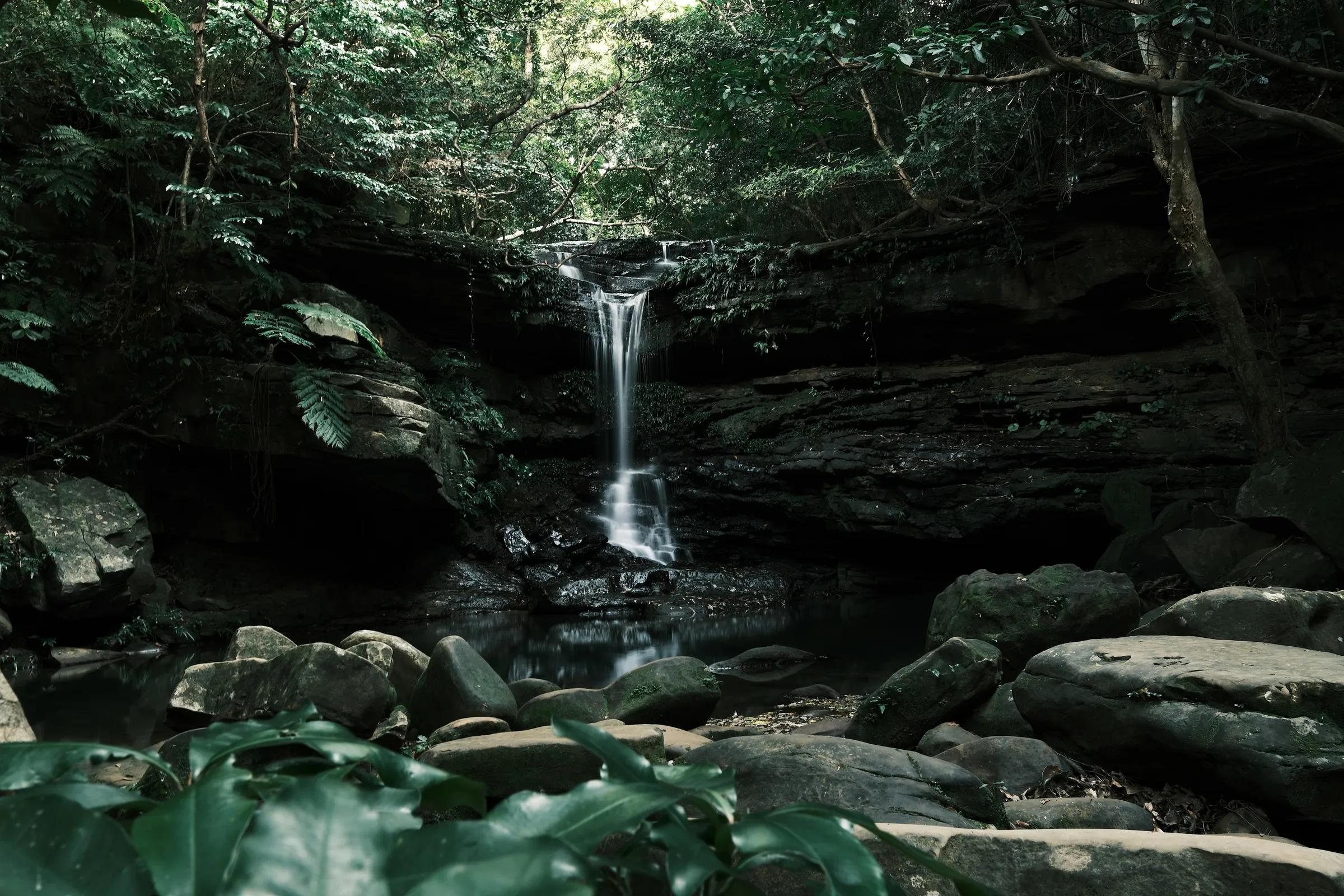
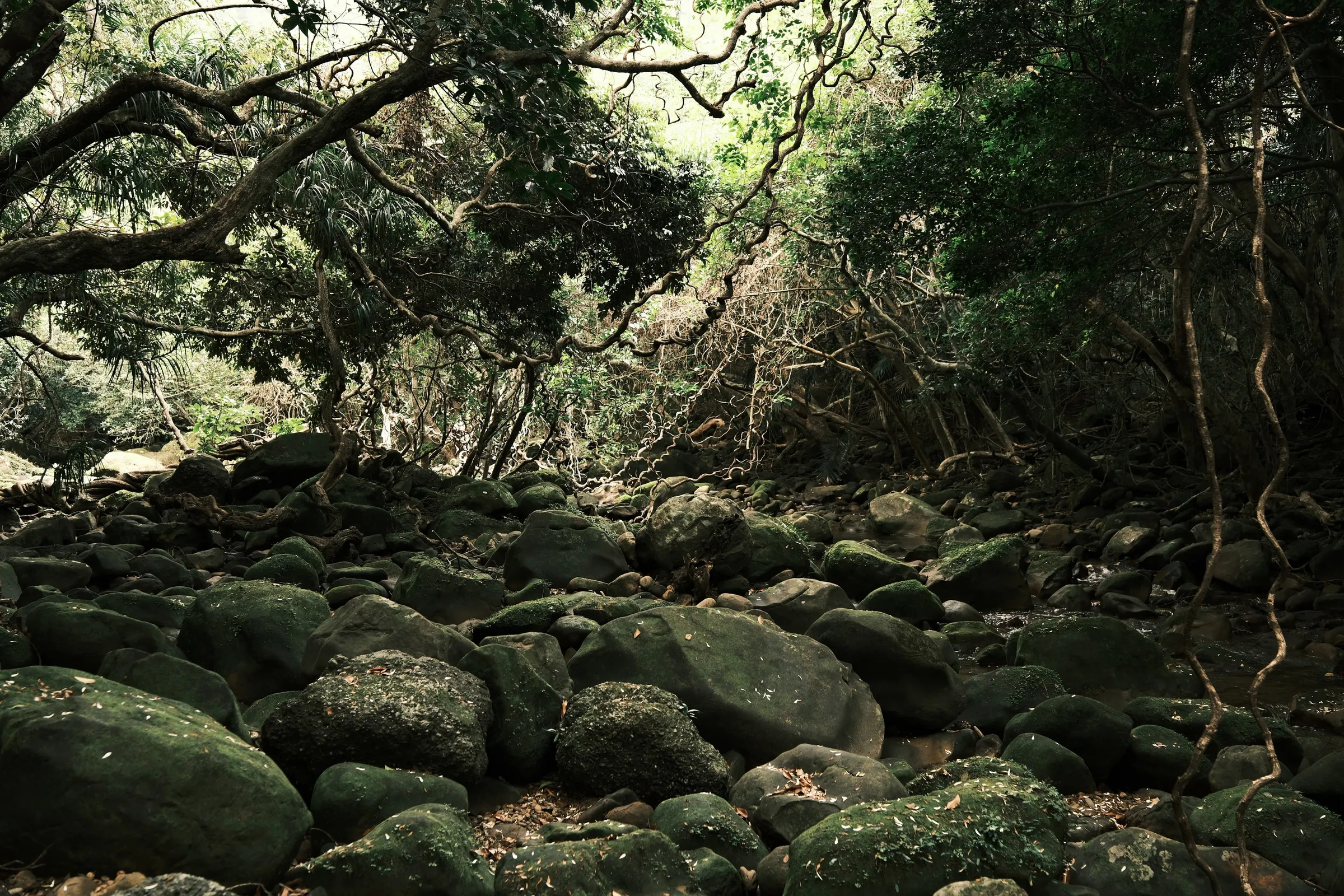
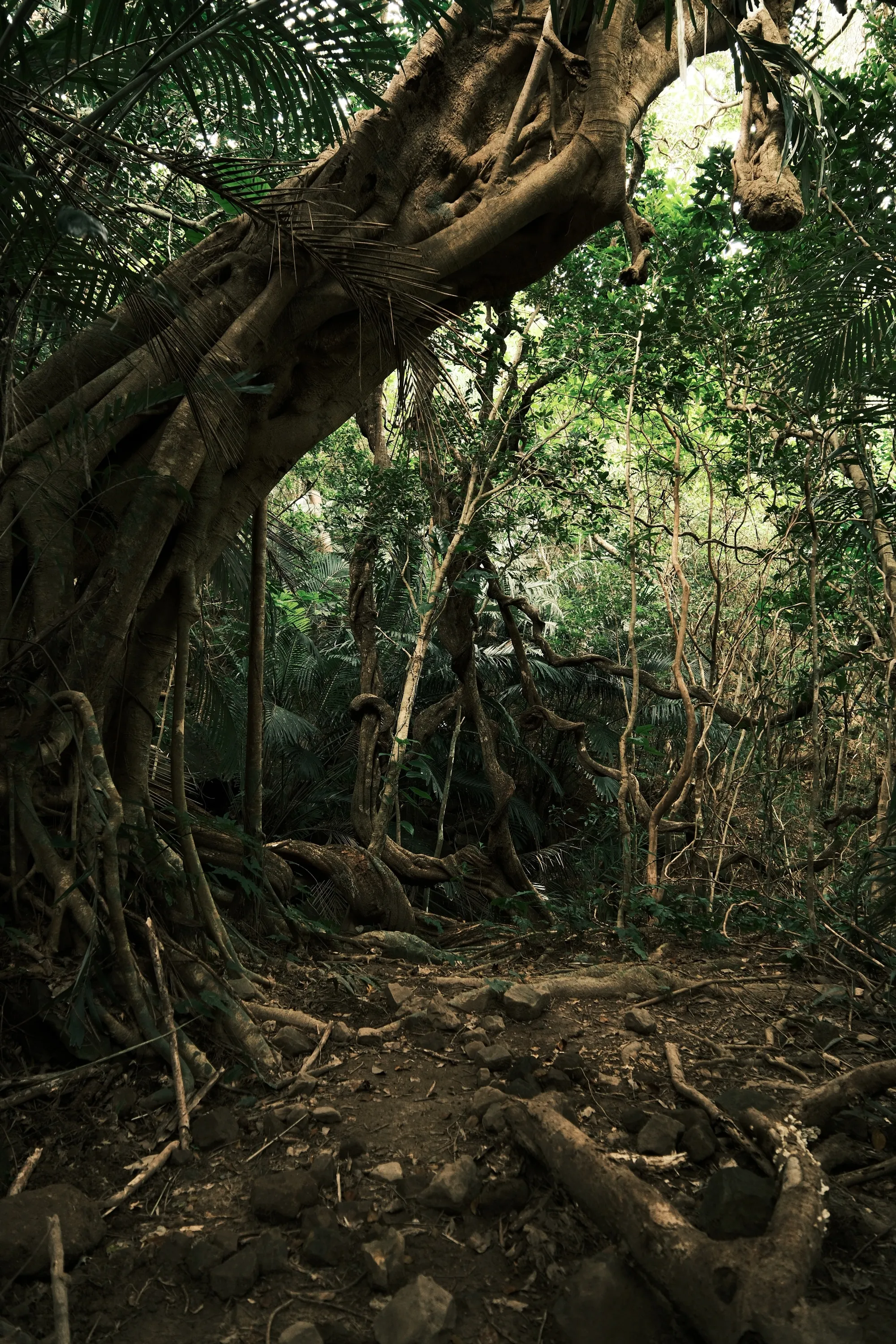
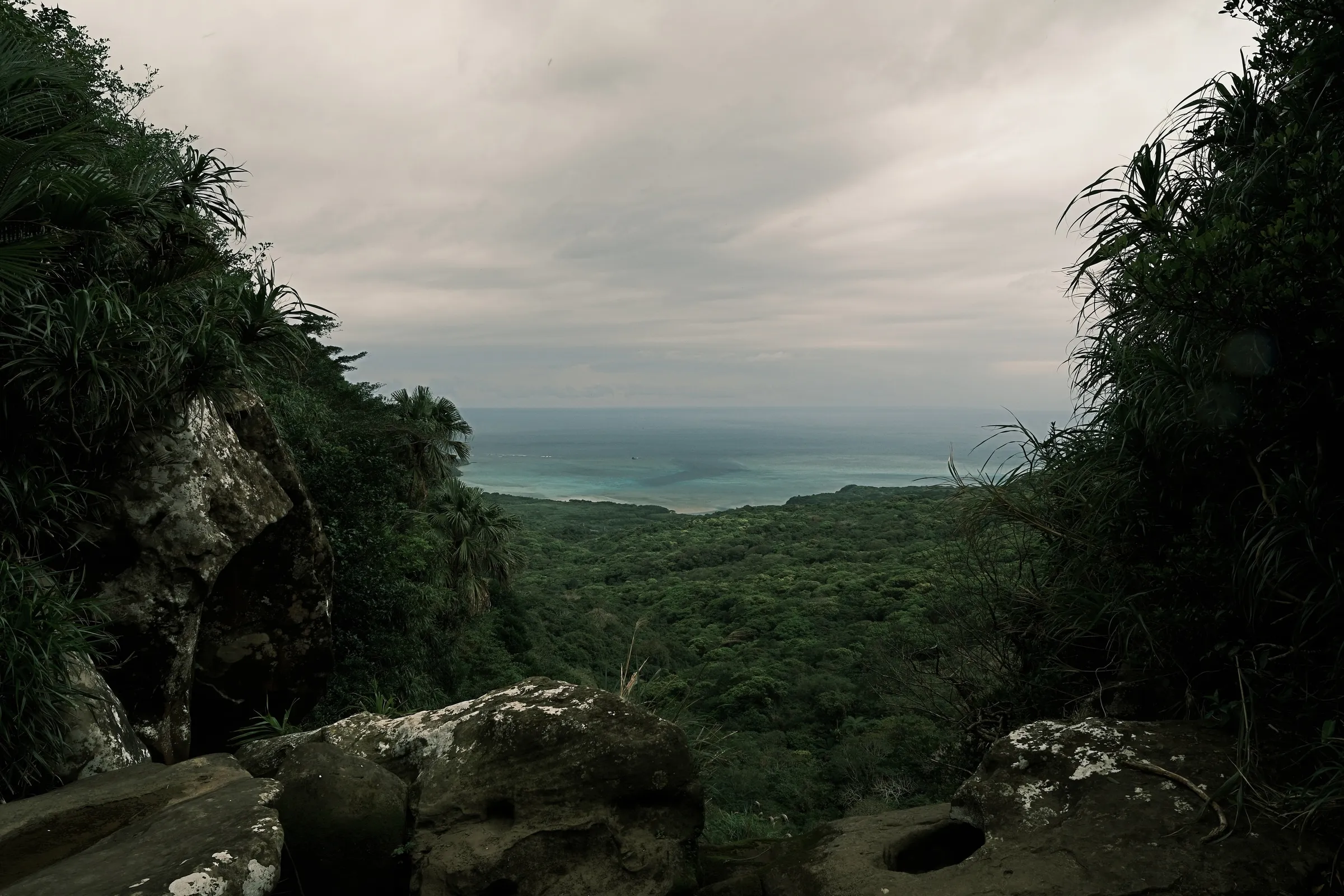
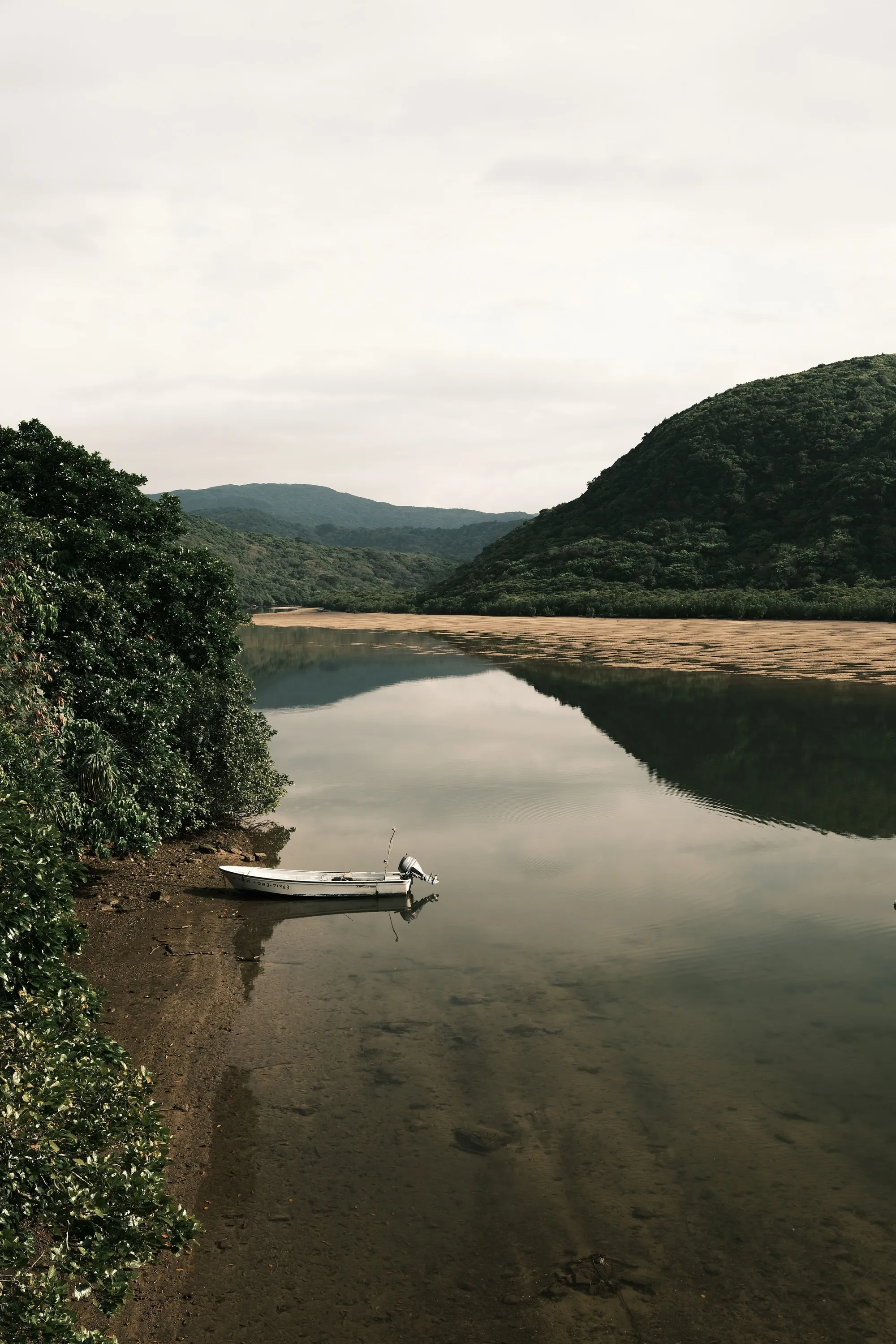
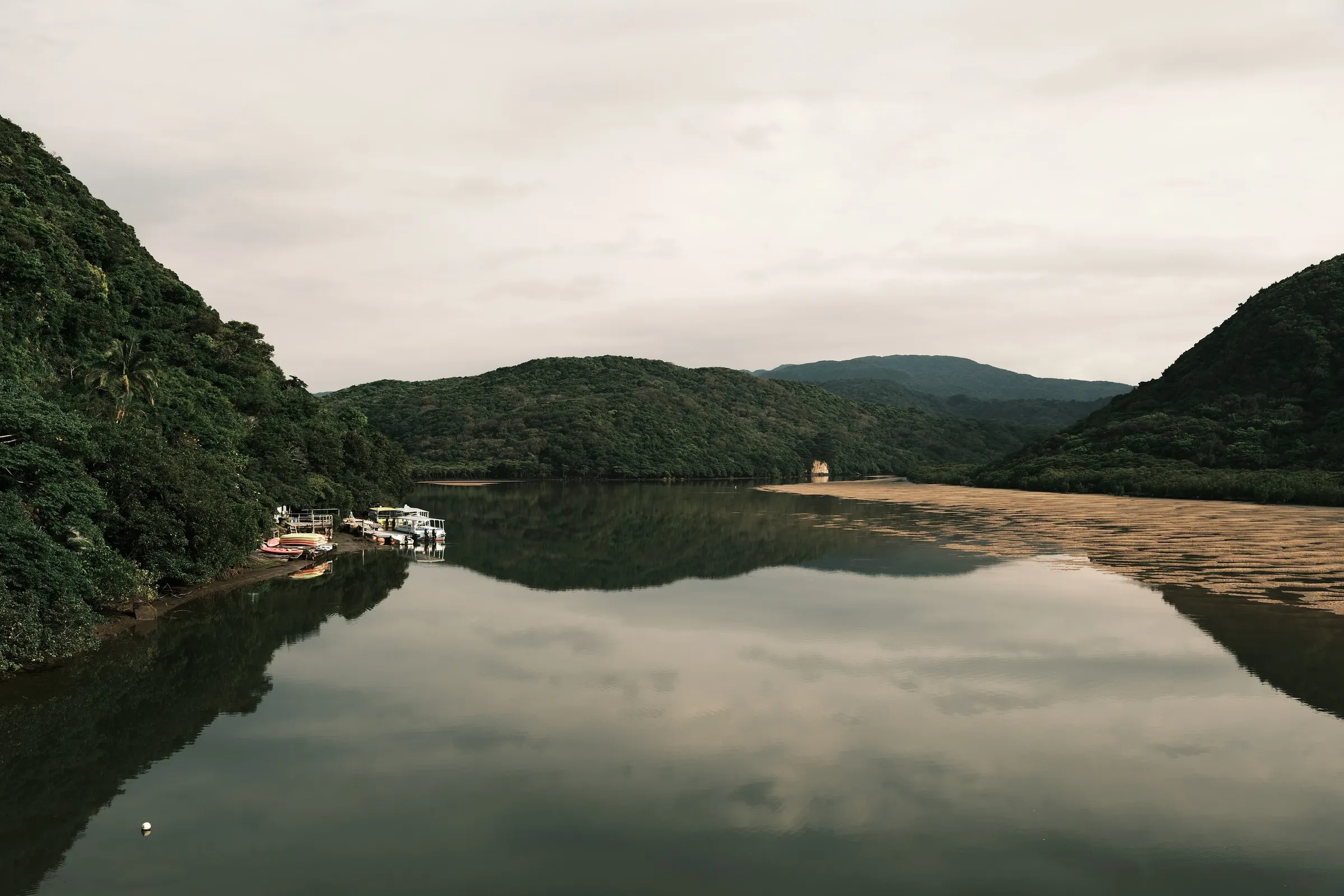
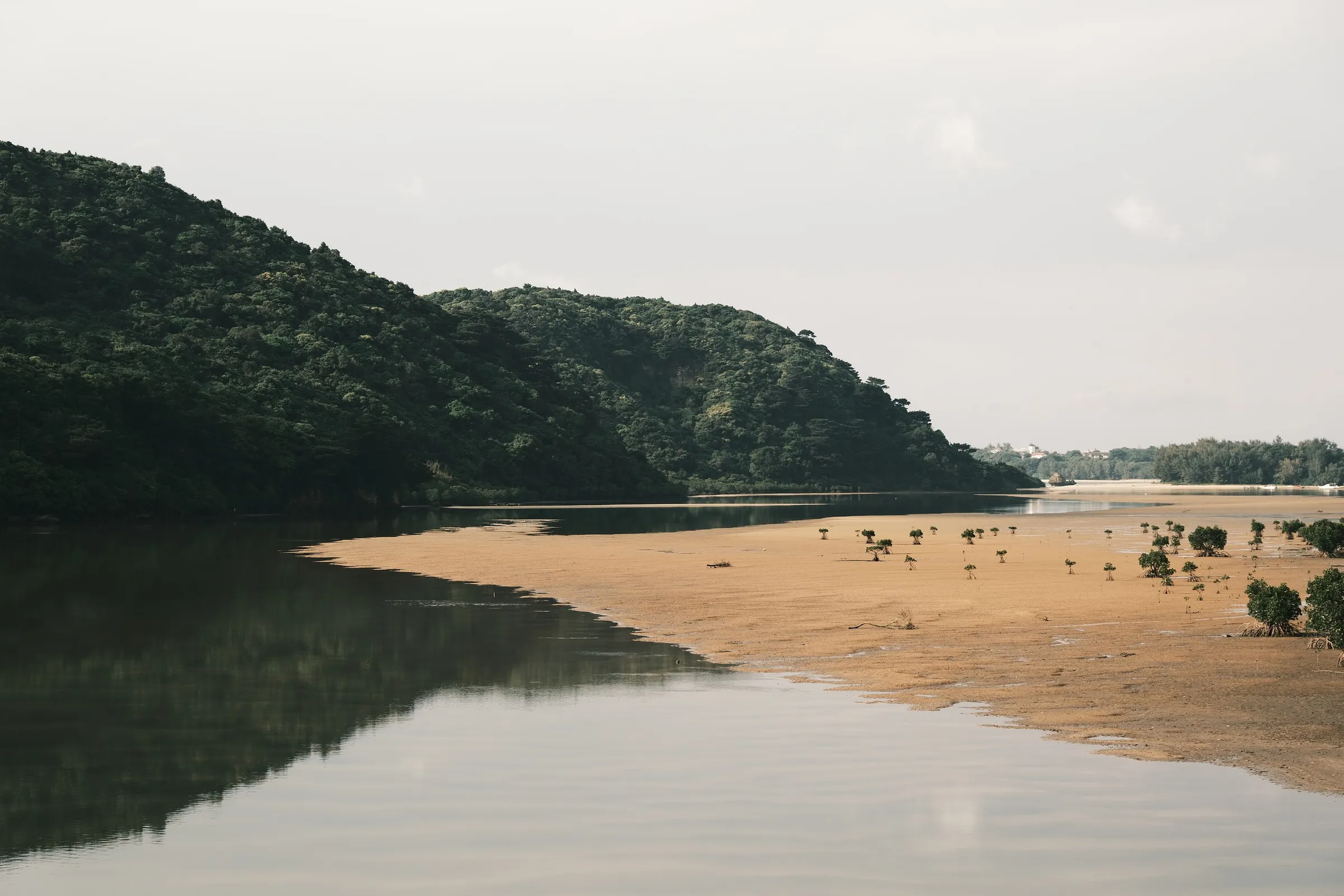
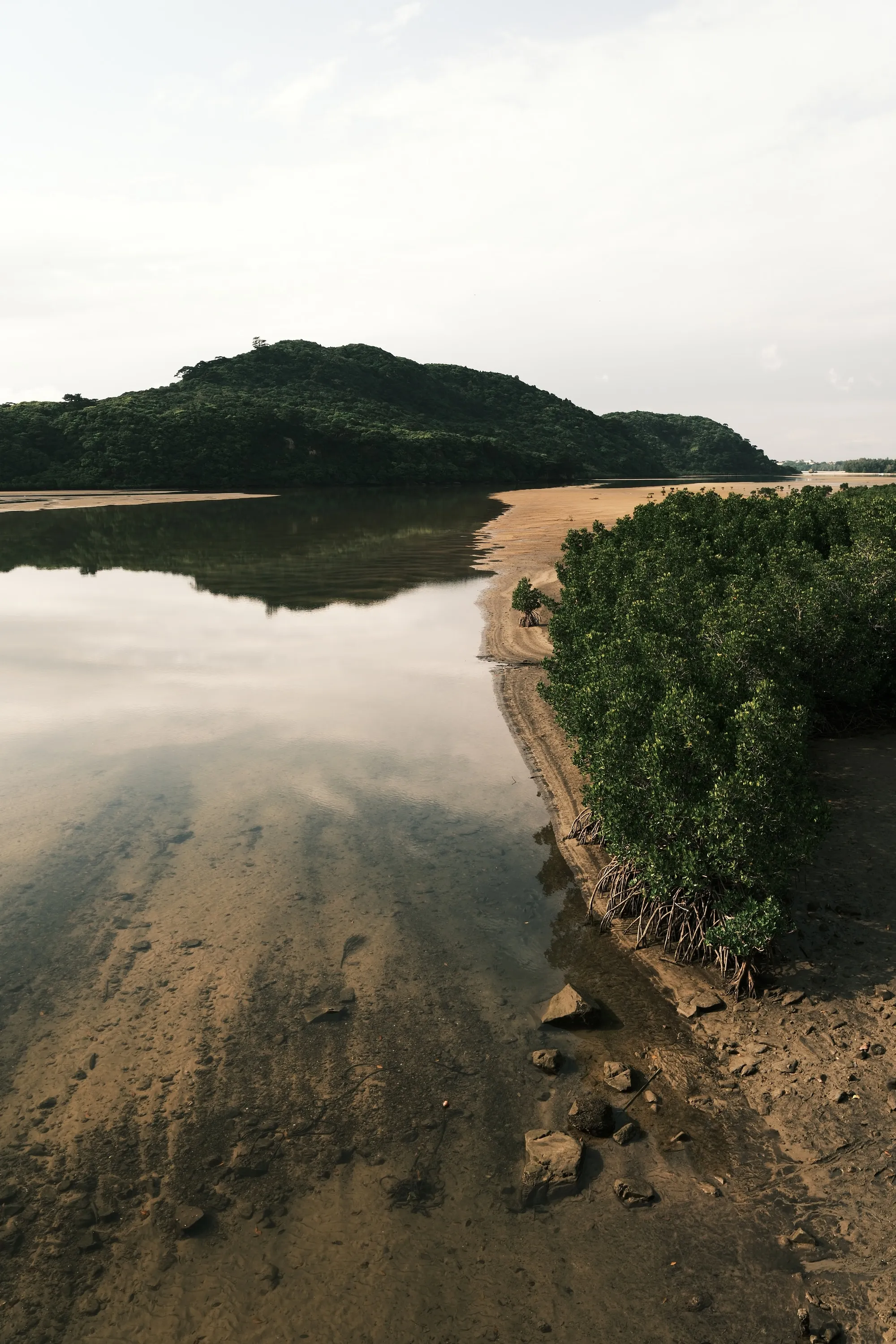
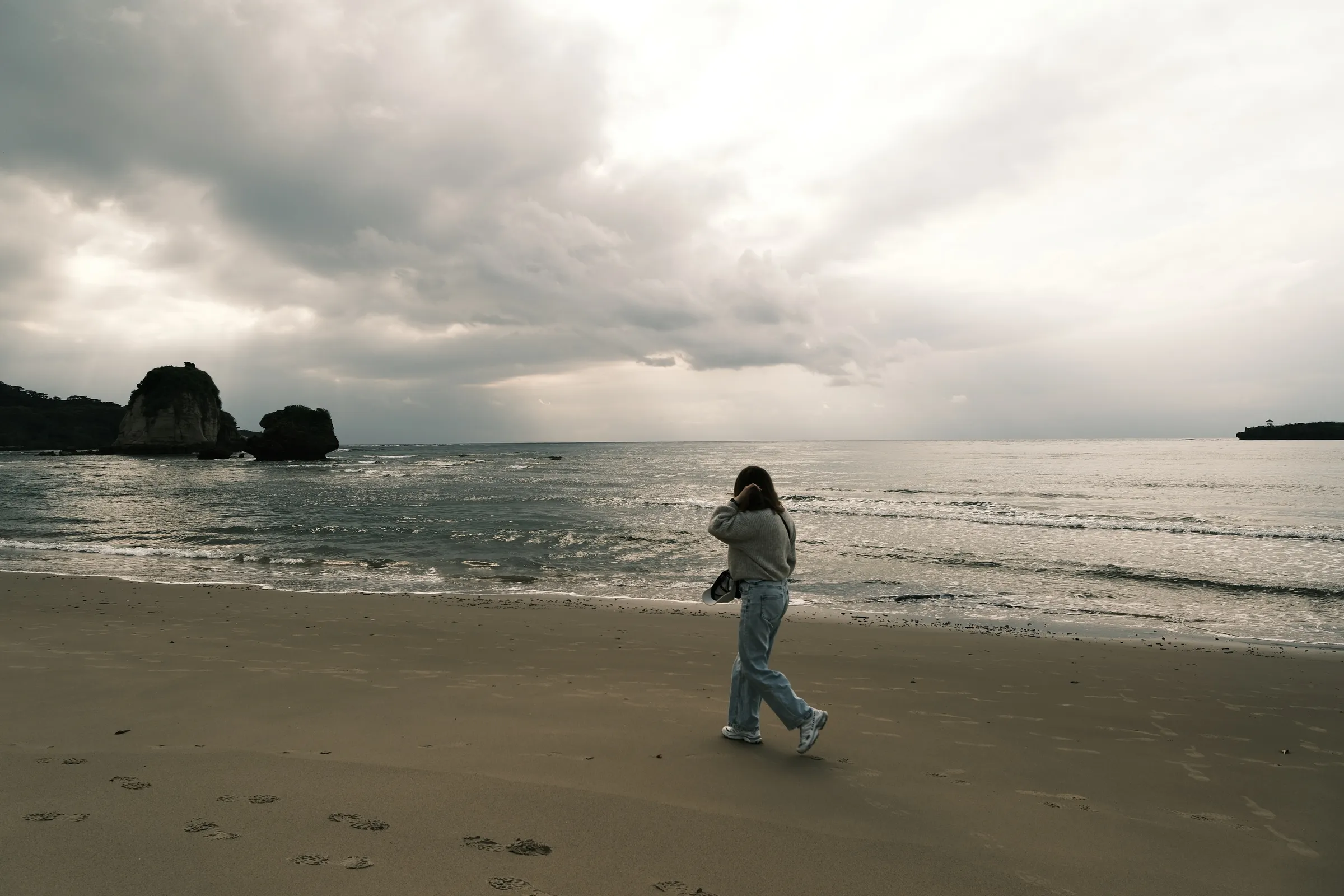
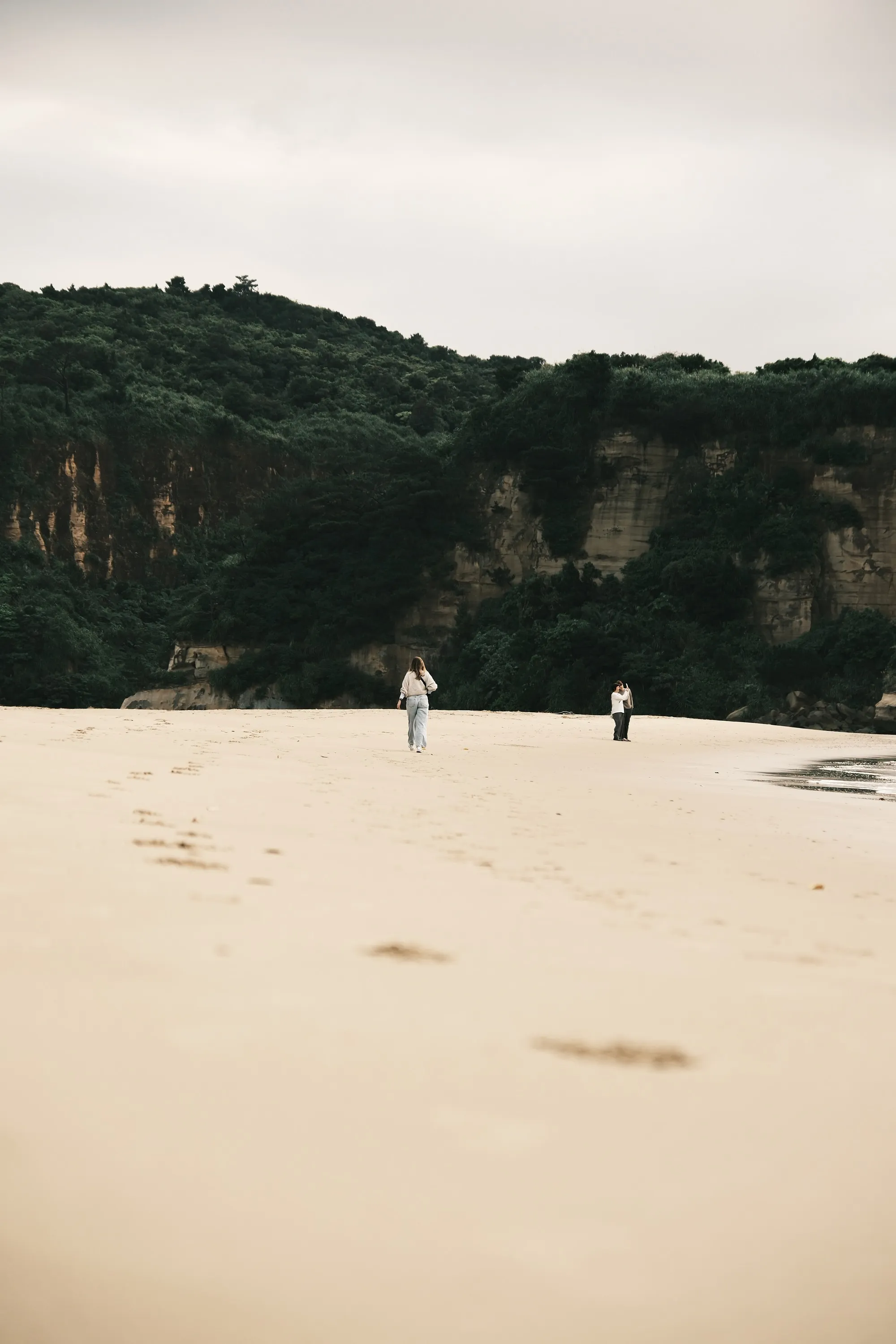
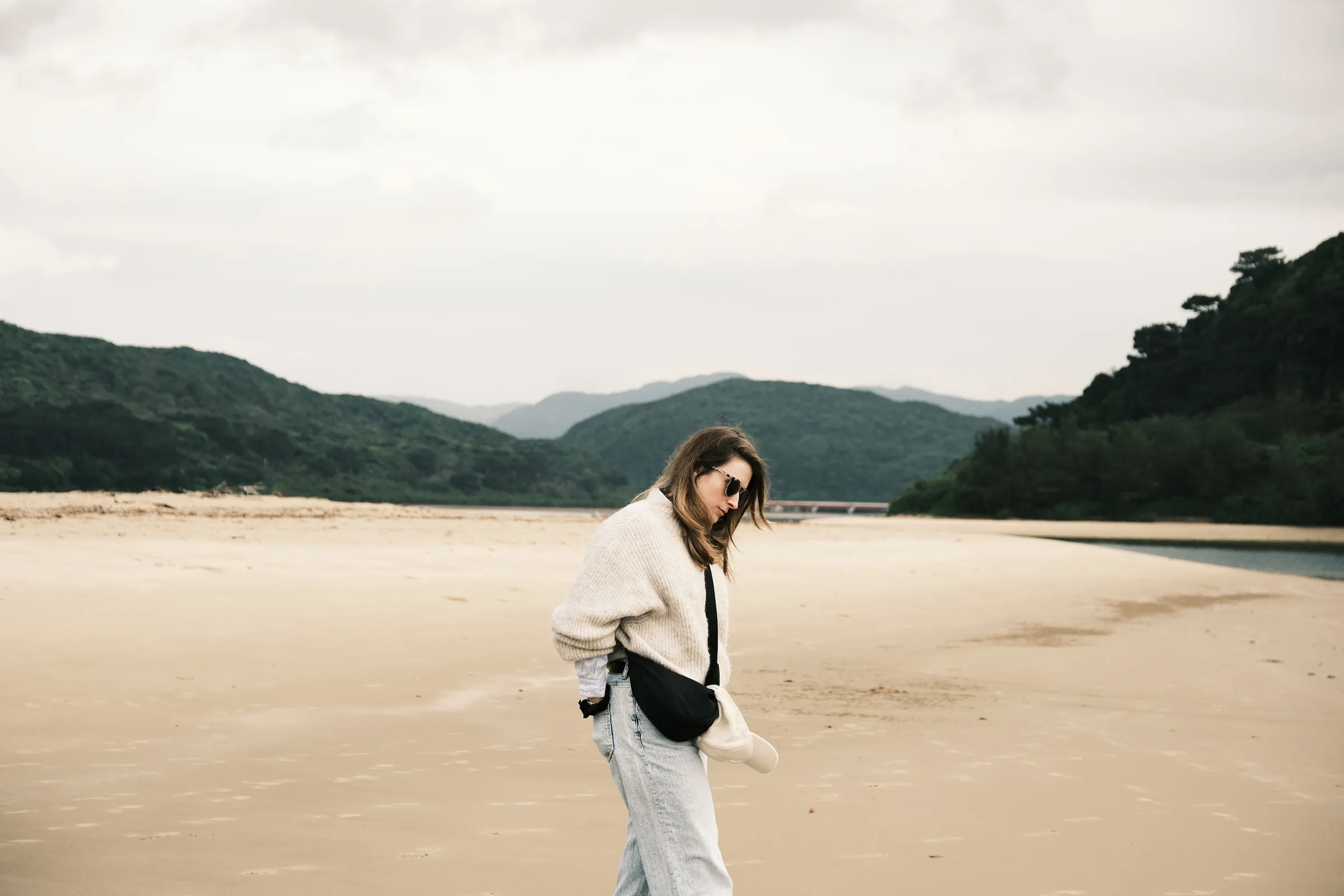
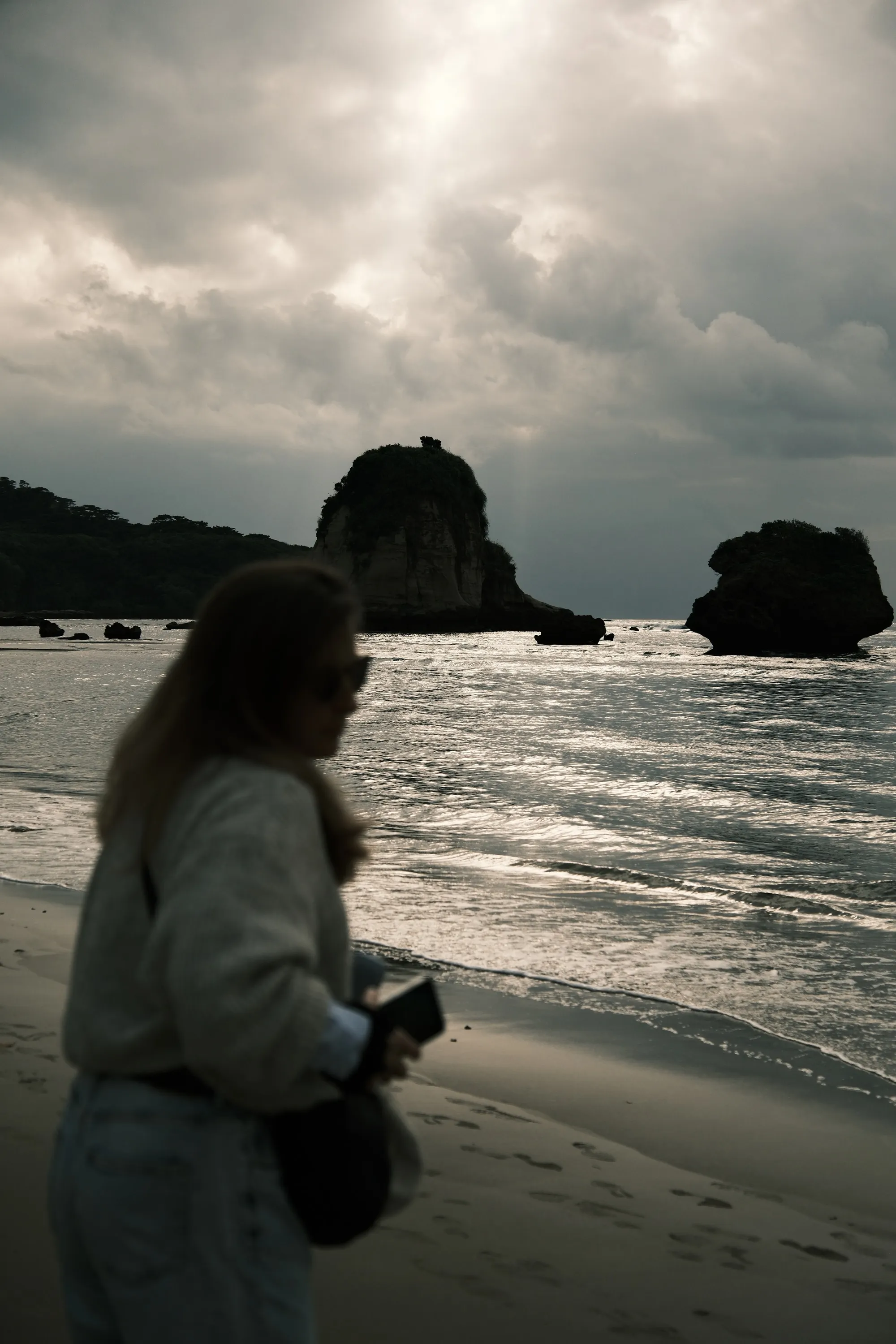
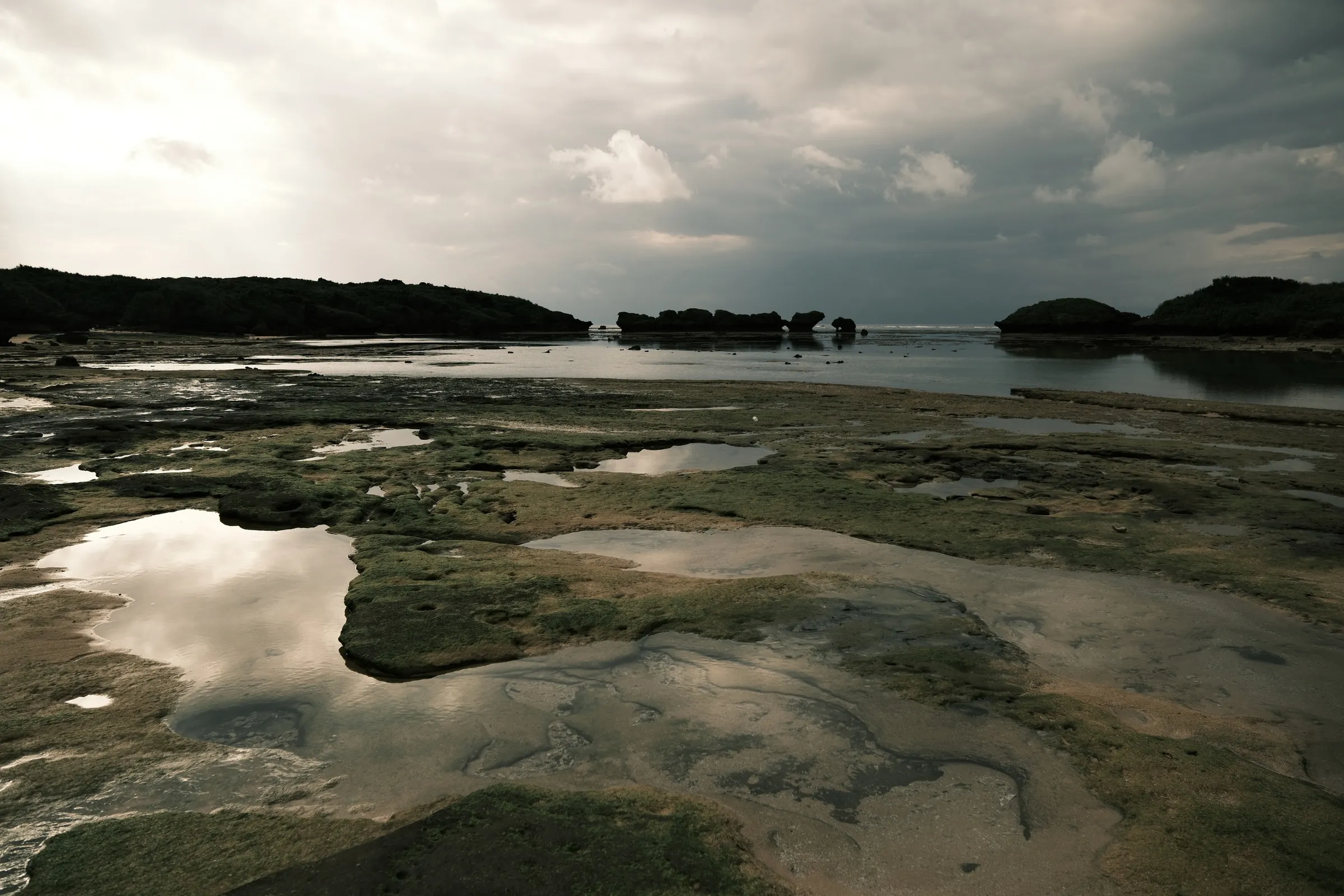
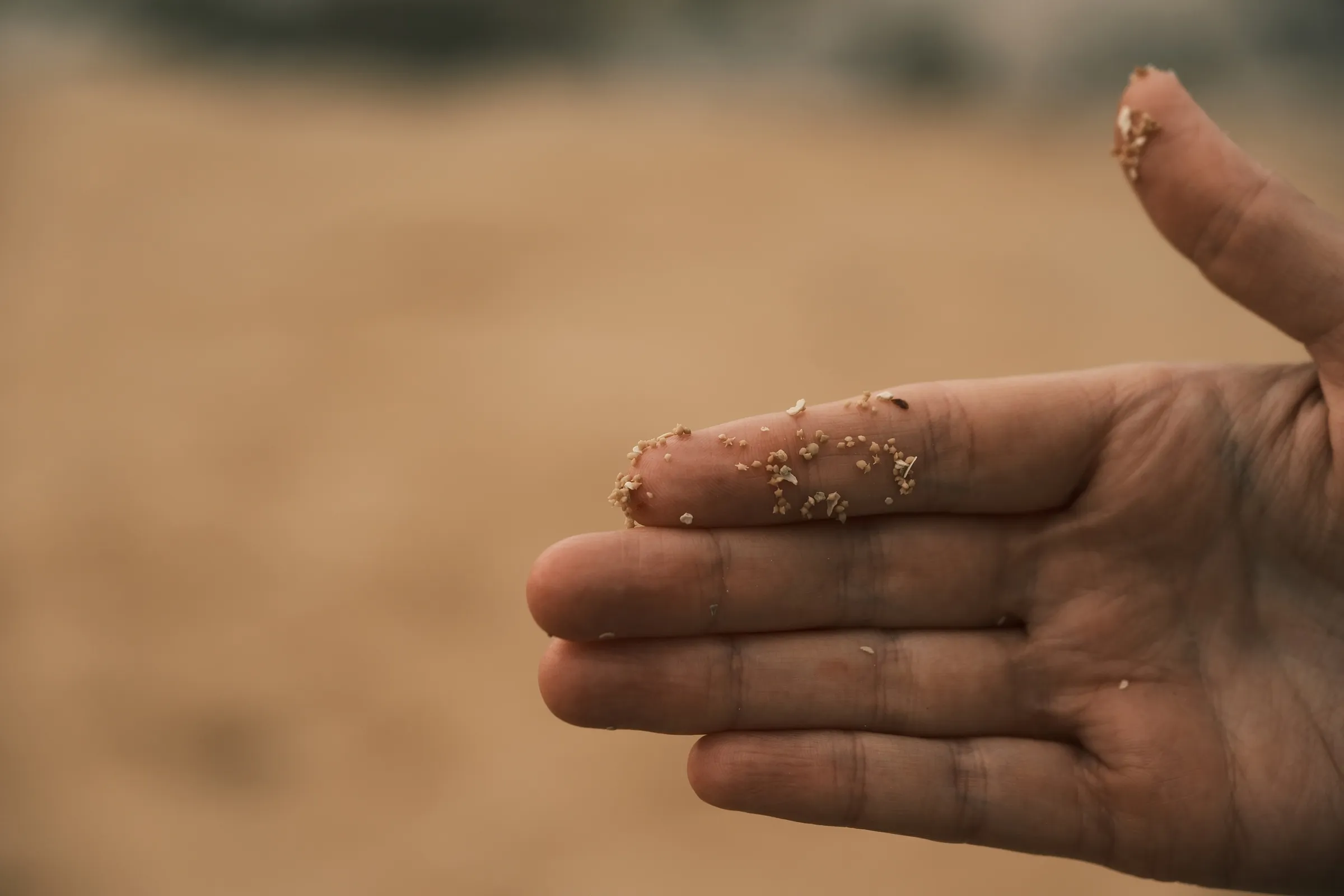
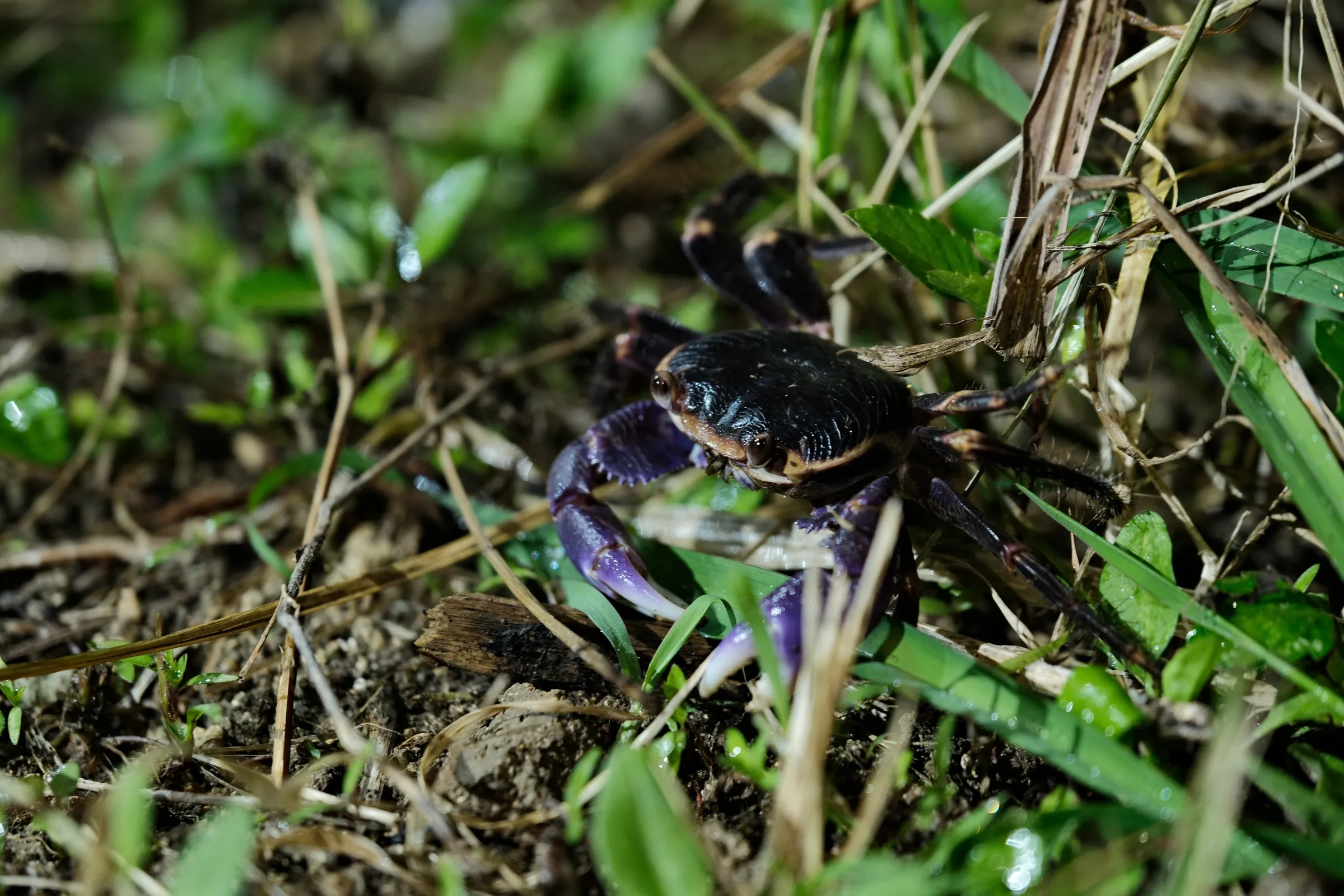
Ferns, waterfalls, and the wild edge of the Yaeyamas
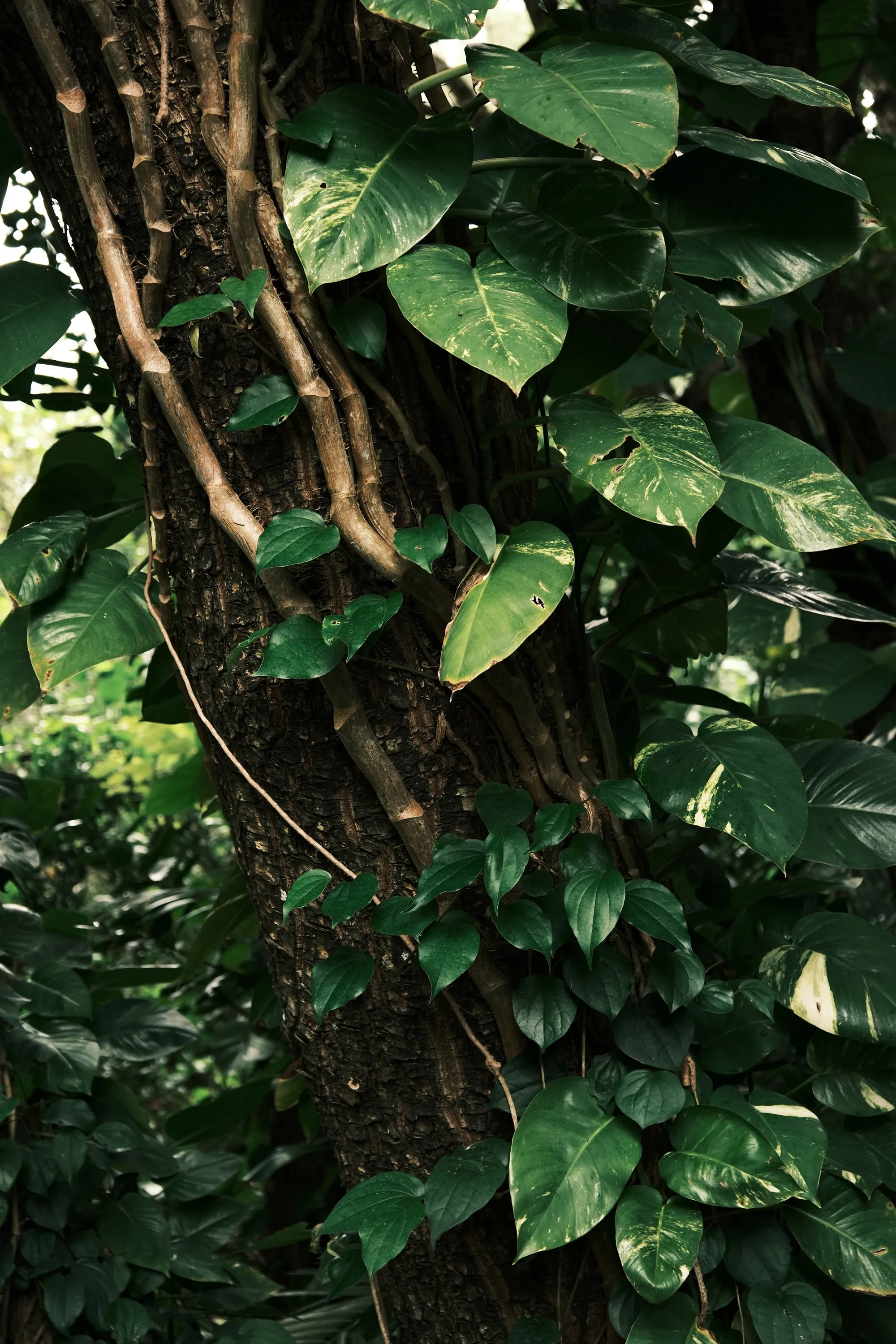
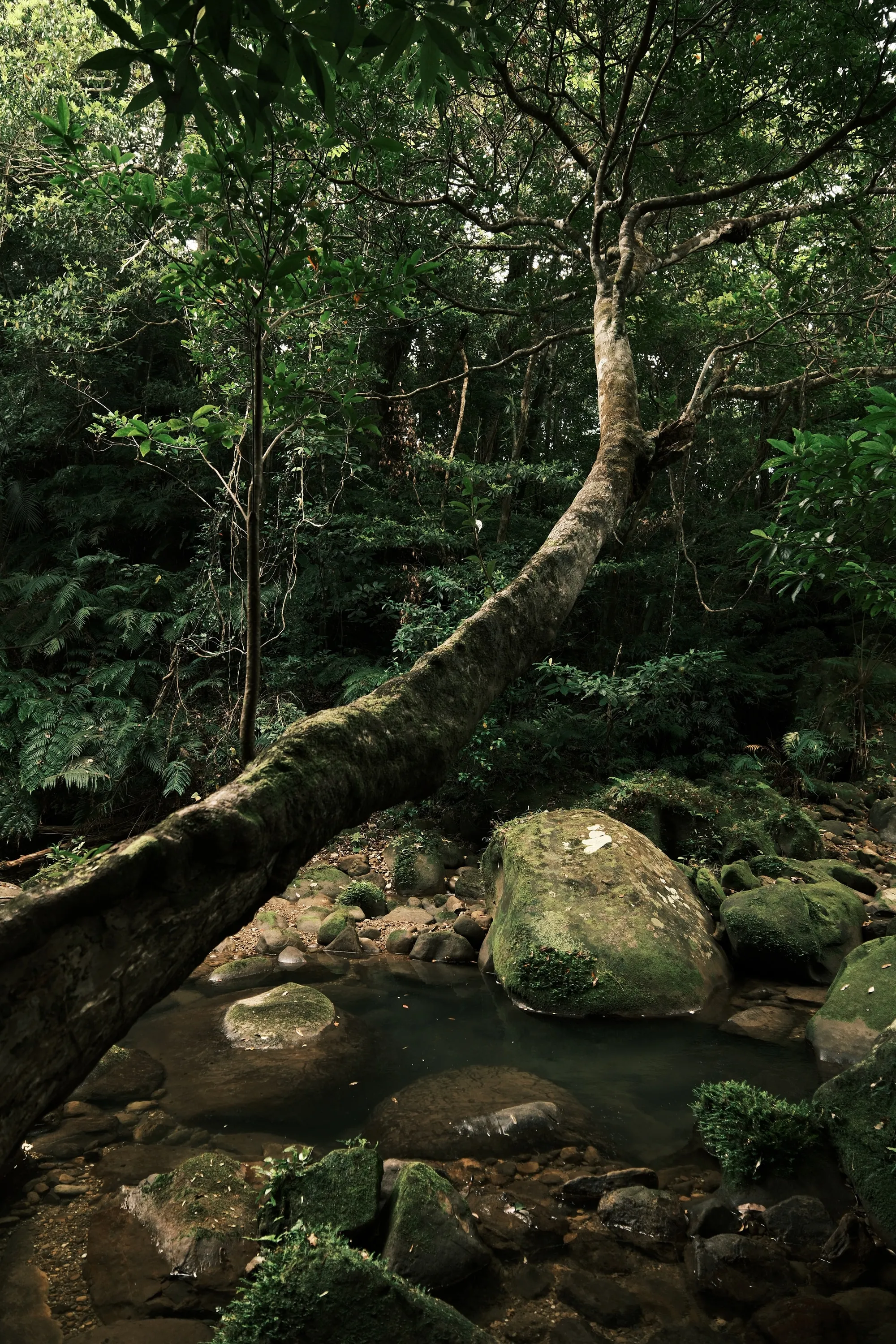
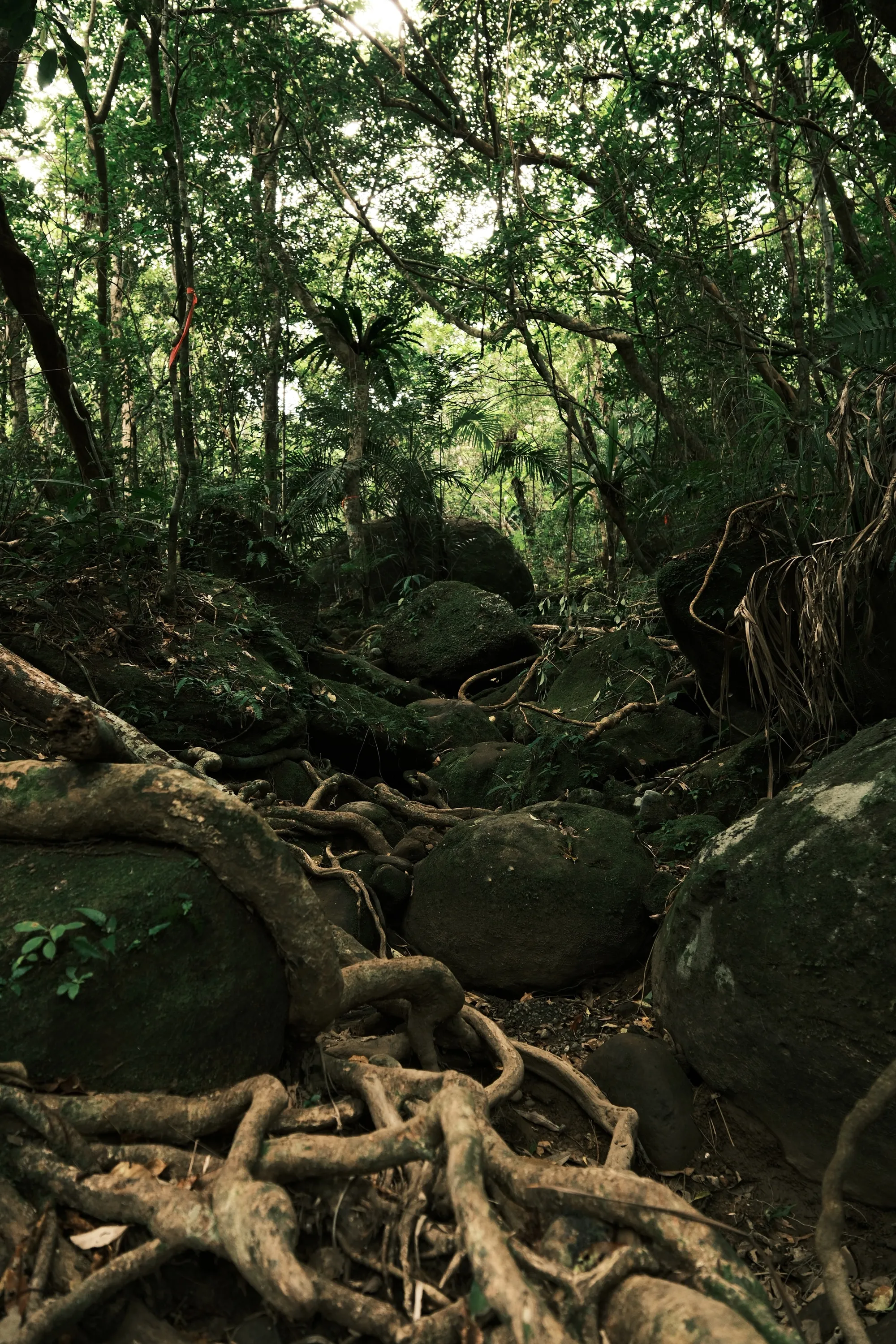
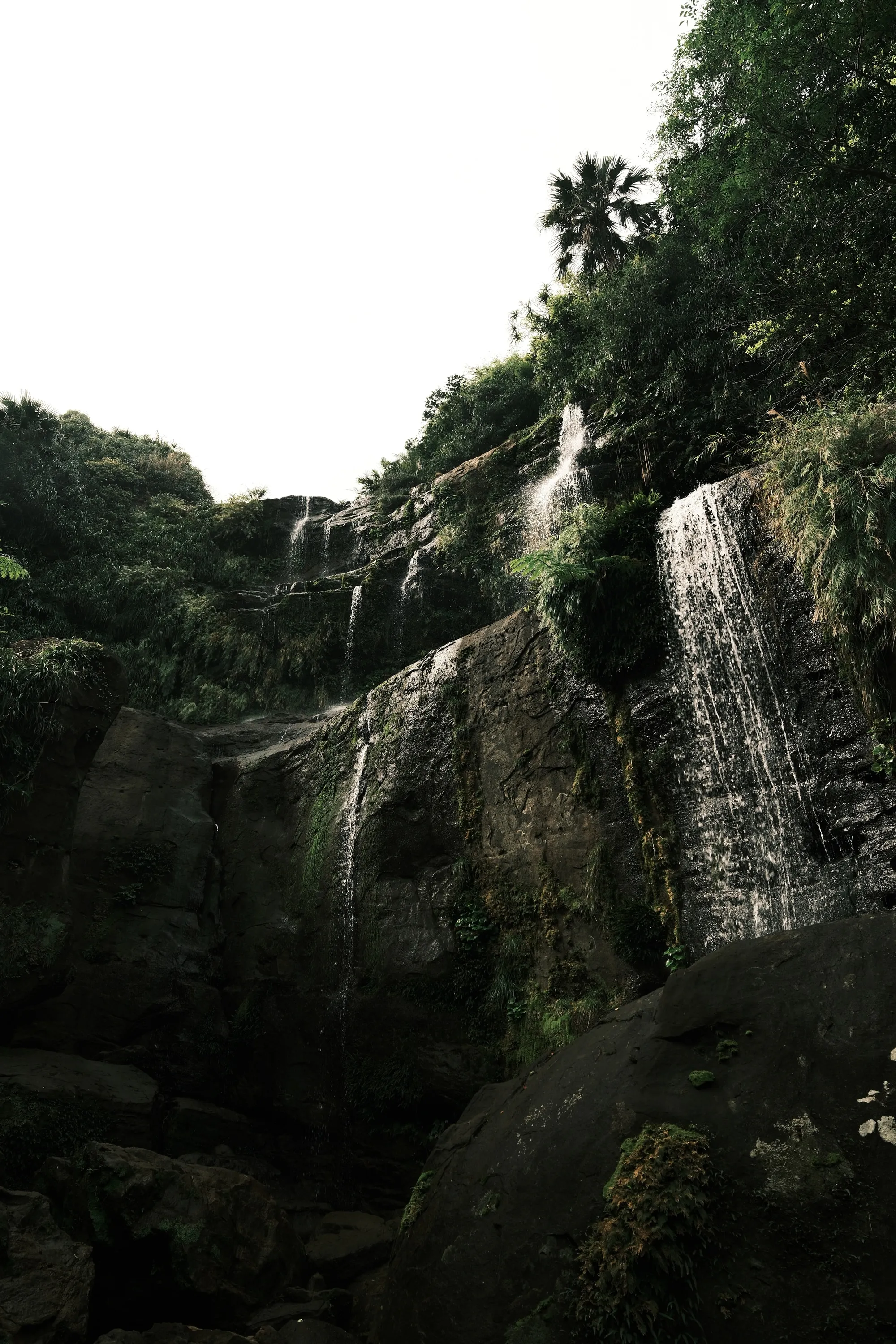
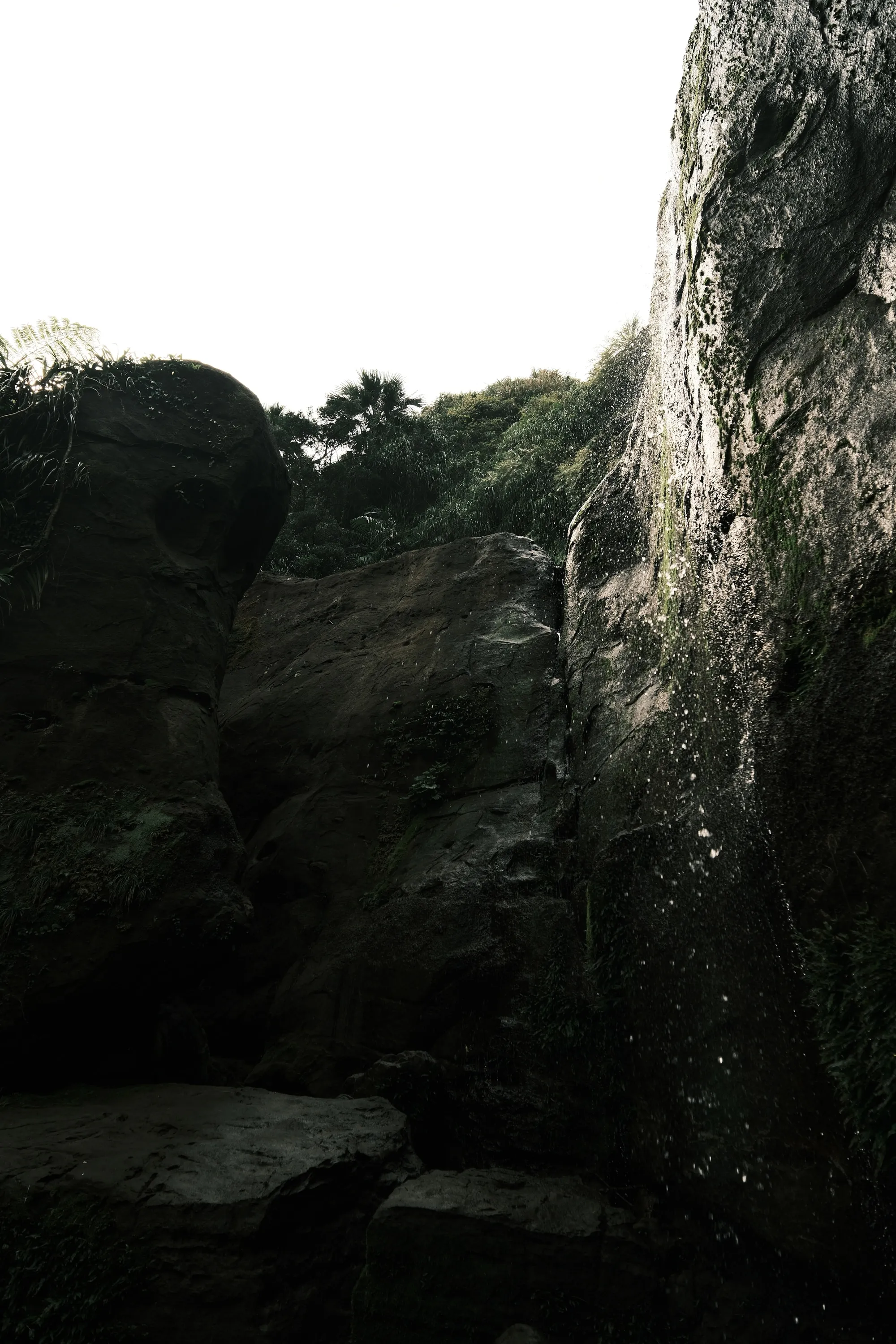
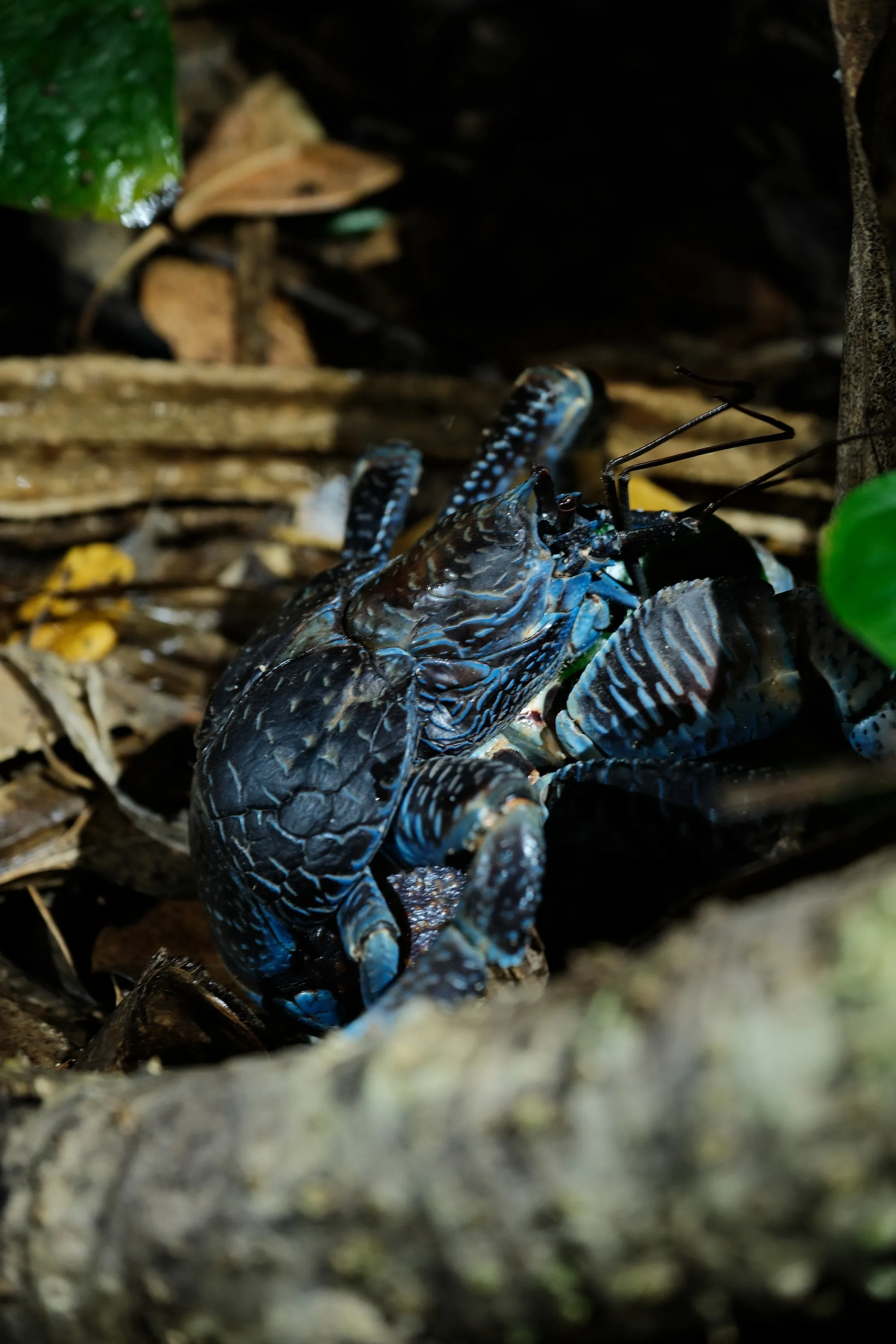
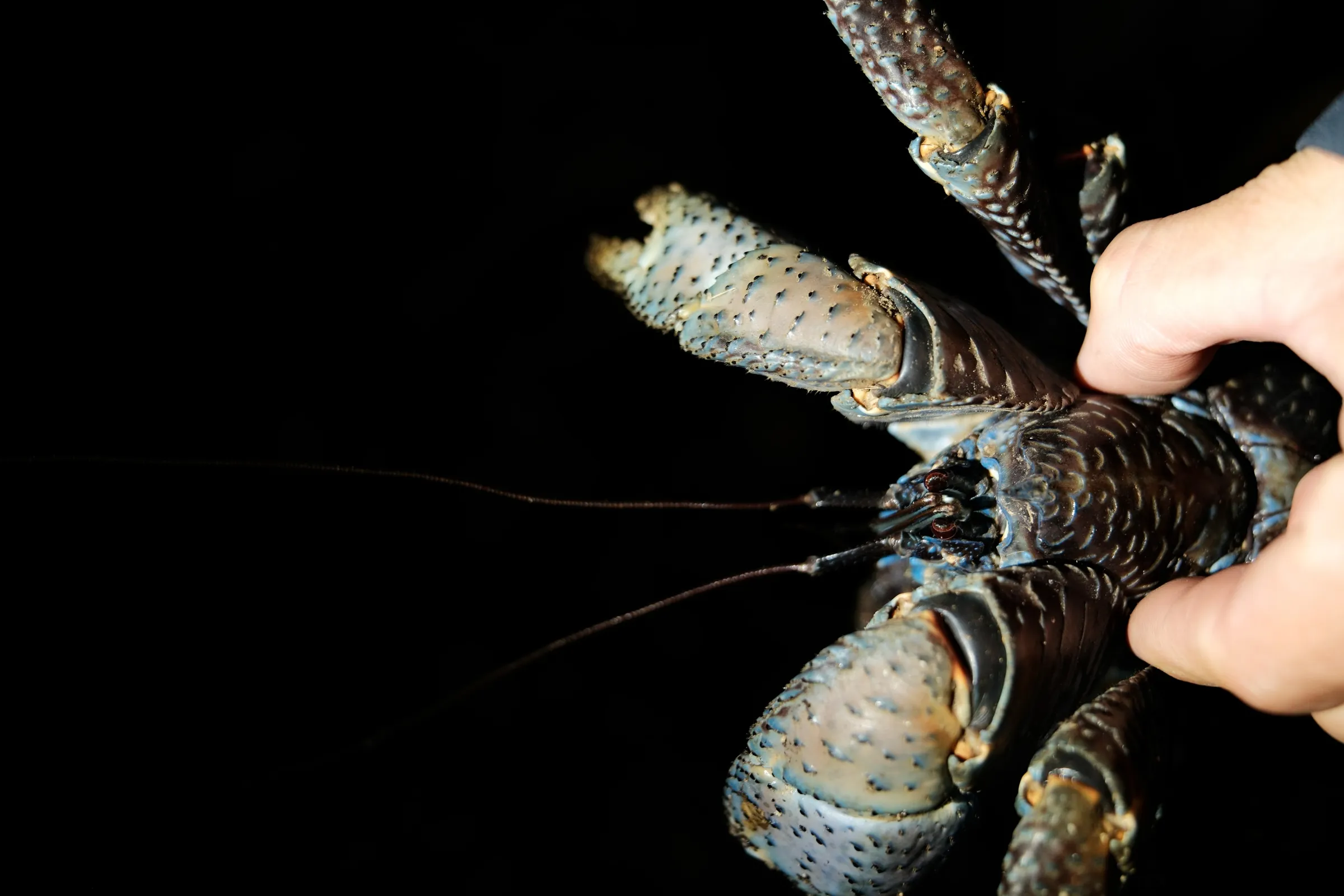
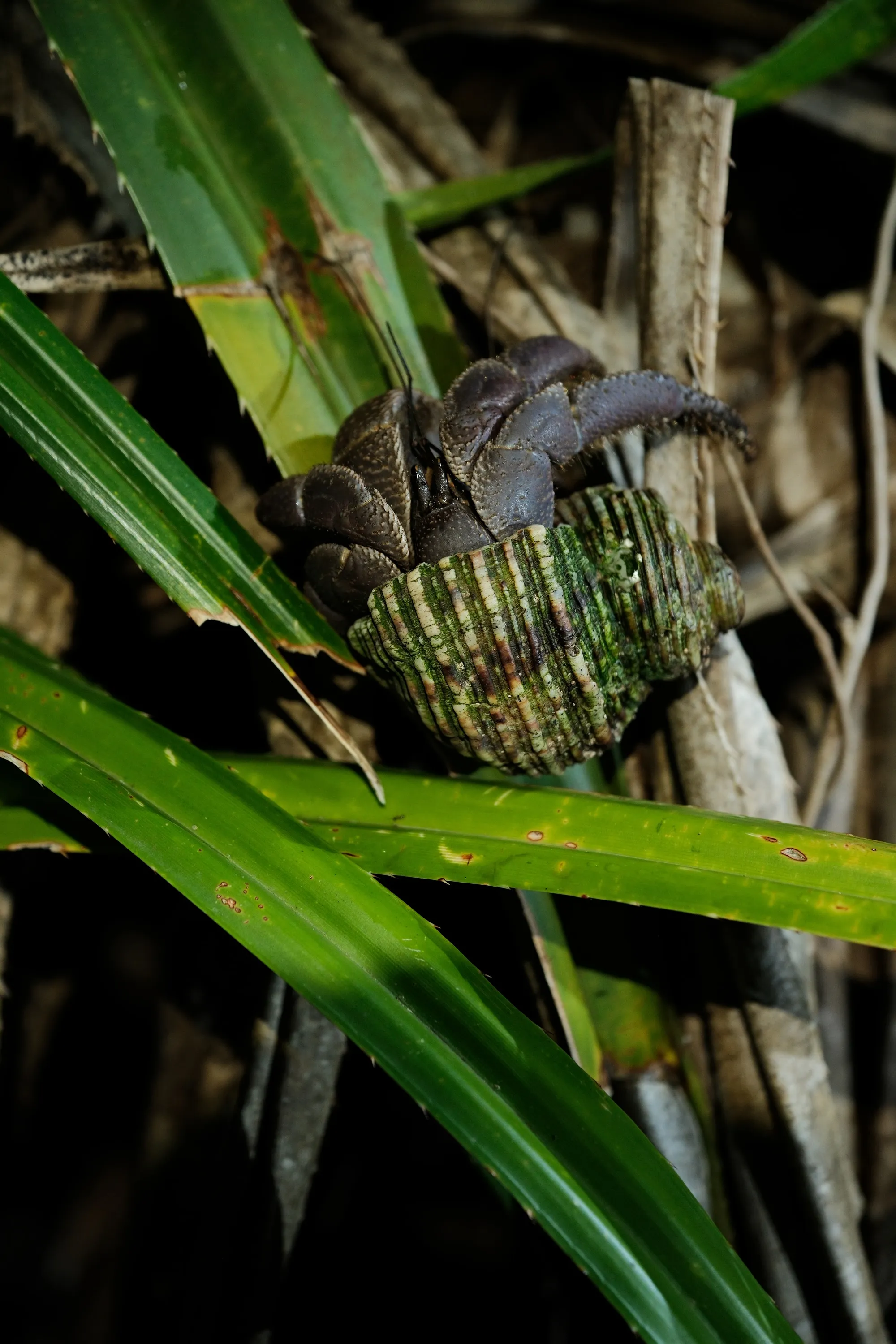
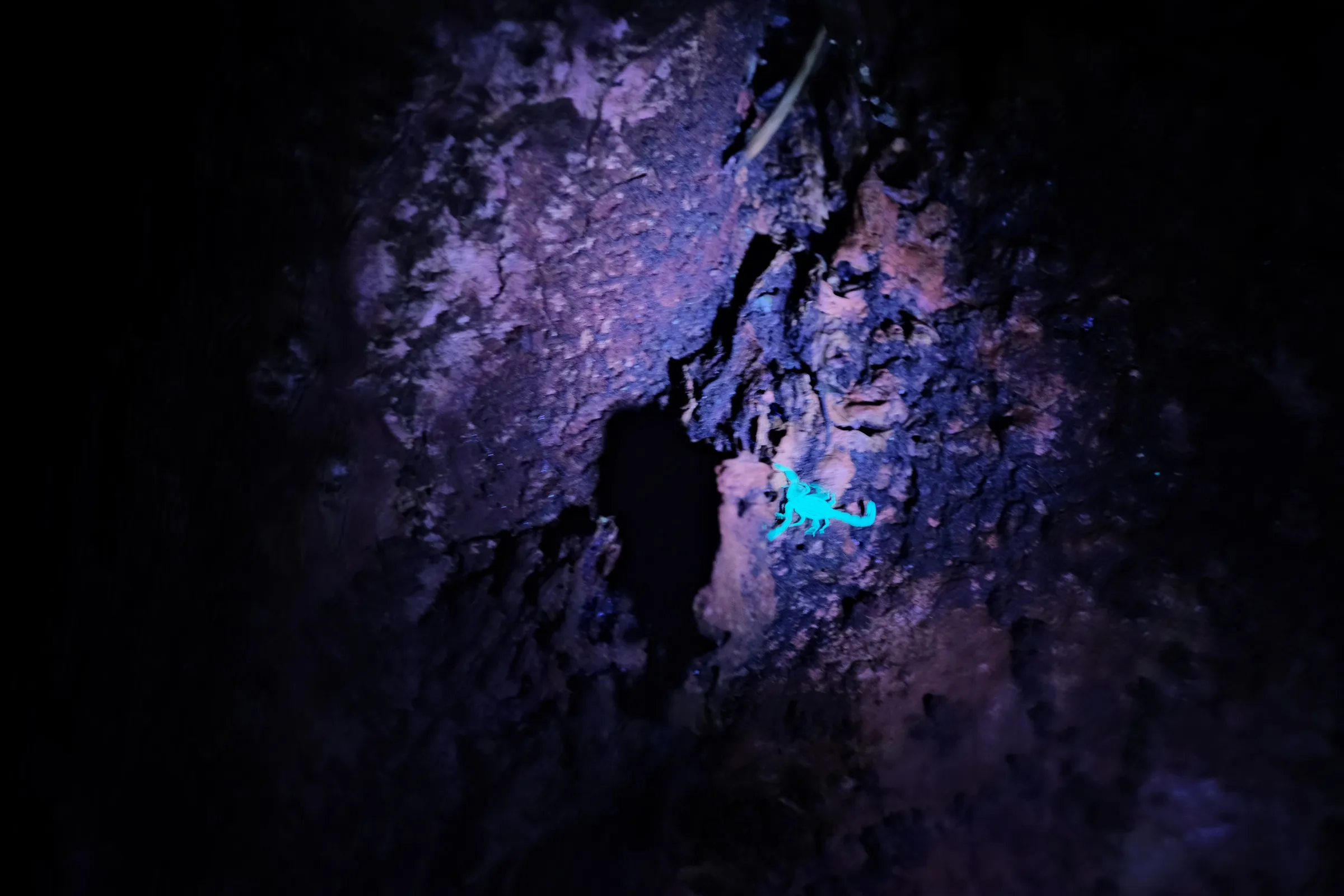
Dense forest took over on Iriomote: giant ferns, moss-covered roots, boardwalks disappearing under the canopy, waterfalls hidden in dark ravines, calm river mouths, empty beaches, and small nocturnal details that made the island feel much wilder than the rest of the route. The waterfalls were simply jaw-dropping, with trails going up the river to reach them, and the nature was so dense it felt like something out of this world.
 400
 401
 402
 403
 404
 405
 406
 407
 408
 409
 410
 411
 412
 413
 414
 415
 416
 417
 418
 419
 420
 421
 422
 423
 424
 425
 426
 427
 428
 429
 430
 431
 432
 433
 434
 435
 436
 437
 438
 439
 440